Yosemite Valley — History & Analysis
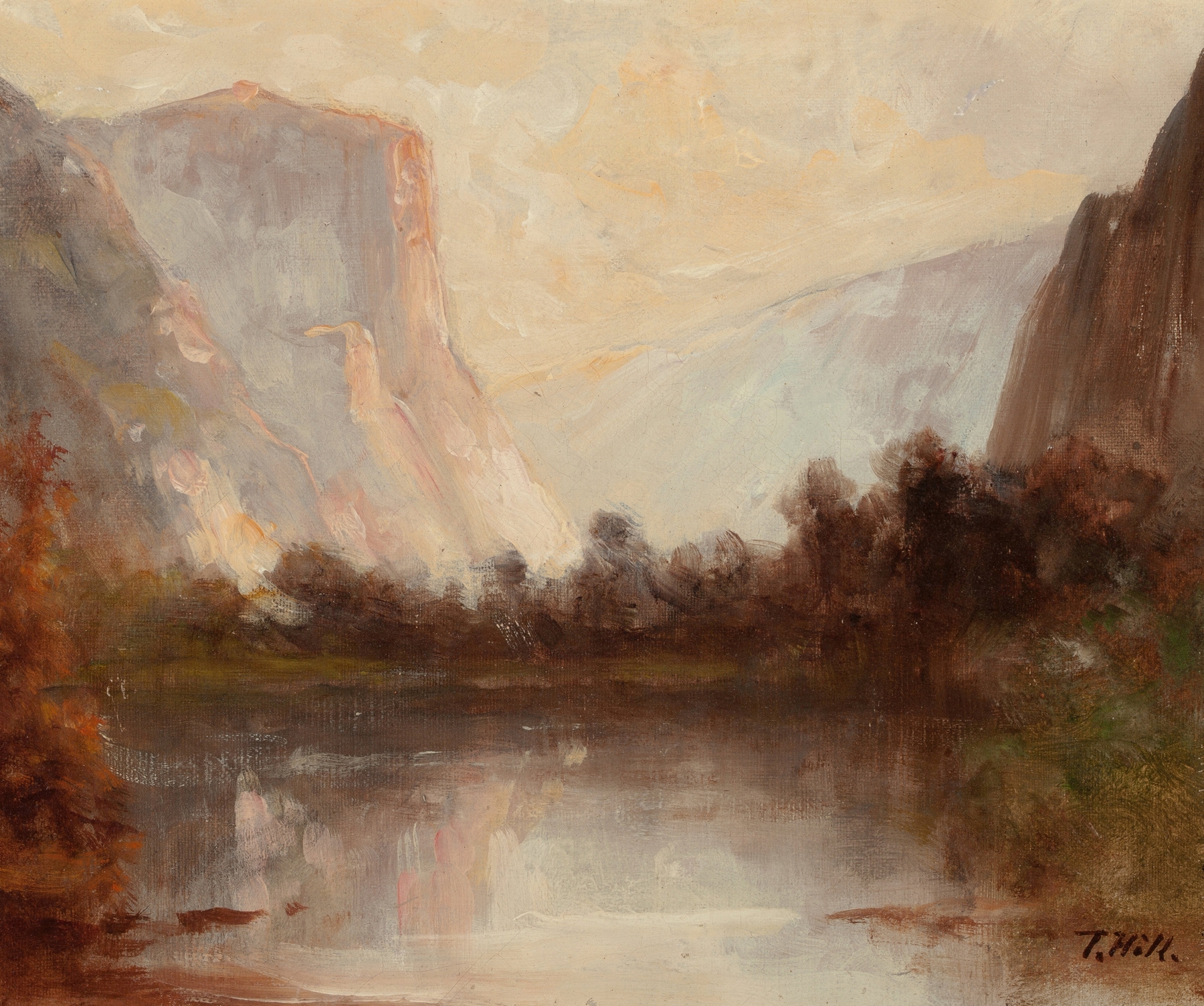
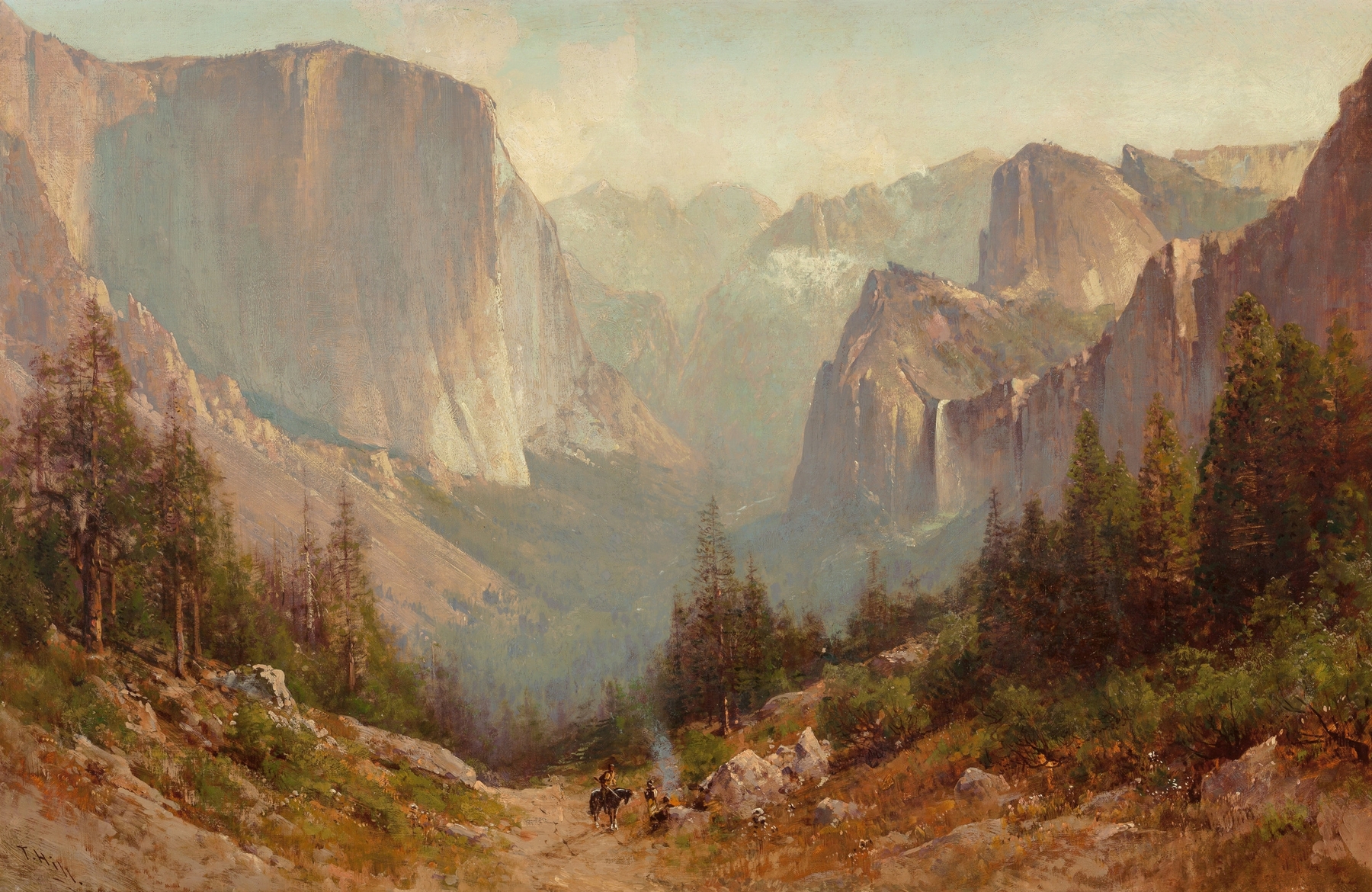
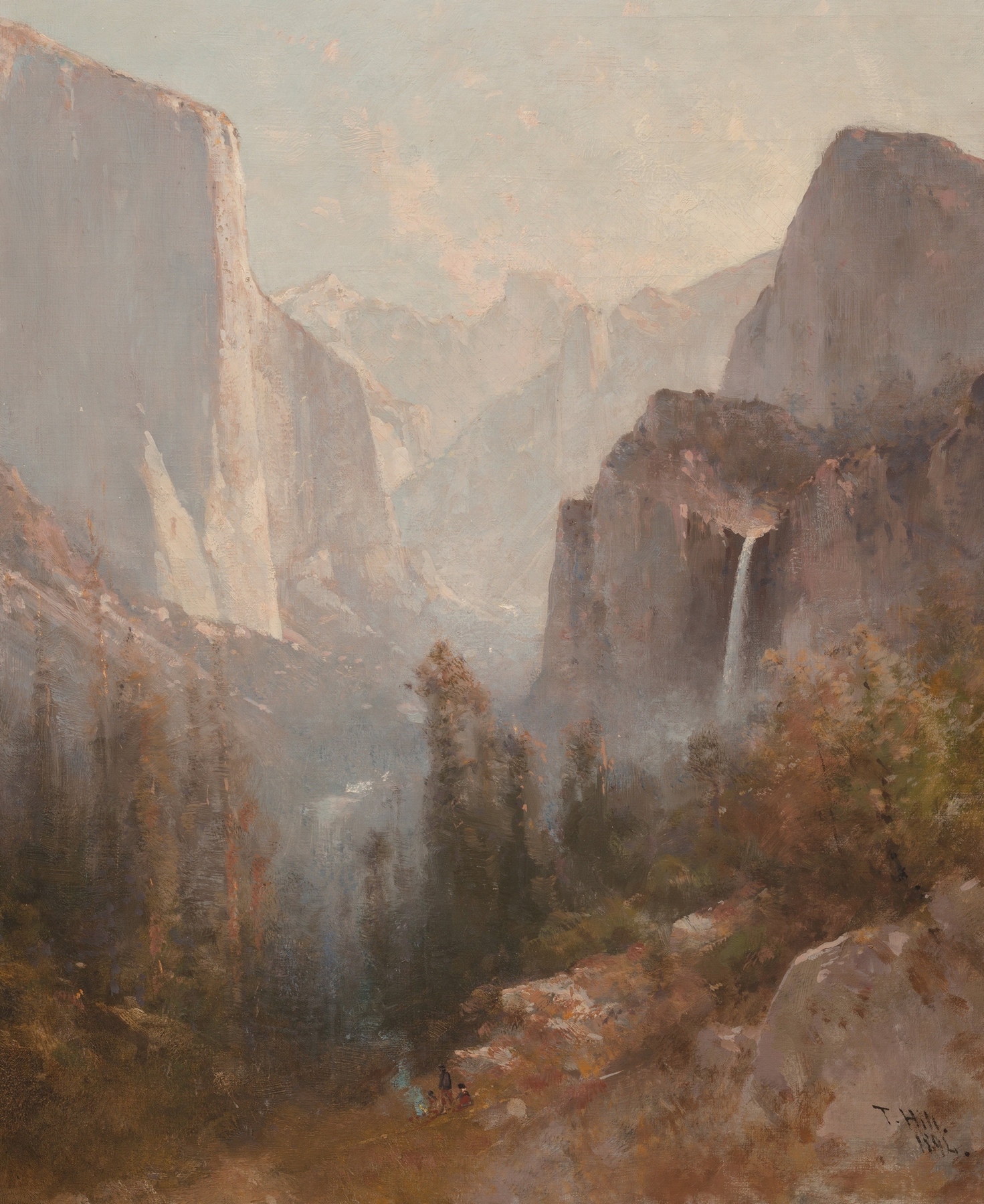
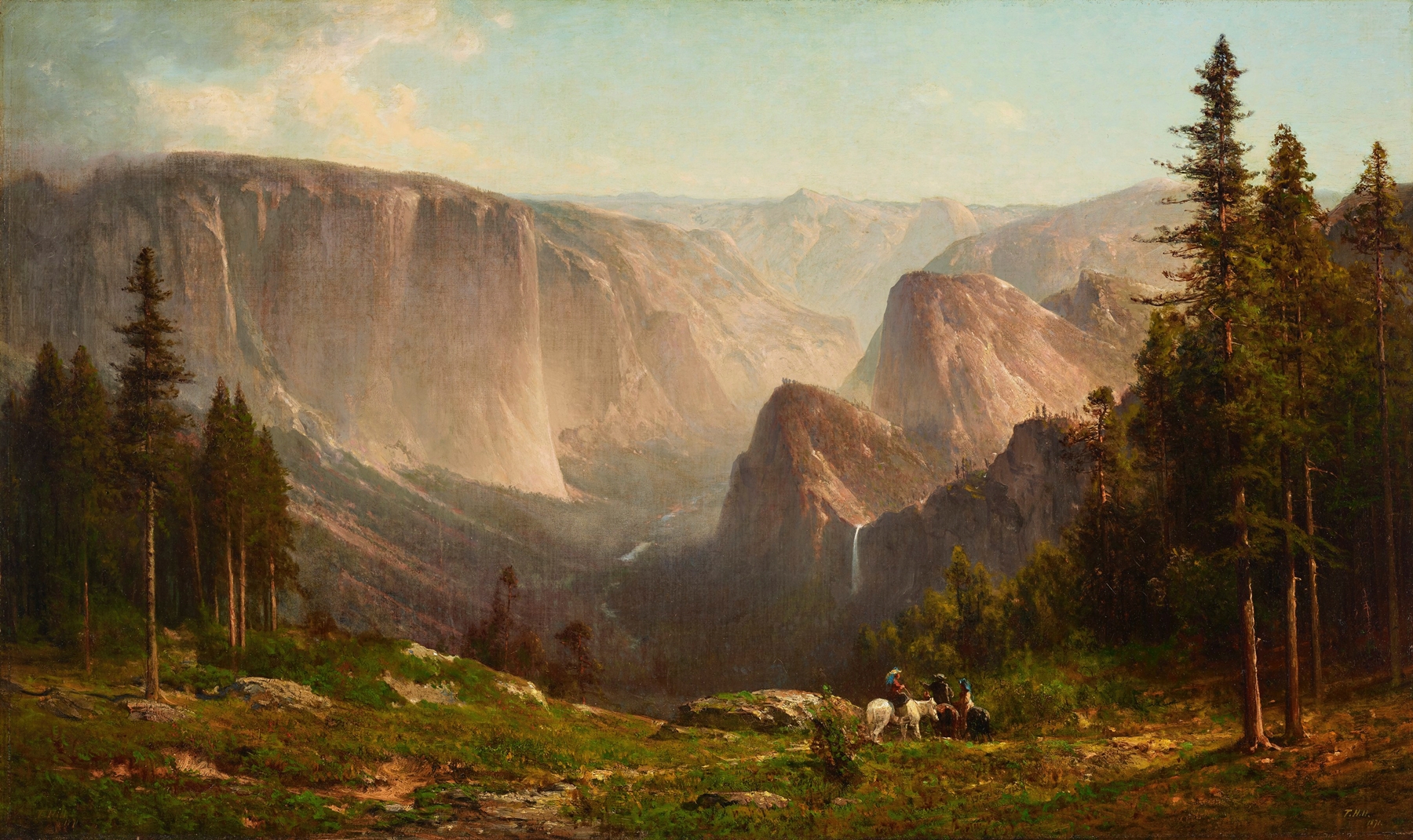
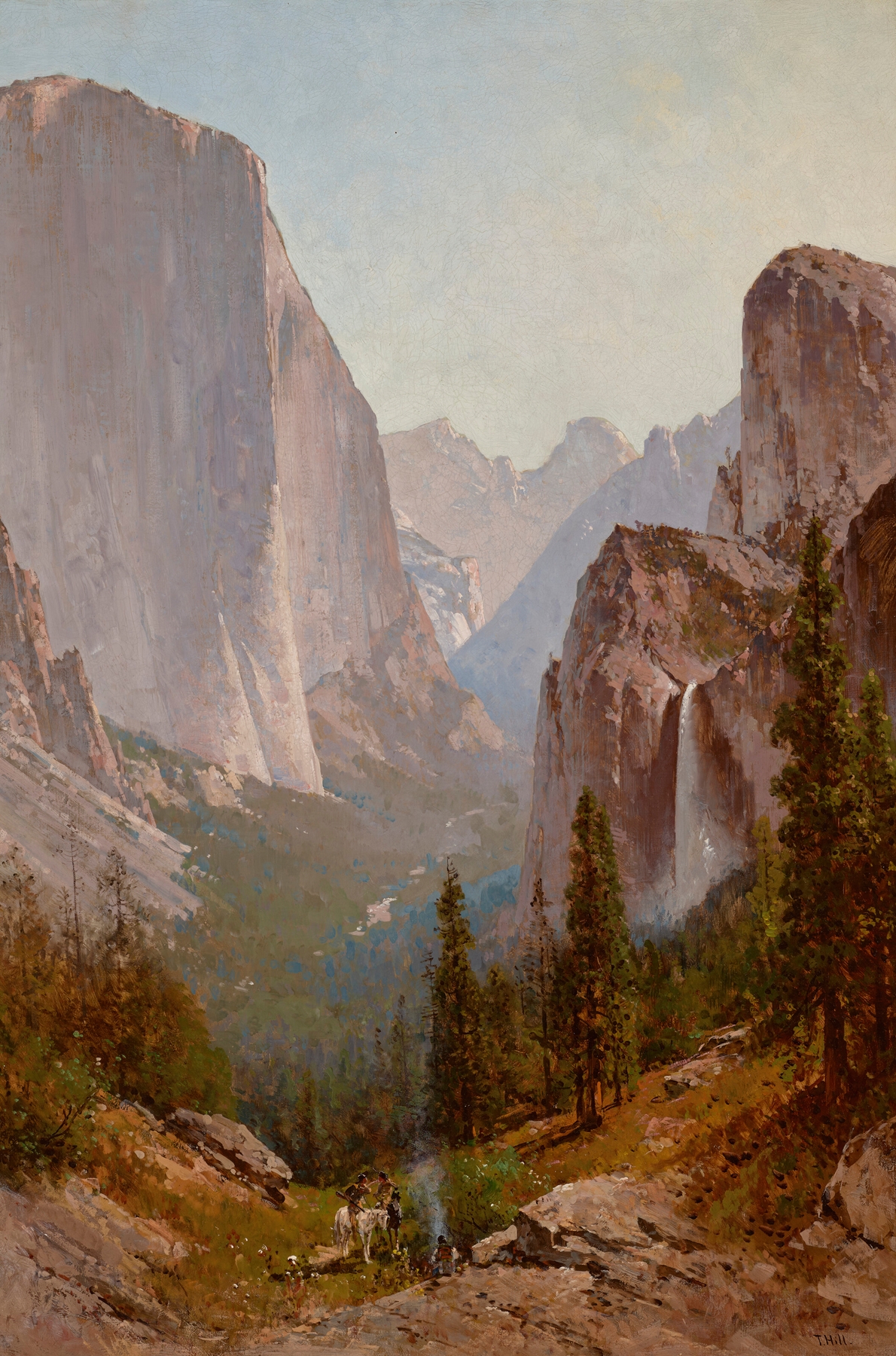
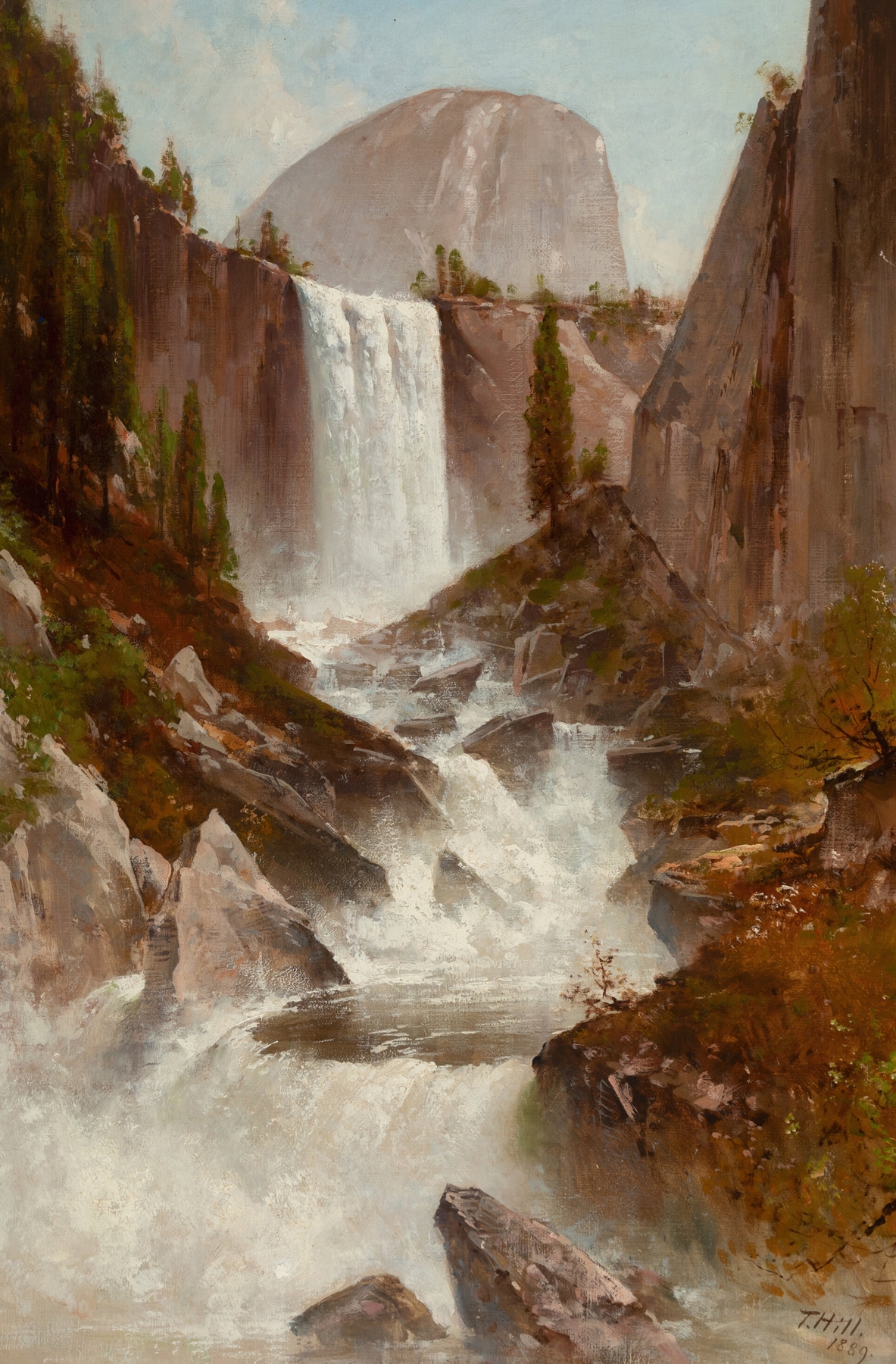
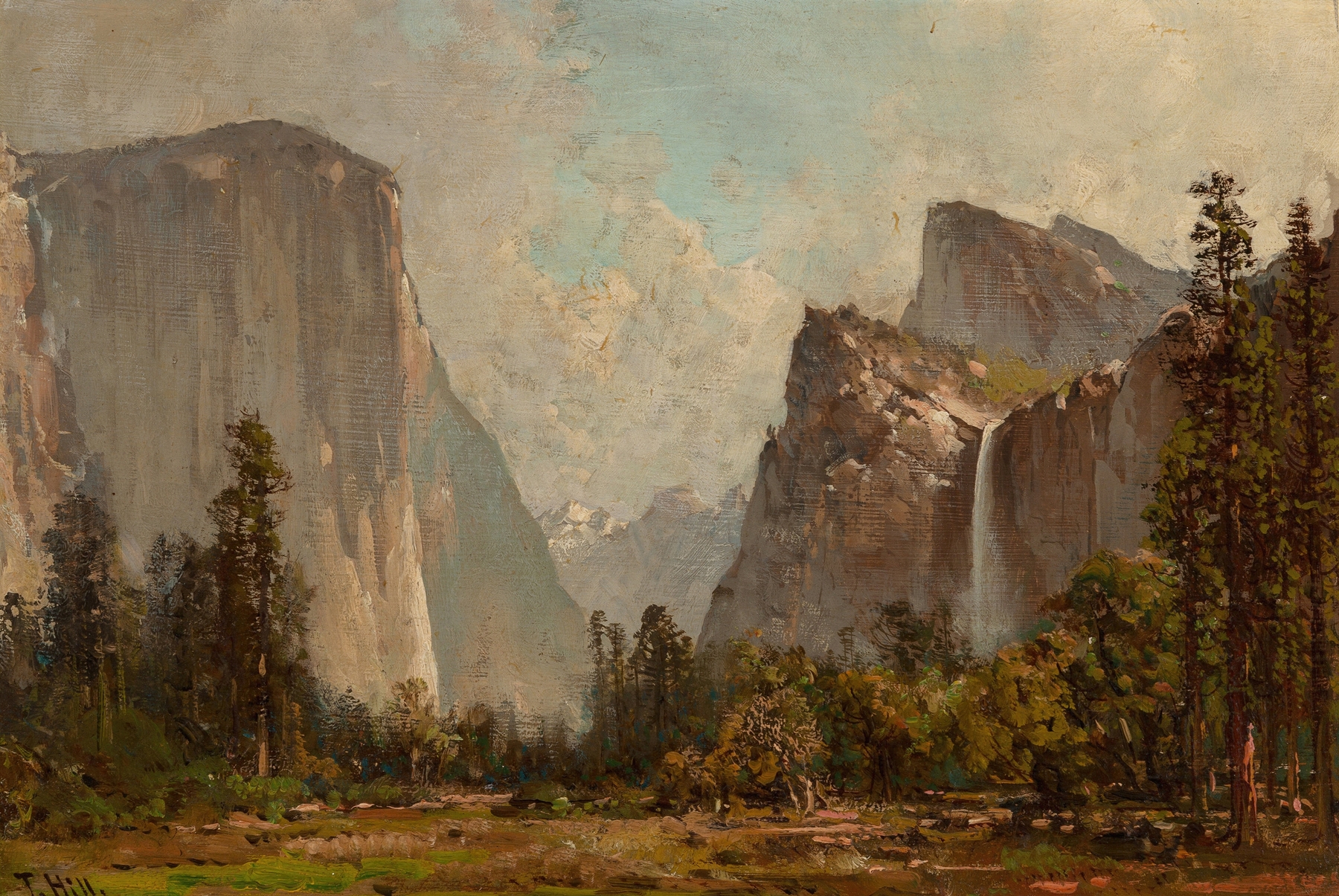
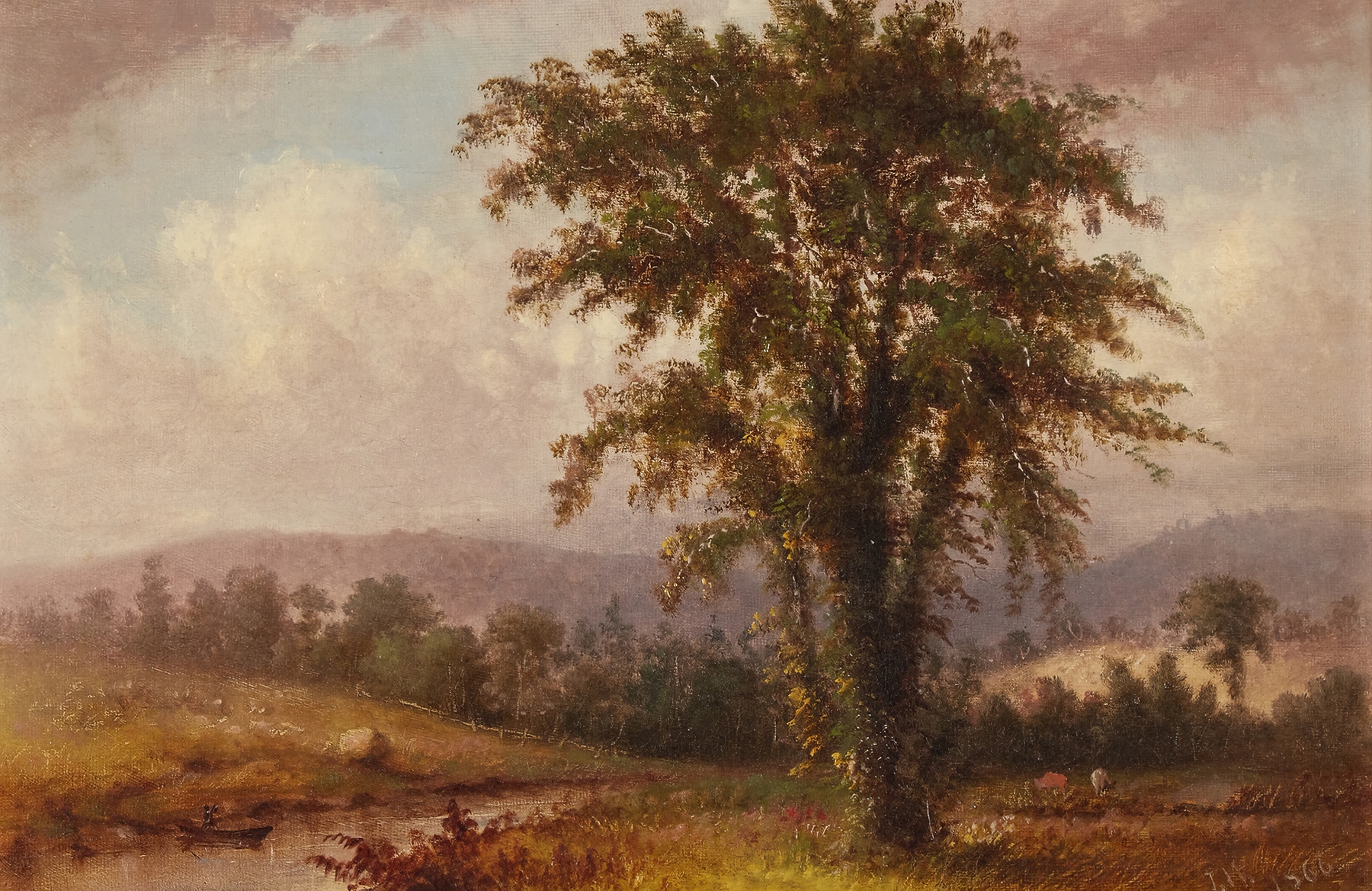
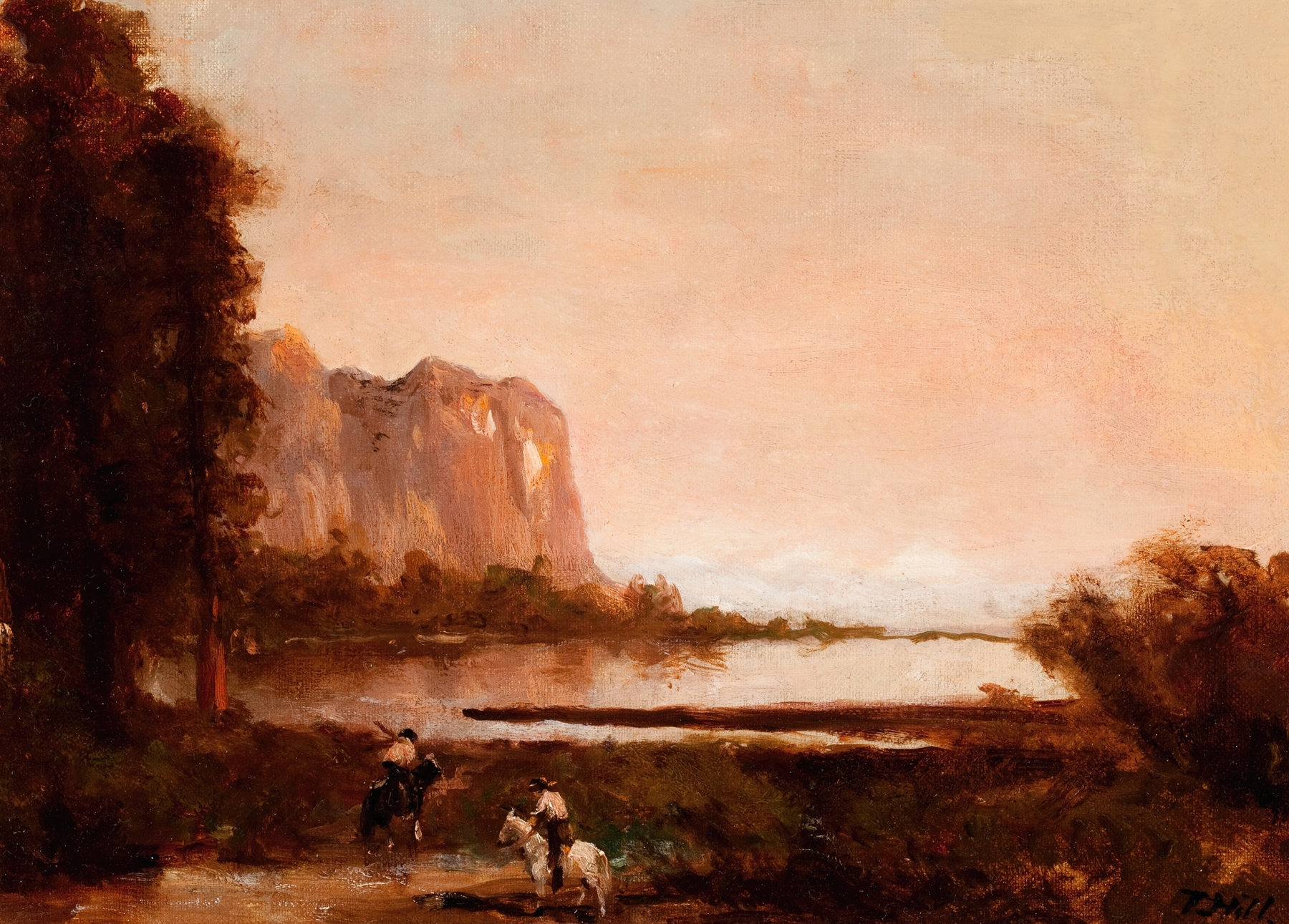
Is this a mirror — or a memory? In Yosemite Valley, the expansive landscape beckons with a promise of serenity and grandeur that tugs at the heart, resonating with the human spirit's quest for hope amidst nature's majesty. Focus on the vivid interplay of light and shadow as your eyes wander across the canvas. The towering granite cliffs, painted in warm ochres and cool blues, dominate the horizon, inviting you to explore their rugged texture.
Notice how the lush green foreground contrasts with the stark rock formations, while gentle clouds drift across a bright sky, suggesting a fleeting moment suspended in time. The careful brushwork evokes both the stillness of the valley and the dynamic energy of the elements at play. Digging deeper, the painting encapsulates a poignant tension between permanence and transience. The majestic cliffs stand as eternal witnesses to the passage of time, while the soft reflections in the river hint at the fleeting nature of beauty and human experience.
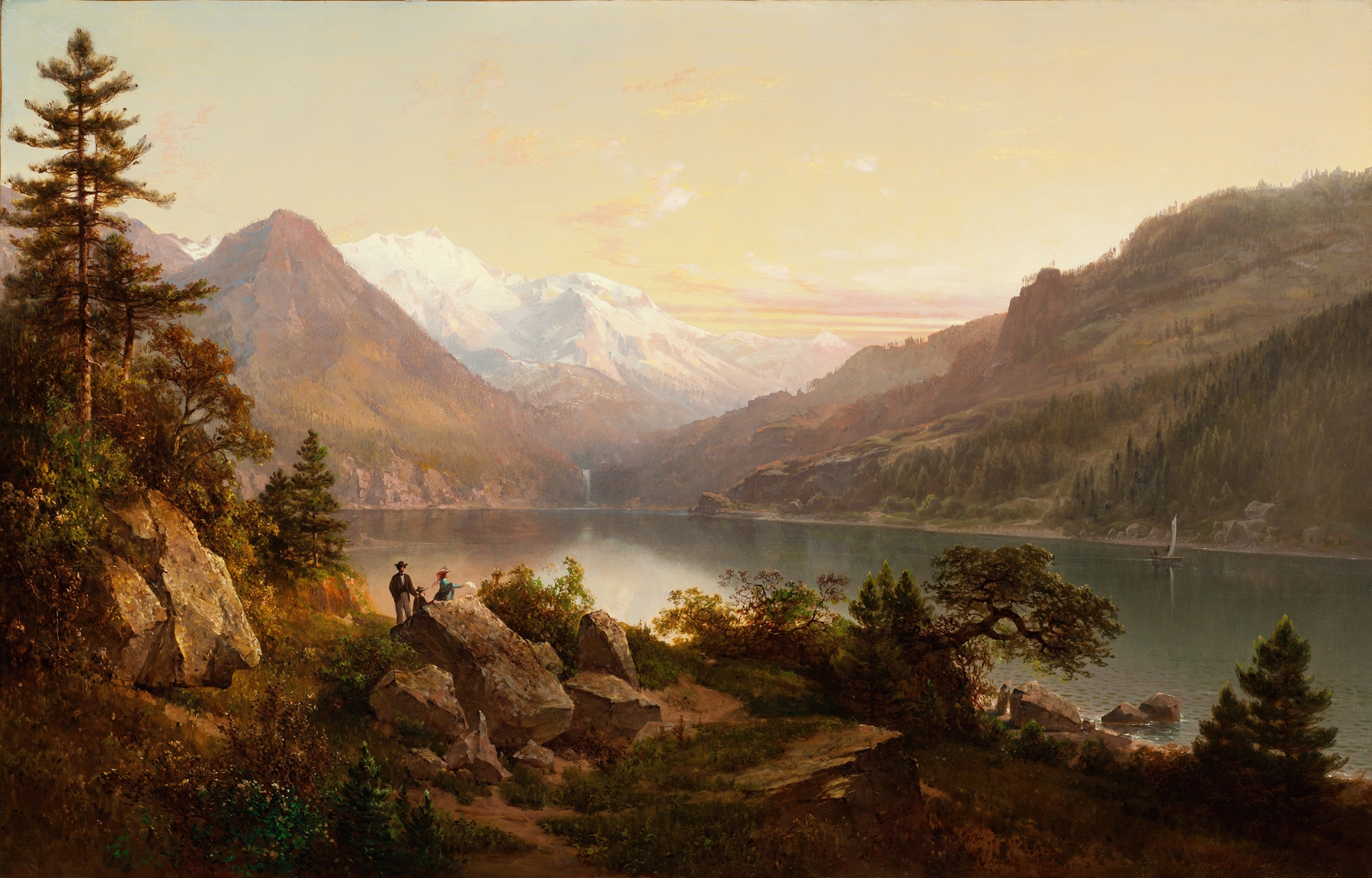
Hill's choice of perspective invites contemplation, prompting the viewer to consider their own place within this vast landscape — a reminder that hope can flourish even in the face of life's uncertainties. Created in 1880, during a transformative period for American art, the artist was heavily influenced by the growing appreciation for the natural world. Hill, a key figure in the Hudson River School, sought to capture the spirit of the American wilderness. At this time, the nation was grappling with its identity, and landscapes like this one served as a celebration of the untamed beauty that defined the American frontier.