Yosemite — History & Analysis
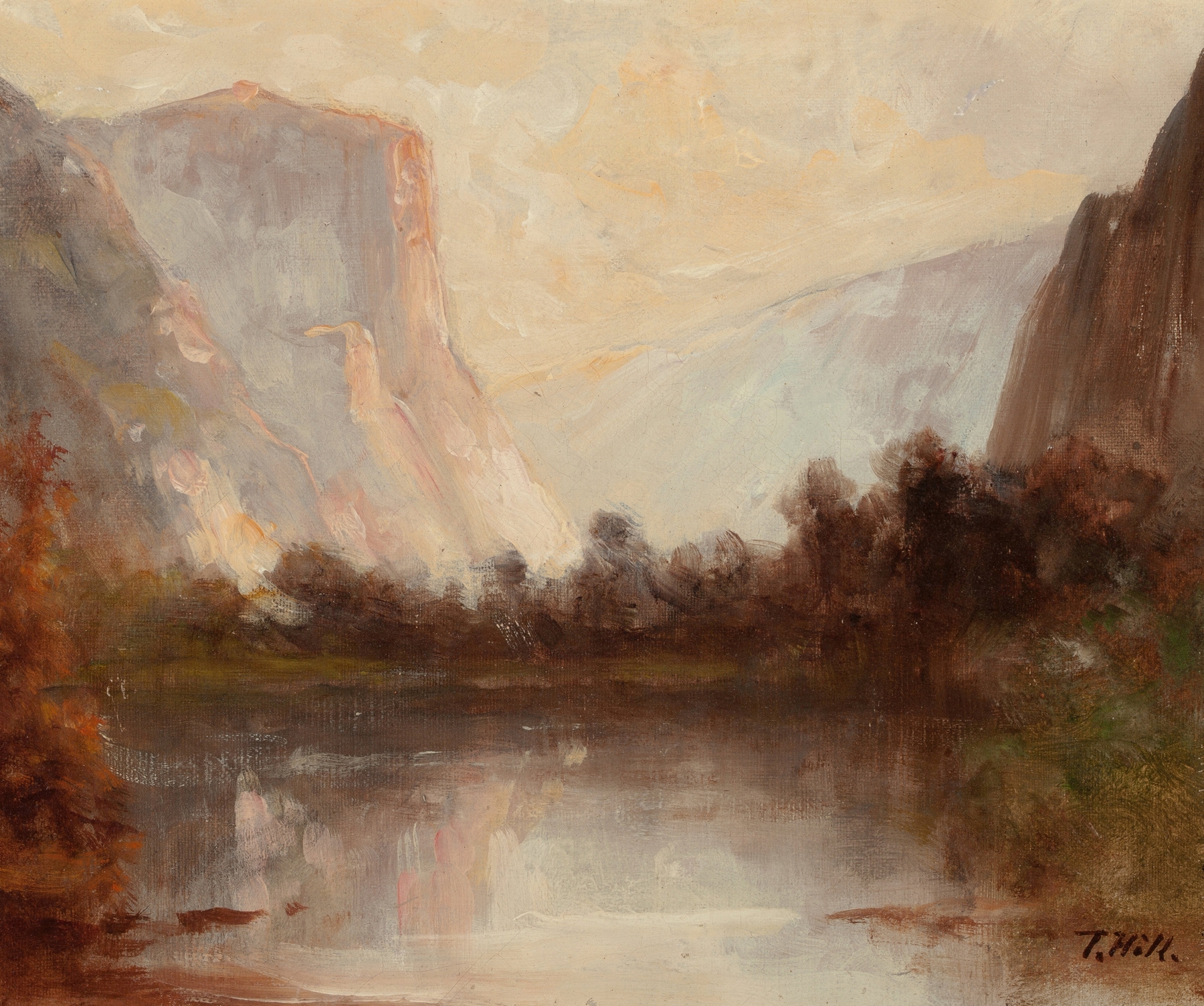
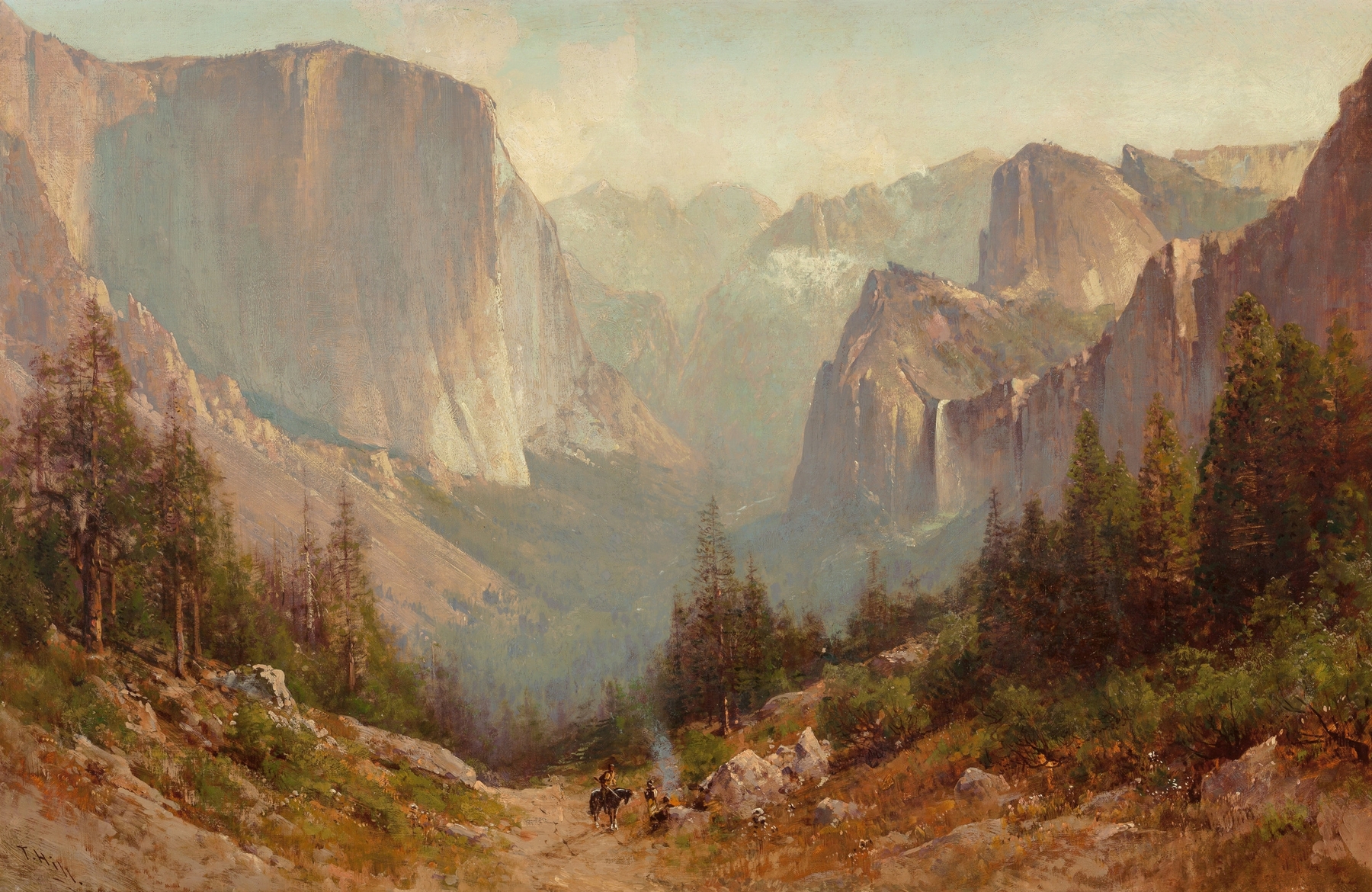
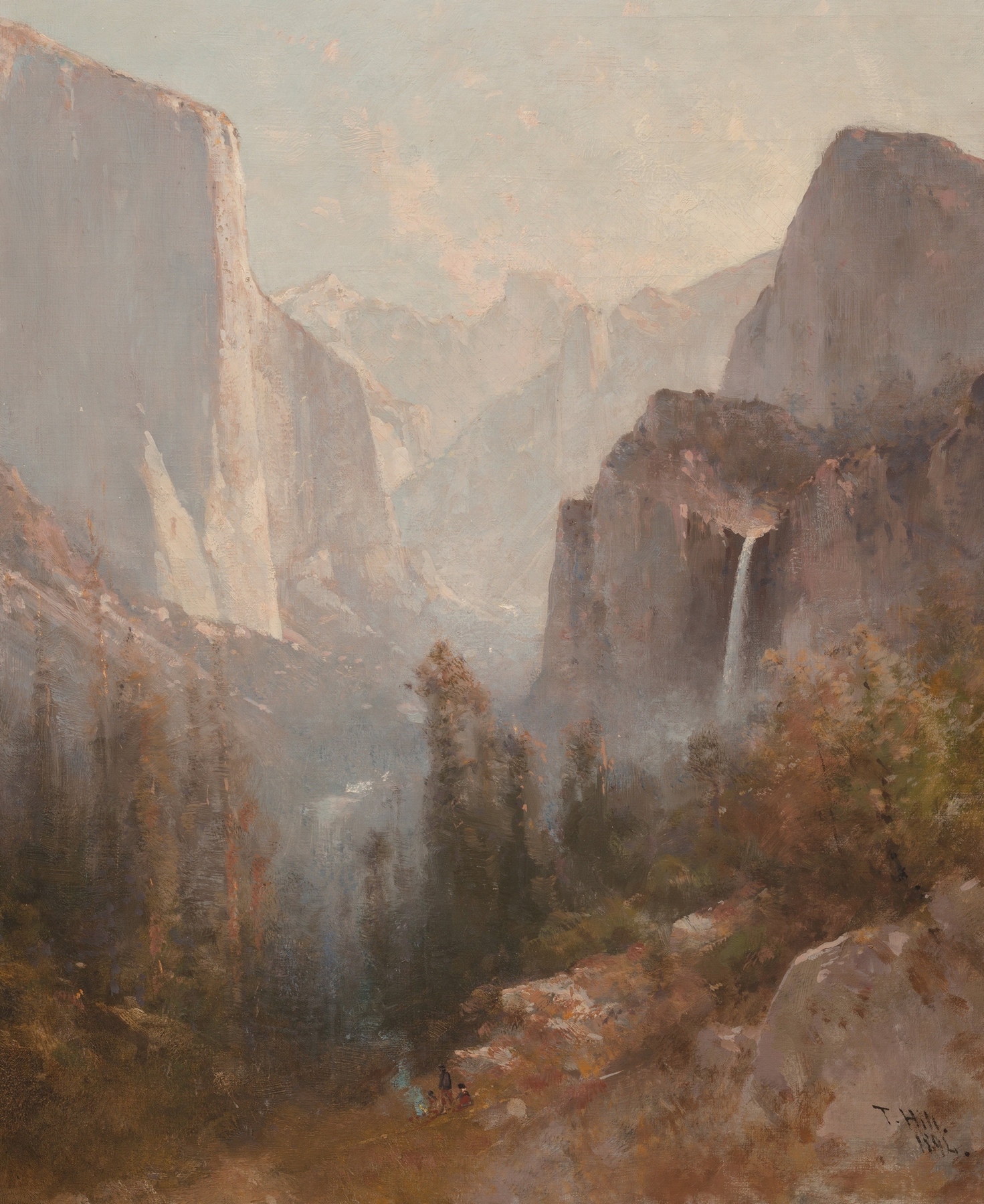
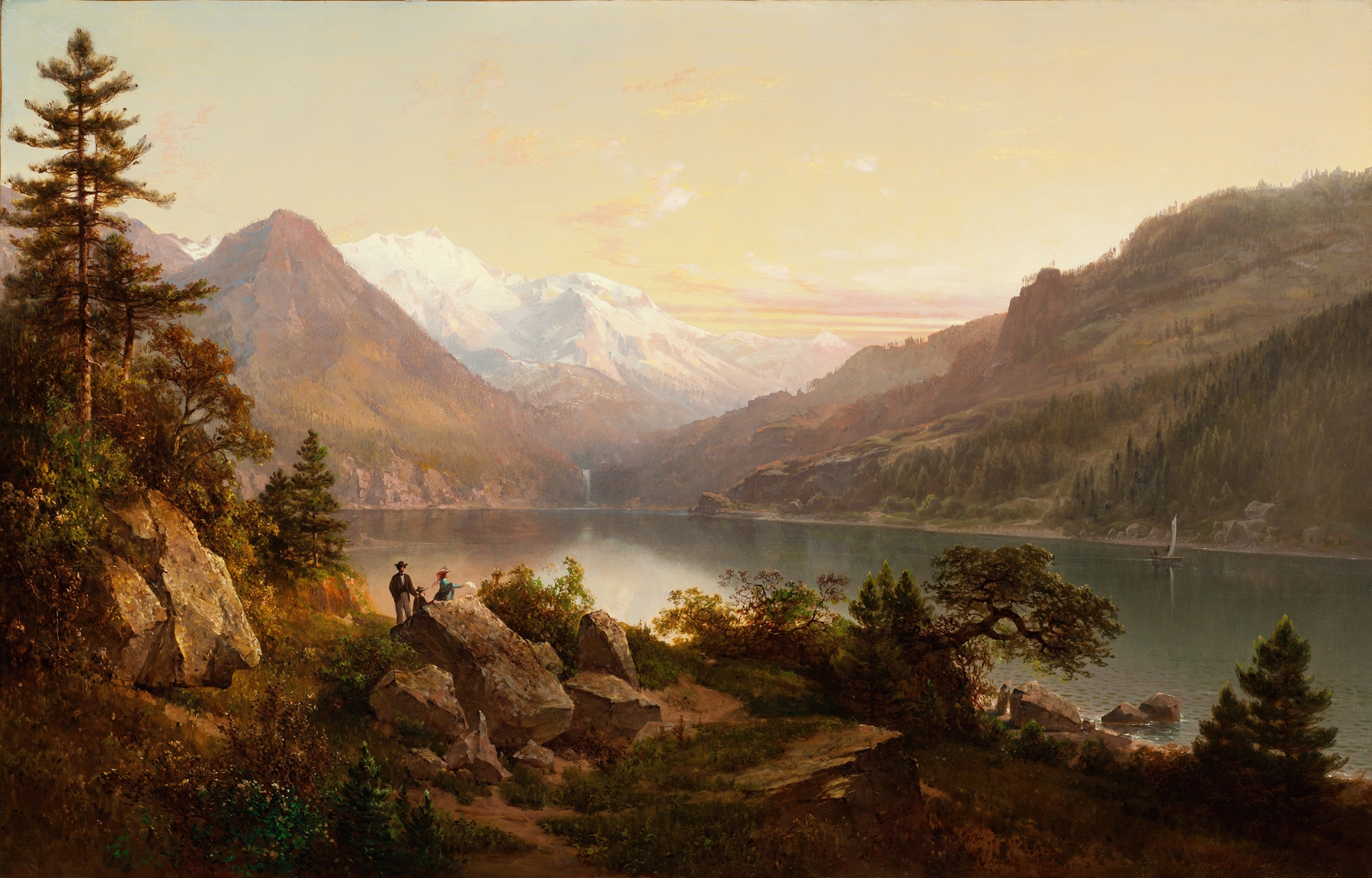
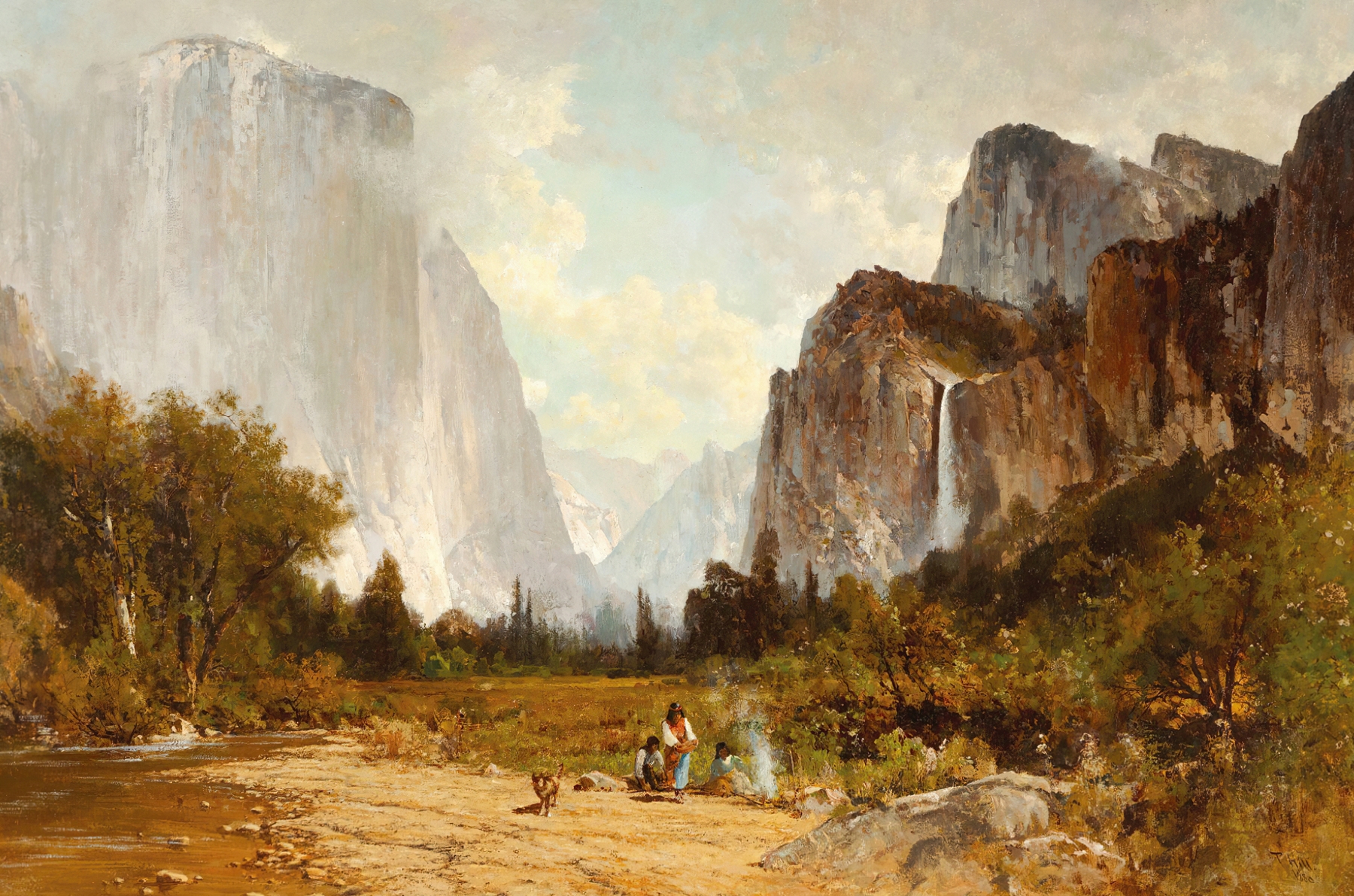
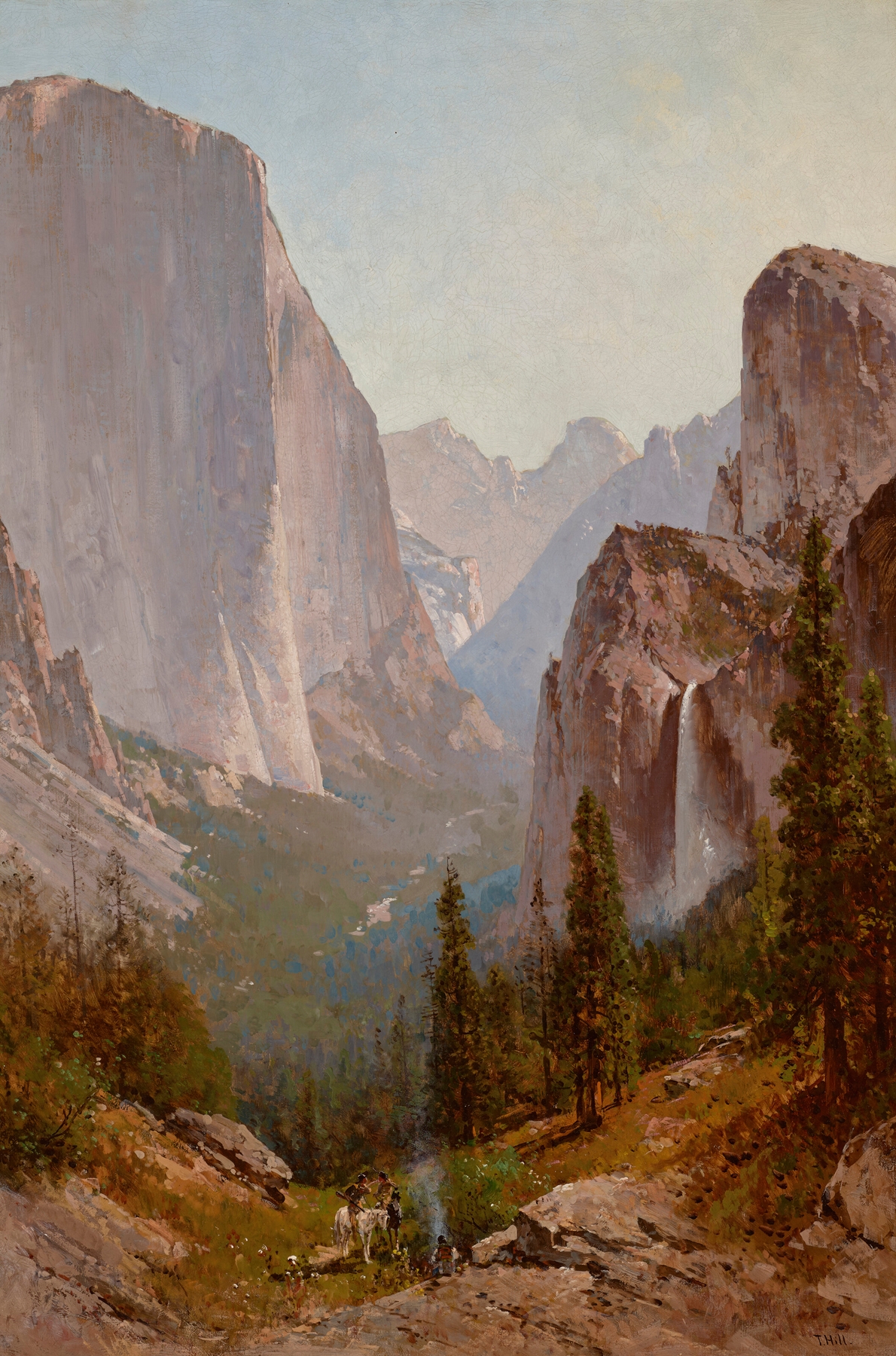
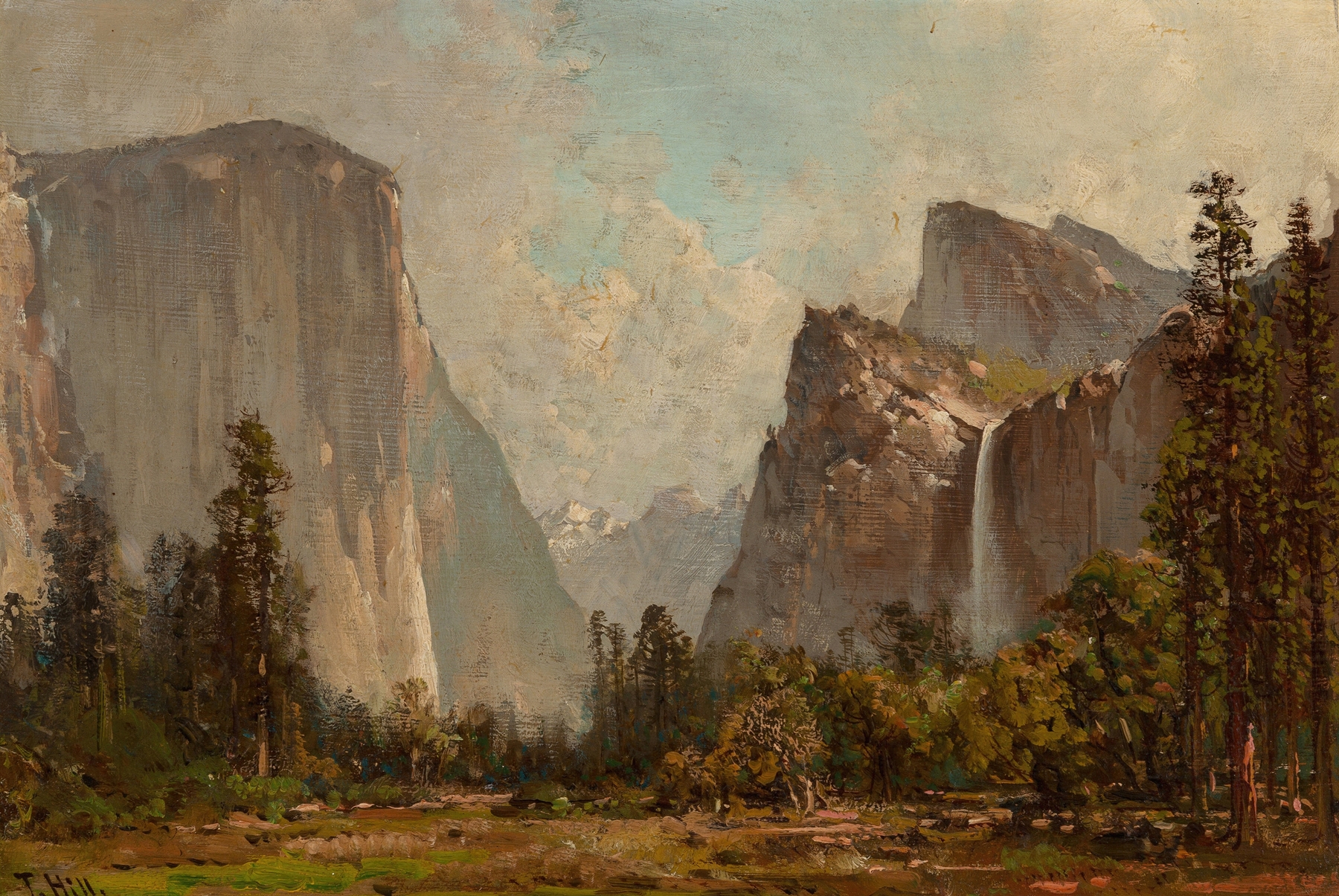
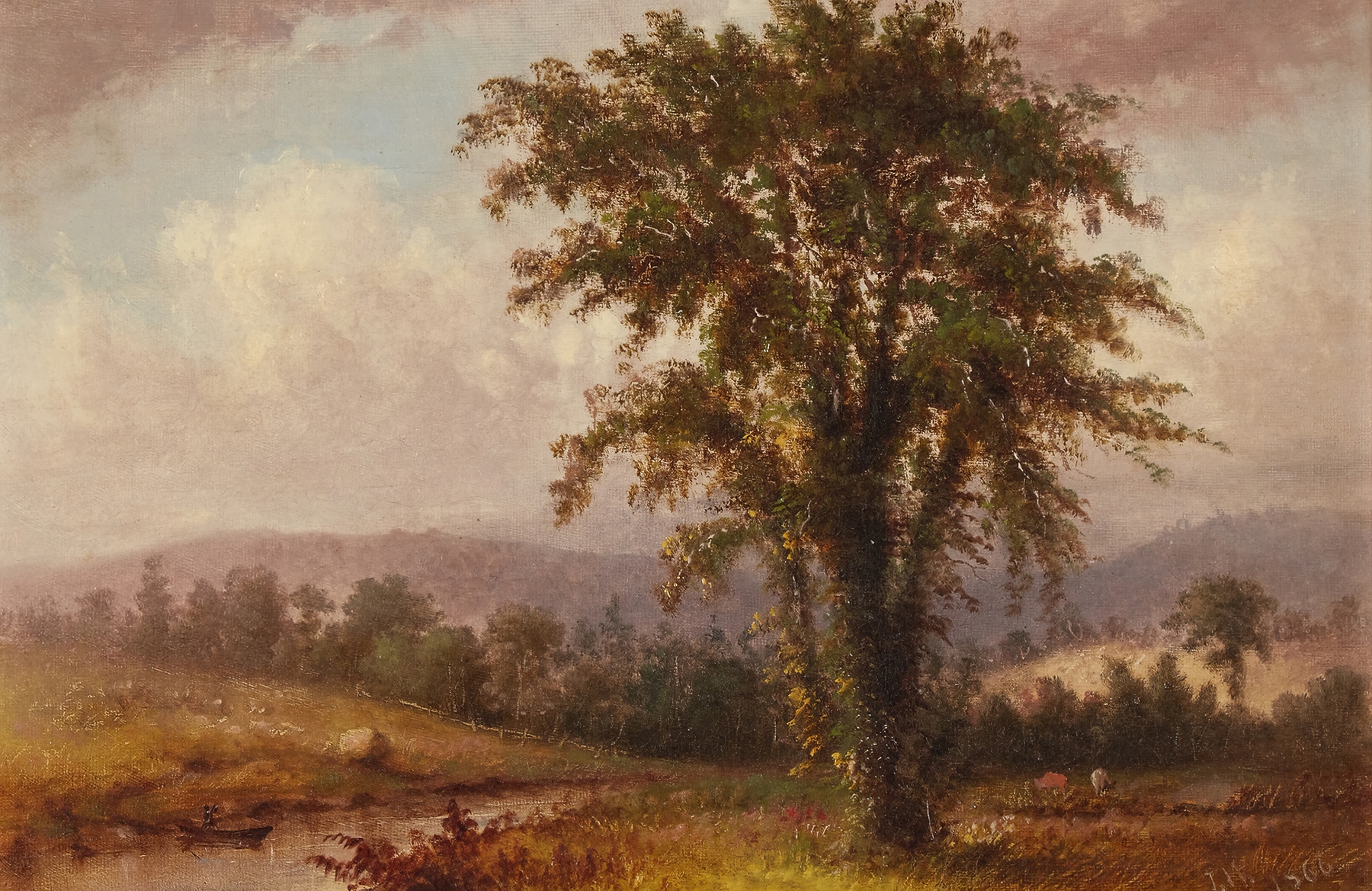
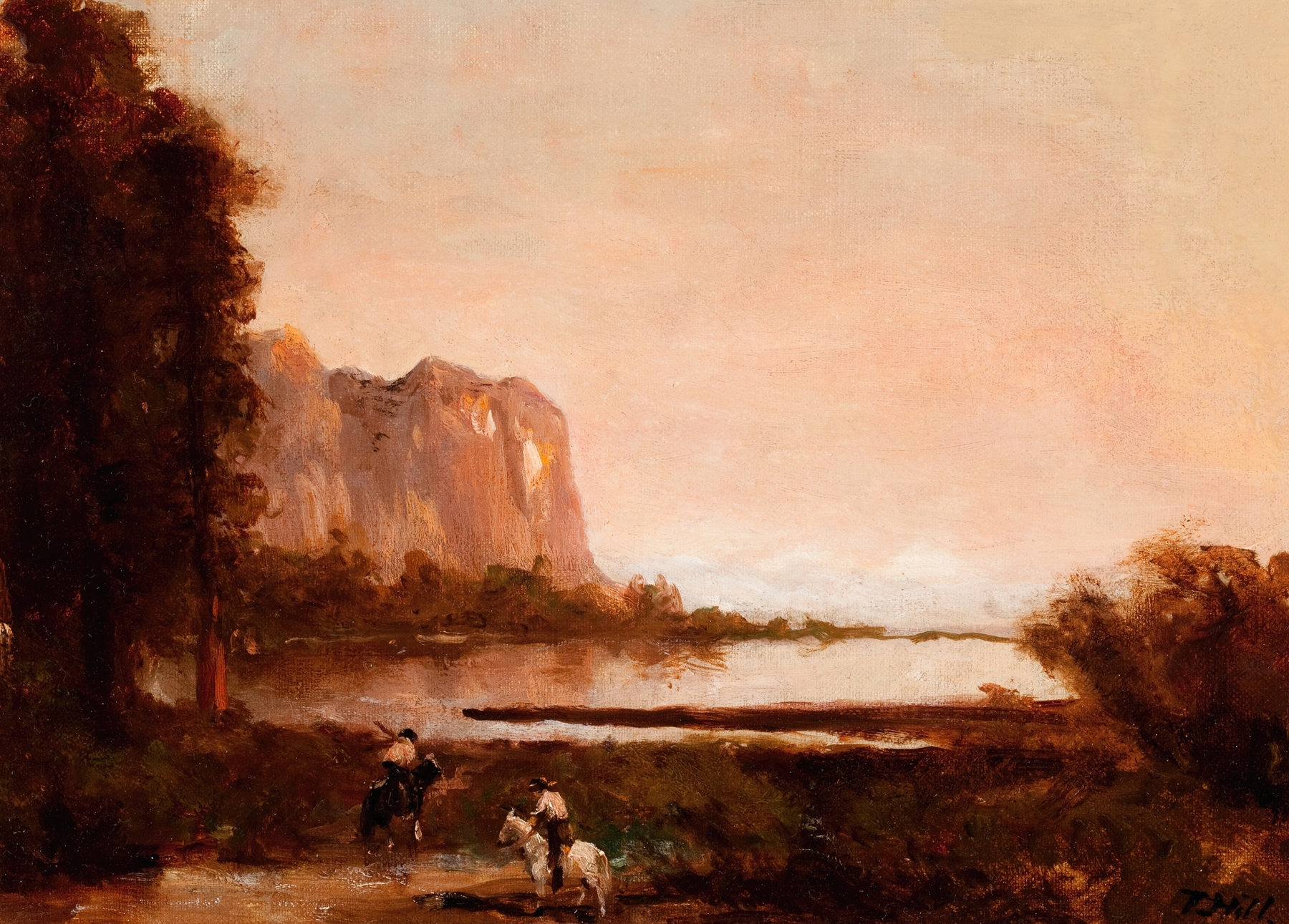
Did the painter know this moment would outlive them? A fragile embrace of light and shadow, captured forever on canvas. Look to the expansive valley in Yosemite, where towering granite cliffs stand sentinel over lush meadows. The sunlight streams through the branches of ancient trees, creating a delicate interplay of warmth and coolness that dances across the verdant landscape.
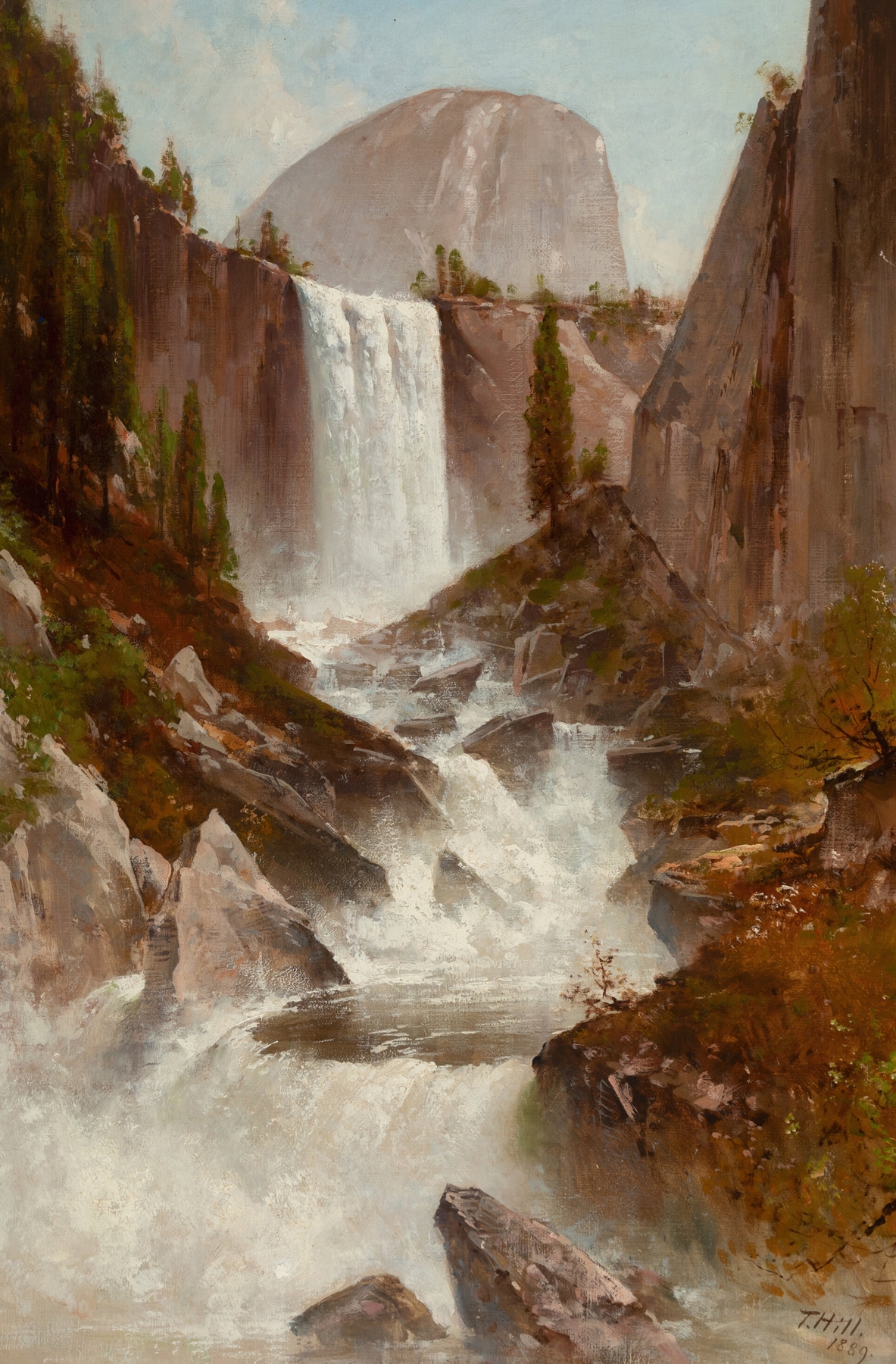
Notice how the artist expertly layers hues of green and blue, drawing you into the depths of the scene, while whites and yellows of cascading waterfalls invigorate the air with their movement, inviting the eye to wander throughout the composition. Beneath the grandeur lies a tension between nature’s splendor and its impermanence. The ethereal light reflects not only the beauty of Yosemite but also the fleeting nature of time, evoking a sense of nostalgia for a world untouched by human hands. Each brushstroke seems to whisper the stories of generations past, as majestic mountains stand as witnesses to both the serenity and the turmoil of life.
This painting does not merely depict a scene; it speaks to the human longing for connection with the Earth and the passage of time. In 1871, as Thomas Hill painted this iconic landscape, he was establishing himself as a pivotal figure in the American art scene, inspired by the grandeur of the West. The country was on the brink of transformation, with the advent of the railroad opening new frontiers, yet the artist sought to preserve the untouched beauty of nature amid the chaos of industrialization. This work emerged during a period when artists were increasingly drawn to portray the American landscape, reflecting a burgeoning national identity and reverence for the great outdoors.