Yosemite Valley — History & Analysis
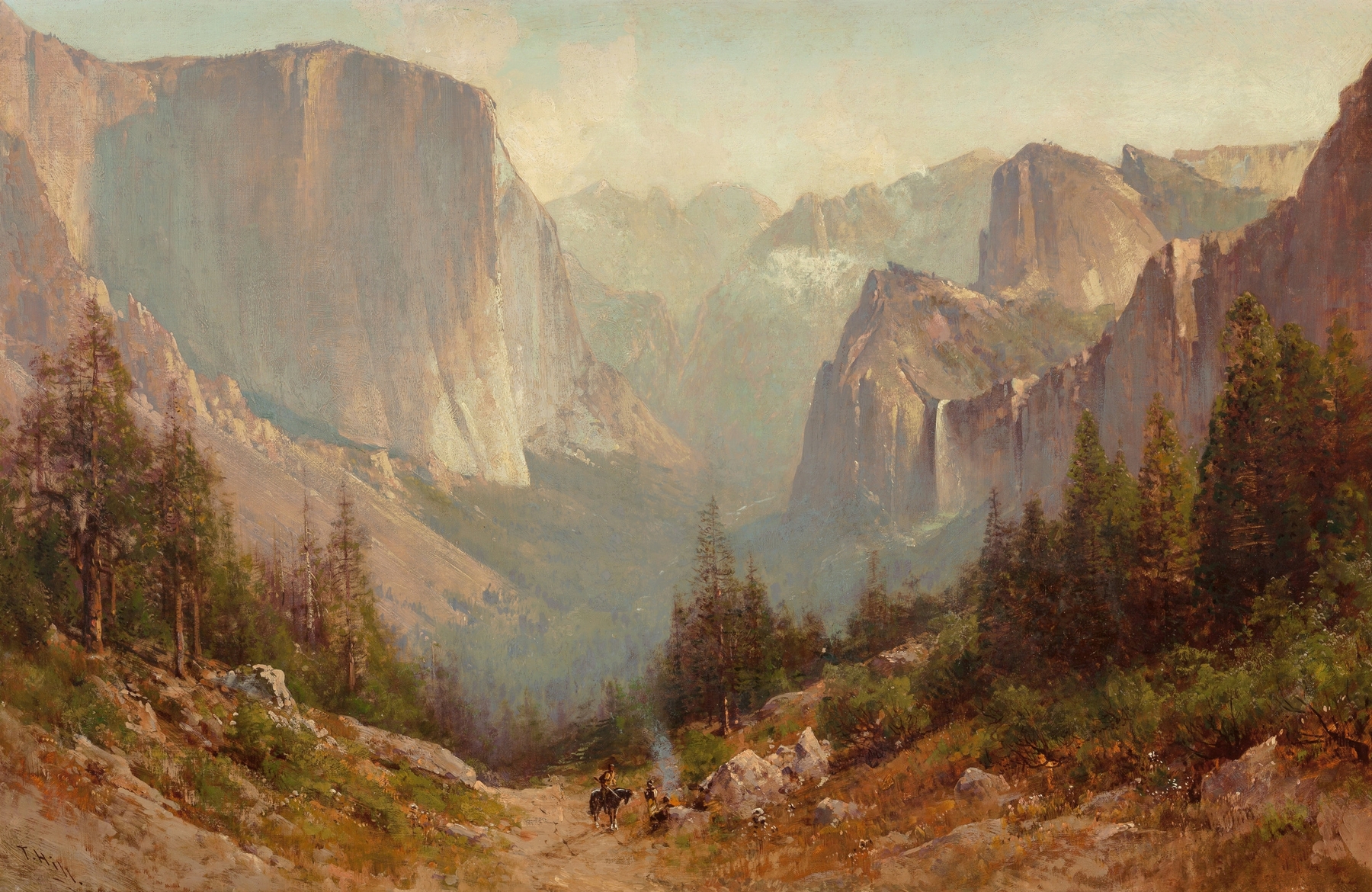
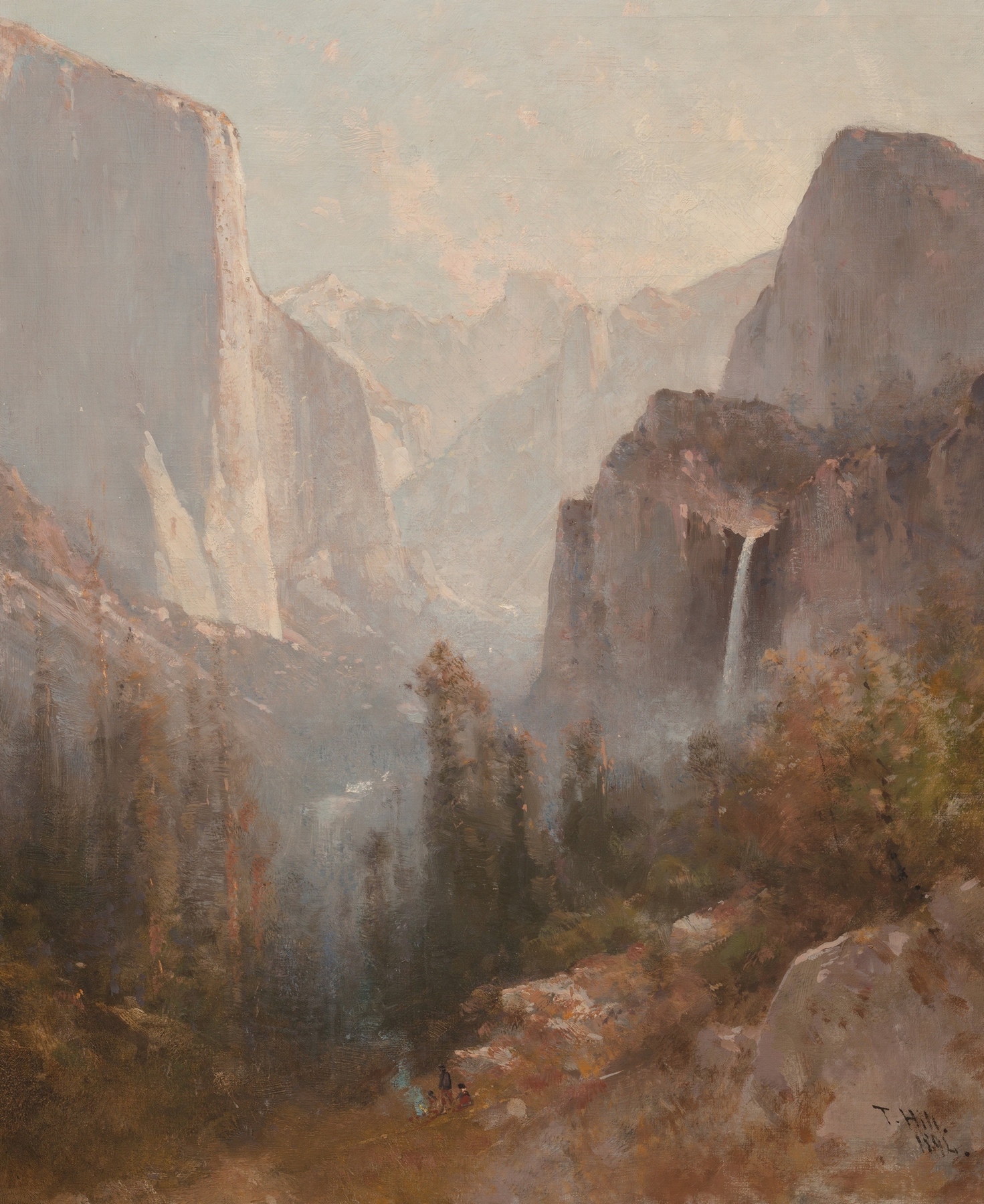
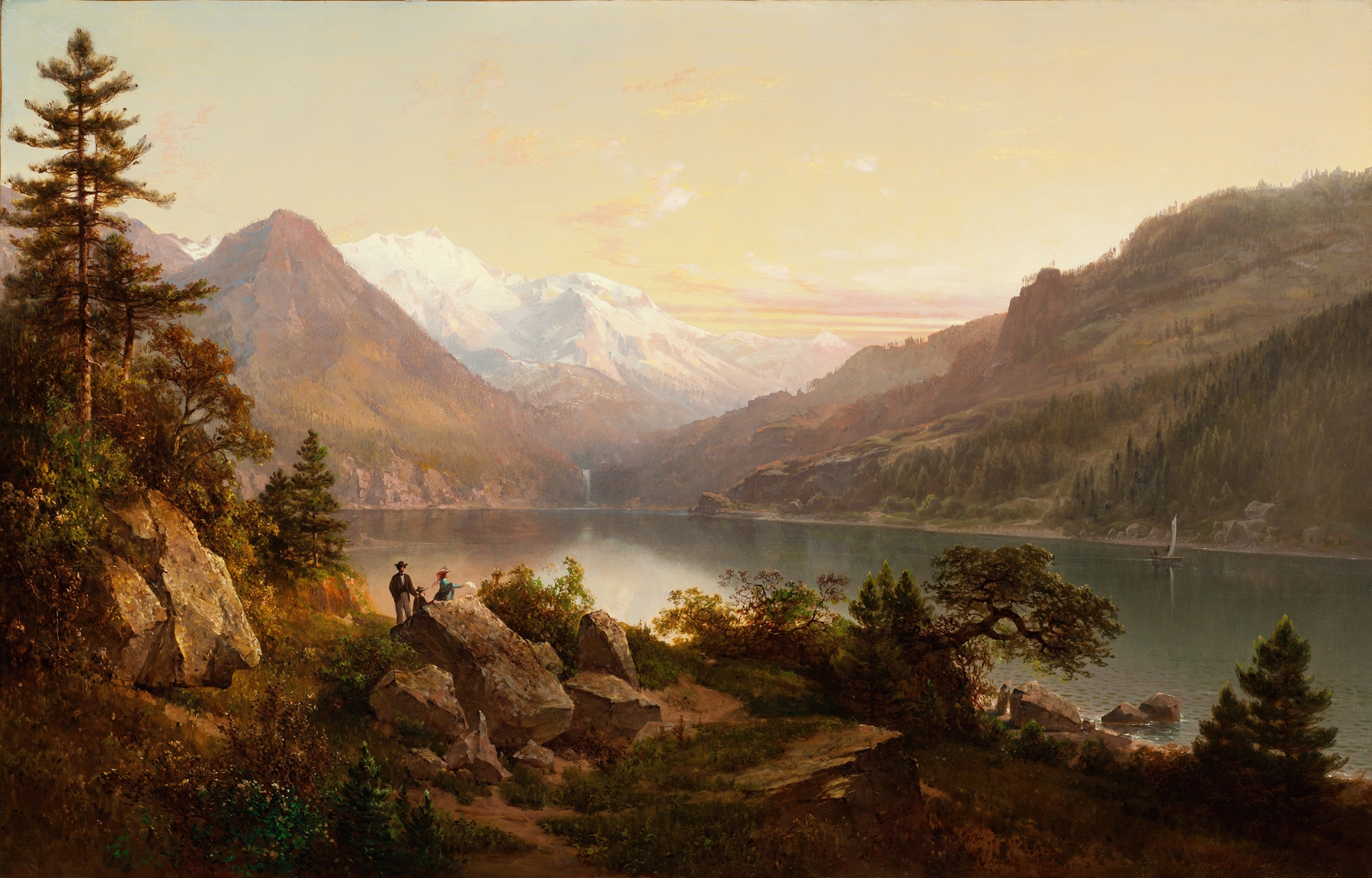
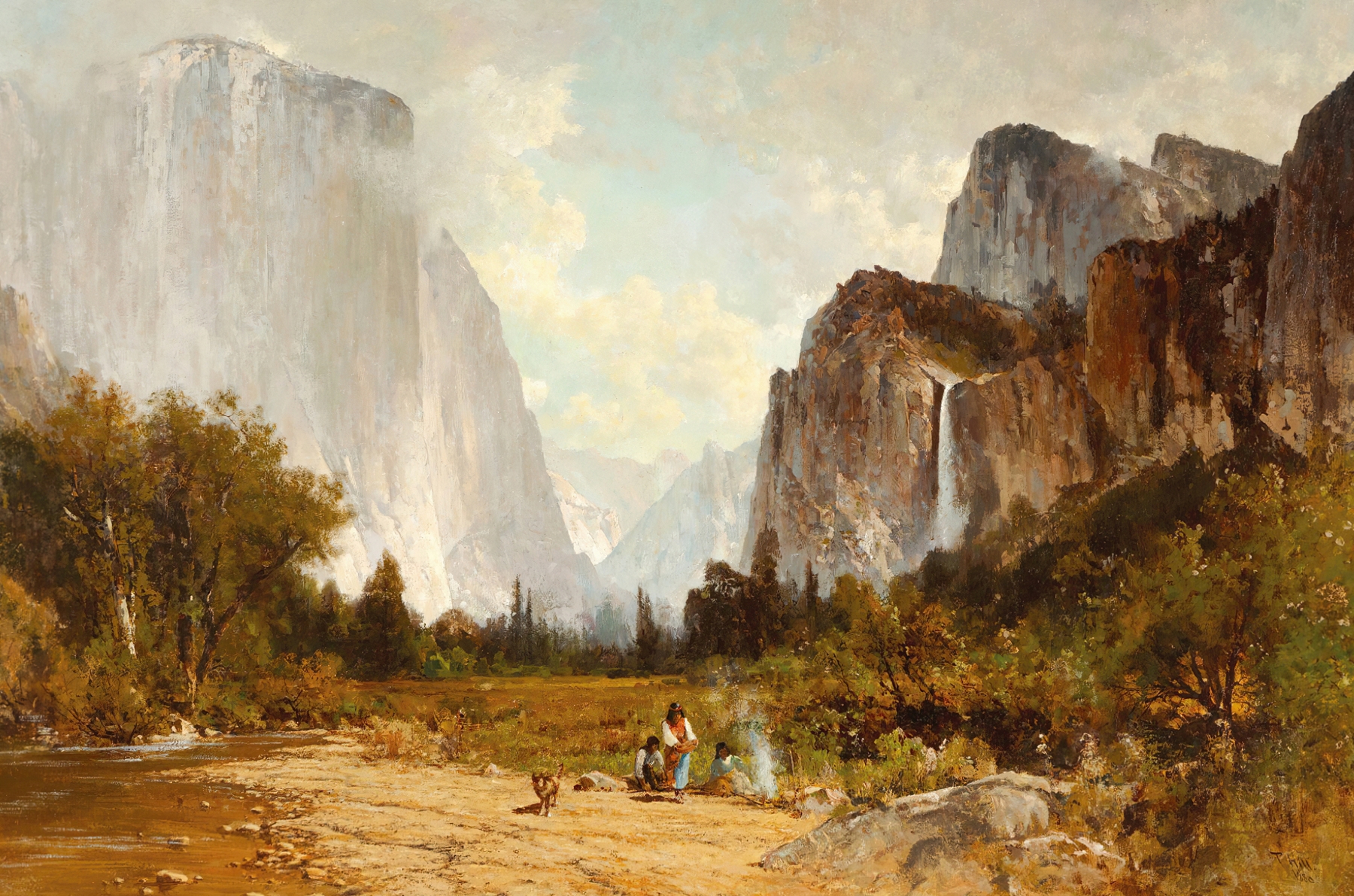
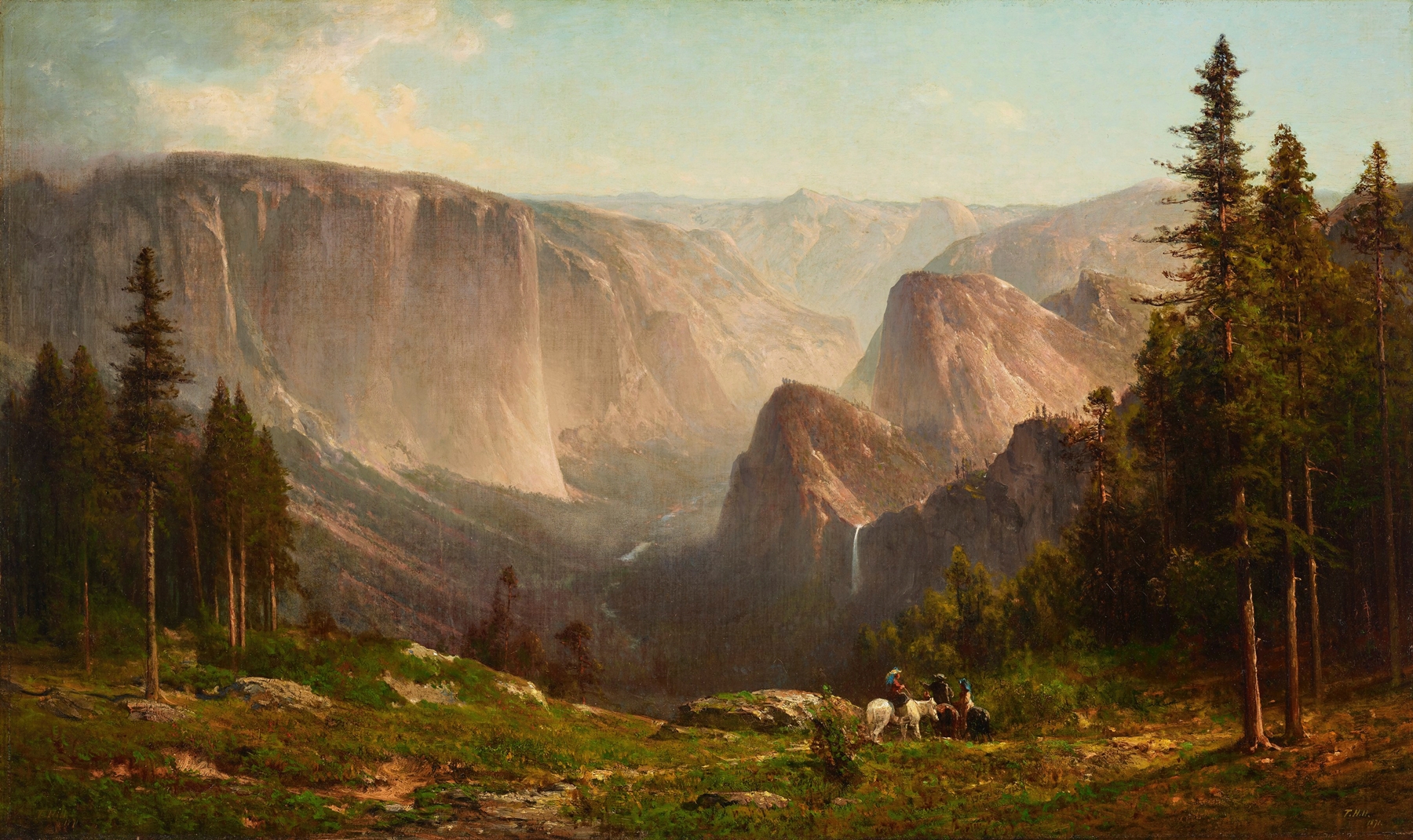
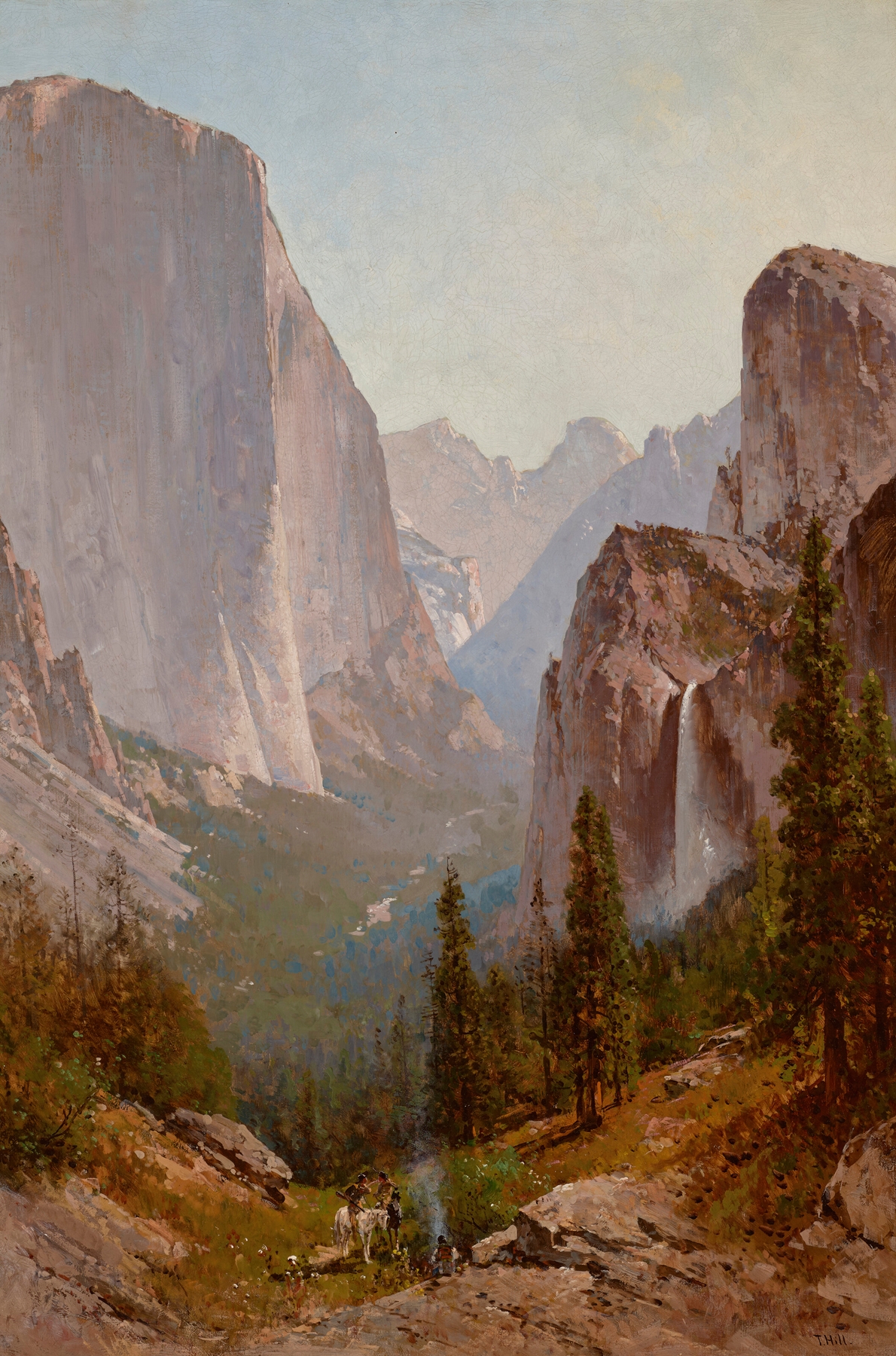
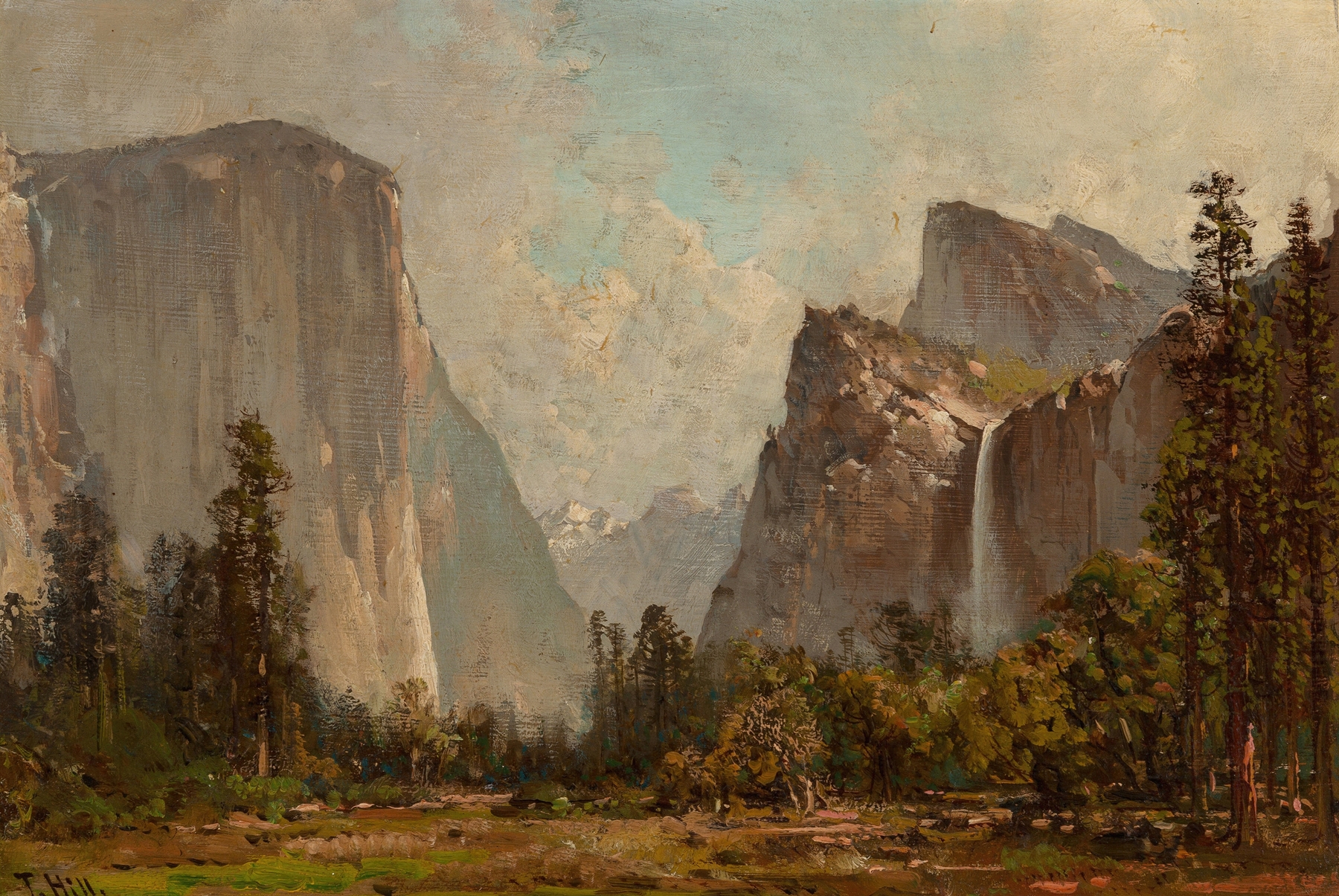
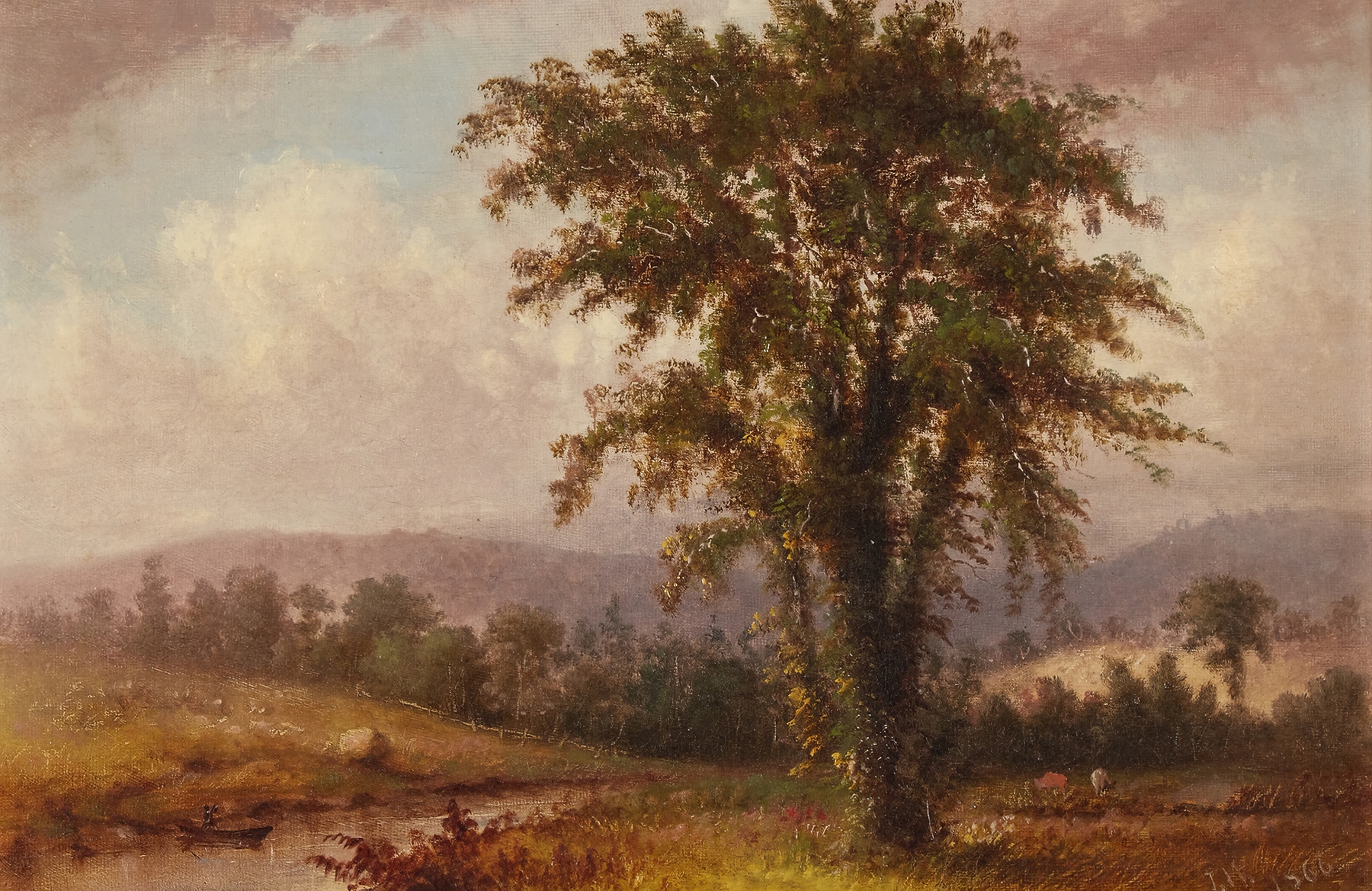
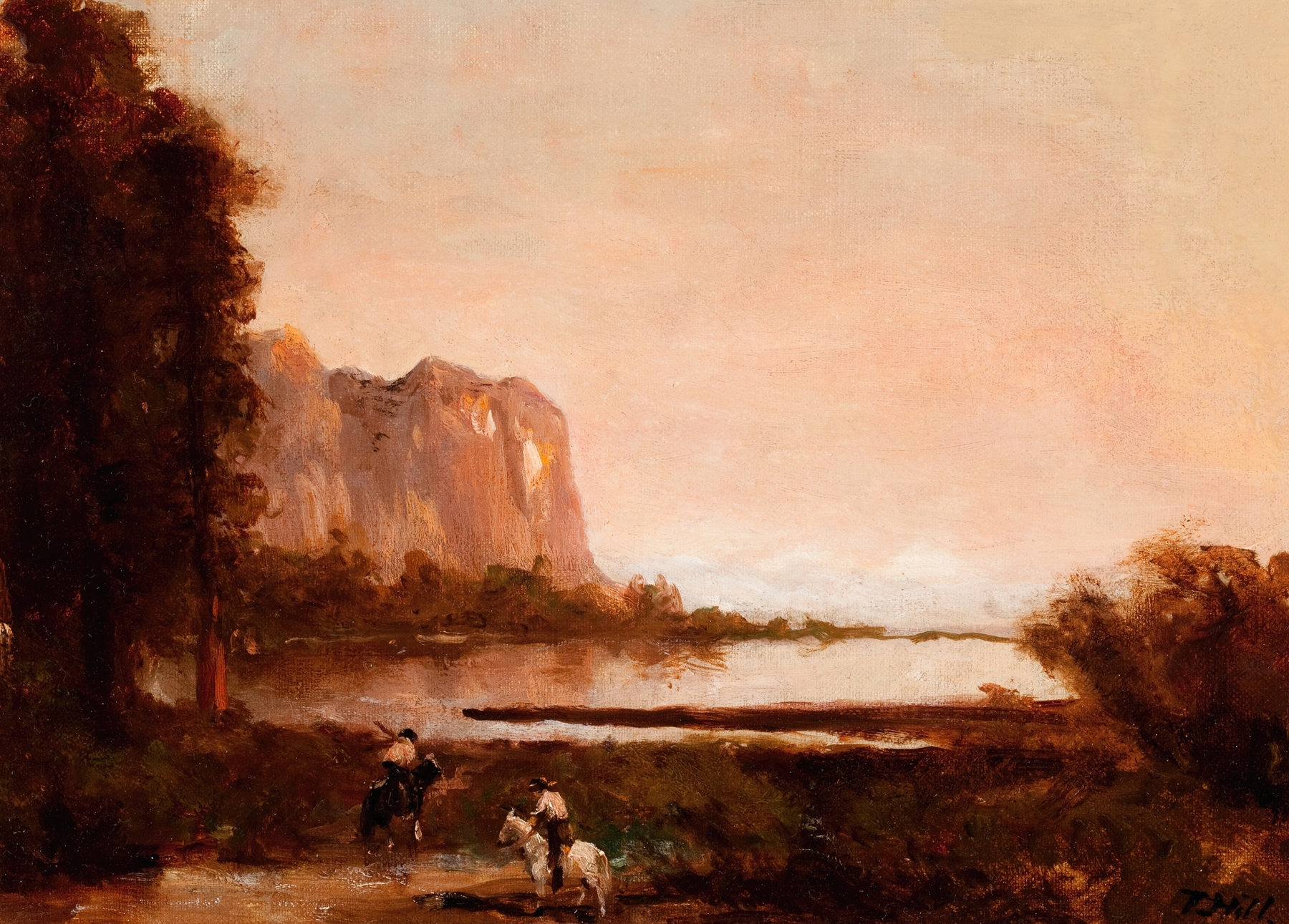
Is this a mirror — or a memory? The expansive vista before us captures a moment suspended in time, evoking a profound yearning for nature and the sublime. Look to the left, where towering granite cliffs rise, their rugged textures rendered with meticulous attention. The shimmering water at the valley's base reflects the majestic formations, creating a harmonious dialogue between the solid earth and ethereal sky.
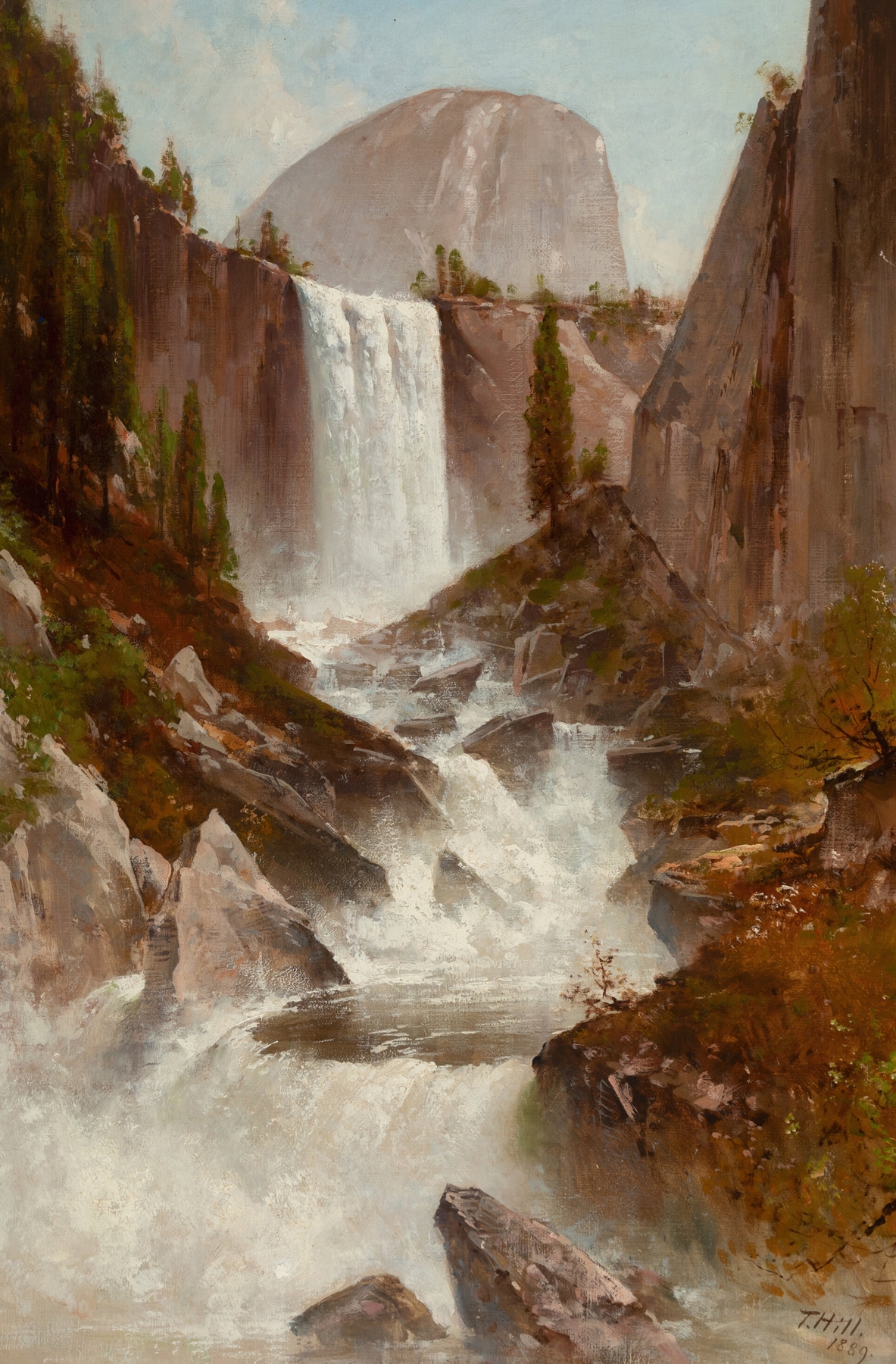
Notice how the play of light, with warm hues bathing the mountains in golden warmth, contrasts with cooler, shadowy tones that recede into the background, drawing the viewer deeper into this tranquil scene. Here, nature reveals its duality — the grandeur of the peaks juxtaposed with the serenity of the lake below. The fluffy clouds drift lazily, emblematic of peace, yet their fleeting nature echoes a sense of transience. A few scattered trees, painted with delicate strokes, stand as silent guardians, embodying resilience amid the vast landscape, while the gently rippling water captures fleeting moments, each wave reminiscent of memories lost yet cherished.
During the late 19th century, when this piece was created, the artist was part of the Hudson River School movement, which celebrated America's natural beauty. Hill painted Yosemite Valley during an era of growing interest in the American West, coinciding with the rise of national parks and an increasing appreciation for the preservation of landscapes. His artistic journey reflects a desire to connect viewers to the power and majesty of these untamed places, instilling a sense of awe that resonates even today.