Yosemite — History & Analysis
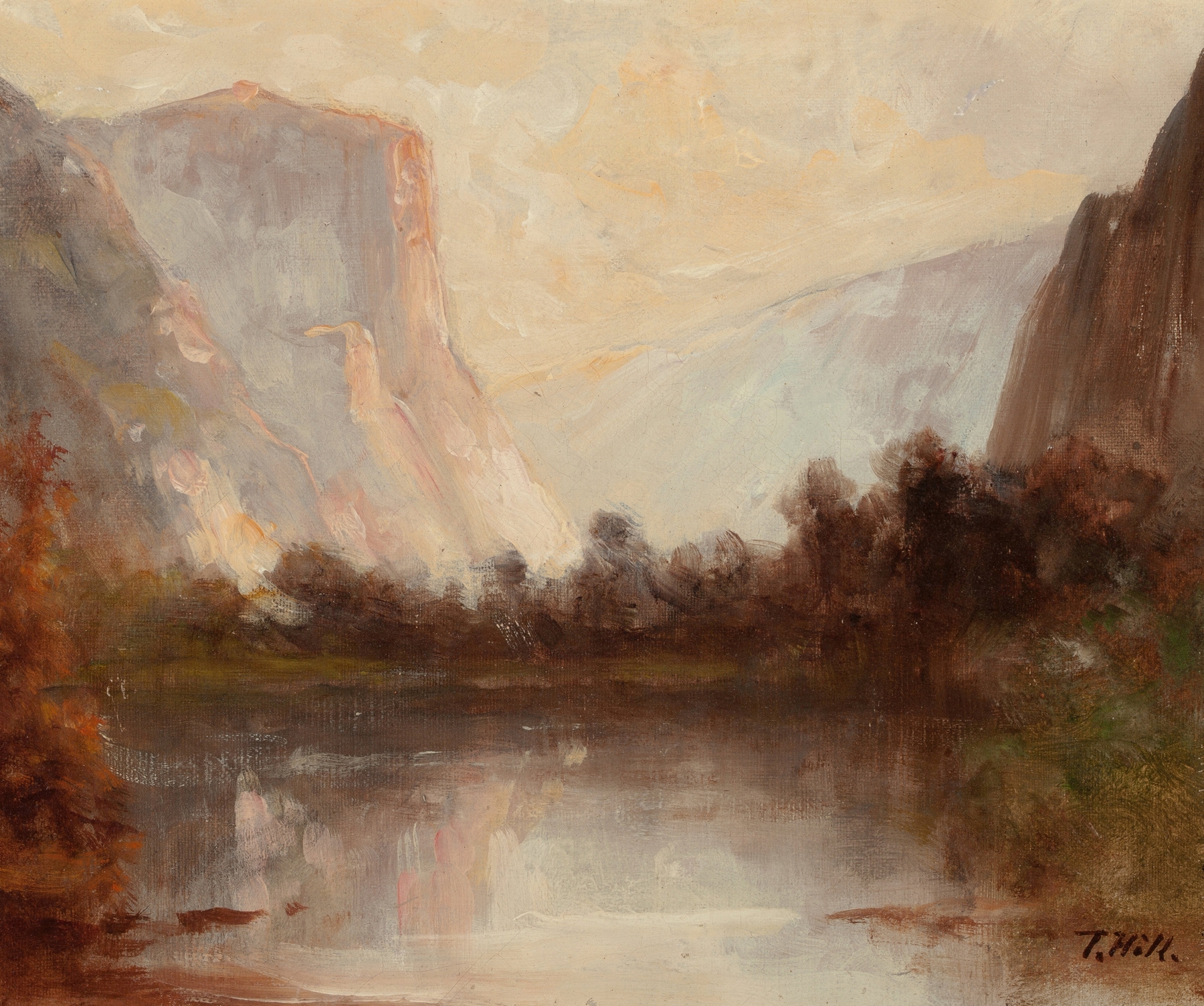
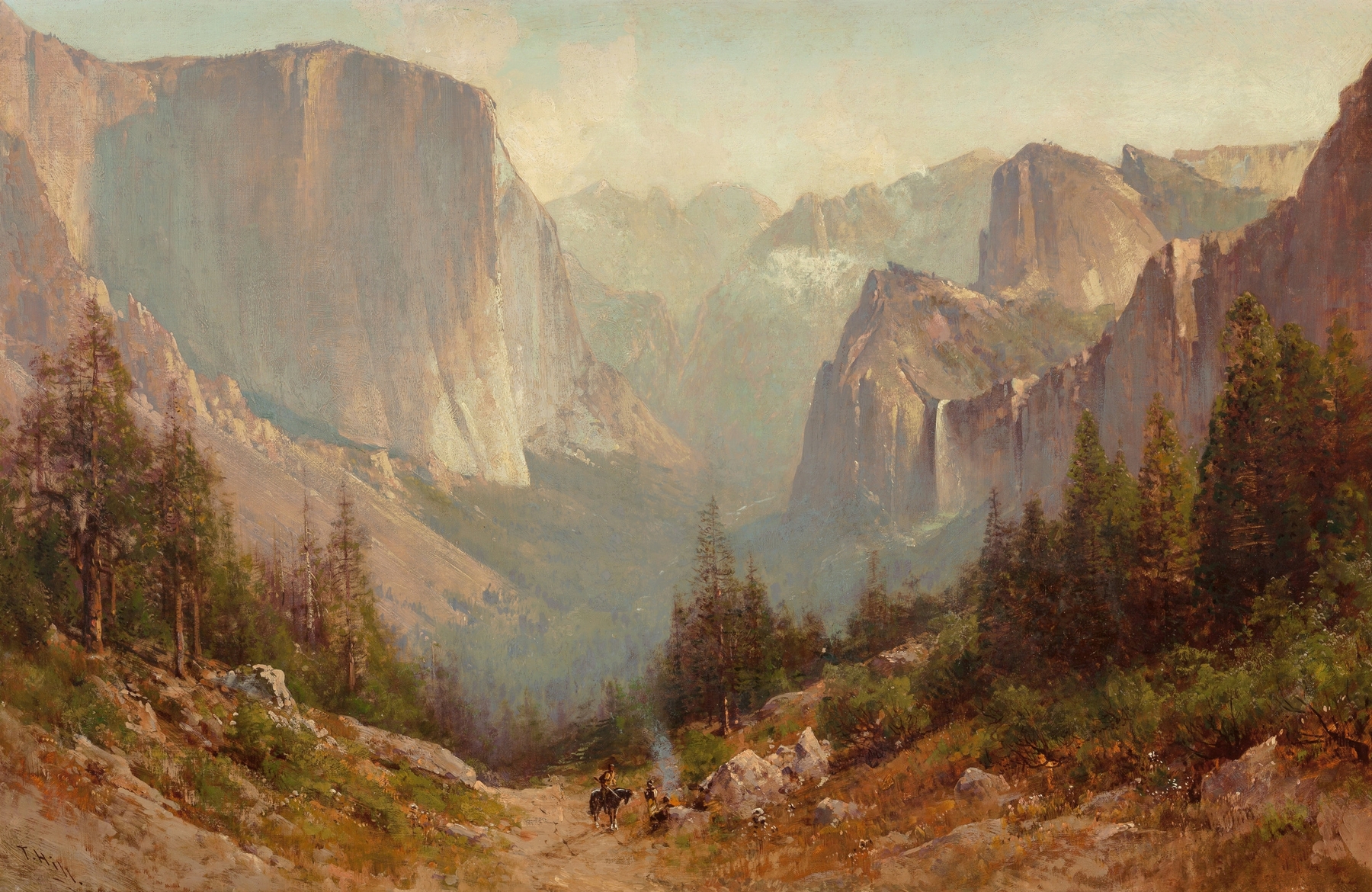
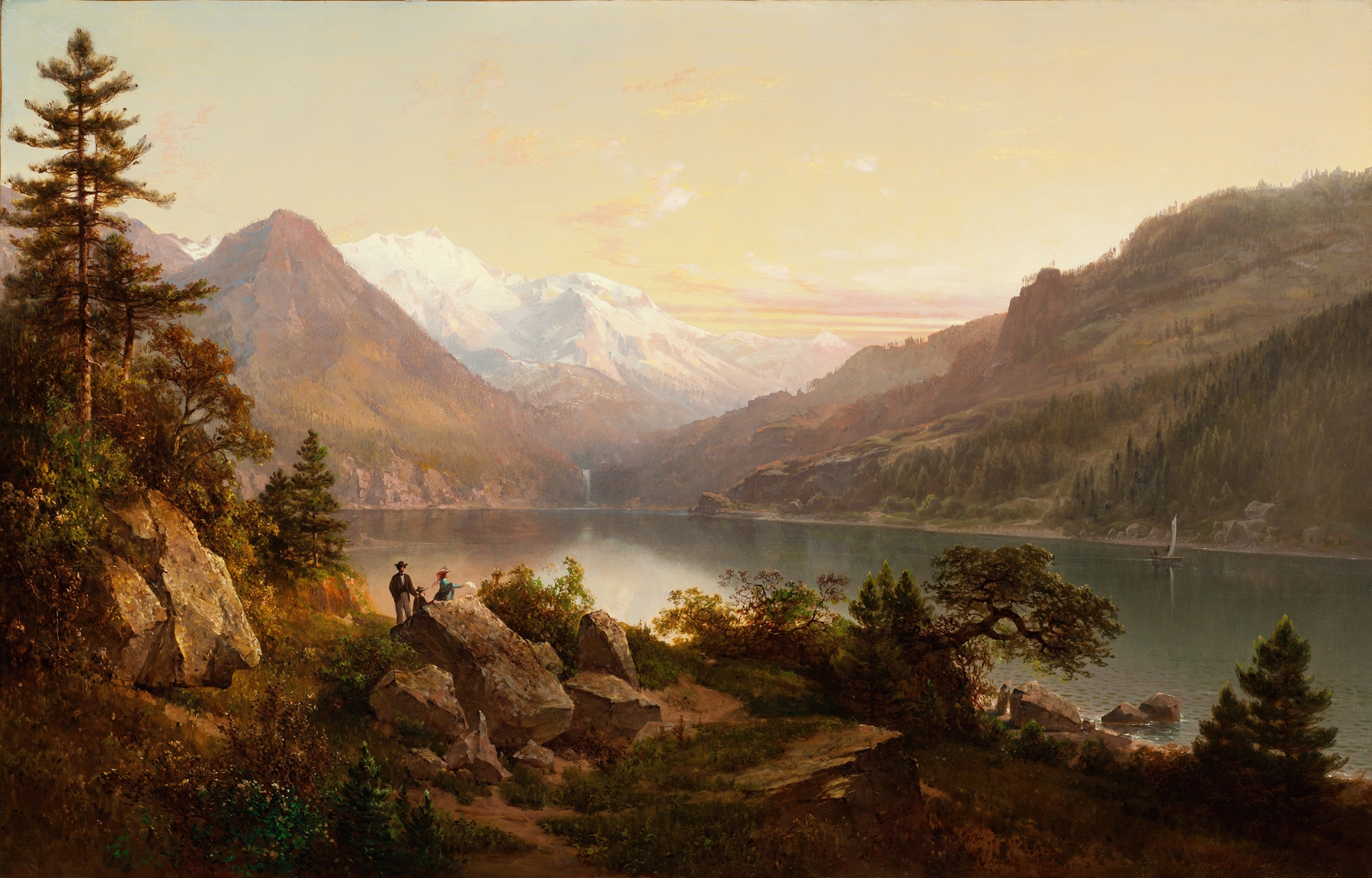
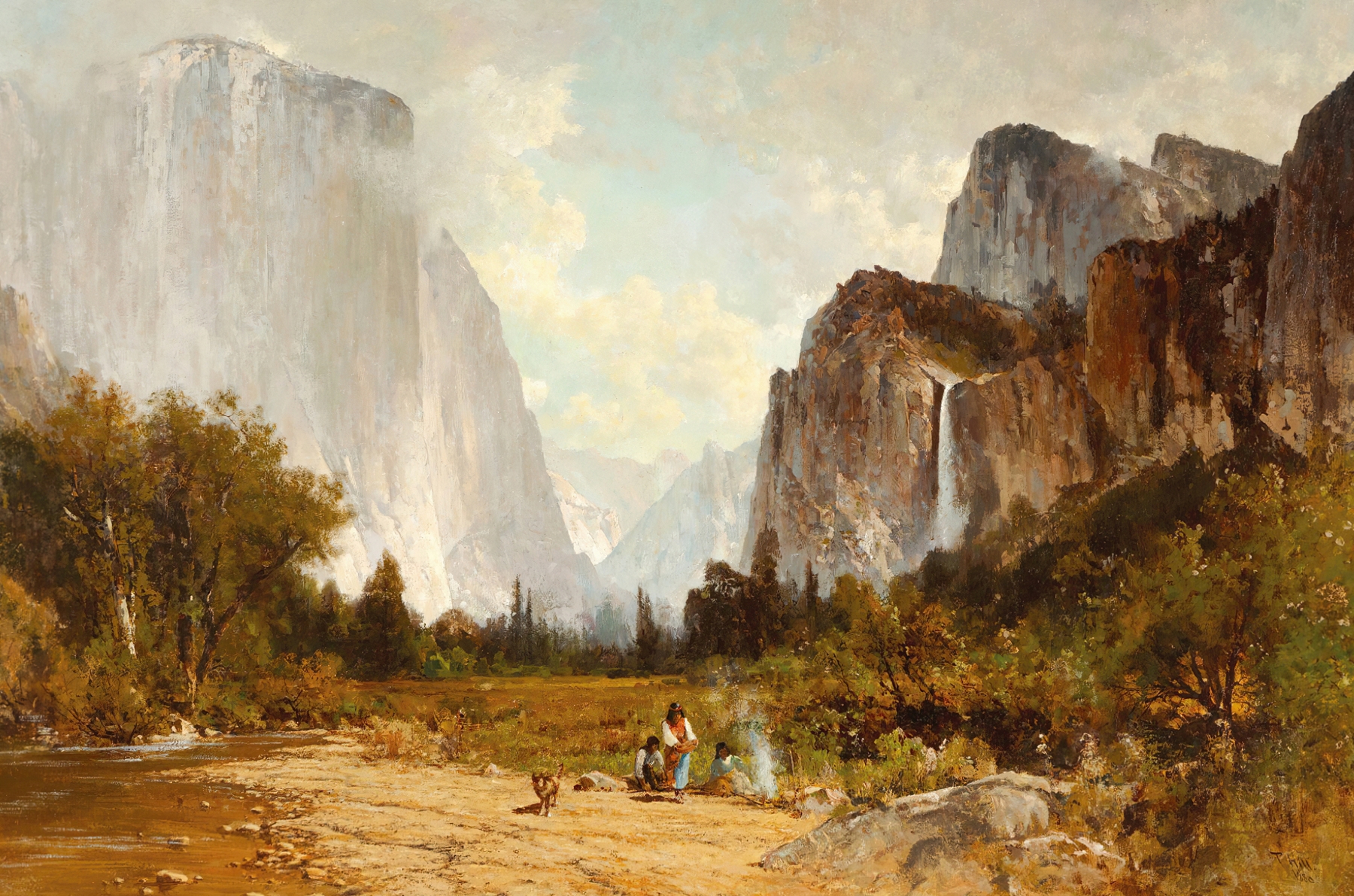
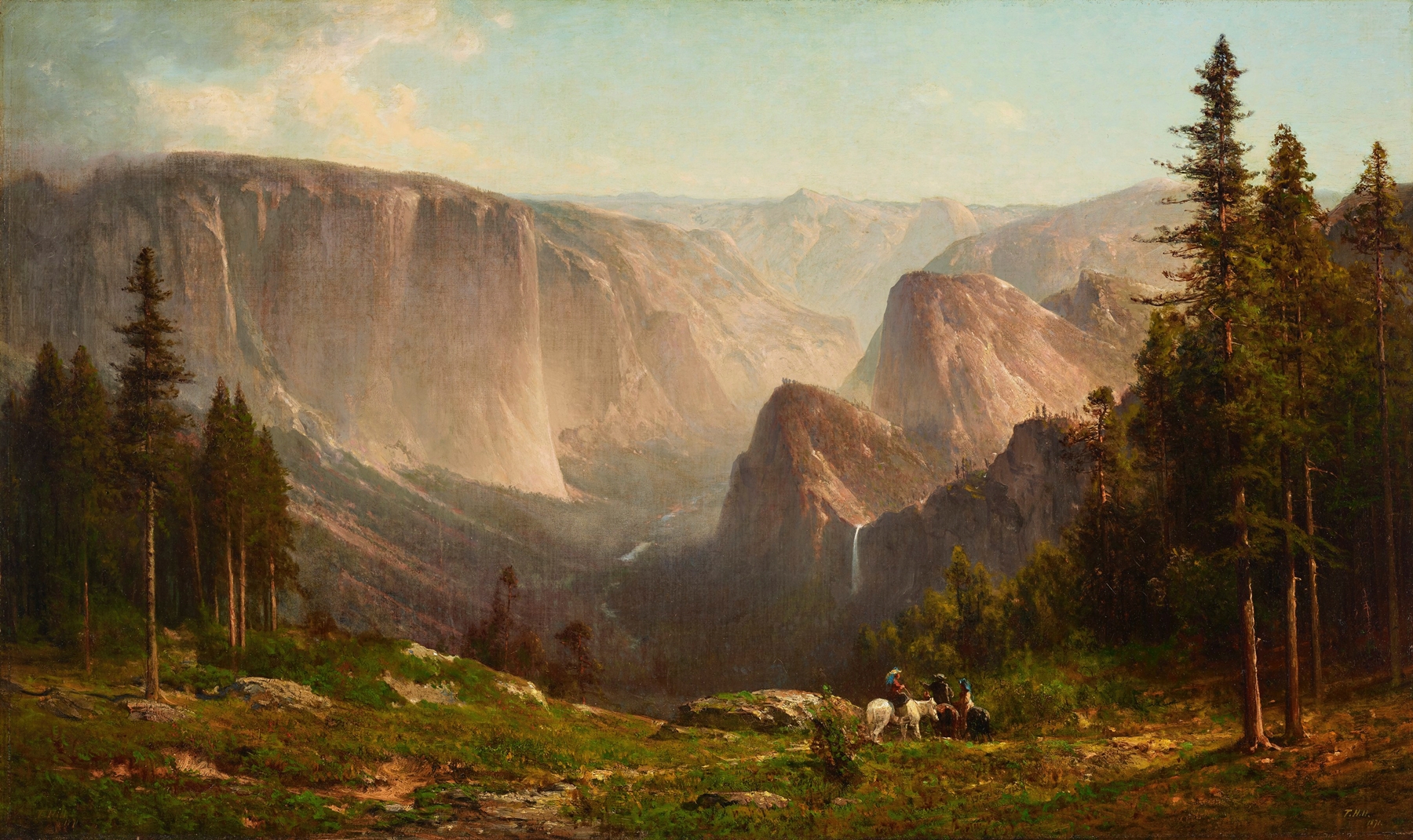
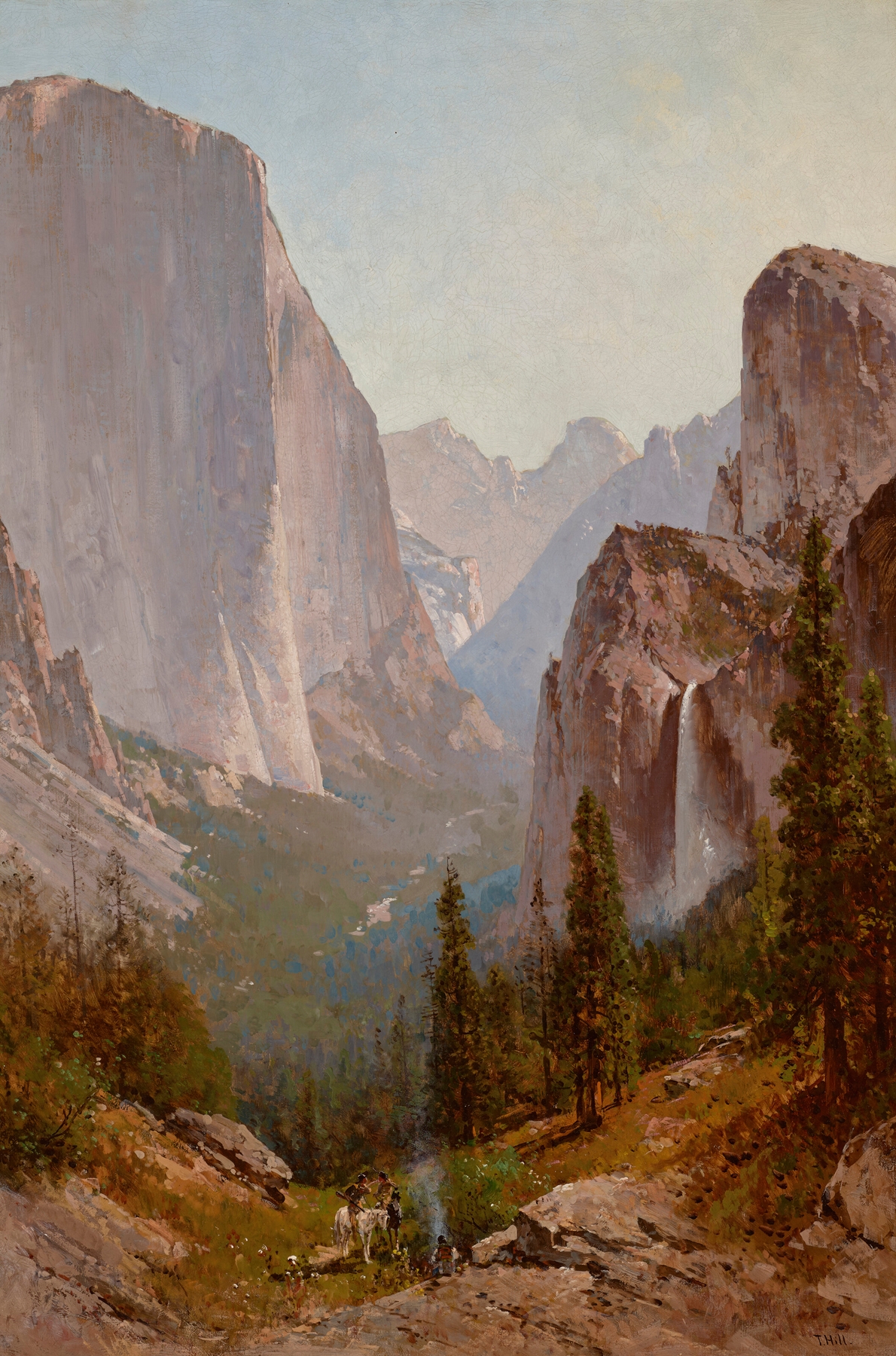
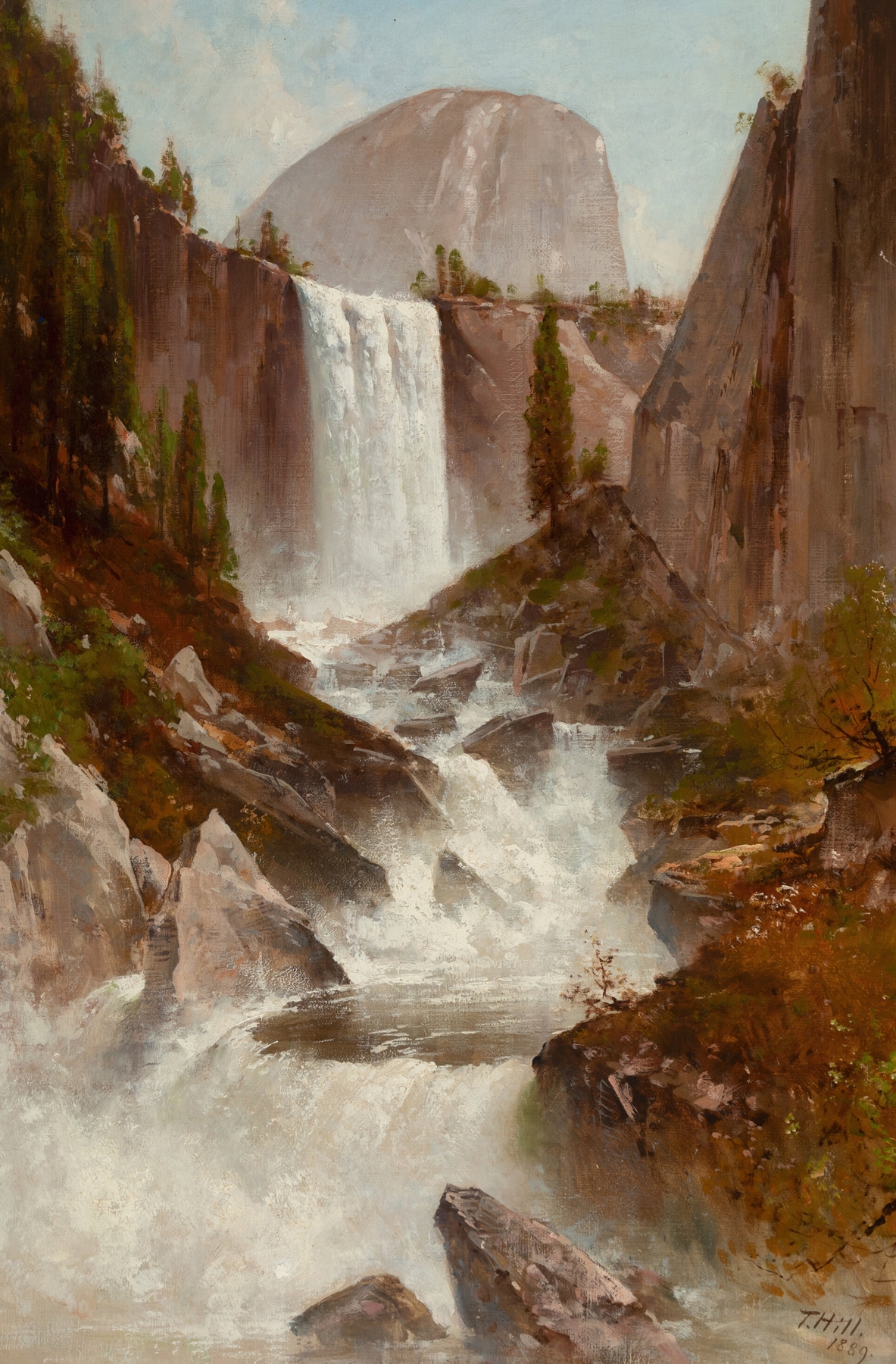
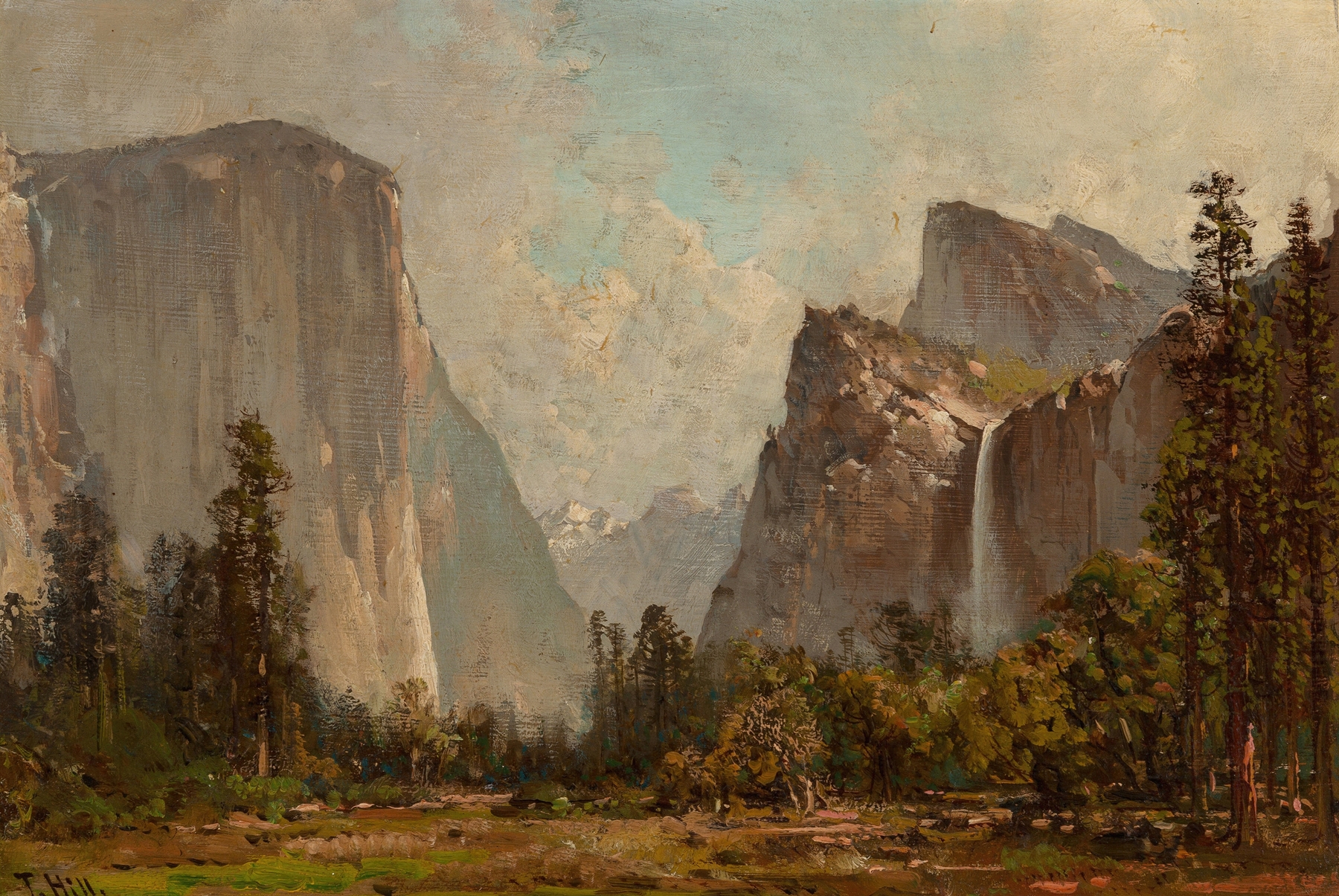
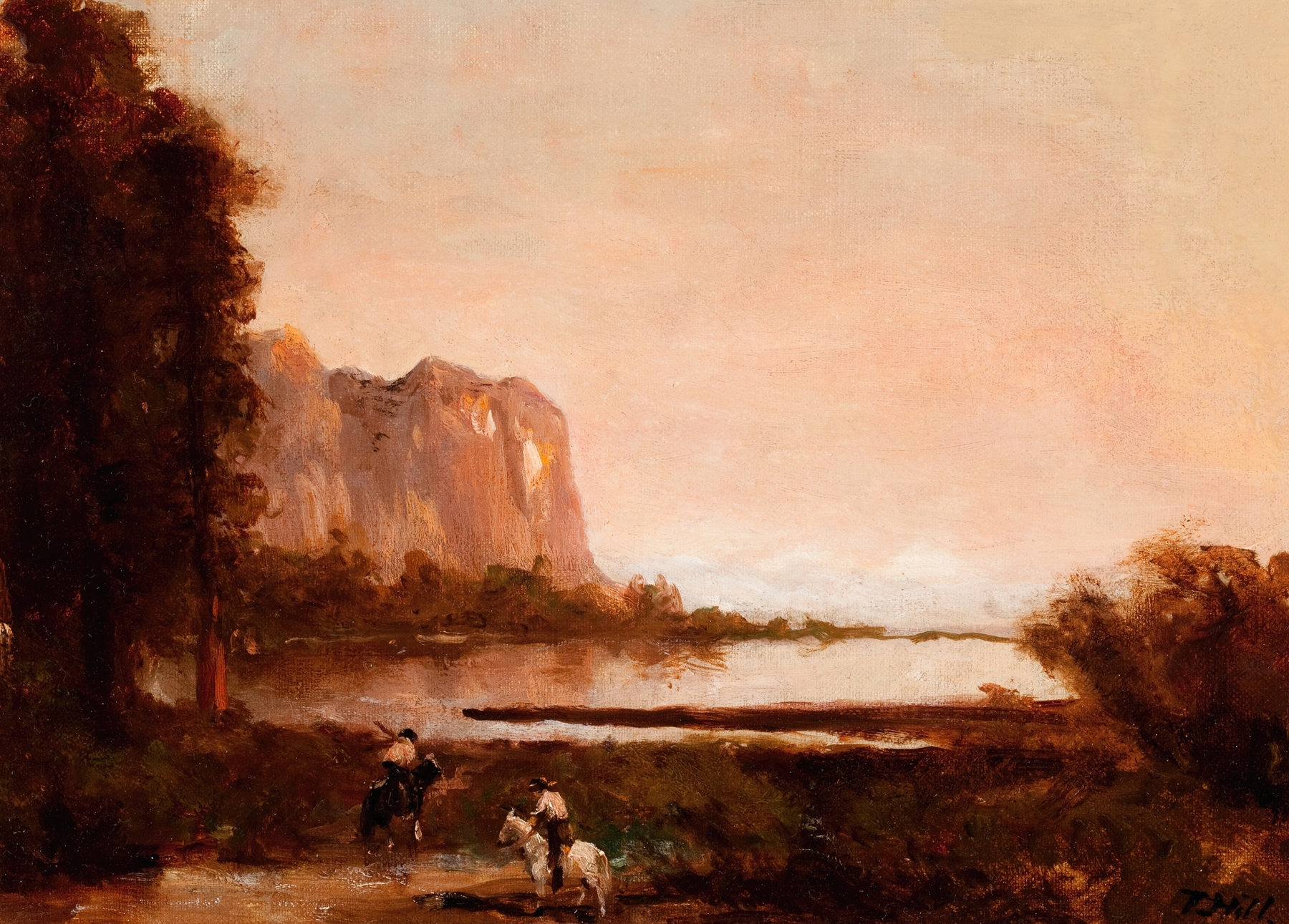
What secret hides in the quiet of the canvas? In the stillness of Thomas Hill's Yosemite, the vastness of nature whispers with a profound sense of solitude. The painting invites the viewer to explore the delicate balance between expansive beauty and the void it suggests. Focus on the towering granite cliffs, their majestic peaks piercing the azure sky. The eye is drawn to the interplay of light and shadow, where the morning sun casts a golden hue across the rugged terrain.
Notice how the vibrant greens of the foliage offer a stark contrast to the stark grays and browns of the rocks, evoking a sense of life thriving amidst the enduring strength of the mountains. Each brushstroke reveals Hill's meticulous attention to detail, enhancing the sense of depth and inviting contemplation. Yet beneath this serene landscape lies an emotional tension. The vast, open spaces can feel overwhelming, suggesting isolation even within the beauty of nature. The subtle play between light and dark evokes a sense of both wonder and introspection, hinting at the journey of the human spirit amidst the grandeur of the wilderness.
The void is not merely a lack of presence but a profound invitation to connect, to reflect on one's place within this vast world. Painted in 1892, this work emerged during a time when the American landscape was beginning to be celebrated in art. Hill, inspired by the majestic sites of Yosemite, sought to embody the American spirit in his landscapes. At this juncture, the nation was grappling with industrialization, making the untouched beauty of nature a poignant testament to the enduring power of the natural world.