Gates of Yosemite and Bridal Veil Falls — History & Analysis
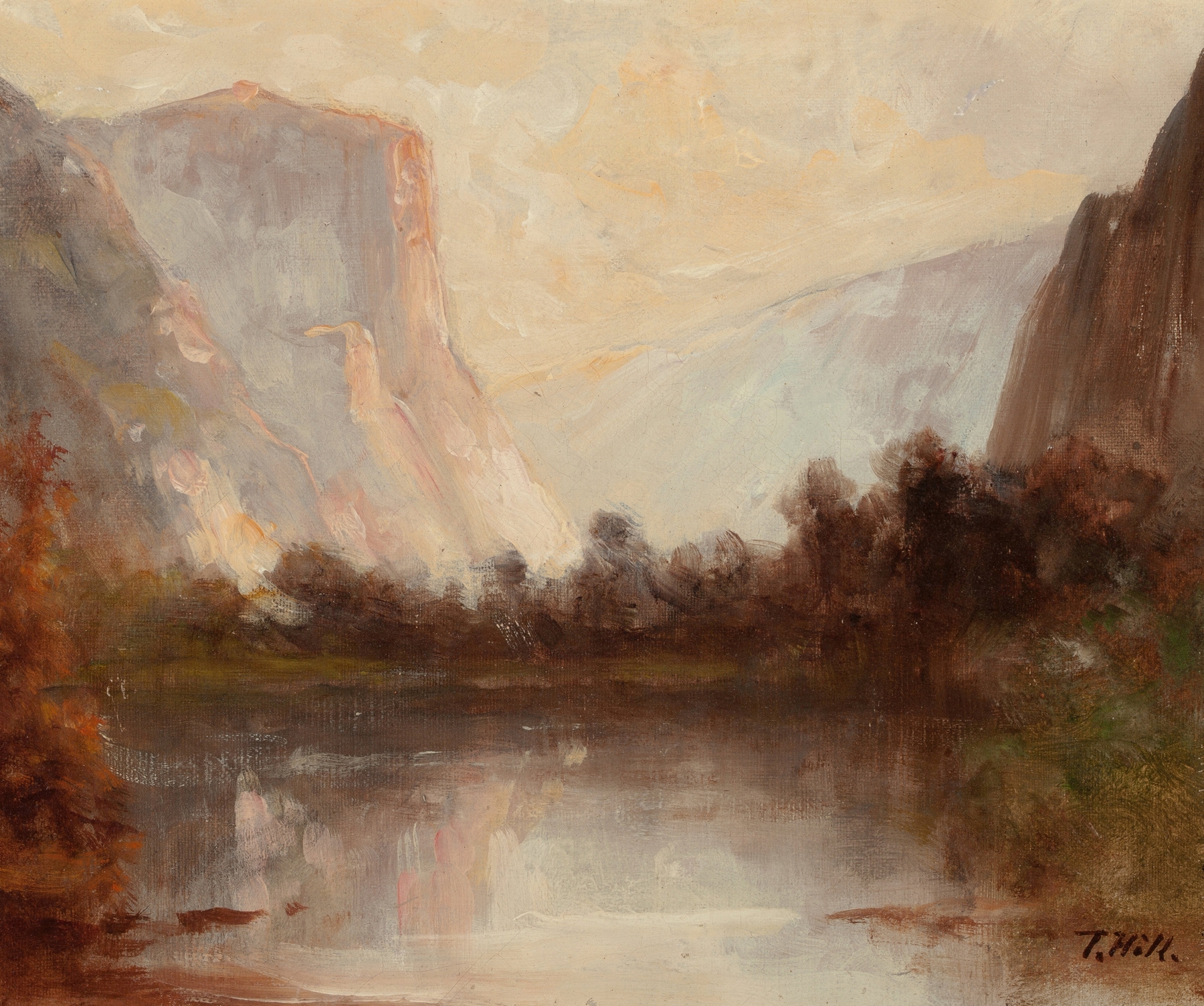
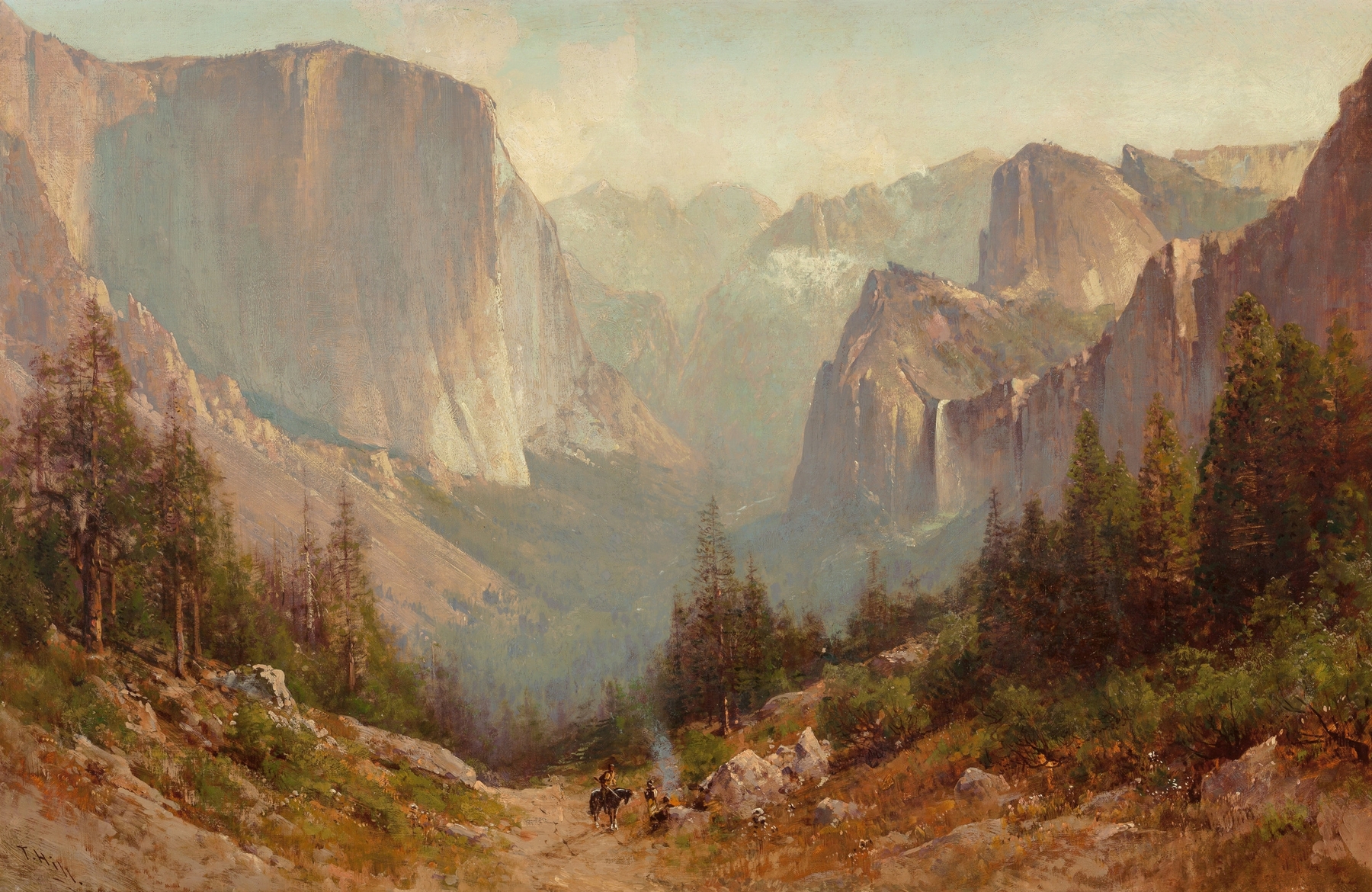
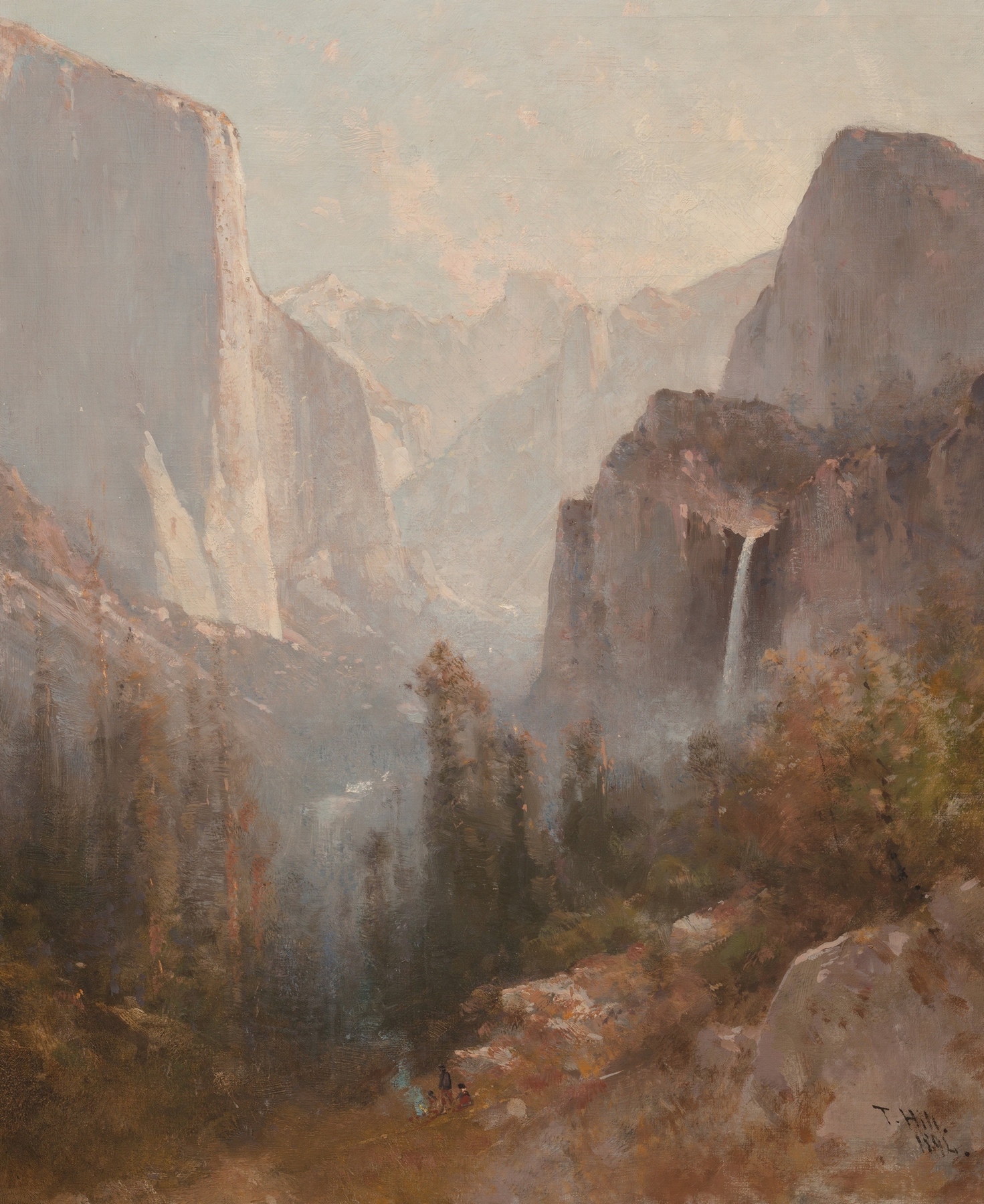
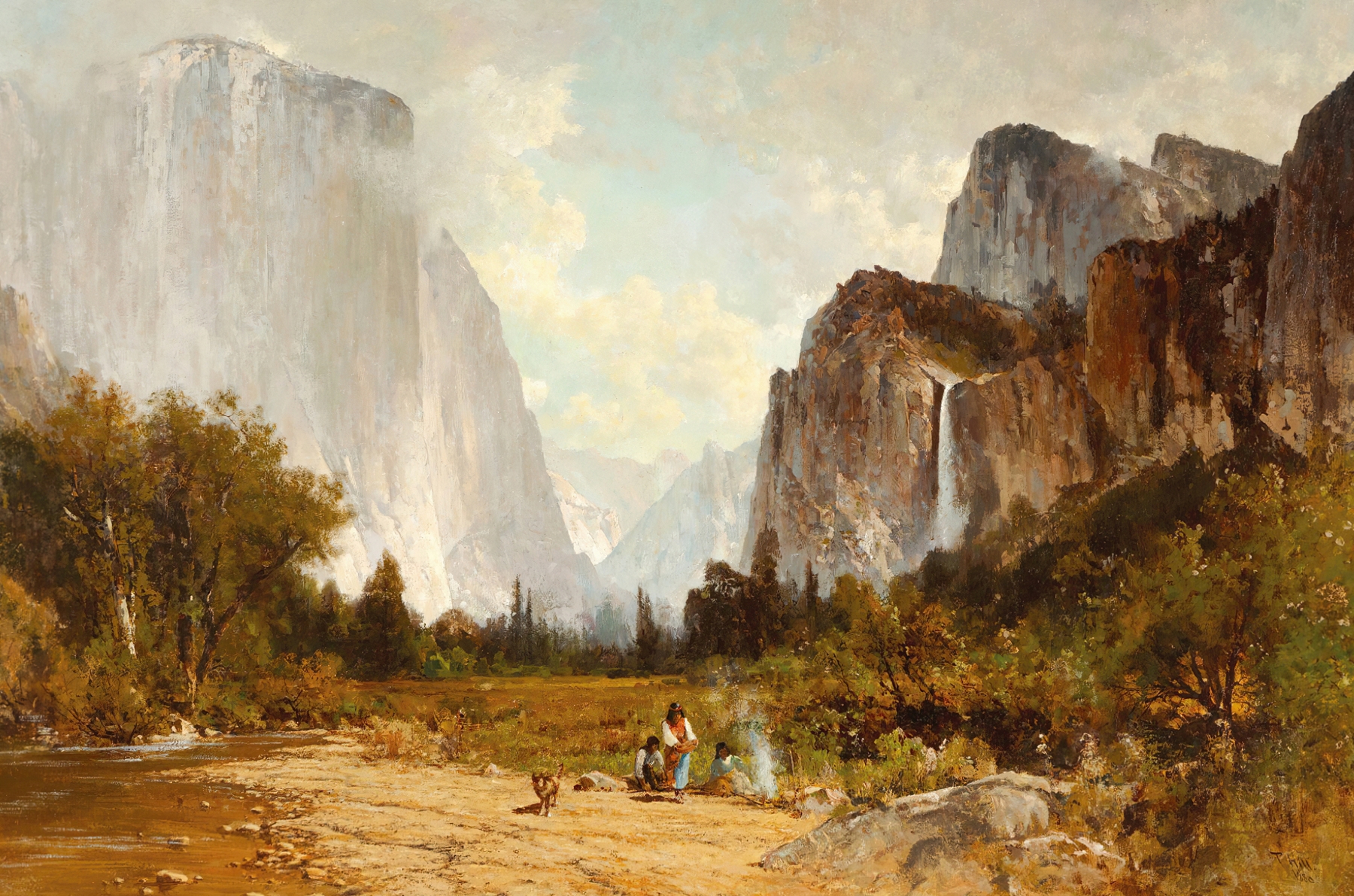
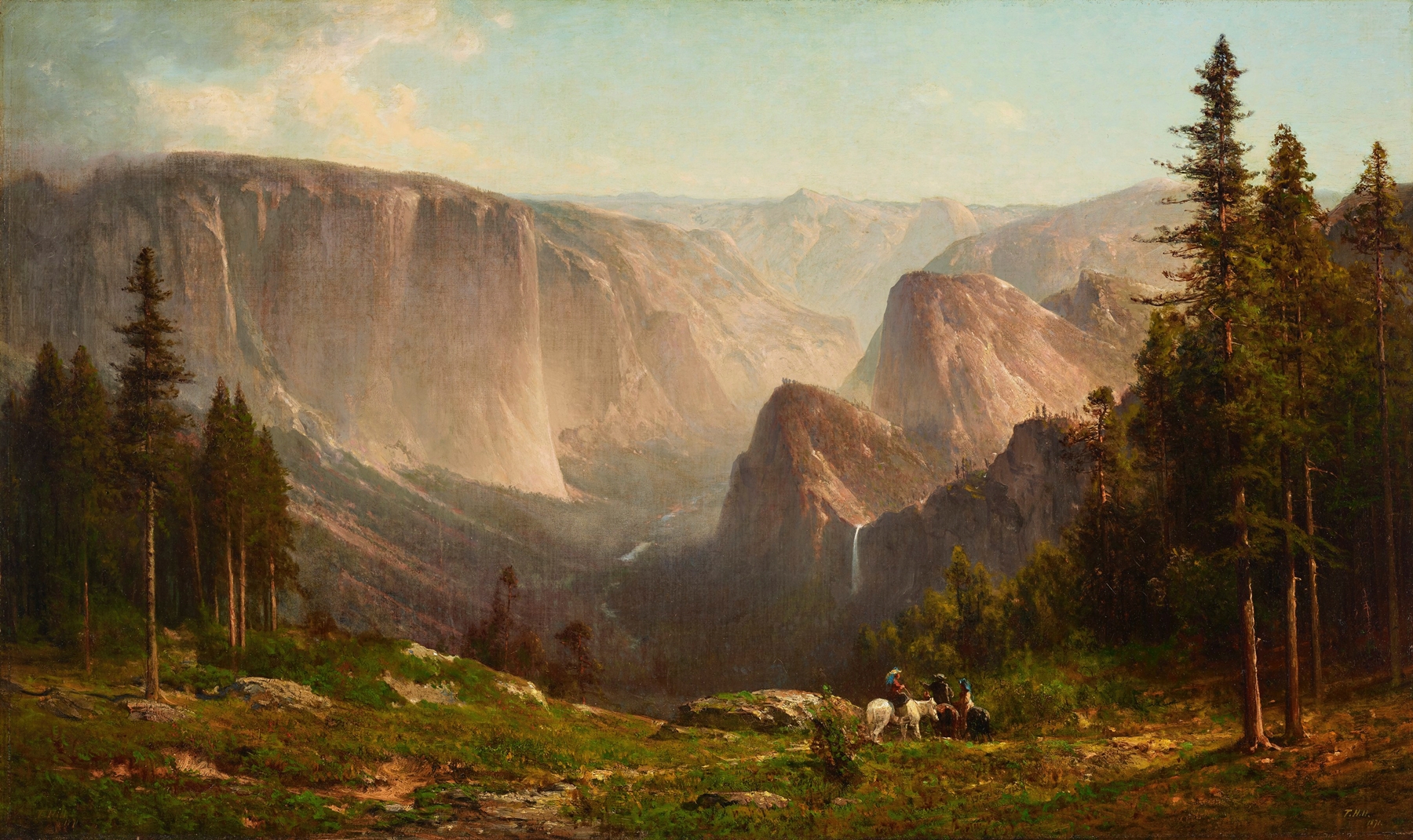
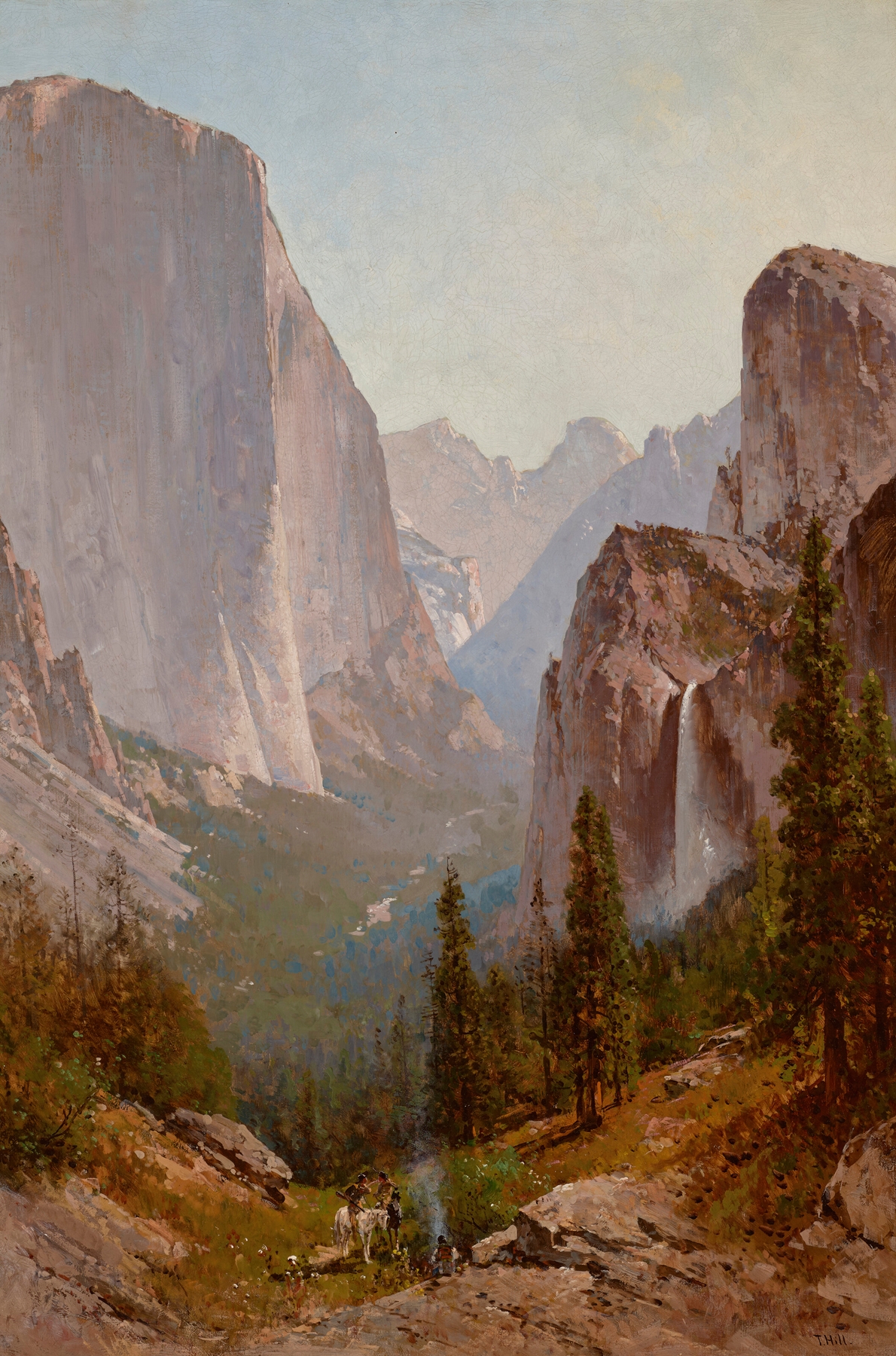
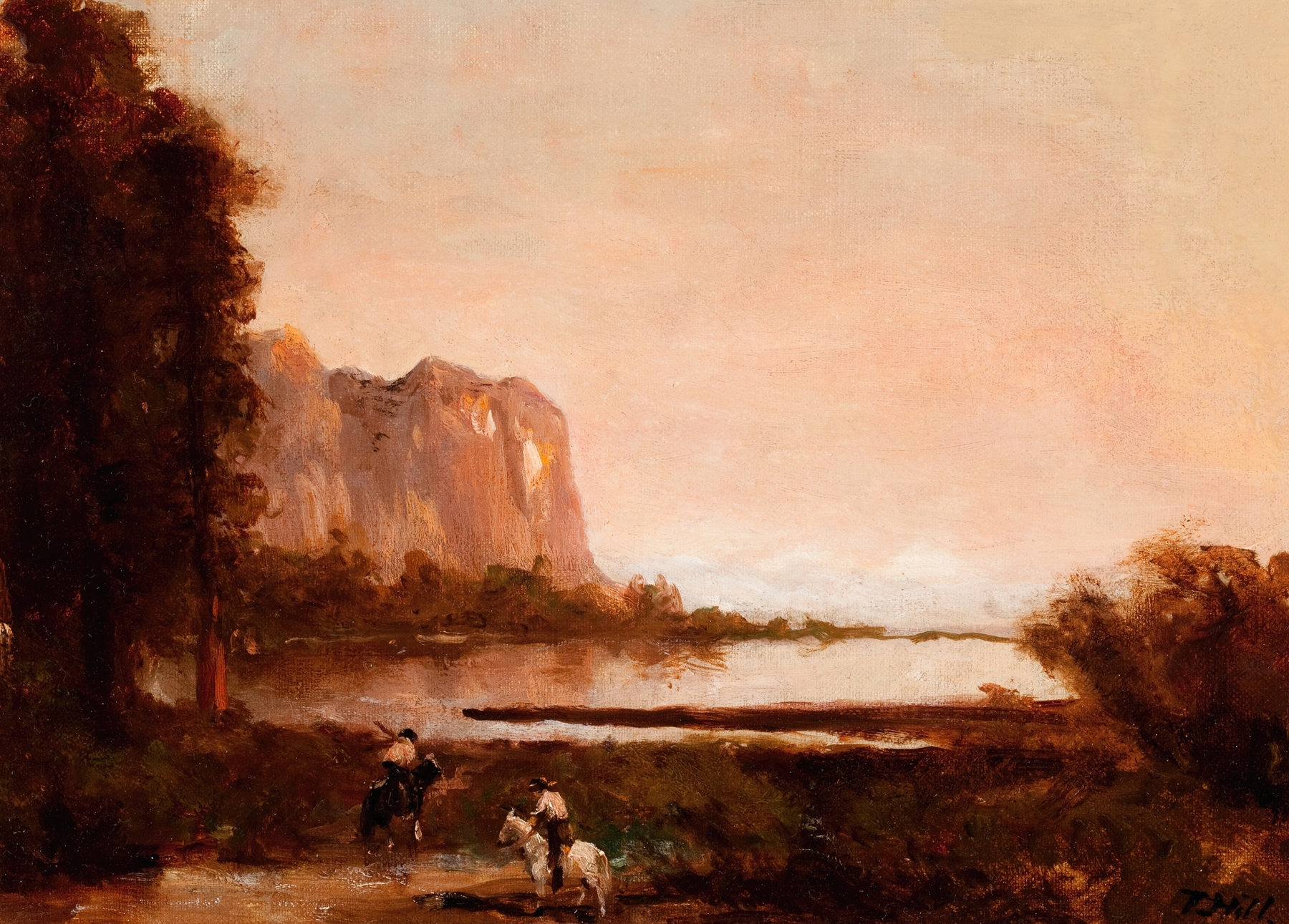
Could beauty survive in a century of chaos? In the heart of nature, destiny unfolds, revealing landscapes that outlive the turmoil of human existence. Look to the left at the majestic cliffs, their towering presence dwarfing the verdant valley below. The play of light highlights the intricate textures of the rock faces, where every shadow and gleam tells a story of time carved by wind and water.
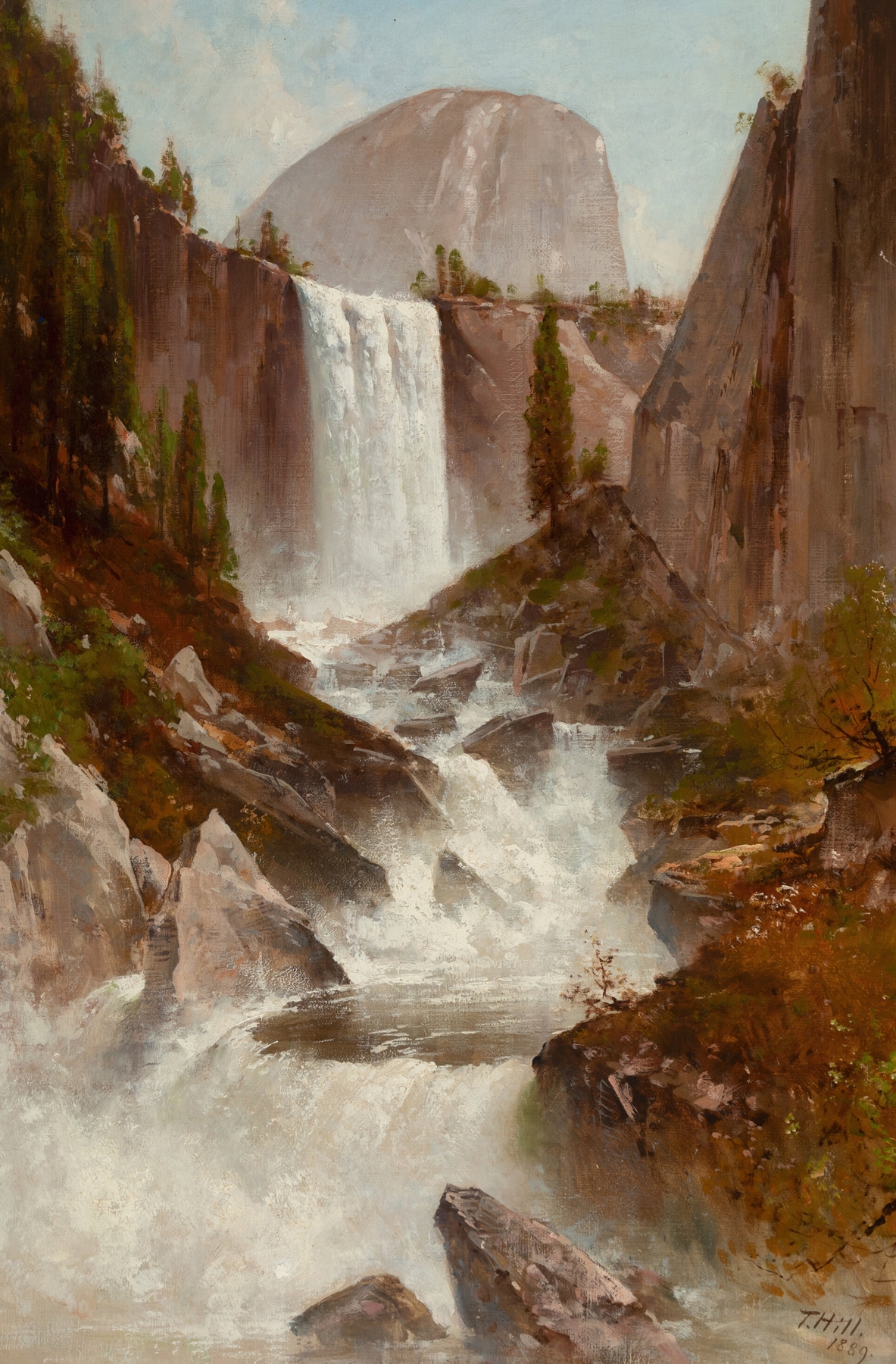
Notice how the waterfall cascades gracefully, its silvery threads shimmering against the deep greens of the surrounding foliage, inviting the viewer to pause and absorb the serenity encapsulated within this vast expanse. As you gaze deeper, notice the contrast between the solid, unyielding mountains and the ephemeral flow of the falls. This interplay of permanence versus transience evokes a profound sense of resilience. The stillness in the valley stands in stark contrast to the lively rush of water, suggesting the perpetual tension between nature's enduring grandeur and the fleeting moments of beauty it bestows.
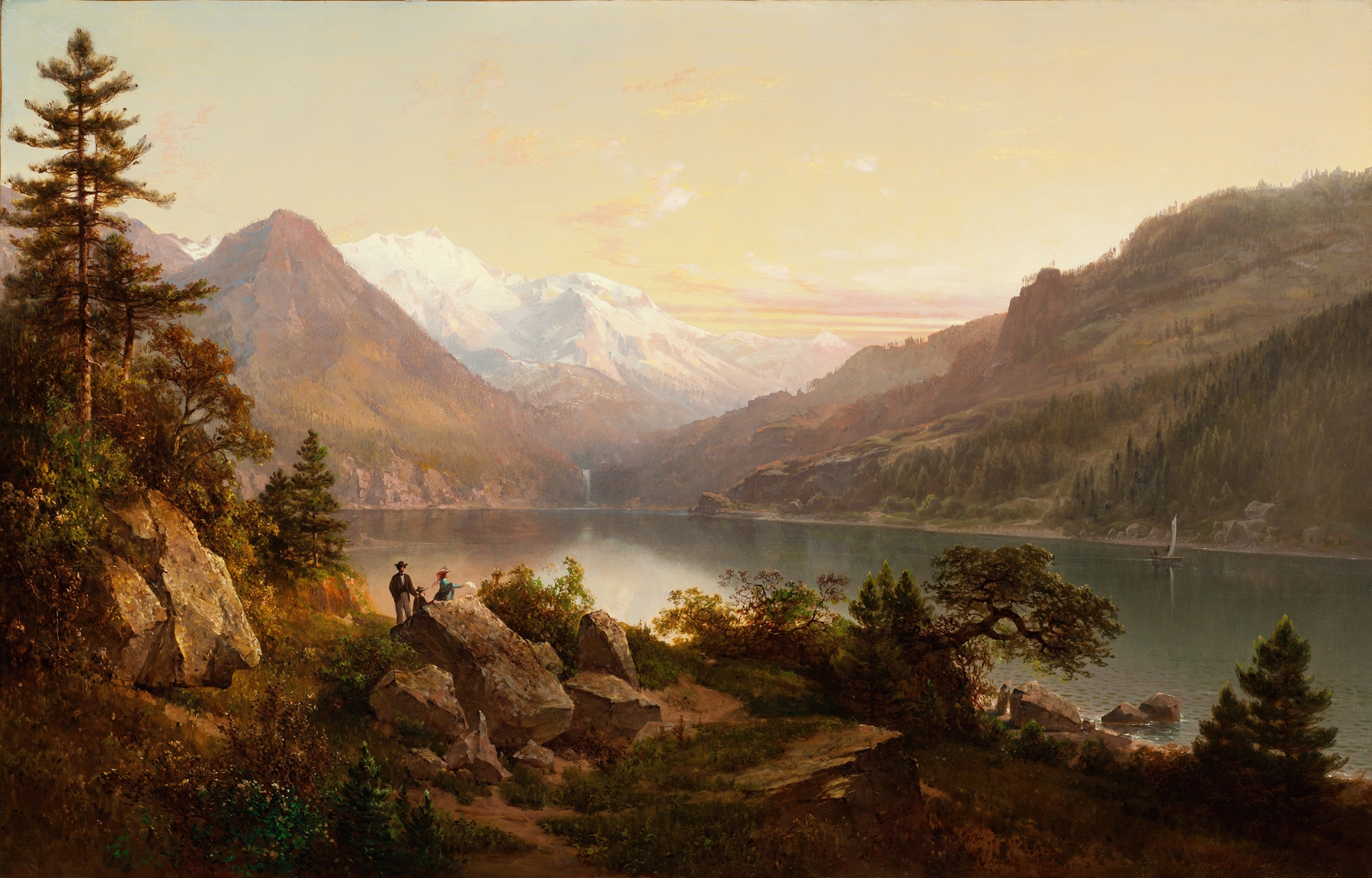
Each element in the composition harmonizes to create a narrative of both awe and tranquility. During the late 19th century, when this piece was created, Thomas Hill was deeply immersed in the burgeoning landscape painting movement in America. His work often reflected the awe of the natural world amidst the rapid industrial changes of the era. As cities expanded and the environment faced increasing threats, Hill's depictions of places like Yosemite reminded viewers of the sublime beauty worth preserving, capturing a moment of hope in a rapidly changing world.