Landscape — History & Analysis
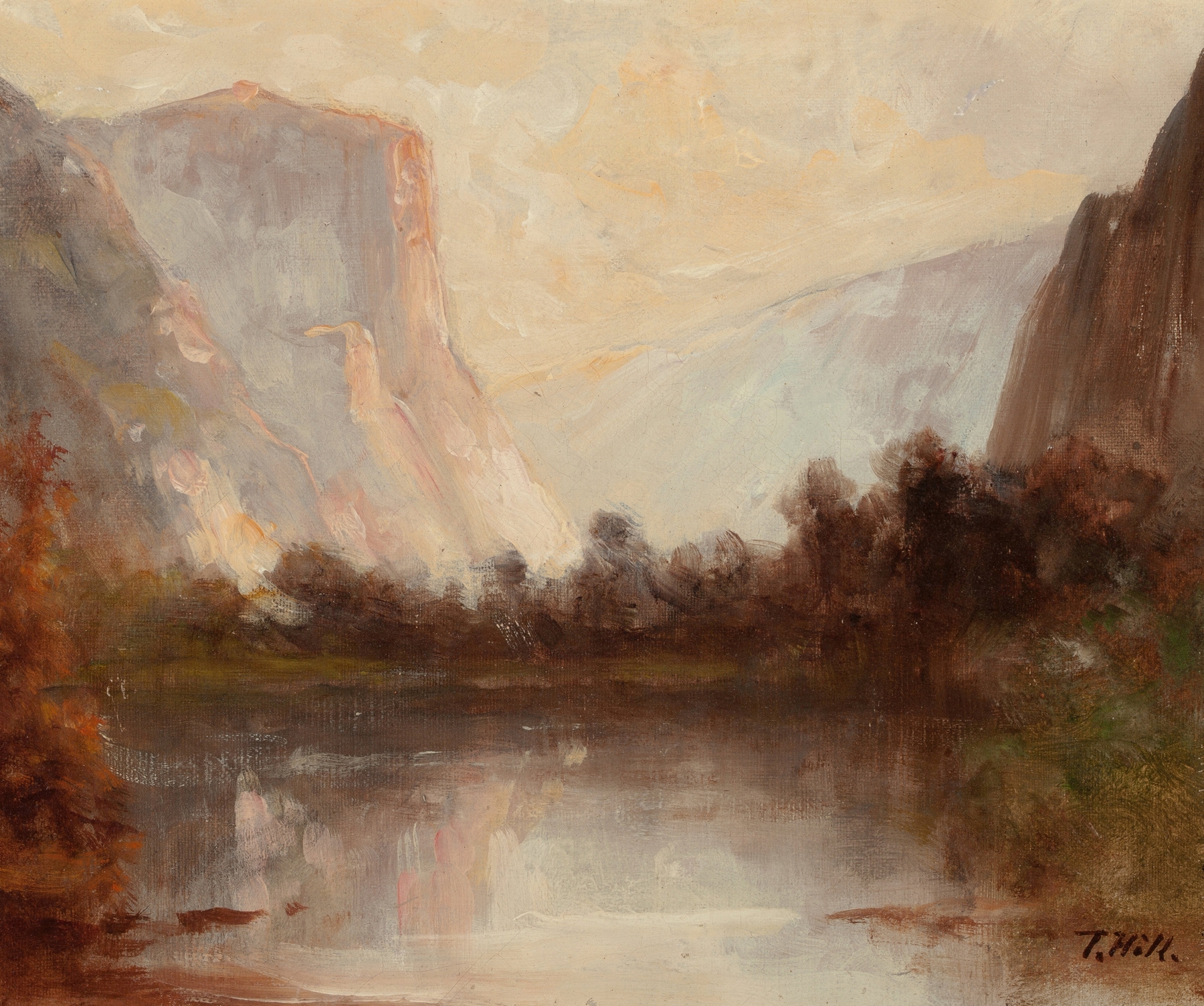
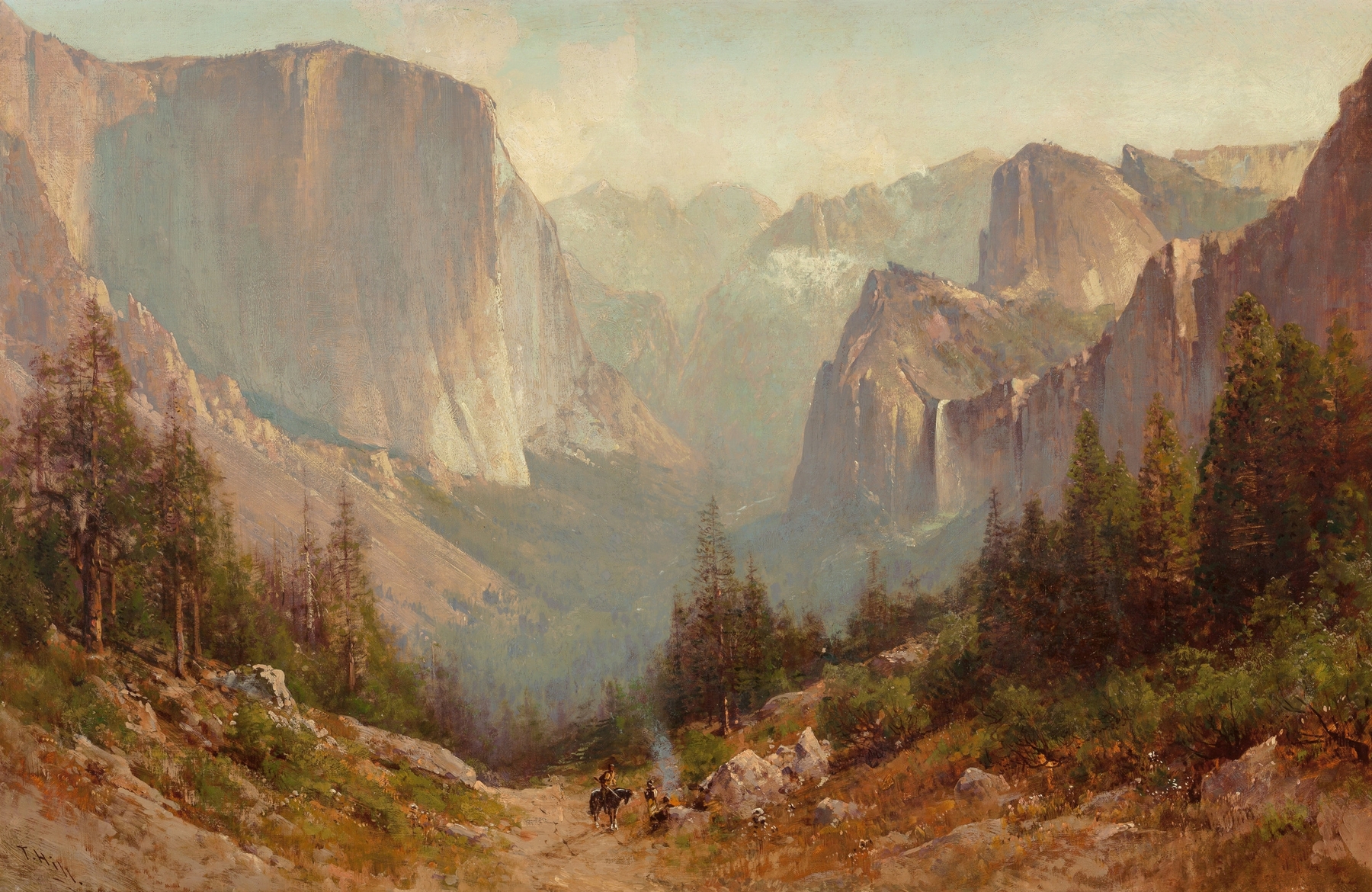
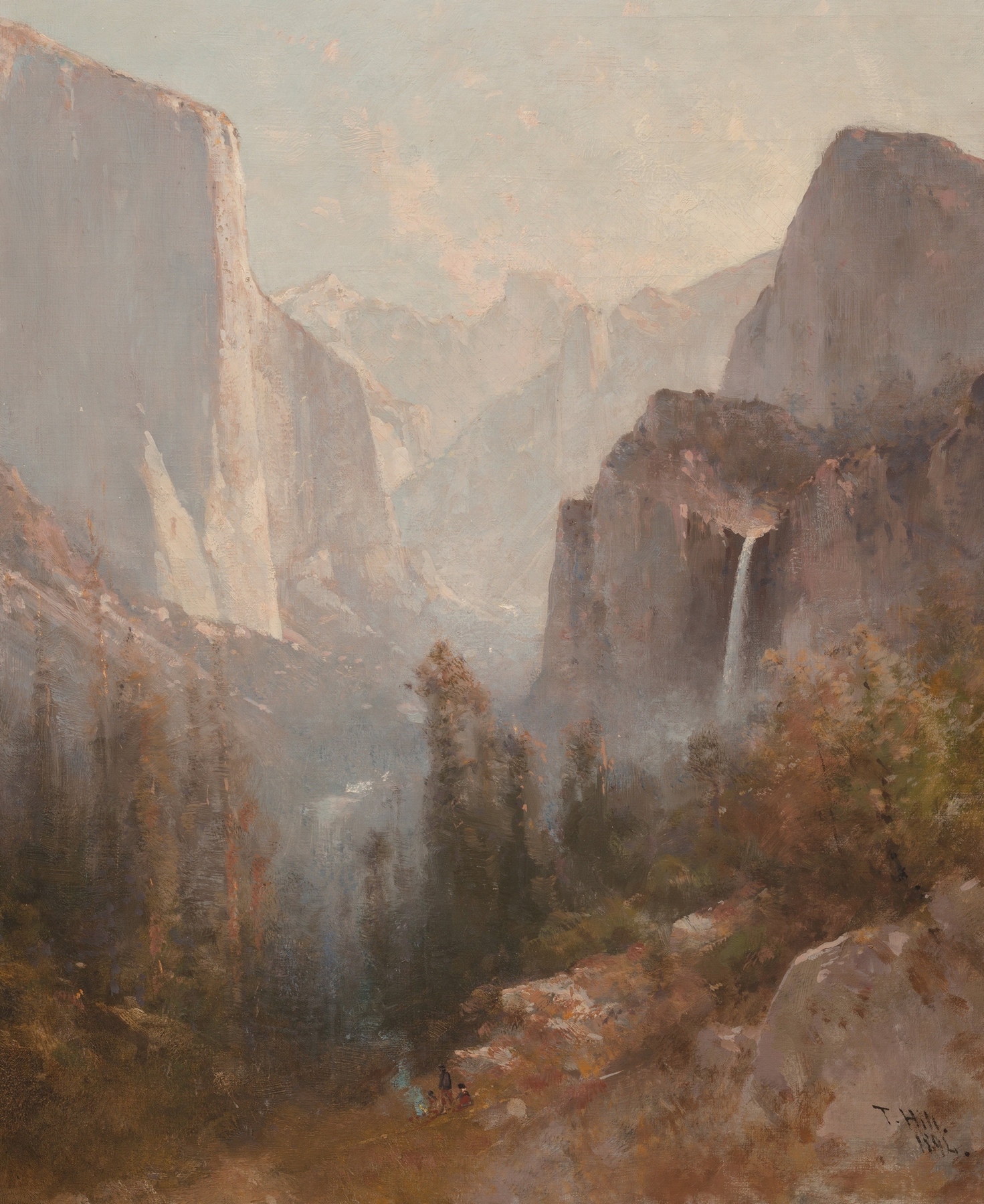
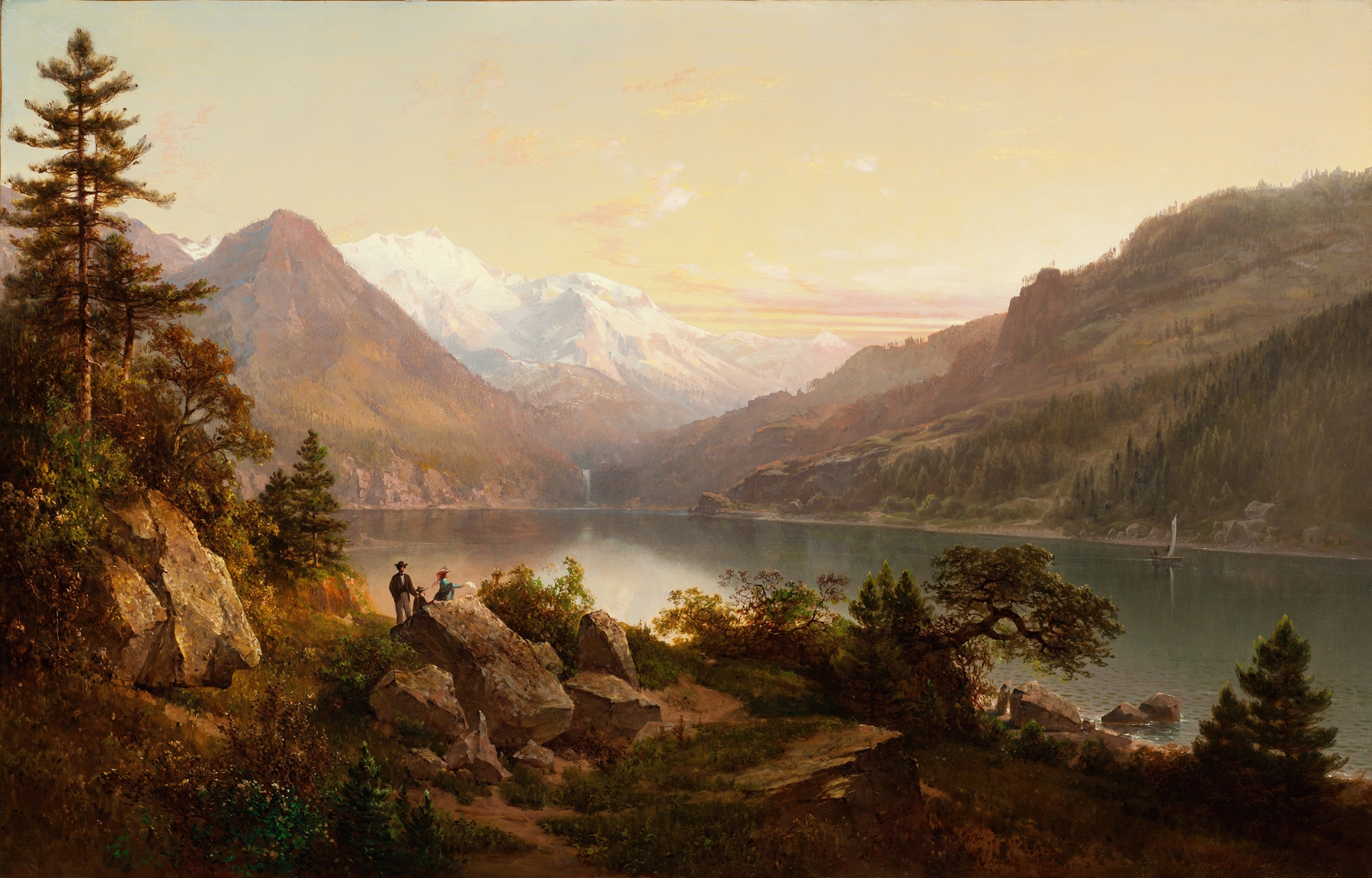
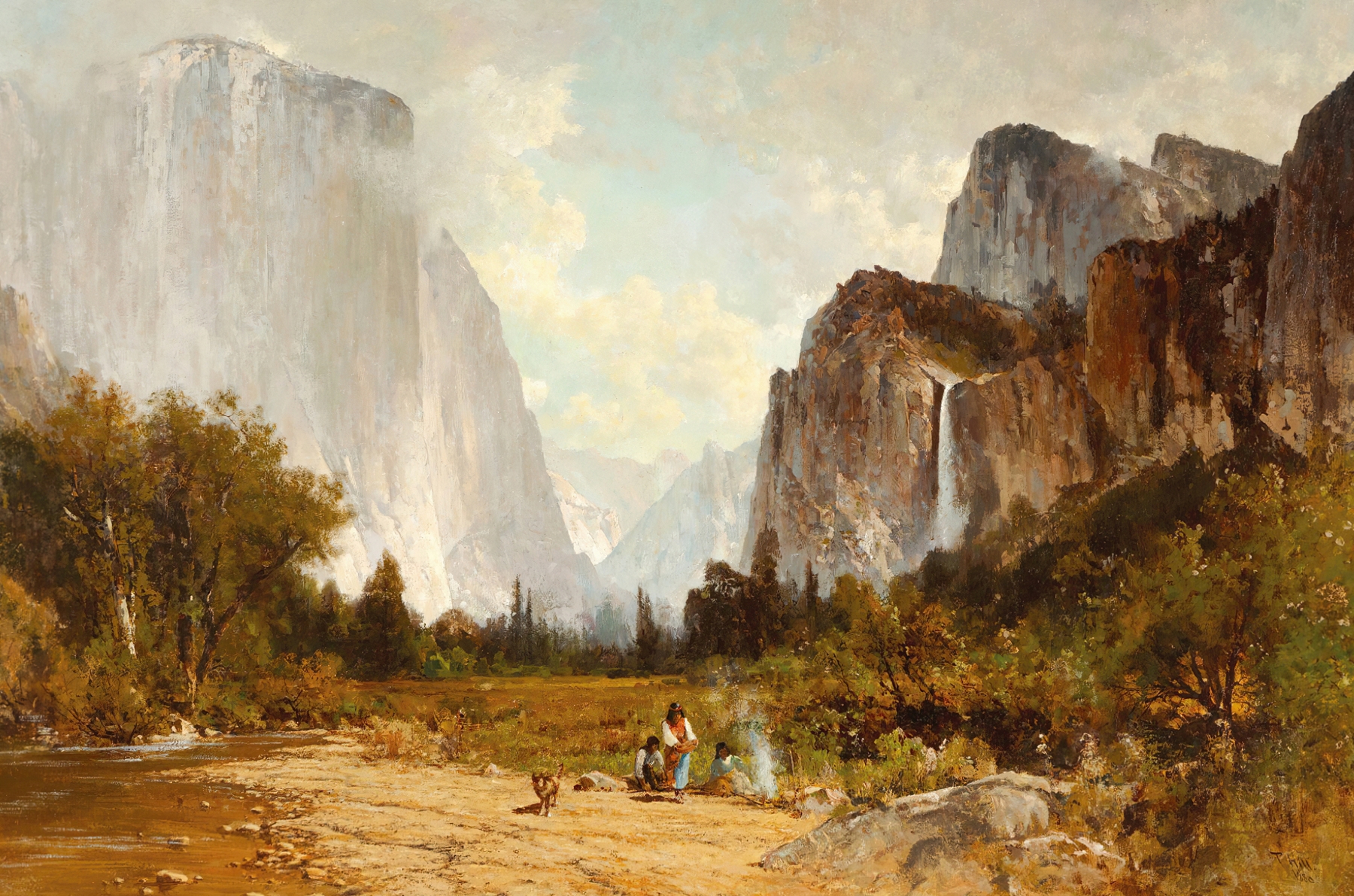
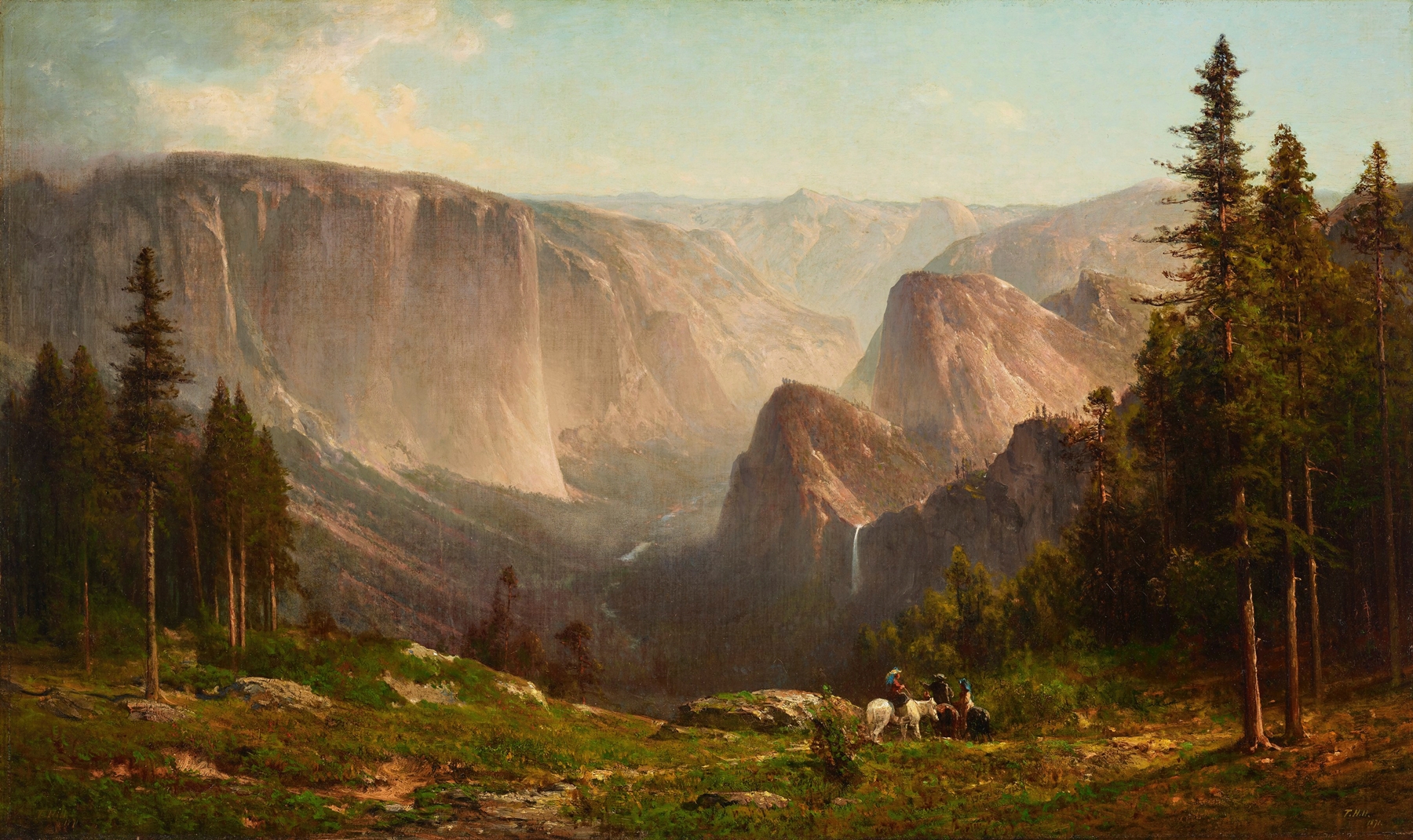
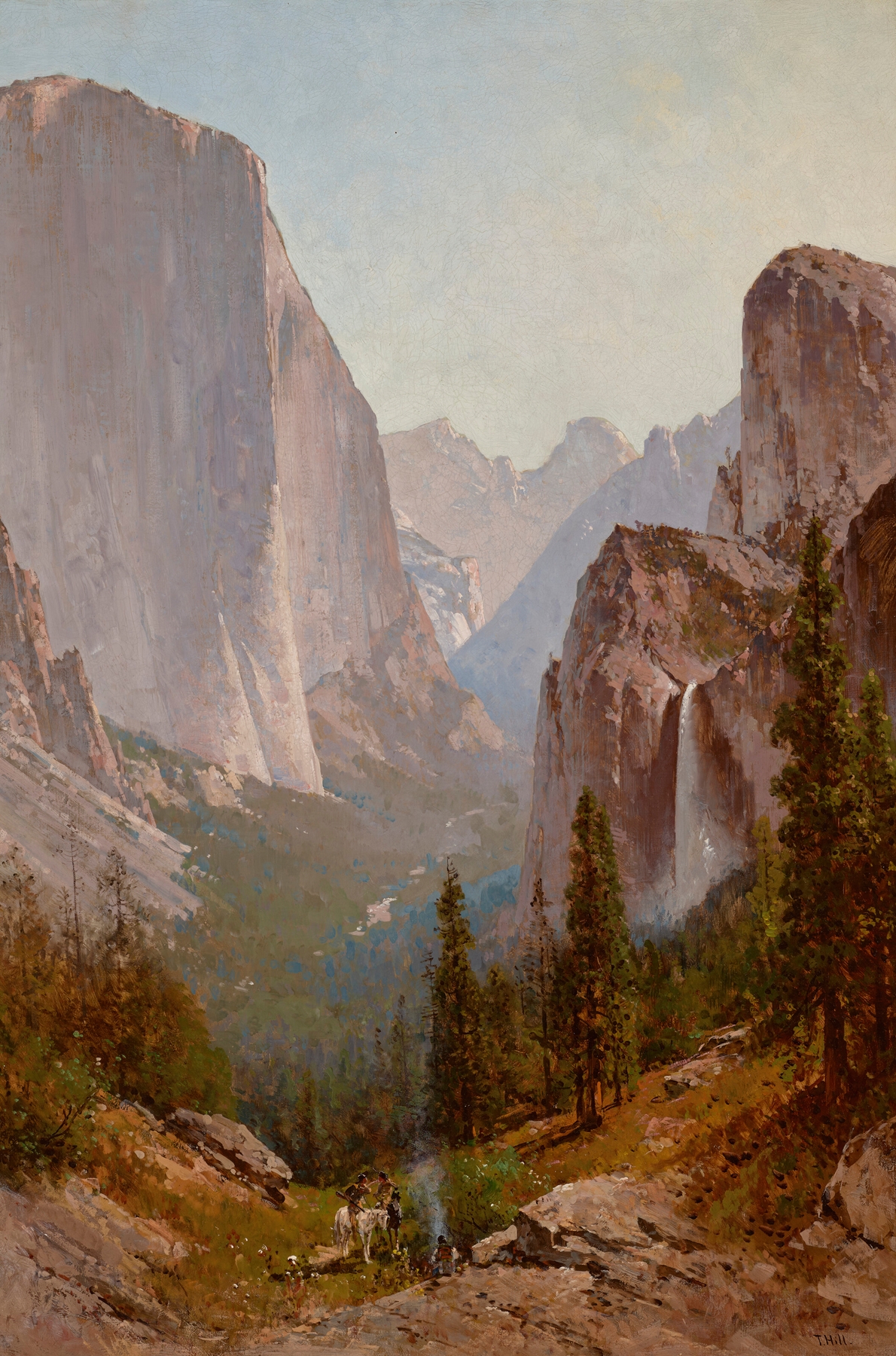
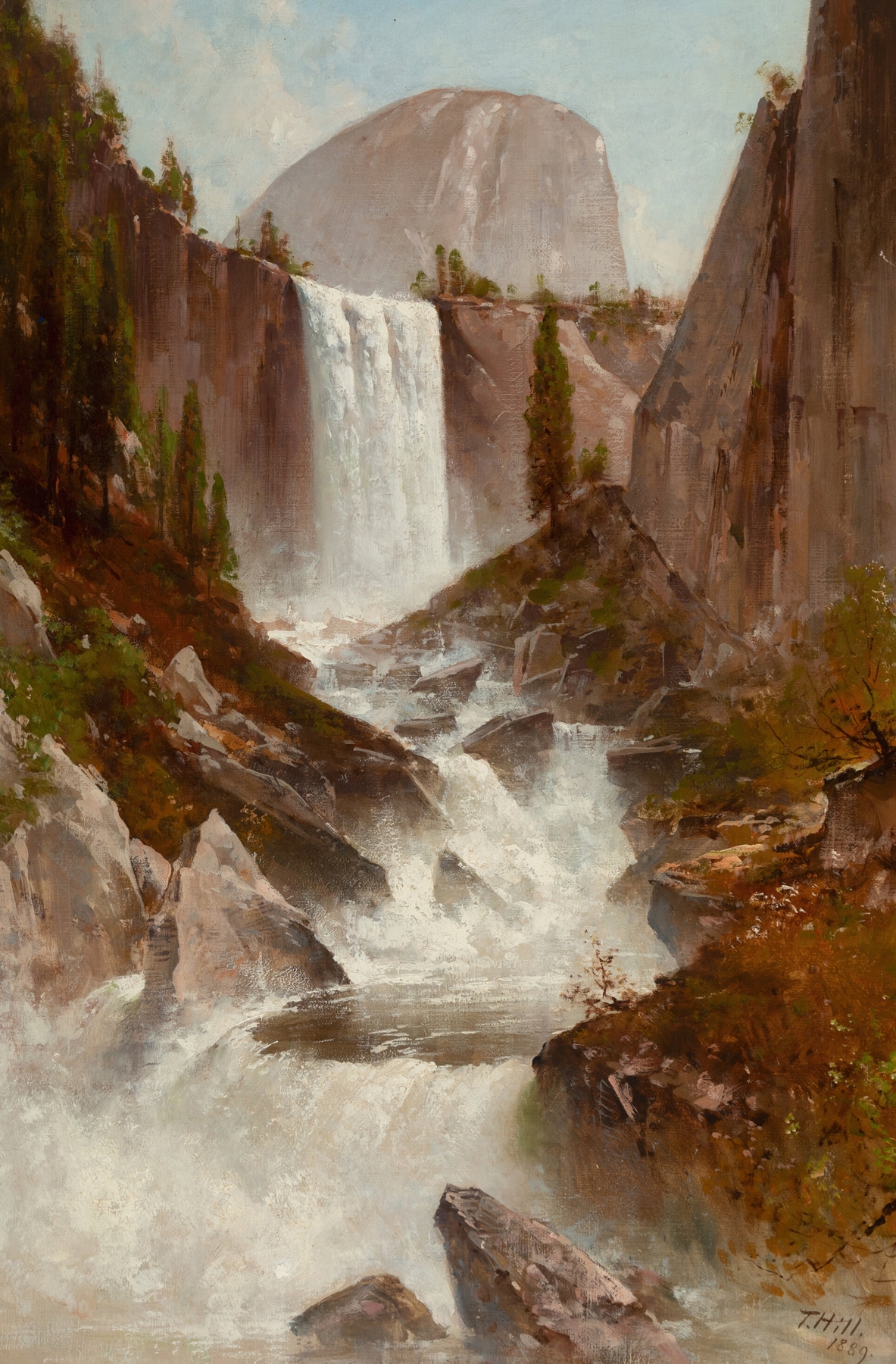
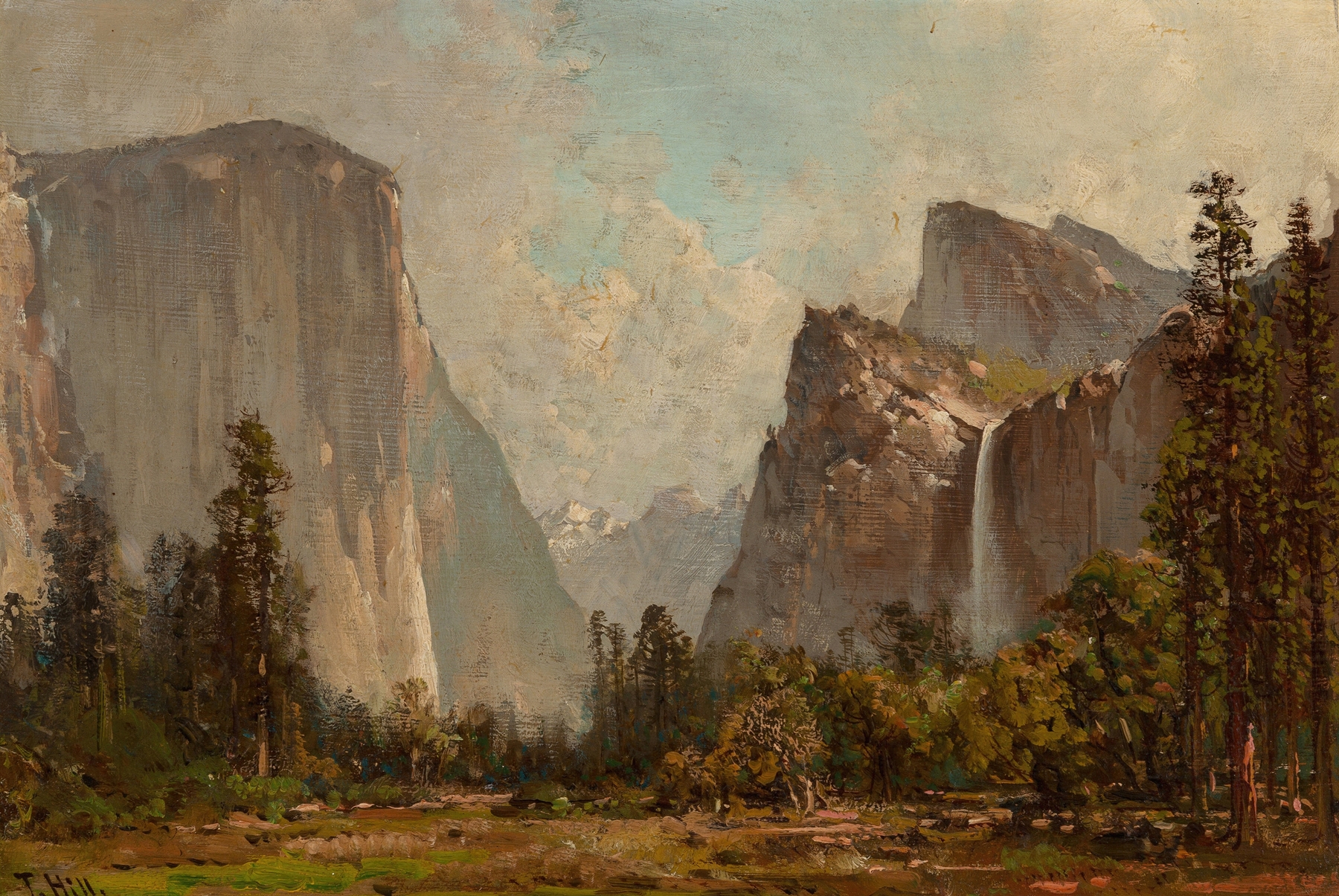
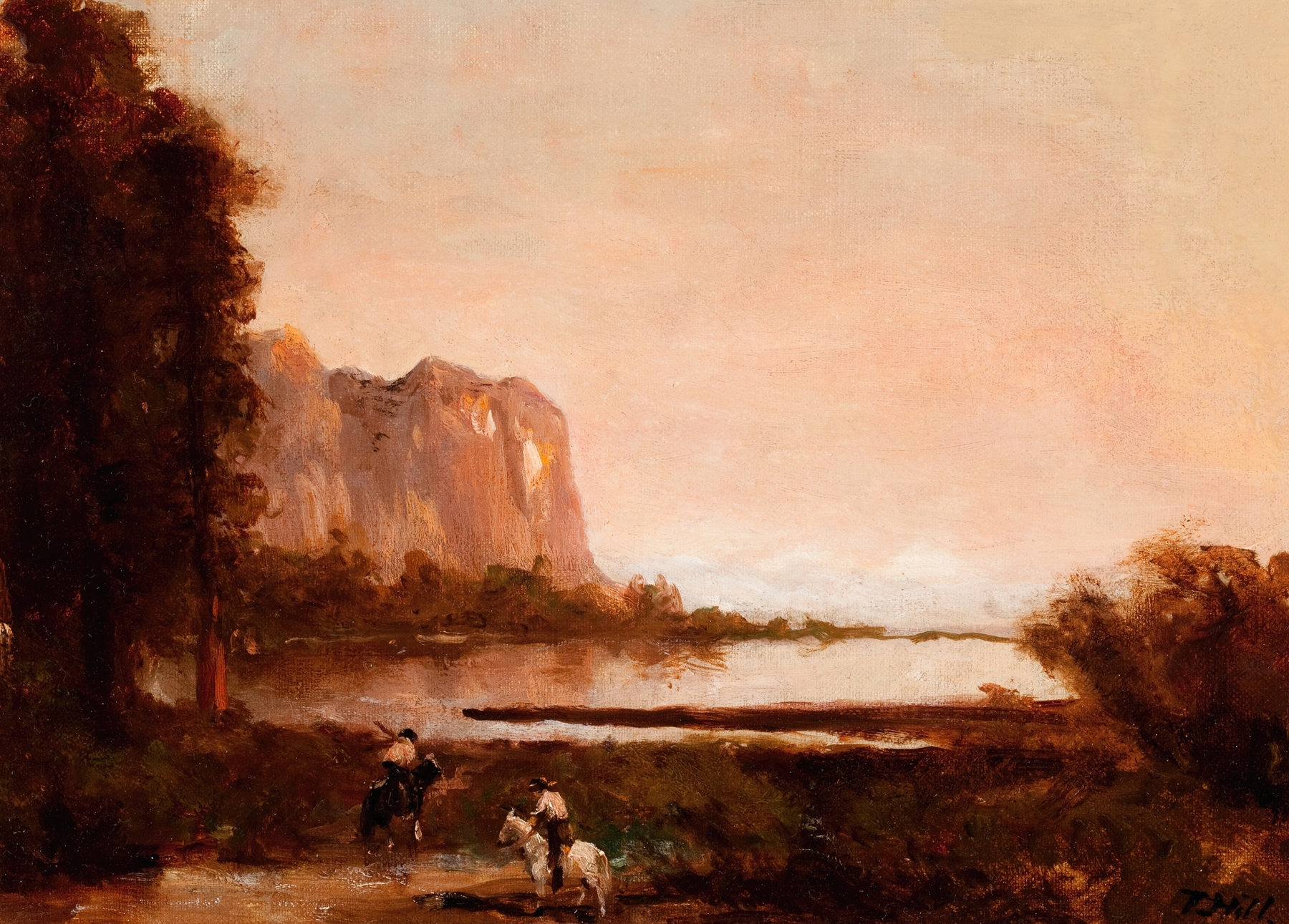
Can beauty exist without sorrow? In the stillness of nature, shadows linger, reminding us of life’s ephemeral dance between light and dark. Focus on the vibrant greens that stretch across the canvas, inviting you to wander into the depths of the landscape. Notice how the sunlight breaks through the foliage, illuminating patches of earth while casting deep shadows that hint at the unseen.
The mix of rich hues and gentle brushstrokes creates a sense of movement, as if the trees themselves whisper secrets carried on a breeze. Yet, beneath the serene beauty lies a tension between light and shadow that speaks to life’s dualities. The dark areas evoke feelings of mystery, perhaps melancholy, suggesting that every joy comes with its counterpart of sadness. The bright areas suggest moments of clarity and hope, creating a balance that reflects the complexity of existence.
This interplay emphasizes not just the beauty of the landscape, but also the broader emotional journey we all navigate. In 1866, the artist crafted this tranquil scene during a period marked by both personal transformation and the evolving American art landscape. Living in California, he was influenced by the natural beauty surrounding him, which mirrored the nation grappling with change and identity. Hill’s work emerged amidst the Hudson River School’s romanticism, yet his distinct Californian perspective infused a sense of light and color that would leave its mark on the era.