Entrance to the Village of Osny — History & Analysis
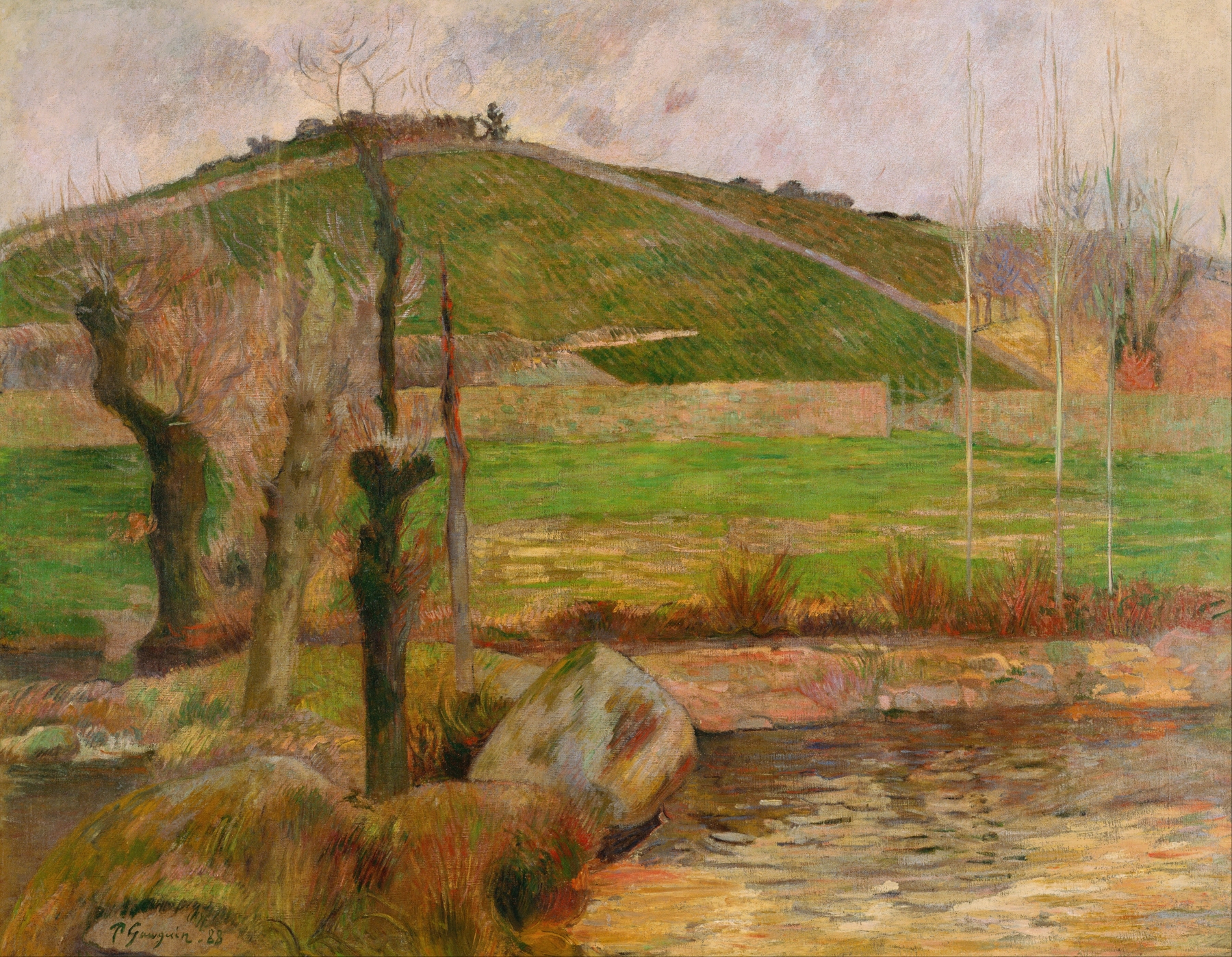
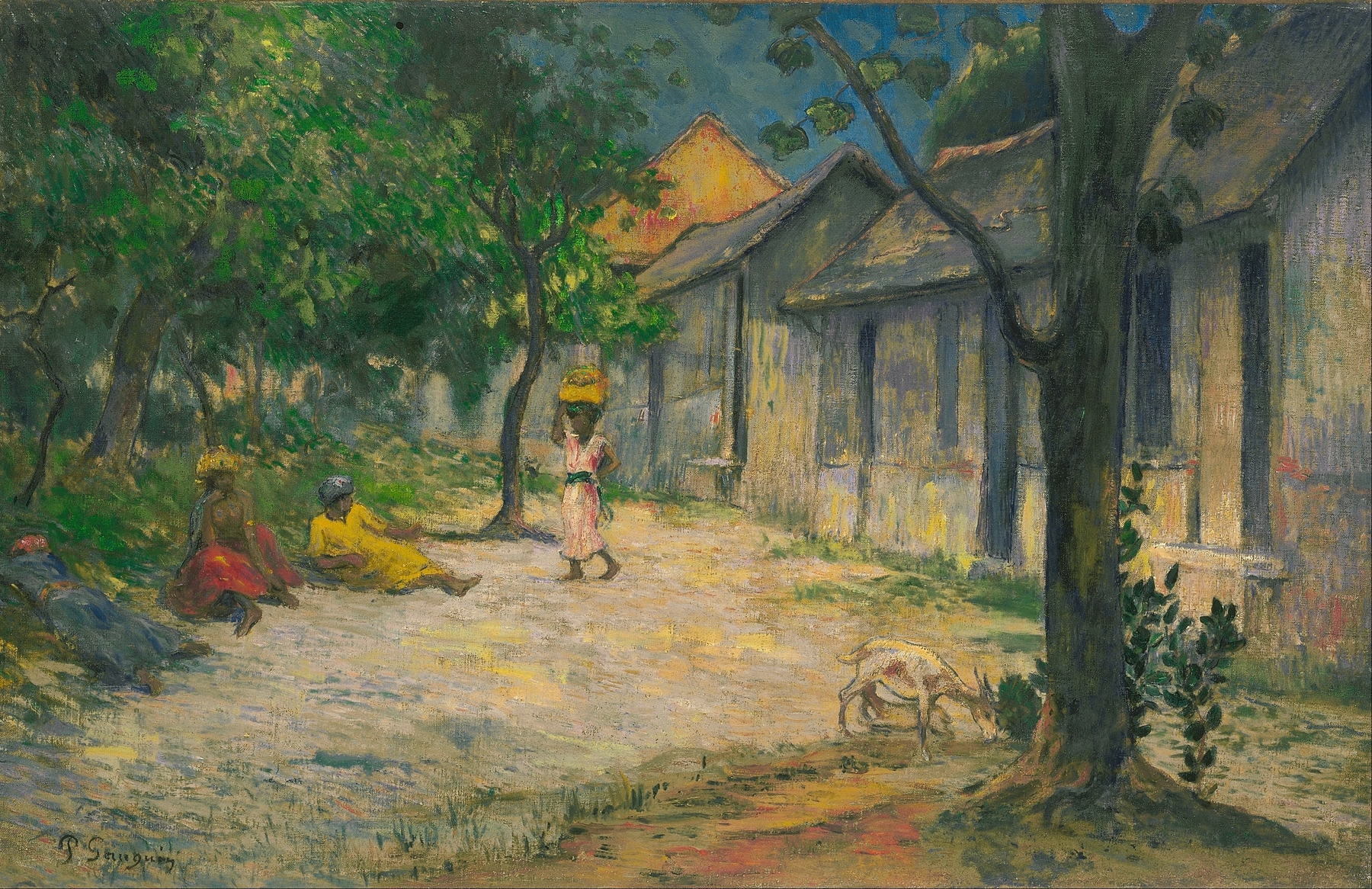
When did color learn to lie? In a world where hues often masquerade as truth, Entrance to the Village of Osny unveils the delicate dance between perception and reality, suggesting that even the vibrancy of nature can harbor madness beneath its cheerful facade. Look to the left at the bold strokes of green, forming a lush backdrop that teeters on the edge of abstraction. The trees, rendered with a wild abandon, sway as if caught in a gentle breeze, yet their exaggerated forms hint at an underlying unrest.
Notice how the path, a winding ribbon of earthy tones, draws the viewer’s eye toward the village beyond, while the interplay of light and shadow creates a sense of movement, as if the very landscape is breathing. Hidden within this seemingly serene depiction are layers of emotional tension. The vibrancy of the colors juxtaposes the calmness of the scene, revealing an unsettling strangeness that hints at the chaos of human existence.
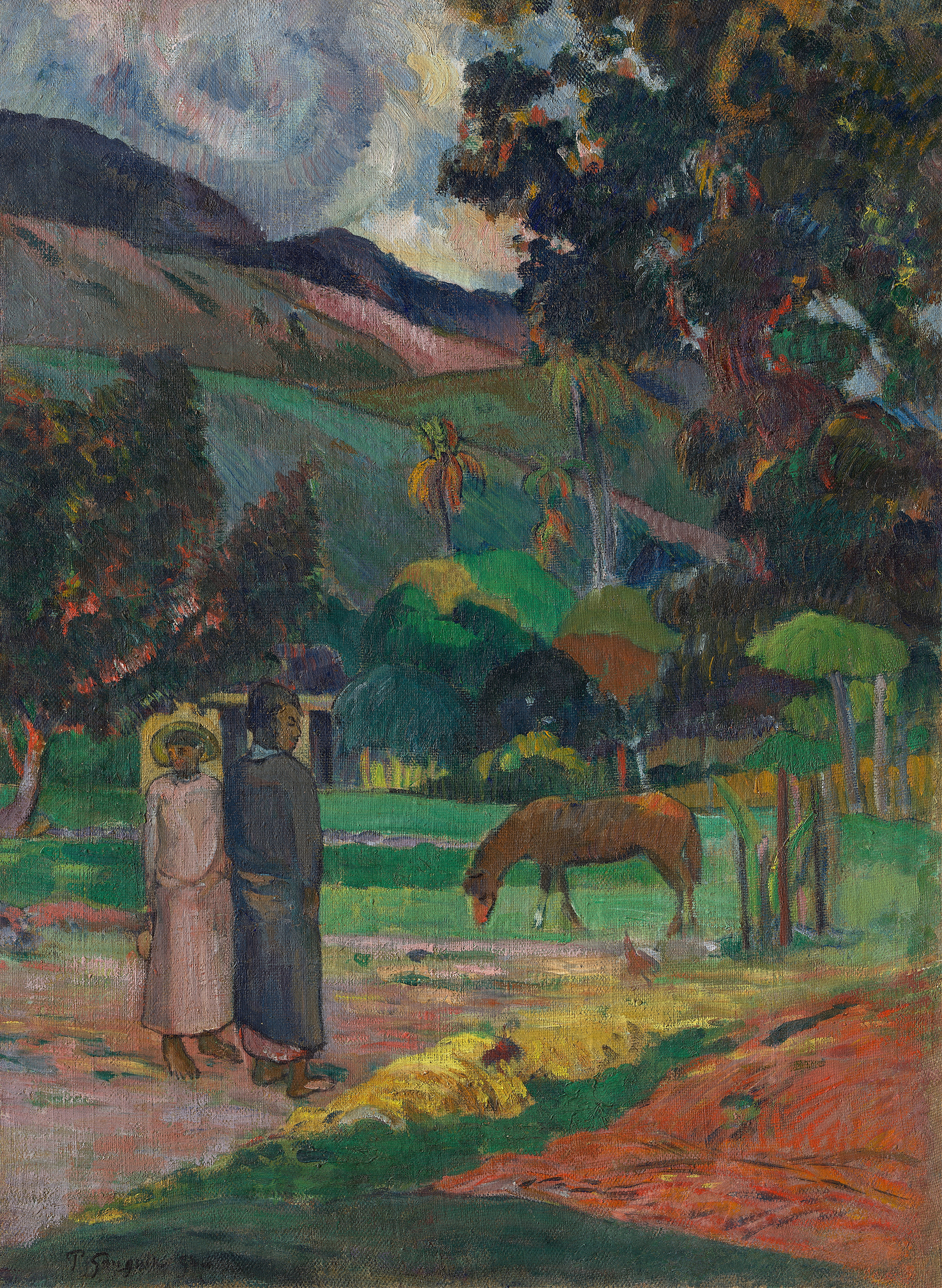
The figures, though small and somewhat distant, are painted in a way that they almost dissolve into the landscape, suggesting the fragility of human connection against the backdrop of nature’s overwhelming presence. Painted between 1882 and 1883, this work arose during Gauguin's early years in France after his decision to leave a stable career in stockbroking. Immersed in an evolving art world that was beginning to embrace Impressionism’s bold explorations, he sought to encapsulate the essence of life in his surroundings, approaching it with a unique vision that combined vivid color with deep emotional currents.