Evening Mood-Lidingö — History & Analysis
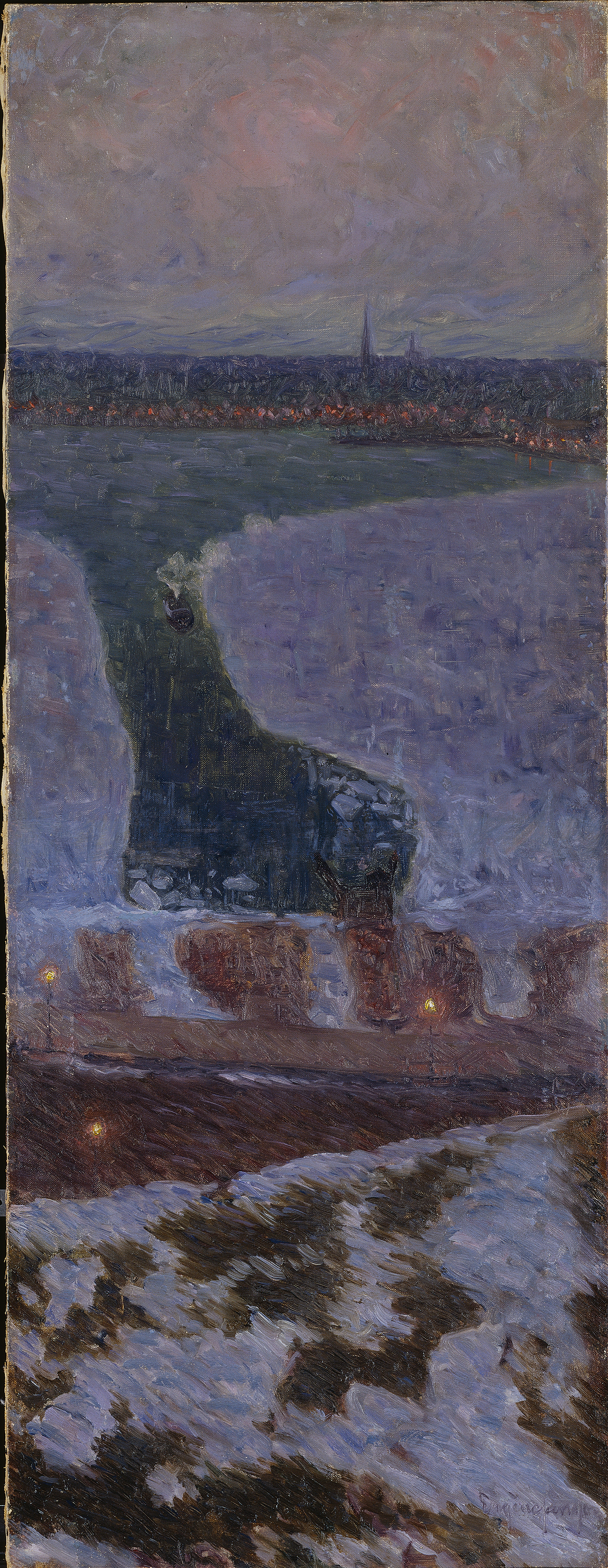
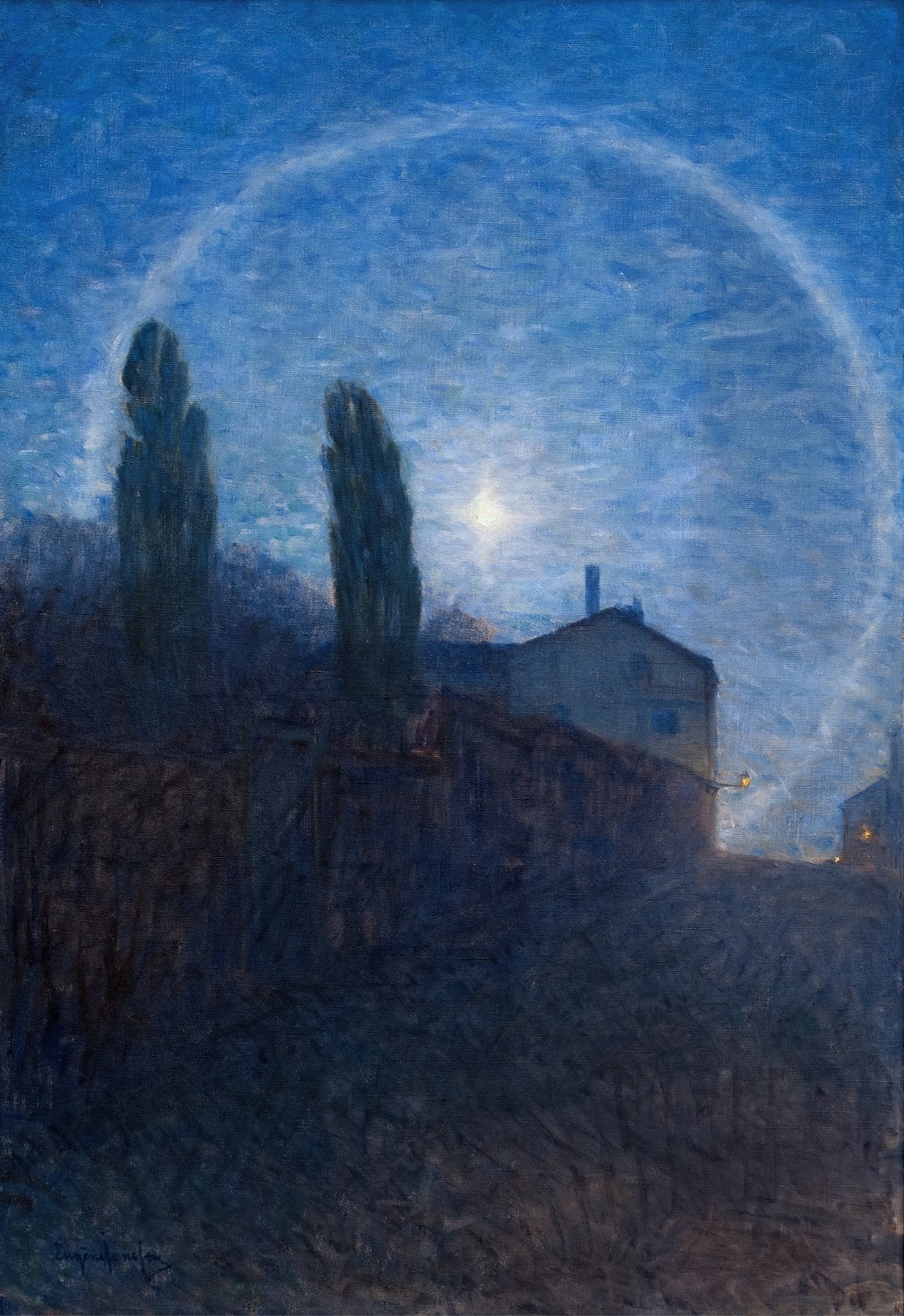
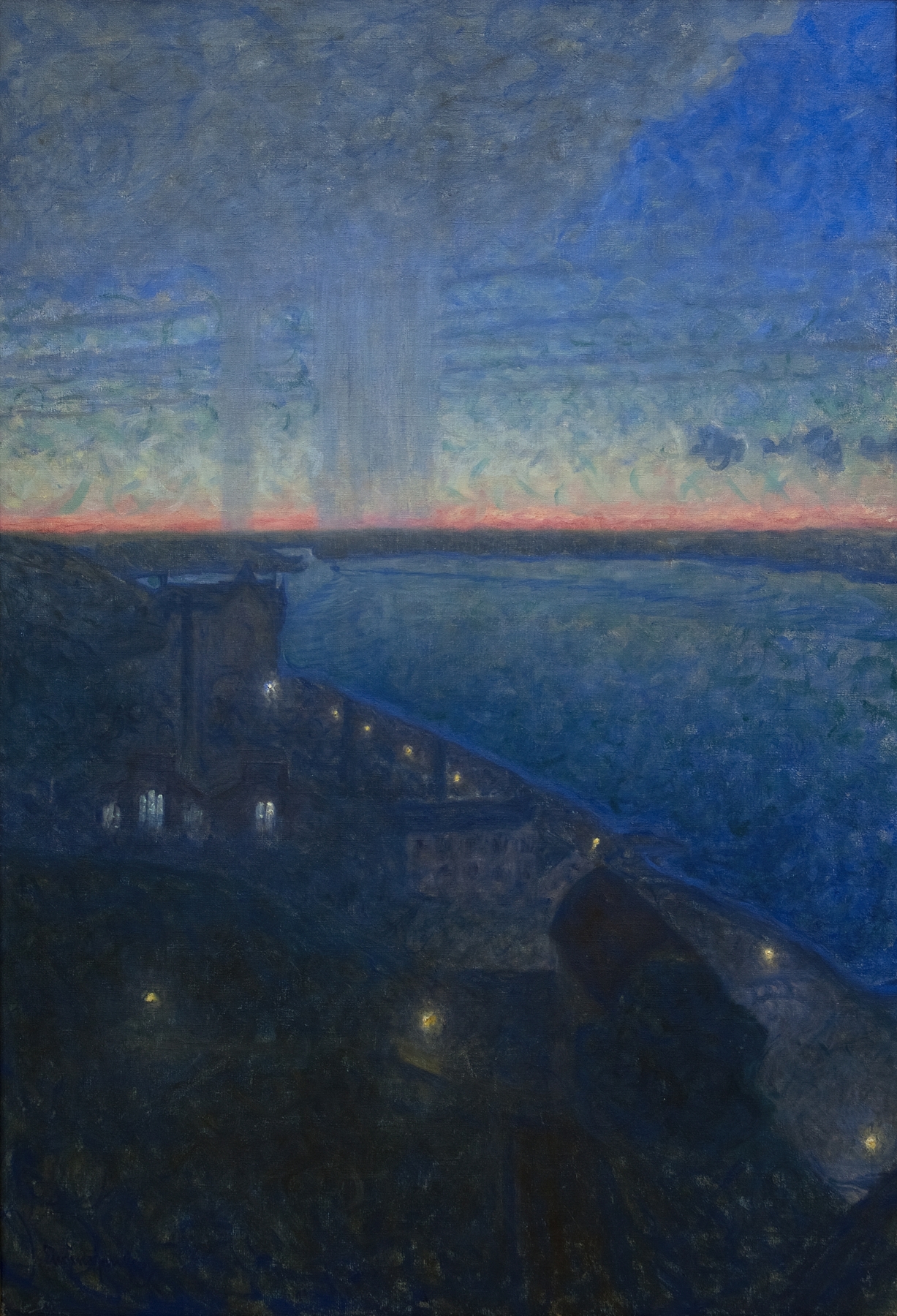
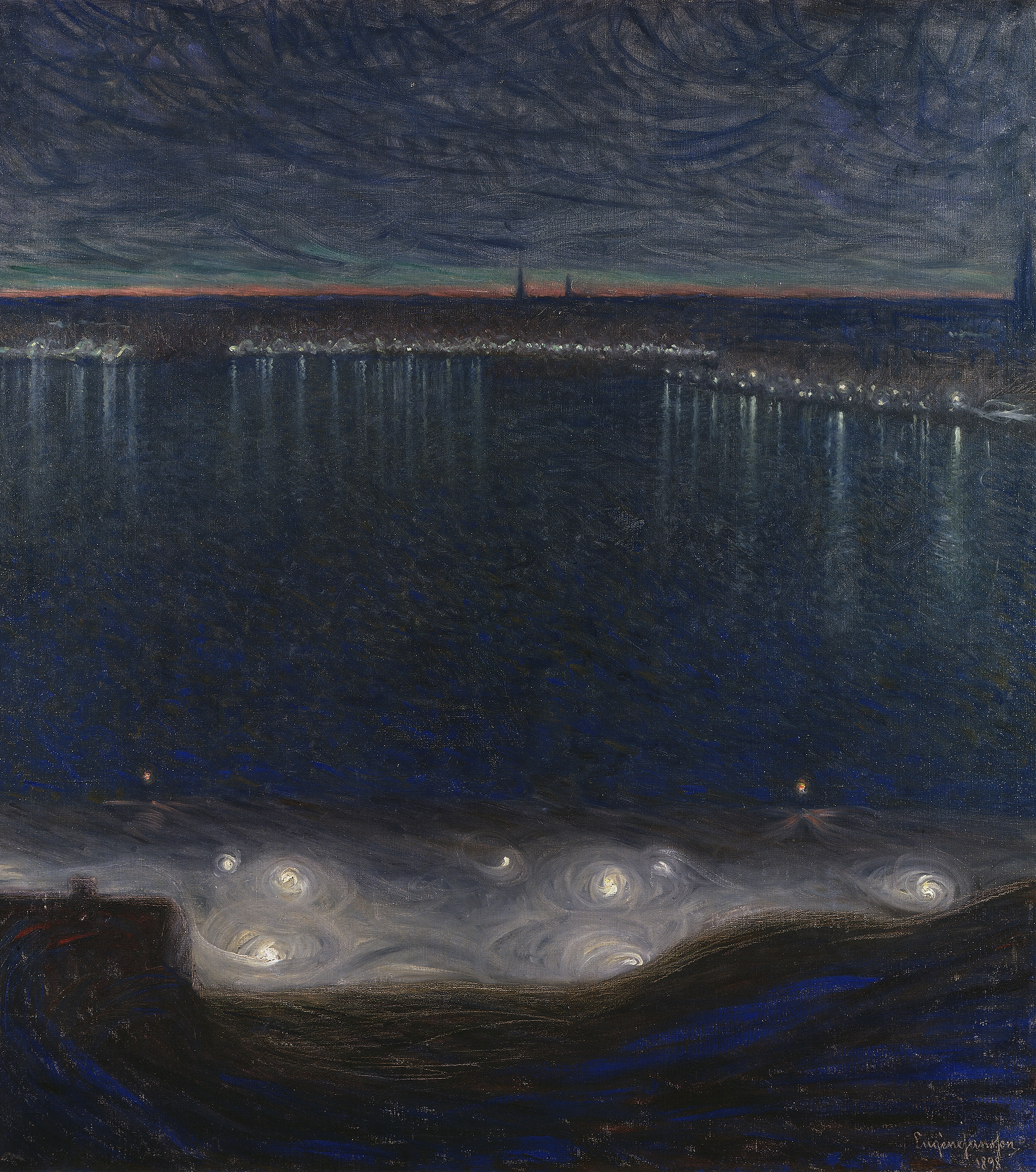
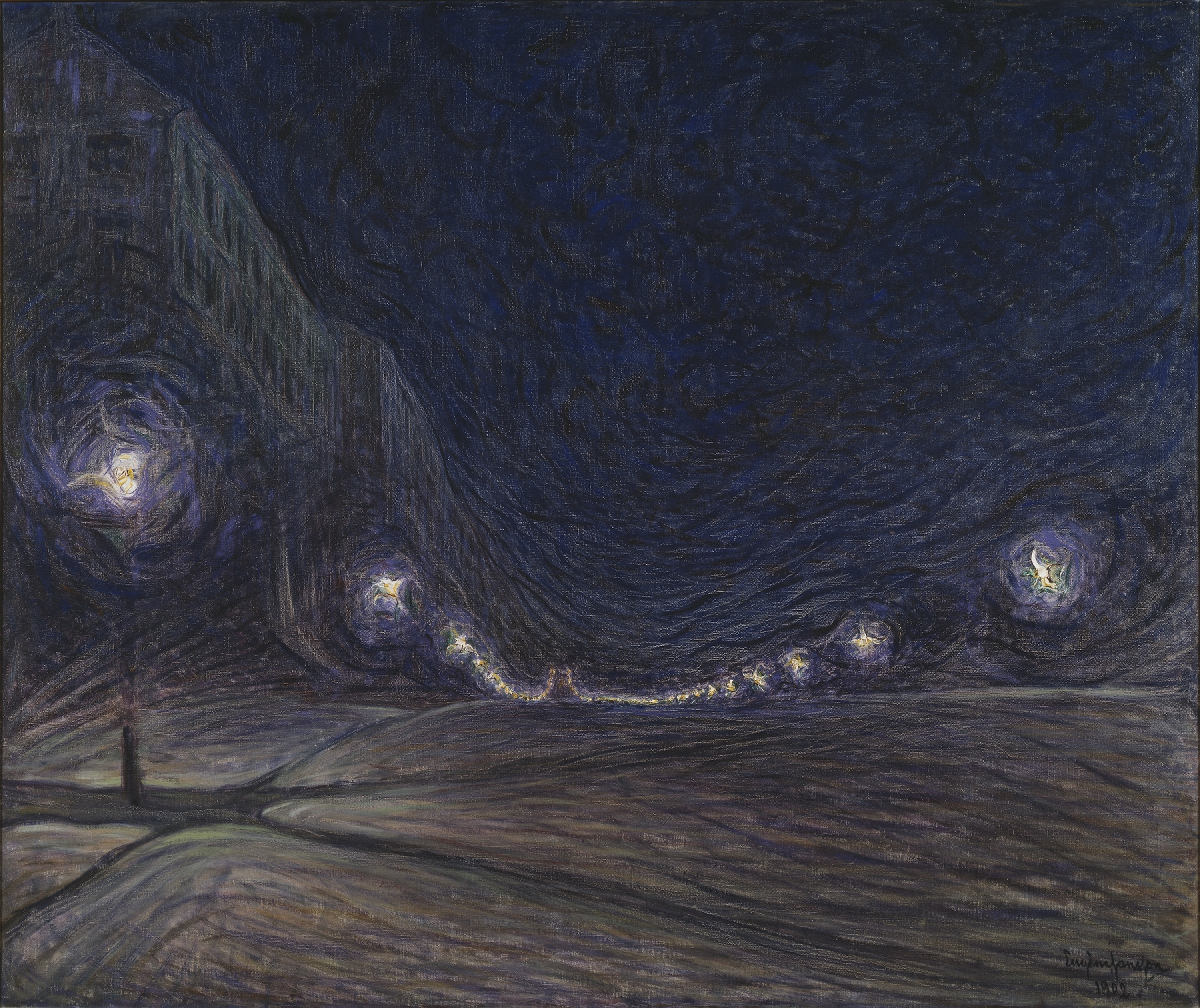
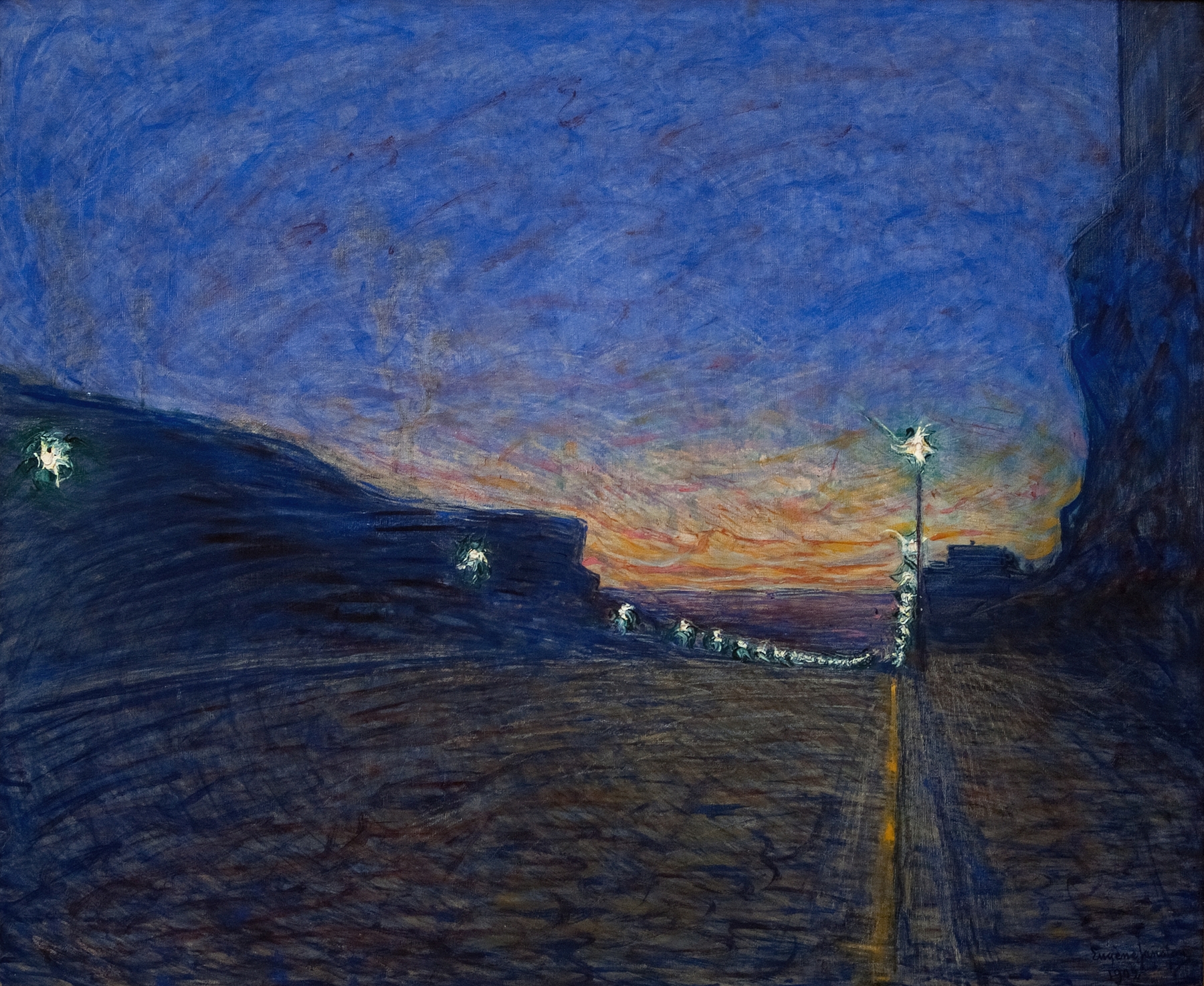
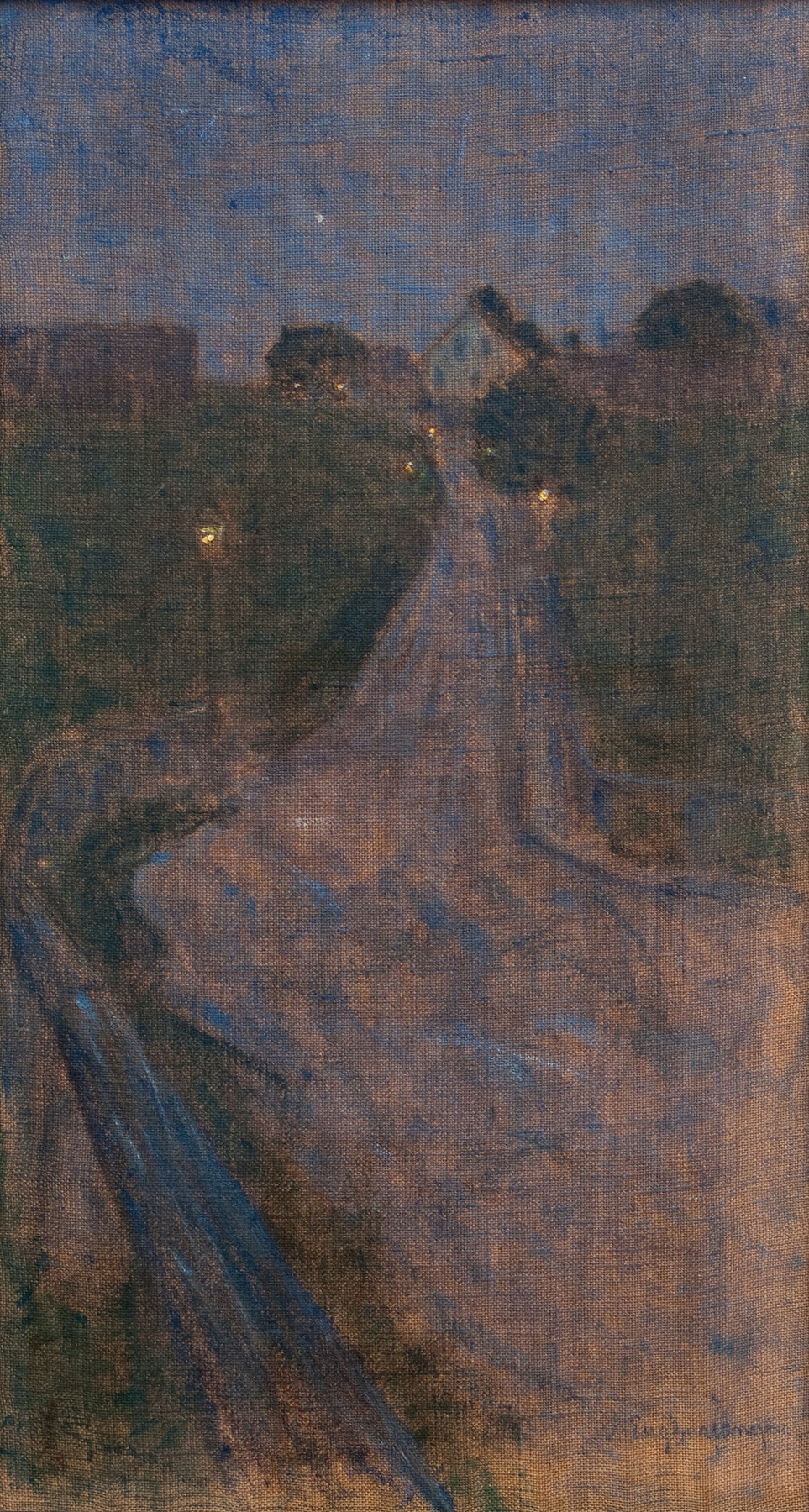
“Every silence here is a confession.” In the stillness of dusk, the weight of unspoken thoughts hangs heavy, reflecting the tension between tranquility and revolution. Shadows stretch across the water, echoing the quiet turmoil of a world on the brink of change, where every muted hue seems to carry a whisper of defiance. Look to the left at the tranquil waters, their surface a mirror capturing the dissolving light of day. The soft blues and purples blend seamlessly, creating a serene backdrop that contrasts sharply with the looming silhouettes of the trees.
Notice how the brushstrokes, delicate yet purposeful, evoke a sense of movement, as if the scene is alive and breathing, poised between the fading light and encroaching night. In this composition, Jansson subtly intertwines nature's beauty with the undercurrents of societal unrest. The calm surface of the water hints at deeper emotions beneath, while the shadows of the trees suggest the presence of unseen observers, perhaps reflecting the scrutiny of a society ready to upheave. The vibrant palette speaks to both peace and potential rebellion, capturing a moment ripe with possibility, where the ordinary becomes the stage for extraordinary change.
Painted in 1900, during a time of significant artistic evolution, the work reflects Jansson's deep engagement with Symbolism and Impressionism. Living in Sweden, he was inspired by the natural landscapes around him and the societal shifts of the era. This painting emerges from a period when the arts were grappling with new ideas, mirroring the growing restlessness within European societies as they approached the dawn of the 20th century.