Döbelnsgatan — History & Analysis
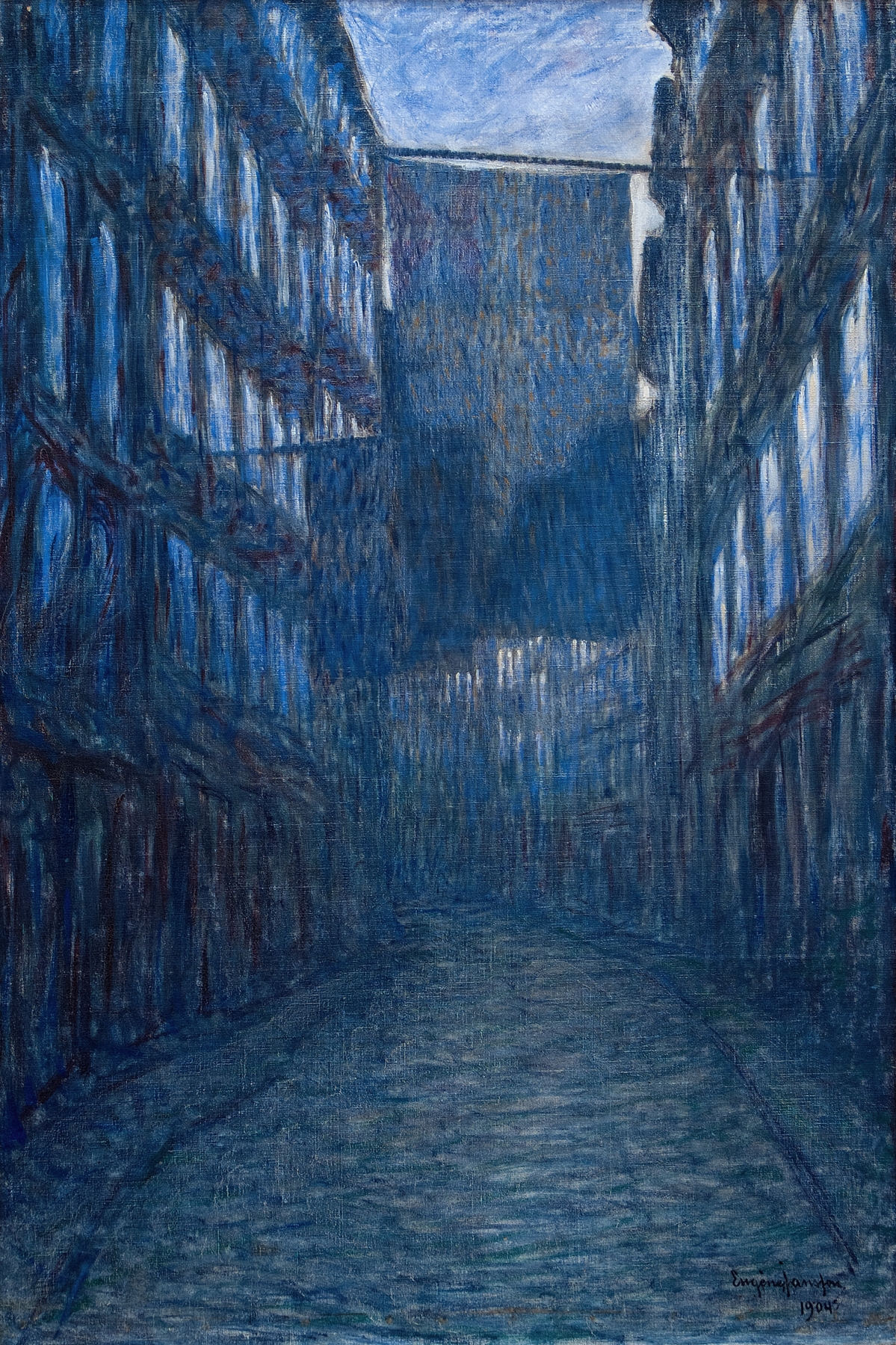
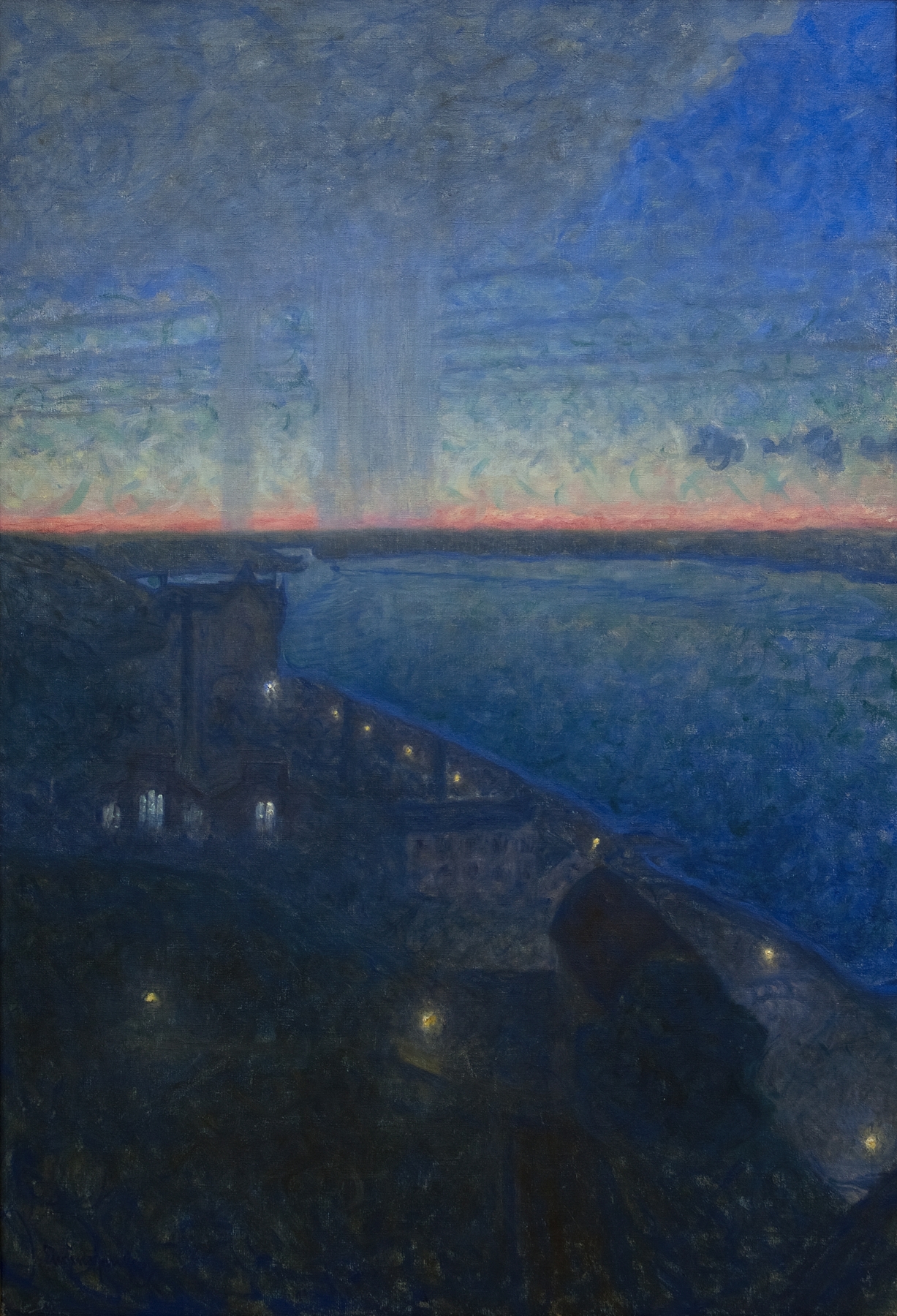
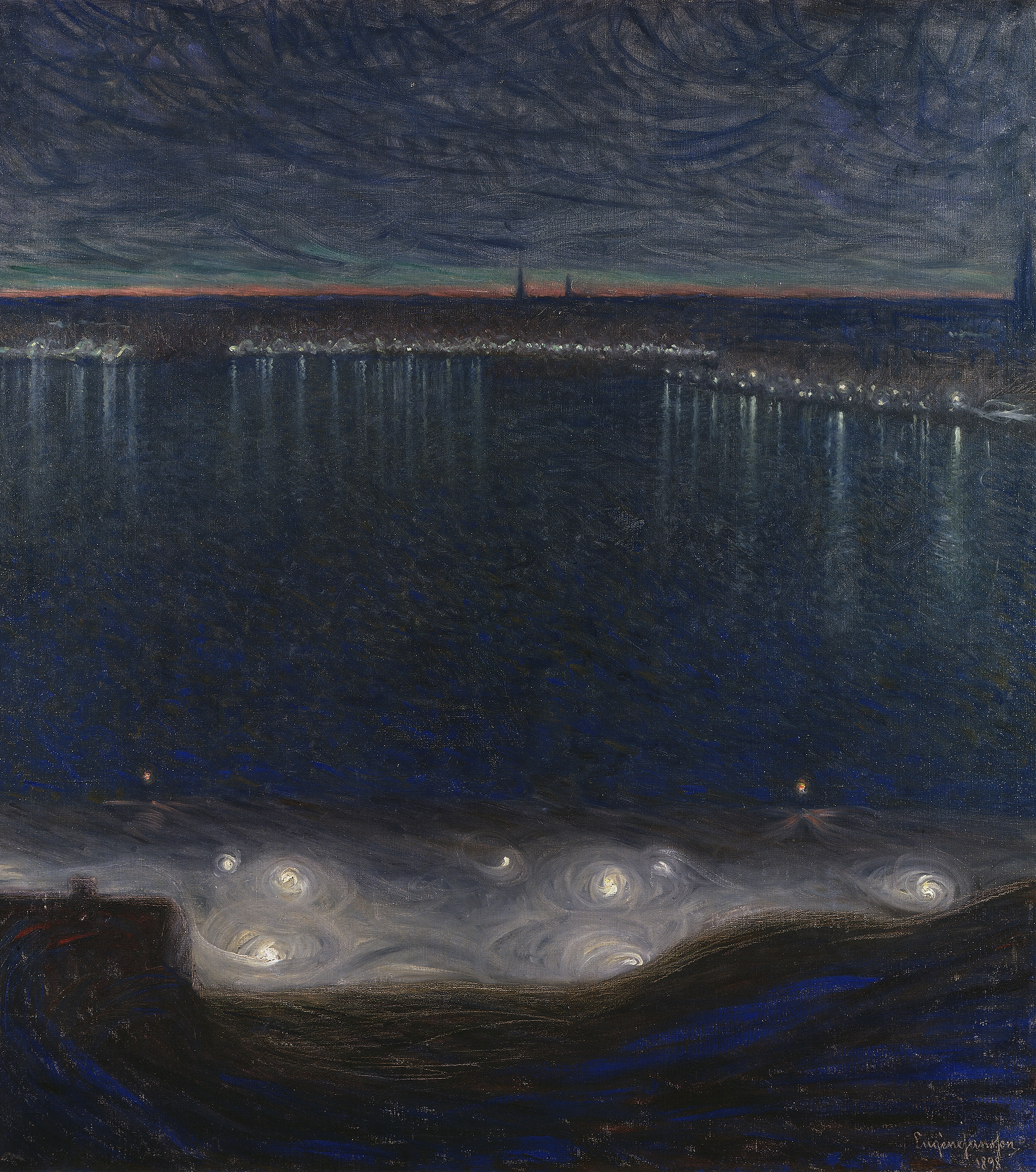
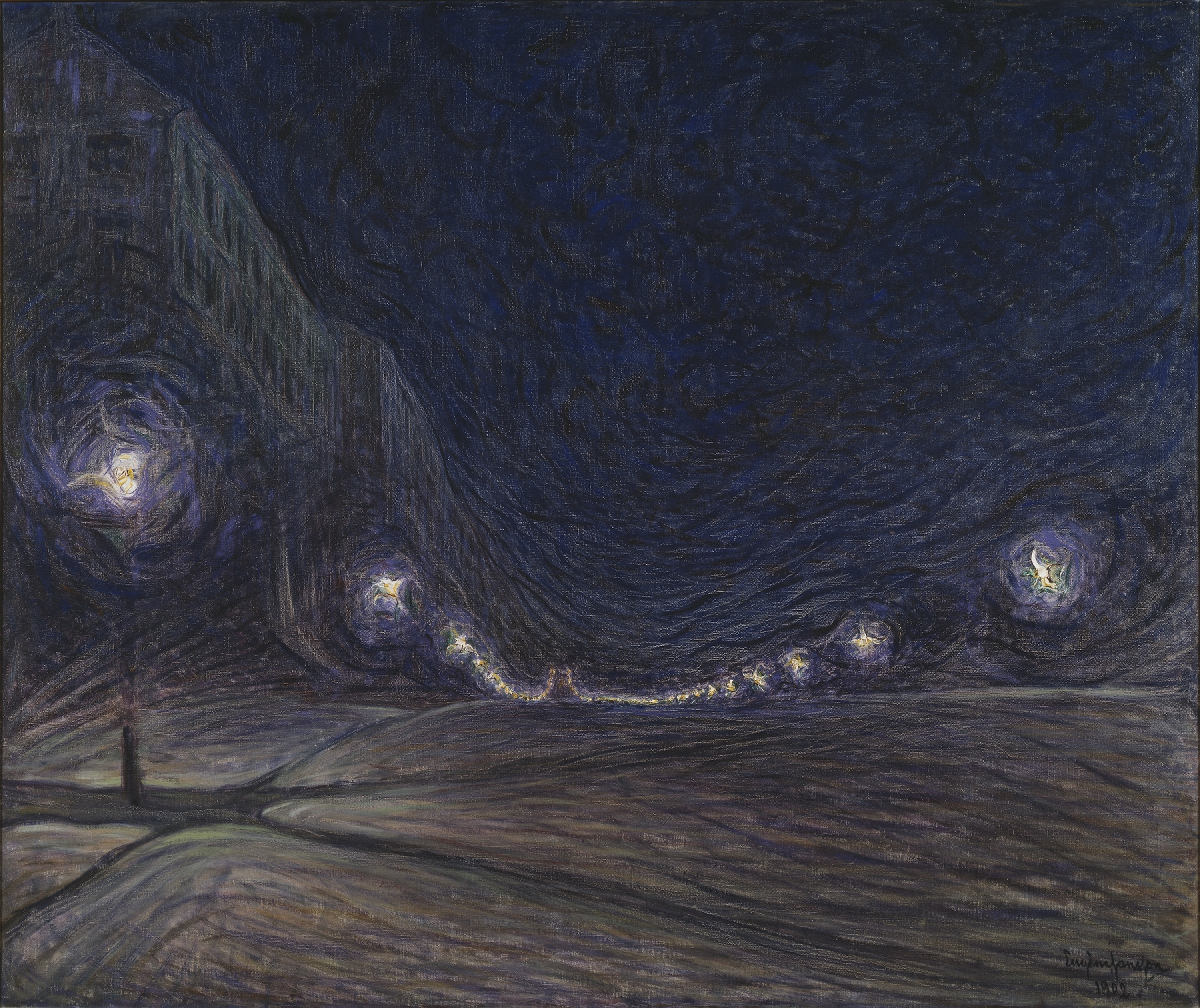
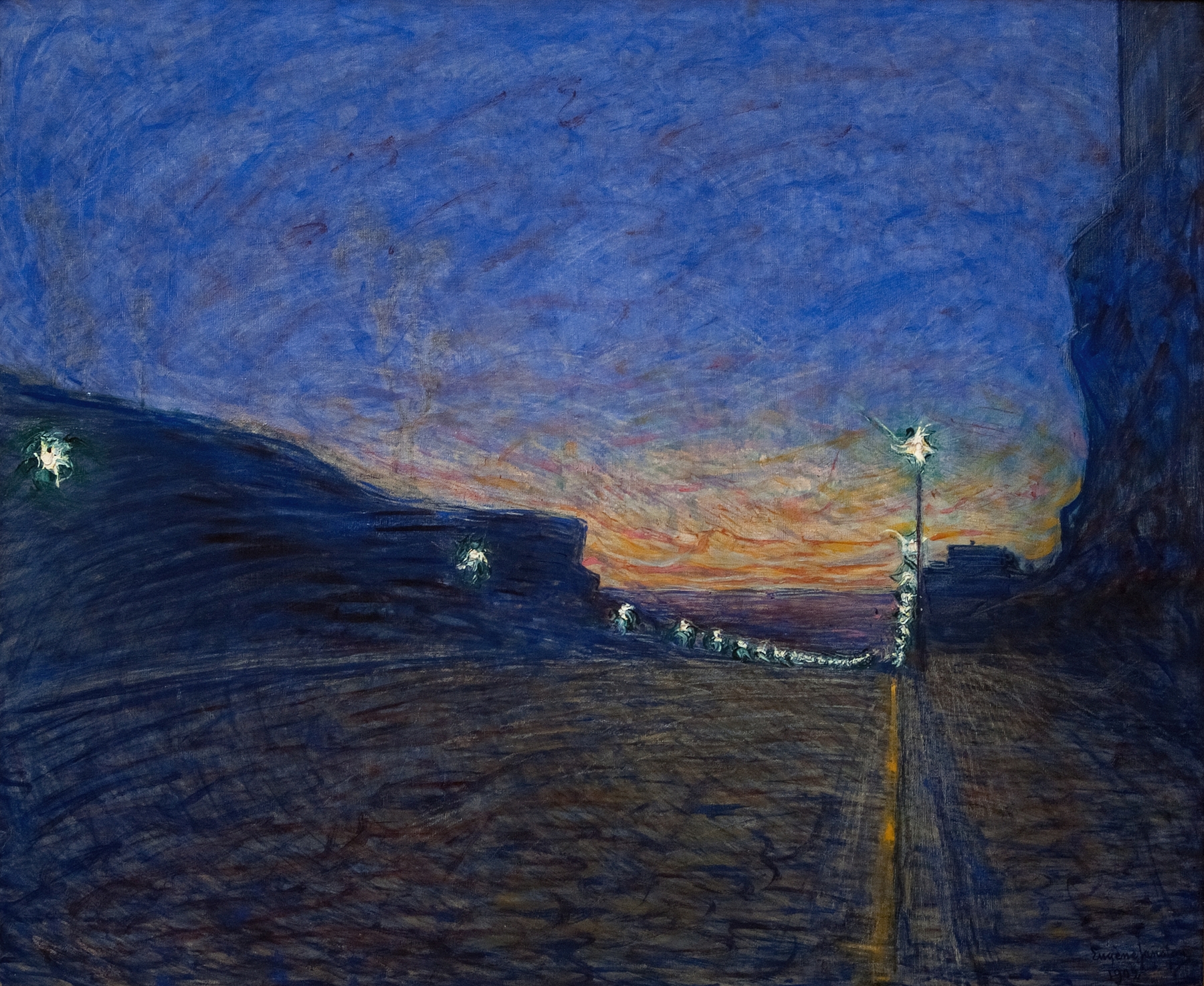
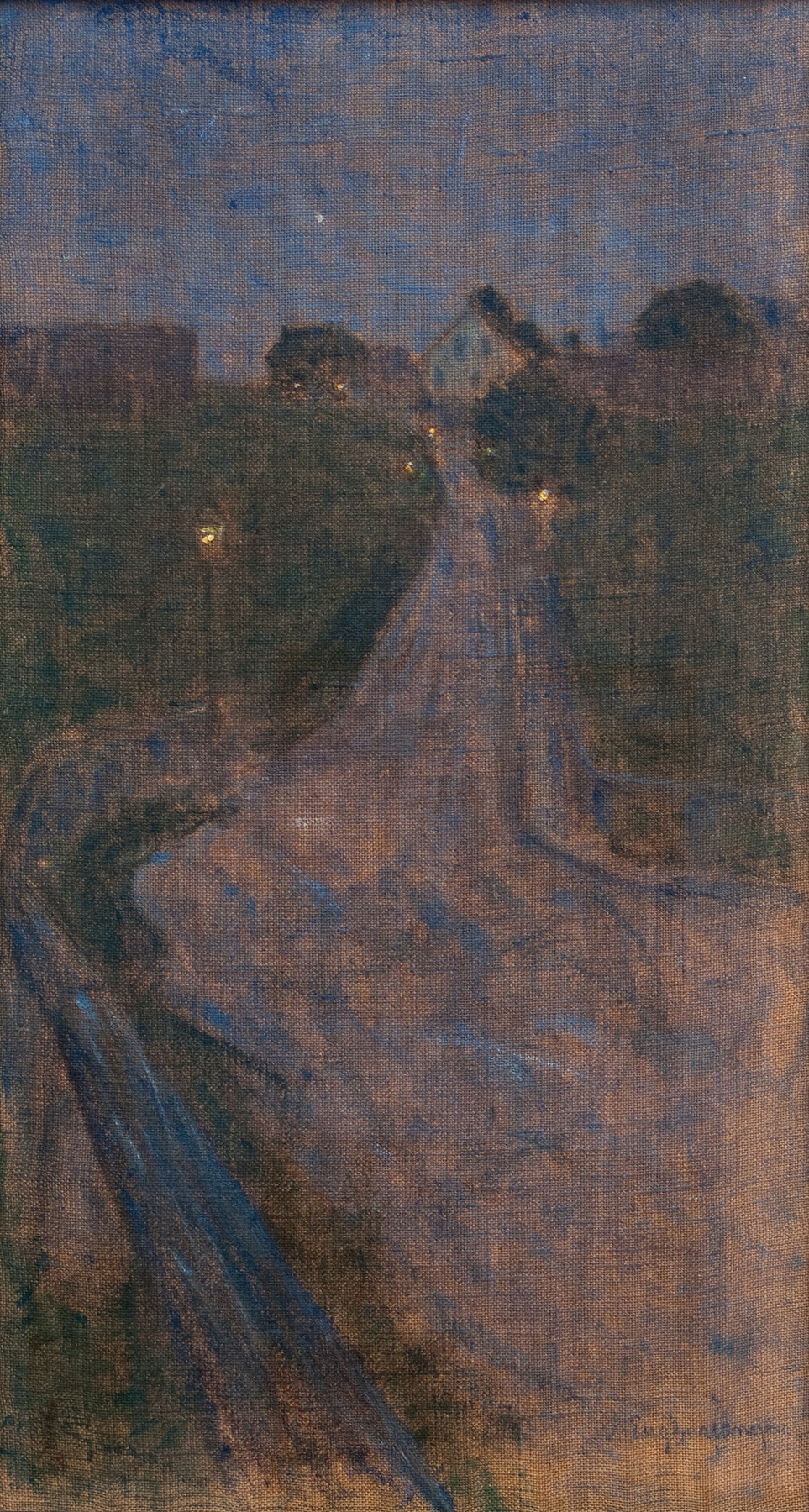
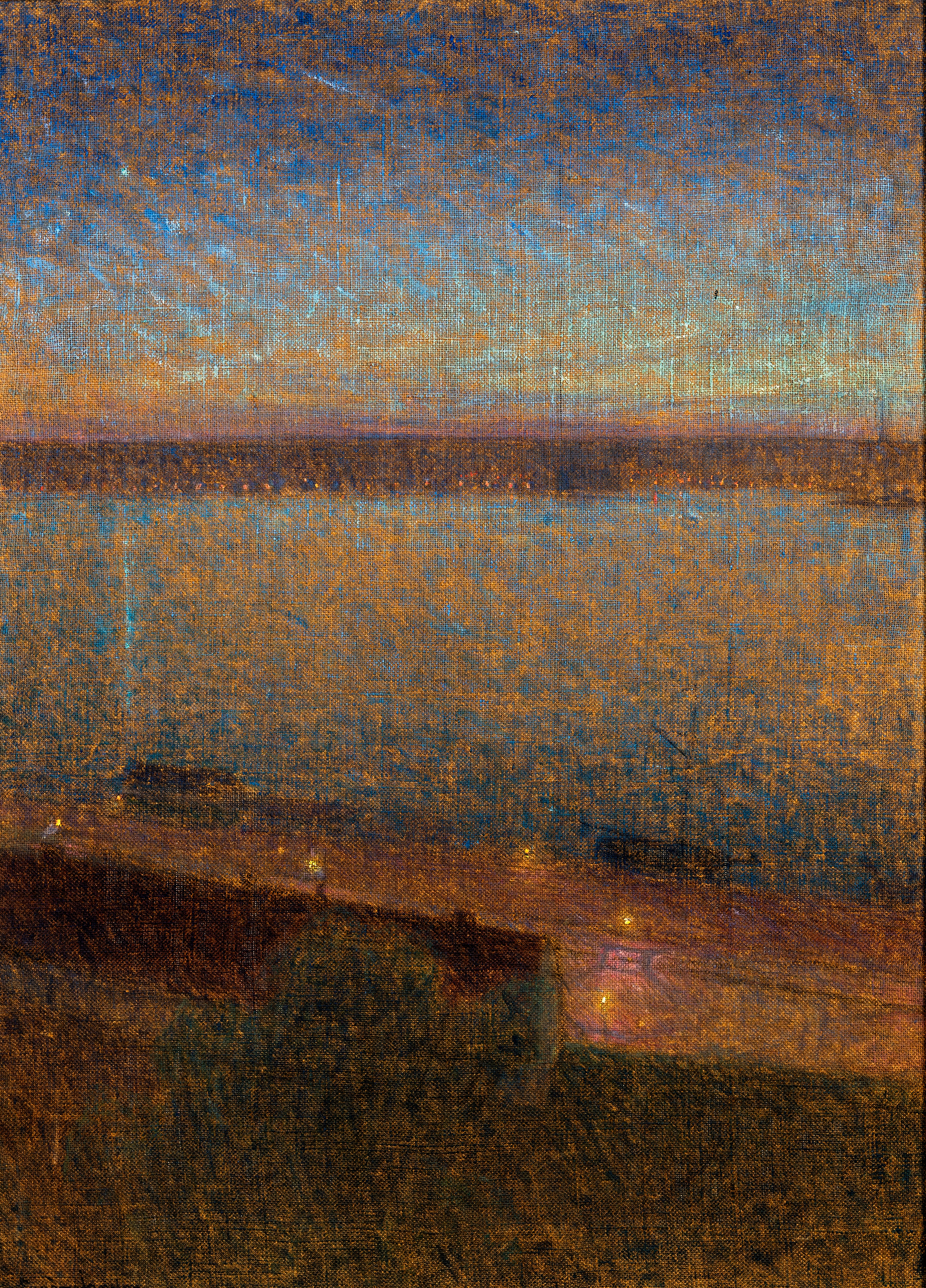
“Under the brush, chaos becomes grace.” How does one capture the essence of truth amid the swirling colors of existence? Look closely at the depths of Döbelnsgatan, where the thick strokes of Jansson's palette create a vibrancy that pulses with life. Focus on the radiant blues and ochres that intertwine as they map the urban landscape, leading the eye through a labyrinth of street and sky. Notice how the fragmented forms blend seamlessly, with each brushstroke revealing a world both chaotic and serene, inviting a dialogue between the viewer and the painting.
The contrast between light and shadow holds a deeper significance; it mirrors the dualities of urban life—solitude amid the thrumming pulse of the city. The silhouettes of figures seem to whisper stories of their own, while the bustling street suggests a vibrant community just out of reach. Each element hints at a hidden narrative, encouraging reflection on the relationship between the individual and the collective, the known and the unknown.
In 1889, Jansson created this piece in Stockholm during a period of personal exploration and rapid artistic evolution. The challenge of capturing modernity’s essence shaped his work, paralleled by a growing interest in Symbolism across Europe. As he immersed himself in the vibrant life of the city, he not only documented a moment in time but also defined his place within the broader movement of art, seeking to convey emotional truths through an evolving visual language.