Riddarfjärden, Stockholm — History & Analysis
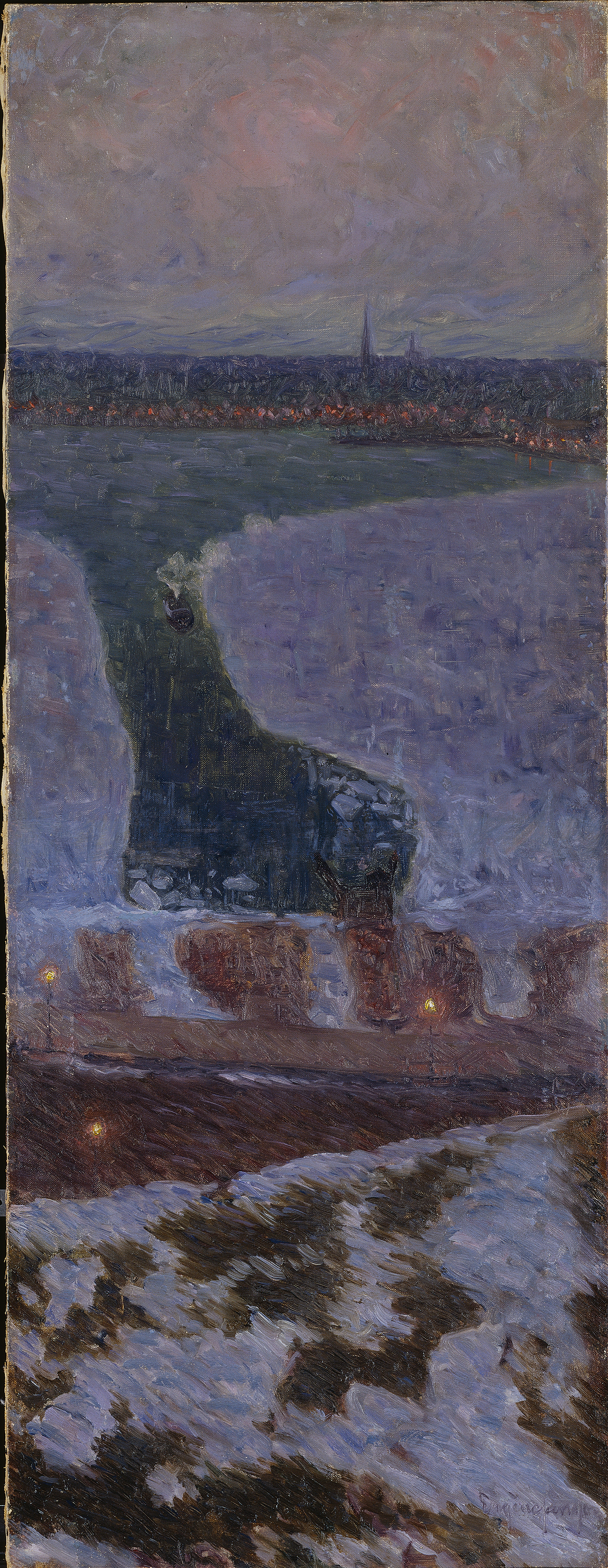
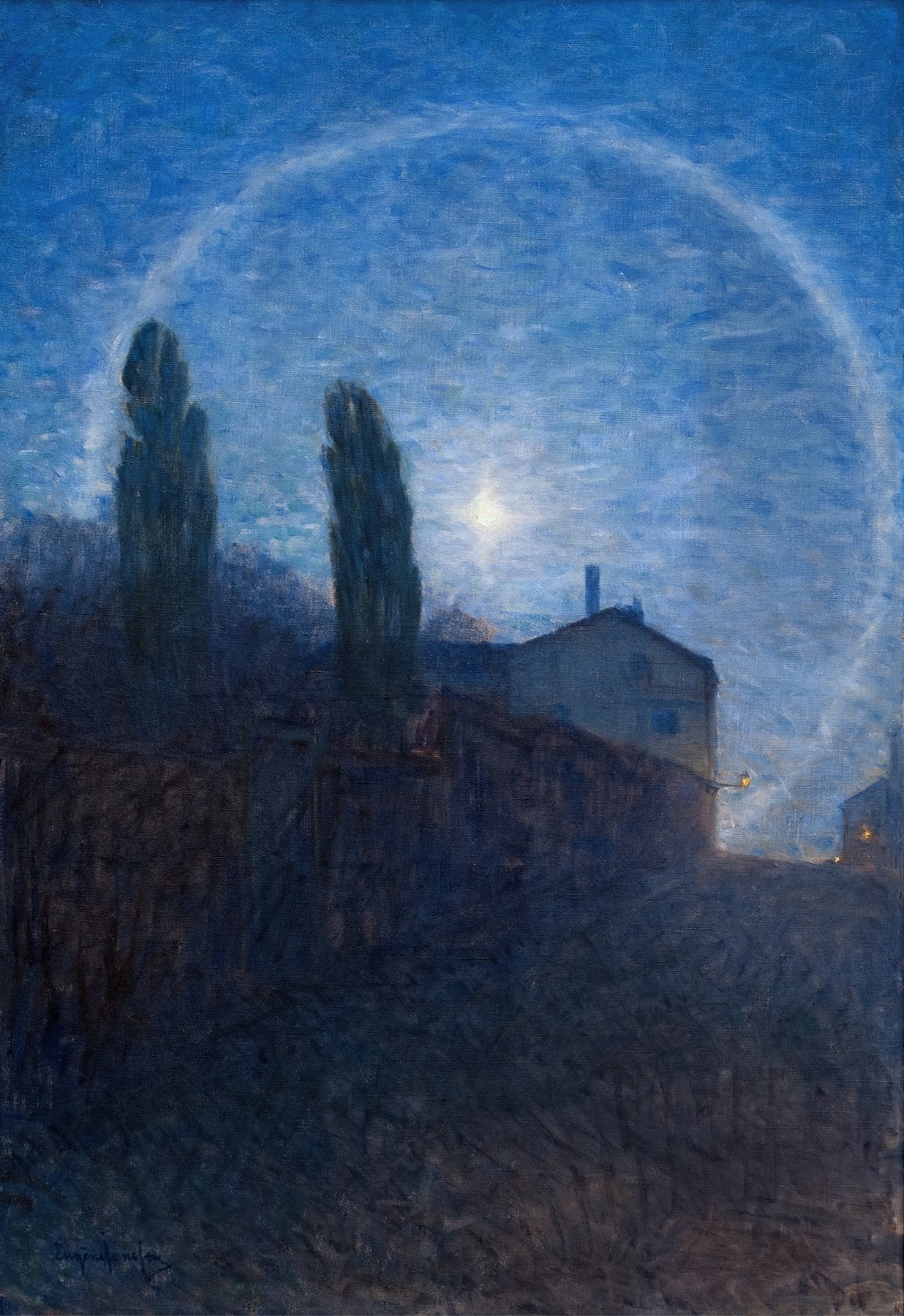
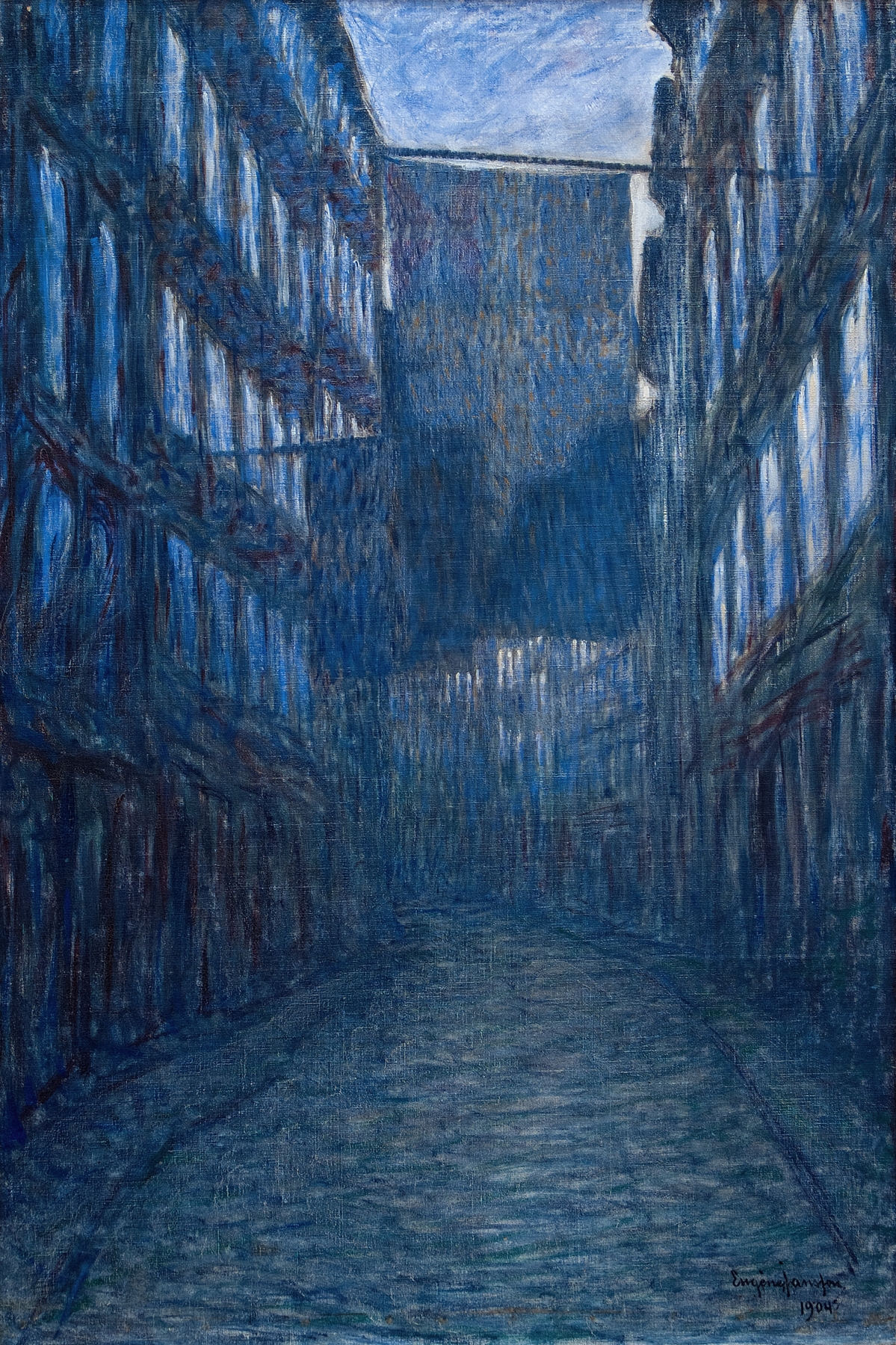
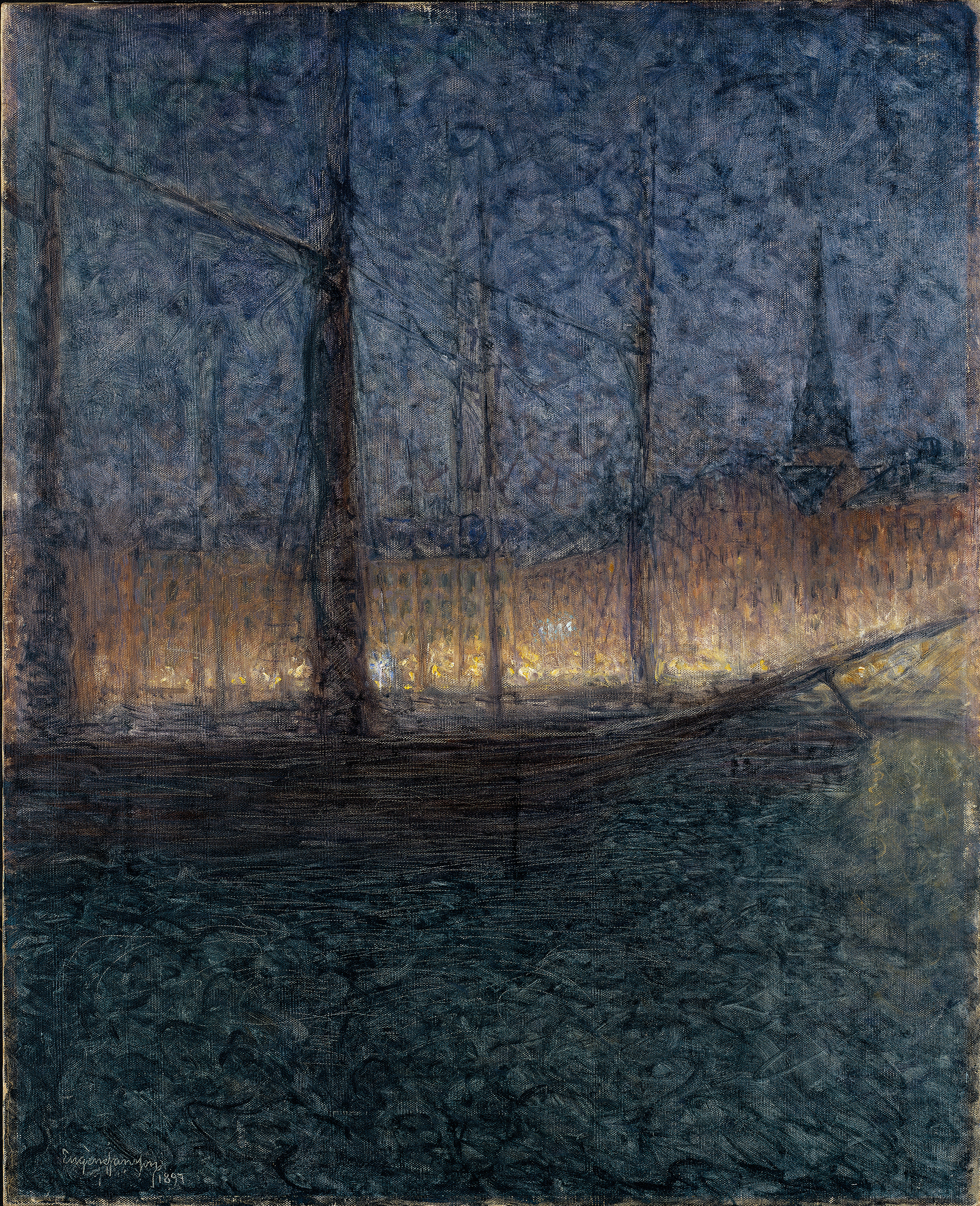
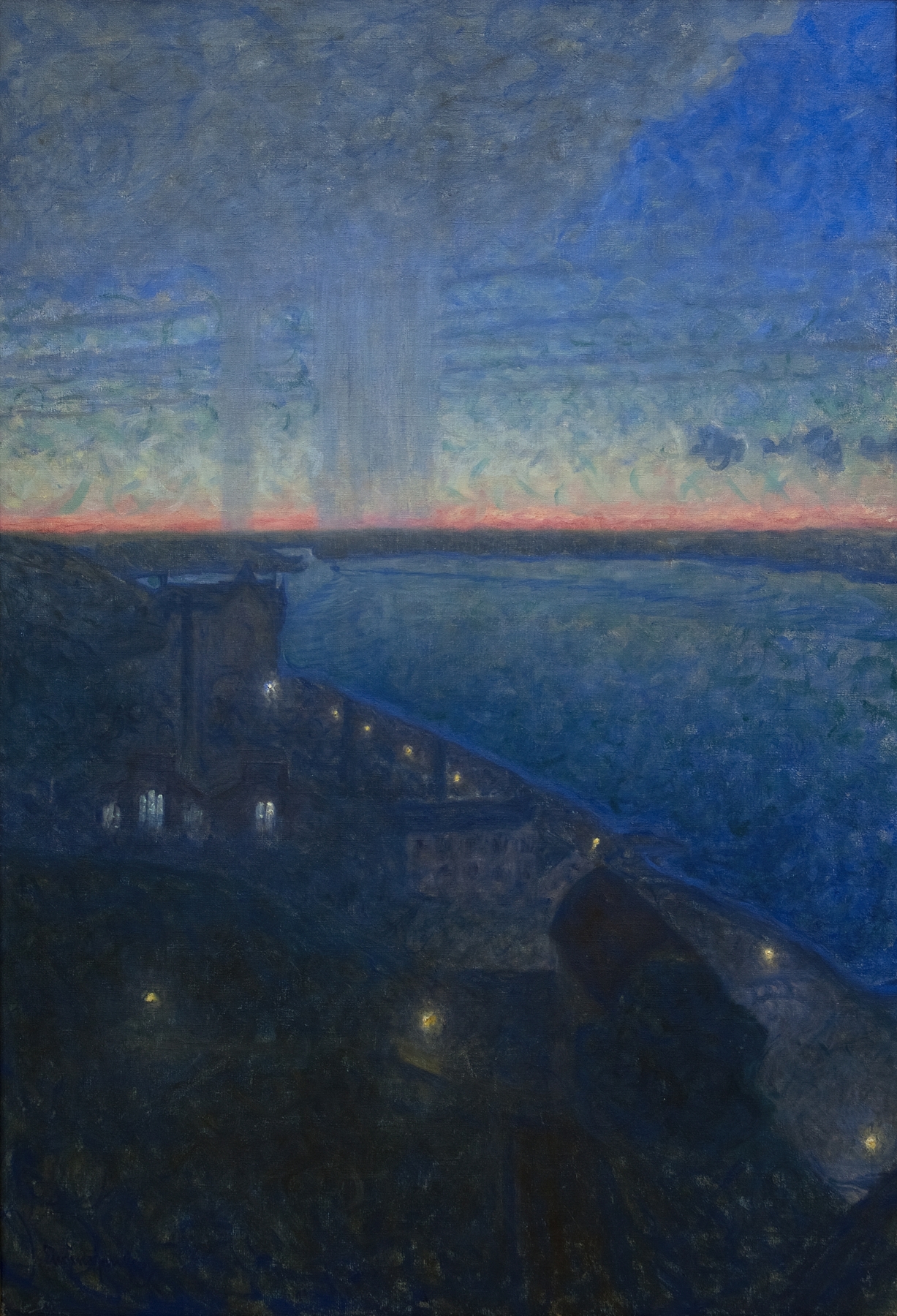
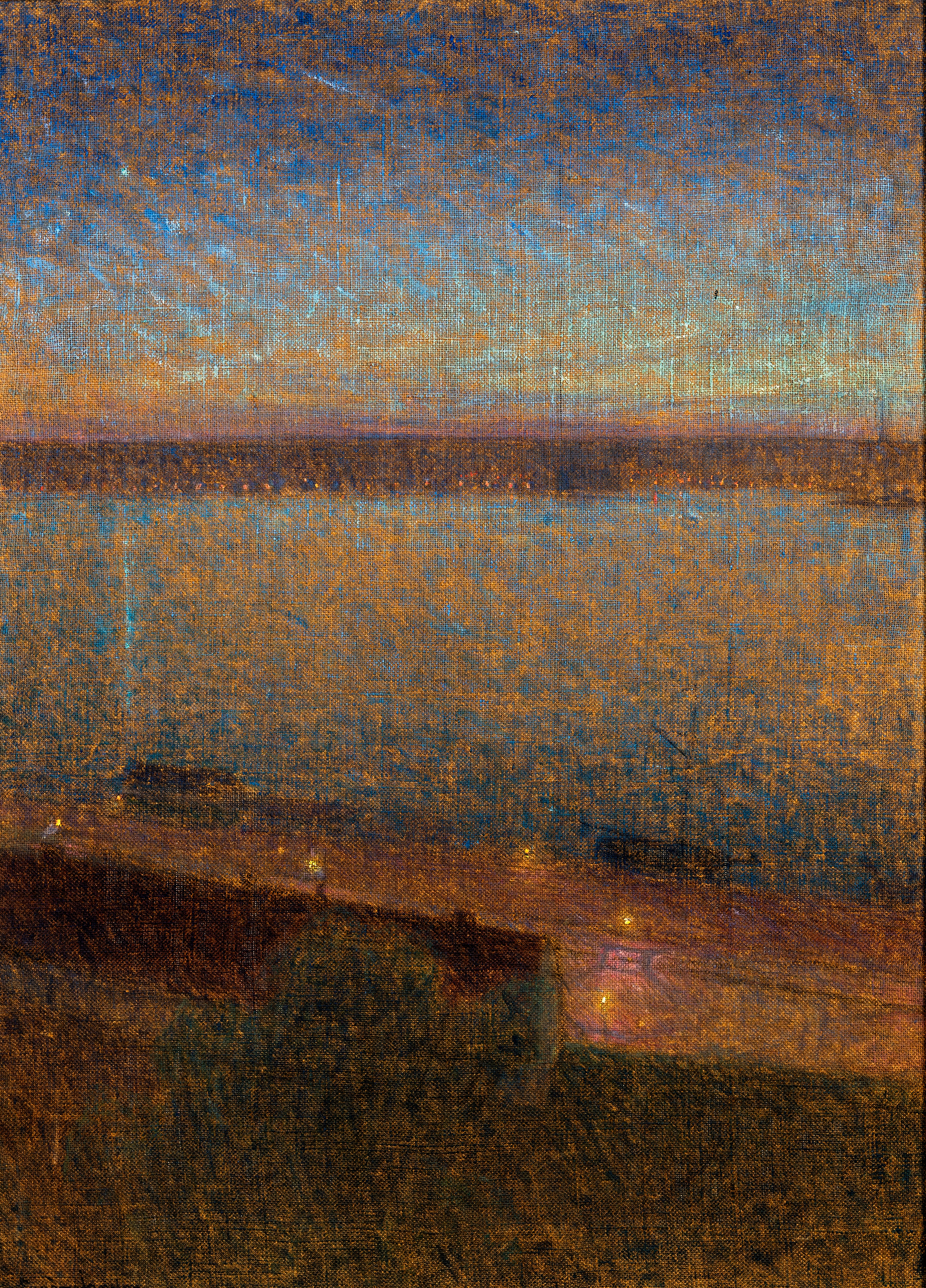
“The canvas doesn’t lie — it simply waits.” In Riddarfjärden, Stockholm, the ethereal quality of water and sky invites viewers to transcend the mundane and step into a world where nature and urban life intertwine seamlessly. Look to the left, where the delicate hues of twilight brush the horizon, bathing the scene in soft pastels. Notice the gentle ripples of the water, mirrored in both color and texture, reflecting the tranquil yet dynamic atmosphere of the city. The composition draws the eye upward, from the serene surface of the fjord to the silhouettes of buildings framed against the fading light, capturing the serene essence of dusk in Stockholm.
Beneath the surface, an emotional contrast emerges from the vibrant interplay of light and shadow. The calm water serves as a metaphor for introspection, while the dark outlines of the city symbolize the complexities of human existence. This juxtaposition evokes questions of solitude amidst the collective rhythm of city life, prompting viewers to ponder their own place within this ever-changing landscape.
Eugène Jansson created this piece in 1898 while living in Stockholm, a period marked by a growing interest in Impressionism and the exploration of light in painting. The artist’s life was deeply entwined with the natural beauty of his surroundings, as he sought to capture the essence of the city he loved. During this time, he was influencing and being influenced by the artistic community around him, merging his unique perspective with the broader movements of the era.