Lunar Halo — History & Analysis
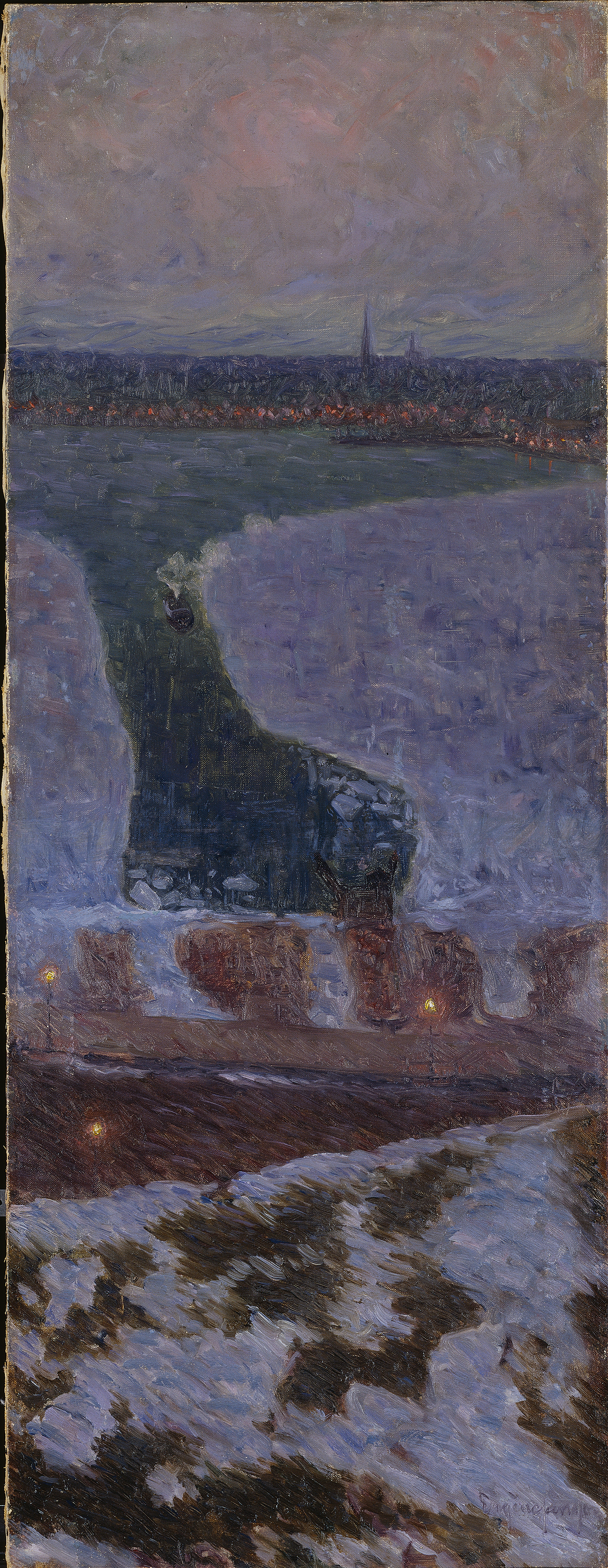
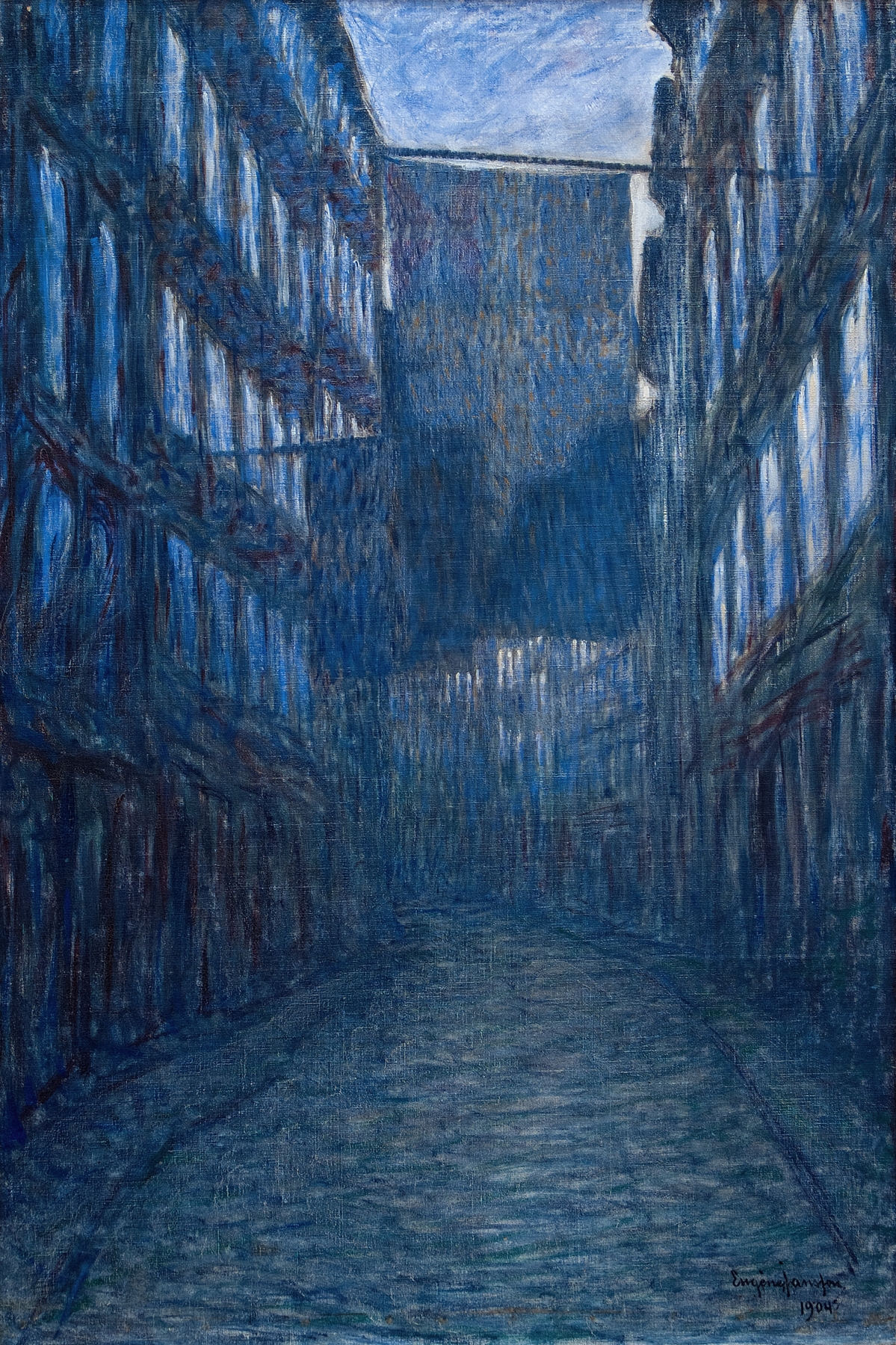
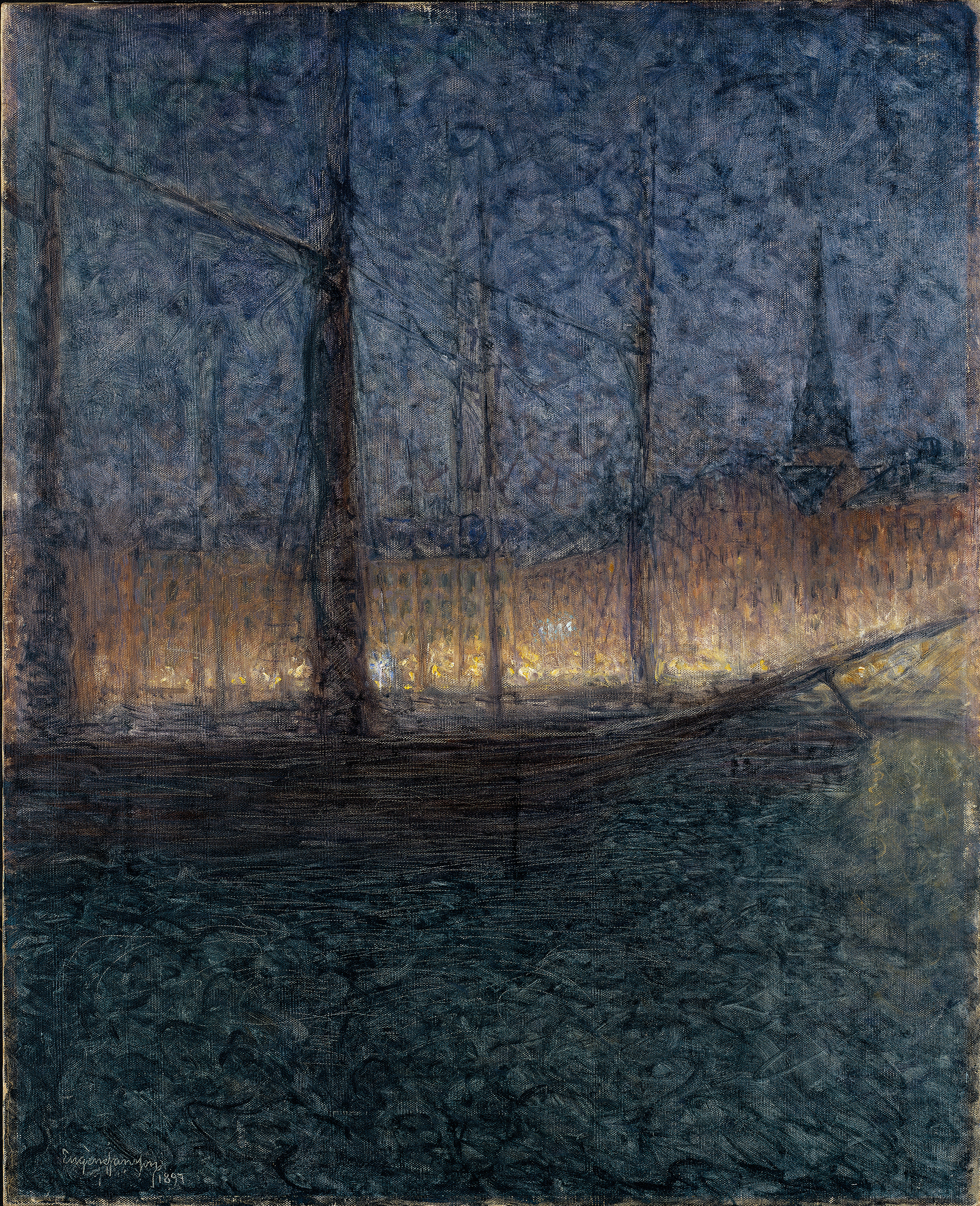
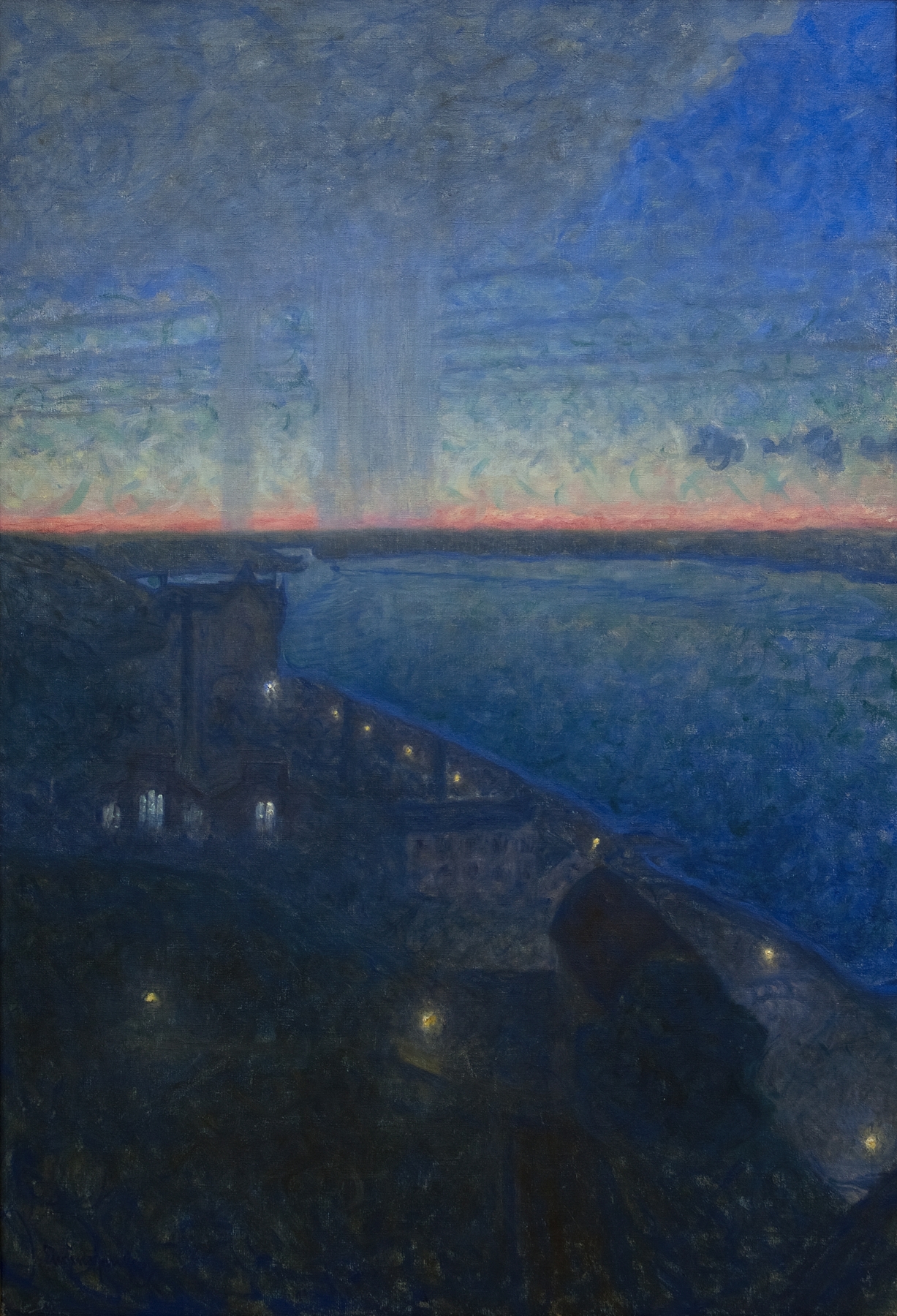
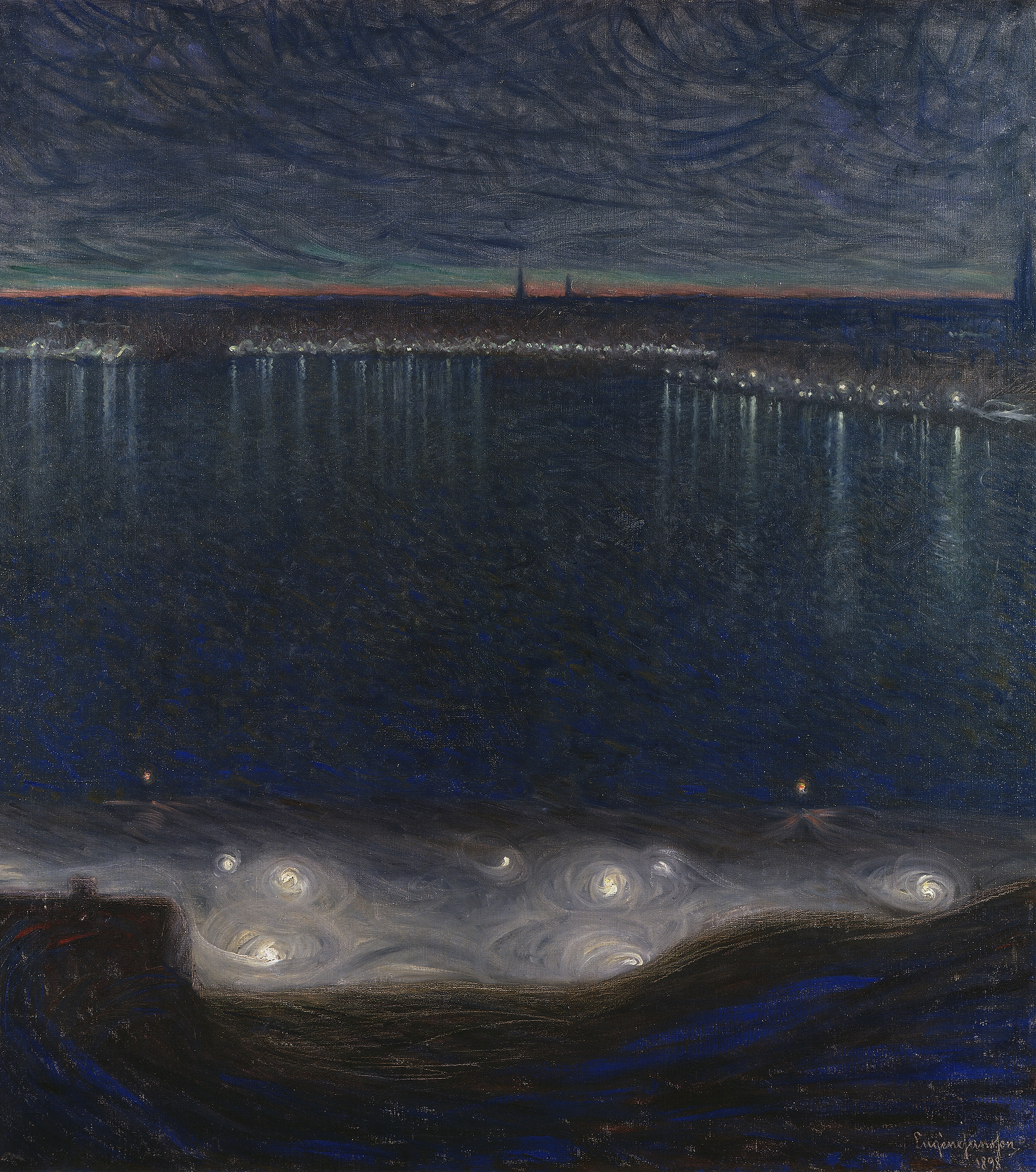
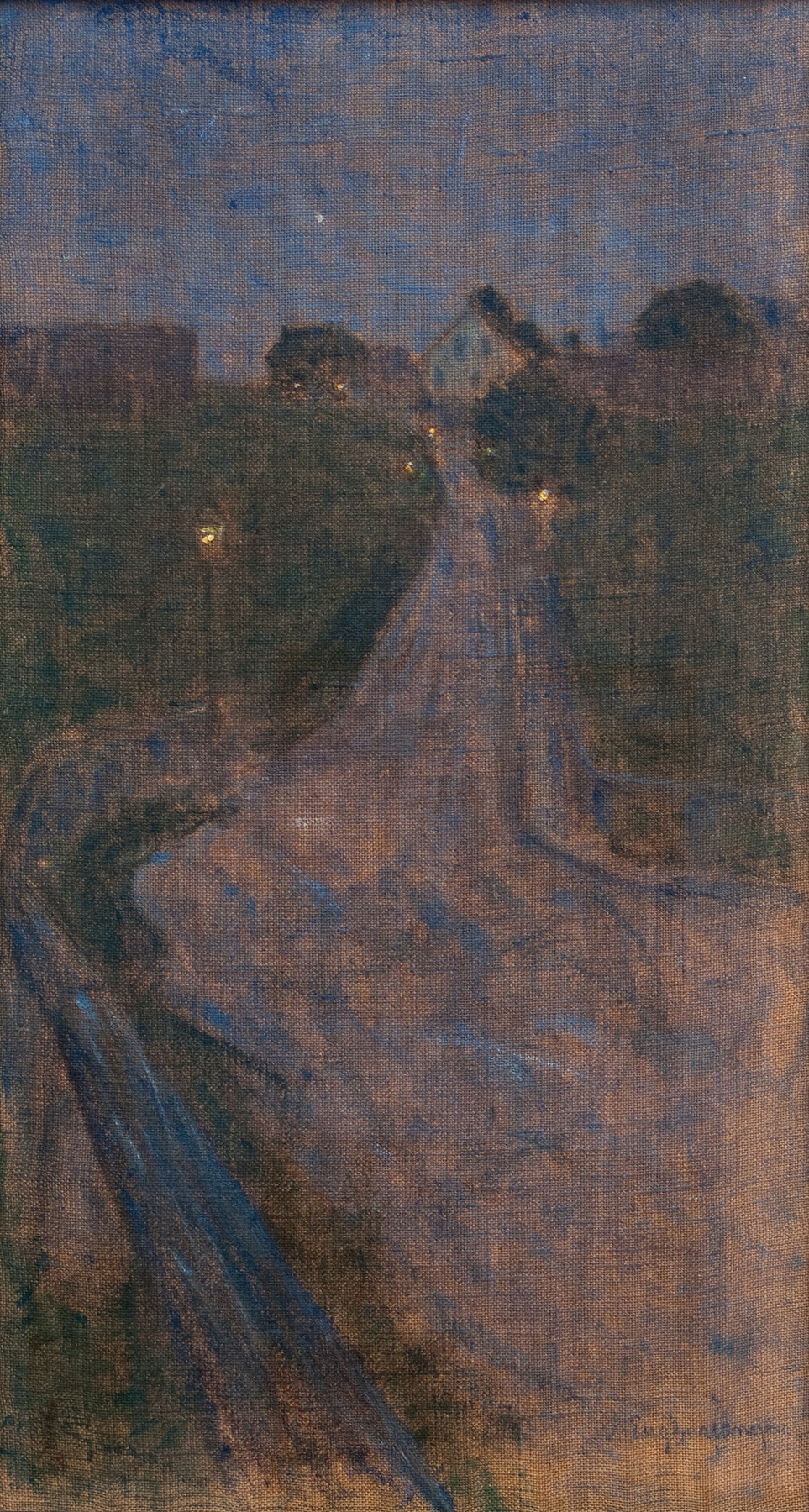
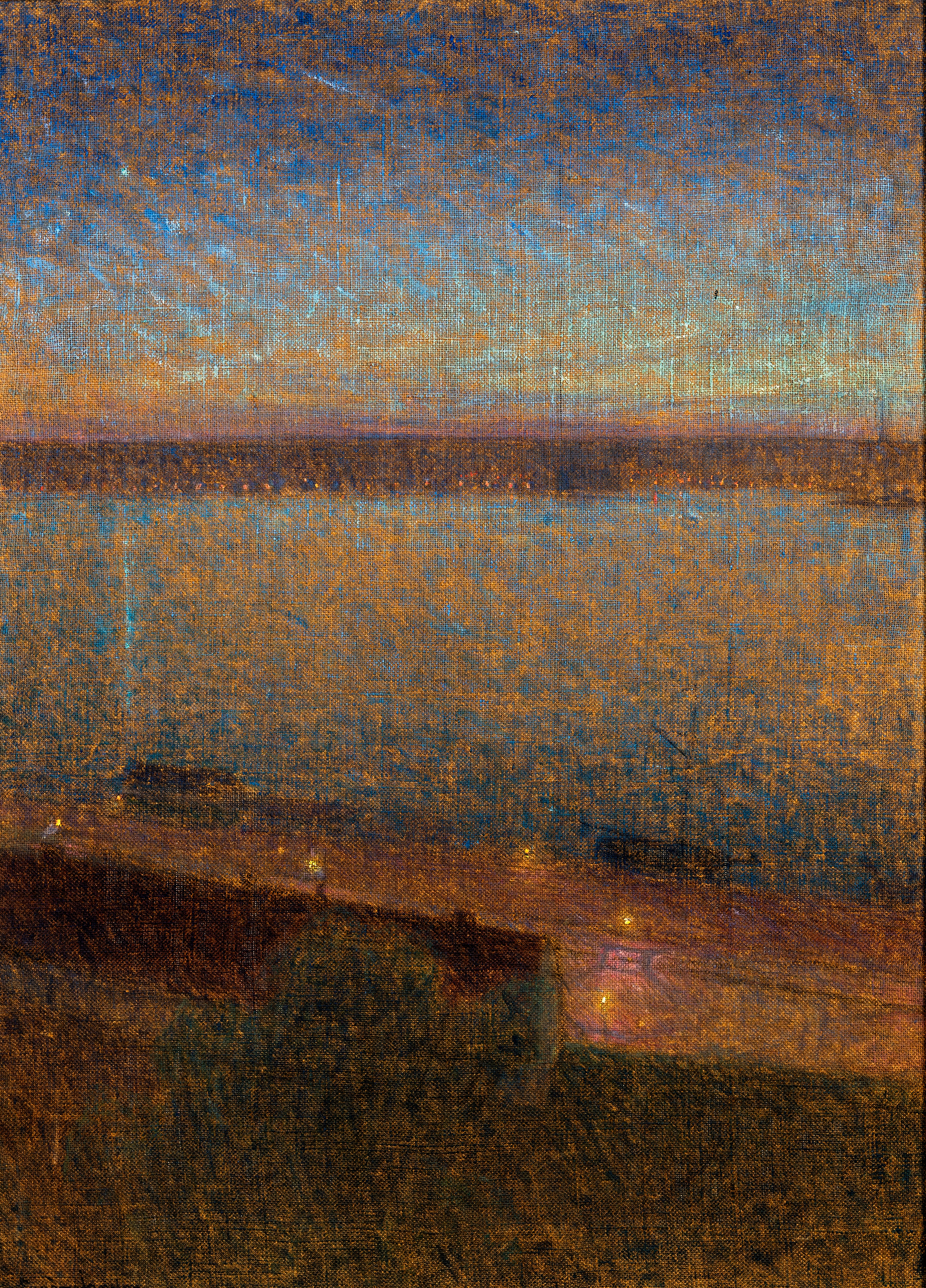
“The canvas doesn’t lie — it simply waits.” In the still embrace of night, under the watchful gaze of a haloed moon, truths unfold in hues of blue and silver, revealing the ethereal beauty of the unseen. Look towards the center, where the luminous orb hangs suspended, casting its soft glow across the surface of the water. The surrounding deep blues are punctuated by lighter strokes that shimmer like fleeting reflections, inviting you to dive into the depths of tranquility. Notice how Jansson’s brushwork, both fluid and deliberate, captures the serene merging of sky and sea, creating a harmonious tapestry that envelops the viewer in a dreamlike reverie.
Yet, beneath this calm façade lies a profound duality. The interplay between light and shadow reveals the tension between clarity and obscurity, suggesting an emotional landscape where revelation and mystery coexist. The radiance of the moon serves as a metaphor for enlightenment, while the surrounding darkness represents the unknown, evoking a sense of introspection that resonates deeply within the soul.
In 1896, Jansson painted this piece during a period of personal exploration and artistic evolution in Sweden. The late 19th century was marked by a growing interest in Symbolism and the interplay of emotion and nature, mirroring his own journey as he sought to express the transient beauty of life through his work. This painting emerged as a testament to that quest, encapsulating his reflections on existence in a world teeming with uncertainty.