Österlånggatan — History & Analysis
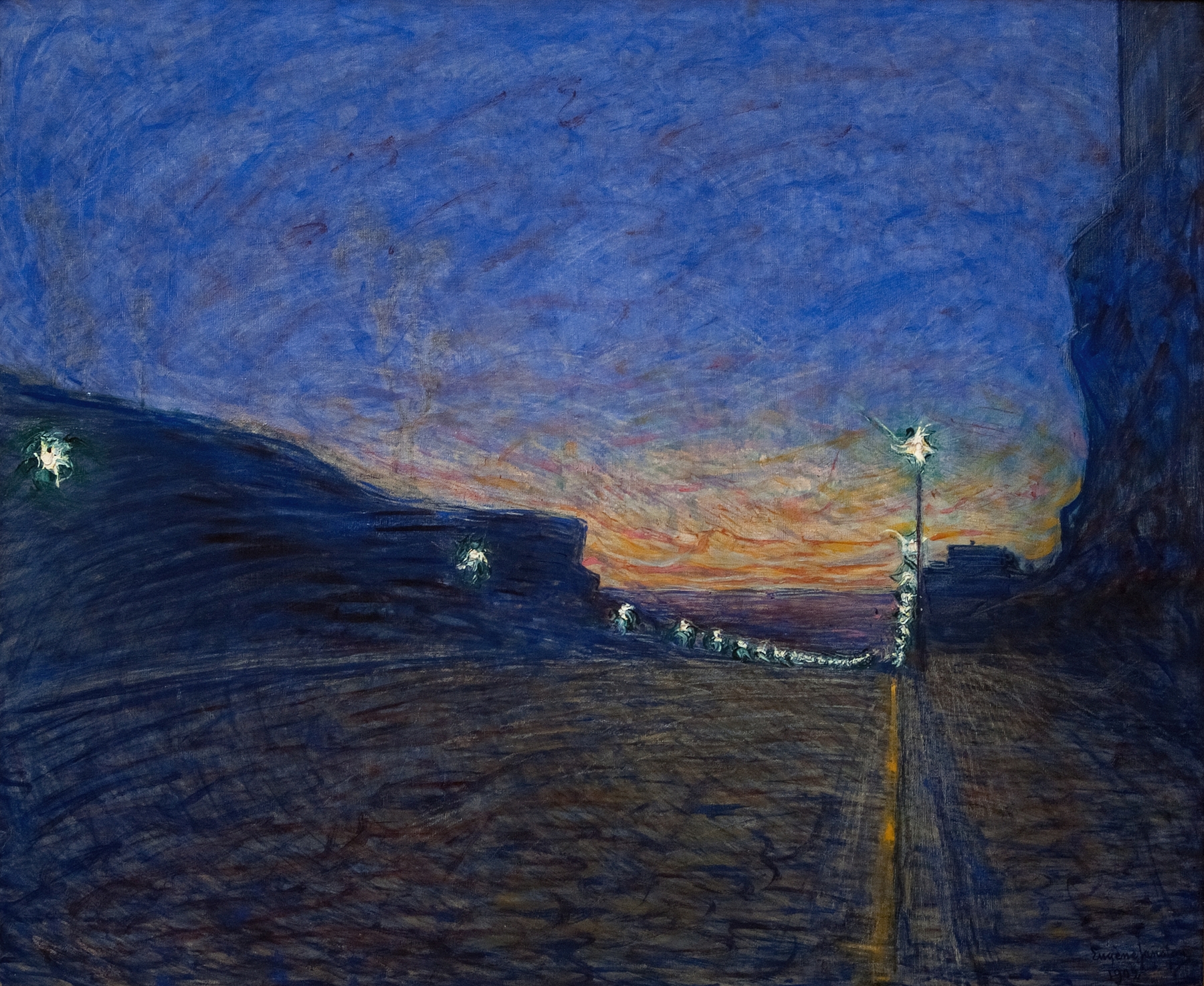
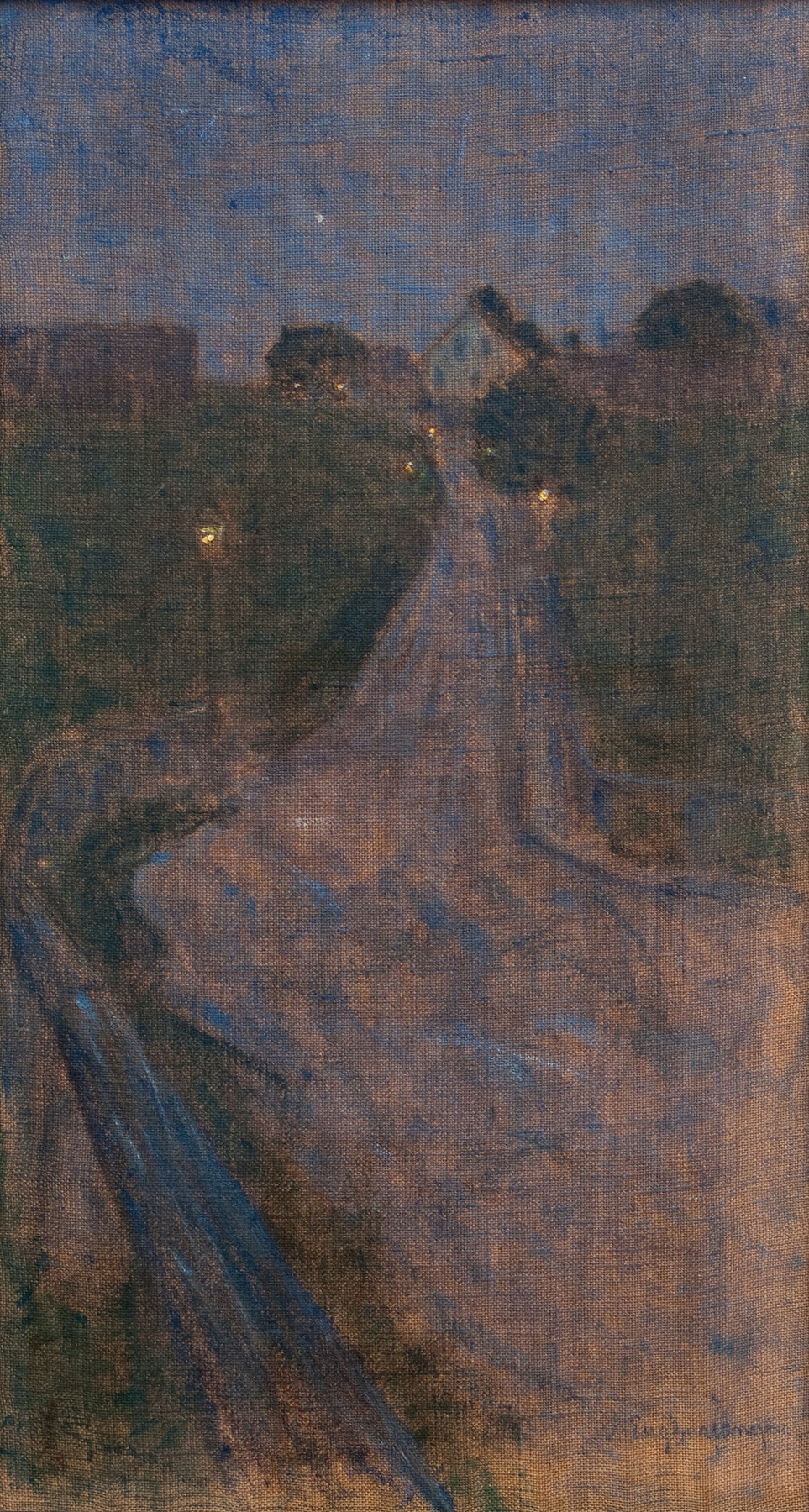
Who listens when art speaks of silence? In Österlånggatan, the haunting stillness of a city street captures the observer, inviting them into a world steeped in melancholy. Look to the left at the soft hues of the buildings, where muted blues and greys dominate the palette. The gentle light of dusk bathes the cobblestones, creating an ethereal glow that seems to pulse with the heartbeat of the city.
Notice how the slight perspective leads your eye down the narrow passage, making the viewer feel as if they are walking through the scene, caught between the architecture and the whisper of forgotten conversations. The artist’s brushstrokes are delicate, giving life to the textured walls that stand guard over the emptiness. The figures who inhabit this urban landscape are mere shadows, their presence felt through the subtle hints of movement. The solitary lamppost stands as a stark contrast, illuminating the scene with a soft, inviting glow, yet simultaneously emphasizing the isolation of the street.
Each element tells a story of longing—perhaps for connection or understanding, as the silhouettes blend seamlessly into the fabric of the city, evoking a deep sense of solitude amidst the beauty of the surroundings. Created in 1904, this work emerged during a transformative period in Eugène Jansson's life, as he navigated the complexities of personal introspection while grappling with the burgeoning modern art movement. Living in Stockholm, he was deeply influenced by the urban environment around him and the profound emotions that it elicited. The early 20th century was a time of experimentation and change in art; Jansson’s melancholic reflections resonate with the sentiments of an era caught between tradition and innovation.