Hornsgatan — History & Analysis
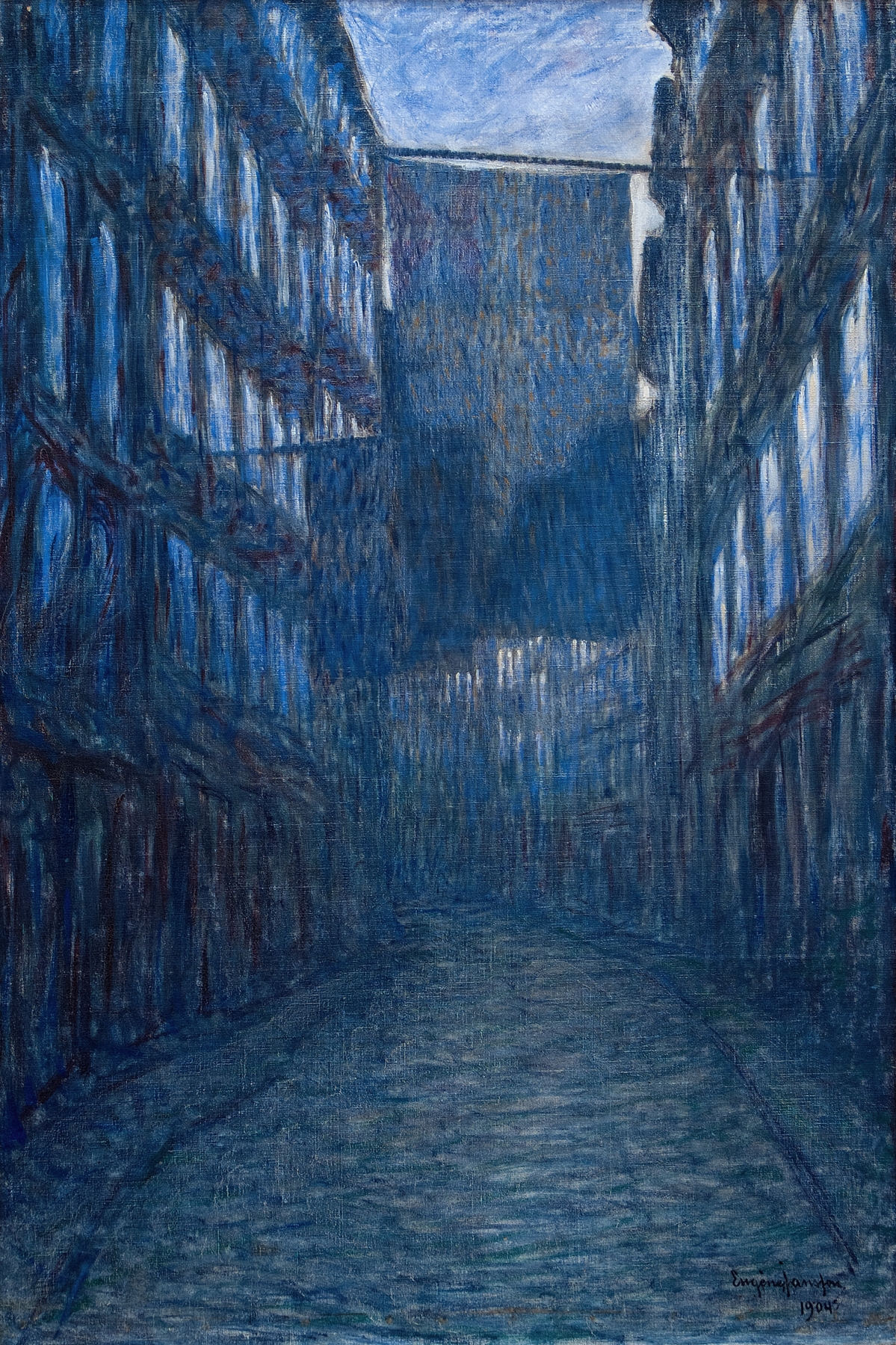
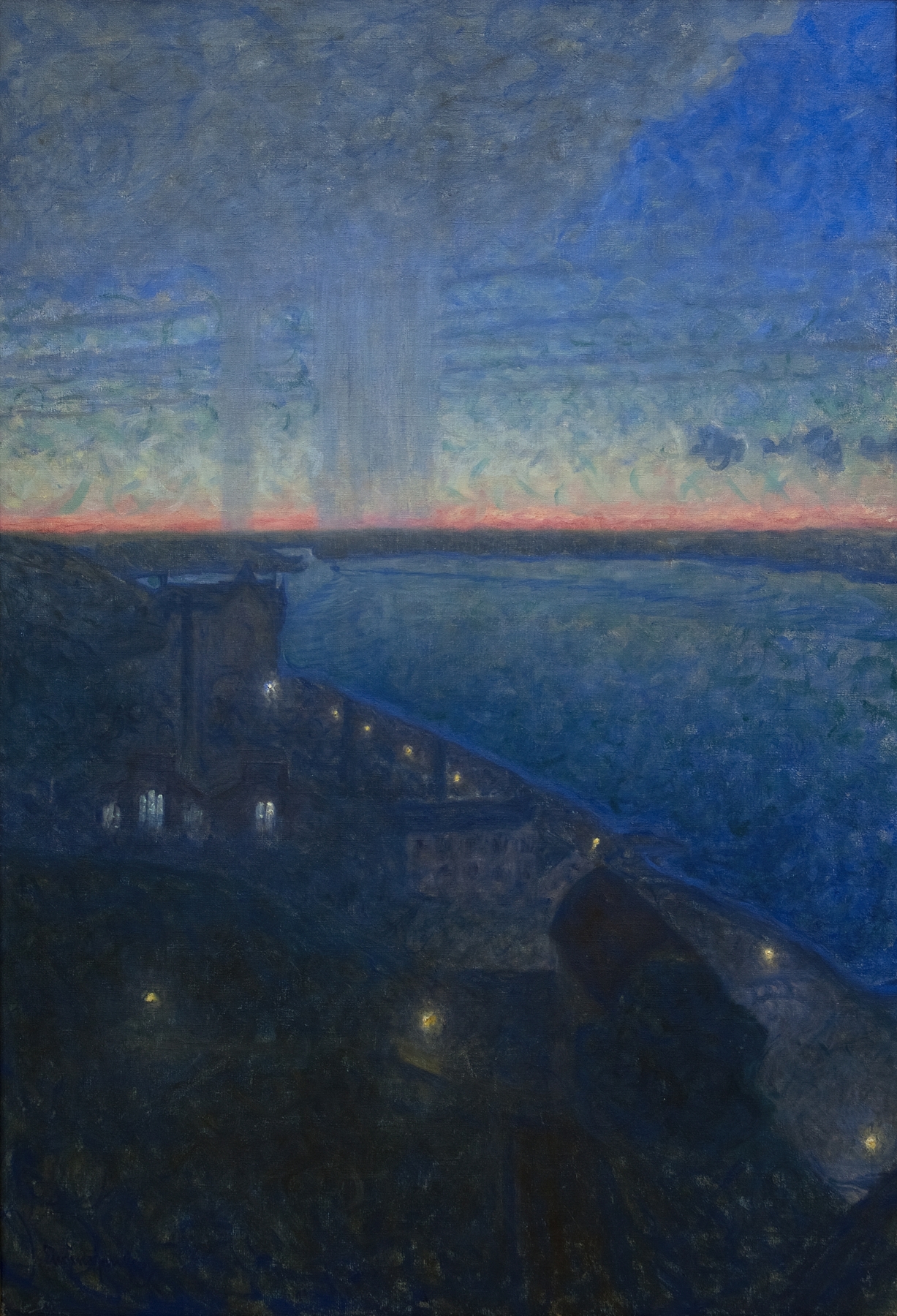
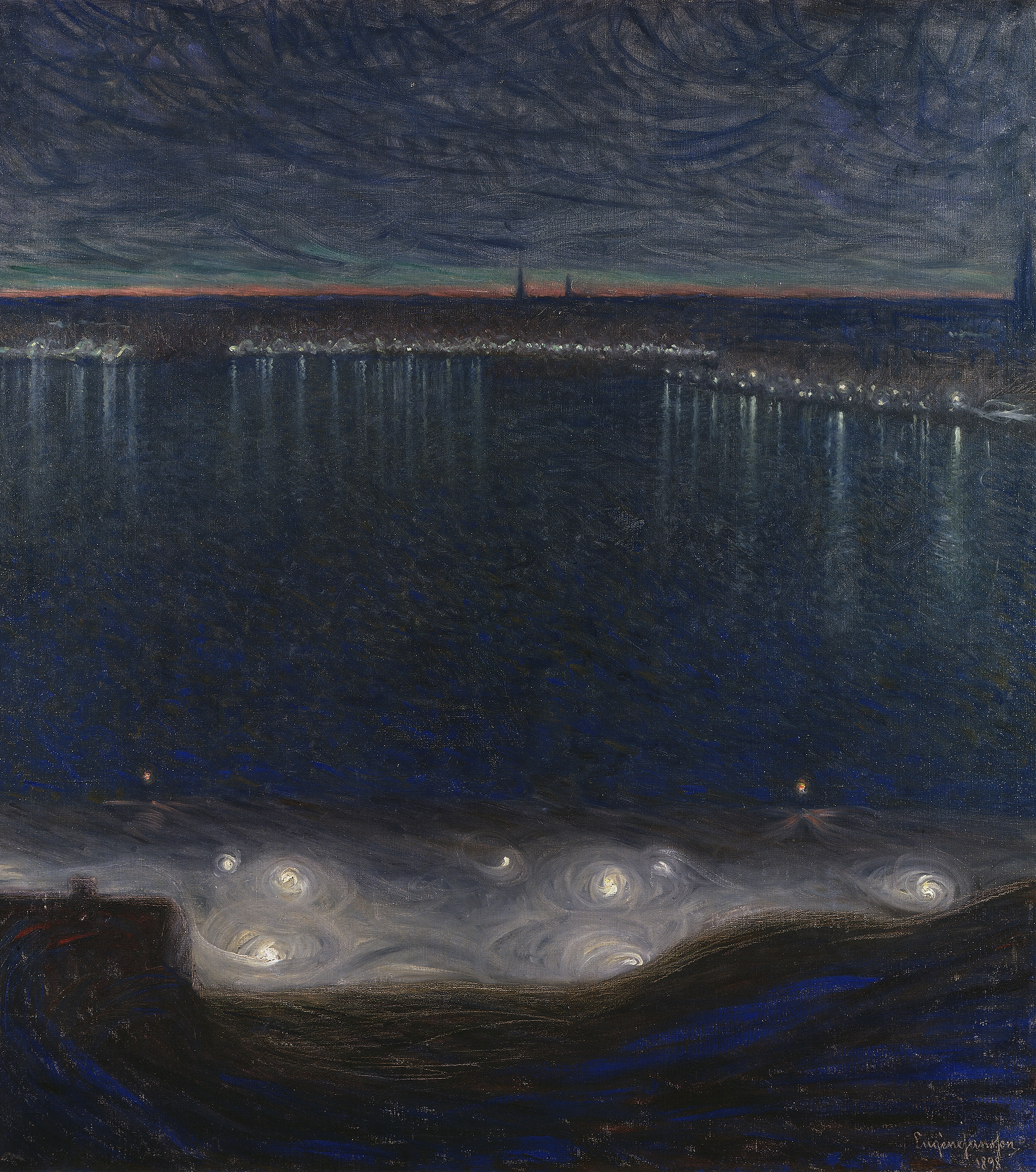
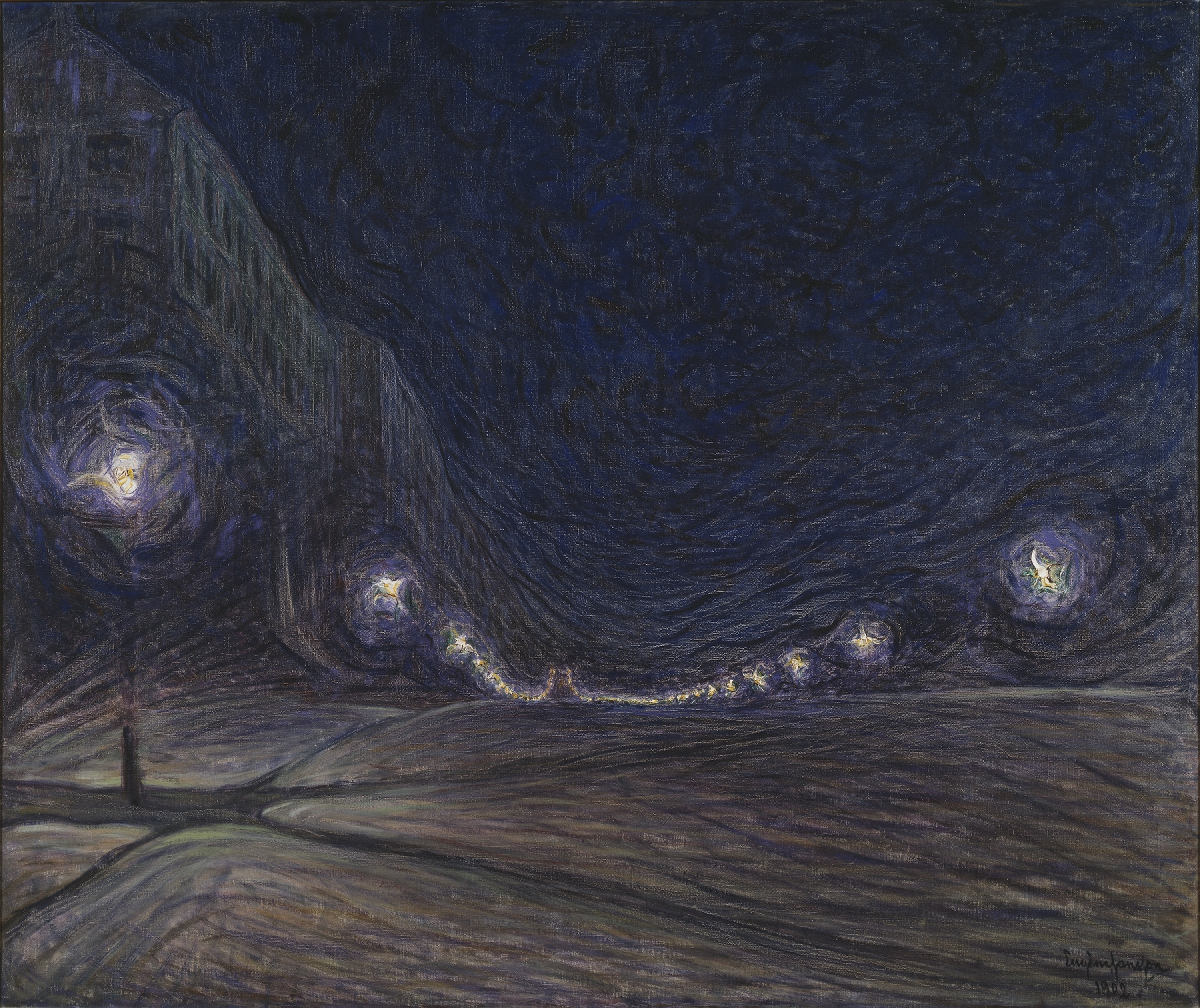
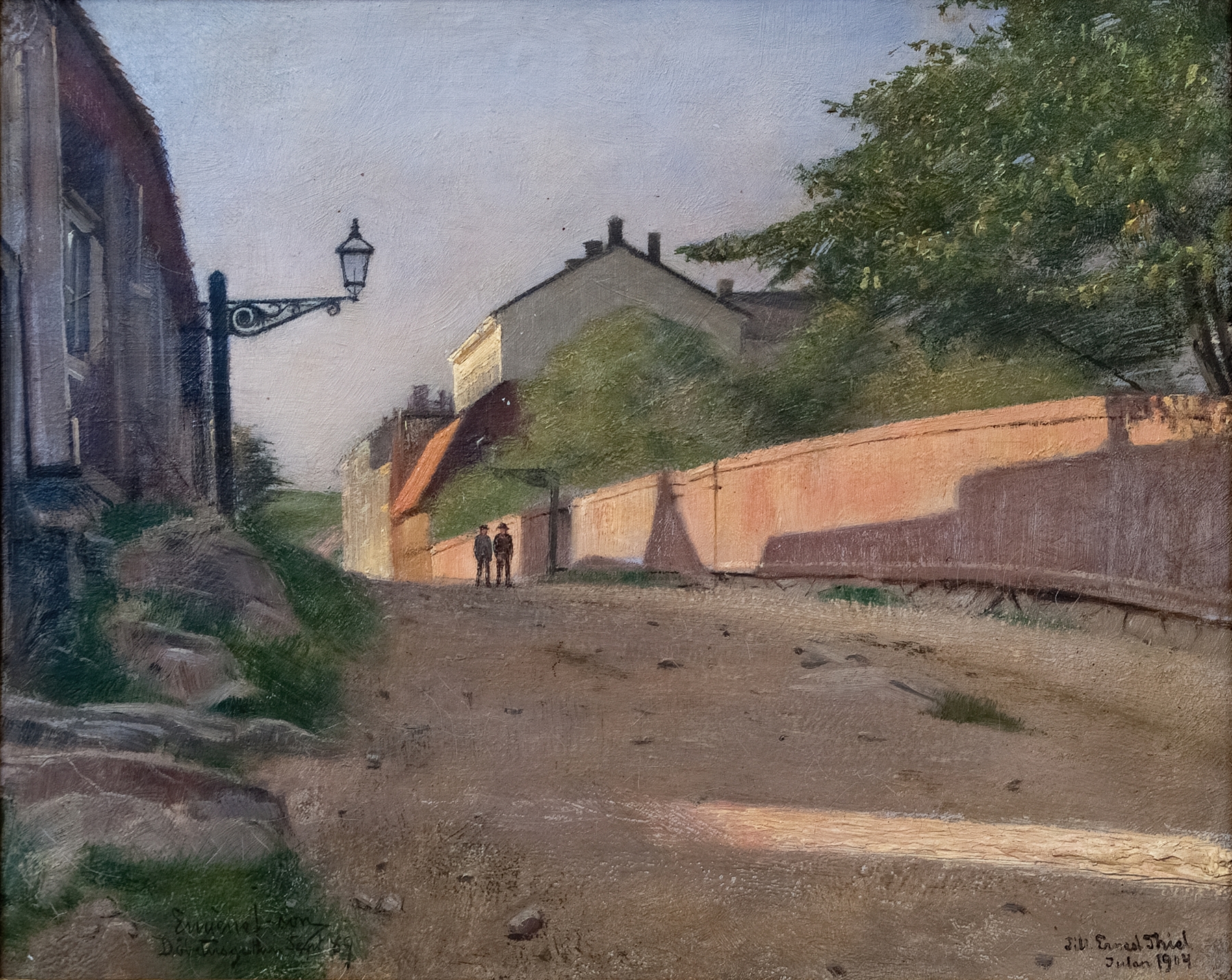
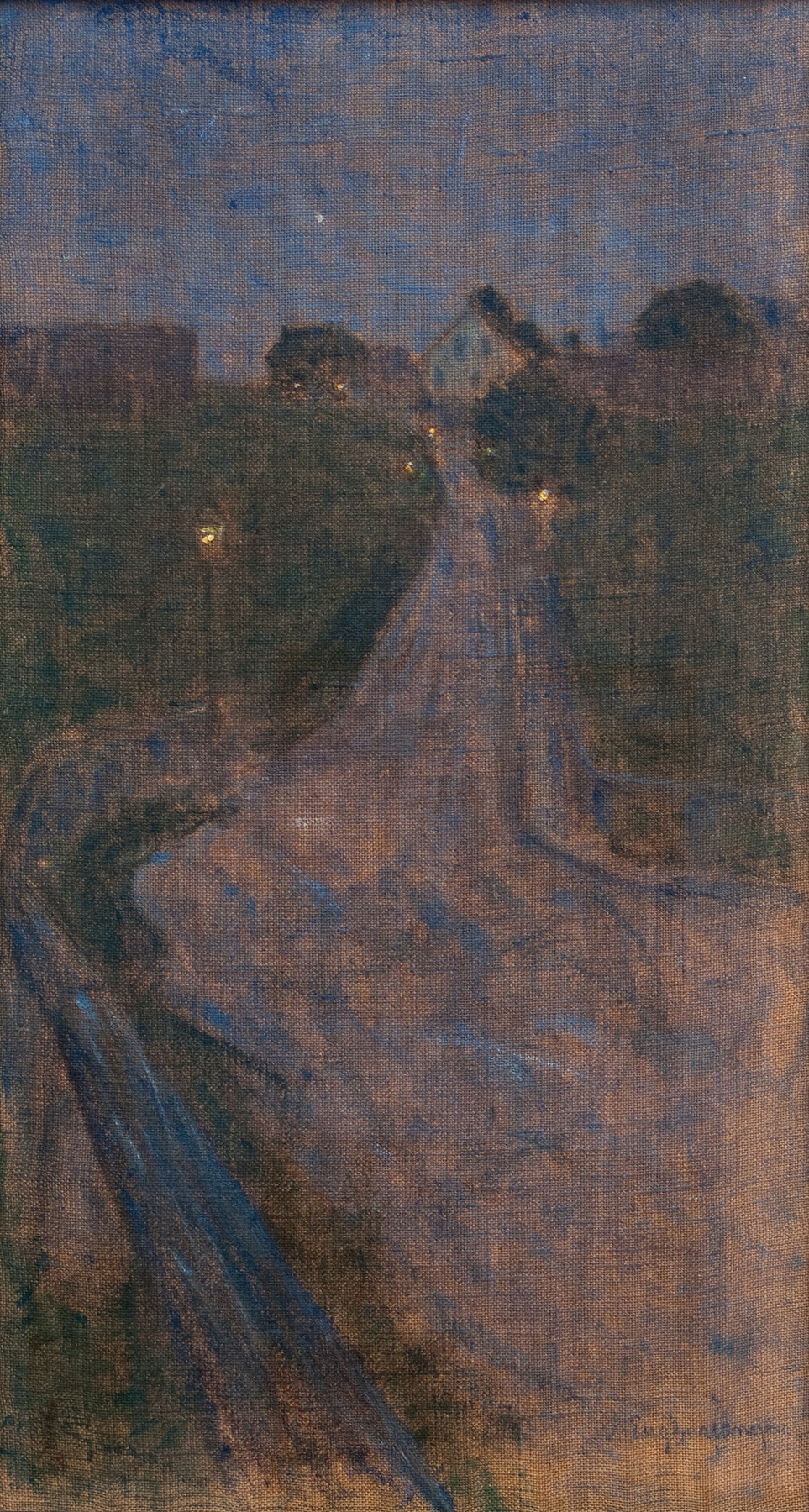
Who listens when art speaks of silence? In Hornsgatan, shadows stretch across the cobblestone streets, inviting the viewer into a hushed urban landscape that breathes both solitude and contemplation. Look to the left at the vibrant hues of the buildings, their facades illuminated by the soft, fading light of dusk. Notice how Jansson skillfully captures the serenity of the scene through a palette dominated by blues and grays, evoking a sense of twilight melancholy.
The geometry of the architecture leads the eye upward, while the figures, shrouded in shadow, quietly traverse the cobbled path, their presence felt more than seen. There is a palpable tension between the bustling life that might inhabit the scene and the overwhelming silence that prevails. The absence of overt activity allows the viewer to feel a deep introspection, as if the shadows themselves are mediating the thoughts of the passersby. The play of light and shadow transforms the street into a reflective space, where the physical world blurs into the emotional; it speaks of loneliness, connection, and the quiet stories held within the urban fabric.
Eugène Jansson painted Hornsgatan in 1900, during a period of artistic exploration in Sweden where the Symbolist movement was gaining momentum. Living in Stockholm, he was influenced by the city's atmospheric changes, which he often captured in his works. At that time, Jansson was establishing his unique voice, blending Impressionism with a focus on light and shadow, which would characterize much of his later work.