Evening on the Seine — History & Analysis
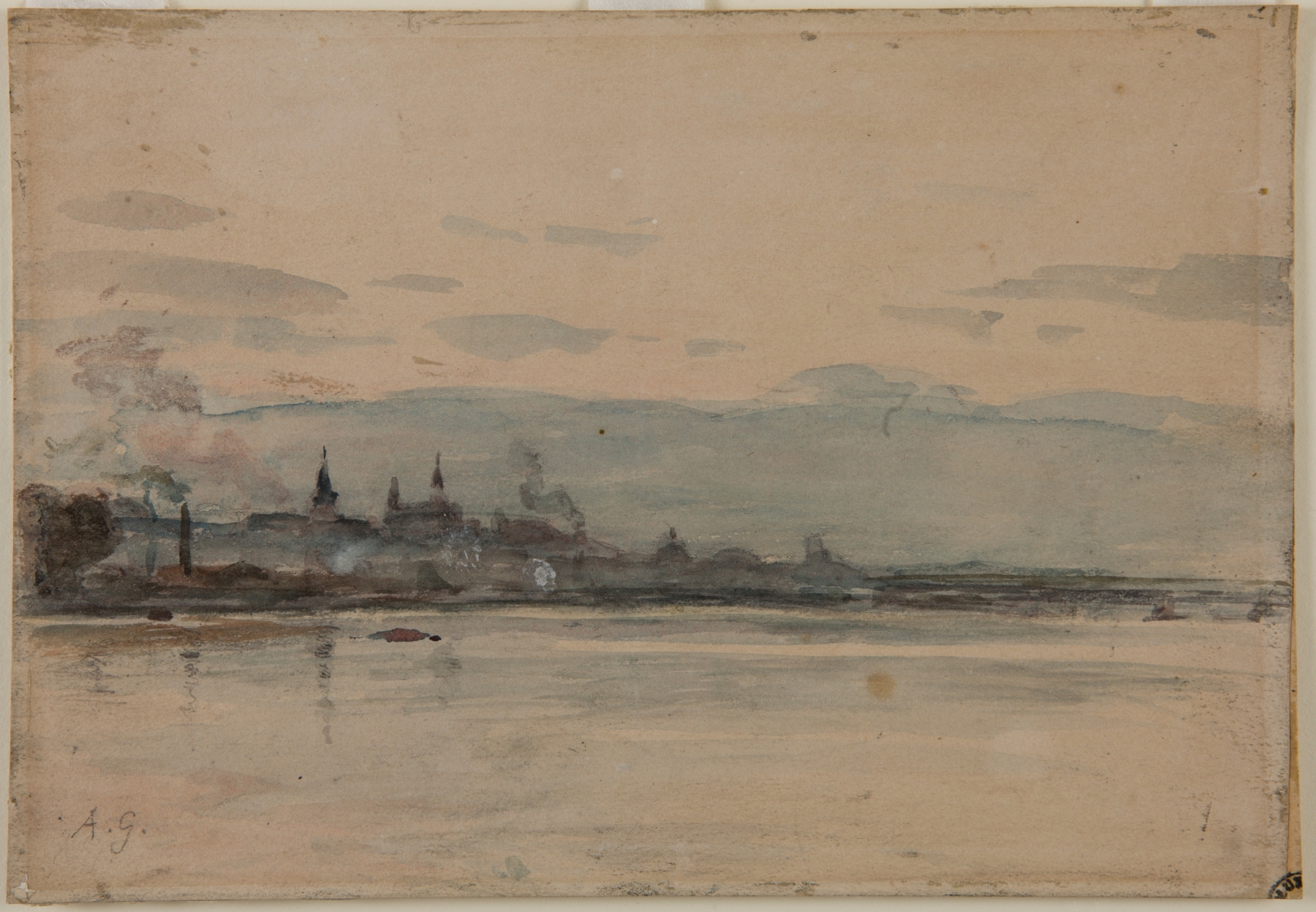
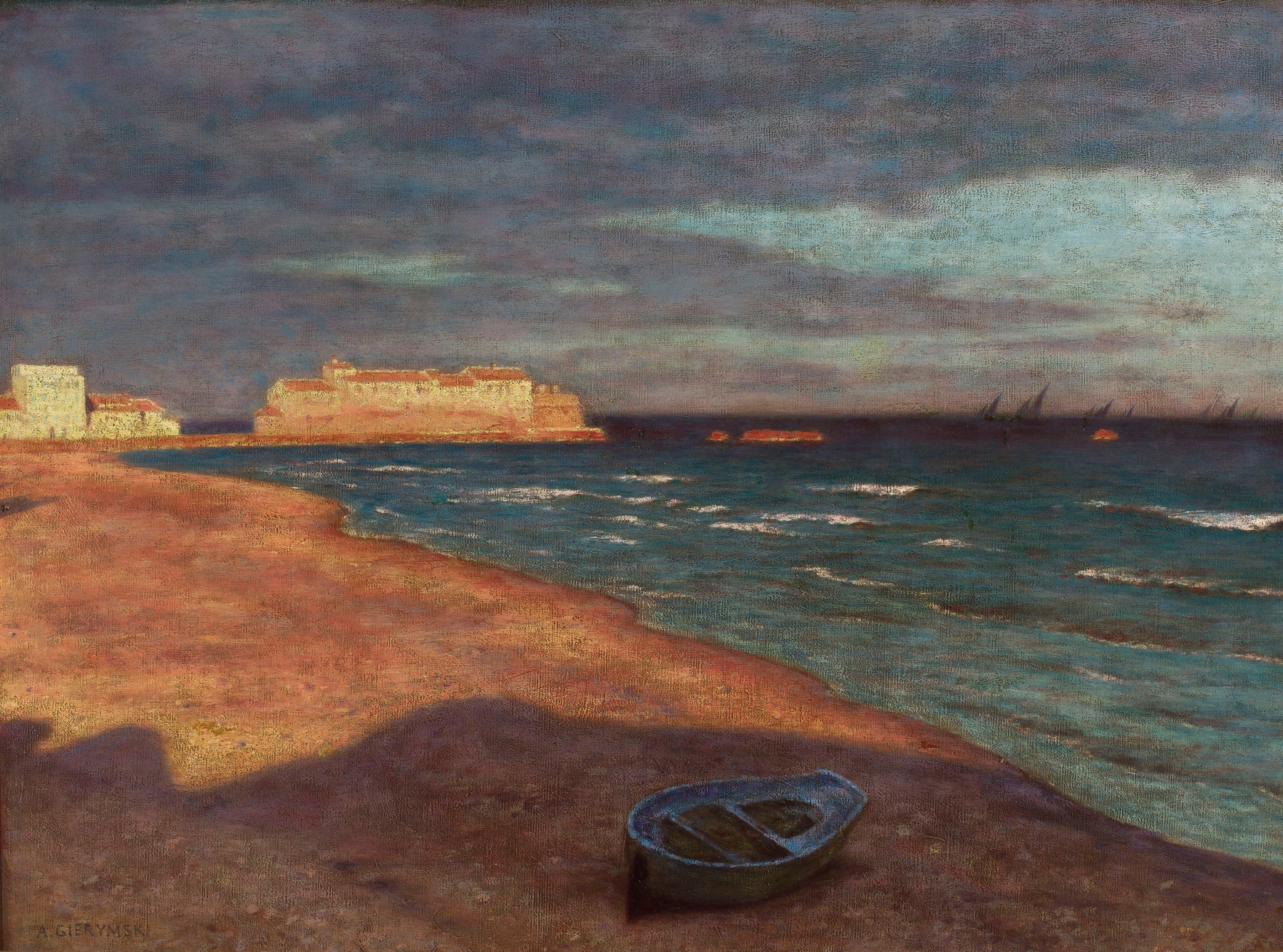
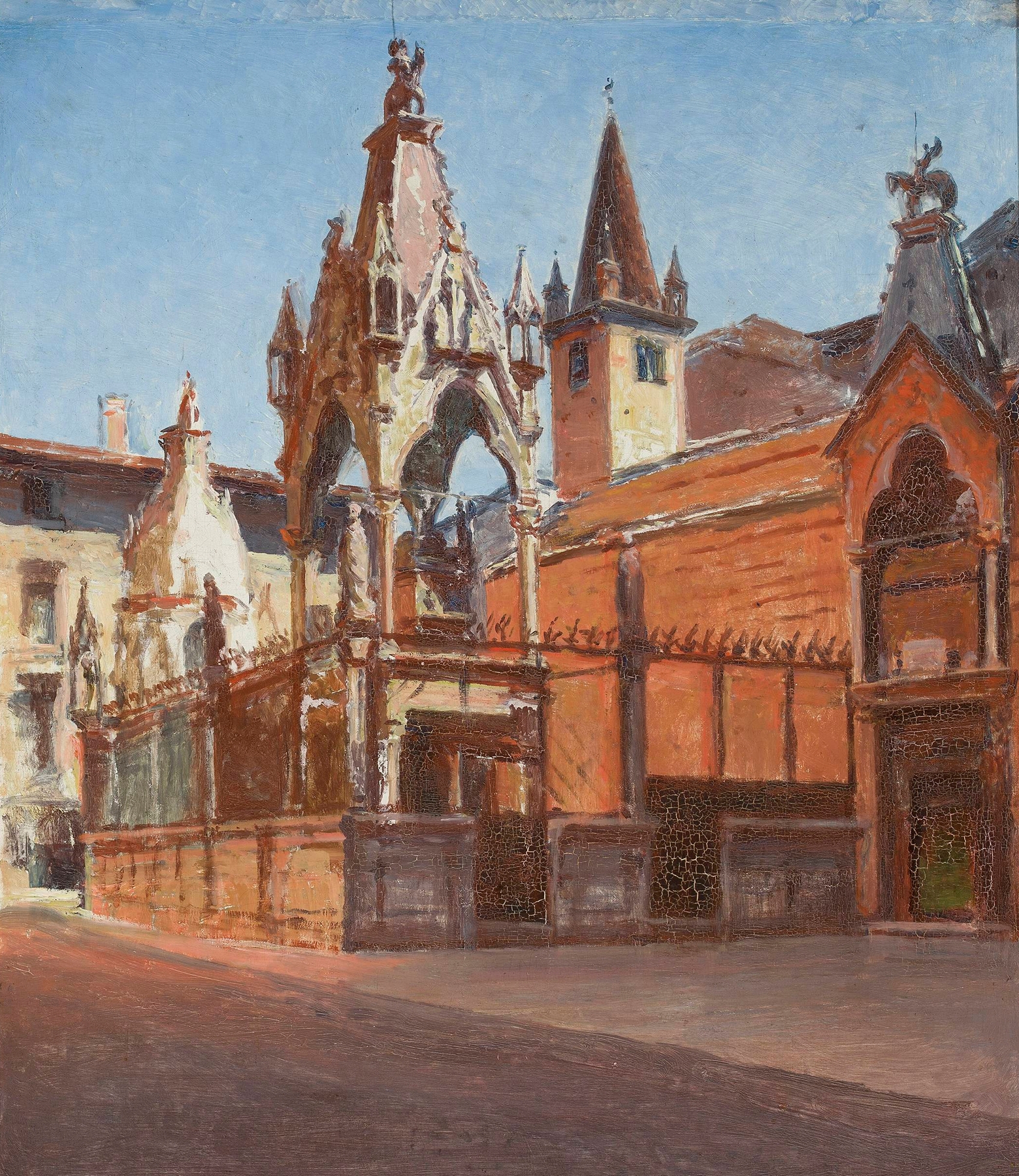
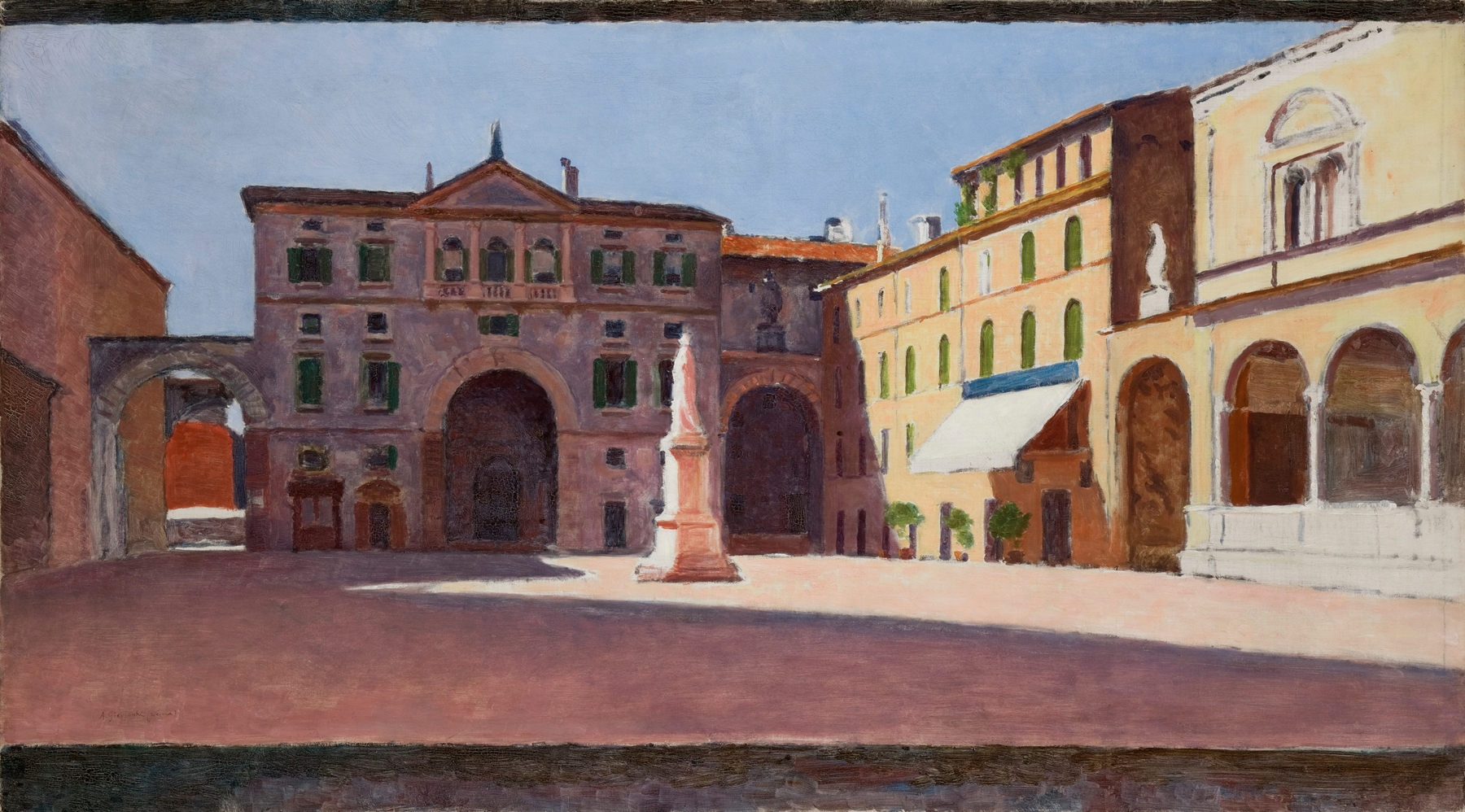
“Every silence here is a confession.” As twilight descends, the world brims with unspoken truths, cloaking all in a delicate veil of mortality. The ephemeral beauty of life is captured in a moment where darkness and light intertwine, reminding us of our fragile existence. Look to the left at the gentle ripples of the Seine, where the last hints of sunlight shimmer like memories fading into the dusk. Notice how the rich blues and soft oranges blend seamlessly, the contrasting colors invoking a sense of both tranquility and inevitable change.
The brushstrokes, fluid yet deliberate, lead your gaze down the river, suggesting the passage of time, while the figures on the bank linger in contemplative repose, inviting viewers to ponder their own ephemeral narratives. Hidden within each brushstroke are whispers of longing and a sense of surrender. The solitary rowboat, with its occupant seemingly lost in thought, symbolizes the isolation that often accompanies reflection on mortality. The surrounding trees, sturdy yet fading in the encroaching night, represent the duality of life: beauty and decay existing side by side.
Together, these elements create a tableau that resonates deeply, urging us to confront the fleeting nature of our own existence. In 1893, Aleksander Gierymski painted this piece while living in Paris, amidst a flourishing artistic community that embraced Impressionism. It was a period of personal struggle for him, marked by health issues and financial difficulties. His exploration of light and atmosphere both reflected contemporary artistic trends and conveyed profound existential themes, making Evening on the Seine a poignant testament to his vision and resilience.