Exeter Street — History & Analysis
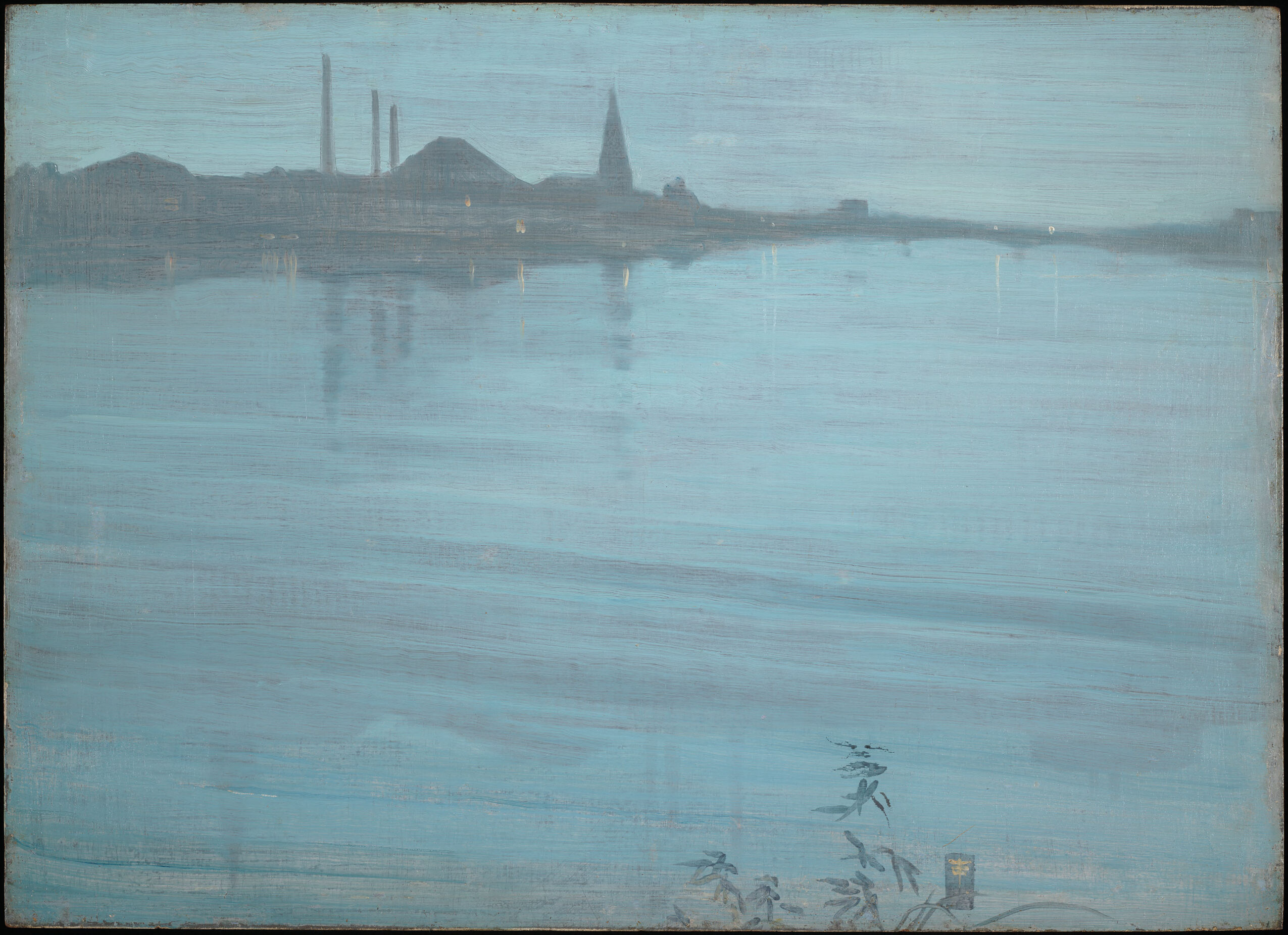
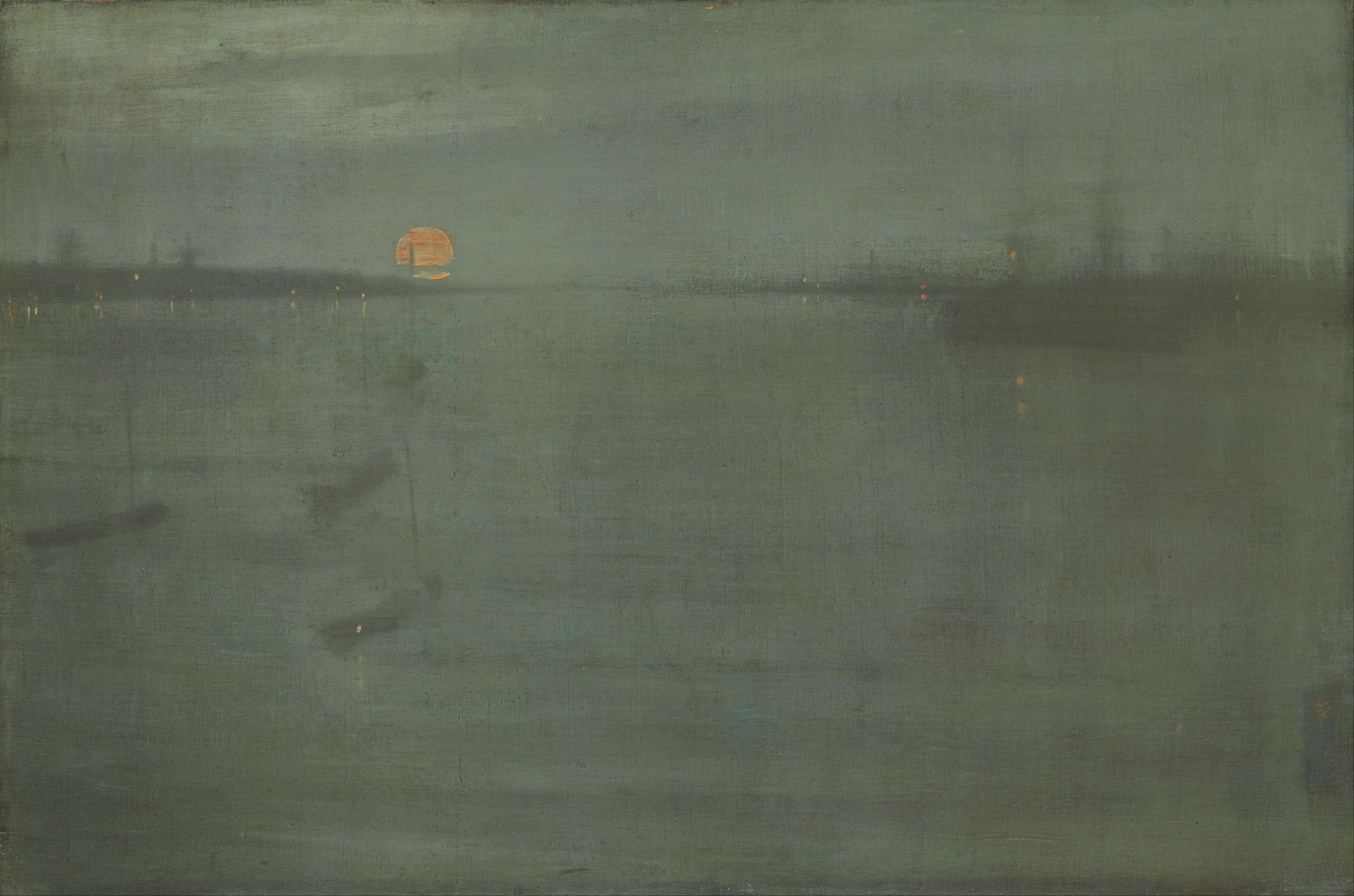
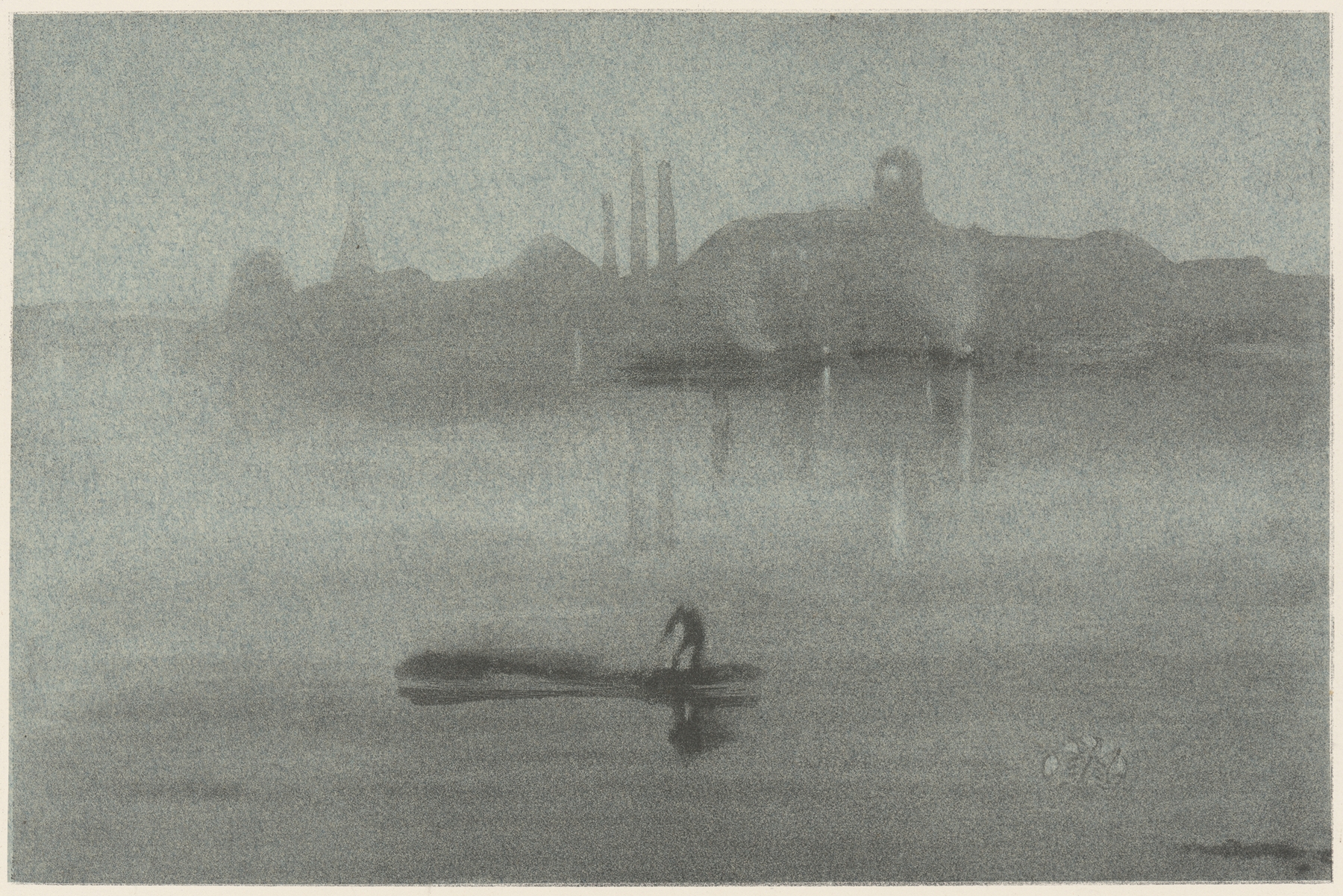
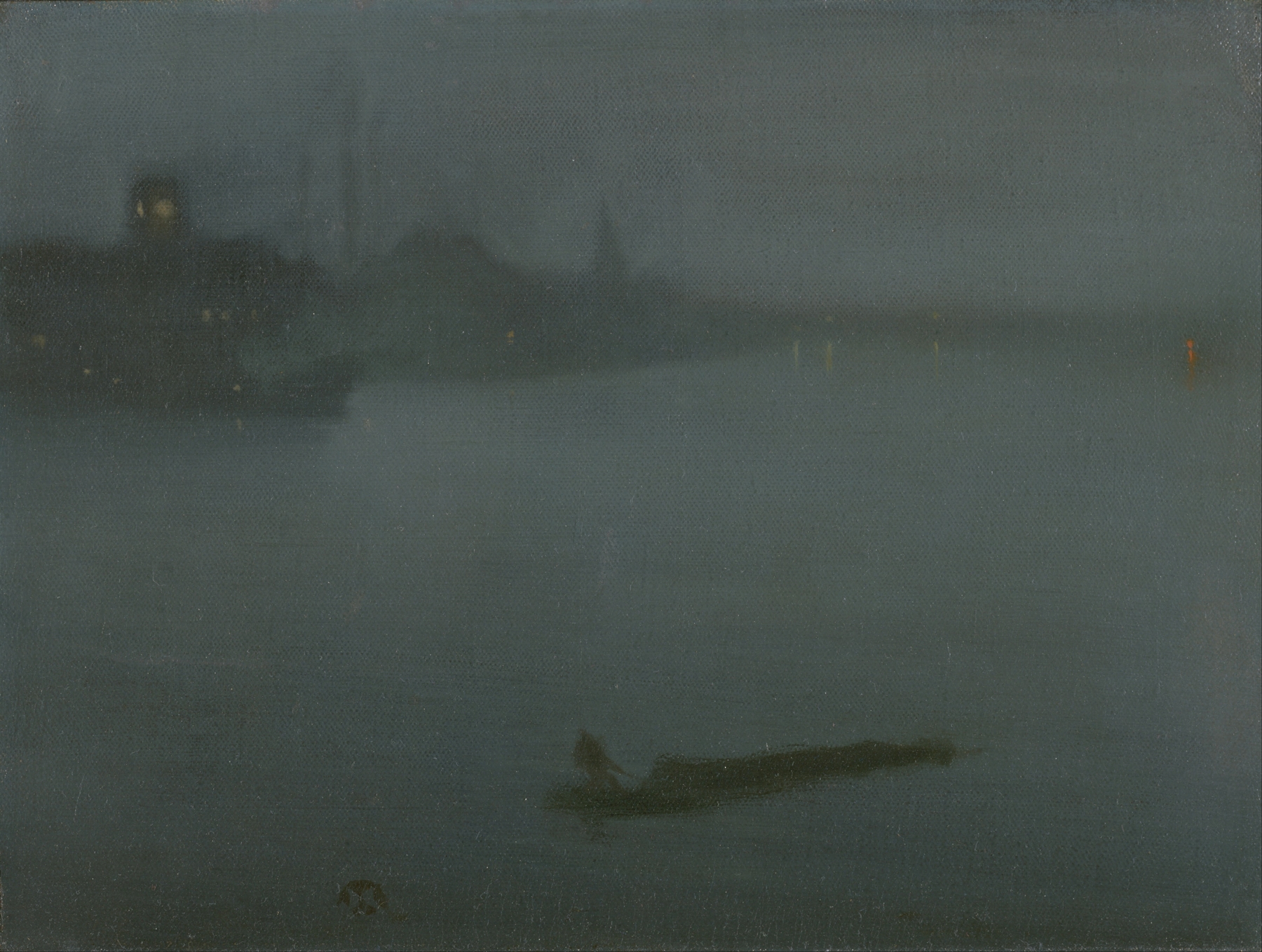
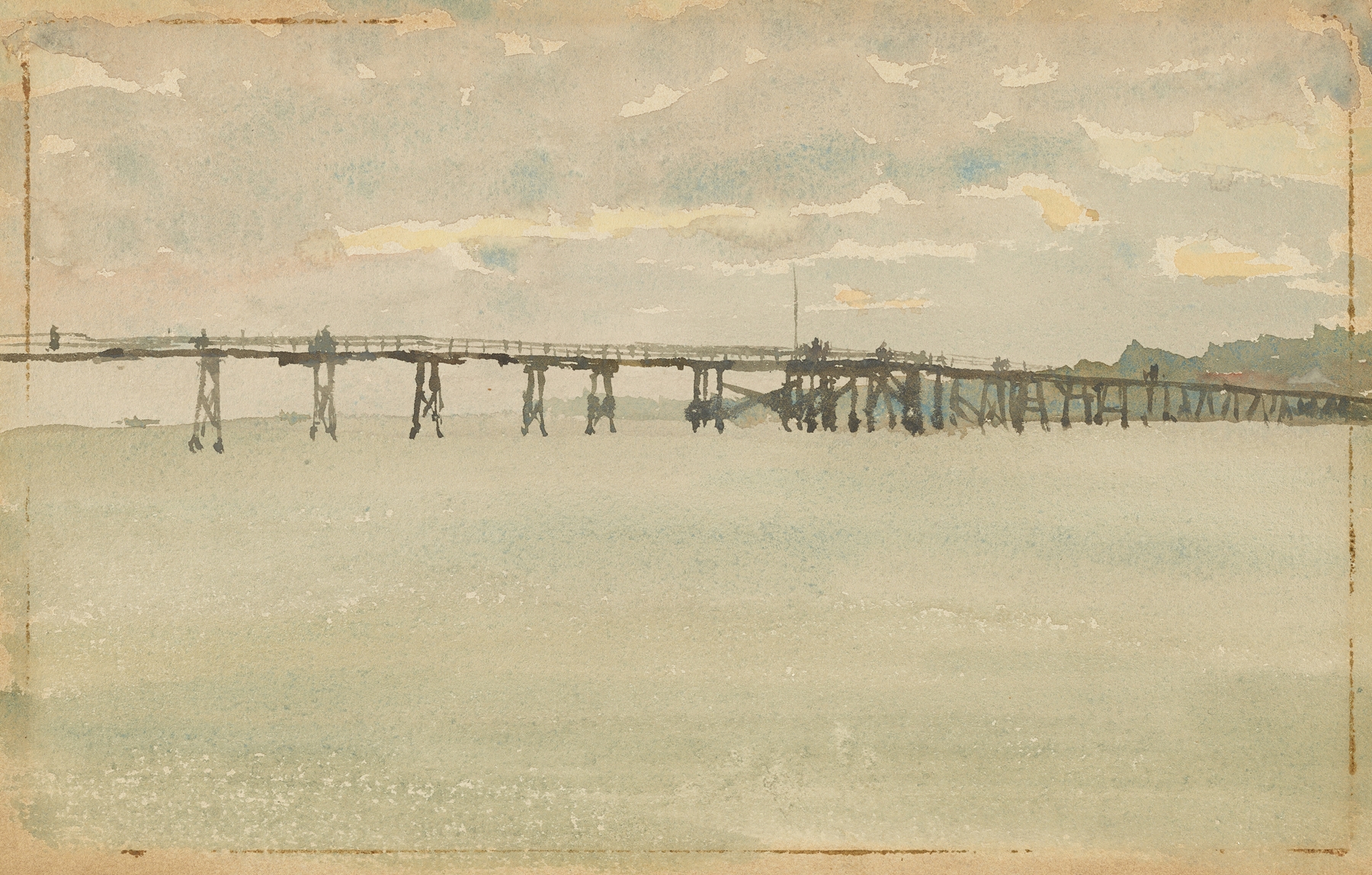
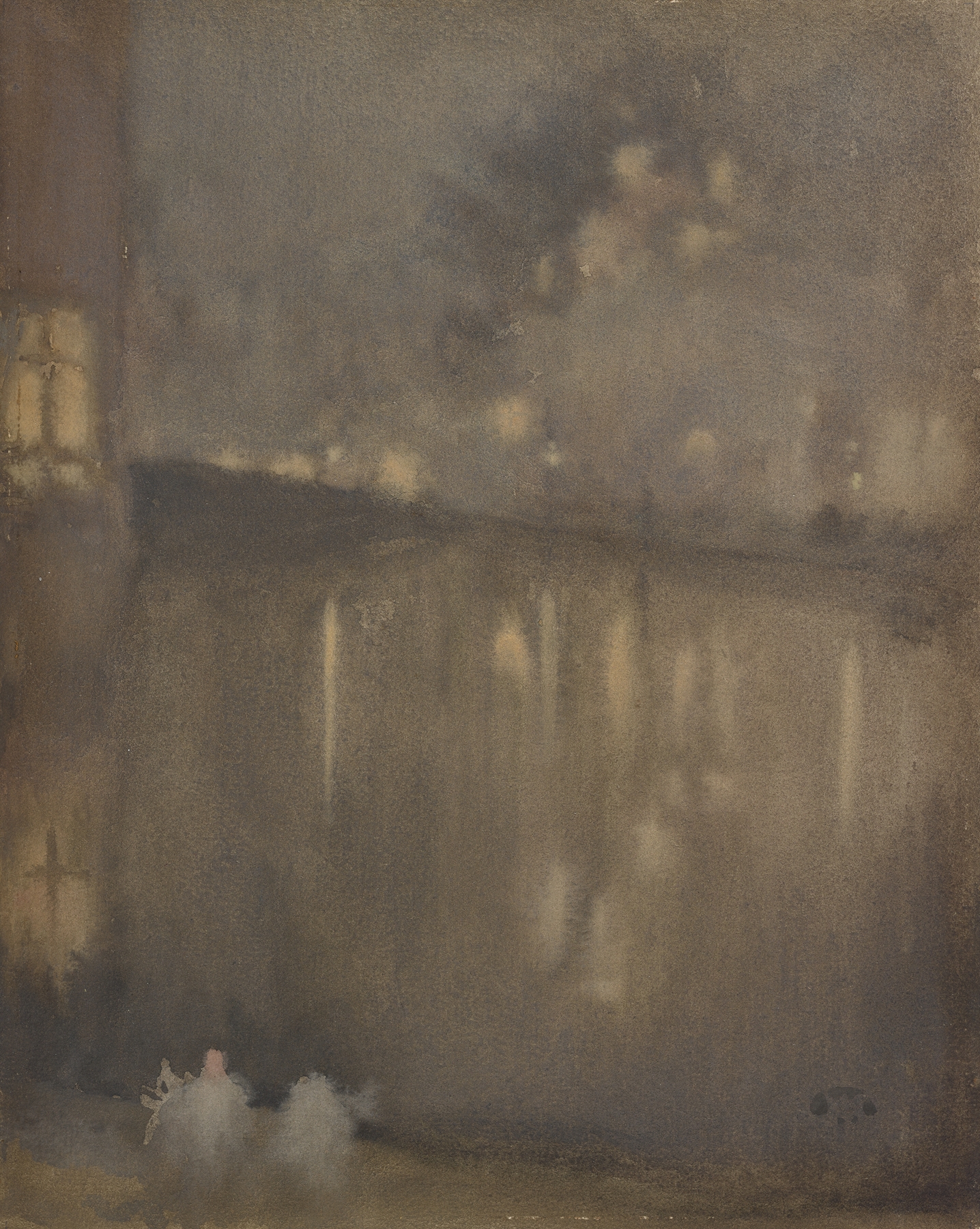
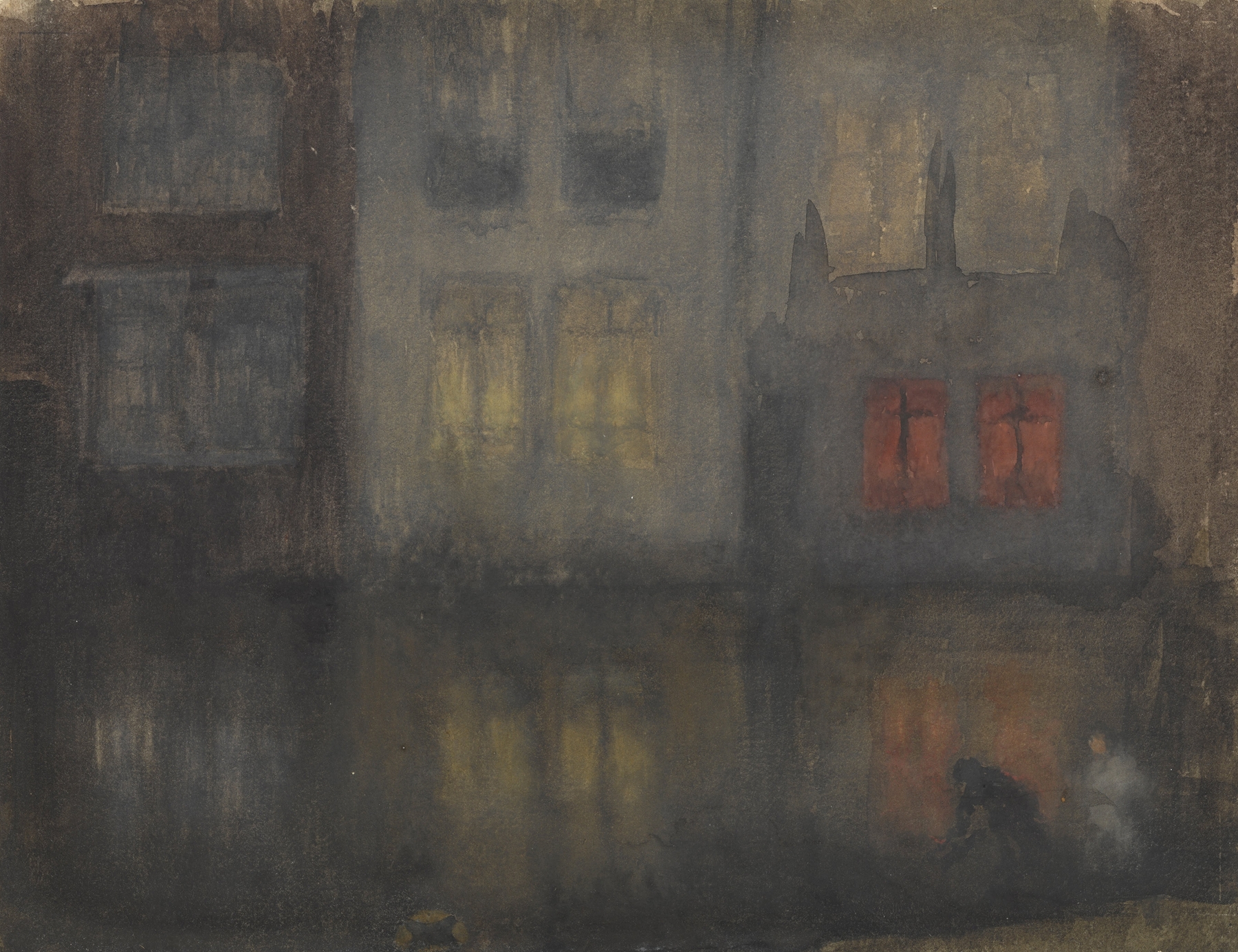
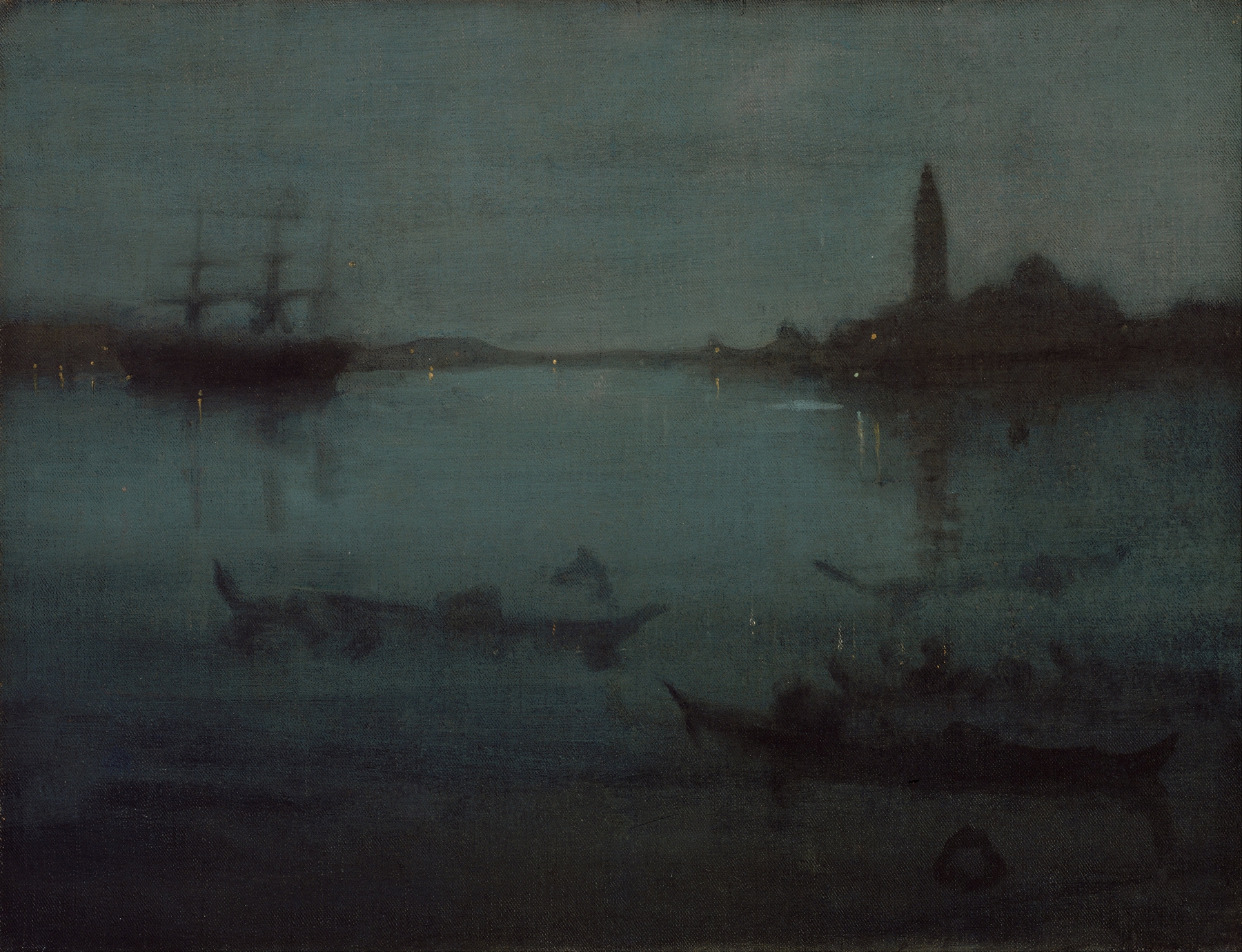
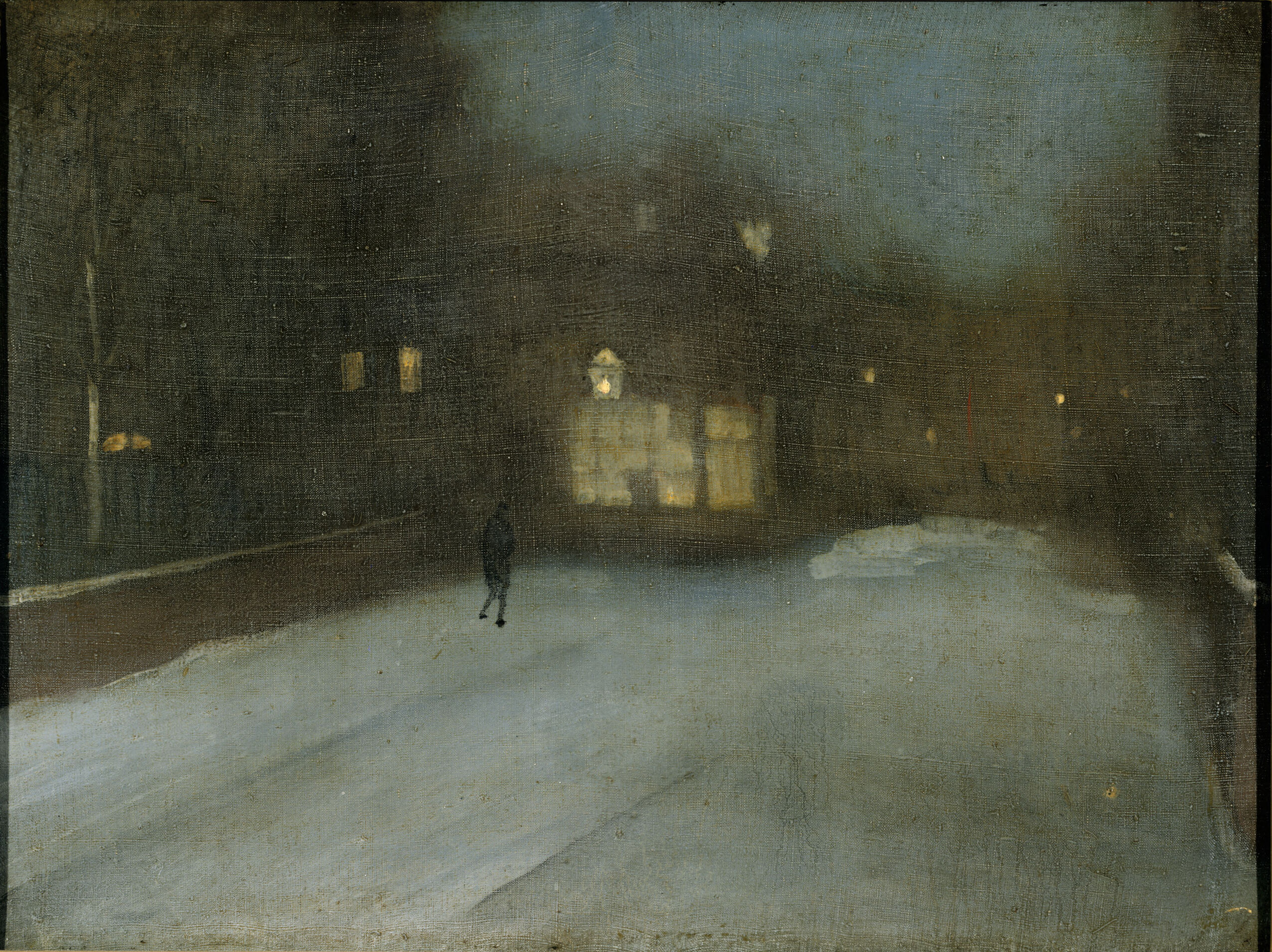
Can paint confess what words never could? In the delicate strokes of this artwork, a silent dialogue unfolds, reflecting the ephemeral nature of life and the shadows of mortality. Look to the lower left where the muted hues of the cobbled street invite you in, the stones glistening like memories caught in twilight. The palette, composed of soft grays, blues, and the faintest flush of ochre, creates a haunting atmosphere that resonates with nostalgia.
Notice how the gentle play of light accentuates the figures, their forms almost ghostly, as if caught between the realms of presence and absence, suggesting the transitory nature of existence. Beneath the surface, contrasts emerge: the vibrancy of life collides with the inevitability of time's passage. The figures seem to drift, their paths uncertain and their faces indistinct, evoking a sense of longing and reflection. Each brushstroke captures more than just a scene; it encapsulates the delicate balance between life and what lies beyond, compelling viewers to confront their own mortality.
In 1887, Whistler painted this piece during a period marked by personal trials and shifts in the art world. Living in London, he navigated evolving artistic trends while grappling with his own health and relationships. Exeter Street emerged from this confluence, a poignant meditation on the fleeting moments that define human experience, where the mundane becomes extraordinary through the lens of reflection and memory.