Nocturne in Grey and Gold: Chelsea Snow — History & Analysis
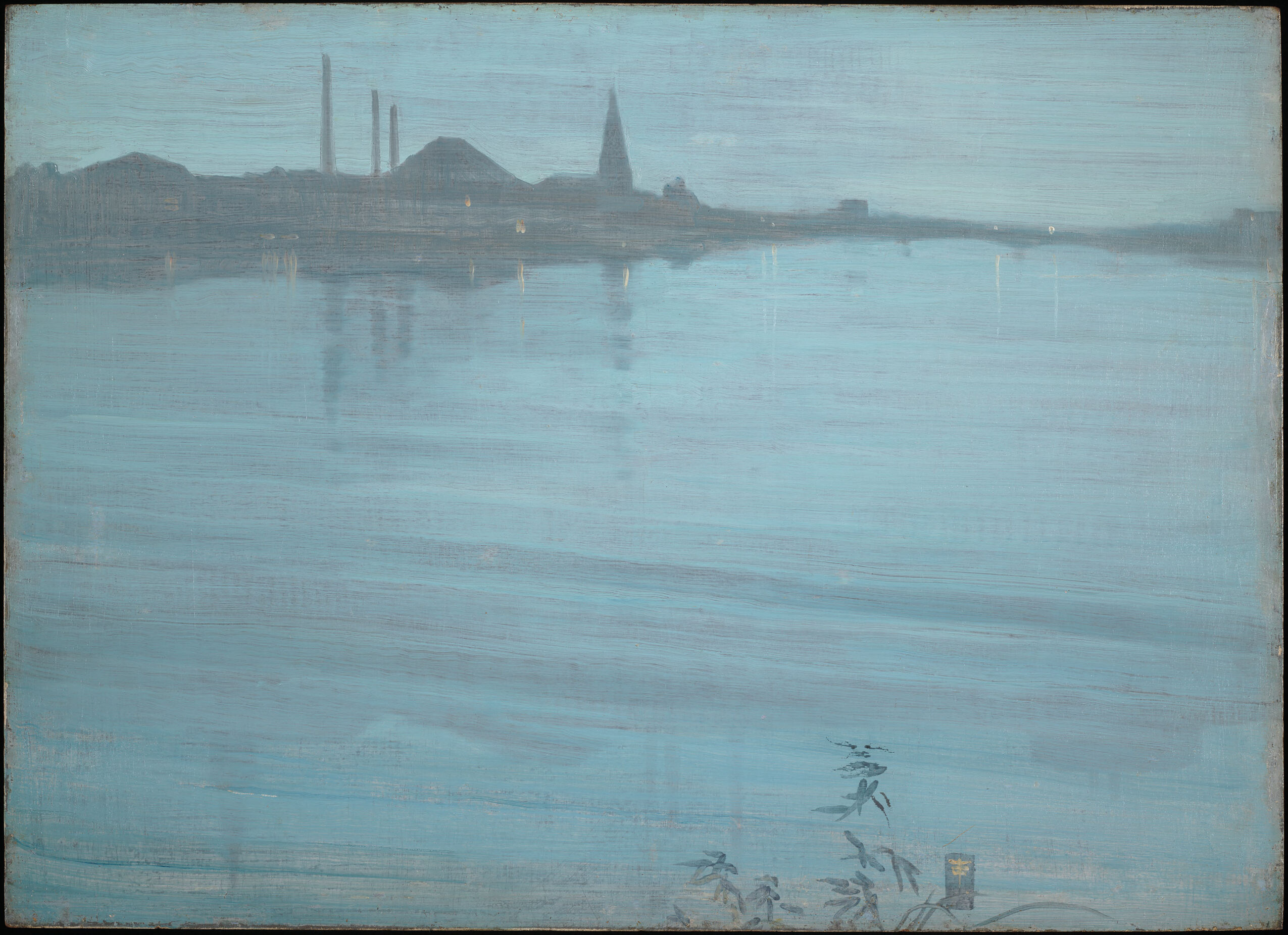
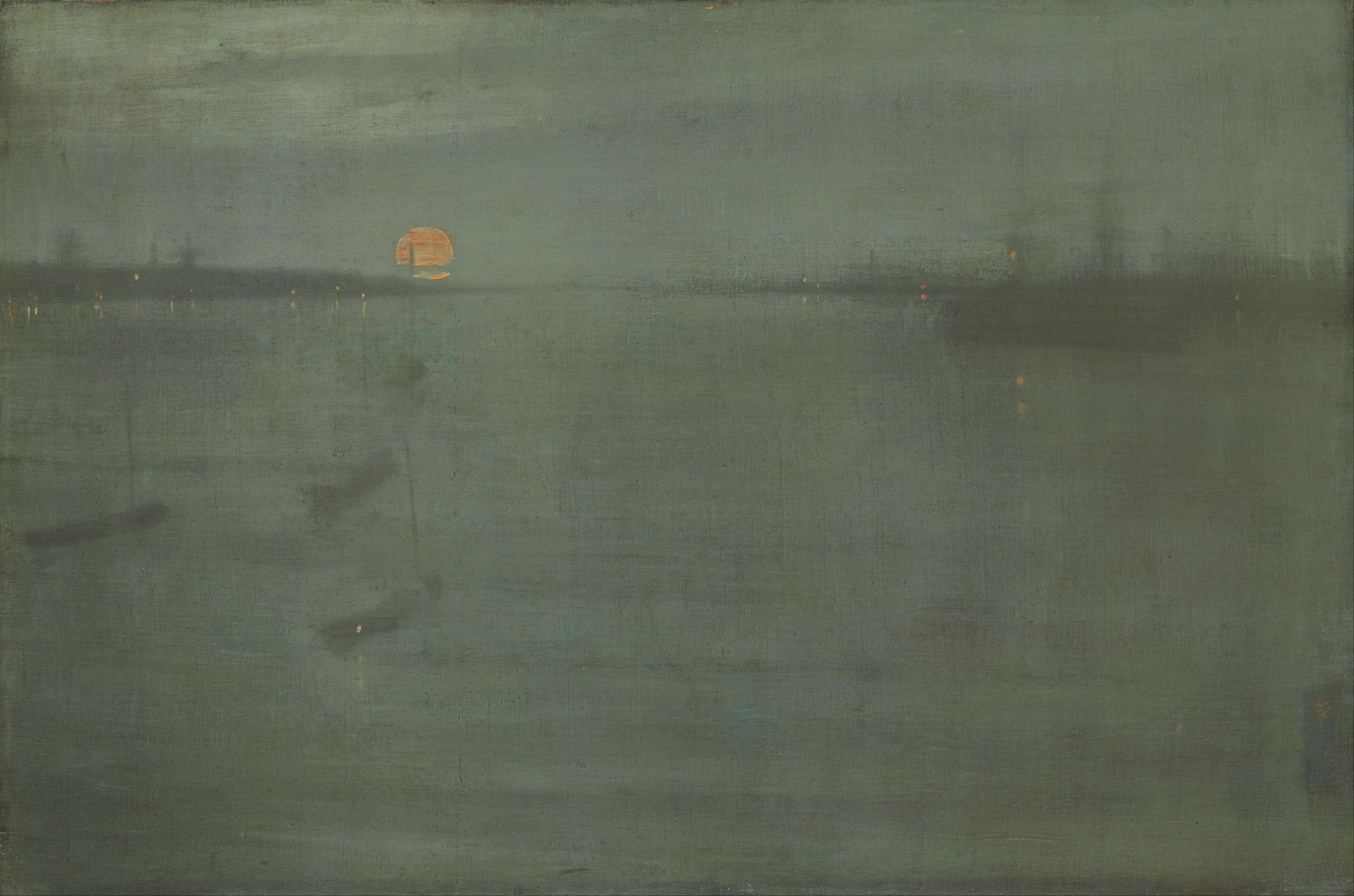
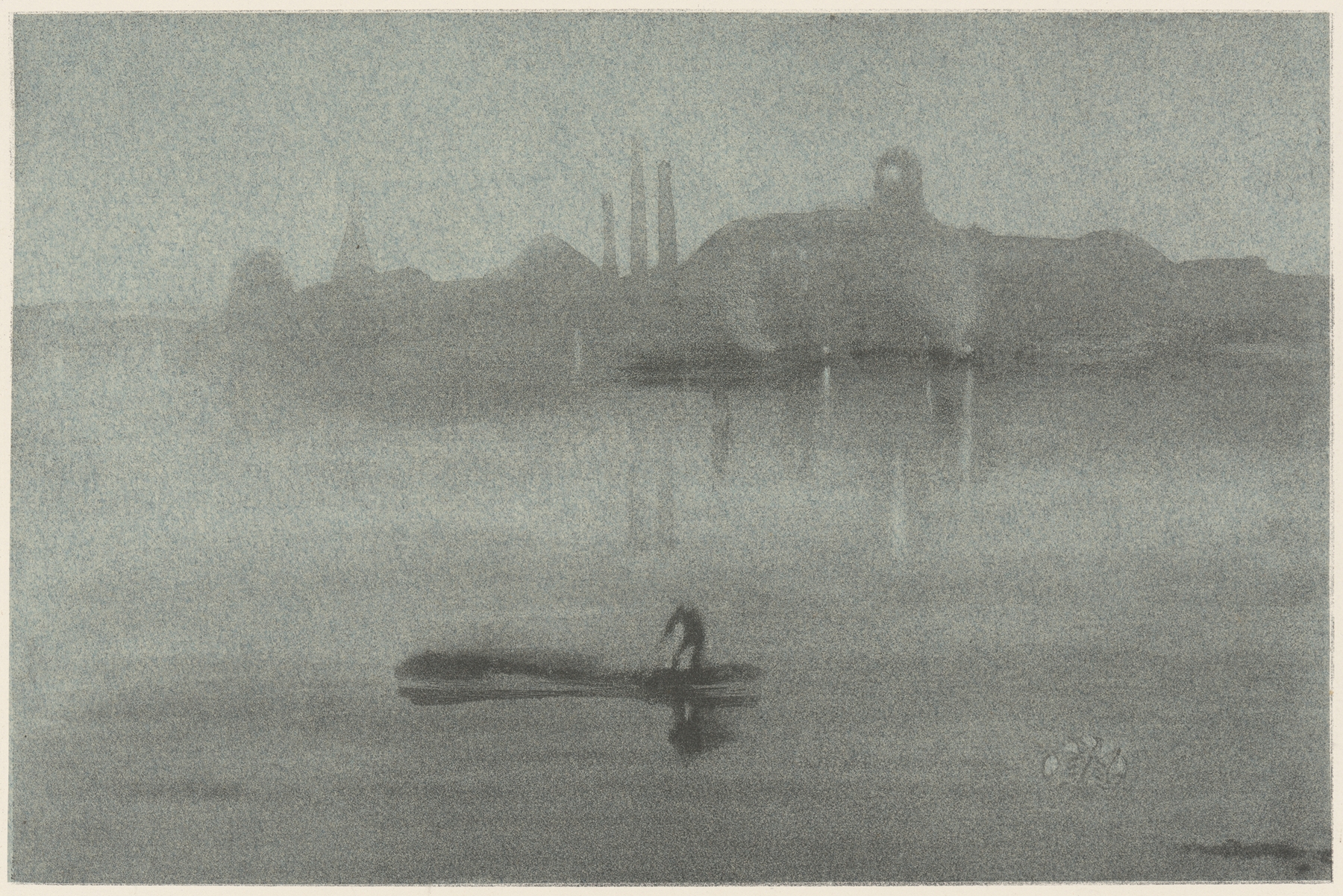
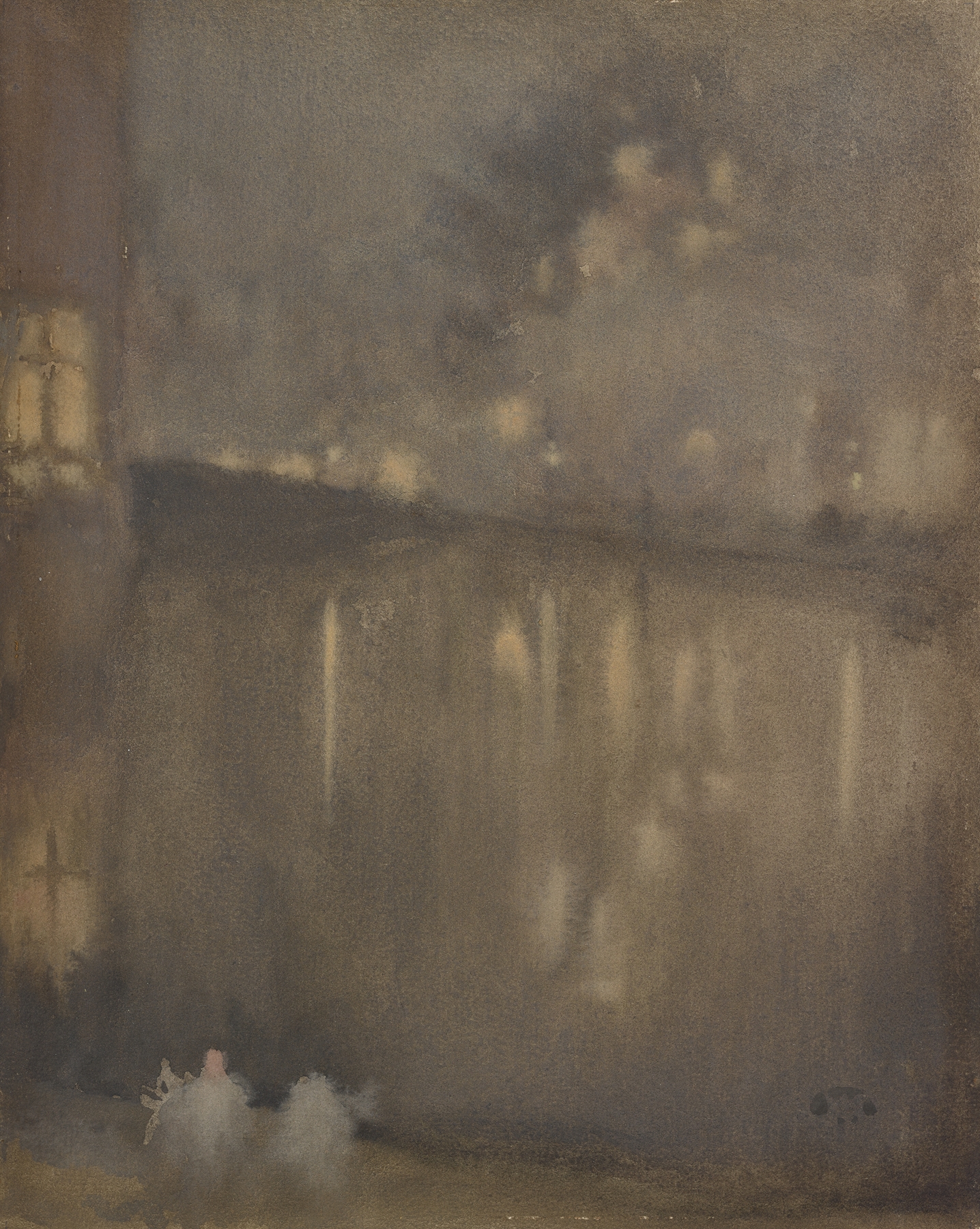
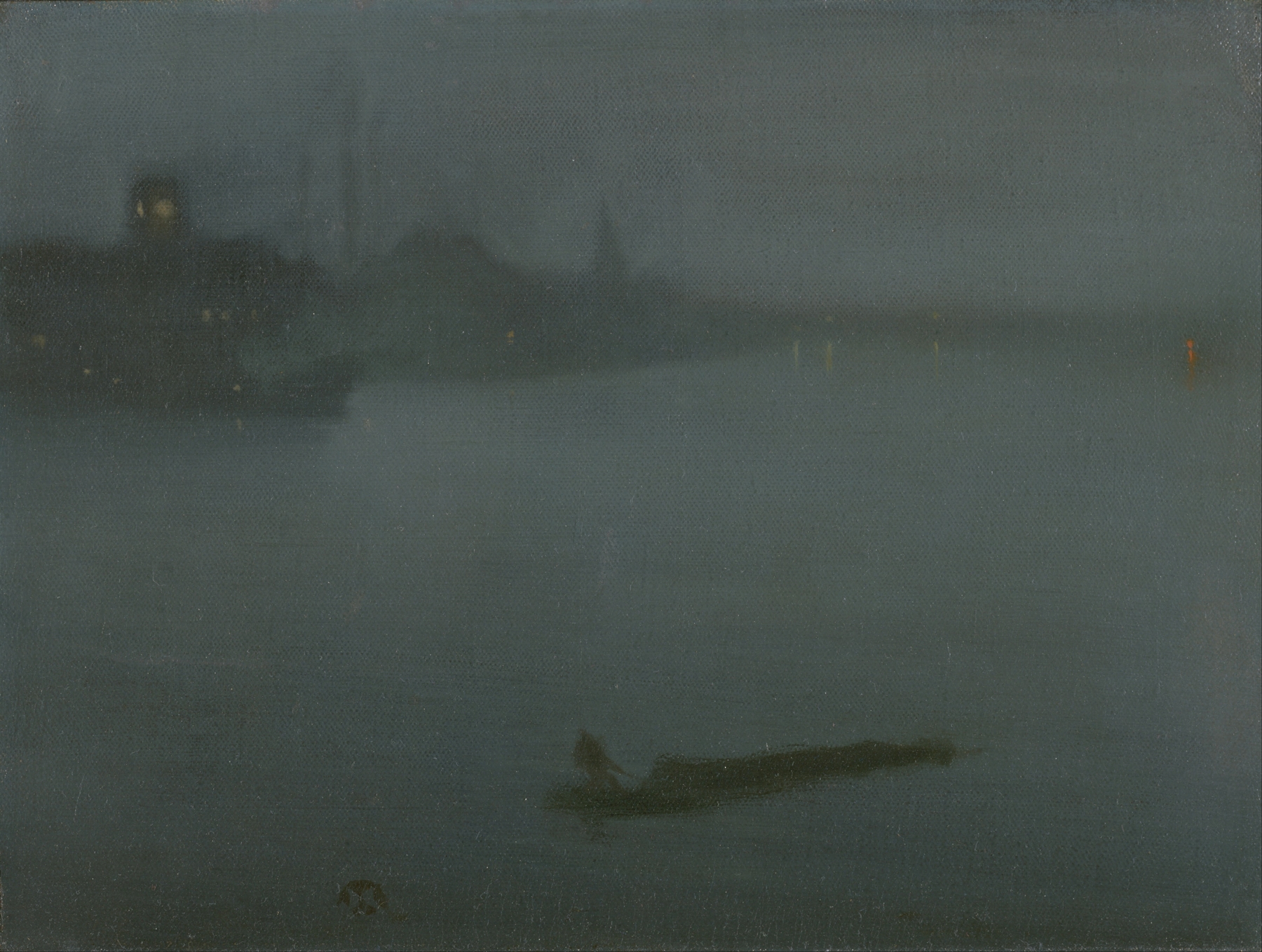
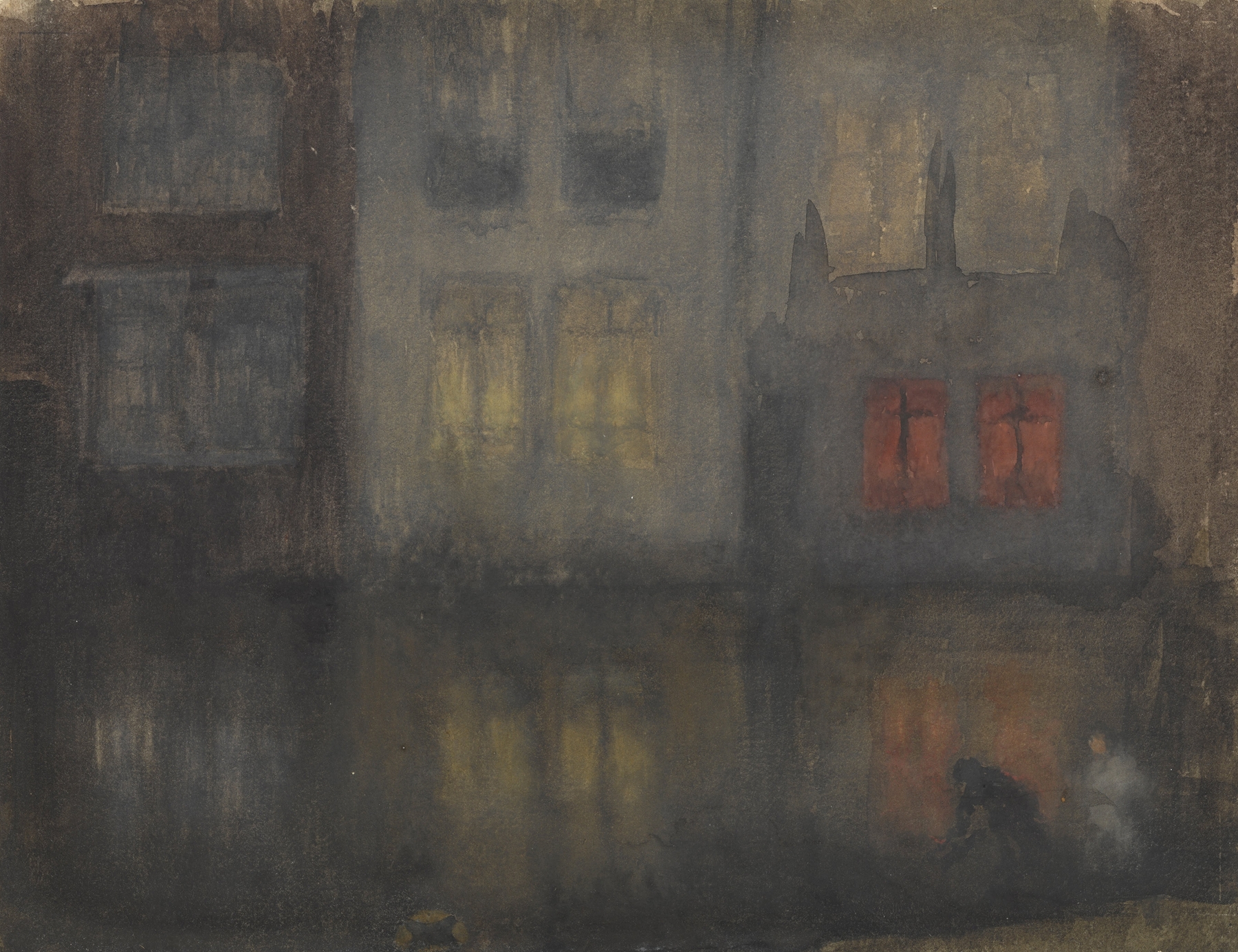
What secret hides in the quiet of the canvas? In the hushed tones of twilight, Nocturne in Grey and Gold: Chelsea Snow whispers of a world cloaked in stillness, yet heavy with unspoken betrayal. Look to the center where the river unfolds like a silken ribbon, delicately reflecting the muted hues of dusk. Notice how the brushstrokes blend into one another, creating an ethereal atmosphere that envelops the viewer.
The composition draws your gaze toward the distant figures shrouded in fog, their forms barely discernible, embodying a sense of isolation and introspection. The soft, cool palette of blues and greys enhances the emotional weight of the scene, evoking a serene yet melancholic mood. As you explore further, consider the contrast between the serene landscape and the latent tension suggested by the distant silhouettes. The blurred outlines hint at a narrative, where the charm of the winter evening belies the emotional turmoil lurking beneath the surface.
This duality invites contemplation, allowing the viewer to ponder what lies beneath the tranquility—a sense of betrayal, perhaps, as relationships drift apart like the misty waters. In 1876, at a time when Whistler was immersed in the aesthetic movement, Nocturne in Grey and Gold: Chelsea Snow was created in London. This period marked significant changes in his life and artistic direction, as he sought to elevate painting to the realm of music, emphasizing mood over realism. The world around him was evolving, and the work reflects both a personal and artistic quest for harmony amid the complexities of modern life.