Farm Building With Well In Daylight — History & Analysis
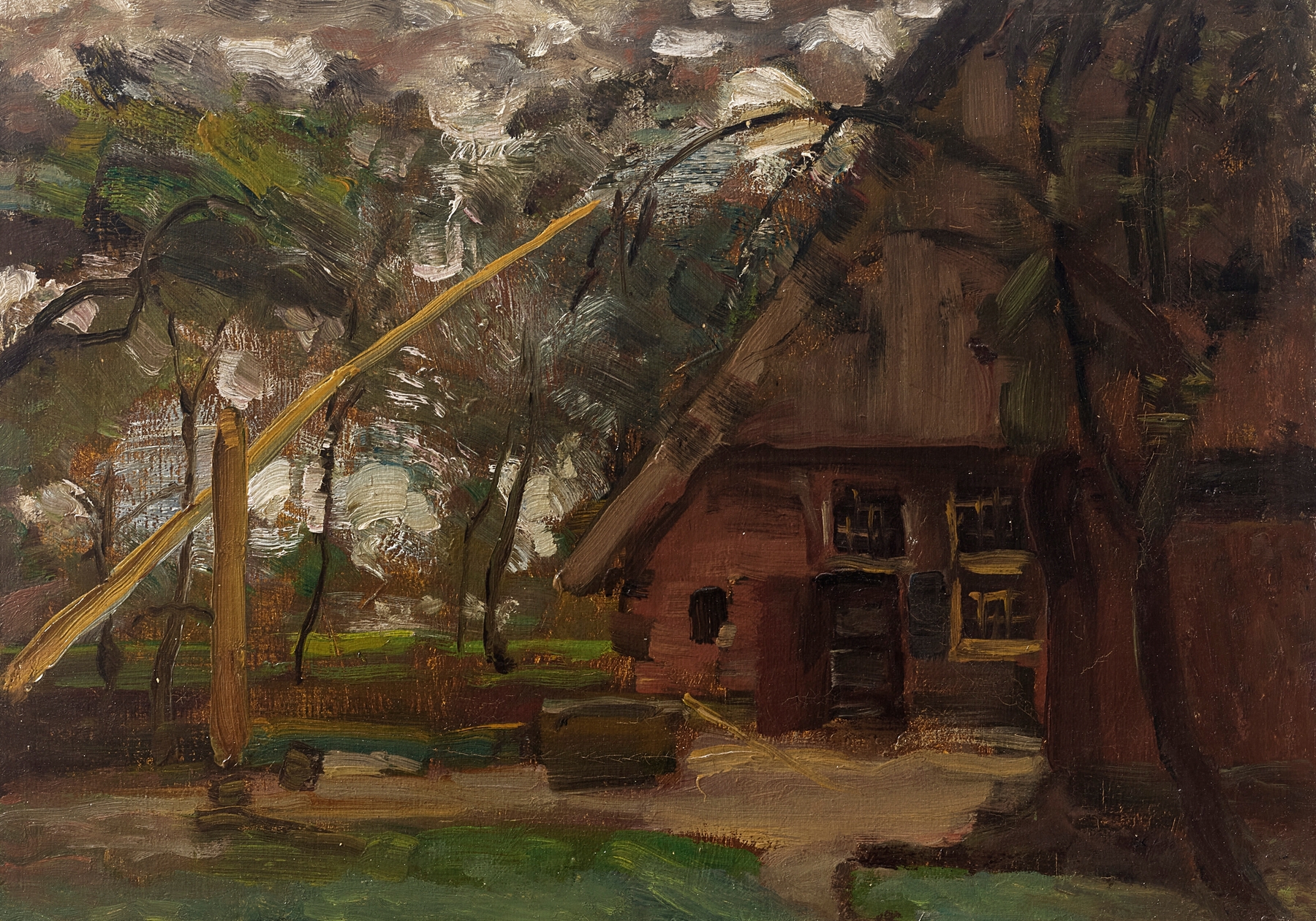
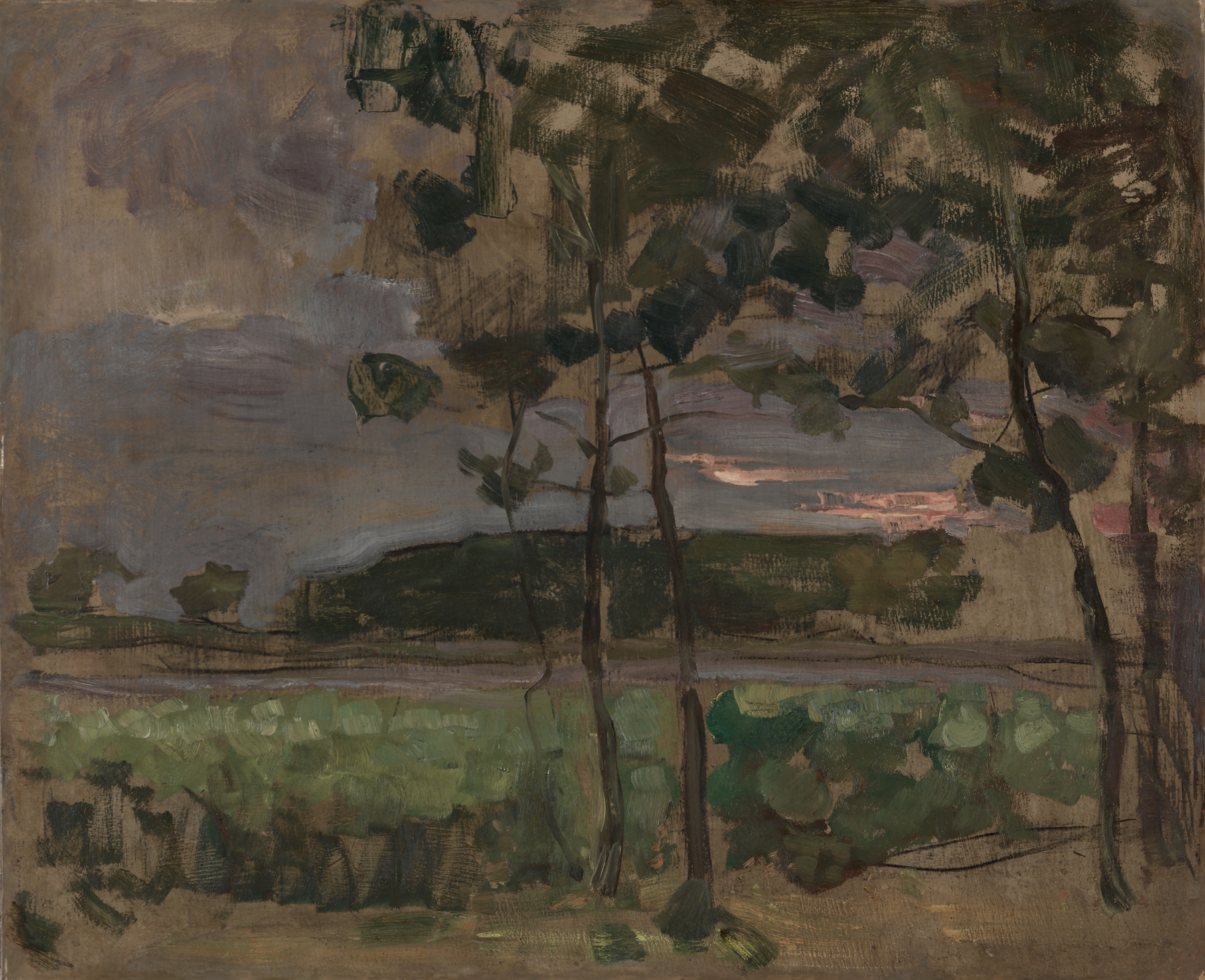
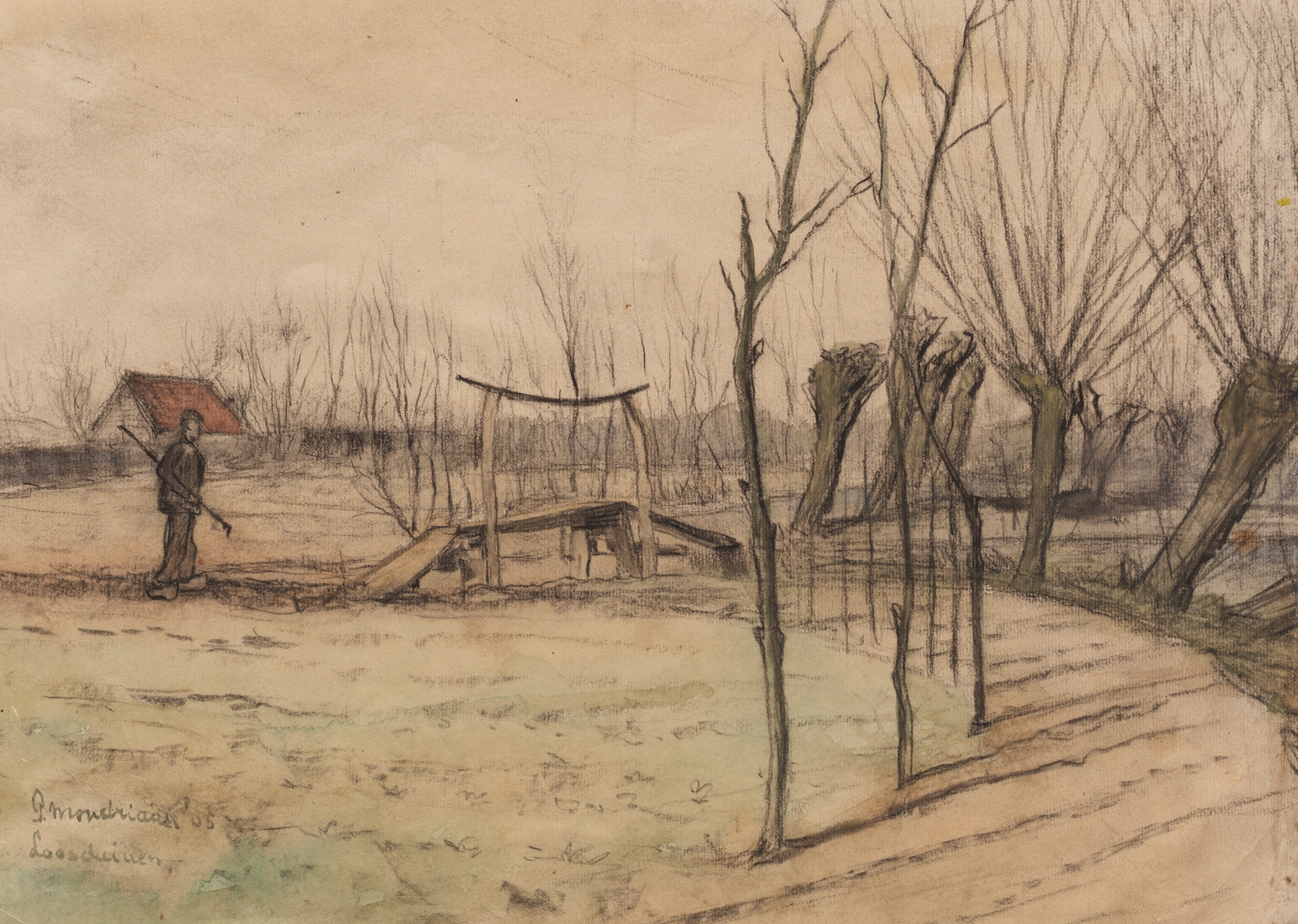
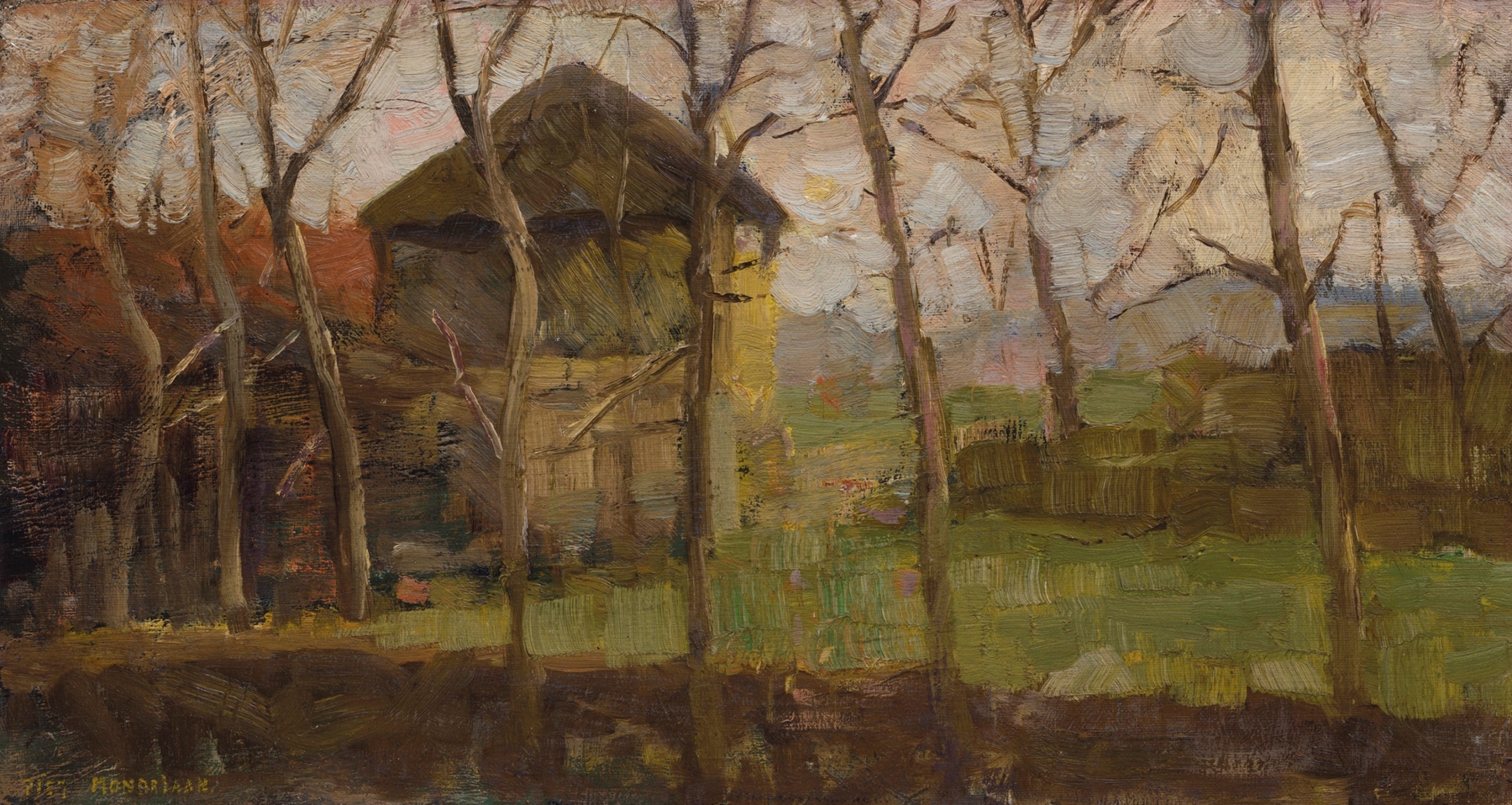
“Between color and silence, truth hides.” Hope emerges from the simplicity of everyday life, illuminating the deeper yearnings of the human spirit. Look closely at the central structure in Farm Building With Well In Daylight, where the soft hues of yellow, ochre, and muted greens create a sense of calm and stability. The building stands as a testament to humanity's connection to the land, framed by the expansive sky that breathes life into the scene. Notice how the light dances across the surface, enhancing the textures while casting gentle shadows that hint at movement and time passing.
Within this tranquil depiction lies a contrast between the solidity of the farm building and the ephemeral quality of the surrounding atmosphere. The well, while a symbol of sustenance, also evokes a sense of longing, holding the promise of water — the essence of life. The almost abstract handling of forms reflects an underlying tension, suggesting that even in the most mundane settings, there exists a profound complexity of human experience.
Piet Mondrian painted this work in 1907, a time when he was deeply engaged in exploring the interplay of abstraction and representational forms. Living in the Netherlands, he was influenced by the rural landscapes around him, which inspired his early works before he fully embraced pure abstraction. This period marked a significant transition in his artistic journey, as he sought to balance structure with emotional depth.