Farm near Duivendrecht — History & Analysis
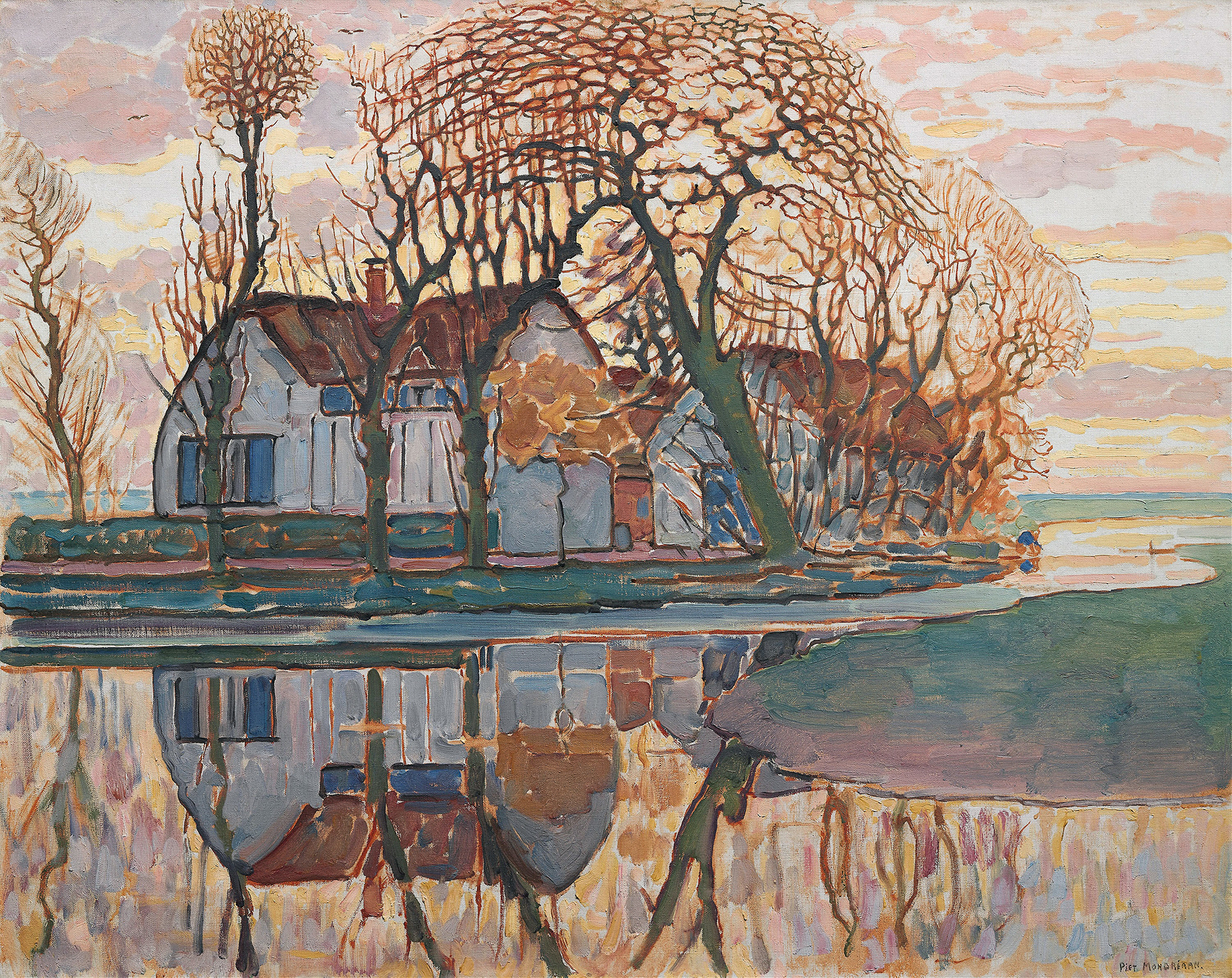
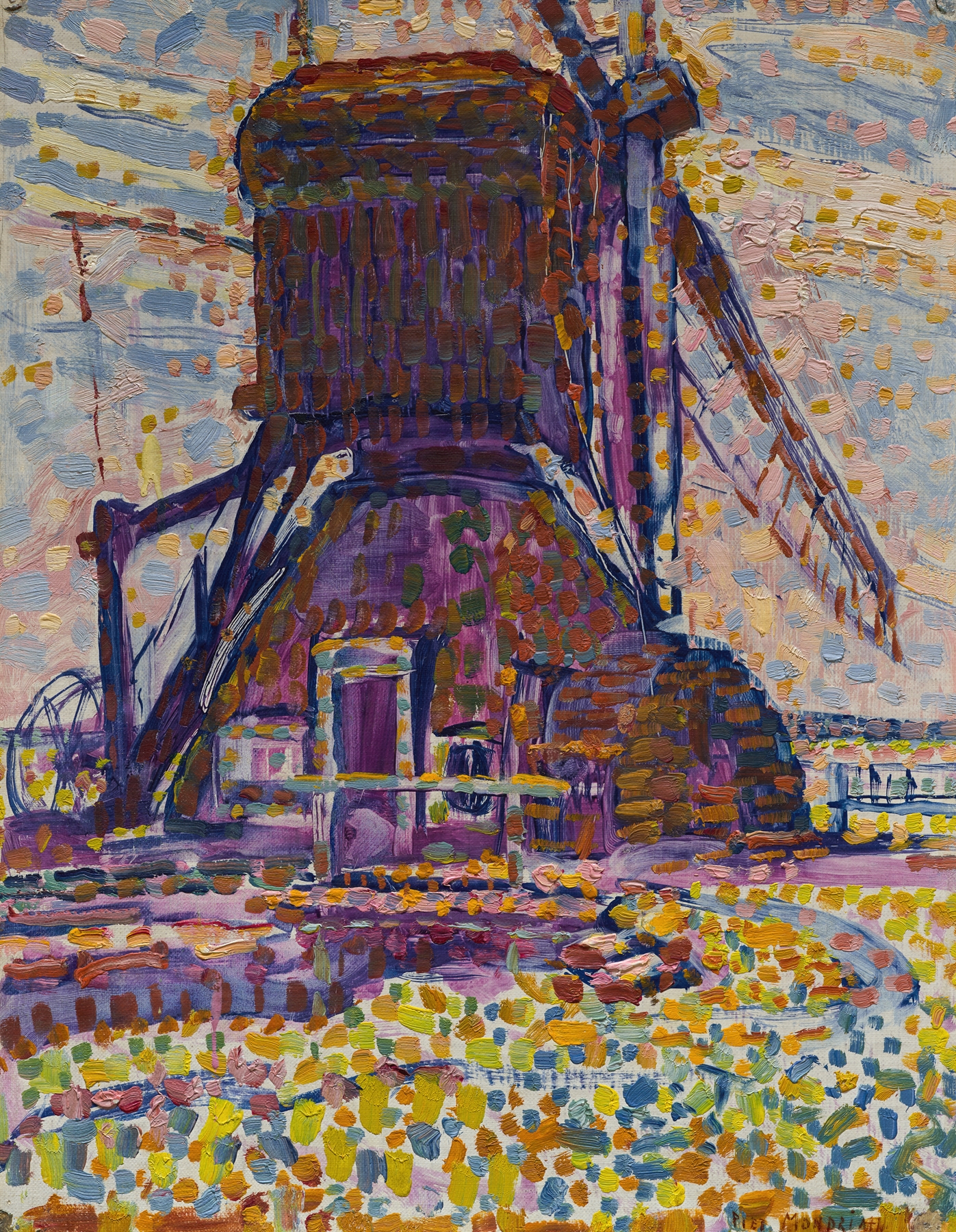
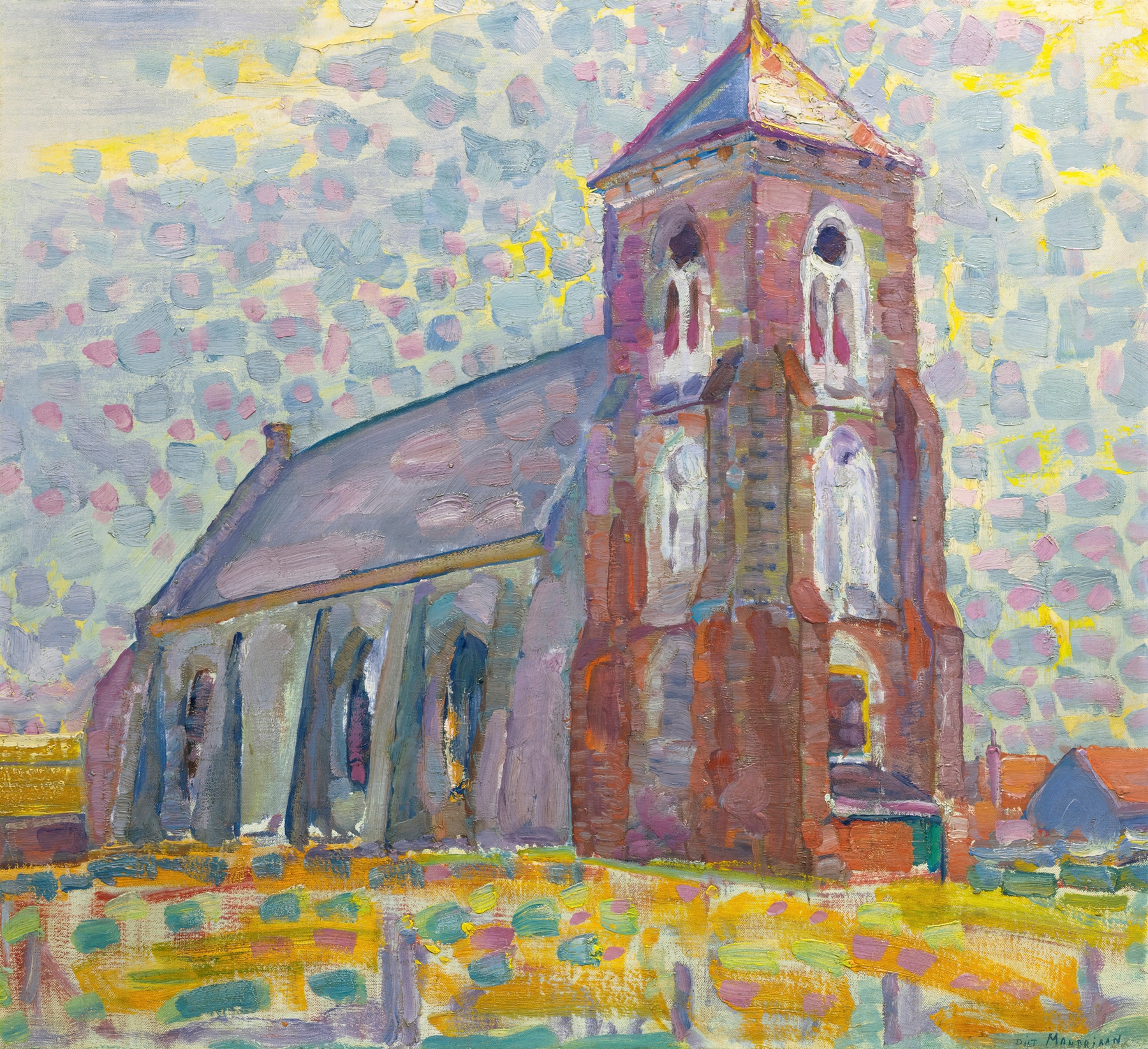
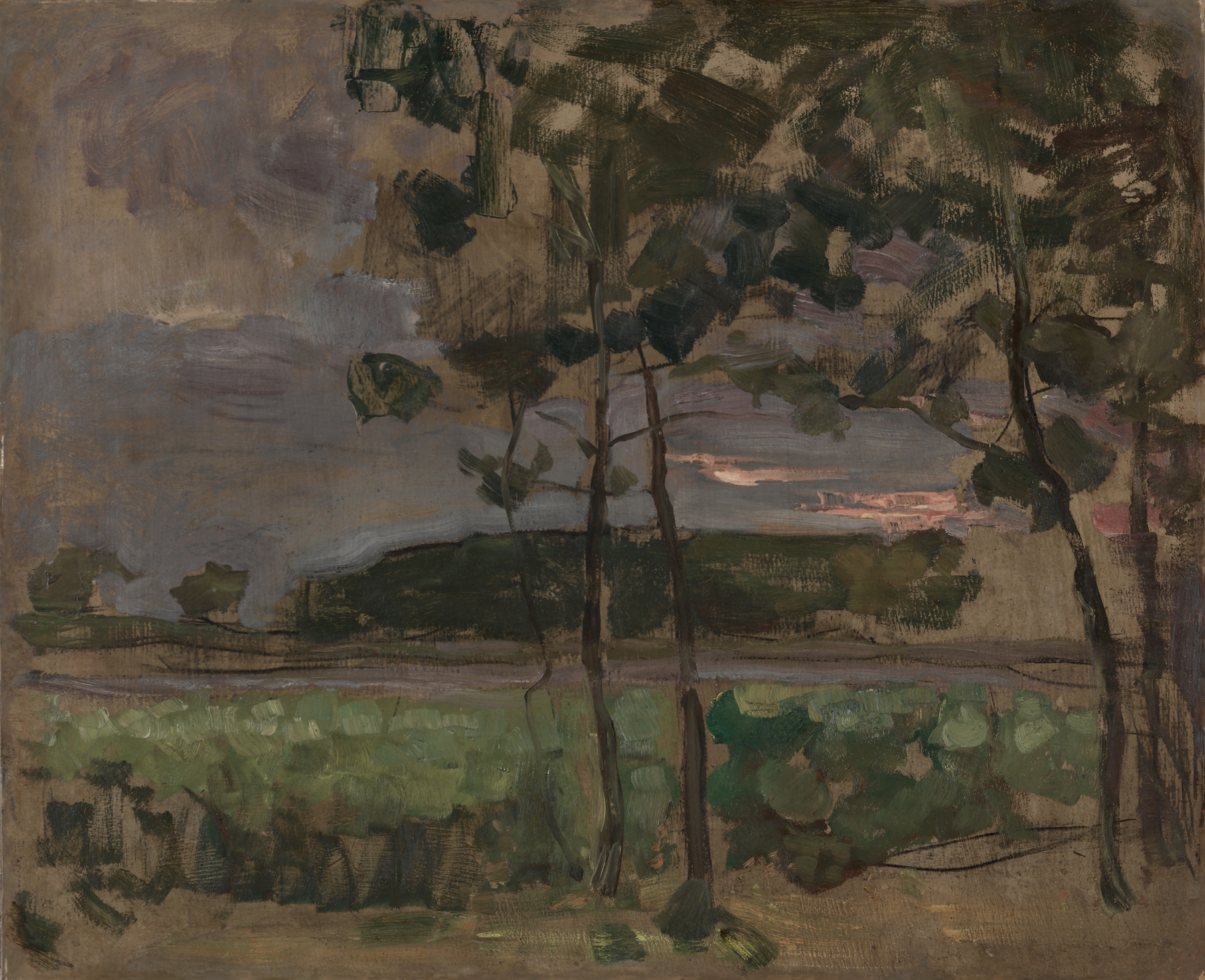
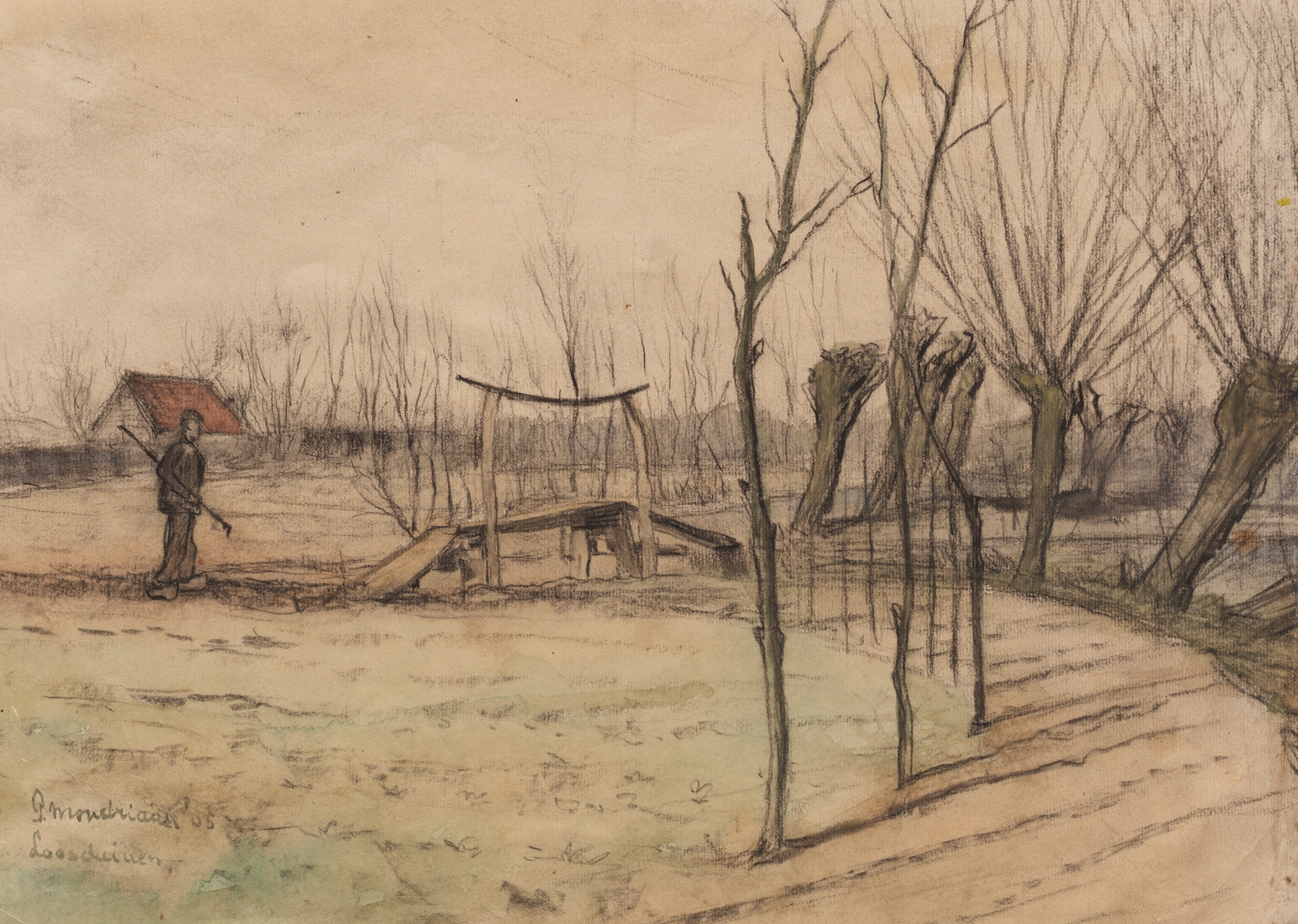
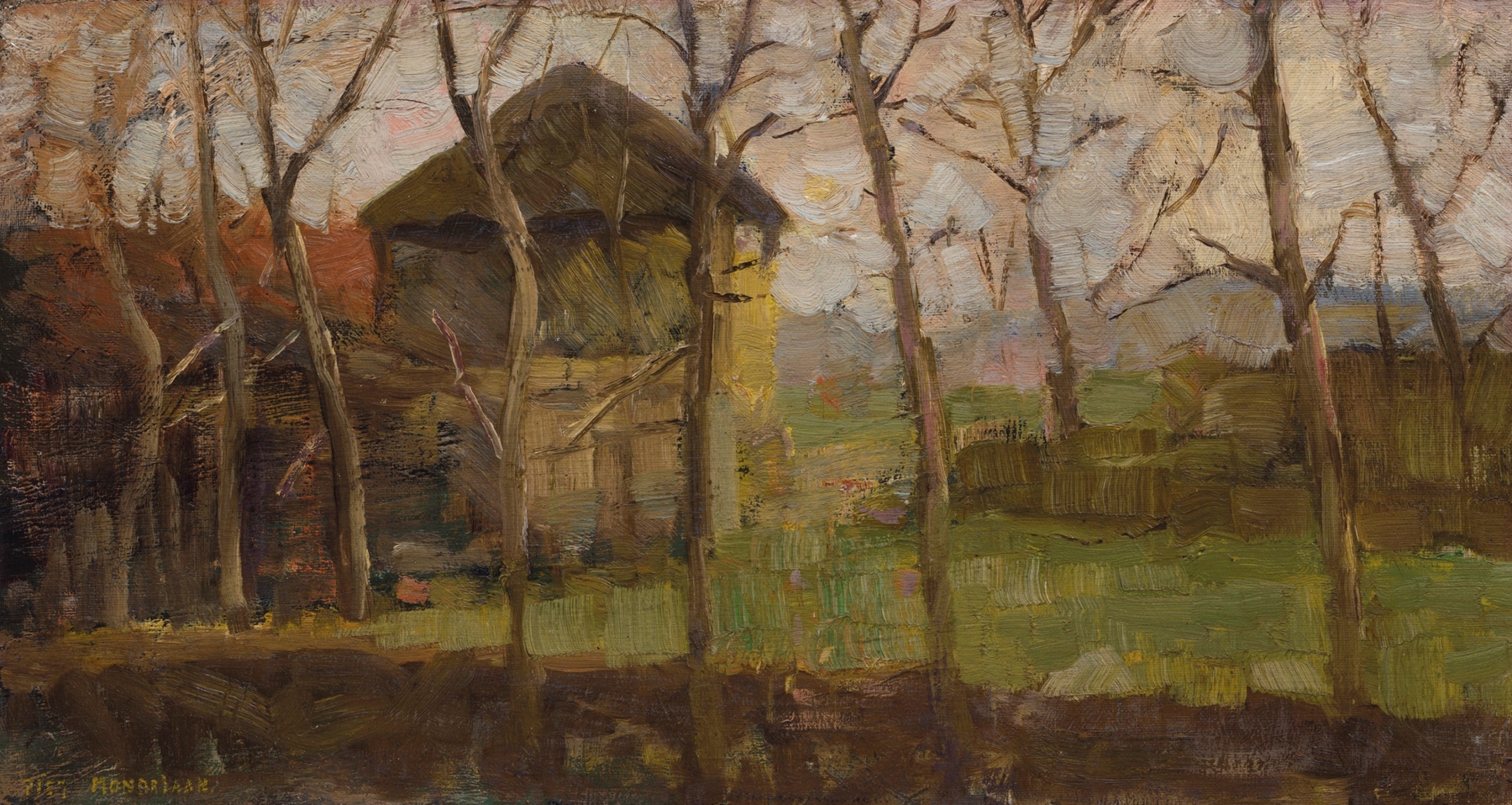
What if beauty was never meant to be finished? In Farm near Duivendrecht, a sense of reflection emerges from the simplicity of rural life filtered through a modern lens. Look closely at the upper left quadrant of the canvas; there lies a delicate interplay of muted yellows and greens, suggesting a landscape kissed by soft sunlight. The balance of rectangles and lines directs your gaze across the surface, where the structure of the farm gently grounds the composition amid the fluidity of nature.
This painting, though devoid of intricate details, employs bold geometric shapes that invite contemplation, inviting the viewer to perceive movement and stillness in equal measure. Upon deeper inspection, the contrast between the stark, organized forms of the farmhouse and the organically flowing lines of the surrounding fields evokes a tension between civilization and nature. The sophisticated arrangement hints at an inner dialogue—what is lost in the quest for order? Each brushstroke reflects Mondrian's belief in harmony, yet suggests an ongoing struggle to reconcile the chaos of life with the desire for aesthetic clarity.
The muted palette adds a layer of nostalgia, echoing the passage of time and the transient nature of beauty itself. Created around 1916, this work emerged during a turbulent period in Mondrian's life, as he navigated the devastation of World War I in Europe. Living in the Netherlands, he was deeply influenced by the evolving art movements around him, particularly the rise of abstraction. This period marked a decisive shift in his approach, as he sought to distill the essence of his surroundings into a pure, harmonious form, paving the way for his iconic contributions to modern art.