Figures in a Landscape — History & Analysis
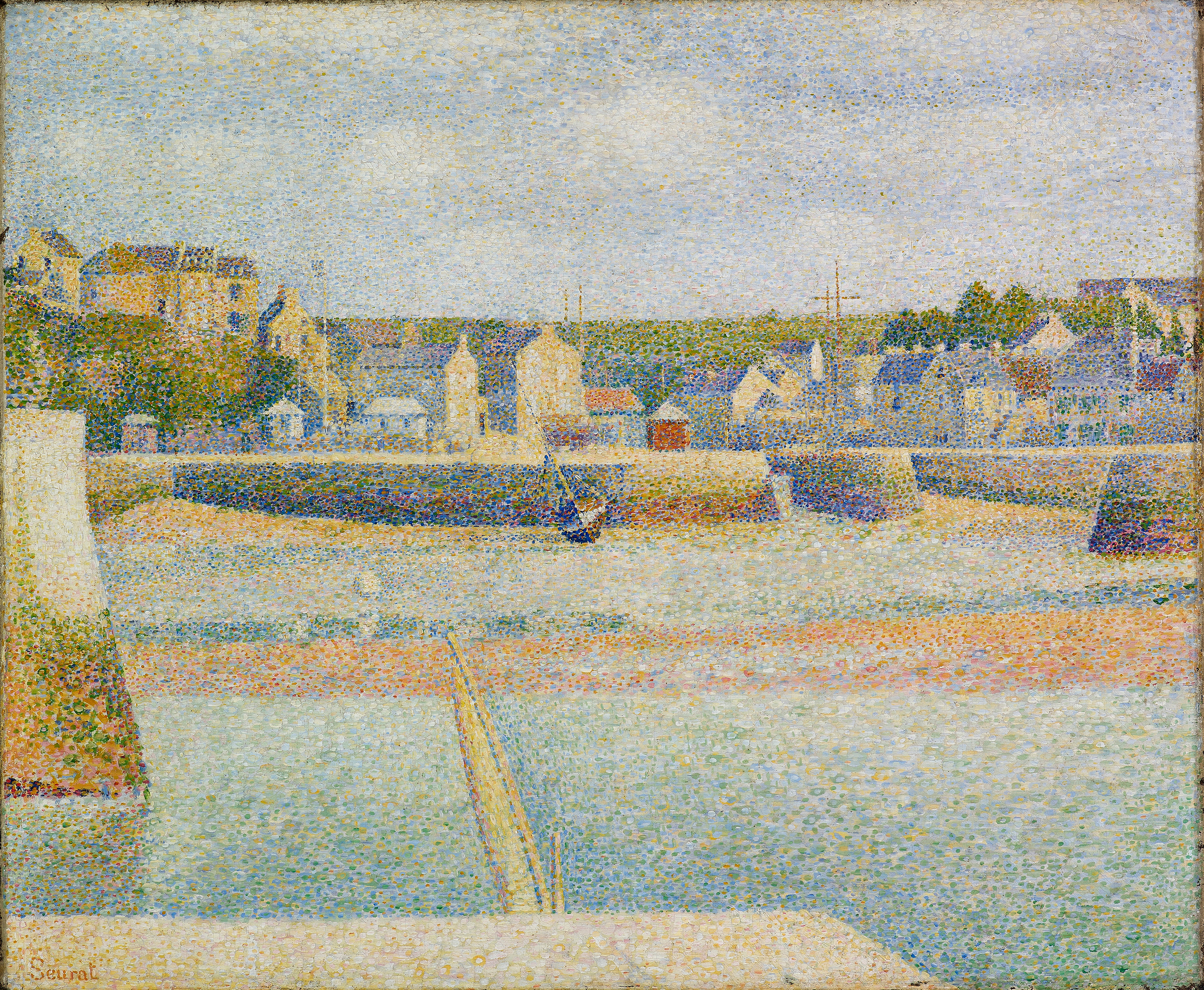
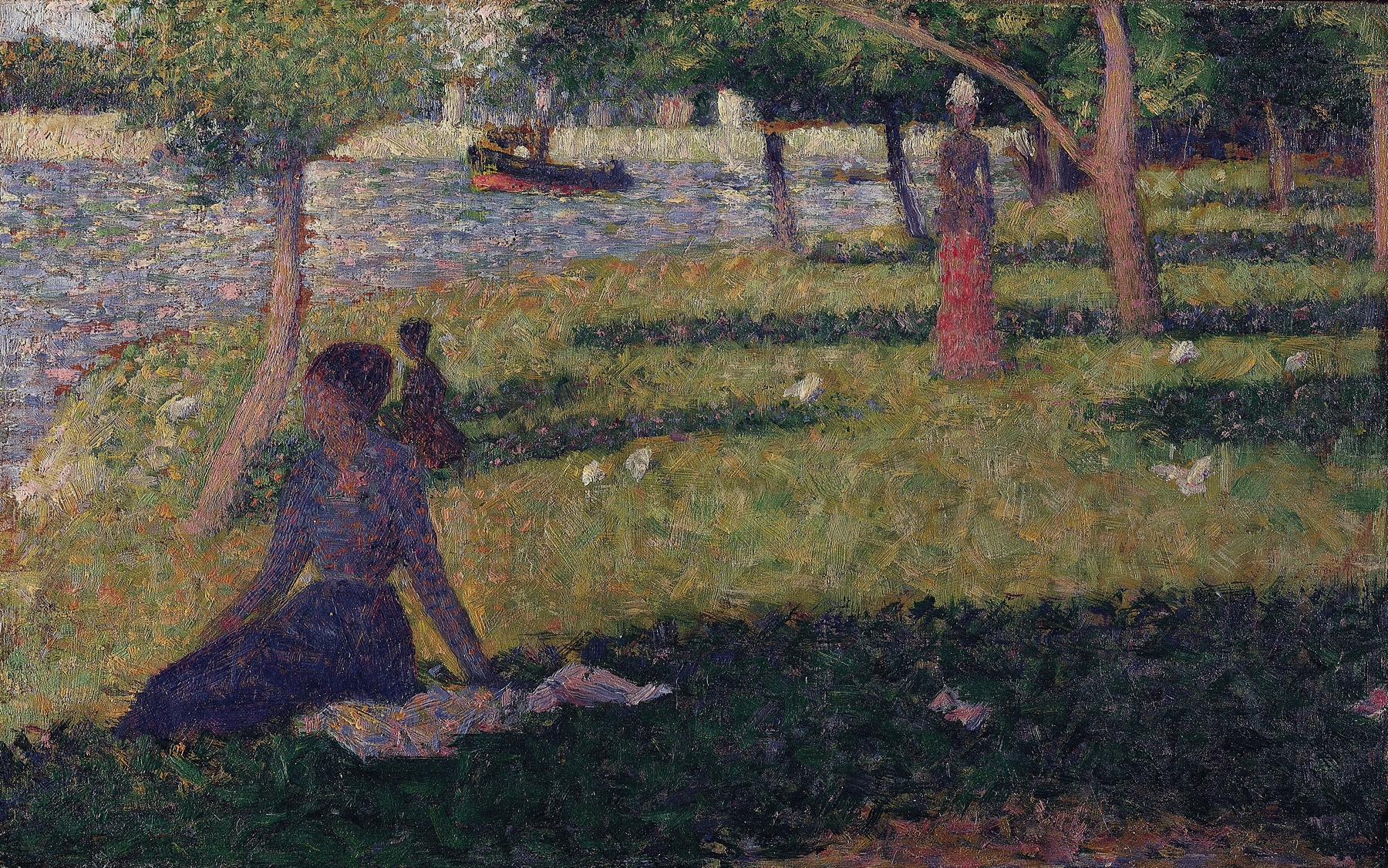
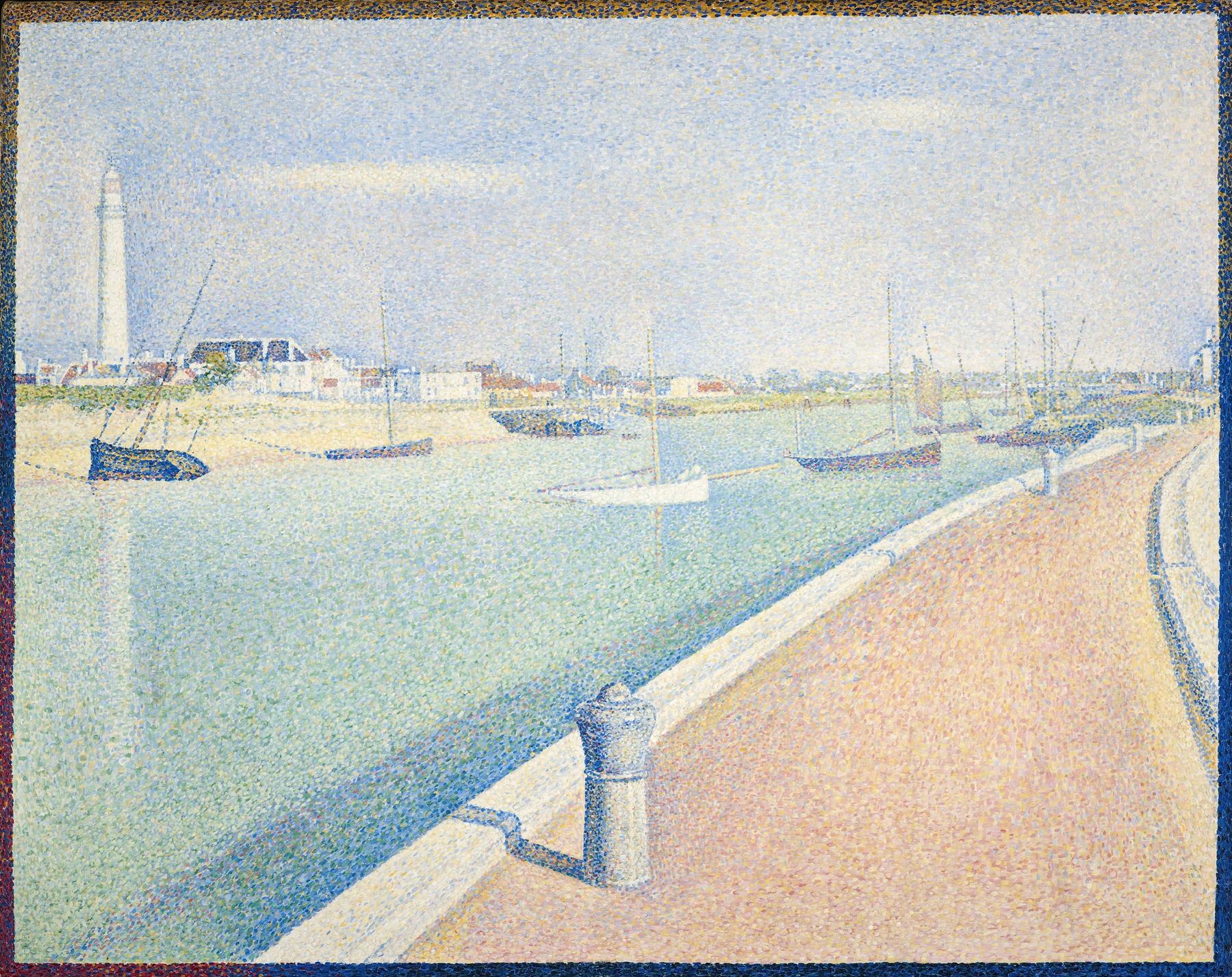
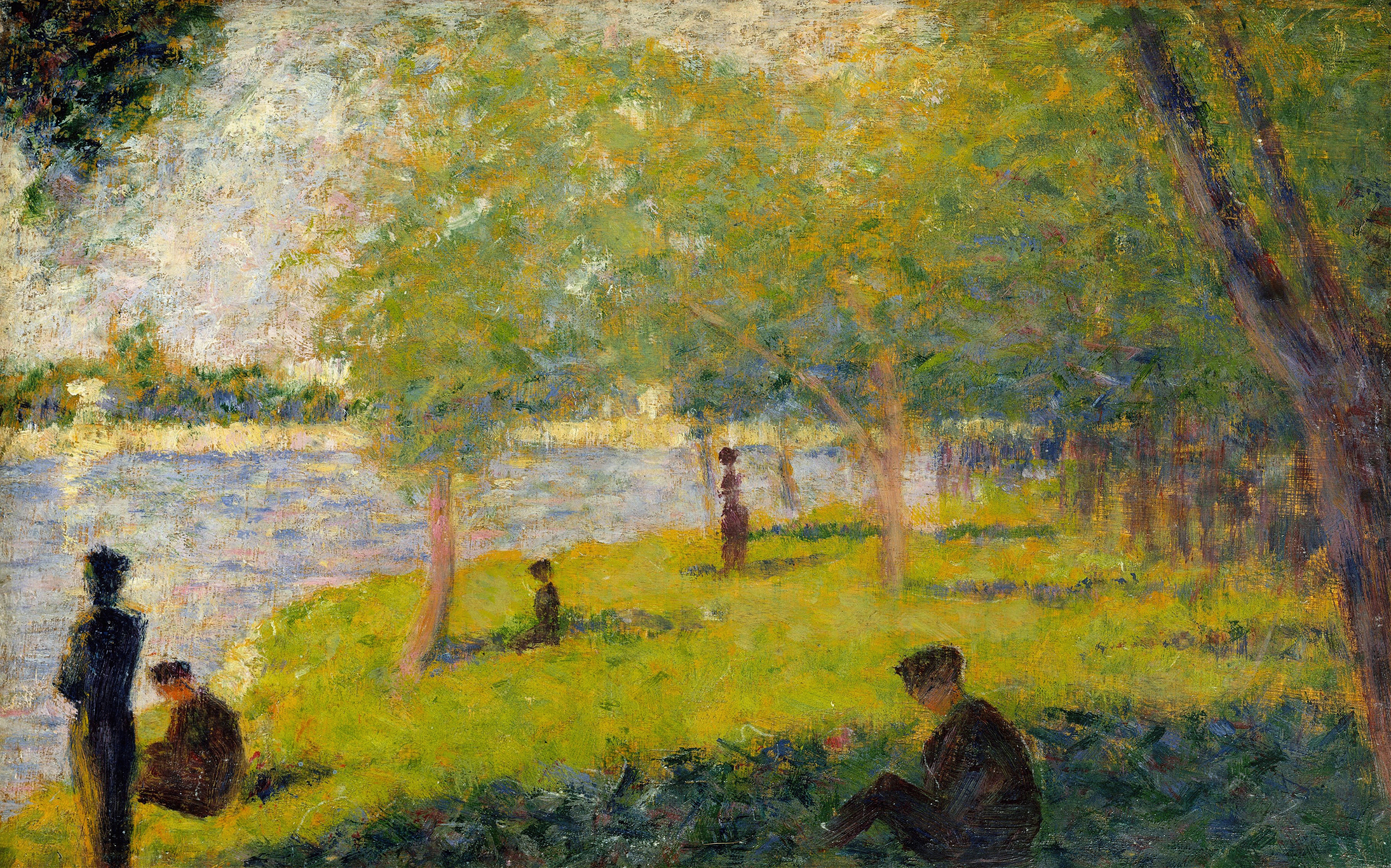
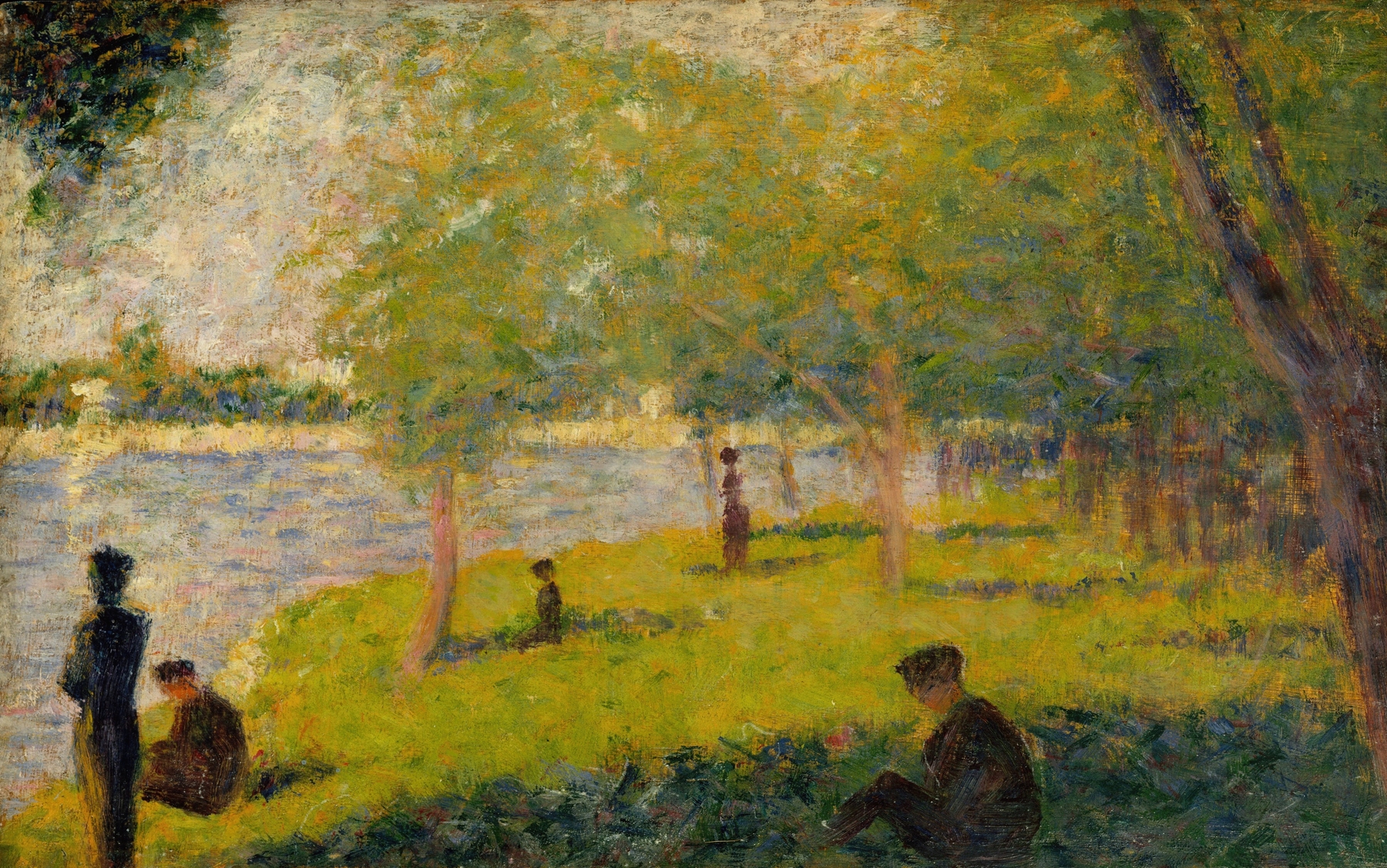
When did color learn to lie? As it dances across the canvas, it seduces the eye with vibrant hues that conceal the truths beneath the surface. Look closely at the lower left corner where the figures stand amidst a lush landscape. Notice how the sunlight flickers through patches of green and gold, creating a playful interplay between shadow and illumination. The precise yet fragmented brushstrokes, characteristic of pointillism, allow the colors to blend optically rather than physically, giving a sense of movement and vibrancy.
Each dot contributes to an overall illusion of life, while the underlying tension between the figures and their surroundings evokes a feeling of estrangement. The contrasting emotions in Figures in a Landscape hint at a deeper narrative of decay. The foreground figures appear almost trapped in their idyllic setting, with the lush greenery juxtaposing their stillness. As you observe the distance, a sense of foreboding arises—nature’s beauty is tinged with impermanence, as the vibrant colors suggest both vitality and inevitable decline.
The viewers' gaze is drawn outward, where the fading hues signal a change, a reminder that even the most picturesque scenes carry whispers of transformation. Created around 1883, this piece captures Seurat during a period of artistic exploration, deepening his interest in color theory and optical effects. Living in Paris, he was influenced by the rise of Impressionism, yet aimed to push the boundaries of perception through calculated techniques. The world of art was evolving rapidly, and in this moment, Seurat sought to find balance between structure and spontaneity, laying the groundwork for modern approaches to color and form.