Figures on a Hill Overlooking Pompeii — History & Analysis
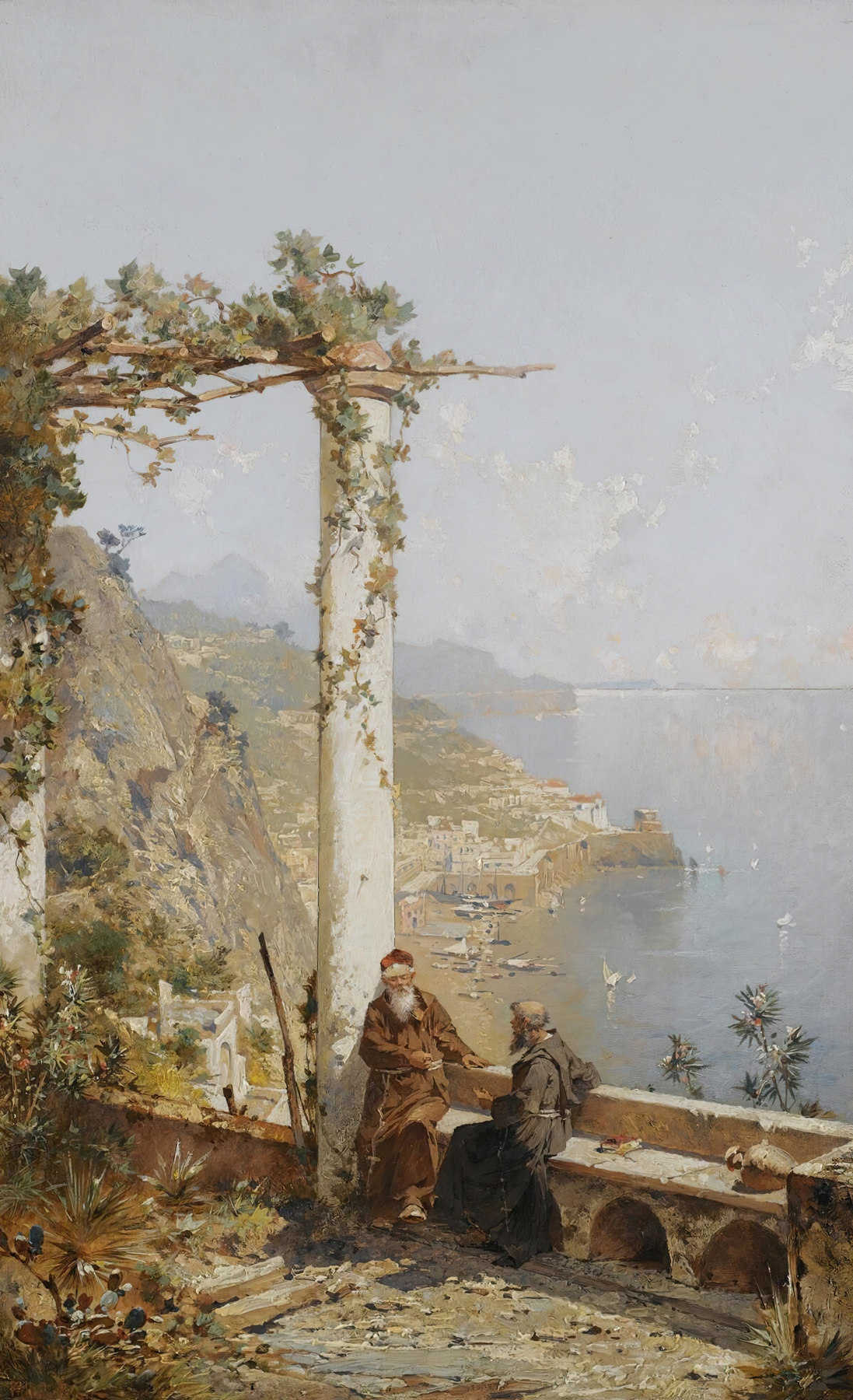
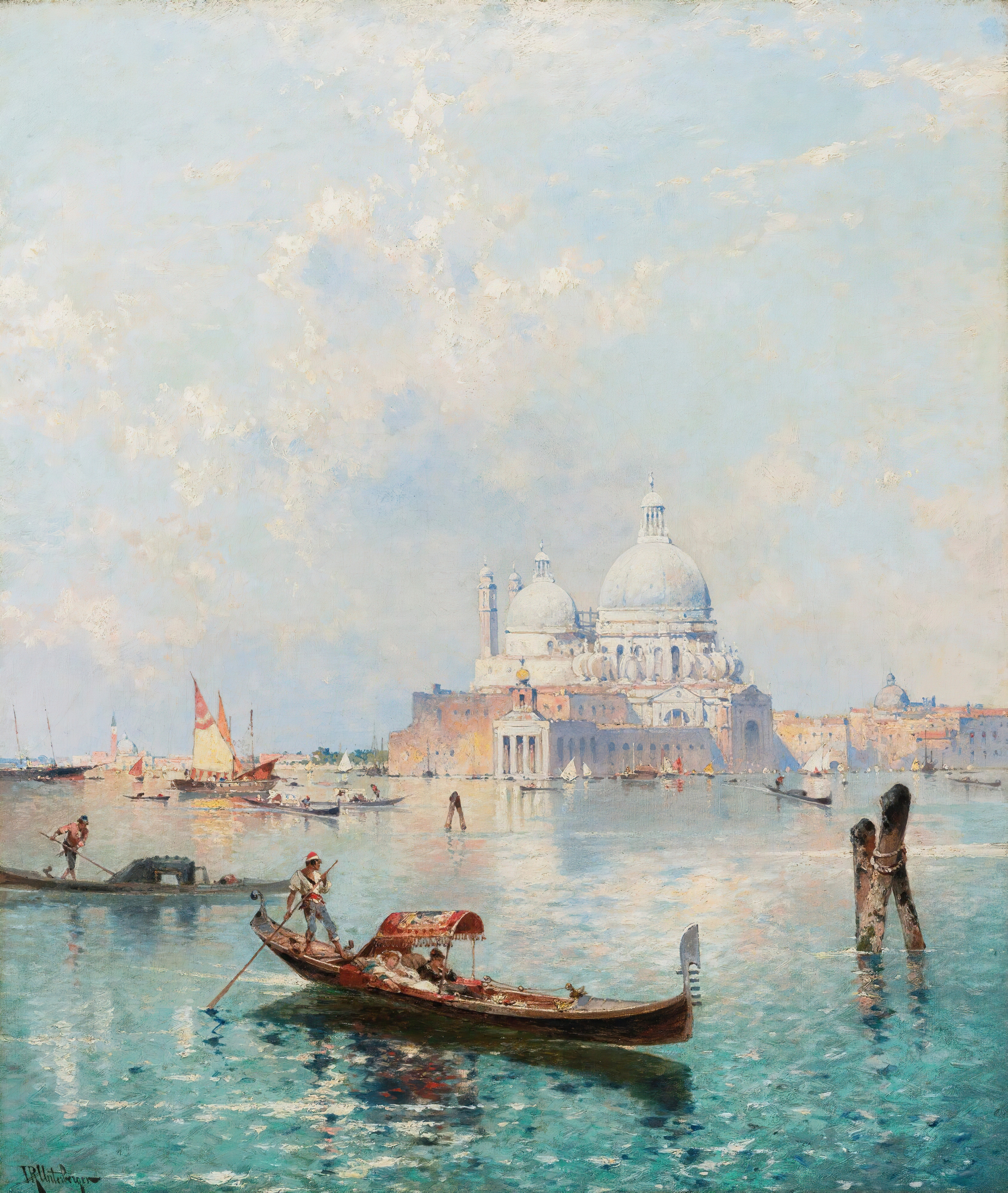
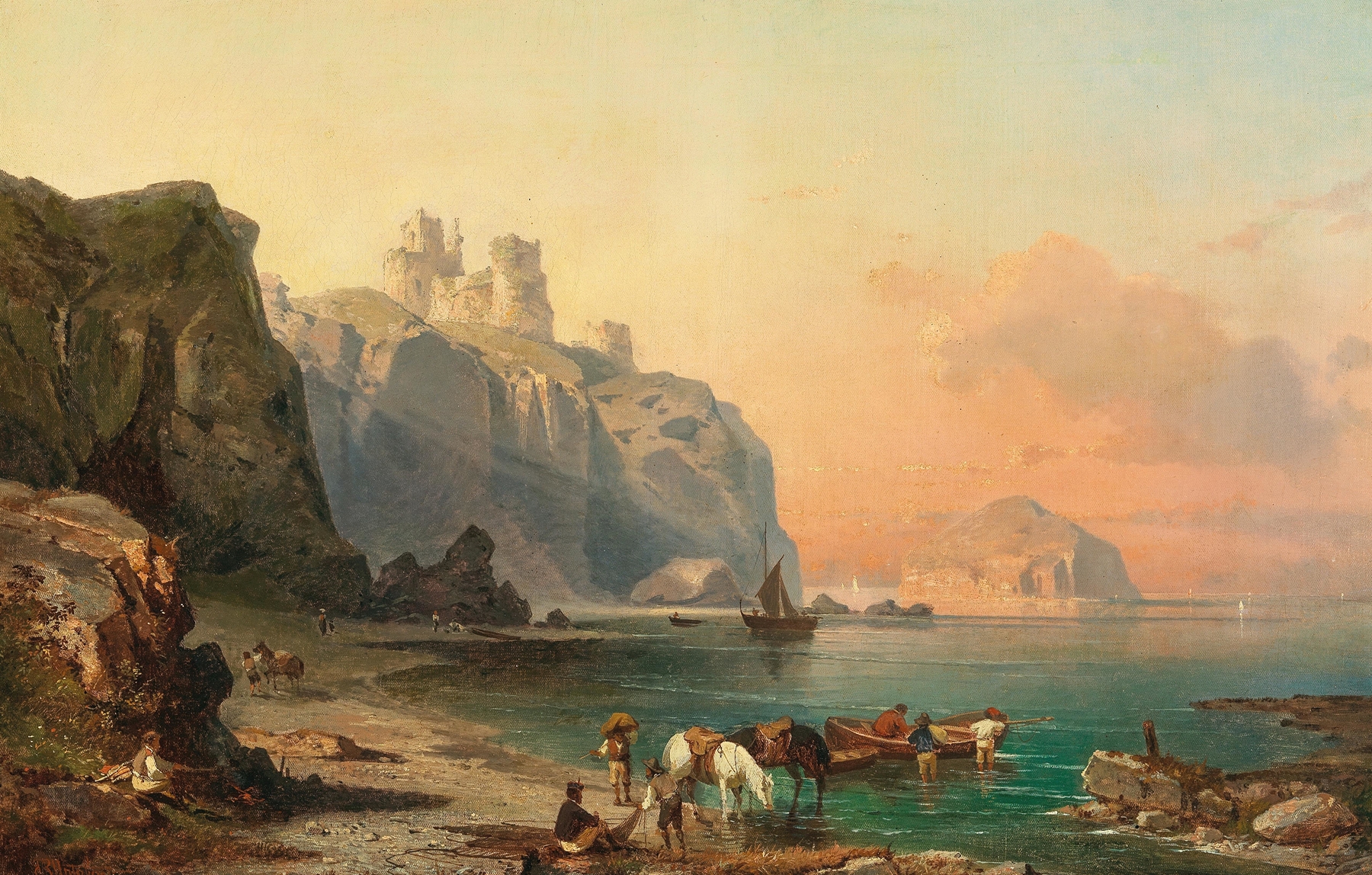
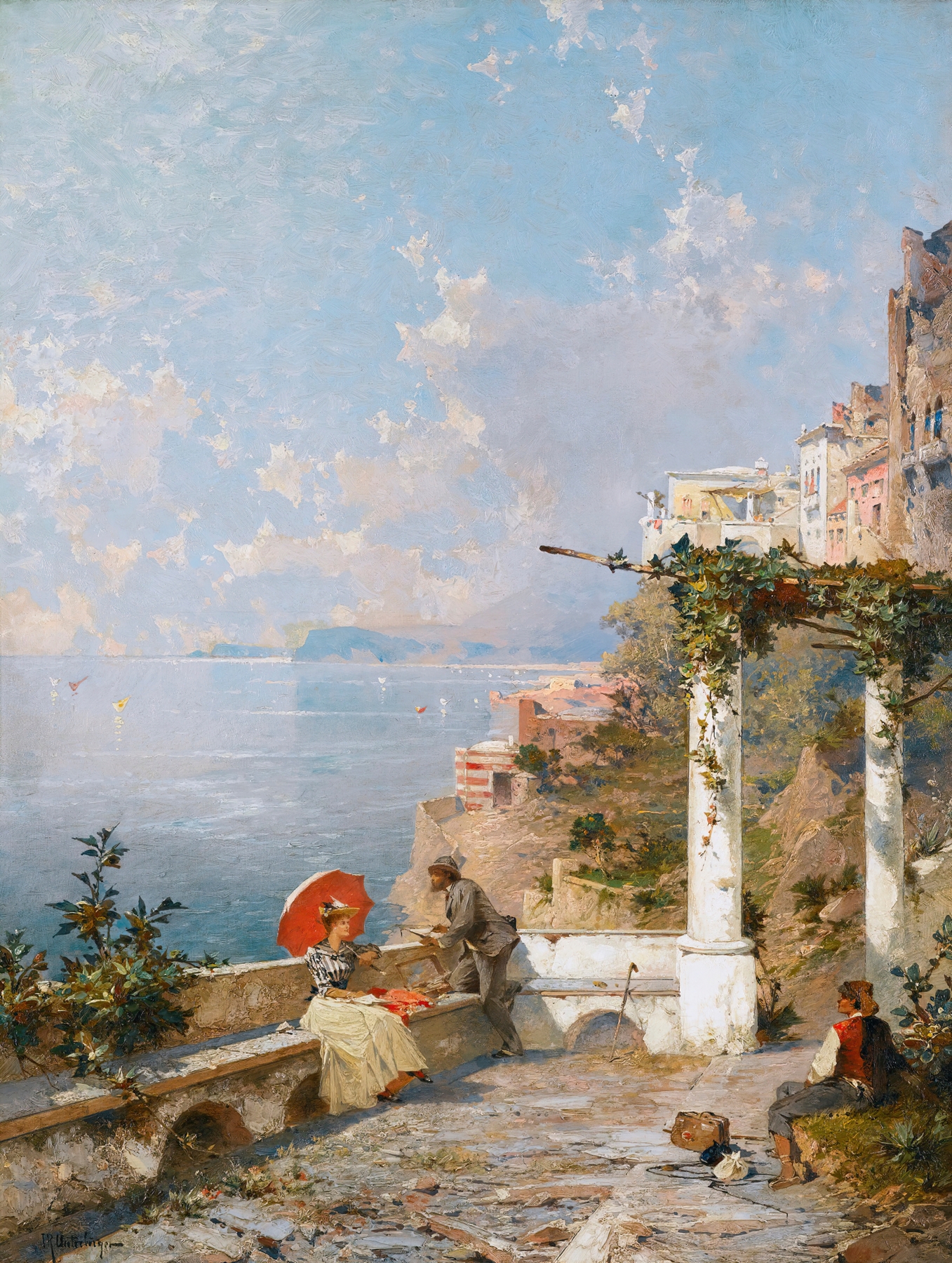
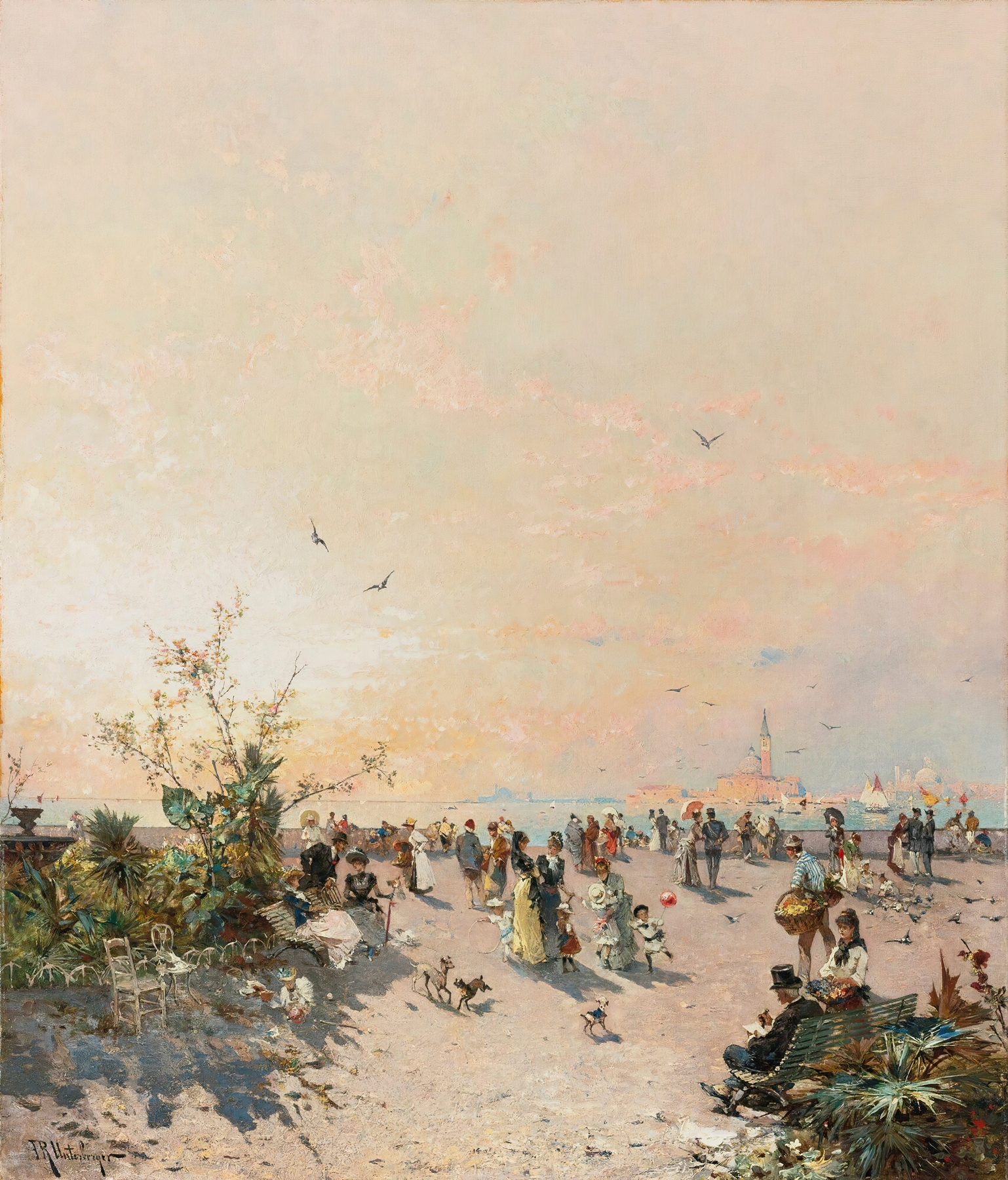
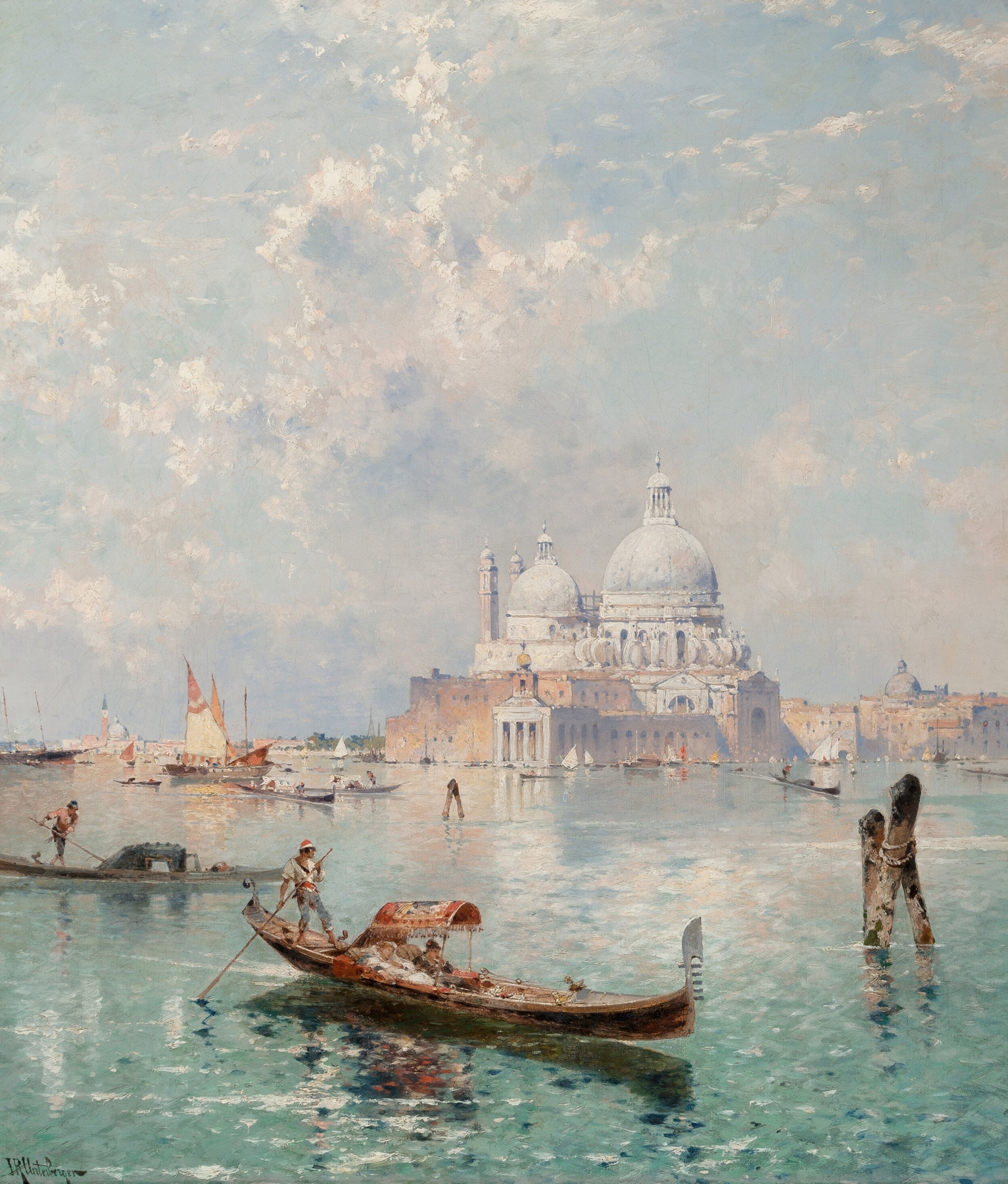
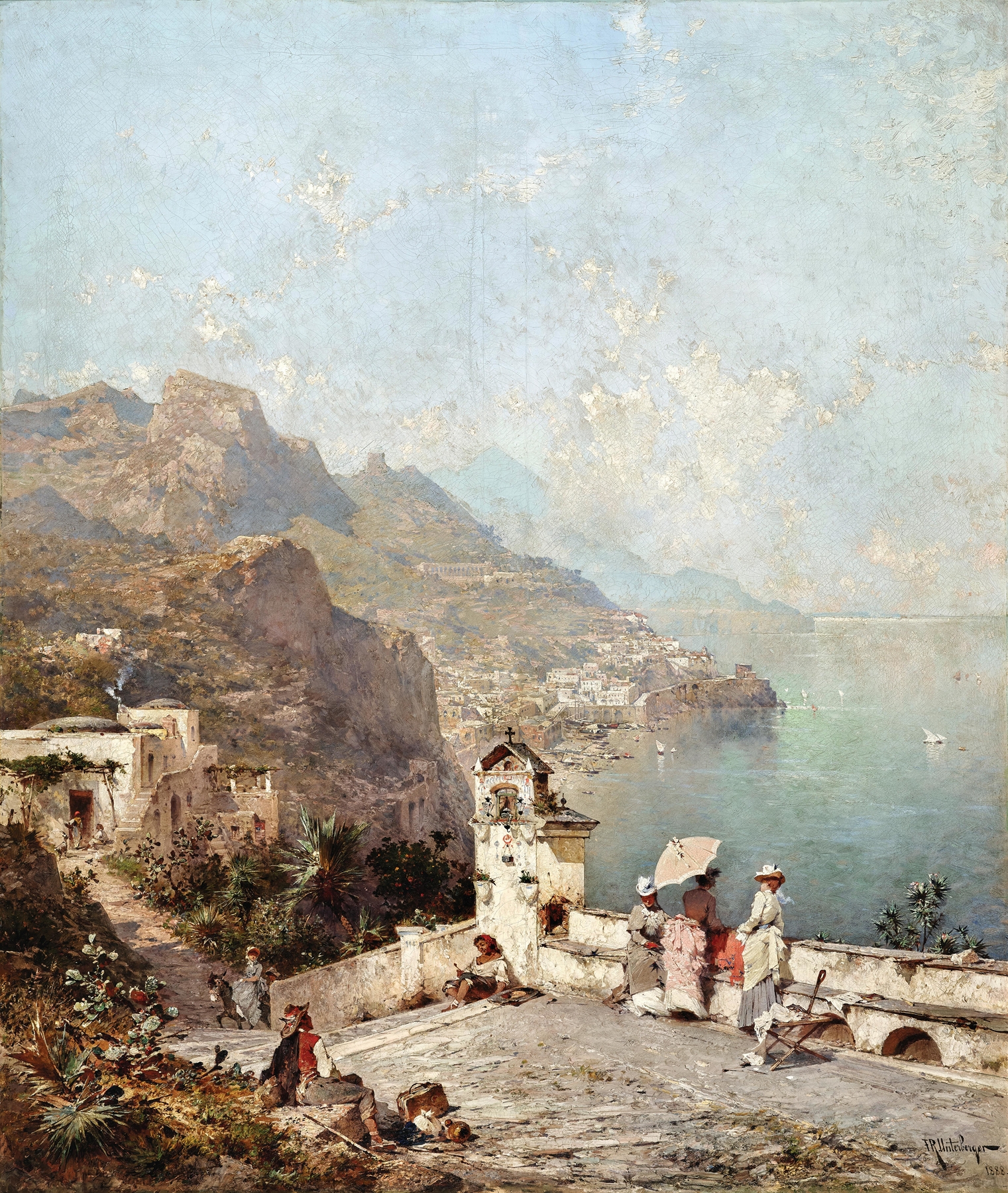
“Sometimes beauty is just pain, disguised in gold.” This notion echoes through the brushstrokes of the landscape, where vibrant hues mask the shadows of tumult. The scene, set against the backdrop of ancient Pompeii, compels one to reflect on the transient nature of life and the undercurrents of revolution that ripple beneath the surface of apparent tranquility. Look to the horizon, where the warm sun dips towards the distant hills, casting a golden glow over the figures gathered in quiet contemplation. The artist employs a rich palette of yellows and greens, with contrasting dark shadows hinting at hidden narratives.
As you scan the canvas, notices how the figures' postures, relaxed yet alert, embody a duality of peace and impending change, capturing a moment poised on the brink of transformation. Amidst the beauty, there lies an unsettling tension; the figures' gazes are drawn not just to the picturesque landscape before them, but perhaps also towards the echoes of revolution lurking in their history. Each figure serves as an emblem of resilience, their presence both a celebration of life and a reminder of the fragility that precedes every great upheaval.
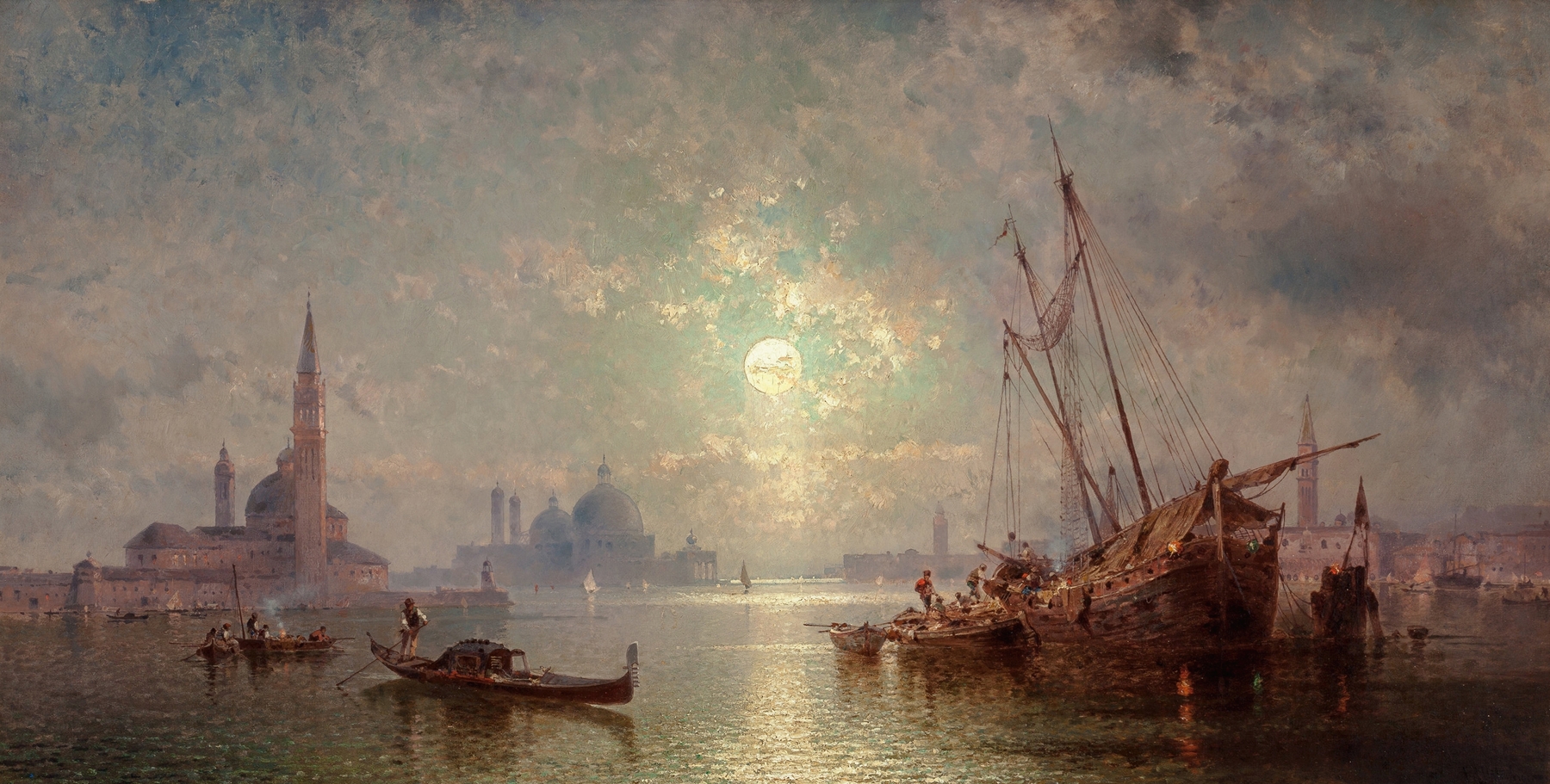
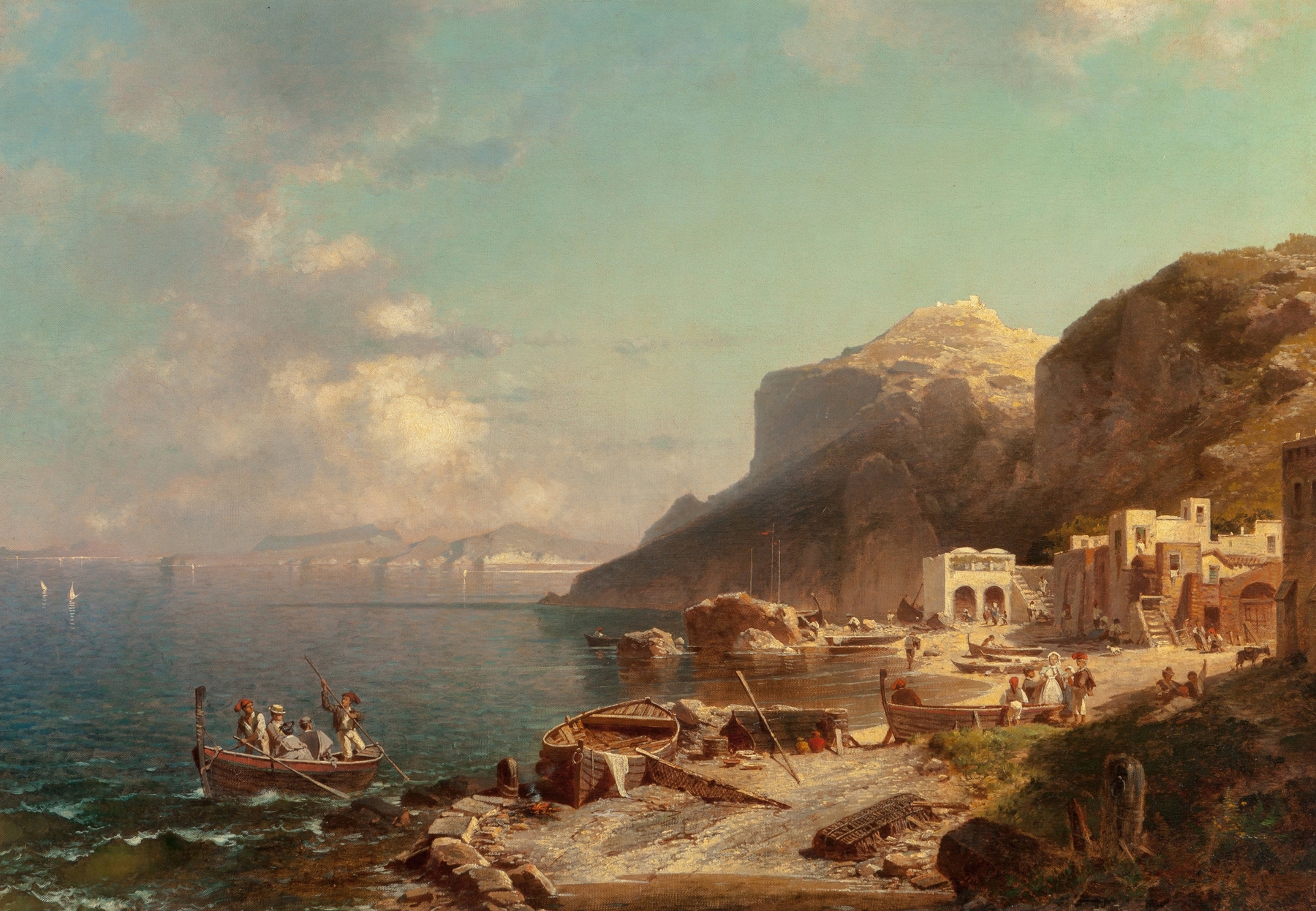
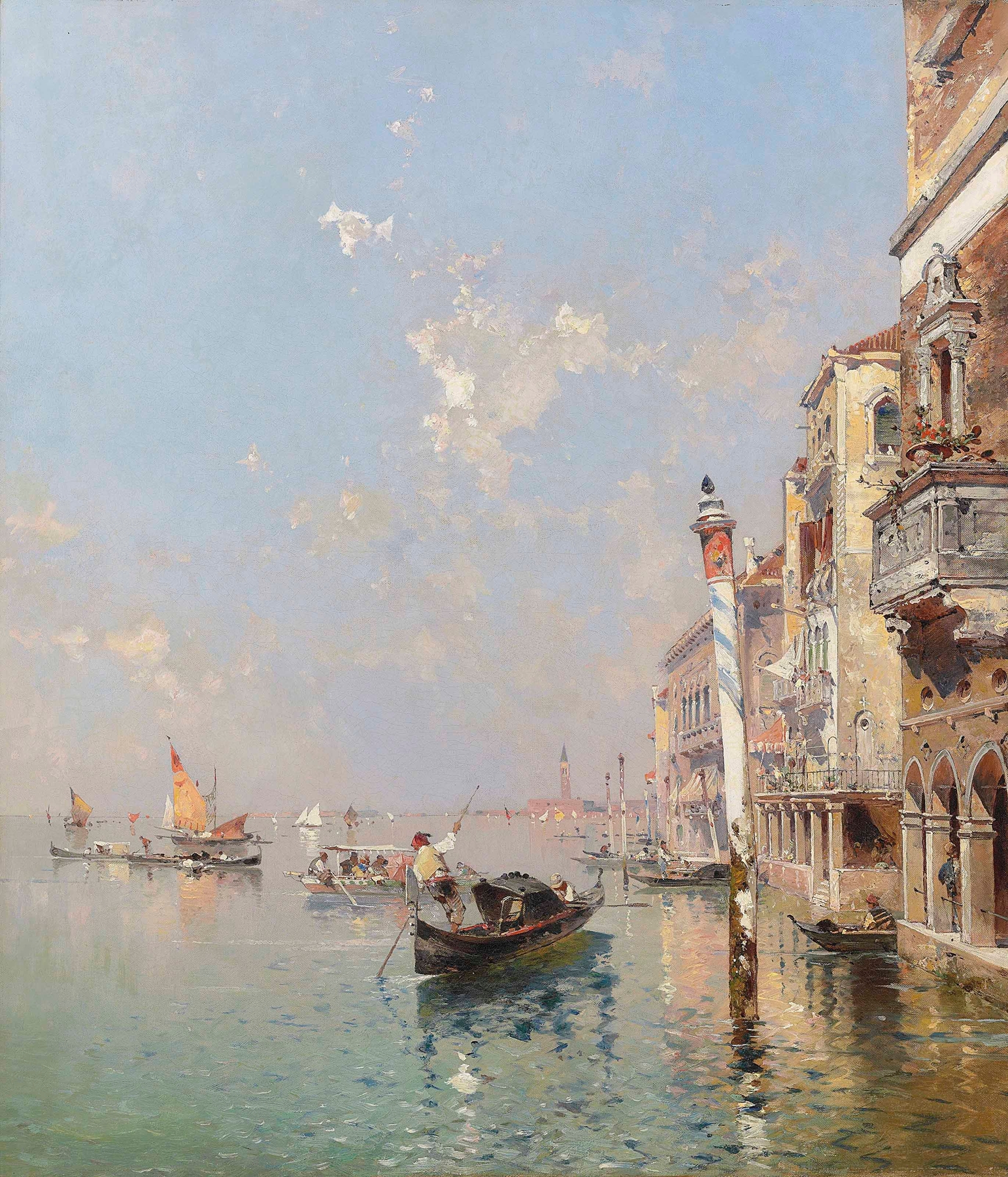
The landscape, although serene, carries the weight of what has been lost and what is yet to come. Franz Richard Unterberger painted this work during a time of political unrest across Europe, possibly in the late 19th century when revolutionary sentiments were surging. While he is known for his romanticized landscapes, this piece stands out as a poignant reflection on the connection between beauty and turmoil, encapsulating a moment in history where art became a vessel for the complex emotions of an evolving society.