Figures on the Beach — History & Analysis
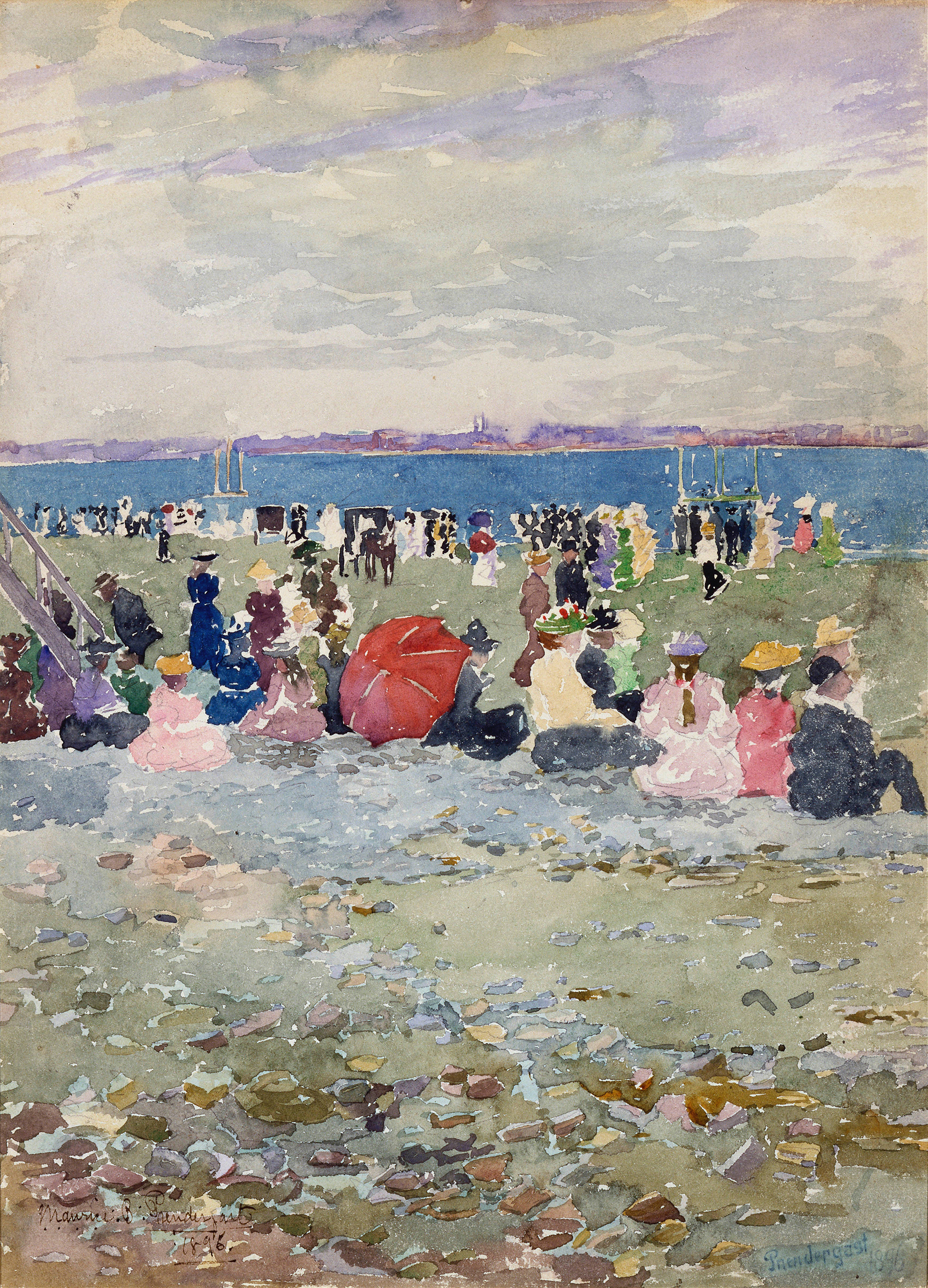
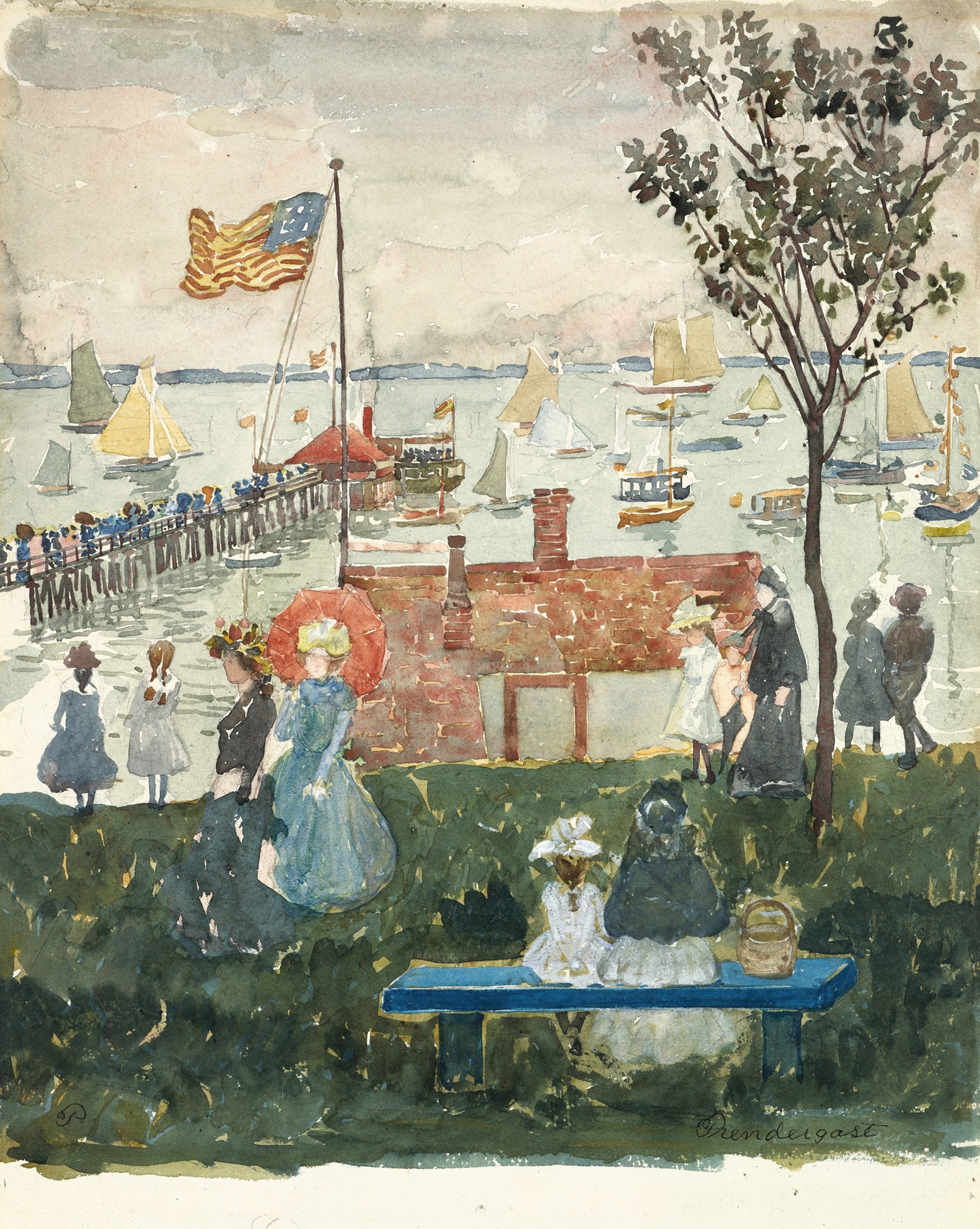
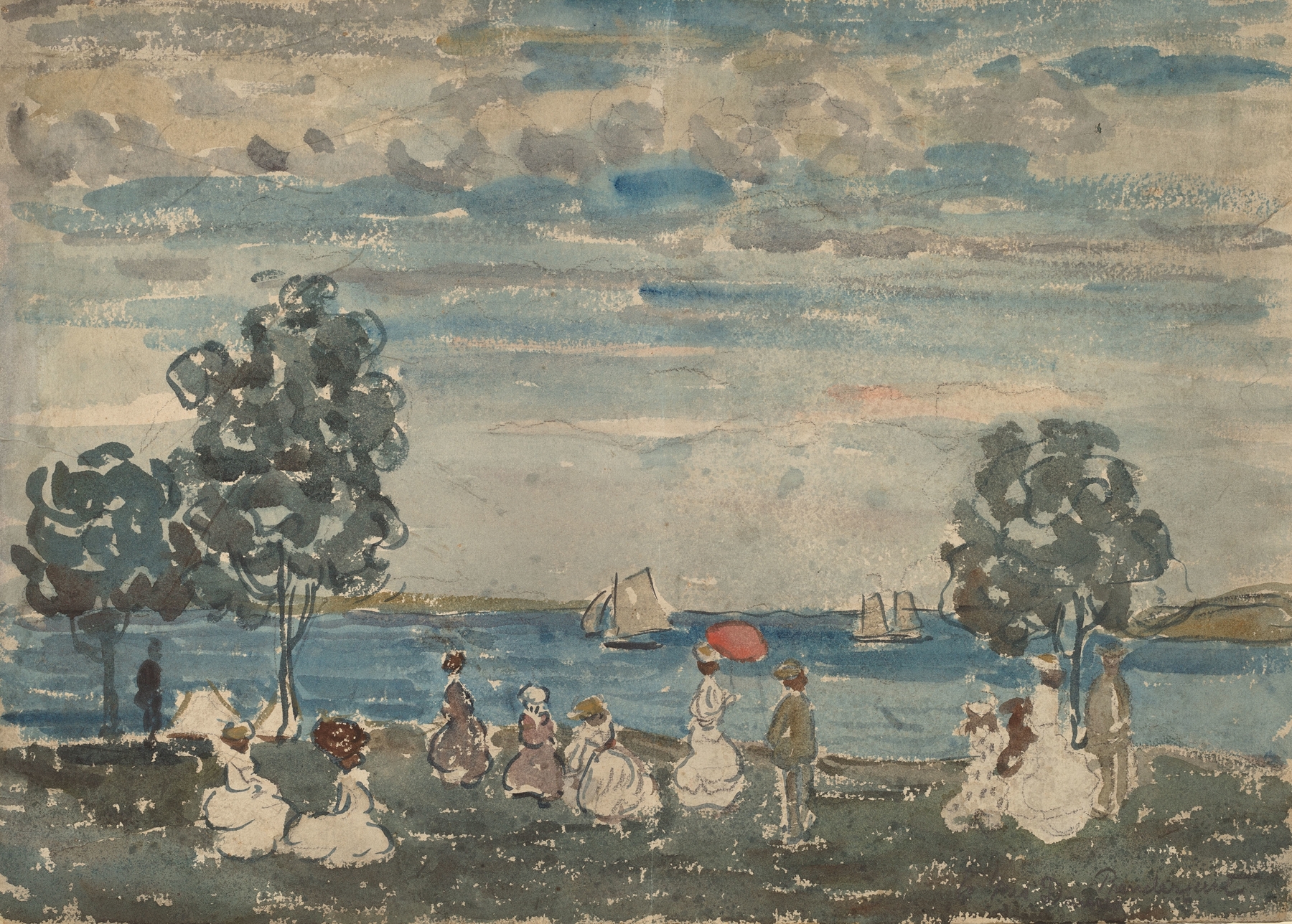
“Every silence here is a confession.” In the stillness of a summer day, a myriad of colorful figures dot the sandy shoreline, lost in their own worlds yet intertwined by the same horizon. The figures, though vibrant and animated, seem to carry a weight of unspoken longing, evoking a sense of melancholy that transcends the warmth of the sun. Each silhouette hints at untold stories, quietly etched in the fabric of the moment. Look to the left at the sun-drenched beach, where an array of swimmers blend with sunbathers, their pastel-colored garments merging with the shifting sands. Notice how the artist employs bold, loose brushstrokes, imbuing the scene with a rhythmic energy that captures the gentle sway of the sea.
The juxtaposition of vibrant colors against the muted backdrop creates a vivid tapestry, drawing the viewer’s eye toward the shimmering water, which reflects a kaleidoscope of hues that seem to dance in the light. As you explore further, consider the emotional undertones at play. The juxtaposition of joy and solitude is palpable; while the figures engage in leisure, an undercurrent of isolation threads through their interactions. The seemingly carefree poses contrast sharply with the distant, crashing waves, symbolizing the inevitable passage of time and the transient nature of happiness.
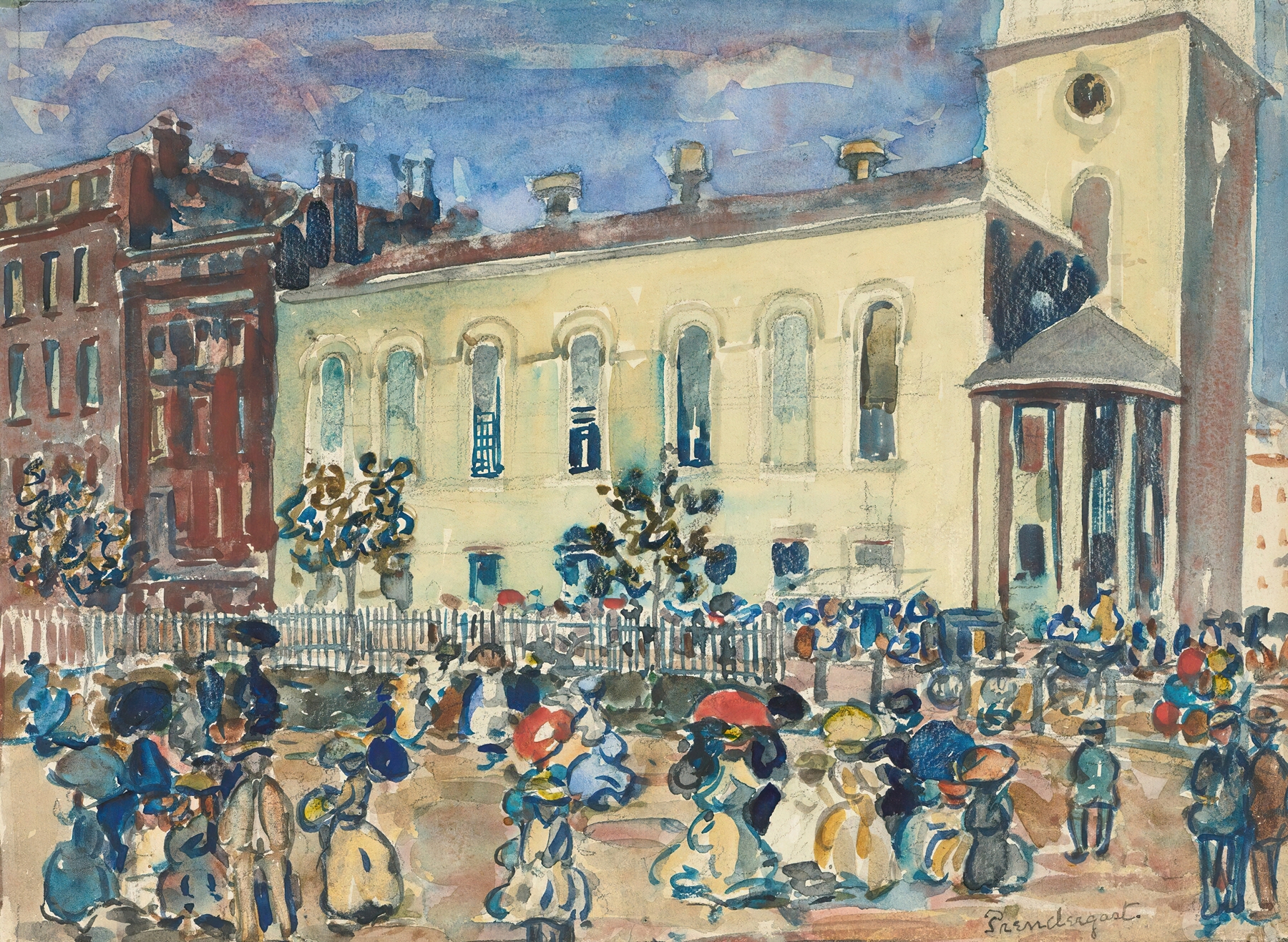
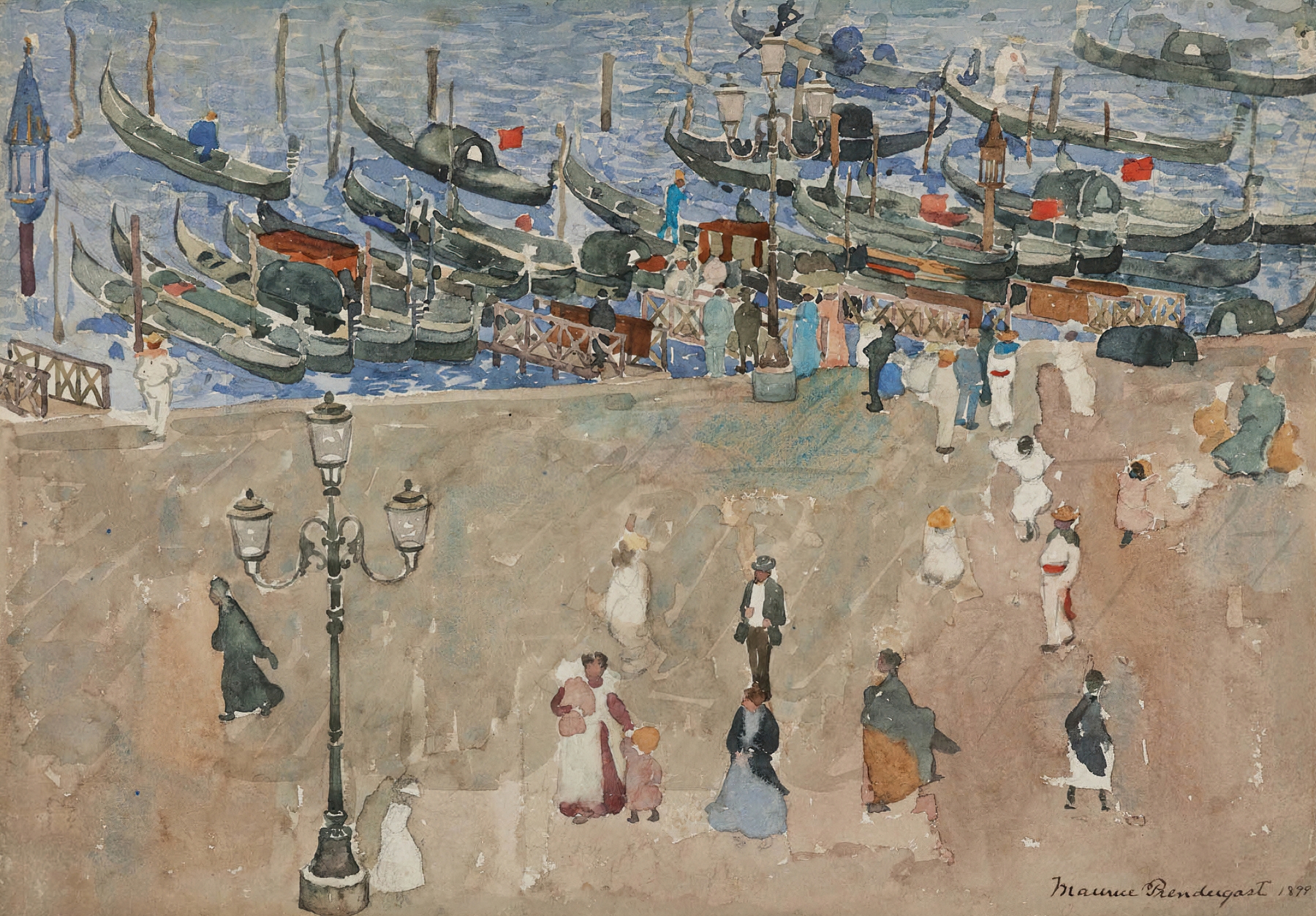
These small details resonate deeply, inviting contemplation on the dichotomies of human experience. In 1907, while creating this piece, Prendergast found himself immersed in the vibrant art scene of Boston, where Impressionism was gaining traction. He was influenced by the works of contemporaries and the evolving vision of American art, seeking to capture the emotional resonance of everyday moments. This painting reflects not only his artistic growth but also the broader cultural shifts, where the celebration of leisure was often tinged with a sense of existential reflection.