
Flowery Meadow at Veierland — History & Facts
Where does light end, and longing begin? In the gentle embrace of nature, we find a bridge between the two, a space where the spirit can soar. As you delve into this piece, look to the vibrant patch of wildflowers that dances across the canvas, a riot of color against a soft, golden sky. The brushstrokes are loose yet deliberate, guiding your gaze along the undulating hills and inviting you to explore the depth of the meadow. Notice how the light falls upon the blossoms, illuminating their petals with a warmth that feels both nostalgic and alive, while the distant horizon blurs into a dreamlike haze. Hidden within this serene landscape is a palpable tension between the fleeting beauty of the moment and the weight of time itself.
Each flower, with its vivid hues, stands as a testament to the ecstasy of existence, yet their ephemeral nature reminds us of the inevitability of decay. A subtle contrast emerges between the carefree spirit of nature and the somber undercurrents of longing that Munch often explored, a glimpse of joy tinged with the ache of impermanence. In 1887, Edvard Munch was navigating the complexities of his early artistic career in Oslo, where he was influenced by Symbolism and the burgeoning expressionist movement. During this period, the world around him was rife with personal struggles and existential inquiries, shaping his sensitivity toward the emotional landscapes of nature.
Flowery Meadow at Veierland captures this intersection, offering viewers a glimpse into both the beauty of the world and the depth of human experience.
More Artworks by Edvard Munch

The Scream
Edvard Munch

The Scream (1910 version)
Edvard Munch

Despair
Edvard Munch

The Day After
Edvard Munch
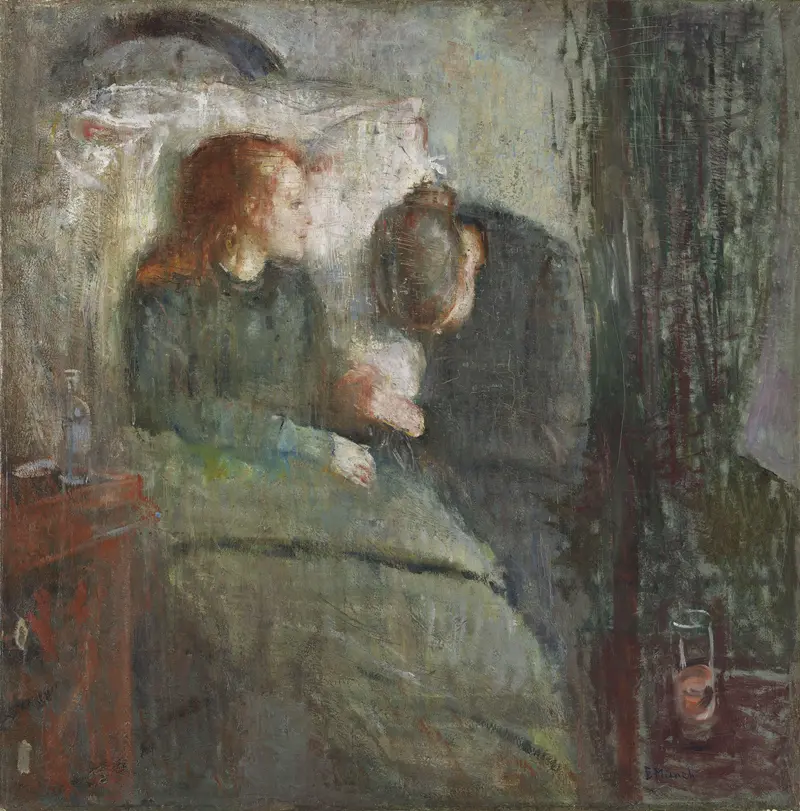
The Sick Child
Edvard Munch
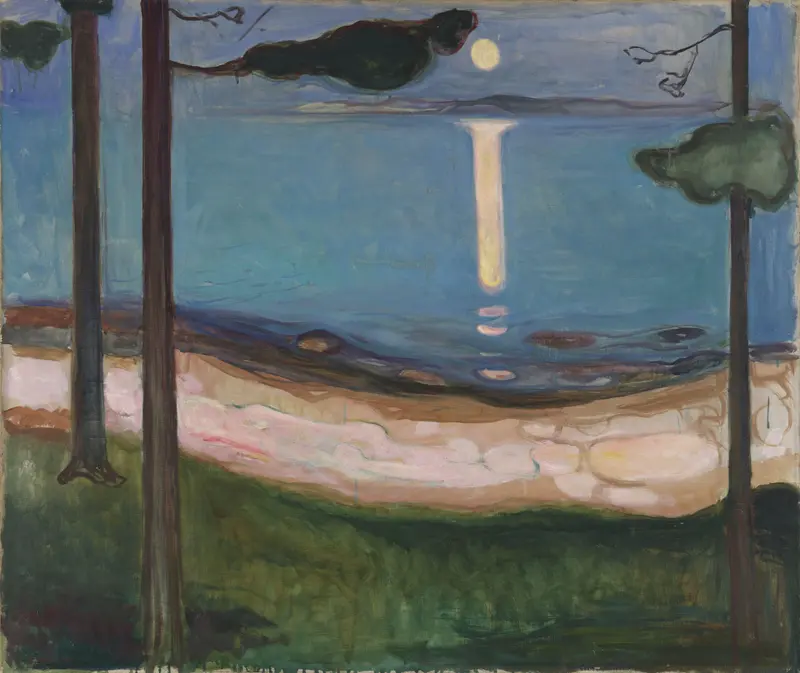
Moonlight
Edvard Munch
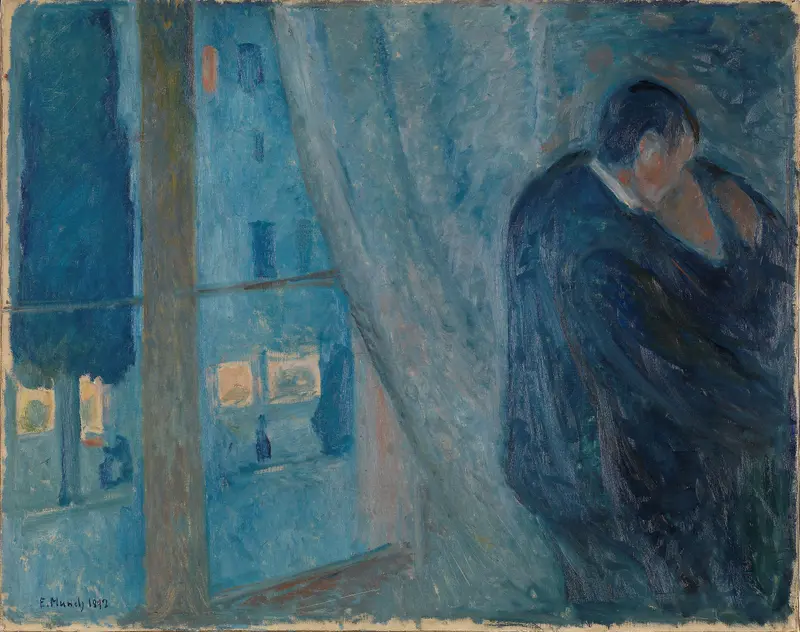
The Kiss
Edvard Munch
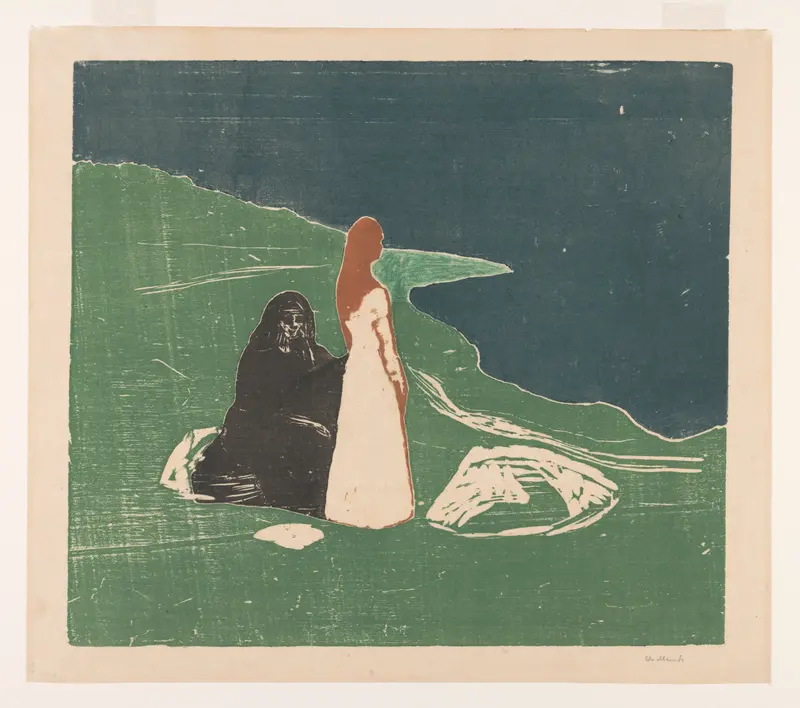
Two Women on the Shore
Edvard Munch
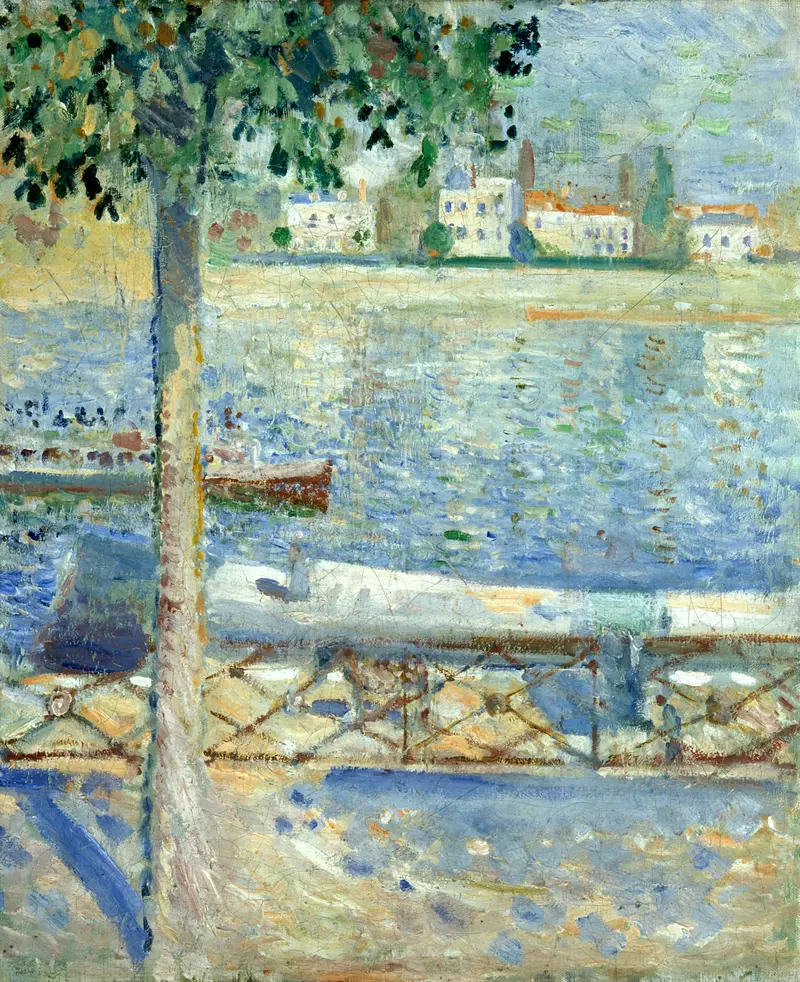
The Seine At Saint-Cloud
Edvard Munch
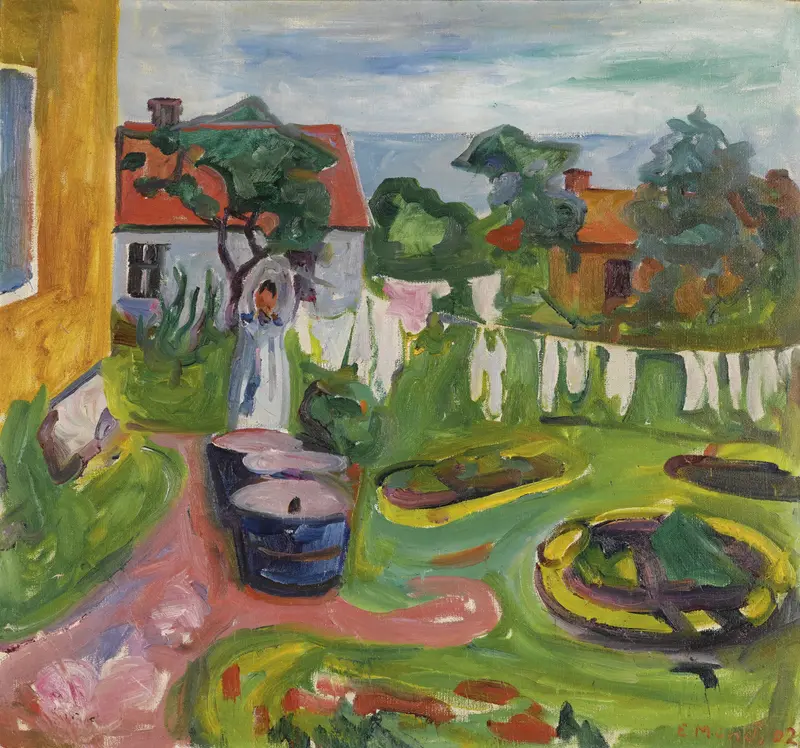
Klestørk I Åsgårdstrand (Clothes On A Line In Åsgårdstrand)
Edvard Munch
More Landscape Art

Starry Night
Vincent van Gogh

View of Delft
Johannes Vermeer

Water Lilies
Claude Monet

The Grand Canal, Venice, looking north-west from the Ca' Corner to the Ca' Contarini degli Scrigni, with the campanile of Santa Maria della Carità
Canaletto

Windsor Castle
Canaletto

The Grand Canal looking North-East from the Palazzo Dolfin-Manin to the Rialto Bridge
Canaletto