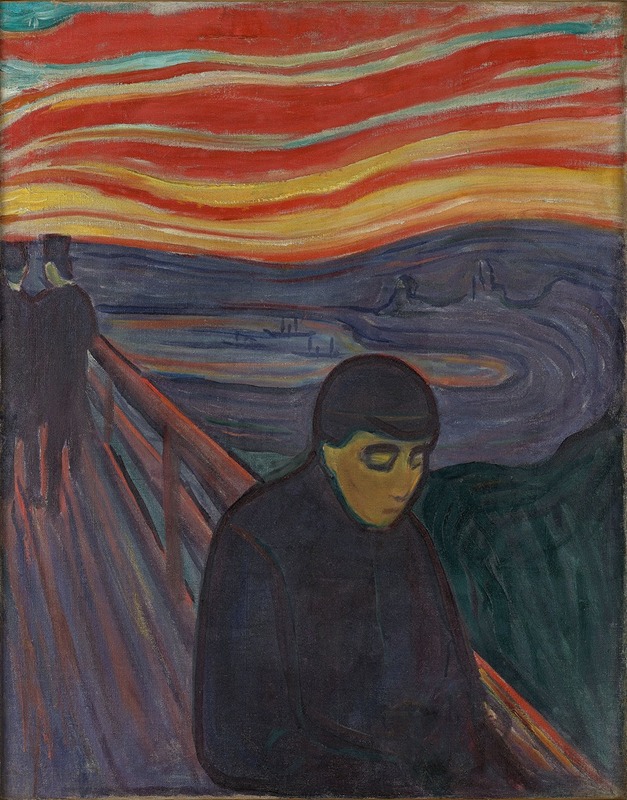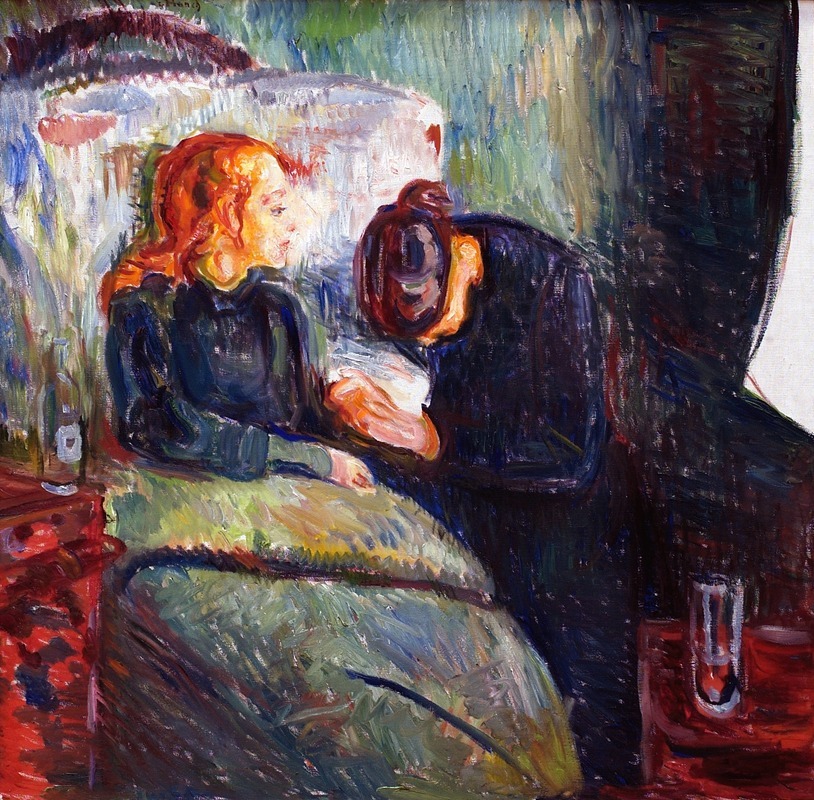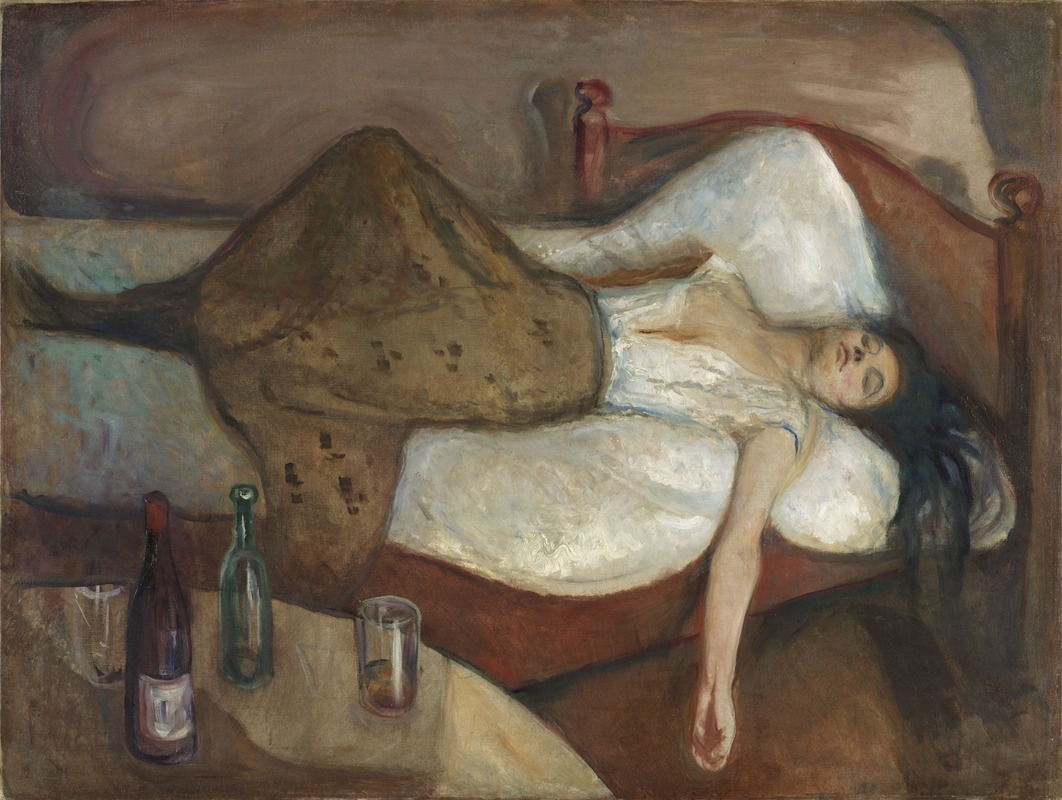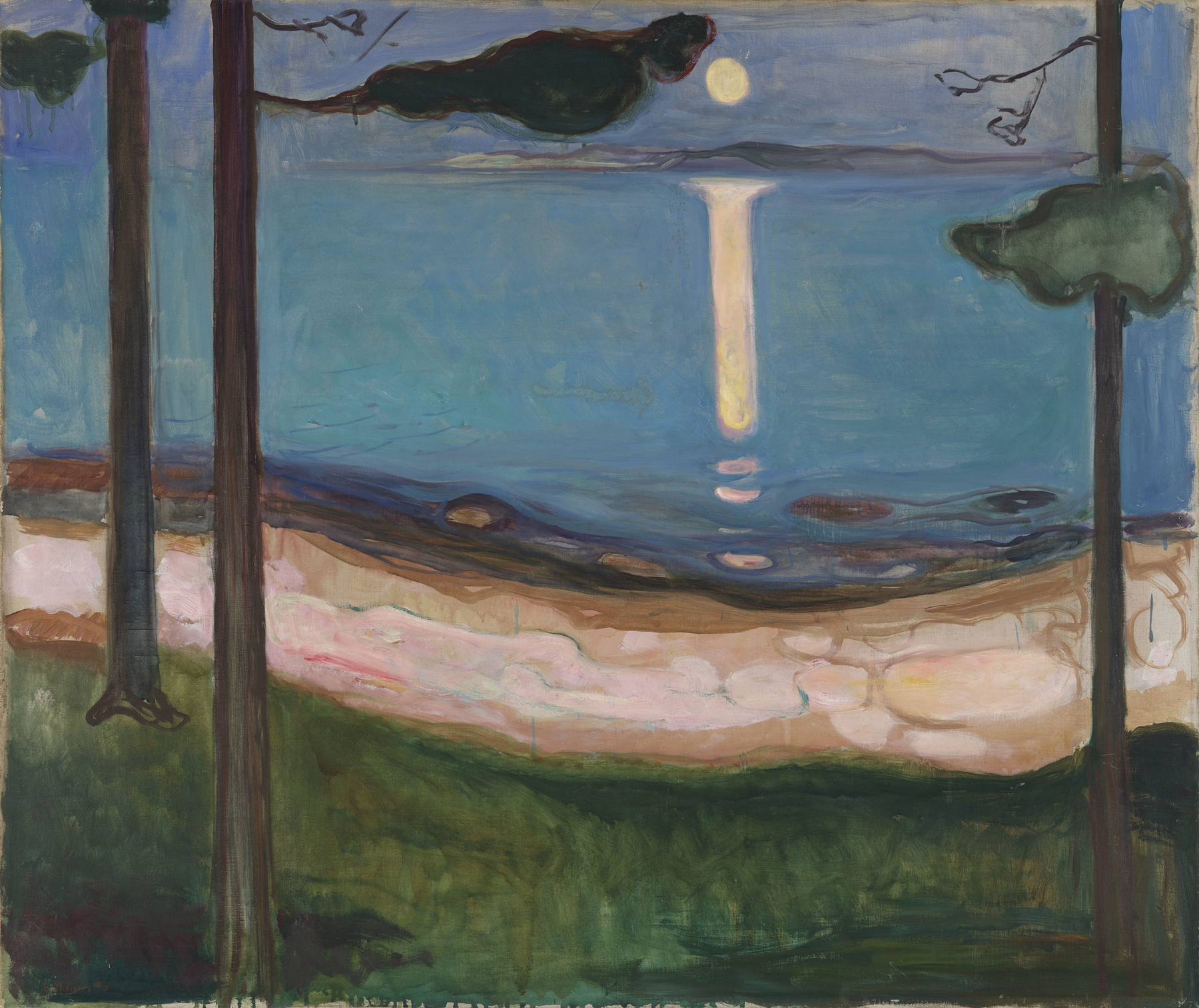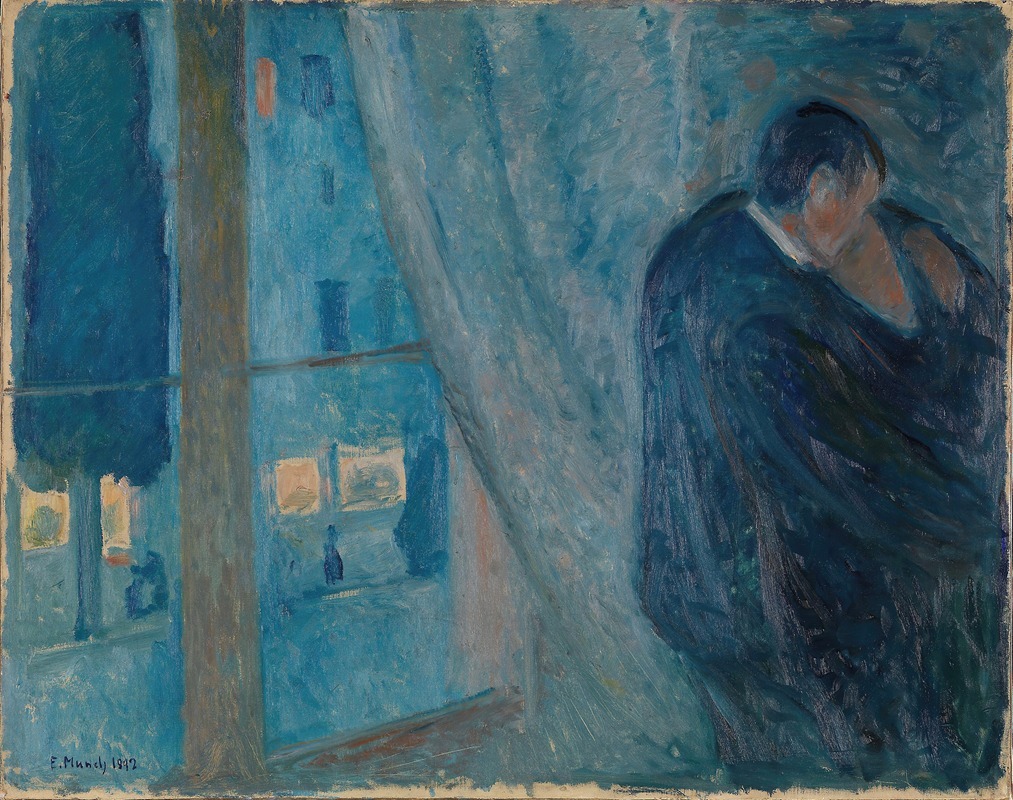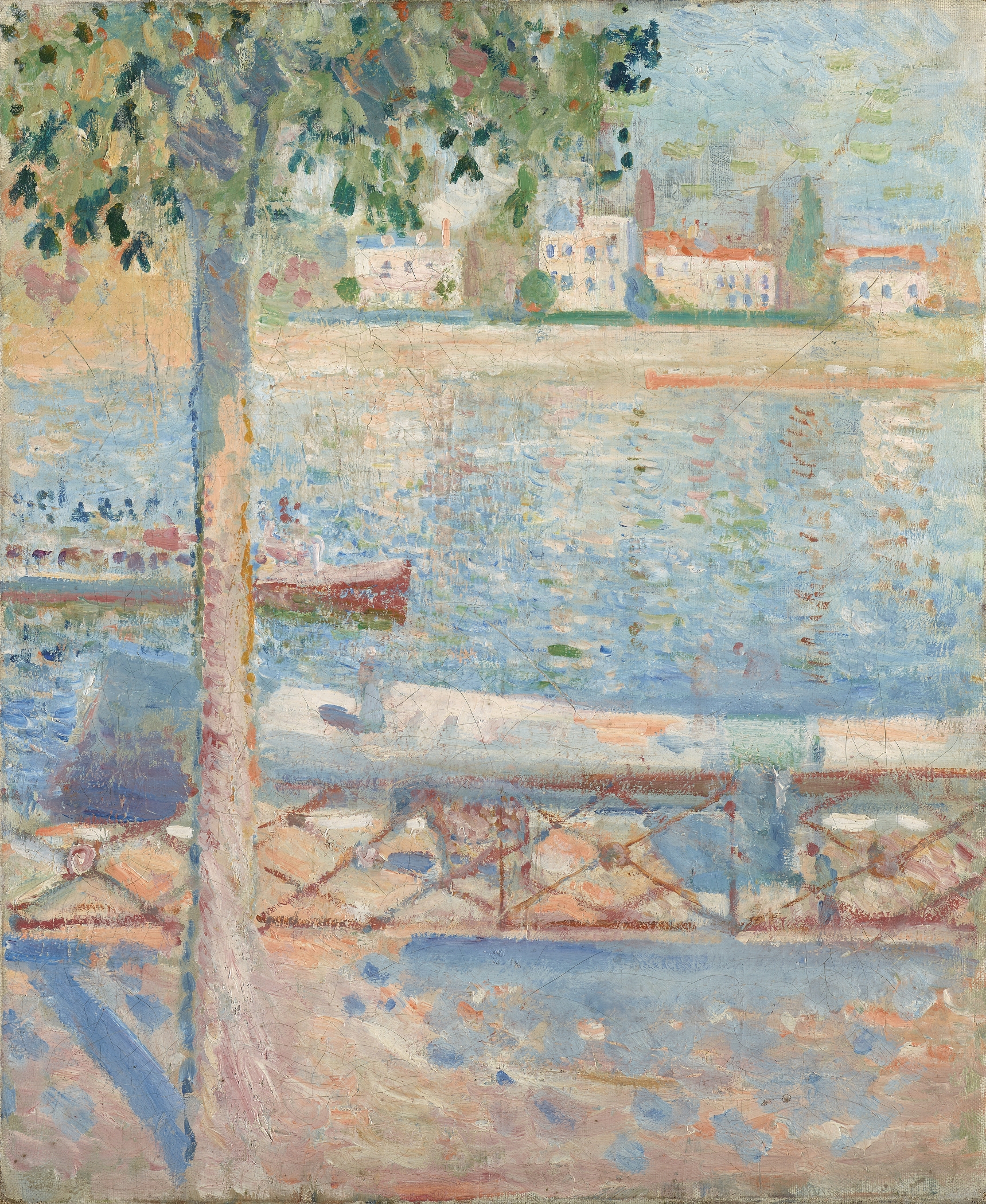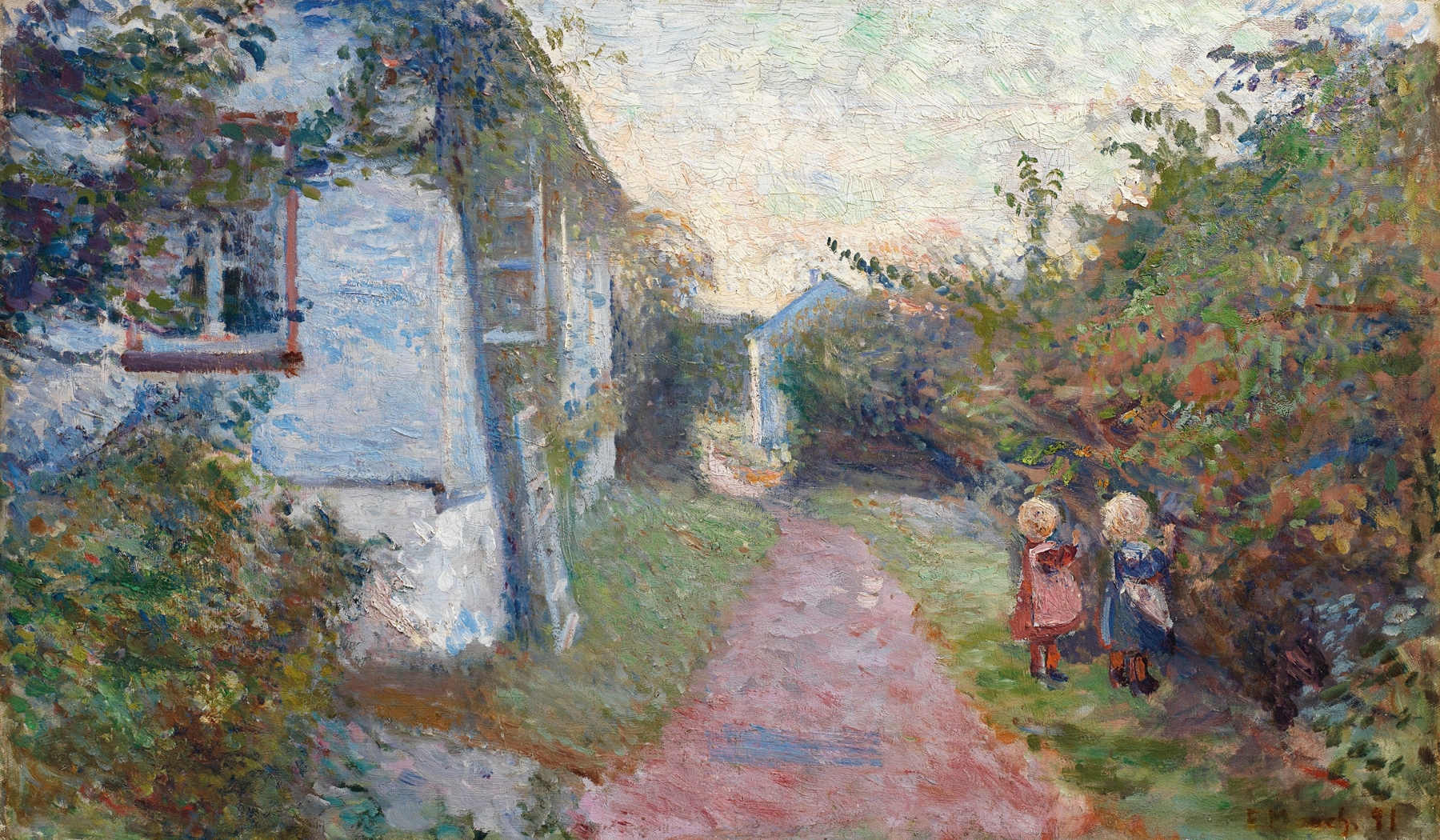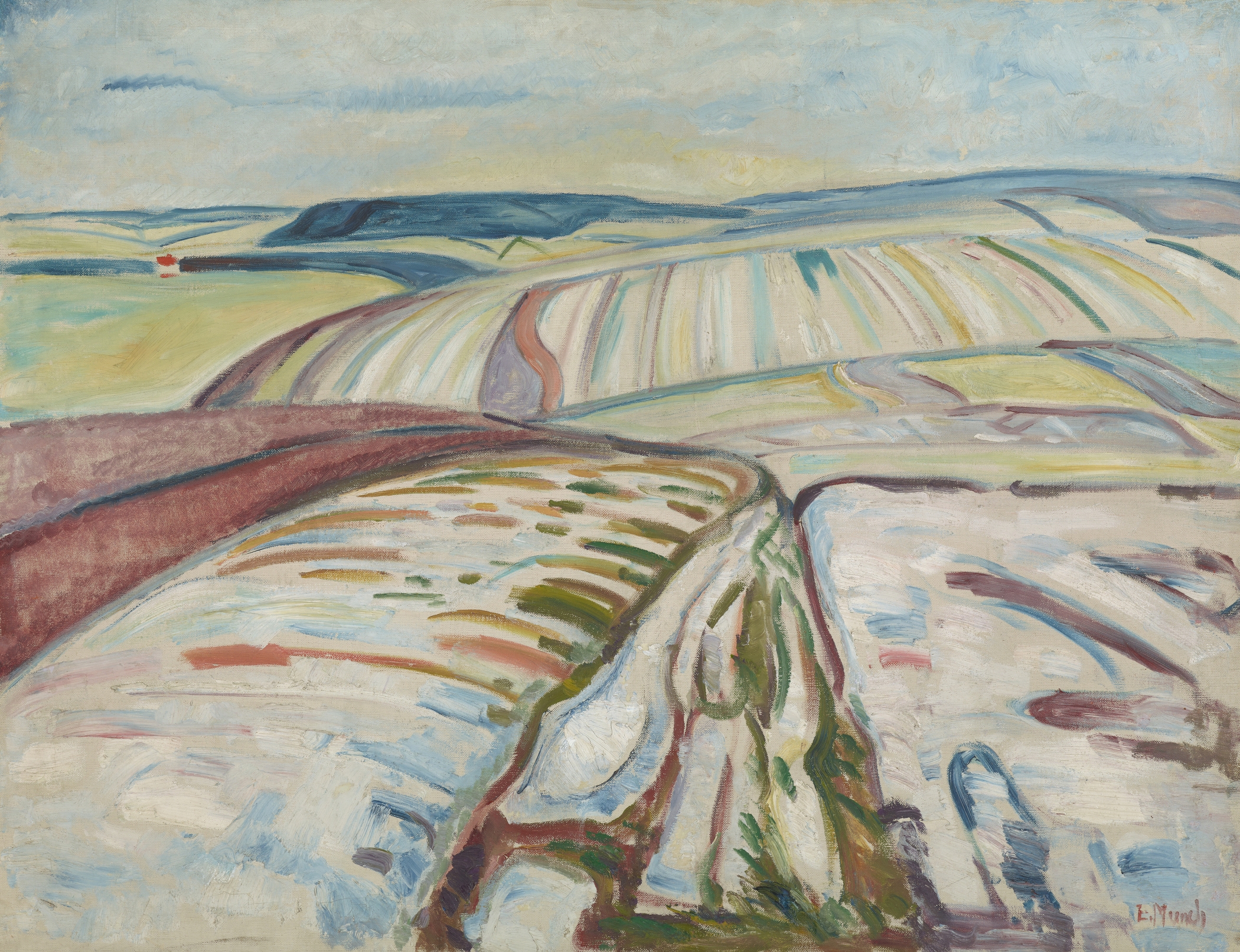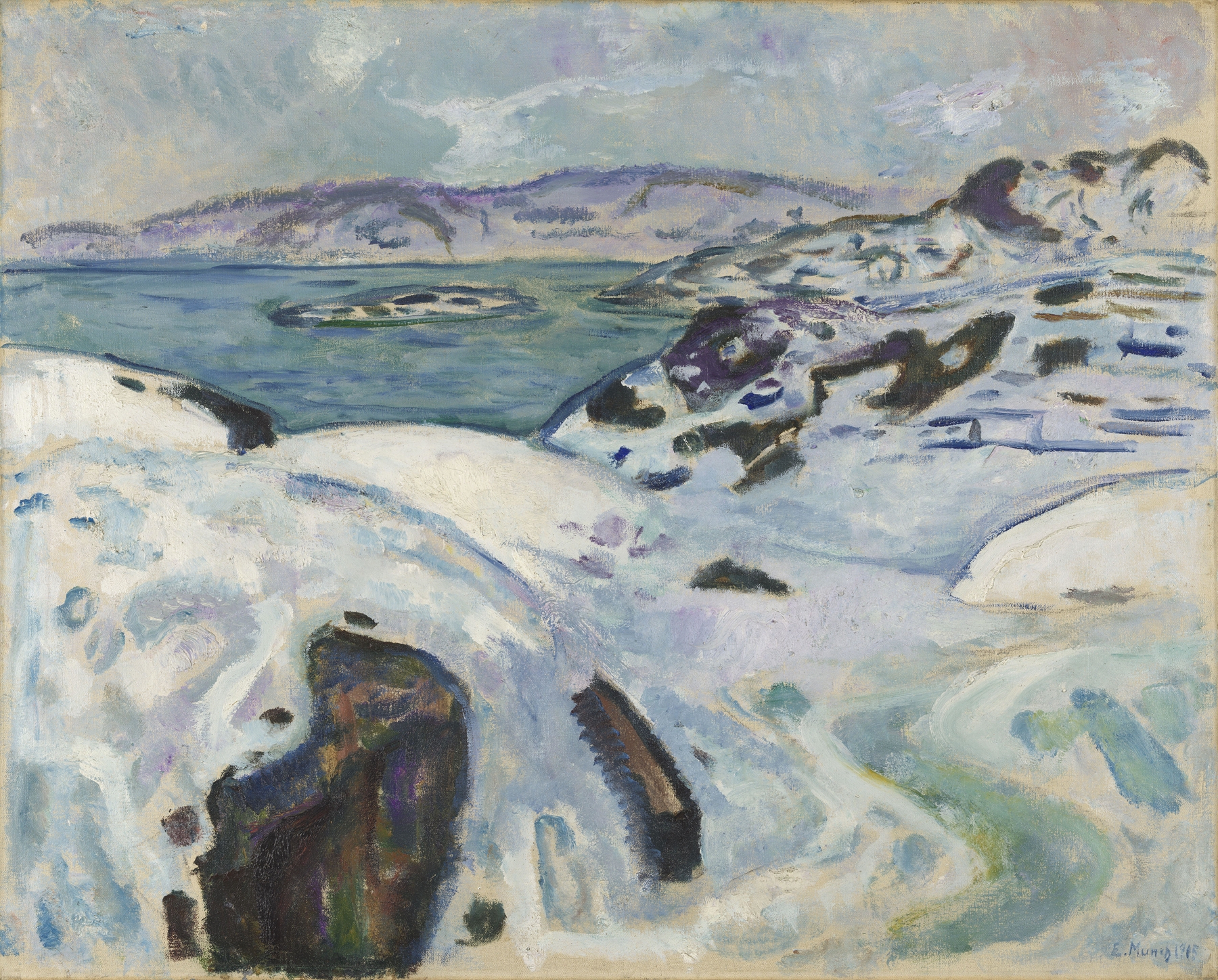
“Every silence here is a confession.” In the stillness of winter, the landscape whispers secrets, inviting us to question the distance between reality and illusion. Look to the center of the canvas, where icy blues and muted grays merge, creating a haunting expanse that stretches infinitely. The horizon, almost lost in a foggy embrace, beckons the viewer to explore the depths of solitude. Notice how the stark, jagged cliffs rise majestically on one side, their sharp edges contrasting against the gentle curves of the frozen water. The subtle play of light dances upon the surface, revealing fractured reflections that challenge our perception of what lies beneath the ice. Yet, beneath this serene facade lies an emotional tension. The contrast between the solid, imposing cliffs and the fragile, ephemeral water highlights the struggle within nature itself. The illusion of peace is shattered by the undercurrents of isolation and introspection, inviting a contemplation of one's own existence amidst the vastness. Munch's choice of color and form echoes the internal conflicts we face, revealing how beauty can exist alongside despair. In 1915, Munch painted this piece during a time of personal turmoil, as he grappled with loss and the shifting dynamics of his artistic journey. Living in Norway, he sought to capture the emotional resonance of the winter landscape, reflecting both his struggles and the broader disillusionment of the post-World War I era. This work stands as a poignant reminder of how art can illuminate the complexities of human experience against the backdrop of nature.