Forest — History & Analysis
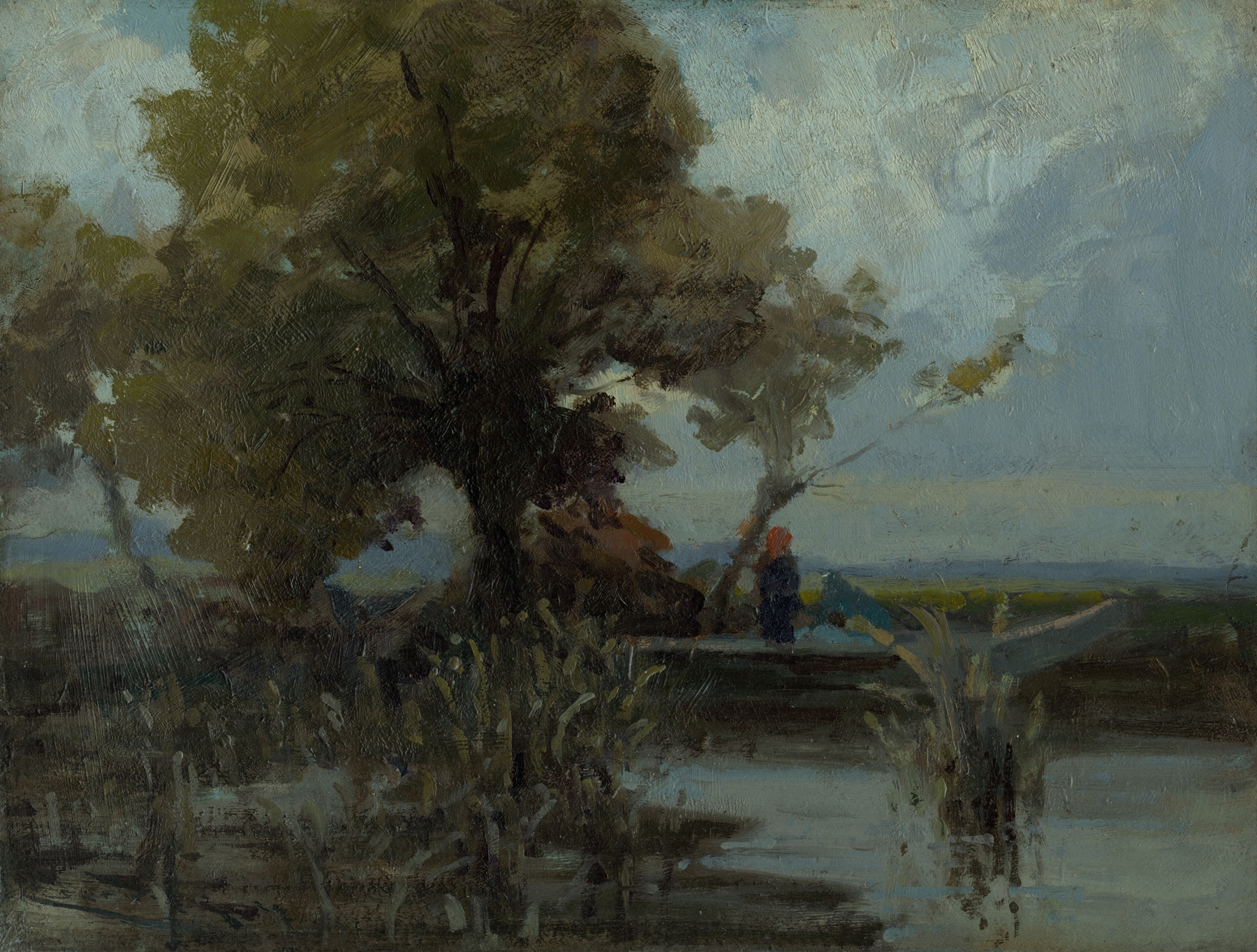
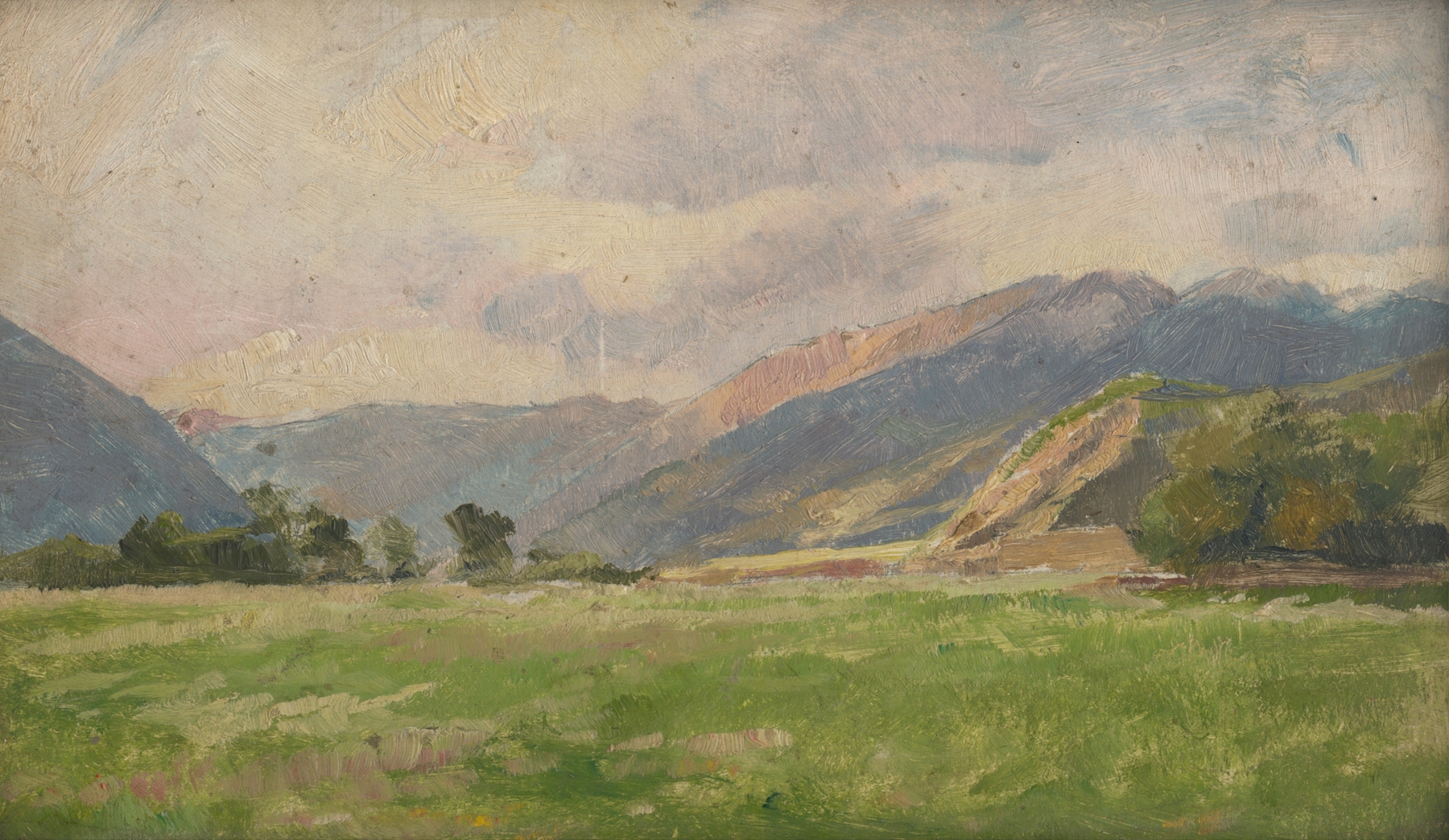
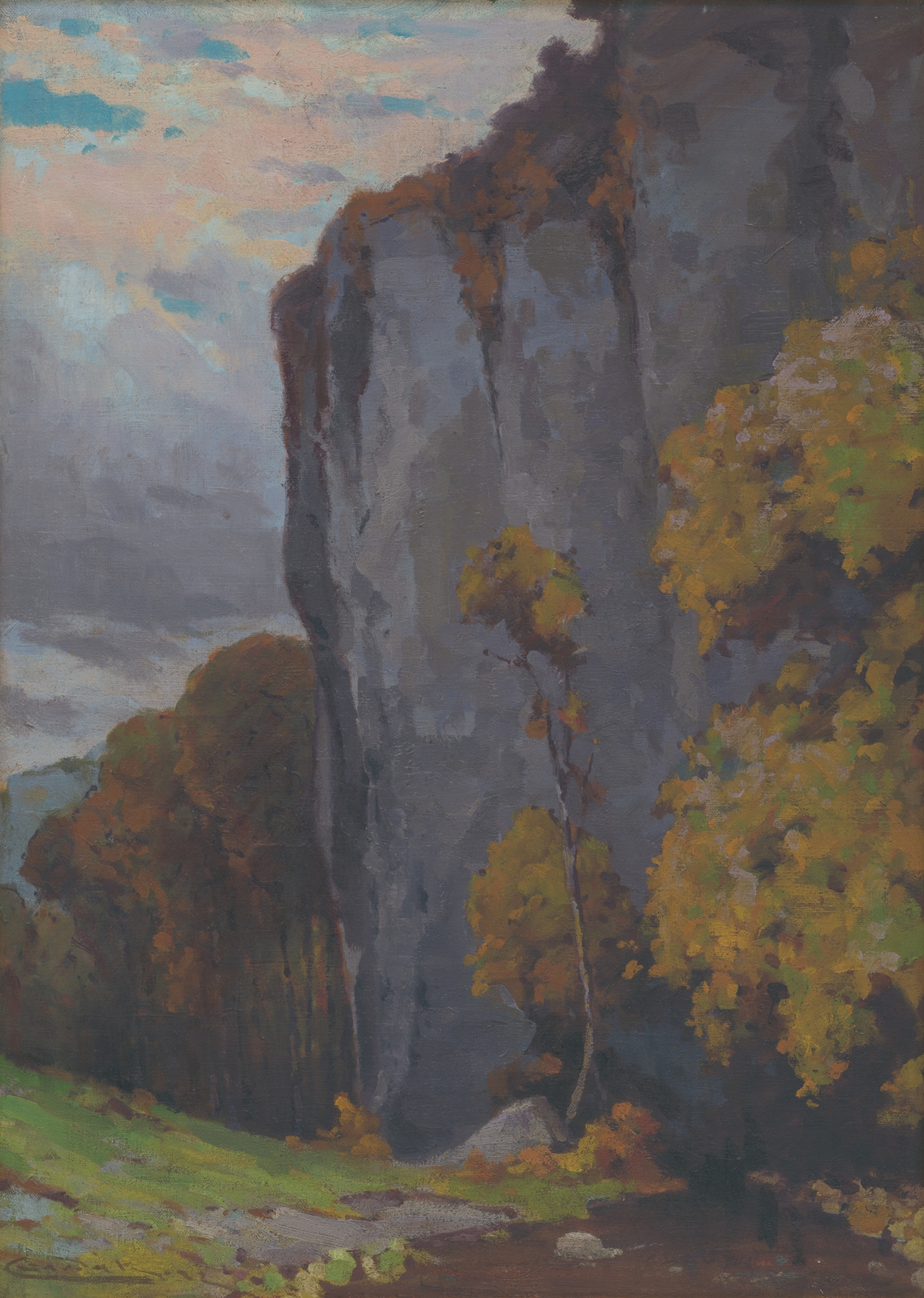
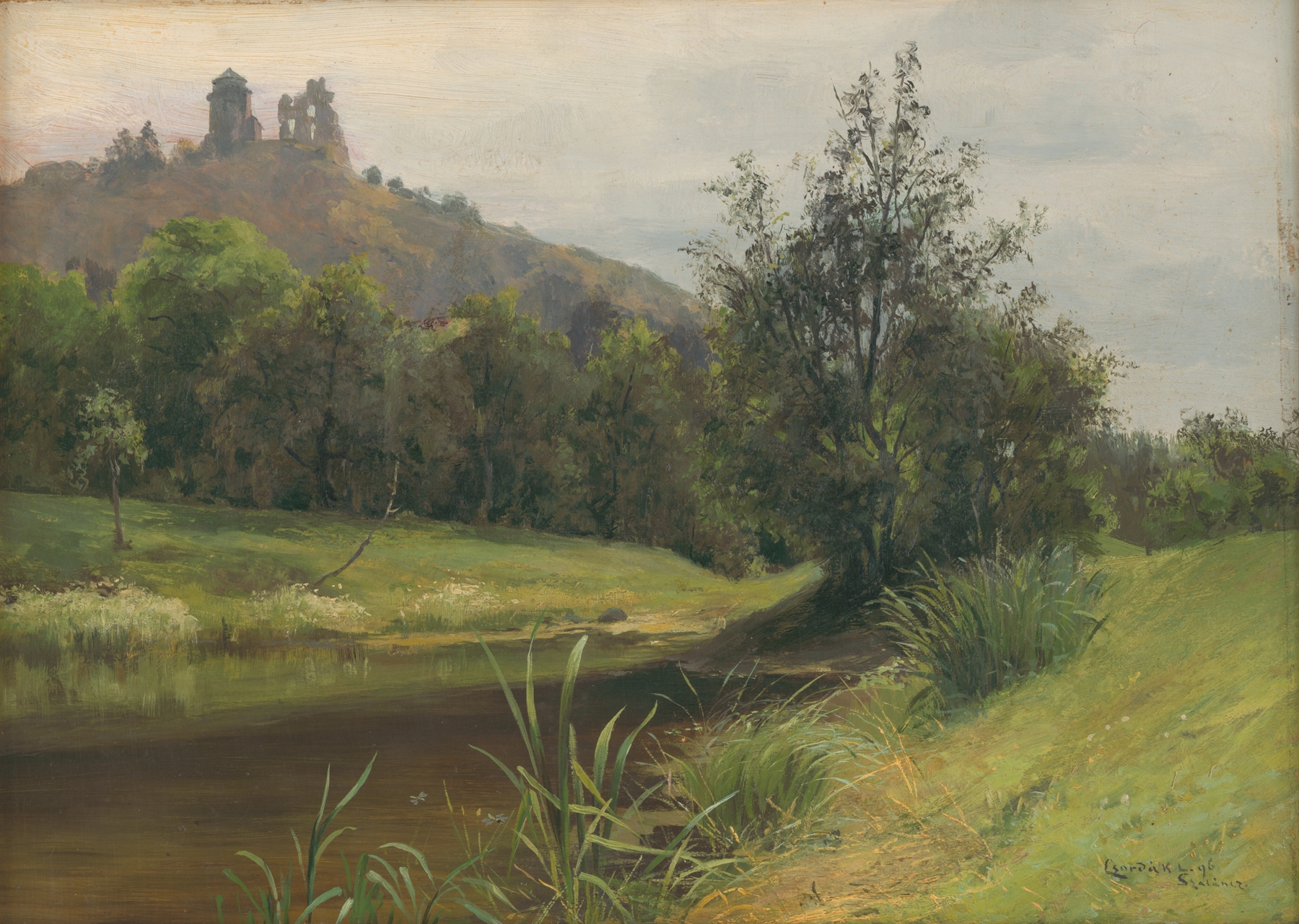
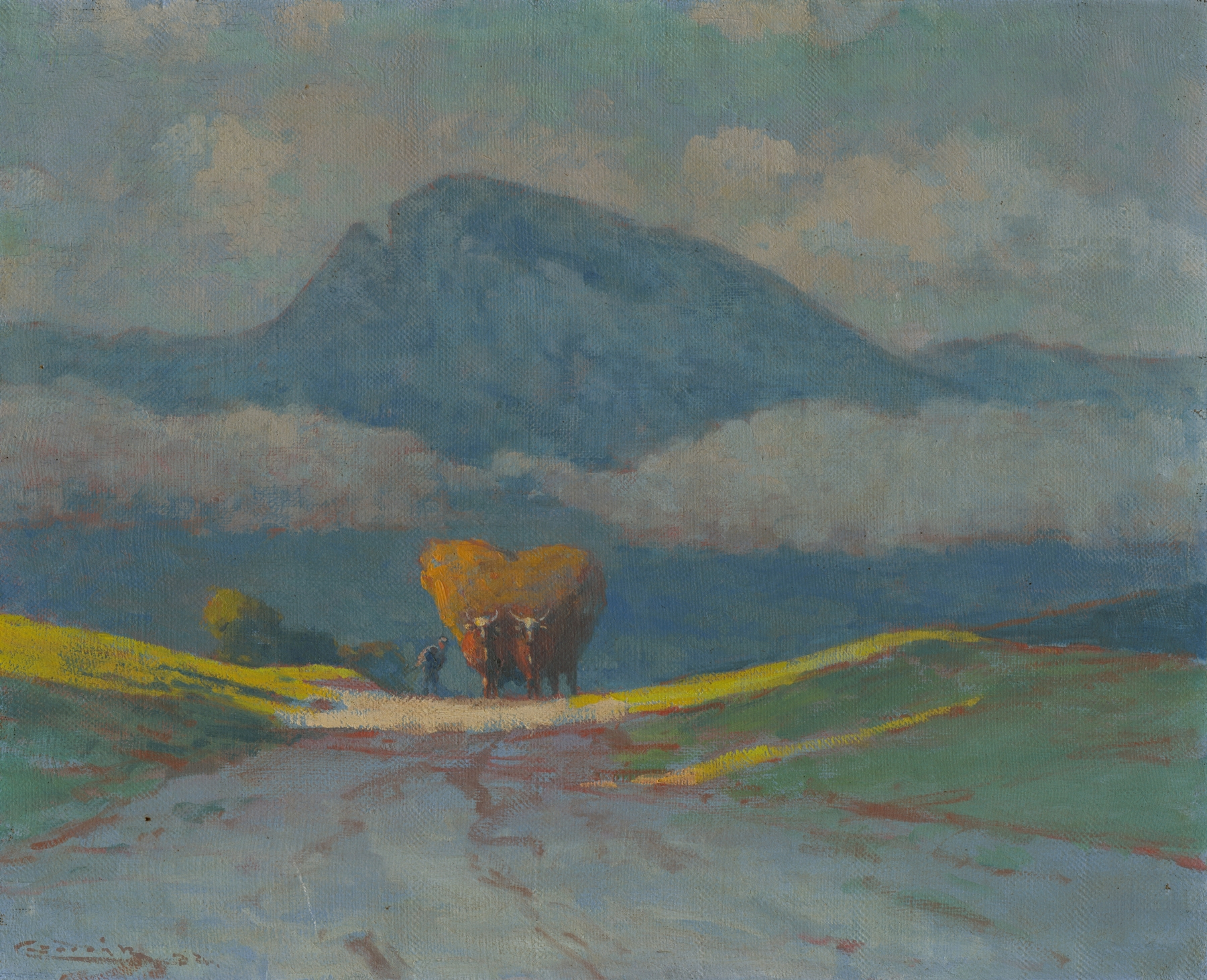
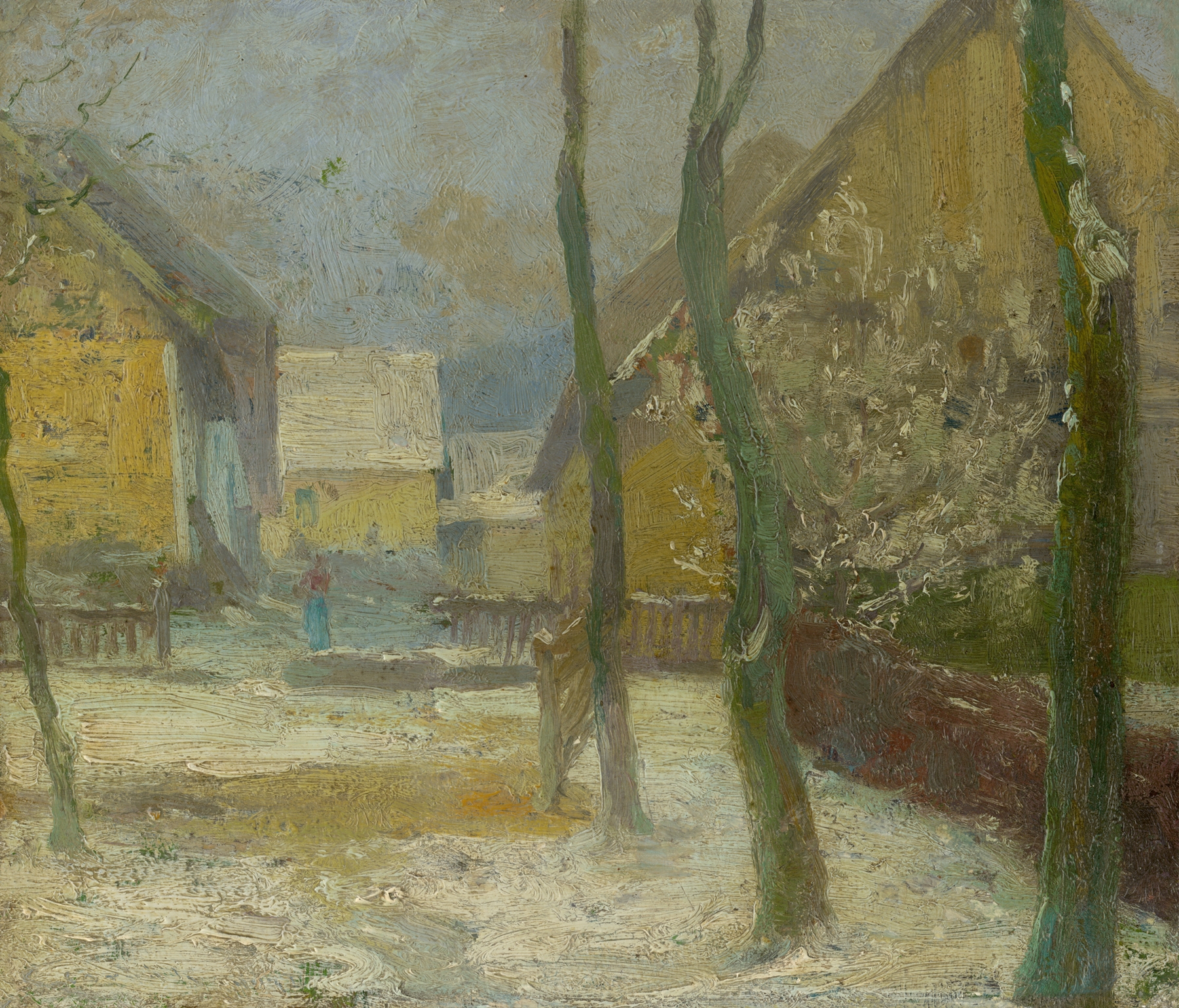
Did the painter know this moment would outlive them? In the stillness of a forest, the ravages of time and the weight of loss resonate deeply within each brushstroke. Focus on the intricate play of shadows that dances among the trees, inviting you to explore hidden paths that wind deeper into the wilderness. Notice how the light filters through the leaves, creating a mosaic of emerald and gold that brings the scene to life.
The subtle contrast between the dark trunks and the luminous foliage captures a quiet tension, suggesting both solace and isolation. As you study the canvas, consider the emotional undertones of the work. The forest stands as a metaphor for the passage of time, holding secrets of what once was while beckoning toward the unknown future. The delicate balance between vibrancy and decay hints at the transient nature of beauty, echoing the inevitable loss that accompanies existence itself.
Each detail is an invitation to contemplate the relationship between nature and memory, a reminder of what we cherish and what slips away. In the years 1925 to 1930, Čordák created Forest during a transformative period in Czechoslovak art, as modernism began to take root. He was immersed in the avant-garde movements that sought to redefine traditional landscapes, seeking depth beyond mere representation. At this time, he was reflecting on personal experiences of loss and renewal, imbuing his work with profound emotional insight that would linger in the hearts of viewers long after his passing.