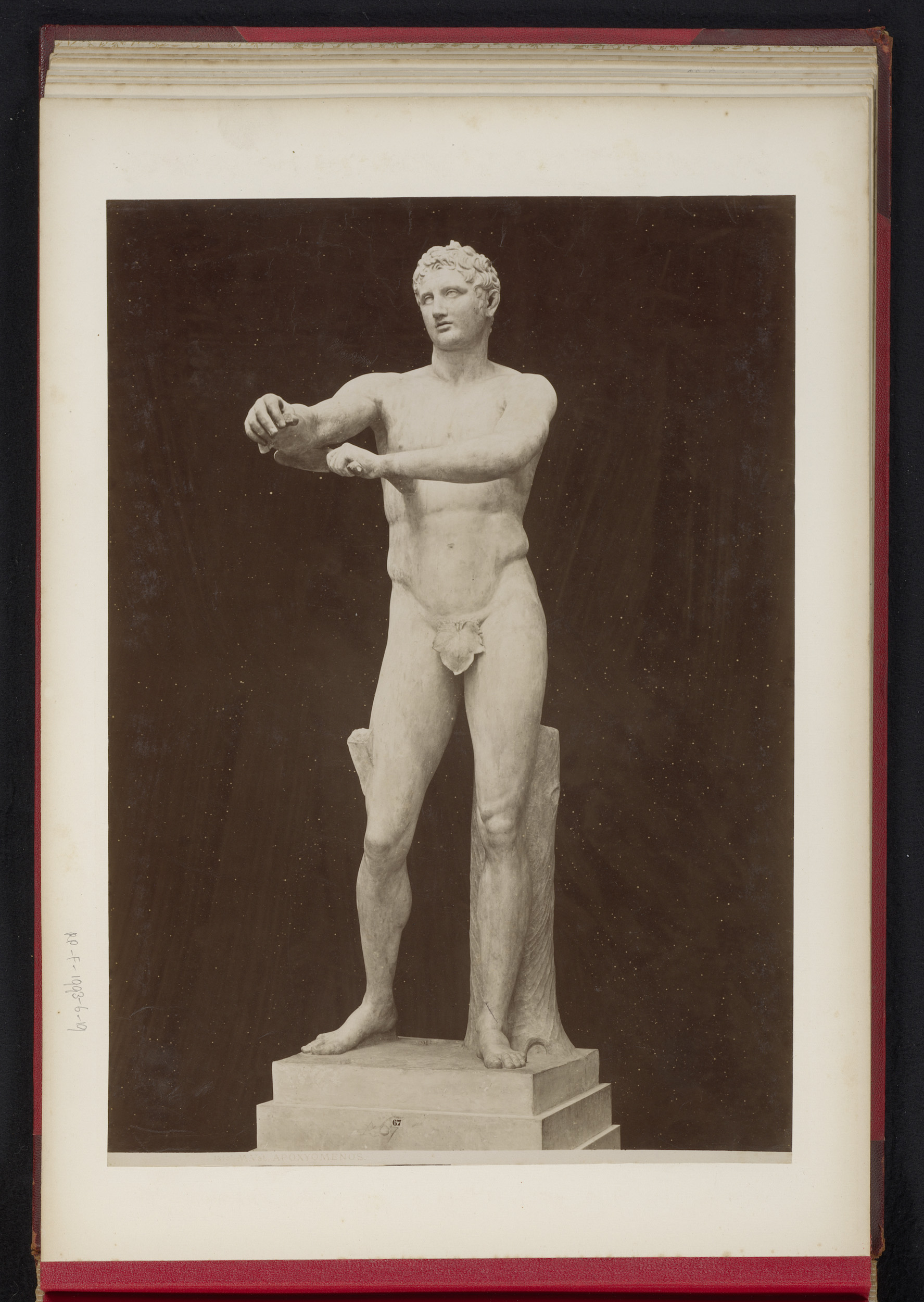
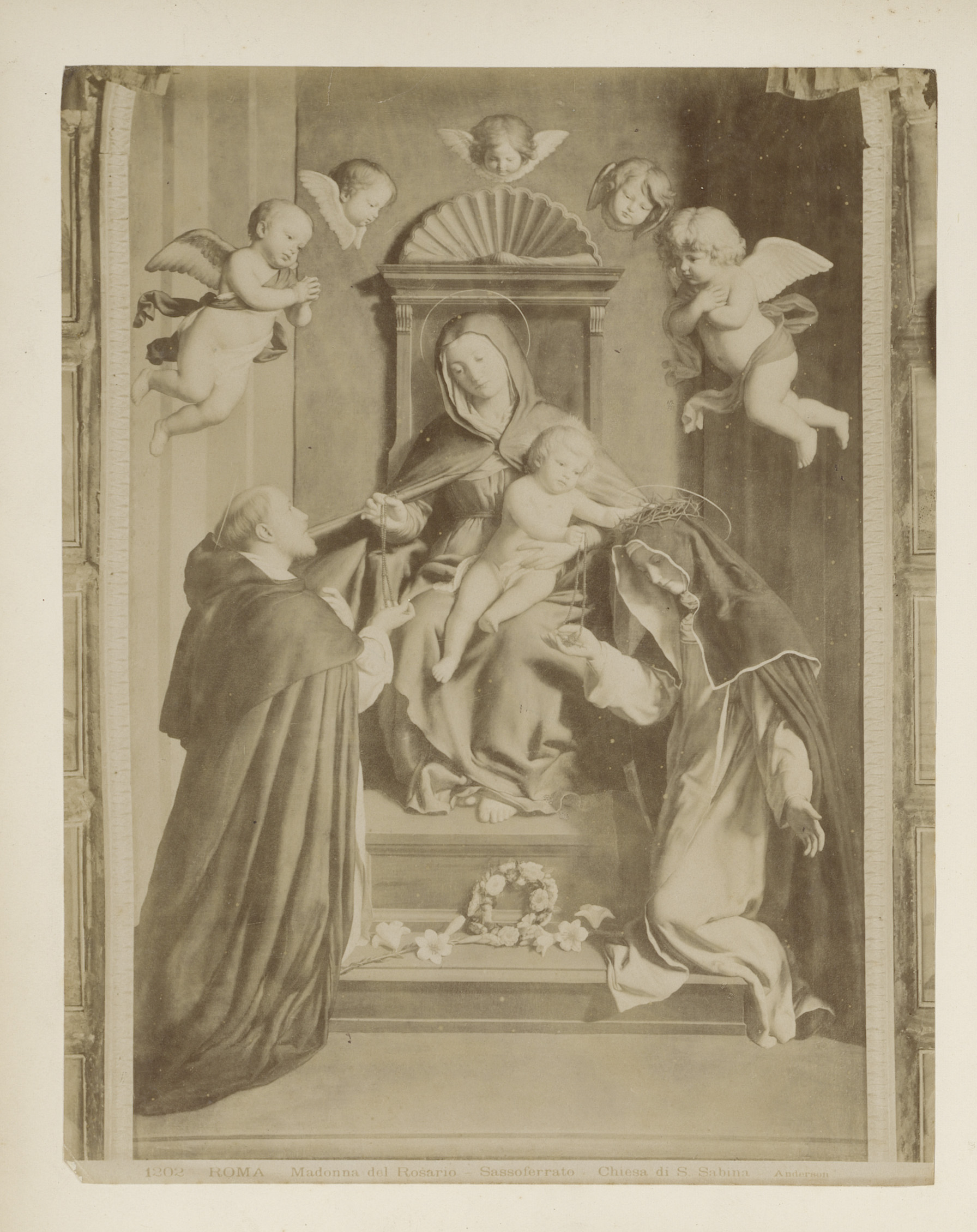
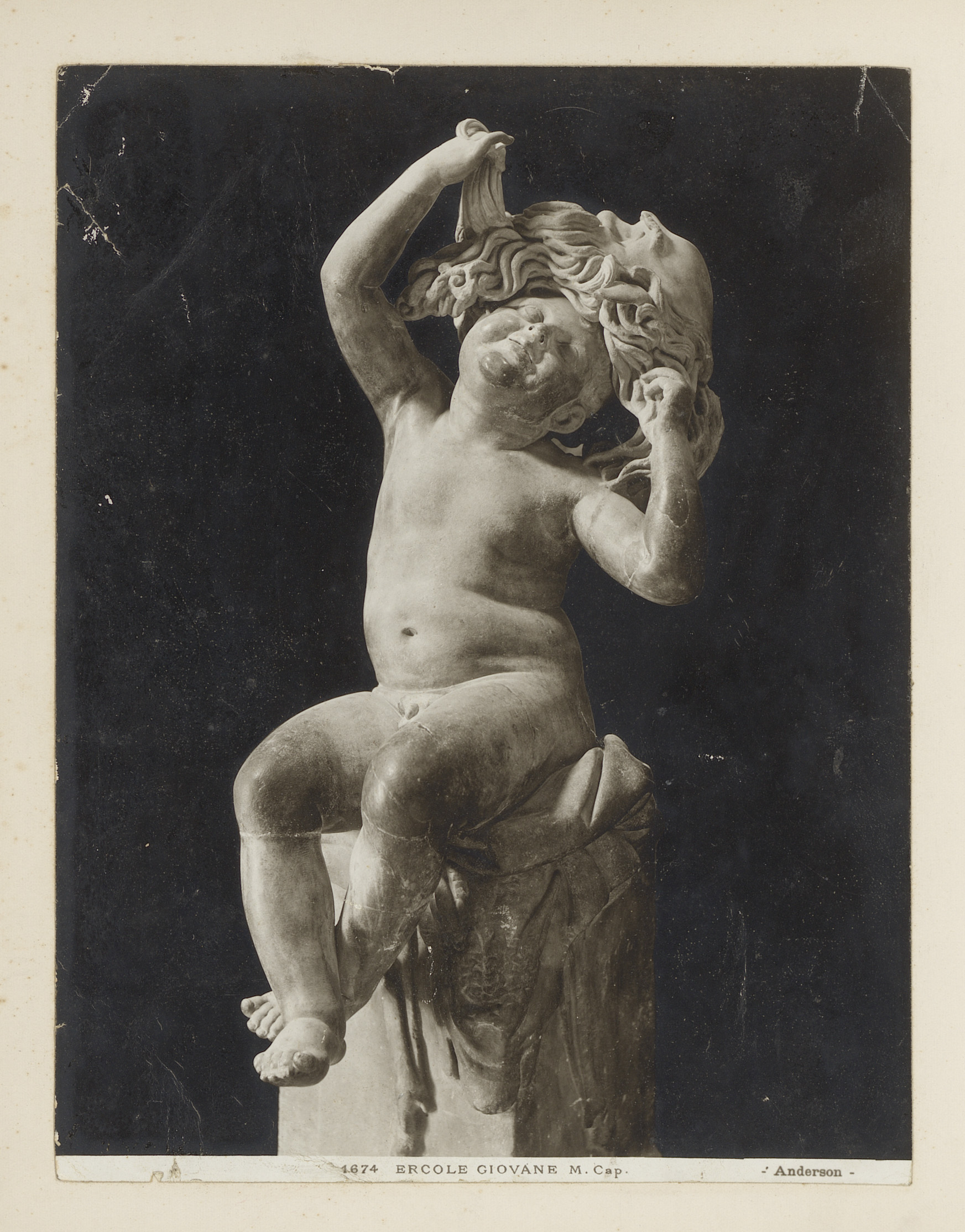
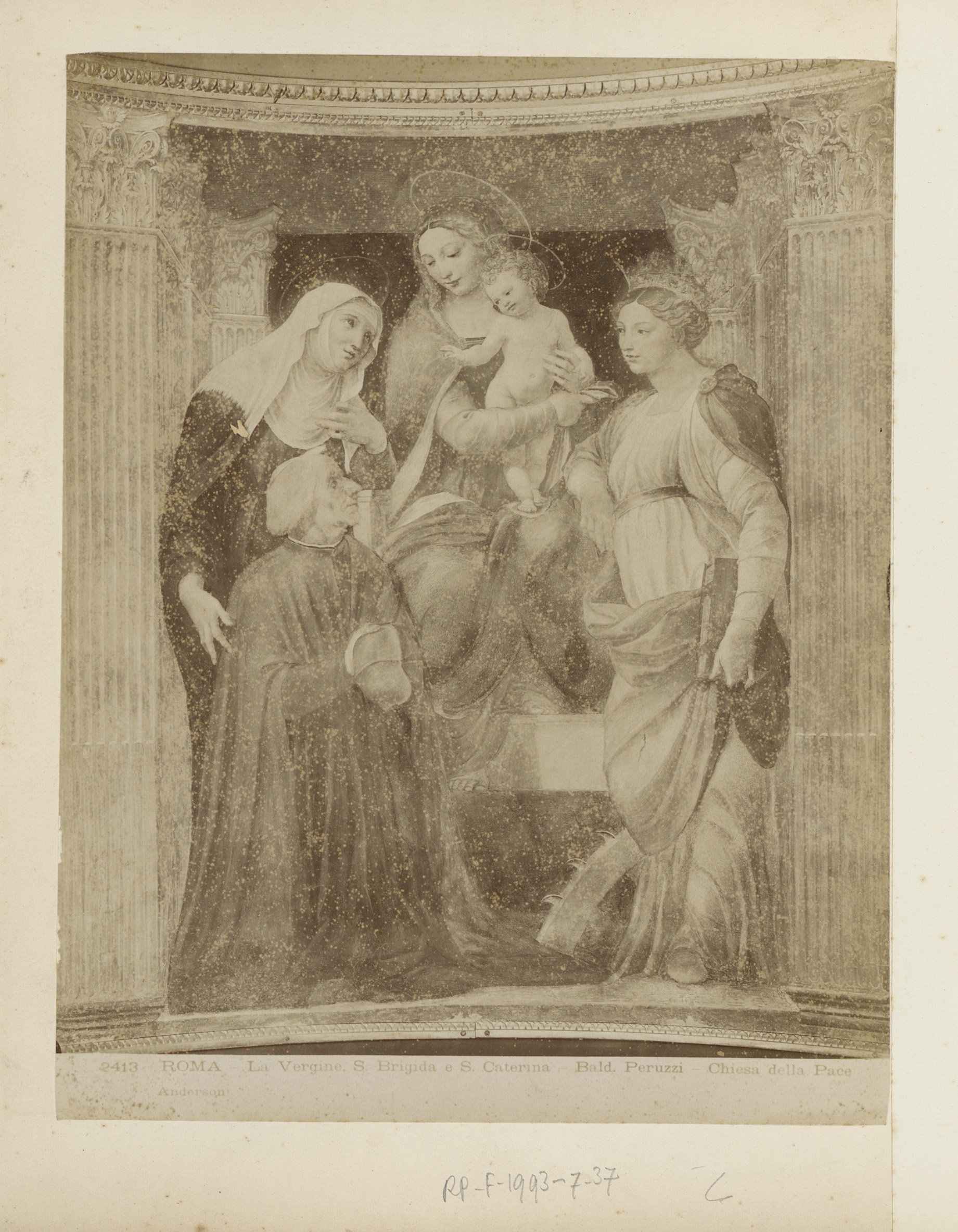
Fotoreproductie van mozaïek uit de vijfde eeuw in de Santa Sabina te Rome — History & Analysis
“Sometimes beauty is just pain, disguised in gold.” This thought resonates deeply within the intricate layers of a mosaic, where the vibrant colors and delicate patterns tell stories of both glory and despair. Each piece reflects not just artistry but the weight of human experience, capturing fleeting moments of revelation amidst the scars of history. Look closely at the exquisite details of the mosaic. Focus on the way the light dances across the golden tesserae, illuminating their shimmering surfaces and casting a warm glow.
The composition draws your gaze to the central figures, meticulously arranged, their expressions frozen in time. The subtle hues of blue, red, and green weave through the design, evoking a sense of harmony that contrasts sharply with the tumultuous history that birthed this masterpiece. Beyond the surface beauty lies a rich tapestry of meaning. Each fragment of colored stone represents the labor and devotion of the artisans who fashioned it, yet their anonymity speaks volumes about the sacrifices made in the name of faith and artistry.
The juxtaposition of religious iconography against the backdrop of political strife reveals a profound commentary on the duality of existence—creation and destruction, spirit and matter, joy and sorrow. James Anderson captured this remarkable reproduction of a fifth-century mosaic between 1857 and 1875, a period marked by a growing interest in historic preservation and revival of classical art forms. Living in Rome during a time of artistic flourishing, he sought to document the remnants of ancient grandeur, reflecting both his admiration for the past and a desire for contemporary audiences to reconnect with their historical roots.