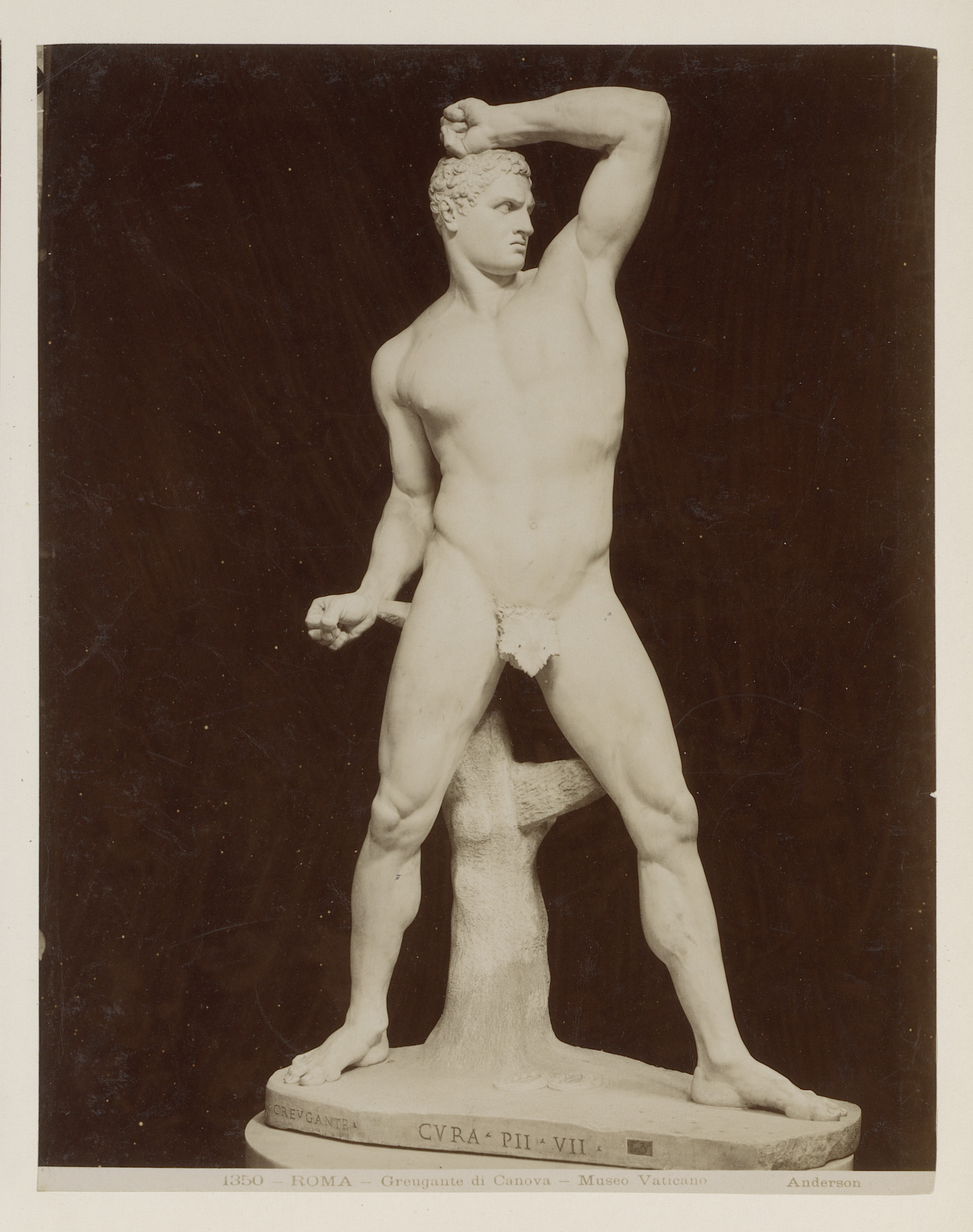
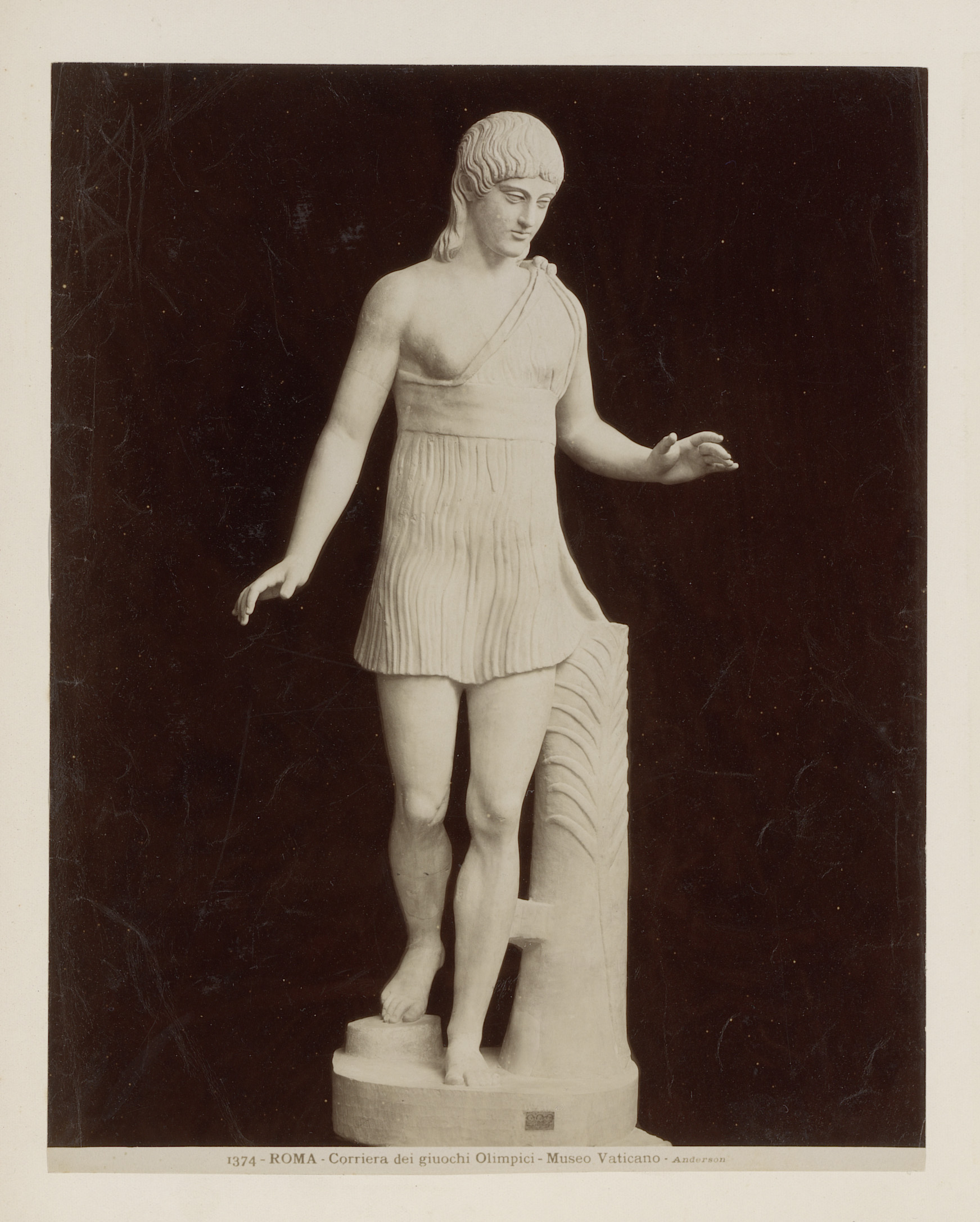
Sculptuur van Artemis van Efeze in de Capitolijnse Musea te Rome — History & Analysis
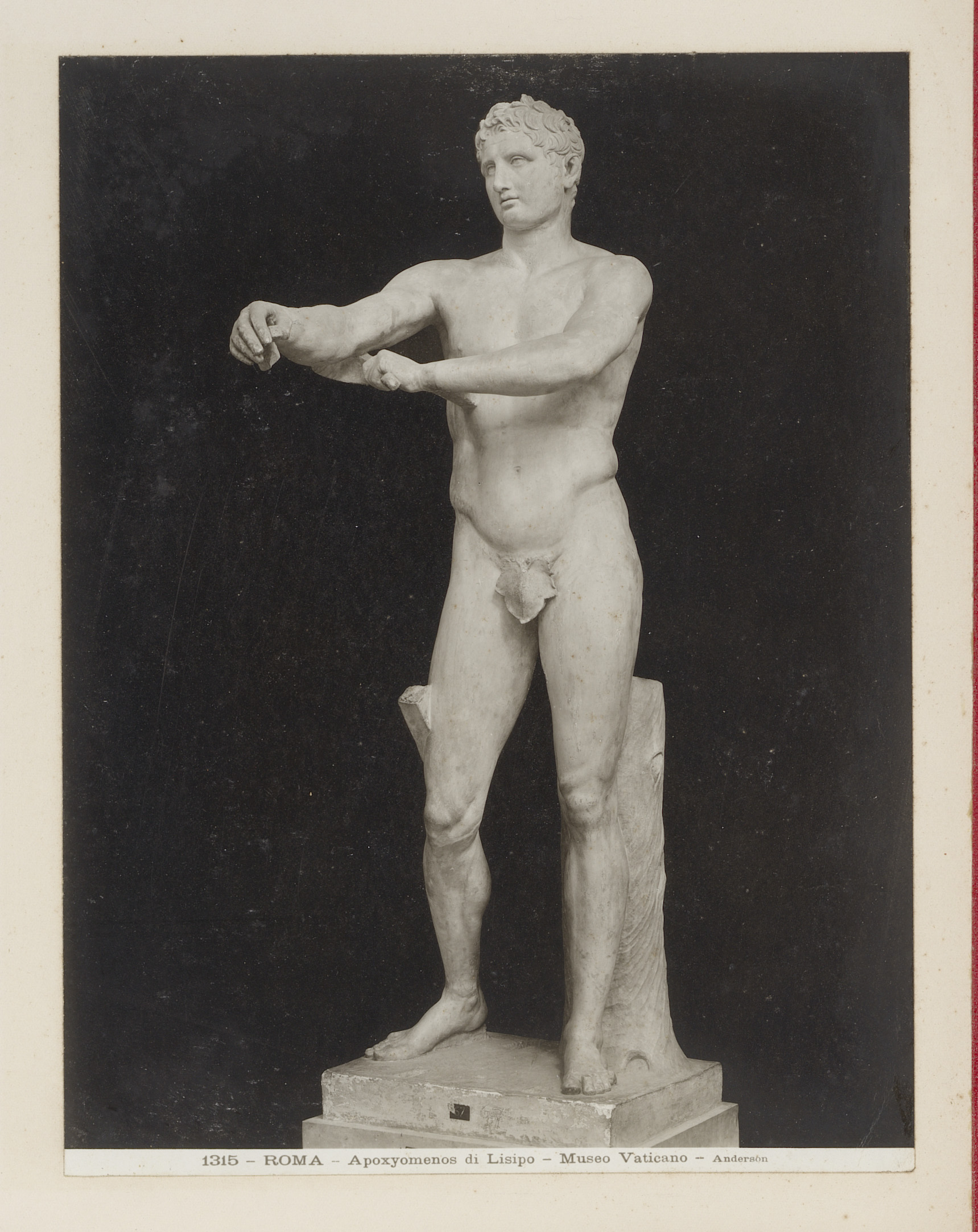
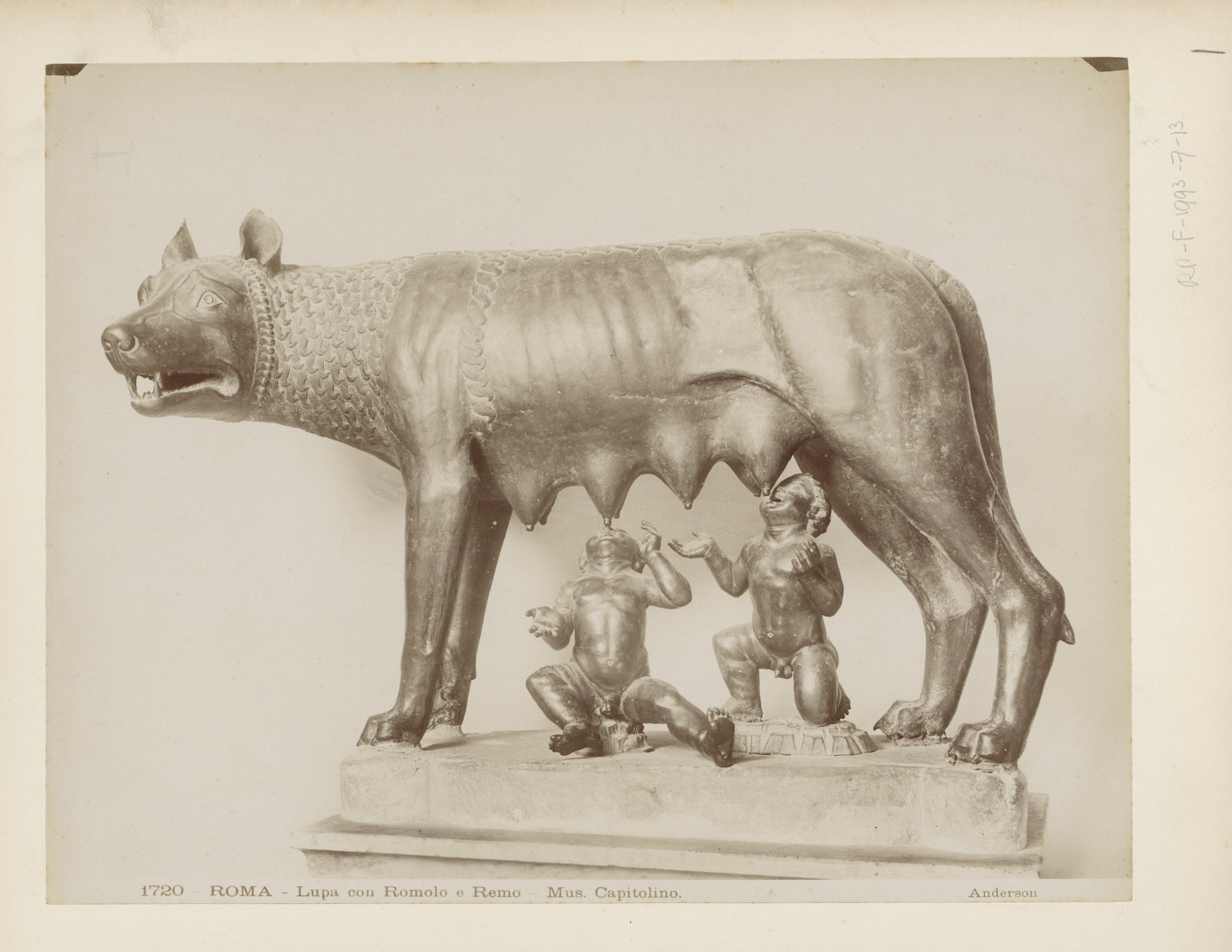
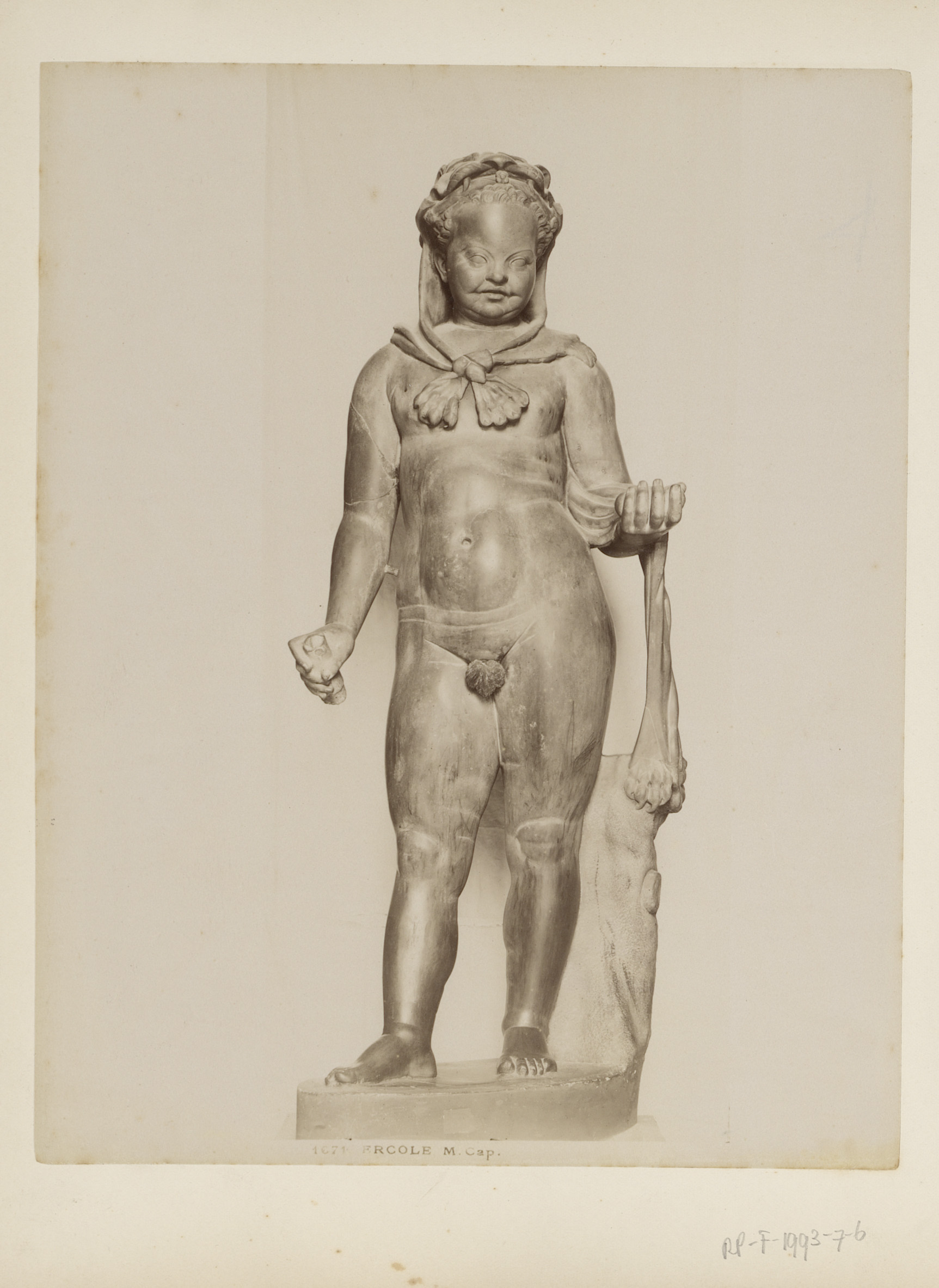
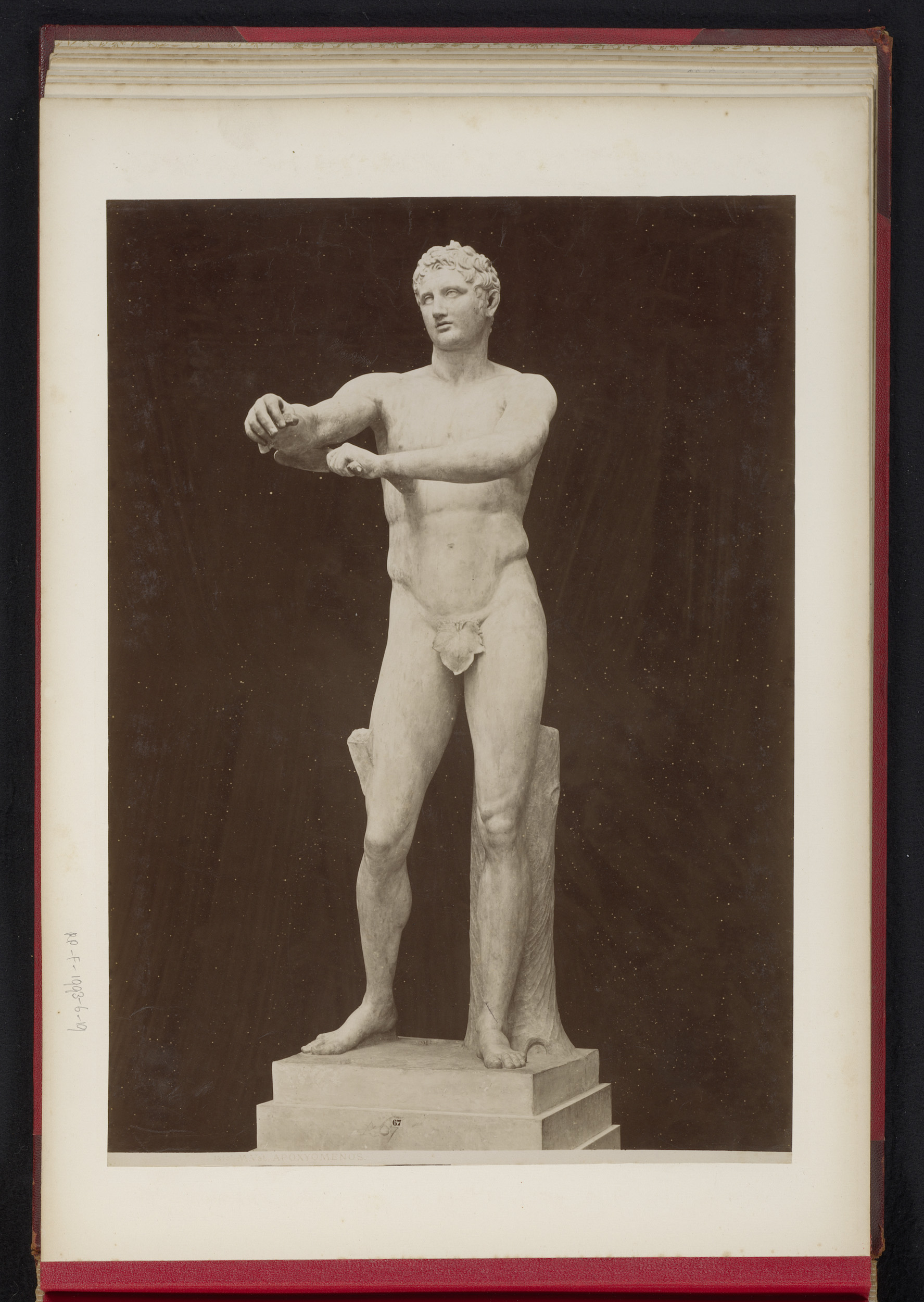
“Every brushstroke is a heartbeat remembered.” In the stillness of time, art has the power to awaken history, stirring the echoes of ancient lives. Look closely at the intricate details of the sculpture, where the grace of Artemis radiates through each meticulously carved fold of her drapery. The composition draws your gaze to her serene expression, poised as if caught in a moment of divine reflection. Notice how the soft play of light accentuates her features, hinting at a quiet strength amidst the shadowed recesses of the museum's ambiance, inviting a sense of both reverence and curiosity.
Delve deeper, and you will find contrasts that pulse beneath the surface. The juxtaposition of the goddess's calm demeanor against the imposing stature of the sculpture elicits a sense of awe, reminiscent of humanity's ongoing relationship with the divine. Each delicate element, from the detailed ornamentation to the base that grounds her, speaks to the complexities of worship and the reverence of nature. Through this work, the artist captures a moment of awakening—reminding viewers of the enduring vitality of myth within the fabric of culture.
Created in the heart of the 19th century, this piece emerged during a time of significant interest in classical antiquity and the revival of ancient techniques. James Anderson crafted this sculpture in Rome, amidst a burgeoning movement that sought to blend traditional artistry with contemporary sensibilities. The period was marked by a rekindling of admiration for the great civilizations of the past, as artists like Anderson endeavored to breathe new life into the relics of history.