Sculptuur van Hercules als kind in de Capitolijnse Musea te Rome — History & Analysis
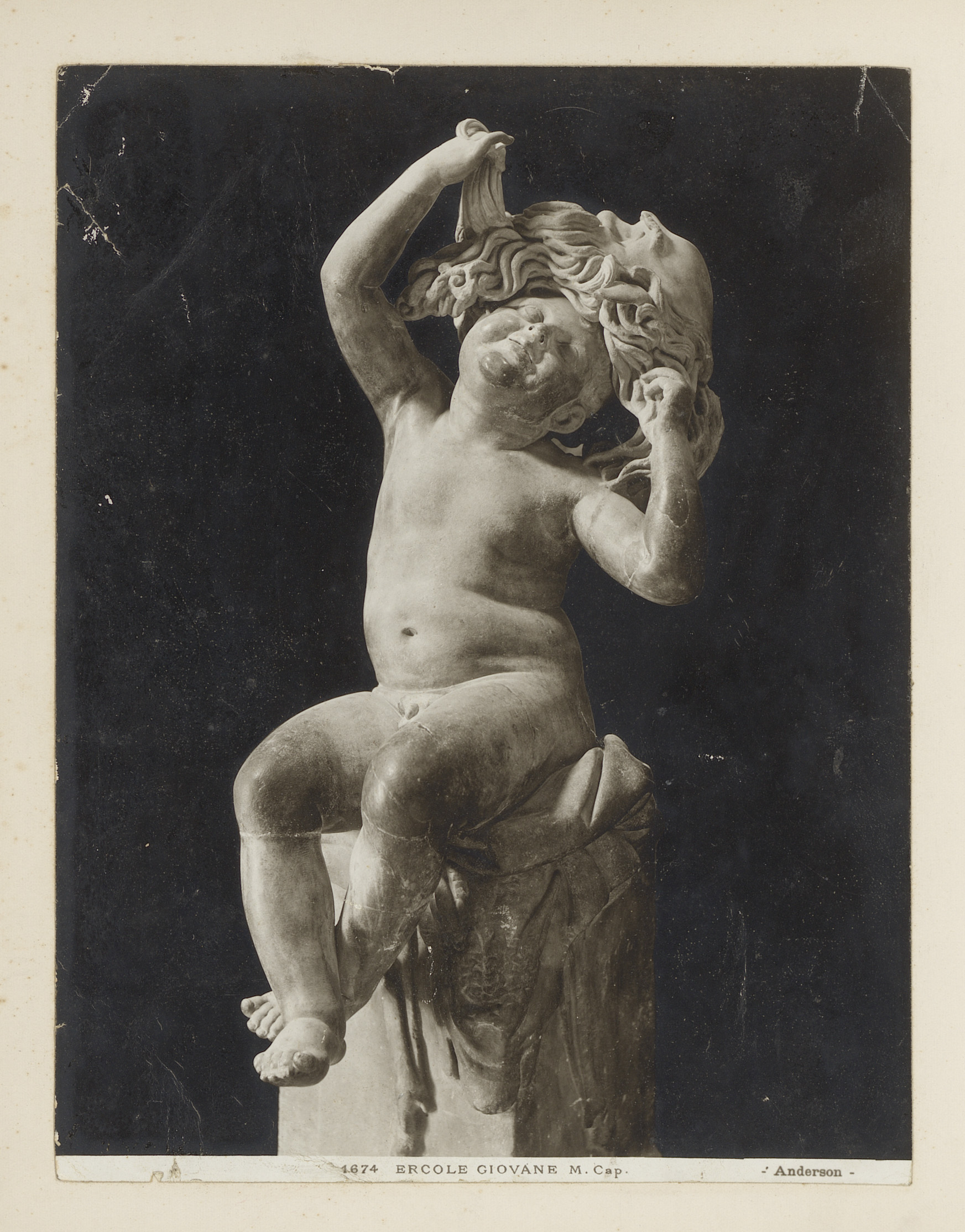
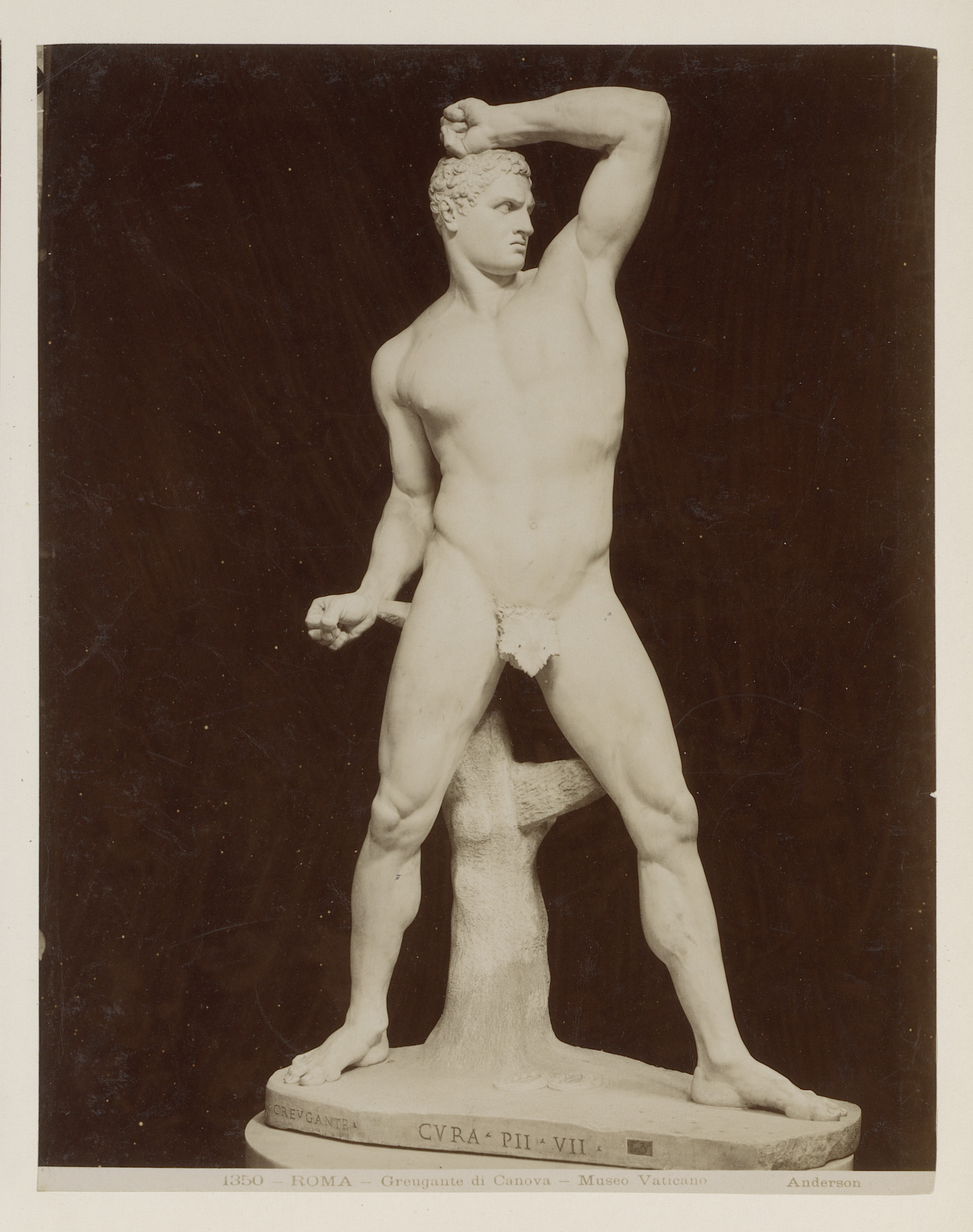
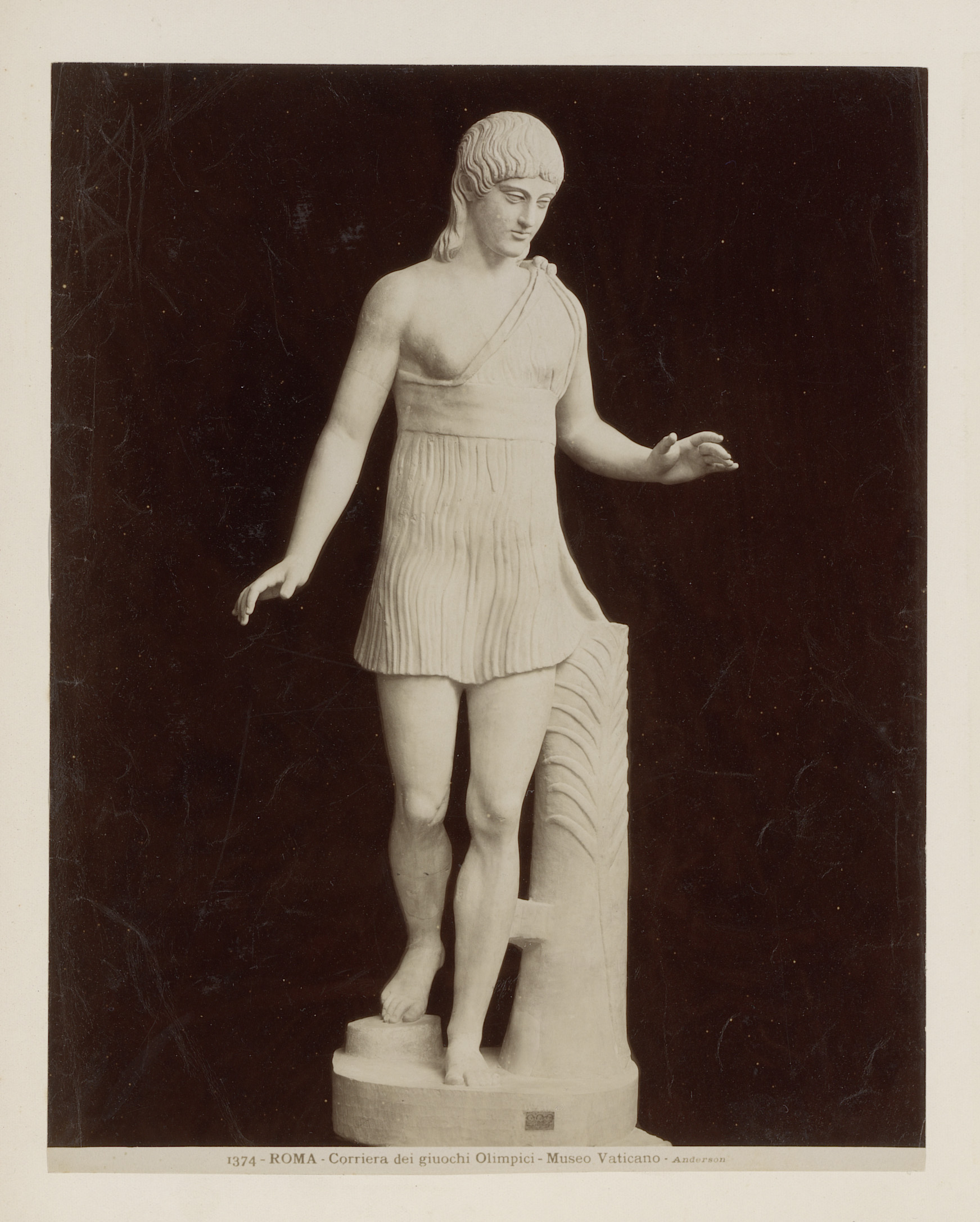
What if silence could speak through light? In the stillness of a moment, a child’s innocence meets the weight of destiny, awakening a narrative that resonates through time. Look closely at the gentle curves of the marble, where the figure of Hercules as a child emerges, poised in a delicate balance between vulnerability and strength. The soft, diffused light bathes the sculpture, enhancing the texture of the skin and the intricacy of the drapery that clings to his form. Notice how the artist captures the glint in young Hercules’ eyes, a spark of future heroism that flickers beneath the surface of his serene expression.
The composition draws the viewer into the interplay of shadow and illumination, masterfully showcasing Anderson’s deft hand. As you study the piece, consider the symbolism of childhood interwoven with the mythological legacy of Hercules. The juxtaposition of innocence with the impending weight of greatness reflects the universal theme of potential. Each delicate feature hints at the struggles and triumphs that lie ahead, inviting contemplation of the dichotomy between strength and fragility.
The child cradles a lion's skin, a foreshadowing of the grand challenges to come, shedding light on the journey from innocence to heroic endeavor. James Anderson crafted this evocative sculpture between 1857 and 1875, likely during a period of personal exploration and artistic growth. Working in Rome, he was influenced by the Neoclassical revival, a time when artists sought to return to the ideals of ancient cultures. Anderson’s ability to blend classical themes with a fresh emotive perspective reflects the transformative spirit of his era, bridging history and the intimate human experience.