Sculptuur van Apoxyomenos, Vaticaan — History & Analysis
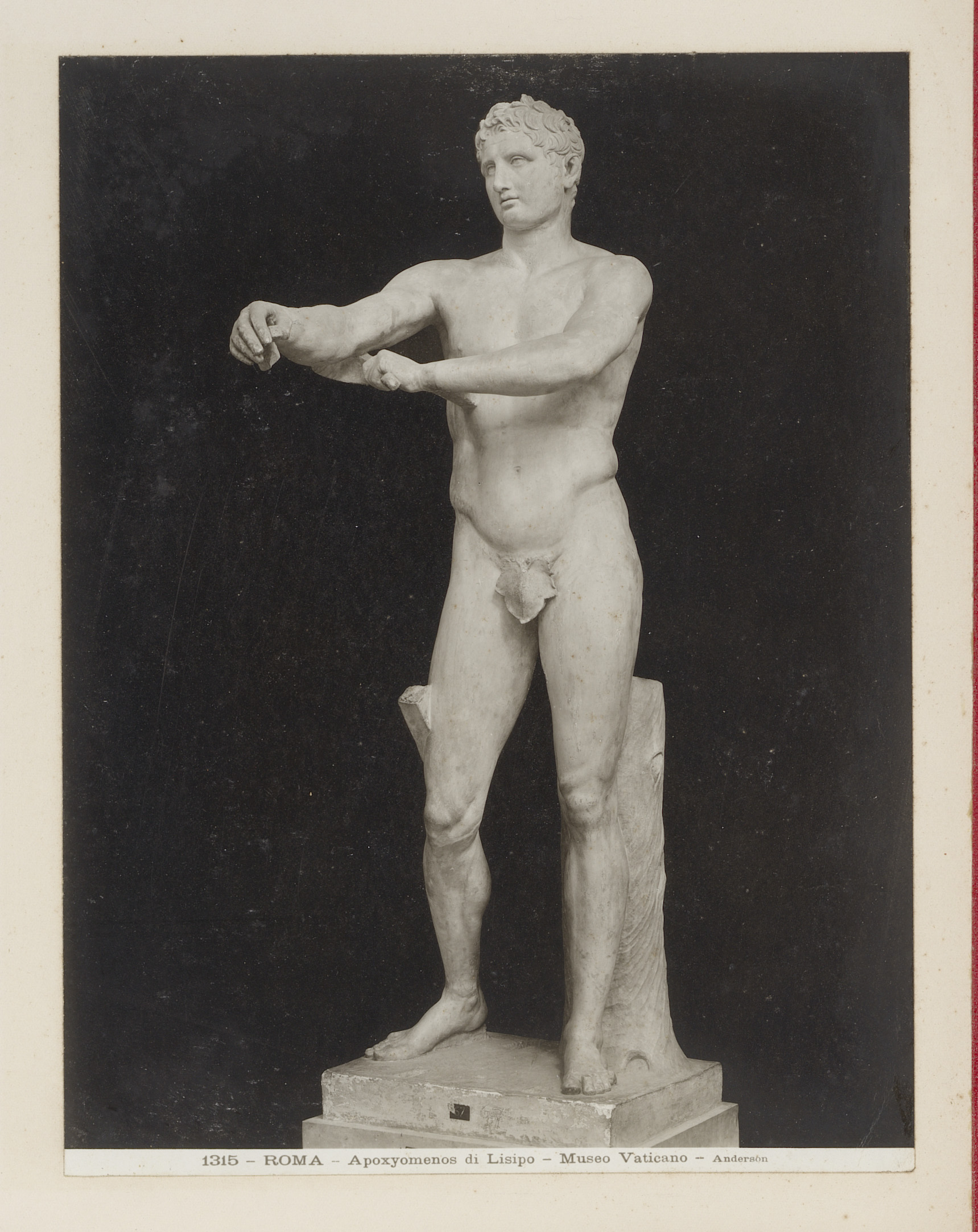
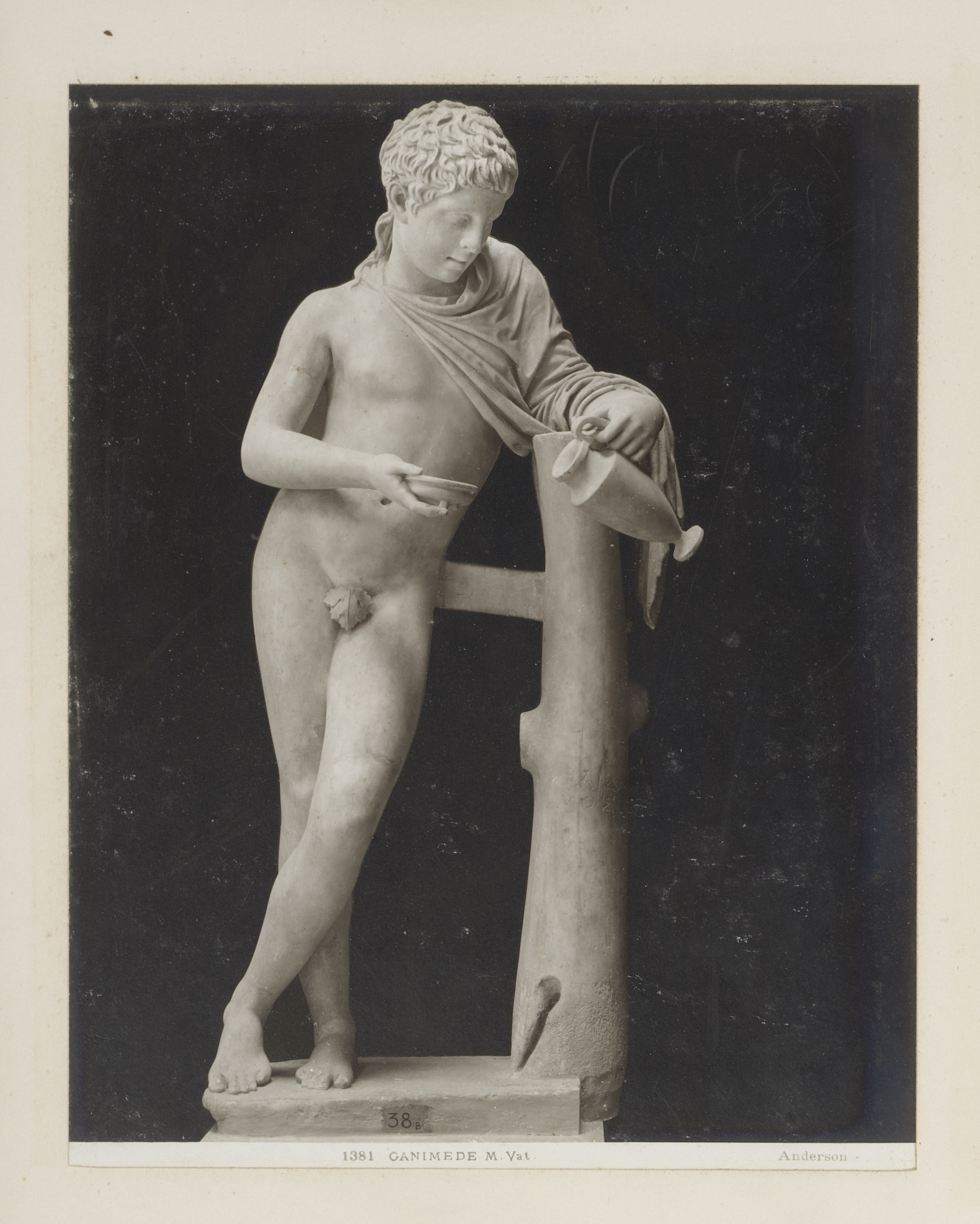
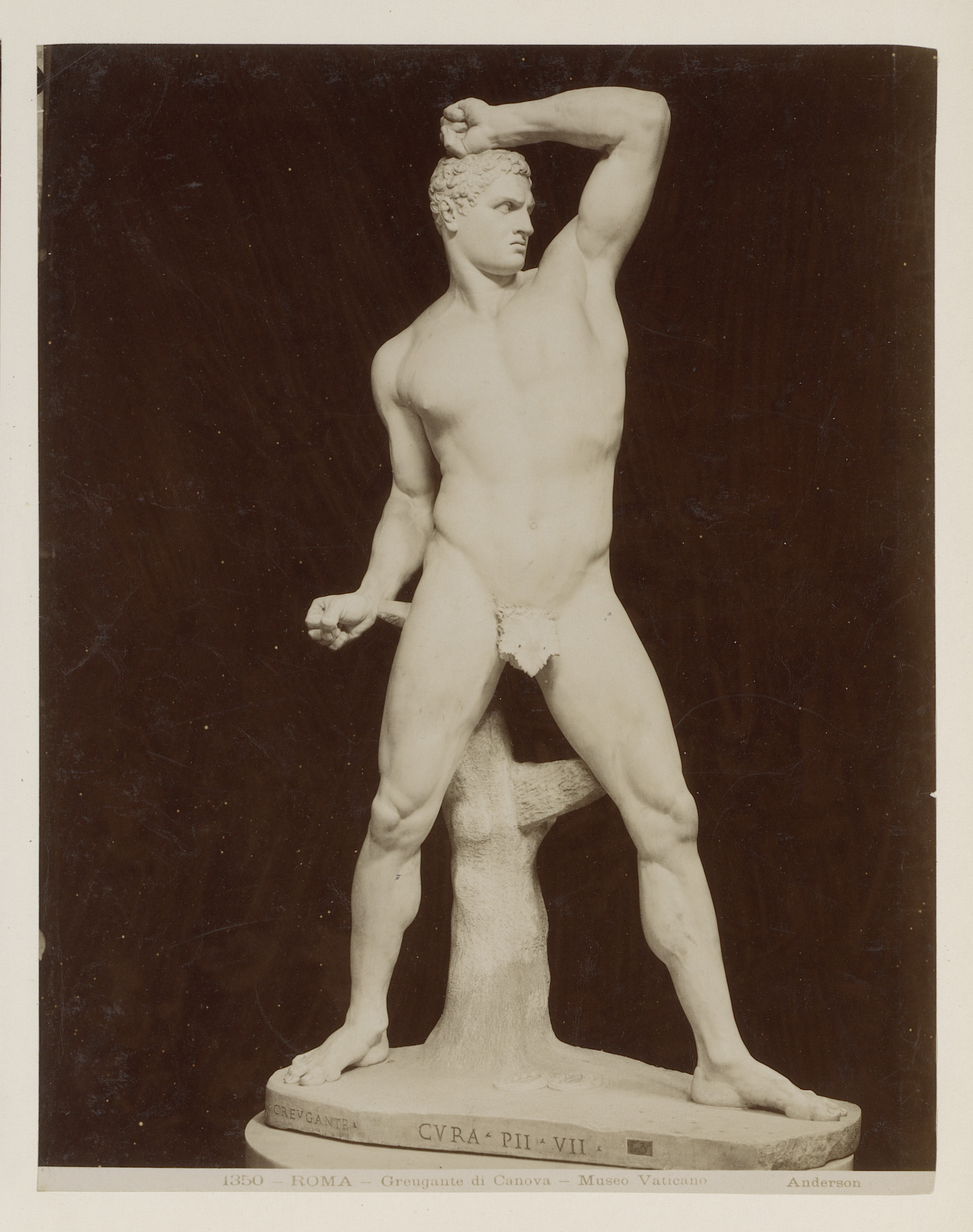
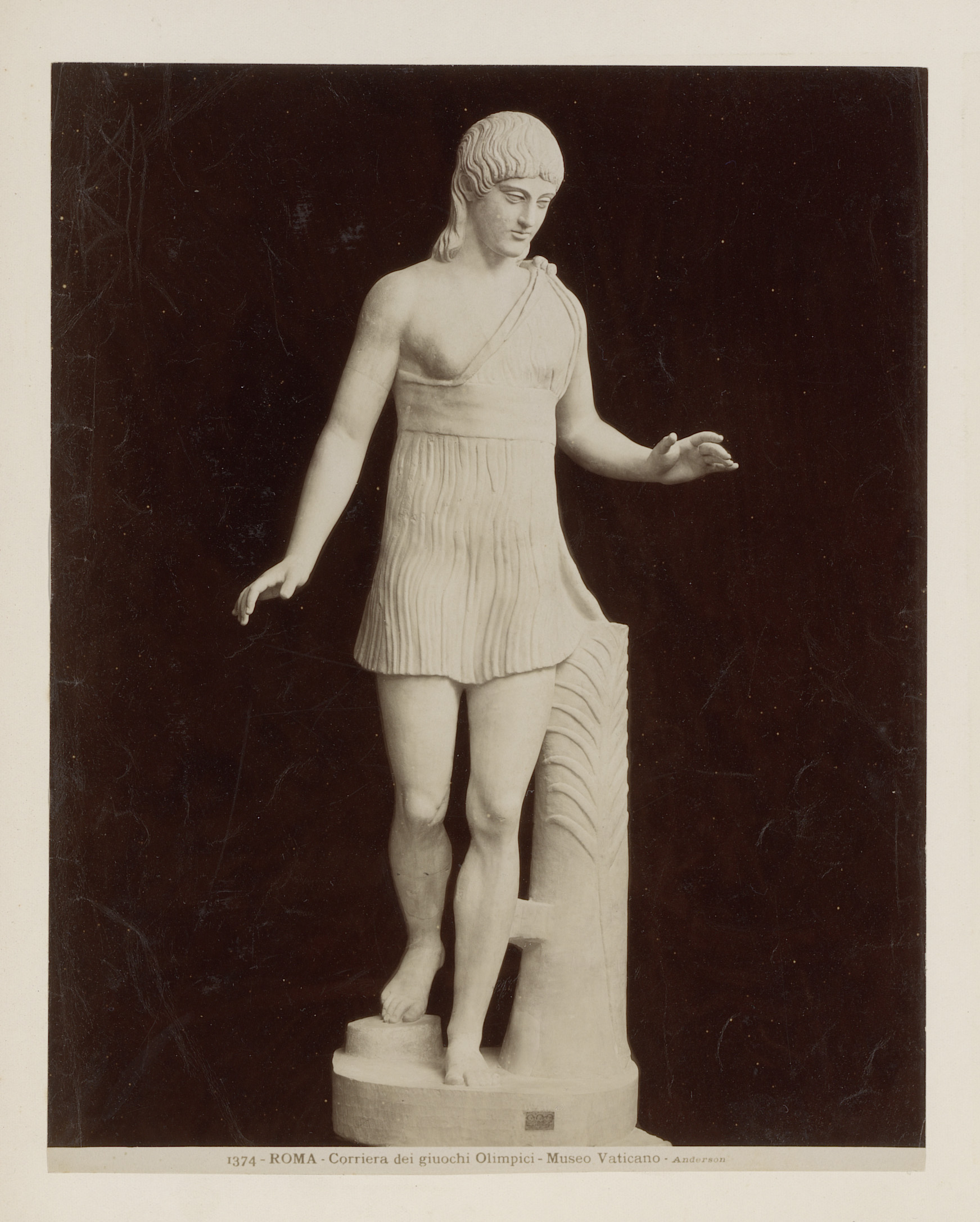
Could a single brushstroke hold eternity? In the delicate contours of this classical sculpture, one feels the weight of time suspended, a moment of transcendence captured in stone. Focus on the figure’s right arm as it is raised, the elegant curve echoing the grace of ancient athletes. The sculptor’s precision reveals every sinew, every muscle, inviting the viewer to appreciate not just the artistry but the celebration of the human form.
Notice how the polished surface catches the light, enhancing the contours and creating a dialogue between shadow and illumination that breathes life into the figure. Beneath the surface, the piece embodies a quiet struggle between the ideal and the human experience. The expression on Apoxyomenos's face hints at an inner contemplation, perhaps a moment of vulnerability amidst the strength. This tension between physical beauty and emotional complexity invites reflection on our desires for perfection and the inevitable imperfections inherent in humanity.
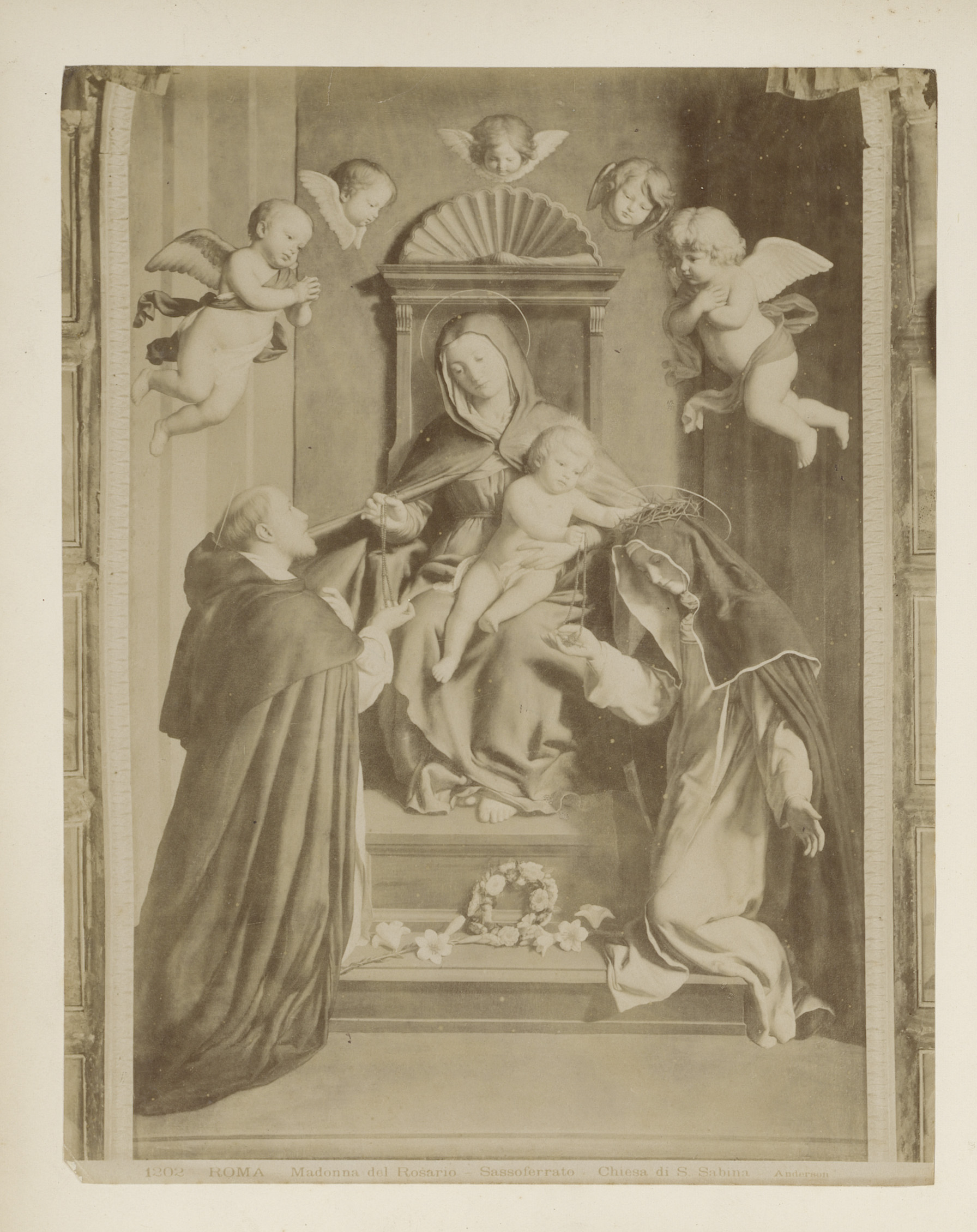
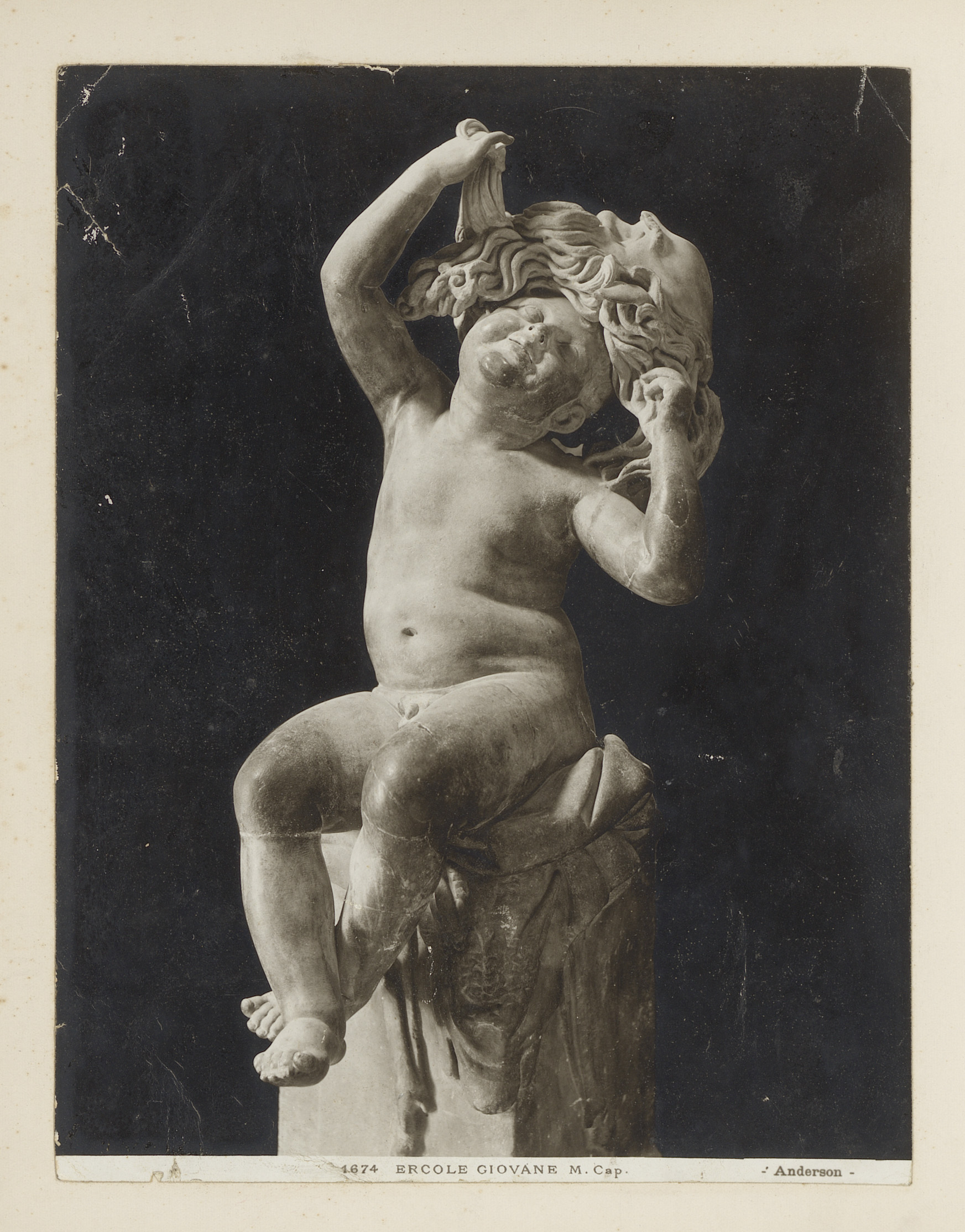
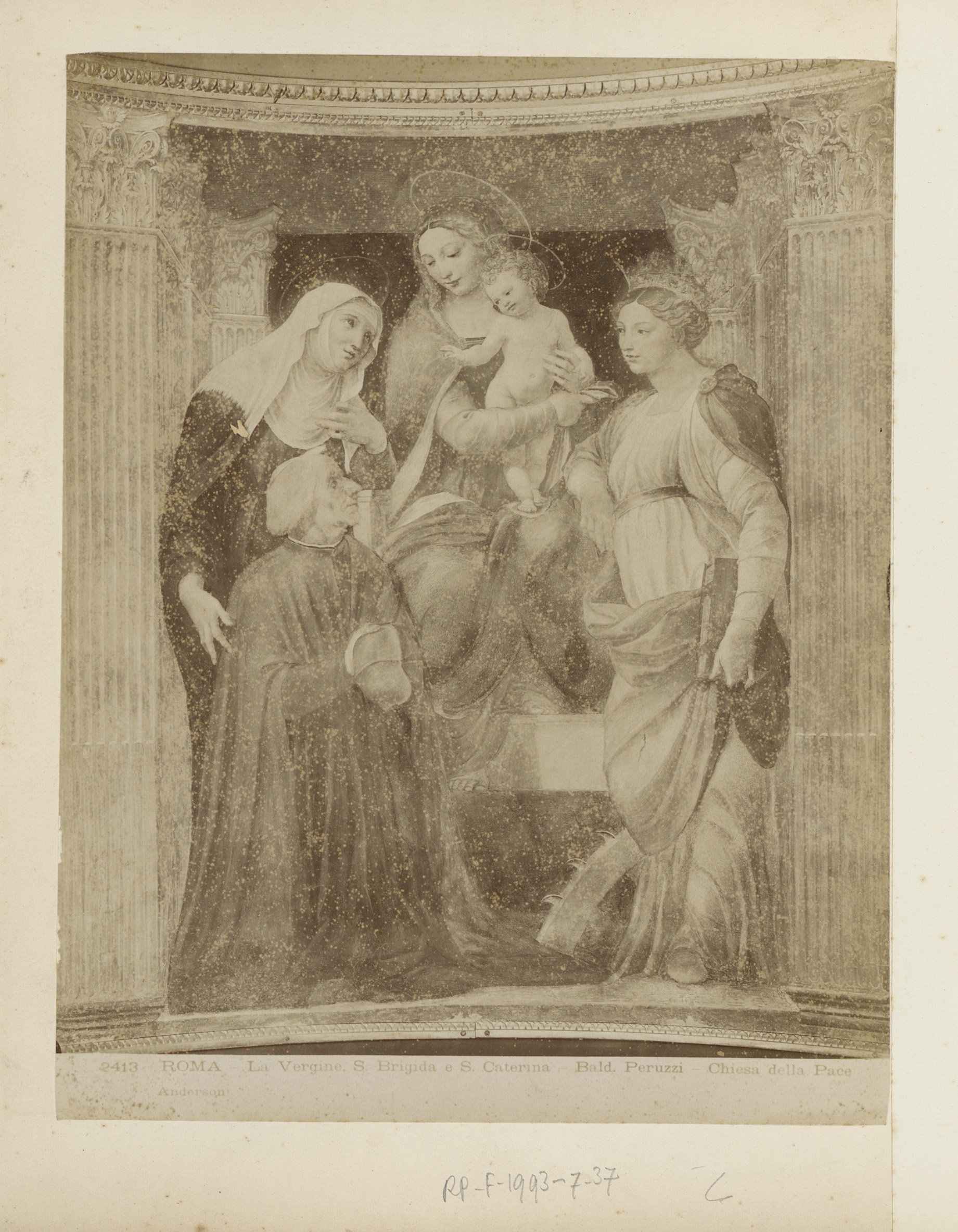
James Anderson crafted this remarkable sculpture between 1857 and 1875, a time when classical revival was sweeping through the art world. Working in the Vatican, his efforts coincided with a growing admiration for ancient Greek and Roman aesthetics, reflecting society's yearning to reconnect with the ideals of beauty and strength that those eras represented. The piece stands not only as a testament to artistic skill but also as a reflection of a cultural moment deeply invested in the legacy of antiquity.