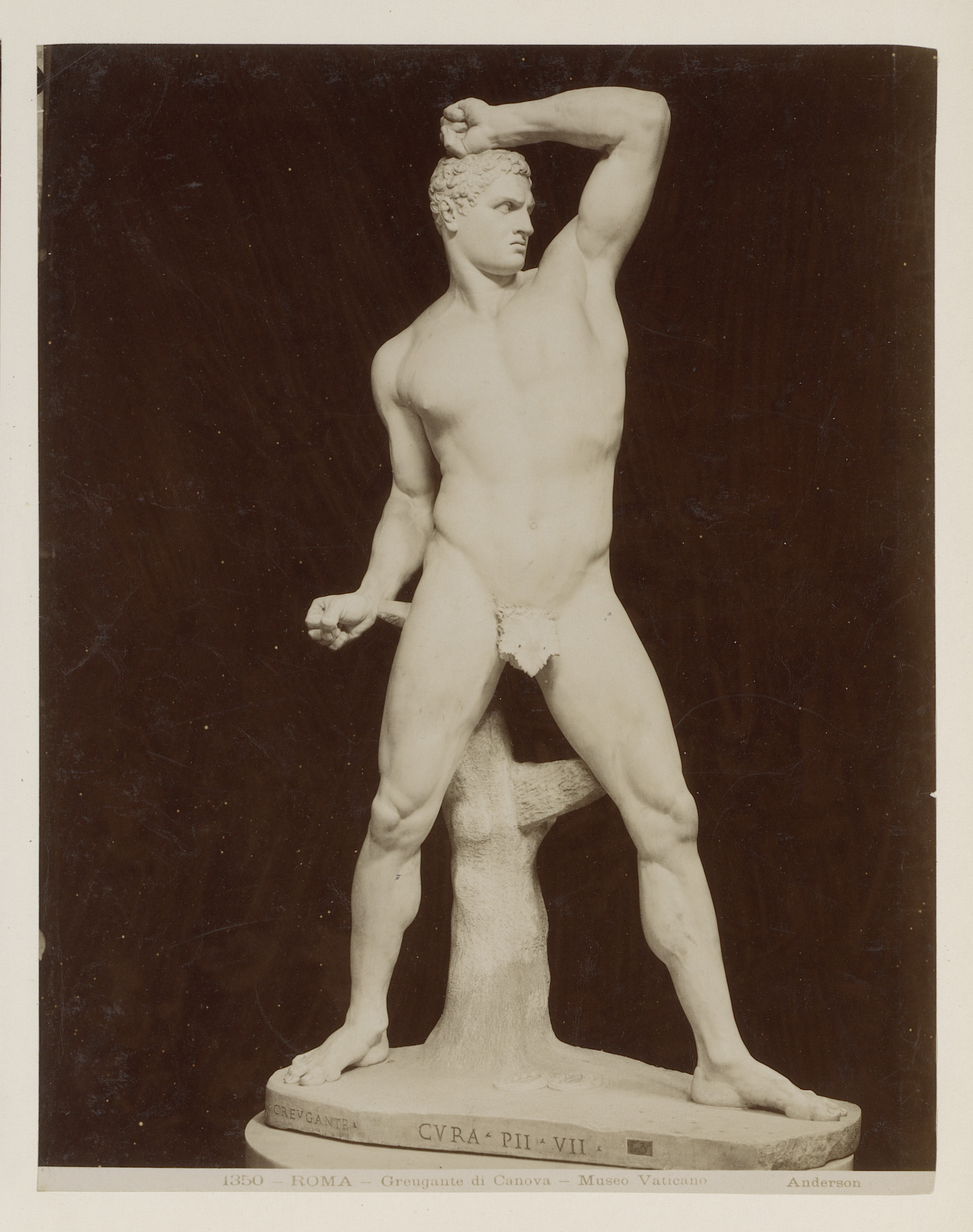
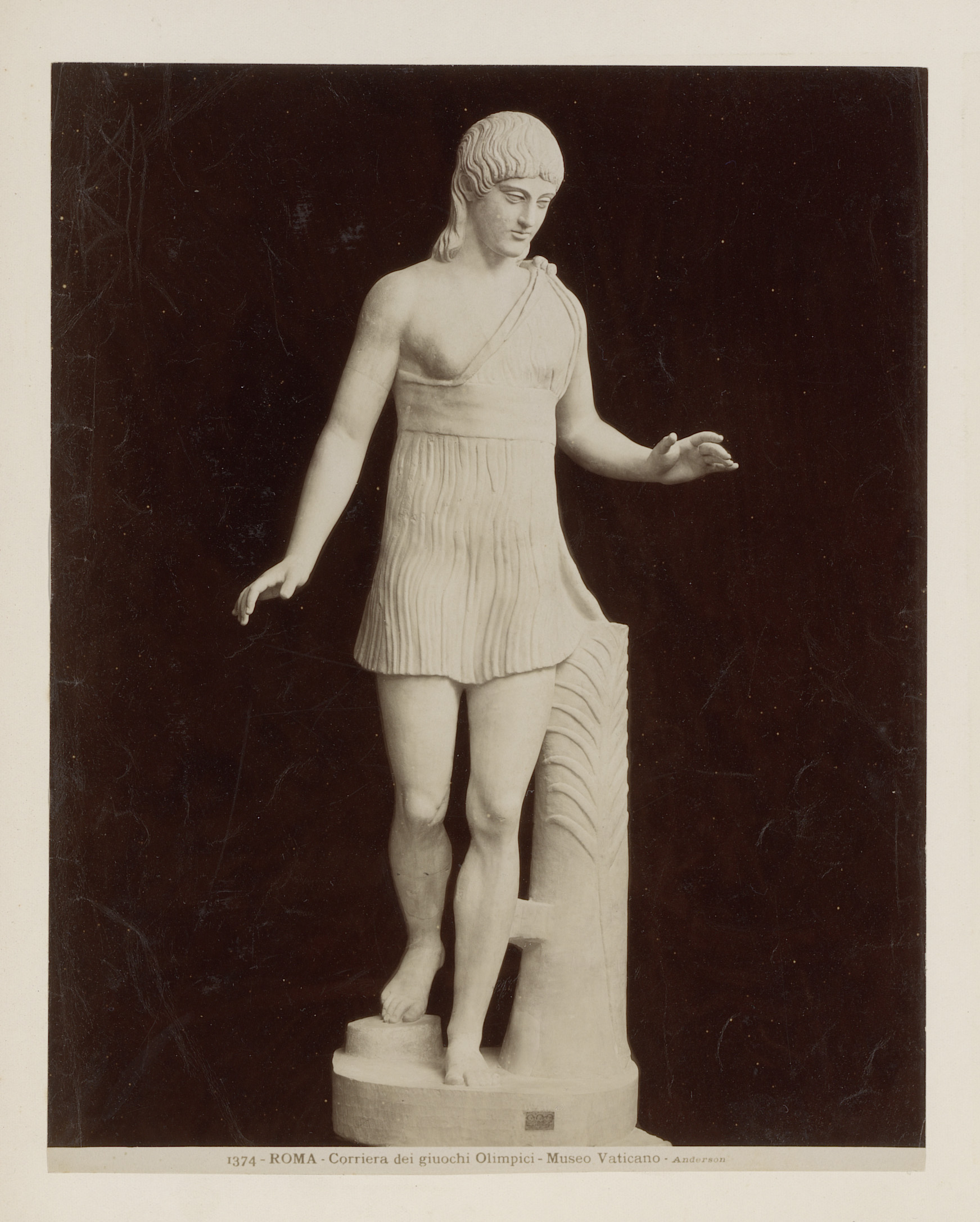
Sculptuur van Ganymedes, Vaticaan — History & Analysis
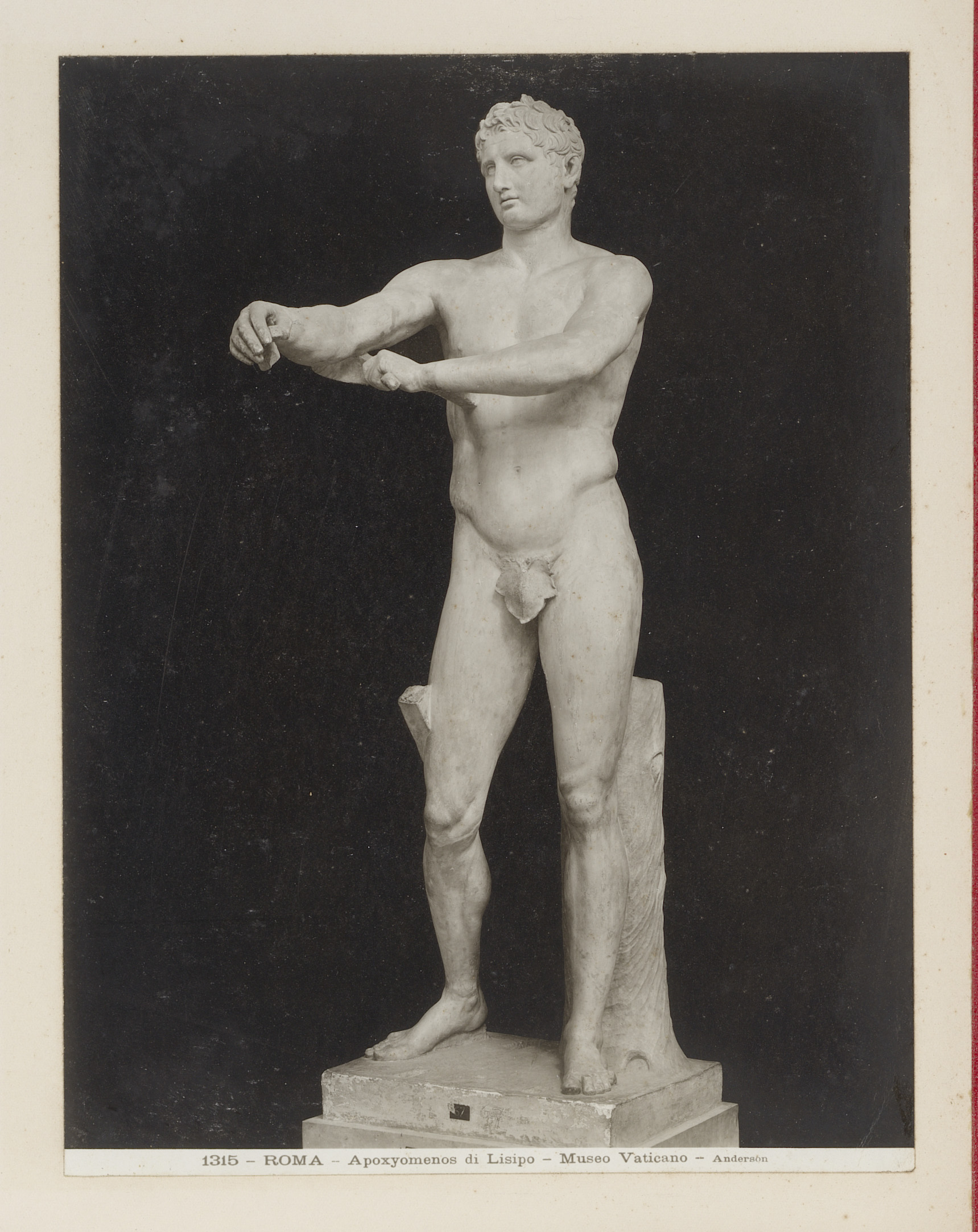
Can beauty exist without sorrow? This question hangs in the air as one contemplates the Sculptuur van Ganymedes. This striking piece invites viewers to explore the delicate interplay between joy and melancholy inherent in the mythological tale it represents. Look to the figure of Ganymede, poised elegantly, a youthful embodiment of both allure and vulnerability.
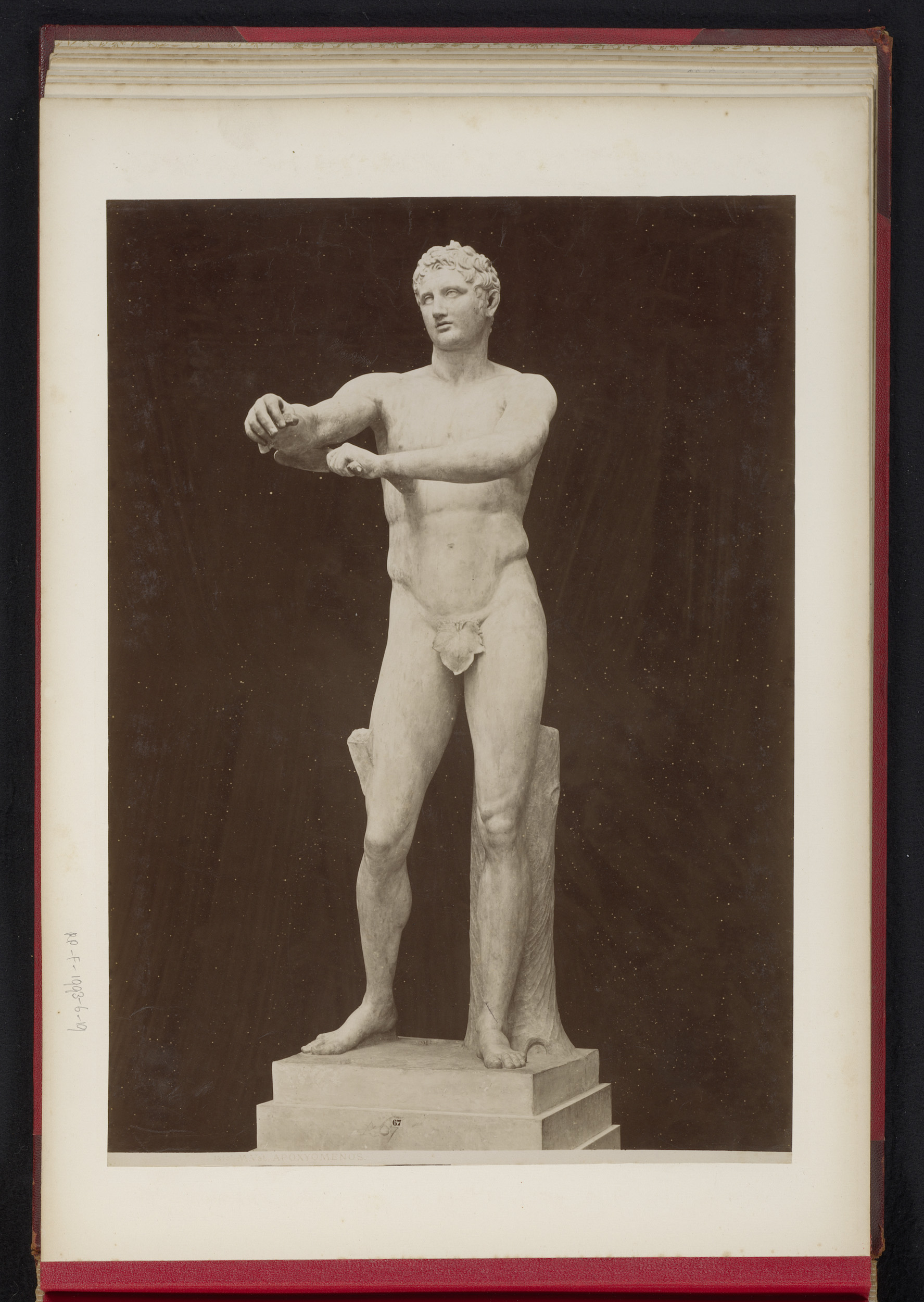
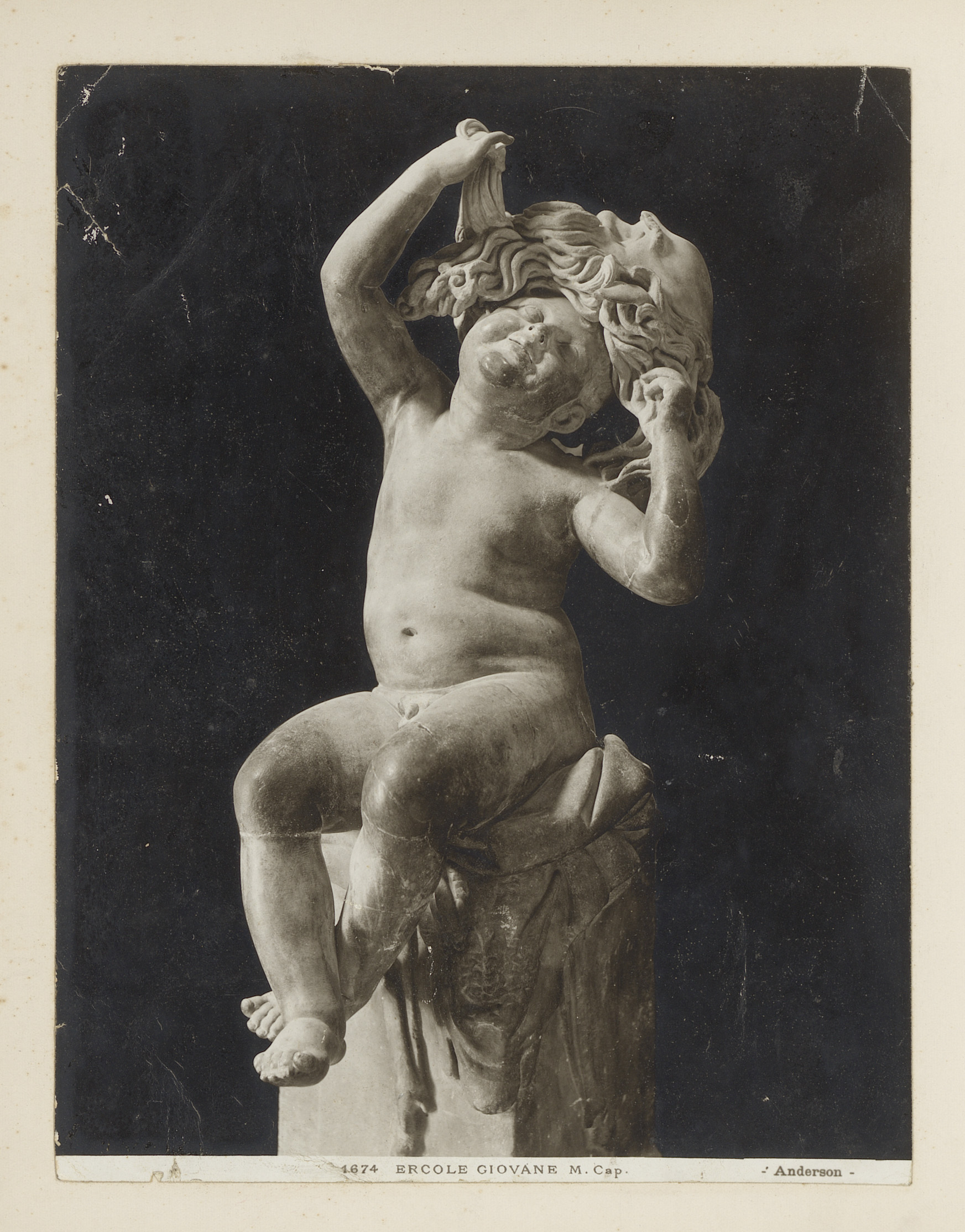
Notice how the soft marble captures the light, casting gentle shadows that accentuate the contours of his form. The artist’s mastery is evident in the lifelike texture of the drapery, which flows like a whisper around the figure, inviting the gaze to travel from the serene expression on his face to the subtle tension in his outstretched arms. Each detail, from the meticulous carving of his hair to the graceful curve of his shoulders, creates a visceral connection between the viewer and the subject. Within this sculpture lies a profound contrast between the sublime beauty of Ganymede and the inherent tragedy of his fate.
The youth is forever taken from his homeland, transformed into a symbol of divine preference, yet this elevation comes at the cost of his mortal ties. The tension between longing and loss reverberates through the sculpture, evoking a bittersweet understanding of beauty as both a gift and a burden. James Anderson created this masterpiece between 1880 and 1920, a time when the world of art was experiencing a shift towards modernism and a revival of classical themes. Residing in the Vatican, the artist was immersed in a rich tapestry of history and tradition, which influenced his choice to sculpt a figure from Greek mythology, illuminating the eternal struggle of human experience against the backdrop of an evolving artistic landscape.