Sculptuur van Creugas, Vaticaan — History & Analysis
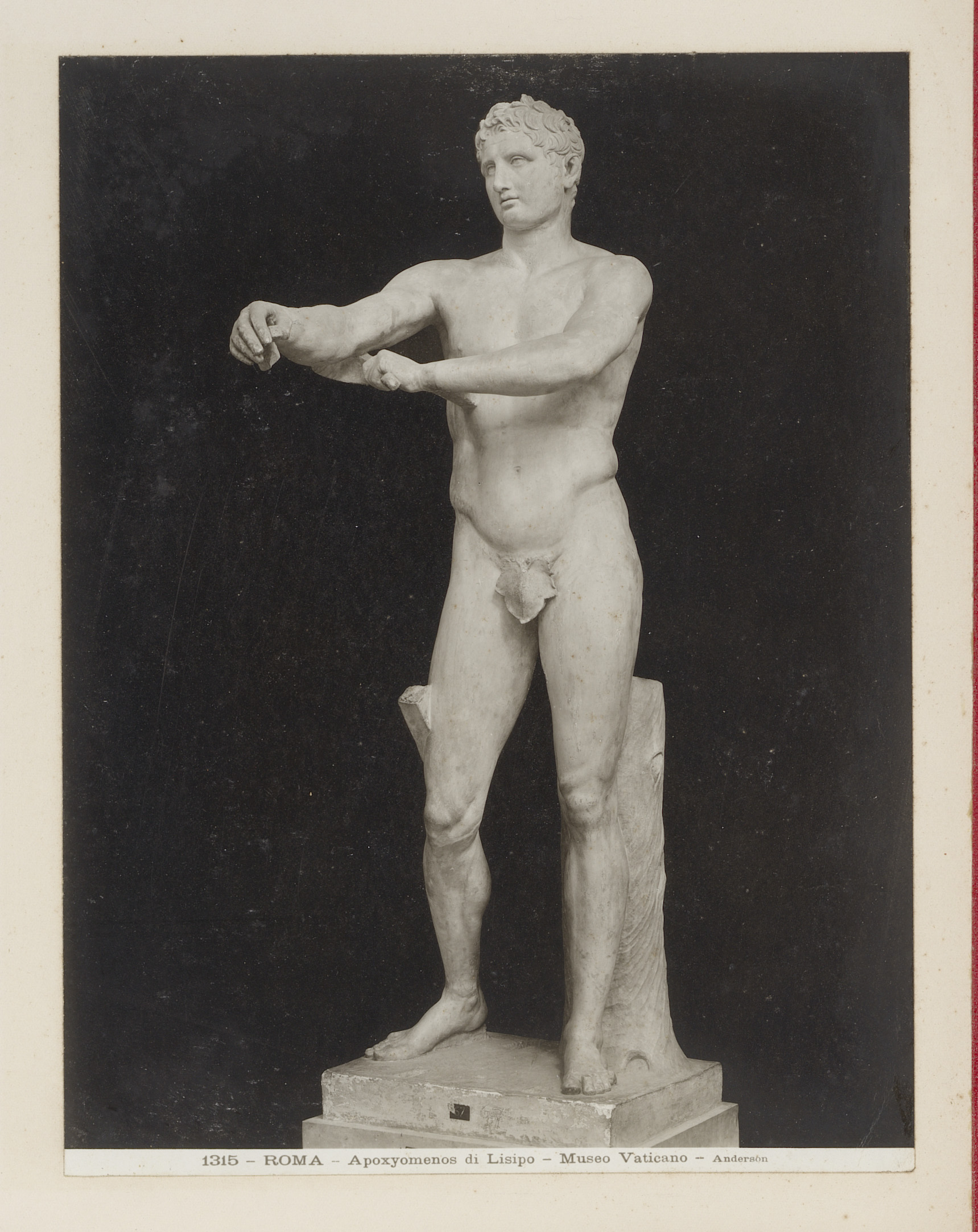
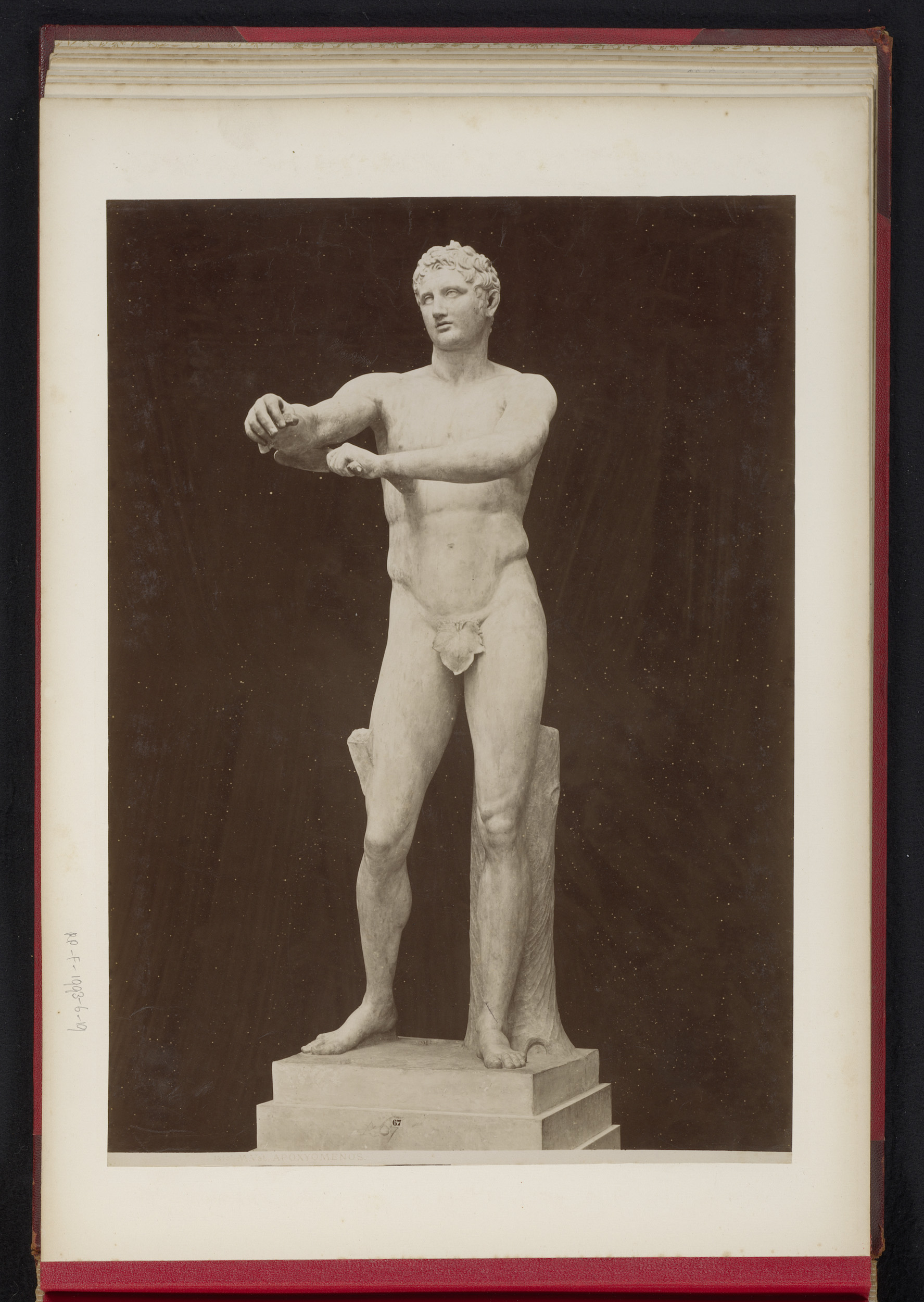
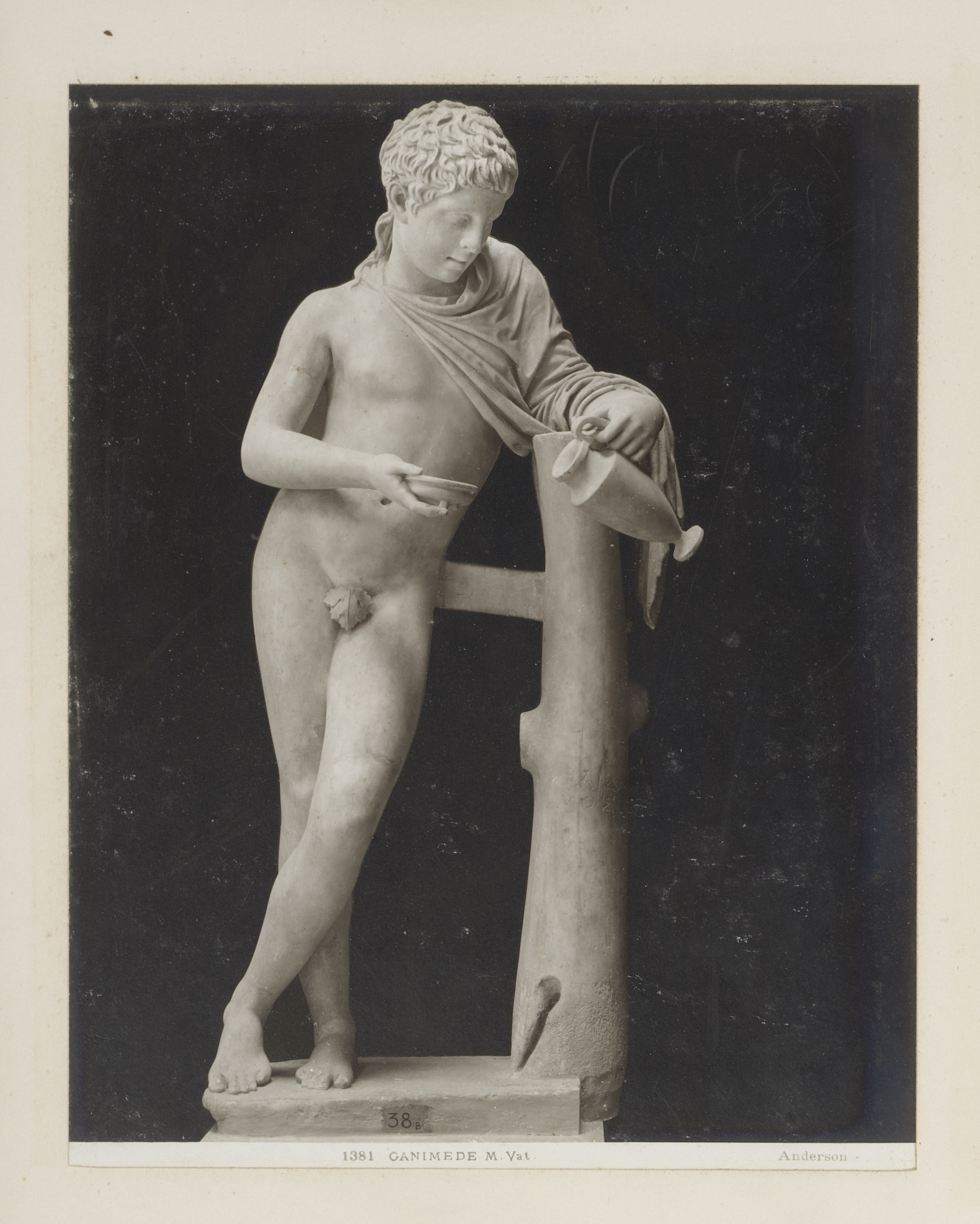
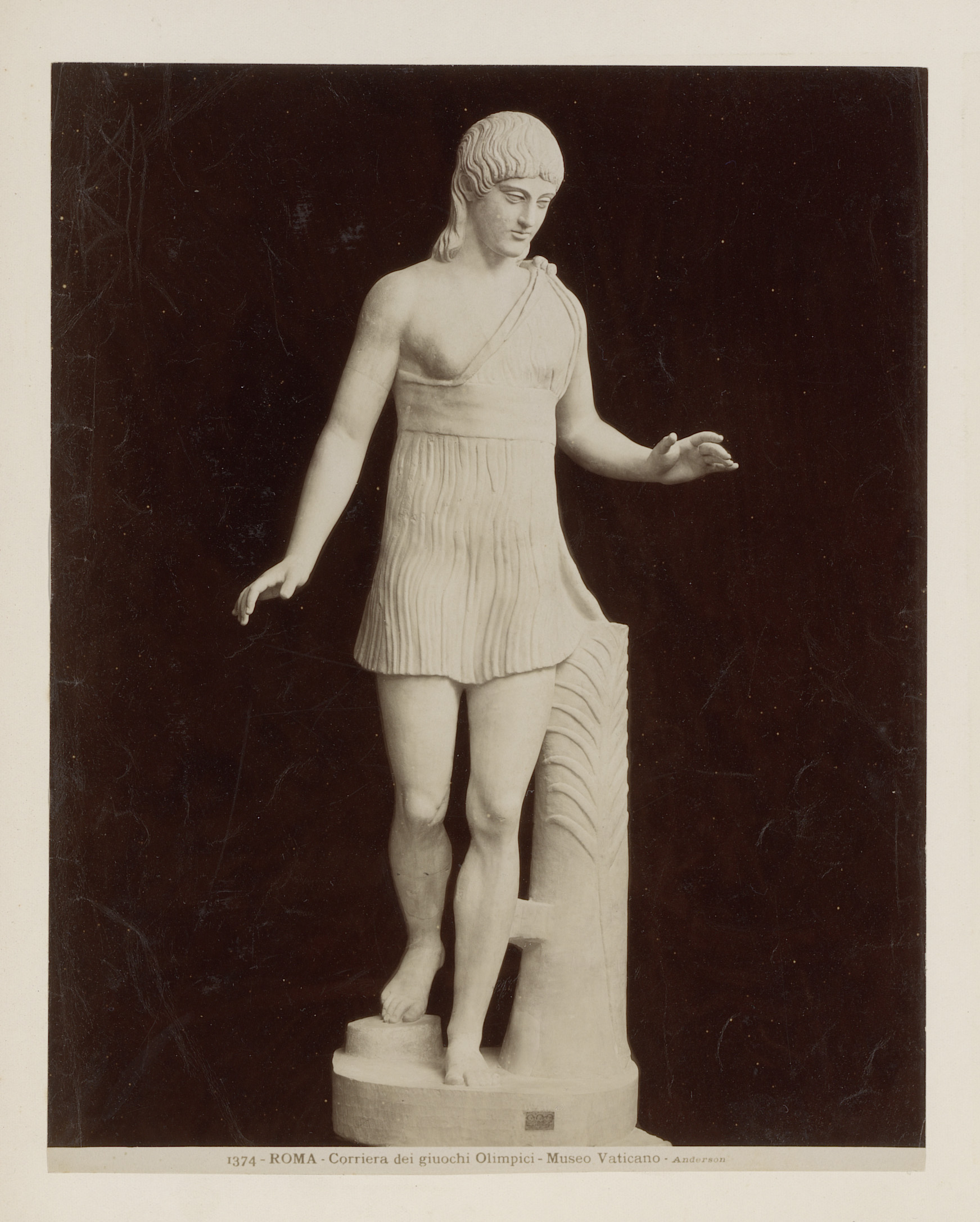
“Every brushstroke is a heartbeat remembered.” In a world that thrives on the revolution of ideas, how does one capture the essence of change through sculpture? Look closely at the intricate details of the marble, where each chisel mark tells a story of struggle and transformation. The figure stands poised, a testament to the power of the human spirit, with muscles taut and features finely rendered. Notice the interplay of light on the surface, highlighting the smooth contours while casting shadows that dance through the folds of the drapery. This careful manipulation of light and shadow gives depth to the figure, suggesting an inner vitality that beckons the viewer to contemplate the narrative beneath the surface.
Delve deeper into the symbolism woven into the composition. The tension between the solid material and the fluidity of the pose evokes a sense of defiance against the constraints of time and space. The slightly tilted head and the intense gaze invite questions—what secrets does this figure hold? Is it a reflection of personal revolution or a commentary on the societal upheavals of its time?
Herein lies the contrast between the static nature of sculpture and the dynamic concept of change, capturing the essence of both individual and collective experiences. James Anderson created this work during a pivotal period of artistic exploration in the mid-19th century, a time where the neoclassical influences mingled with emerging romanticism. Residing in the Vatican, he was immersed in the rich tapestry of religious and historical themes, yet sought to infuse his figures with a sense of modern relevance. As the world around him grappled with revolutions—political, social, and artistic—this piece stands as a silent witness to the profound transformations that shaped his era.