Sculptuur van Apoxyomenos door Lysippus (kopie), Vaticaan — History & Analysis
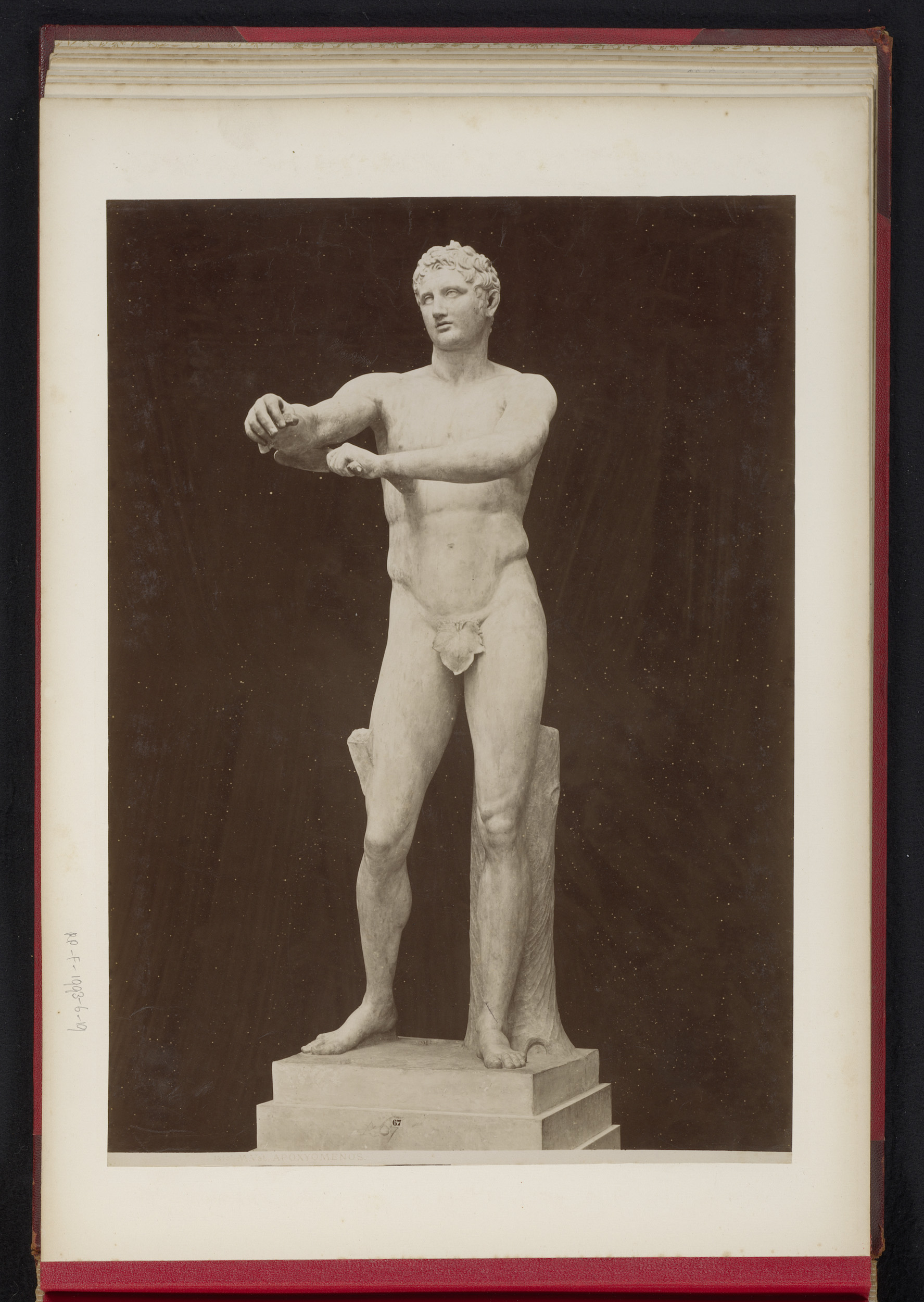
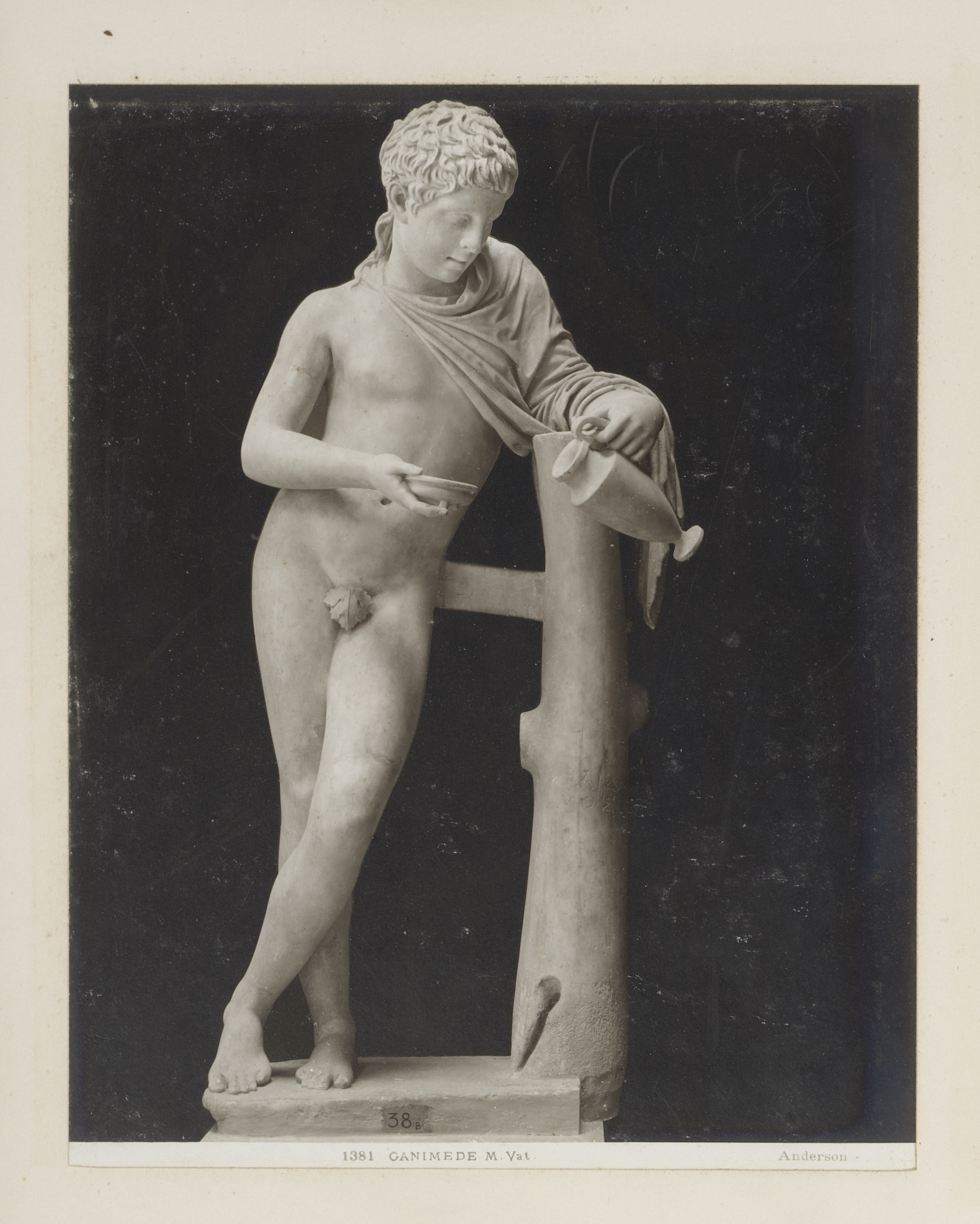
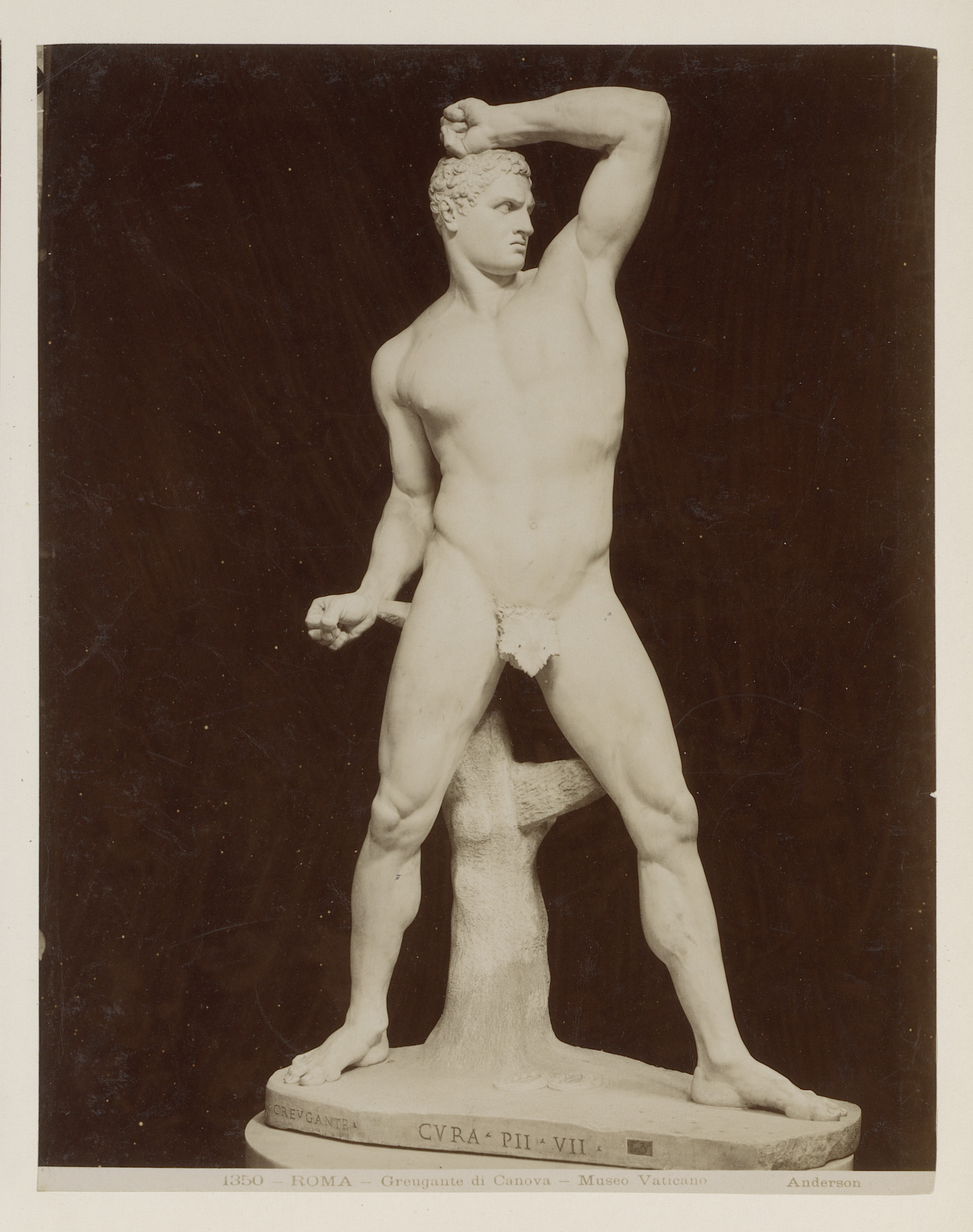
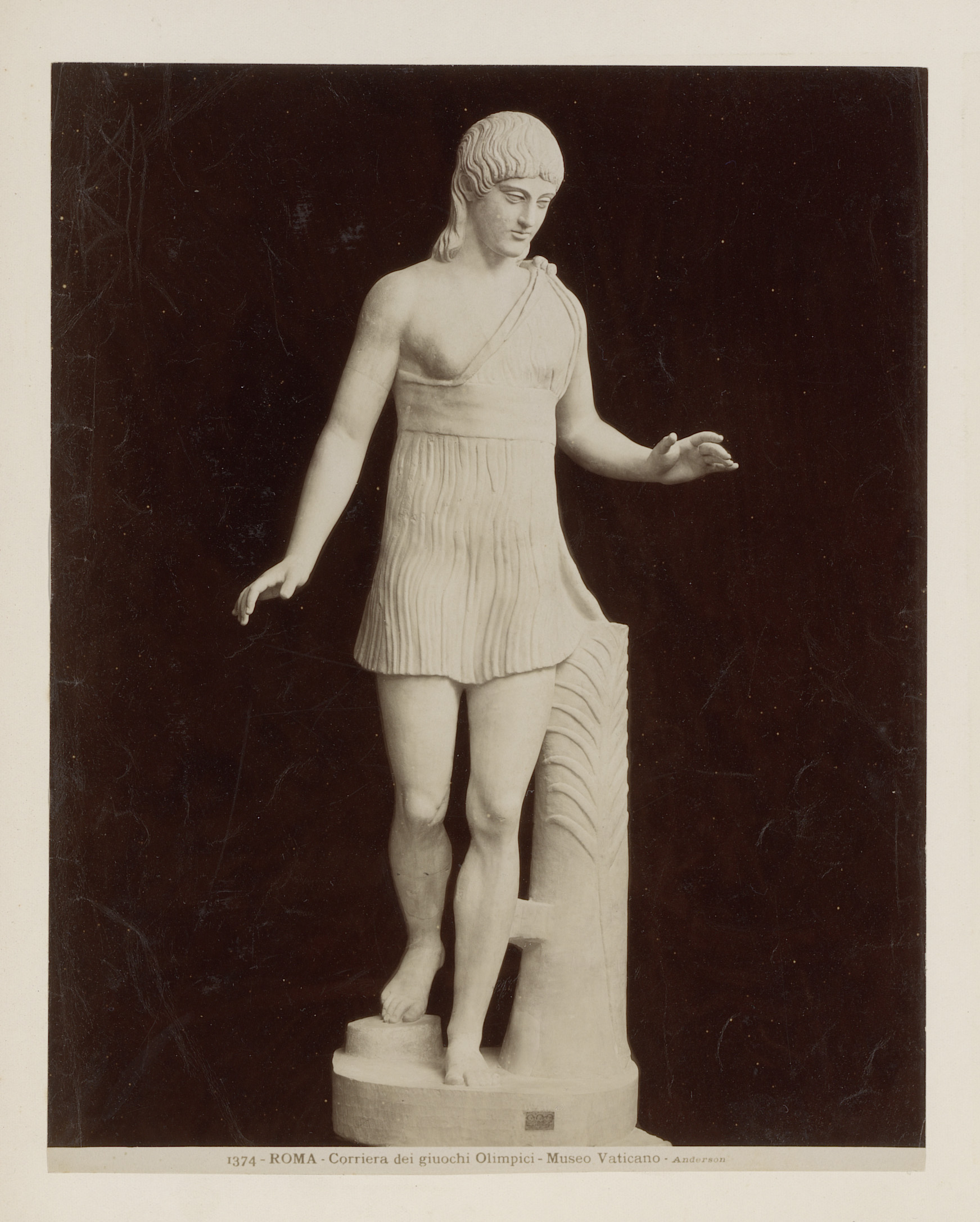
What secret hides in the quiet of the canvas? Beneath the smooth surface of this sculpted figure lies a tension between reality and the illusion crafted by the artist’s deft hands. Look to the left at the poised stance of the figure, a youthful athlete who seems caught in a moment of graceful motion. The flesh tones, subtly graded from warm pinks to cool ochres, bring a lifelike quality that almost breathes.
Notice how the play of light accentuates the contours of the muscles, each curve and angle meticulously rendered to evoke both movement and stillness. The base, supporting this dynamic pose, grounds the sculpture, contrasting the elegance of the figure with its solid, unyielding presence. The illusion of life is deepened by the artist's mastery of texture, where the skin appears soft and pliable while the draped cloth suggests both weight and fluidity. The sculpture embodies not just the physicality of the athlete but an emotional narrative of triumph and vulnerability.
The gaze of the figure, directed outward, invites viewers to ponder what lies beyond the confines of the artwork, blurring the lines between observer and observed. James Anderson created this piece in the early 20th century, a period marked by a resurgence of classical themes and techniques in sculpting. Working in the Vatican, he sought to revive the ancient Greek ideal epitomized by the original Apoxyomenos, reflecting both his artistic aspirations and the broader neoclassical revival happening in Europe at the time.