Fragment from the Jardin du Luxembourgin Paris — History & Analysis
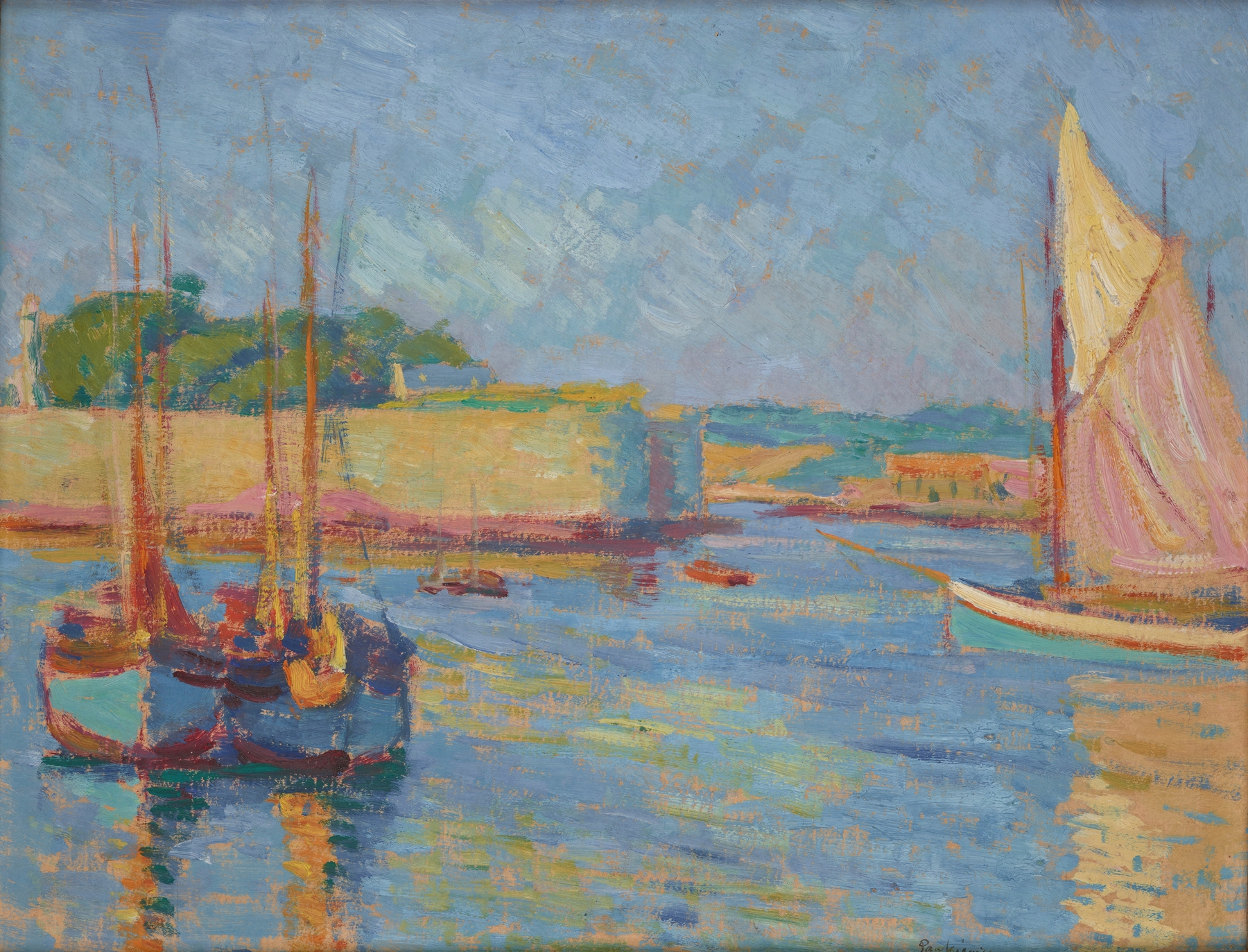
Can paint confess what words never could? In Fragment from the Jardin du Luxembourg, light becomes a language of its own, whispering secrets of emotion and atmosphere. Look to the canvas, where soft, dappled sunlight filters through lush green leaves, creating a luminous tapestry of color. The vibrant greens and gentle yellows invite your gaze, drawing you into a serene moment in the famed Parisian garden.
Notice how the brushstrokes blend together, each stroke alive with energy, crafting an almost rhythmic interplay between shadow and light that defines the surrounding foliage. As you delve deeper, subtle contrasts emerge: the vivid vibrancy of blooming flowers against the calming shadows under the trees hints at the duality of nature's beauty and complexity. The light dances across the scene, highlighting elements of both serenity and fleetingness, echoing the transitory nature of life. One can sense the artist's longing for connection, as if he is capturing a moment that speaks to the heart's desire for tranquility amidst a bustling world.
In 1906, Pankiewicz painted this work in Paris, a city thriving with artistic innovation and cultural transformation. He was deeply influenced by the Impressionist movement, exploring the effects of light and atmosphere on his subjects. This period marked a pivotal time for him as he sought to establish his own voice within the art world, reflecting the city's vibrant environment while simultaneously yearning for personal expression.