Frühsommerlicher Weinberg in Pillnitz — History & Analysis
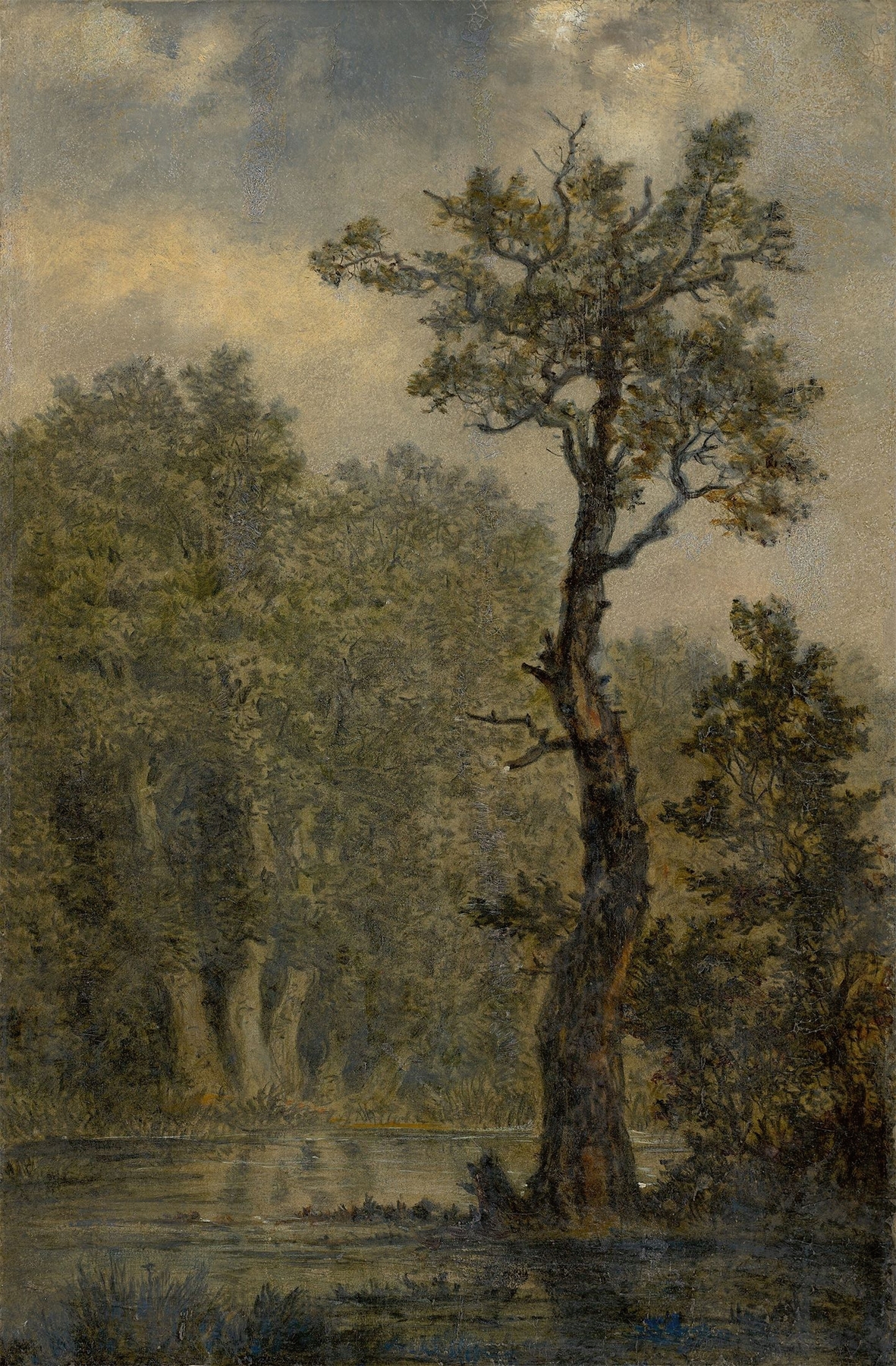
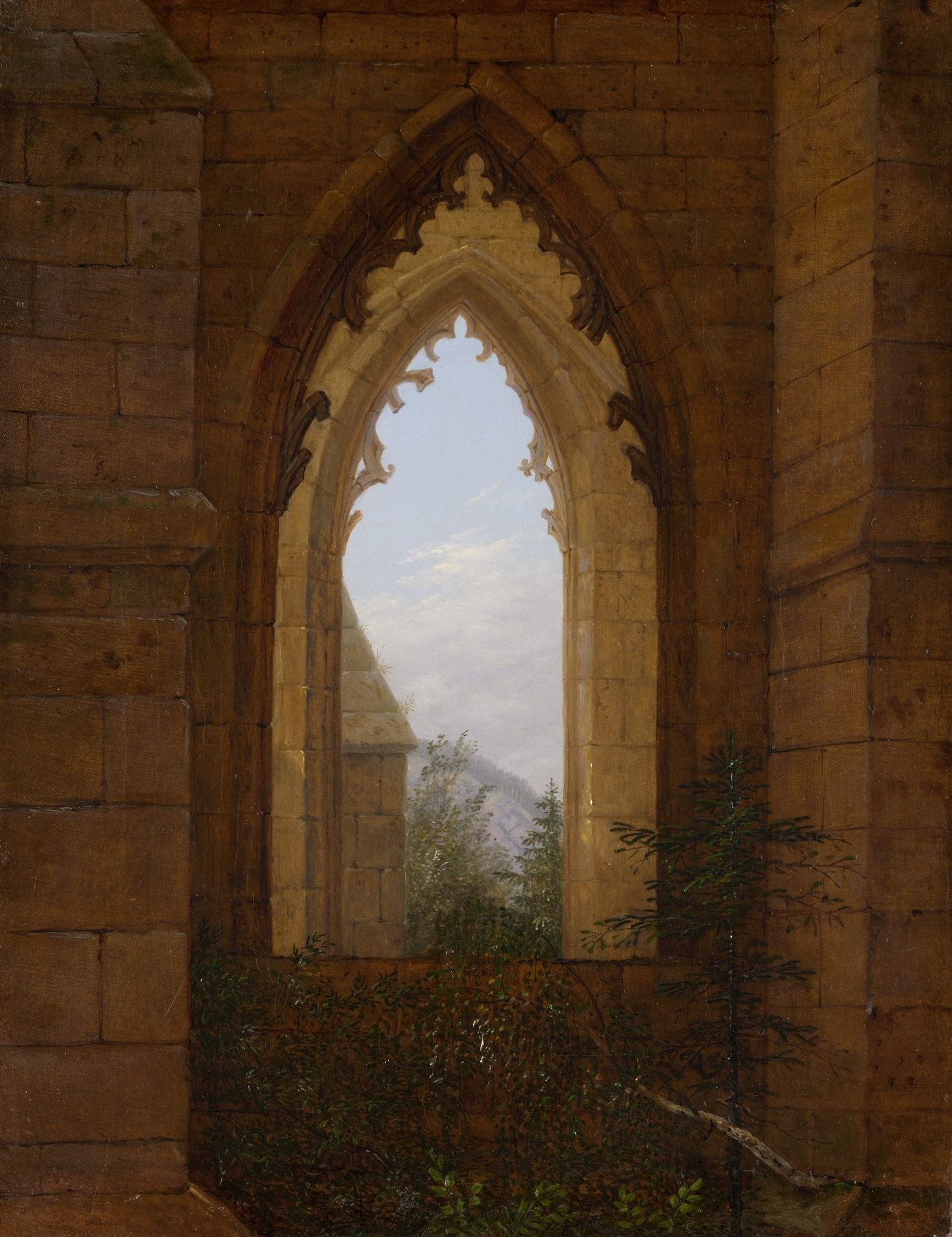
Could beauty survive in a century of chaos? In Frühsommerlicher Weinberg in Pillnitz, the answer whispers through tranquil vines and gentle hills, beckoning us to pause in contemplation. Focus first on the lush, undulating vineyard that sprawls across the canvas, almost cradling the viewer's gaze. Notice how the warm golden hues of the sun-drenched grapes contrast sharply with the cool greens of the surrounding foliage. The artist's delicate brushwork captures the intricate play of light, highlighting each leaf and vine as though they are breathing with life.
This careful attention to detail not only reveals Carus’s mastery but also invites us to immerse ourselves in the serene beauty of this idyllic landscape. Yet, beneath the surface, deeper tensions emerge. The harmonious composition hints at an underlying fear; the world beyond this peaceful scene was rife with turmoil and uncertainty. The idyllic summer vineyard becomes a poignant reminder of fragility—beauty that could be lost at any moment.
Additionally, the distant mountains loom like silent sentinels, suggesting that nature's beauty exists alongside the inevitable changes brought by time and human presence. Carl Gustav Carus painted this work between 1830 and 1840, a time when he was deeply engaged with Romantic ideals and nature's spirituality. Living in Dresden, he witnessed the rise of socio-political unrest across Europe, yet he chose to channel his emotions into serene, introspective landscapes. This piece reflects not only his artistic vision but also the broader currents of anxiety and hope that permeated his era, revealing the duality of beauty amid chaos.