From Christianshavn’s Canal, Copenhagen — History & Analysis
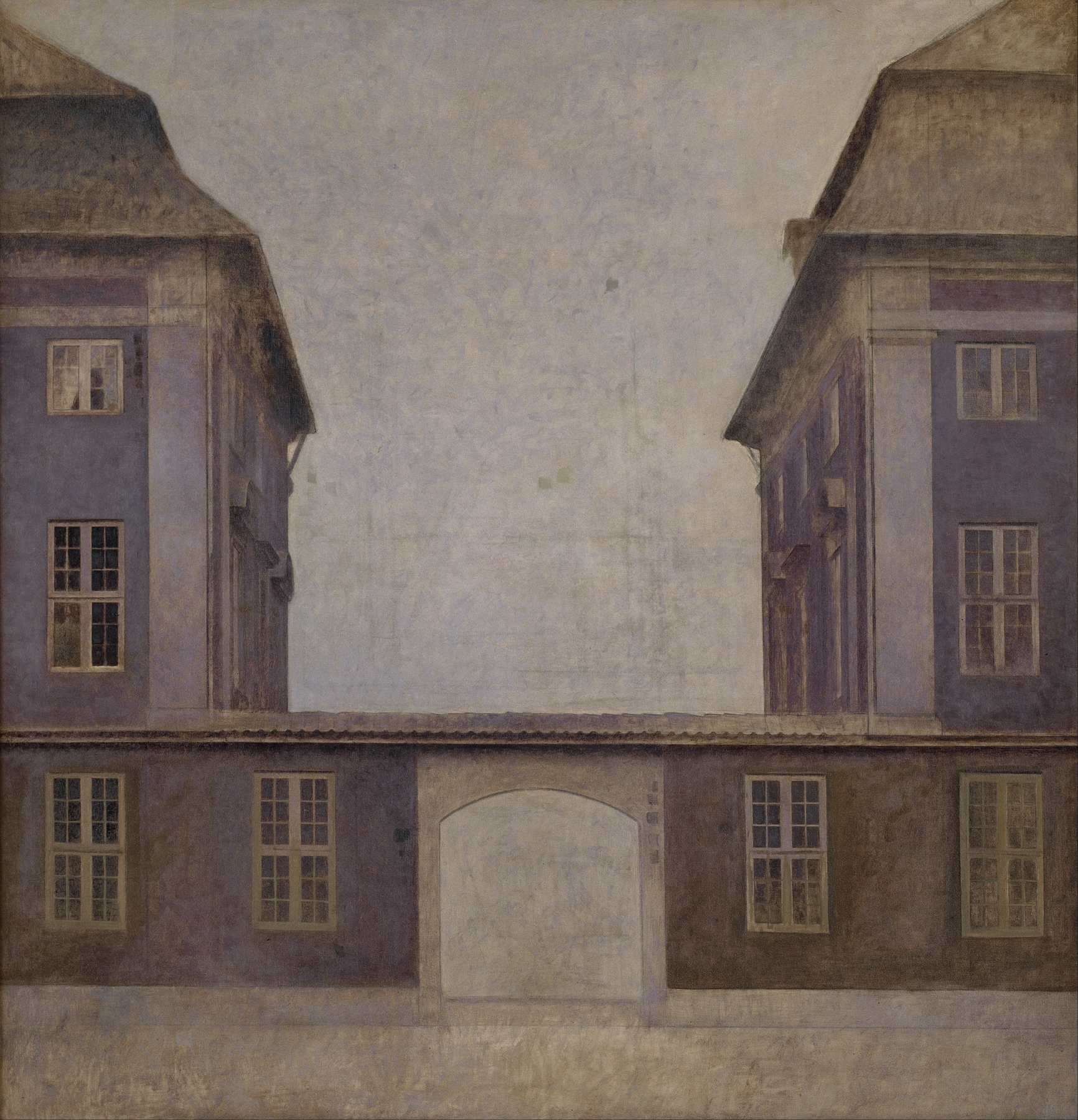
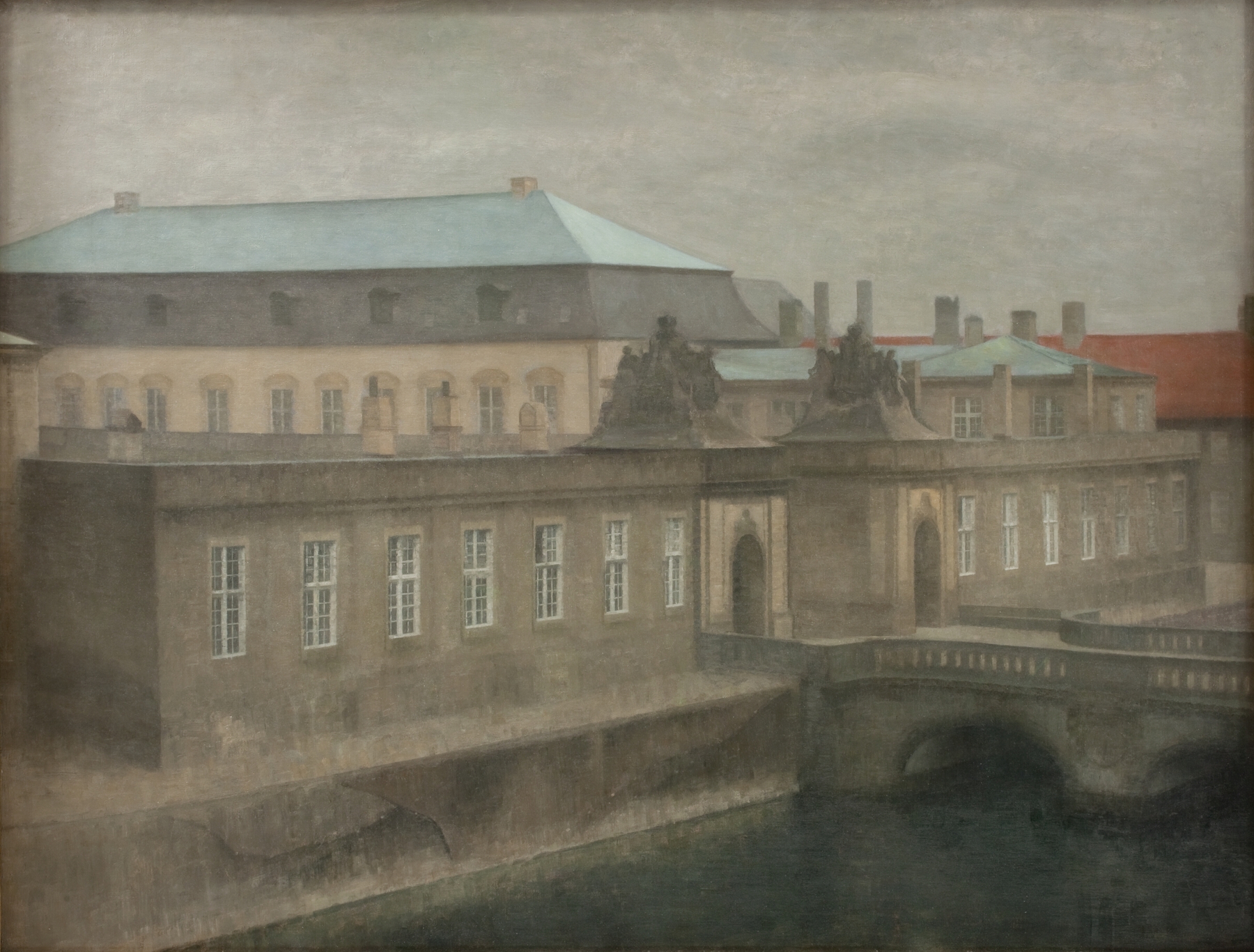
Who listens when art speaks of silence? In From Christianshavn’s Canal, Copenhagen, an embrace of tranquility captures the essence of stillness that whispers to the viewer. Focus on the soft, muted palette that envelops the canvas — a gentle haze of grays and whites. The canal stretches languidly across the scene, its surface reflecting the delicate brushwork that conveys both water and air. Notice how the buildings, with their simple lines and understated elegance, loom quietly in the background, their facades bathed in a soft, diffused light that evokes an atmosphere of calm.
The absence of figures invites you to linger, allowing your gaze to drift freely across the serene landscape. Amidst the stillness lies a profound tension between the natural and the constructed. The juxtaposition of the tranquil water against the stark lines of architecture hints at a deeper commentary on urban life — the quiet yearning for connection in a bustling world. The subtle play of light and shadow suggests the passage of time, urging the viewer to contemplate moments lost and memories cherished.
Each careful stroke of the brush carries with it a sense of awe, an invitation to pause and reflect on the beauty of simplicity. In 1905, Hammershøi painted this work during a period marked by a growing interest in exploring themes of isolation and introspection in art. Living in Copenhagen, he was influenced by the quietude of his surroundings, as well as the broader movements within the European art scene that sought to capture emotional resonance through subtle visual language. This painting encapsulates not only his mastery of light and composition but also his keen ability to evoke the silent dialogues that linger in the spaces between us.