The Buildings of the Asiatic Company, seen from St. Annæ Street — History & Analysis
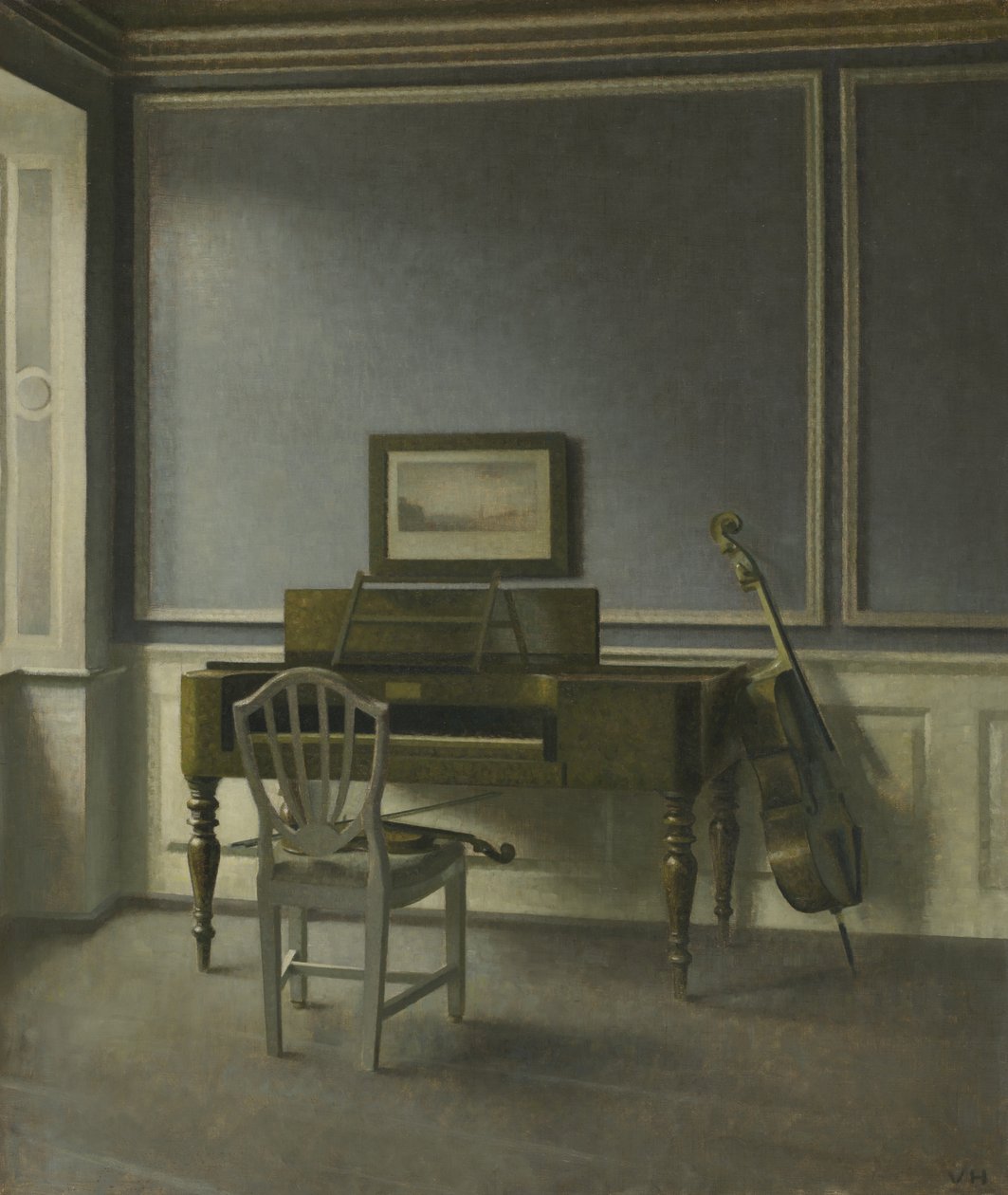
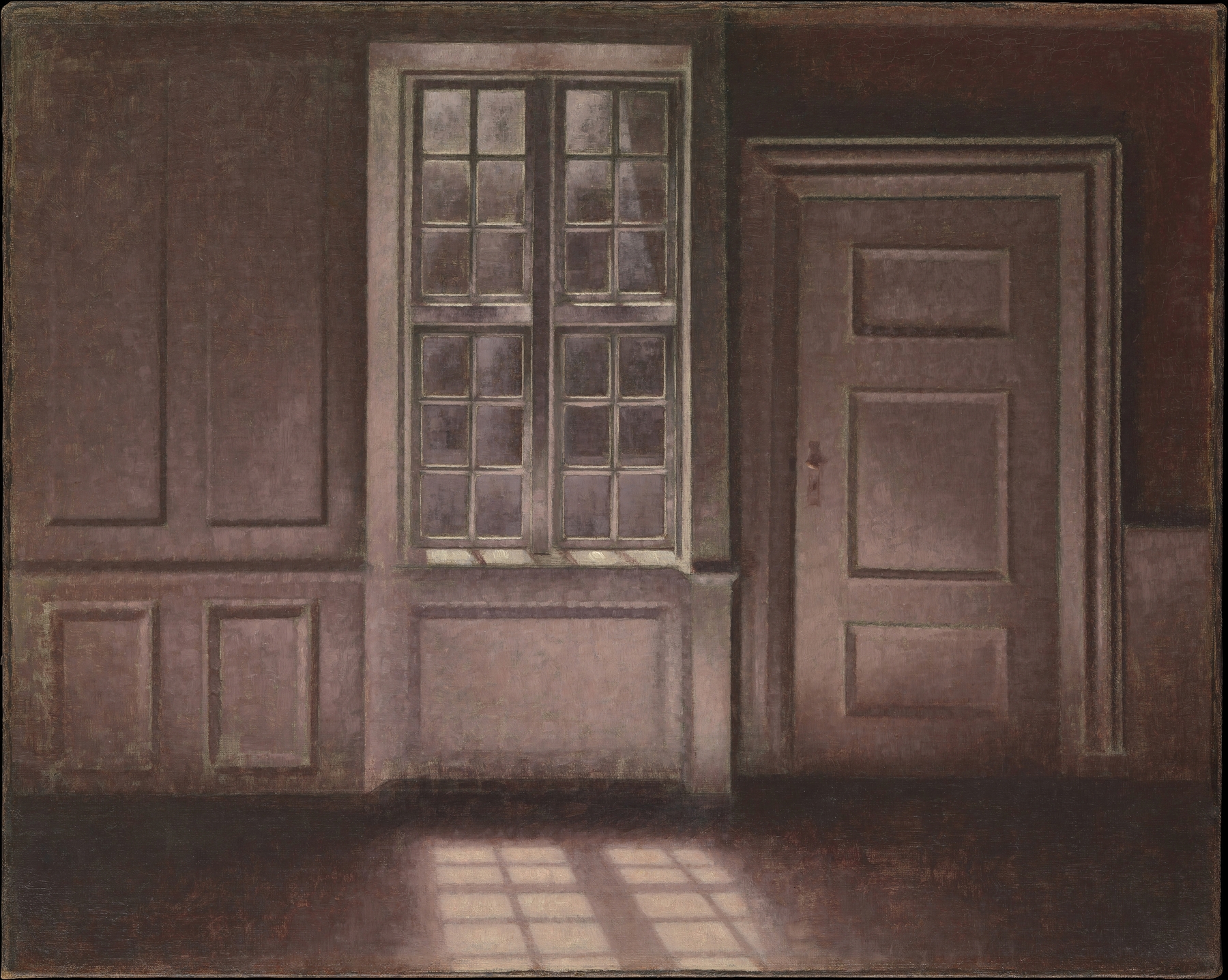
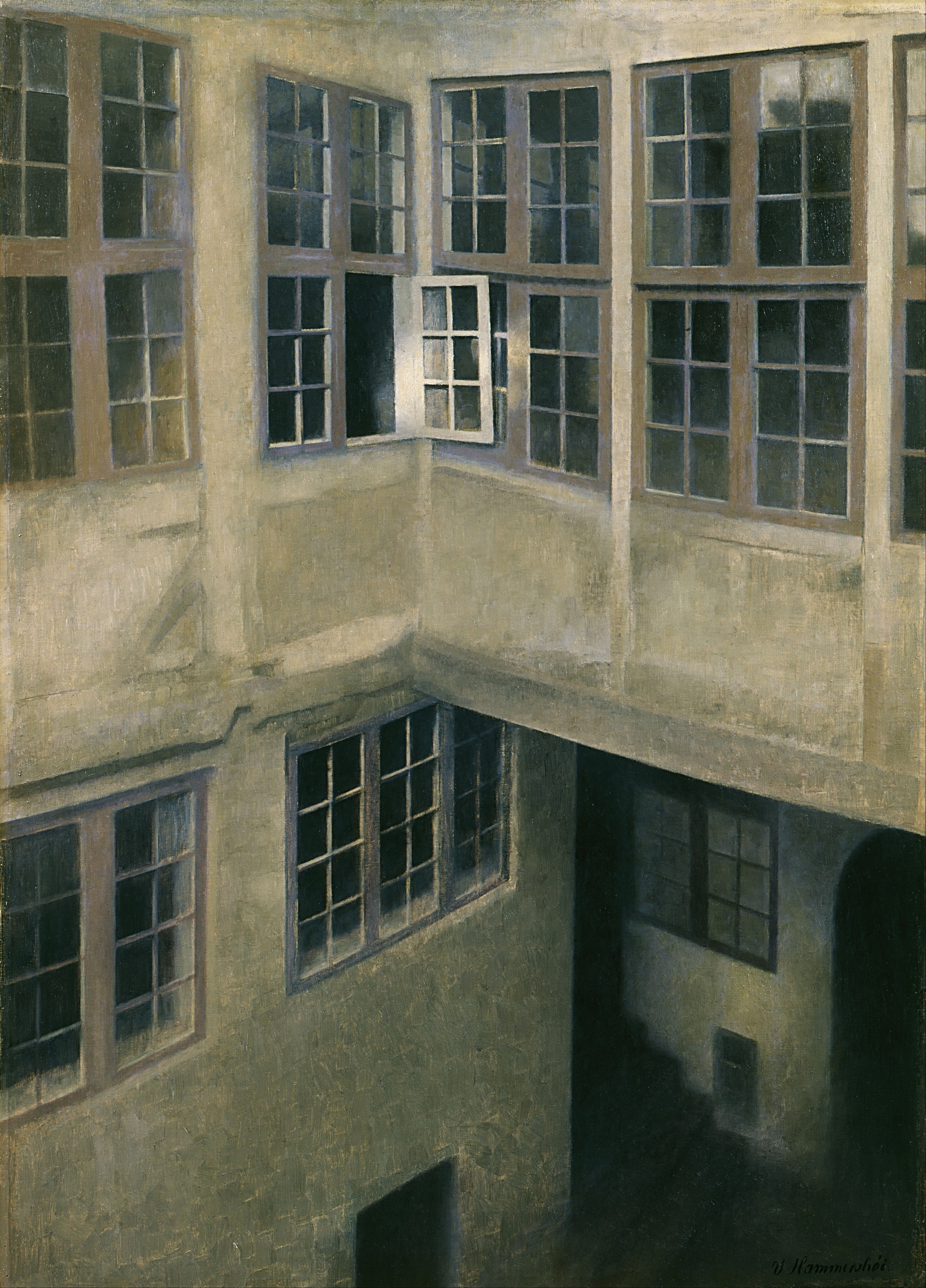
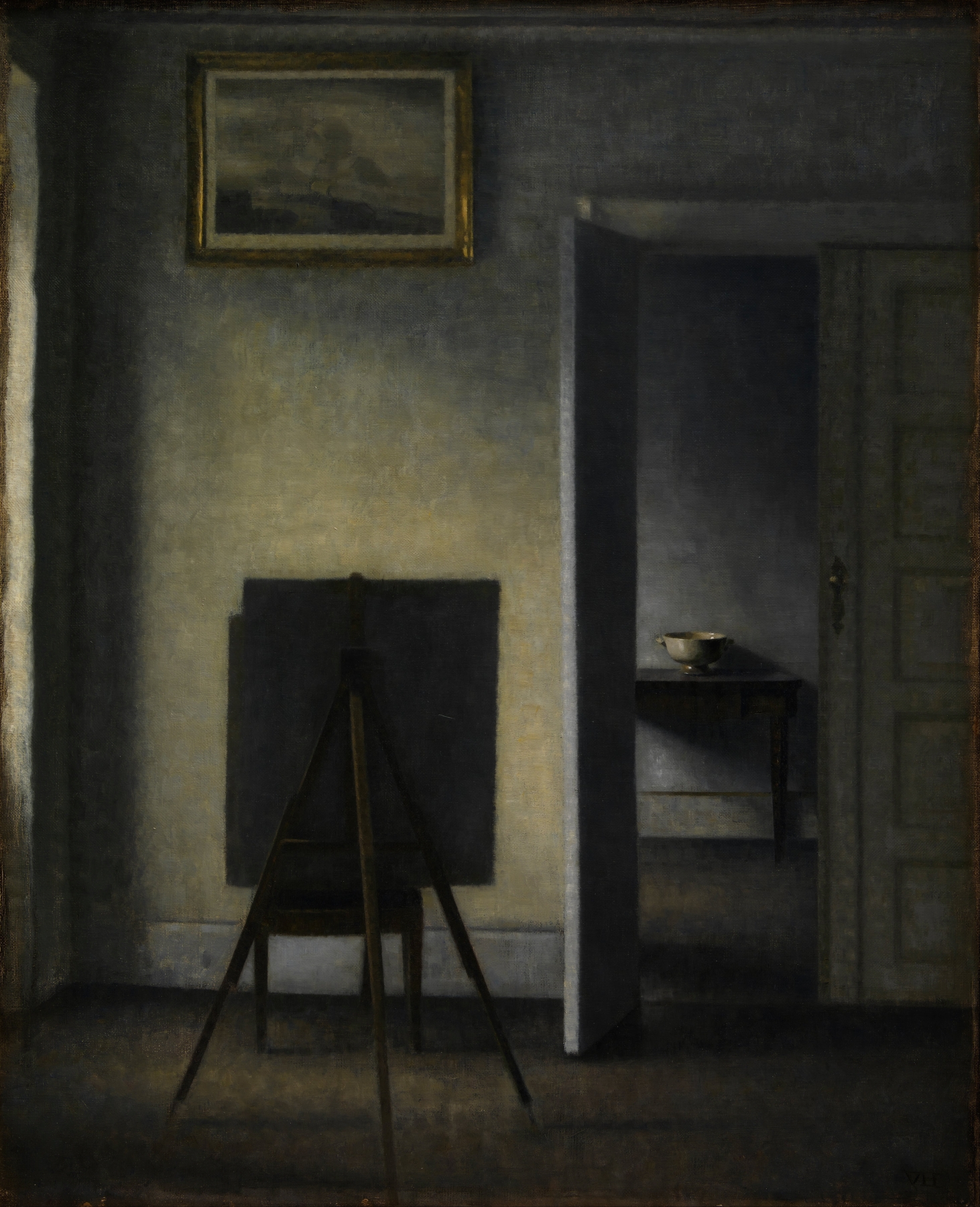
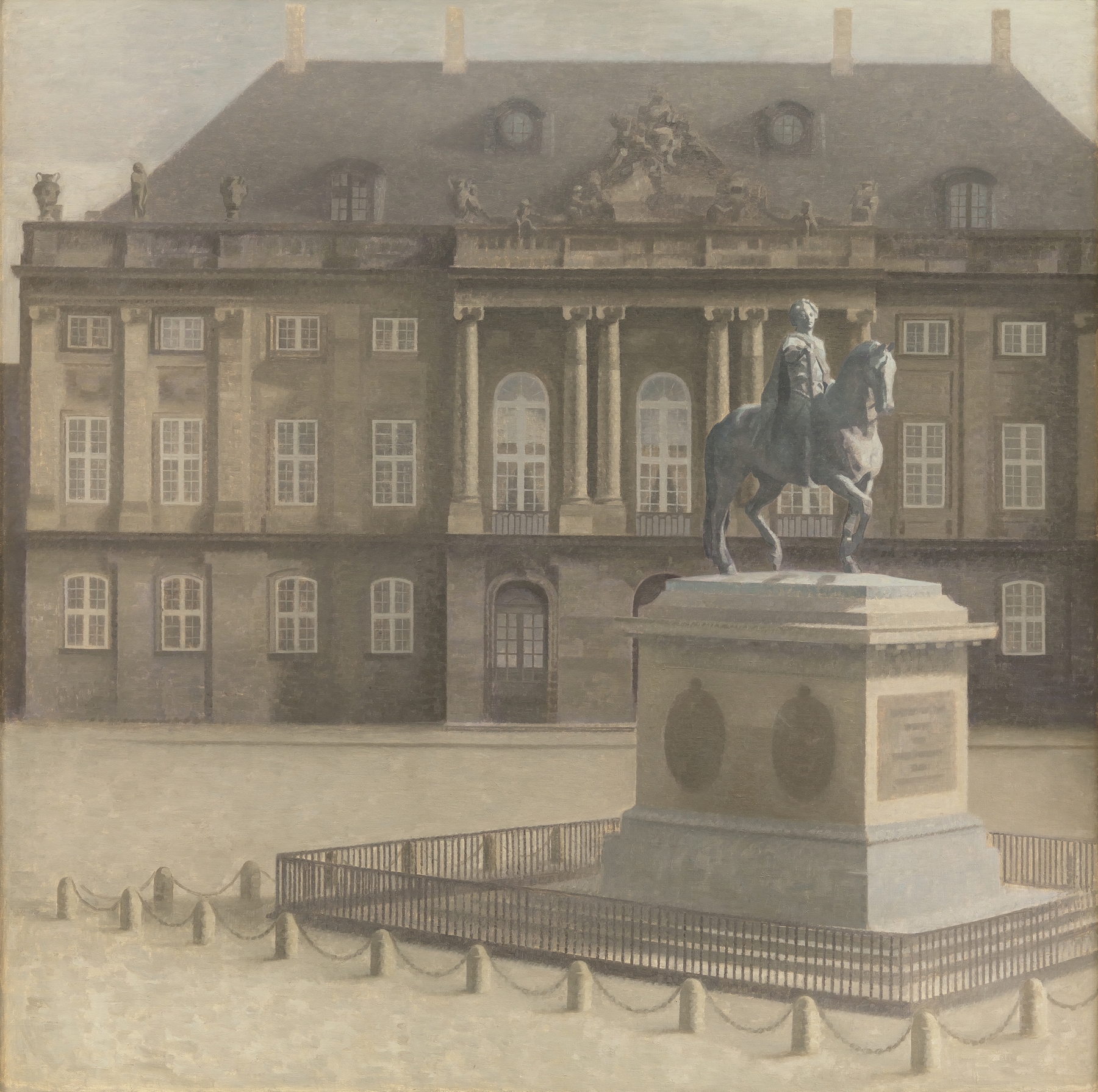
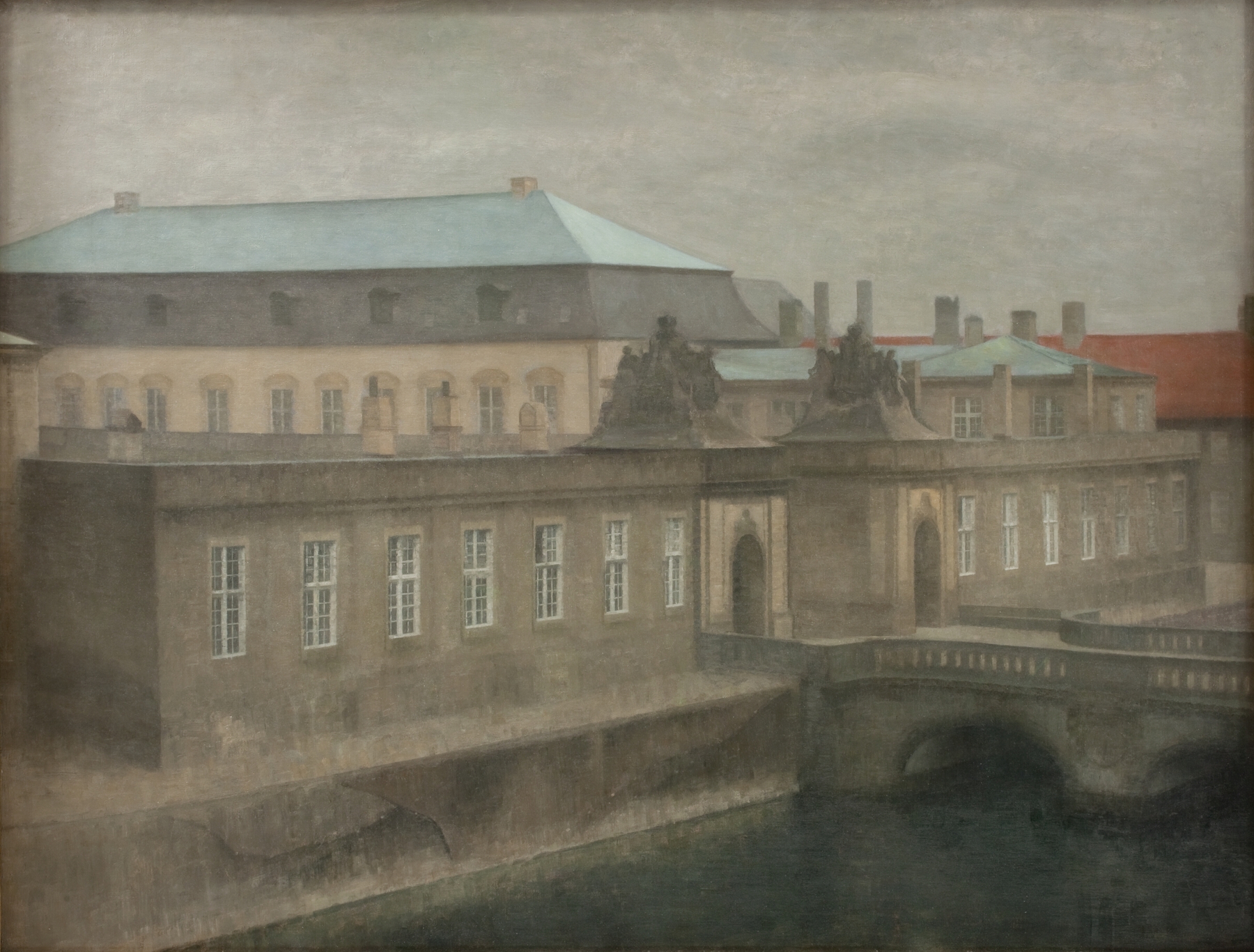
“Every brushstroke is a heartbeat remembered.” In the stillness of a moment, one can sense the absence that echoes through The Buildings of the Asiatic Company, seen from St. Annæ Street. The canvas presents a meditative void, inviting the viewer to reflect on the spaces we inhabit and those we leave behind. Focus first on the buildings that rise subtly against the muted backdrop. Notice how Hammershøi’s delicate palette of grays and soft whites envelops the structures in a quiet fog, lending them an ethereal quality.
The soft, diffused light filters in, casting gentle shadows that play across the facades. This careful treatment of light and shadow establishes a sense of both presence and absence, a visual whisper that compels you to linger. As you delve deeper, contemplate the tension between the architectural solidity of the buildings and the intangible emptiness of the street. The absence of human figures amplifies this contrast, creating a haunting sense of solitude. Each brushstroke seems to resonate with the weight of history and memory, evoking feelings of both belonging and loss in this urban landscape.
This void, so palpable, invites reflections on connection and separation, urging the viewer to explore the stories hidden within these silent walls. Hammershøi painted this piece in the early 20th century, a time when he was establishing his unique voice in the art world, particularly in Denmark. Known for his quiet interiors and urban scenes, he often sought to capture the essence of everyday life through a lens of introspection. During this period, the artist experienced a personal and professional turning point, grappling with the tensions of modernity and the remnants of a fading past, which profoundly influenced his oeuvre.