Interior with the Artist’s Easel — History & Analysis
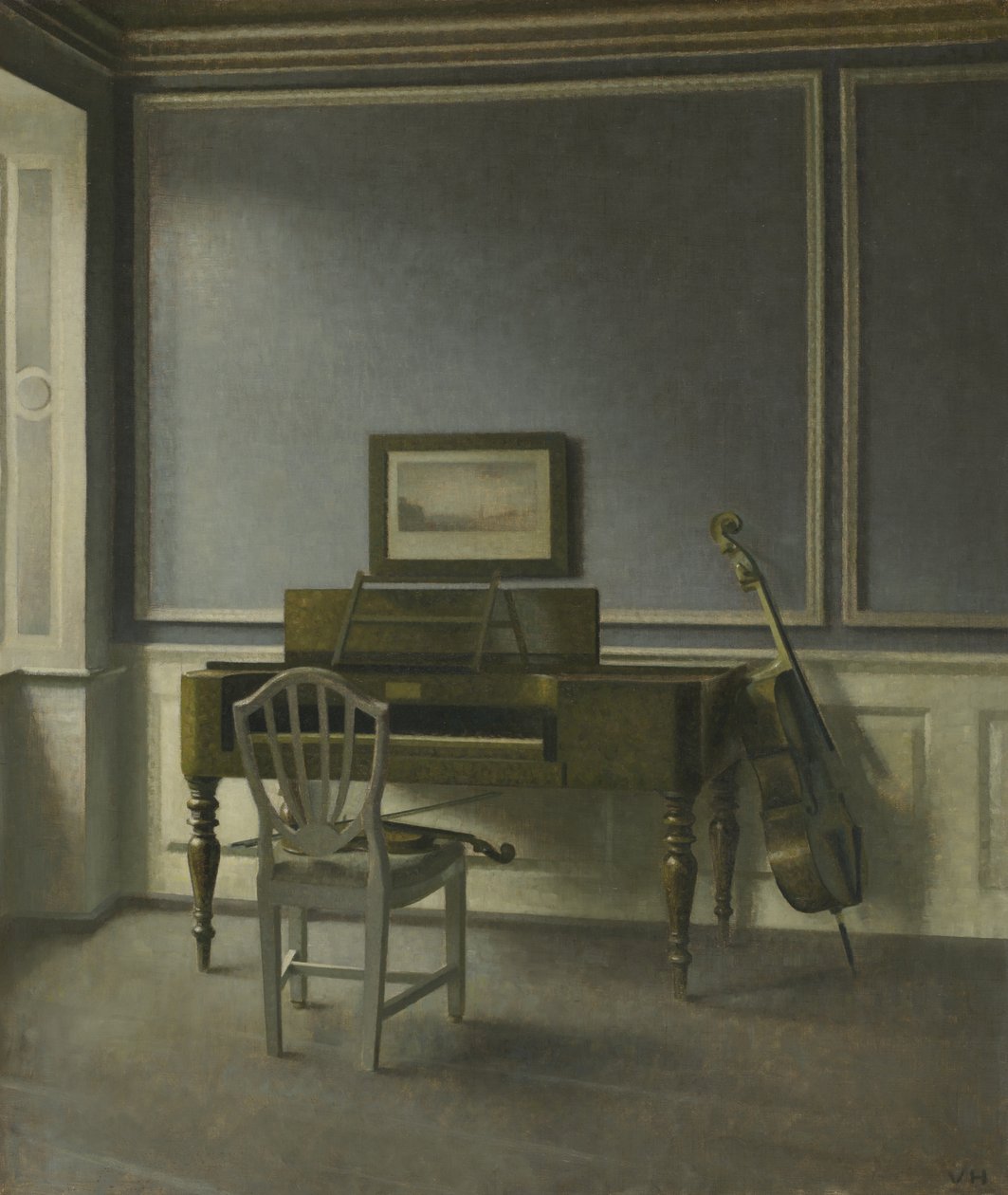
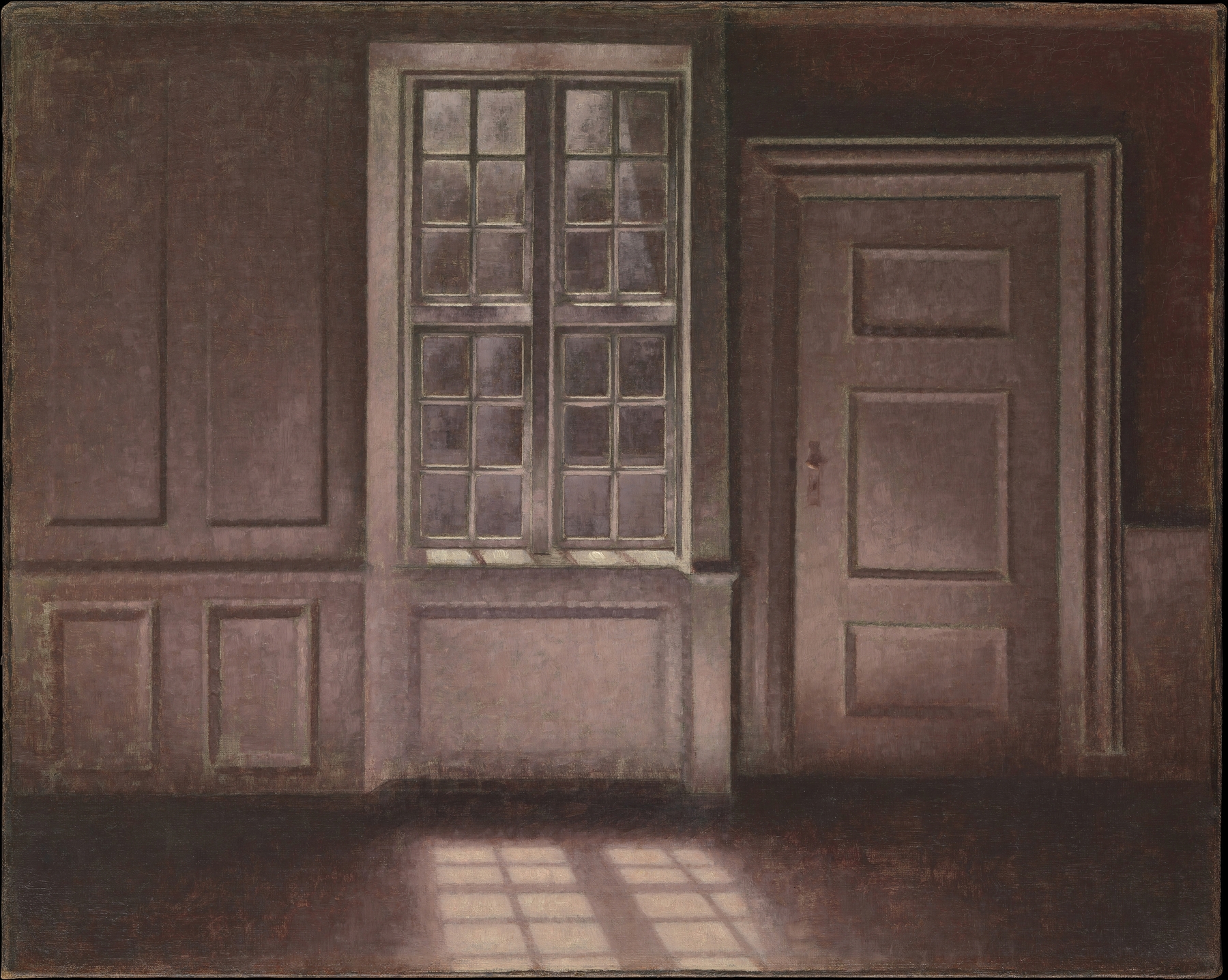
“Sometimes beauty is just pain, disguised in gold.” Memories linger within the stillness of a room, suspended like dust motes in a shaft of sunlight. Look to the left where the easel stands, a quiet sentinel amidst the muted tones of the interior. Hammershøi masterfully employs soft greys and warm whites, allowing the light to filter through the window and breathe life into the scene. Each stroke seems deliberate, inviting the viewer's eye to trace the contours of the furniture, the delicate interplay of shadow and light, and the haunting absence of figures.
The simplicity of the composition draws you in, creating a sense of intimacy, as though you are privy to a private moment, yet distinctly aware that the memory of the artist's presence lingers unclaimed. Within this tranquil space, contrasts emerge—between presence and absence, solitude and creativity. The easel, a symbol of artistic ambition, stands resolute, yet it feels overshadowed by the walls that seem to close in, echoing the silent battles of inspiration. The absence of the artist’s hand captures a poignant tension; it hints at struggle, waiting for expression within those blank canvases.
The rich textures and soft hues evoke a sense of nostalgia, inviting contemplation on the nature of memory and the bittersweetness of creation. Painted during a period of personal and artistic introspection, the work emerged from Hammershøi's Copenhagen studio, where he often explored themes of solitude and domesticity. His unique approach resonated with the broader movements of the early 20th century, a time marked by a longing for authenticity amidst changing artistic landscapes. The artist’s exploration of light and shadow would pave the way for future generations to delve into the emotional depths of quiet moments, revealing the beauty hidden within the mundane.