Moonlight, Strandgade 30 — History & Analysis
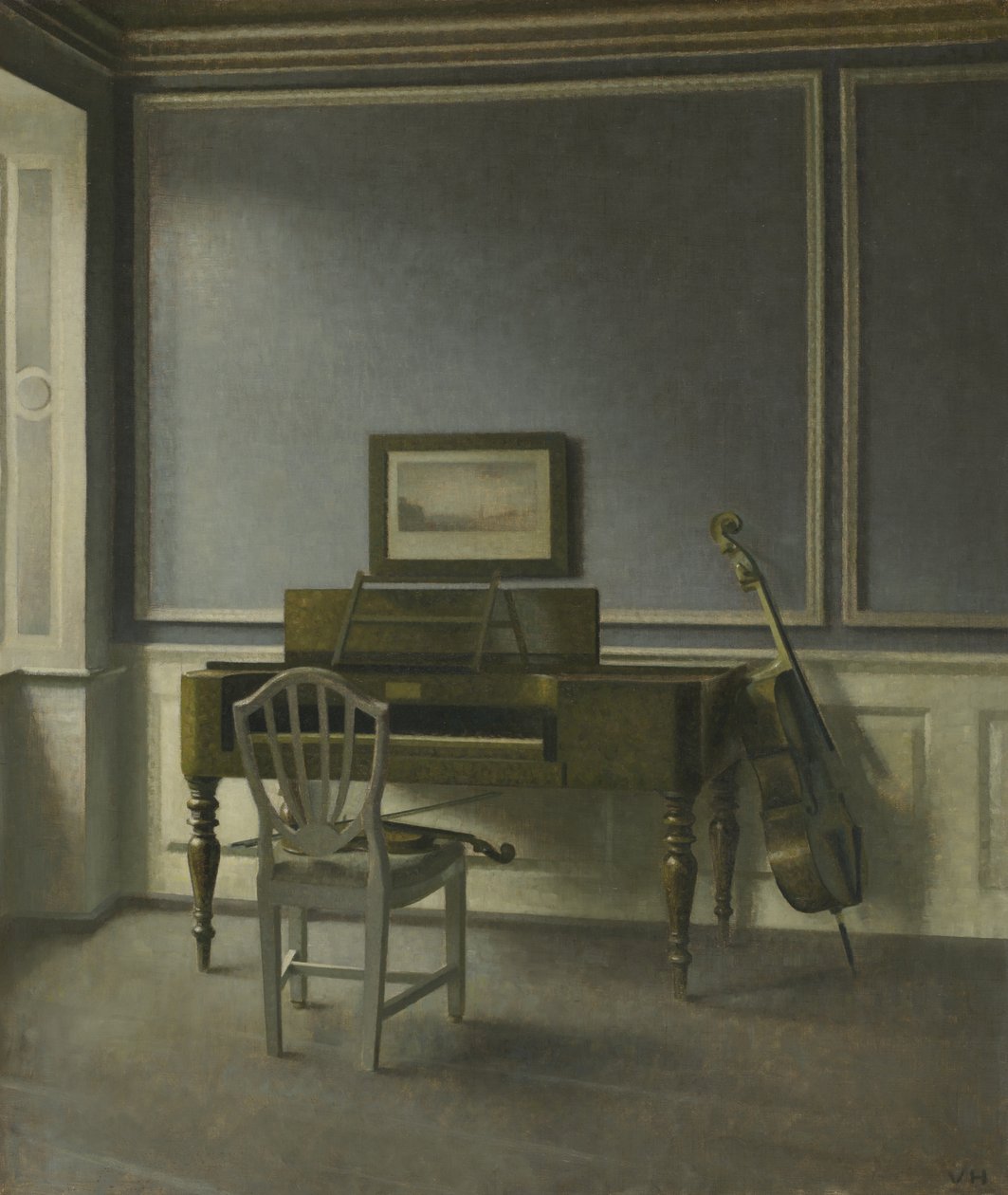
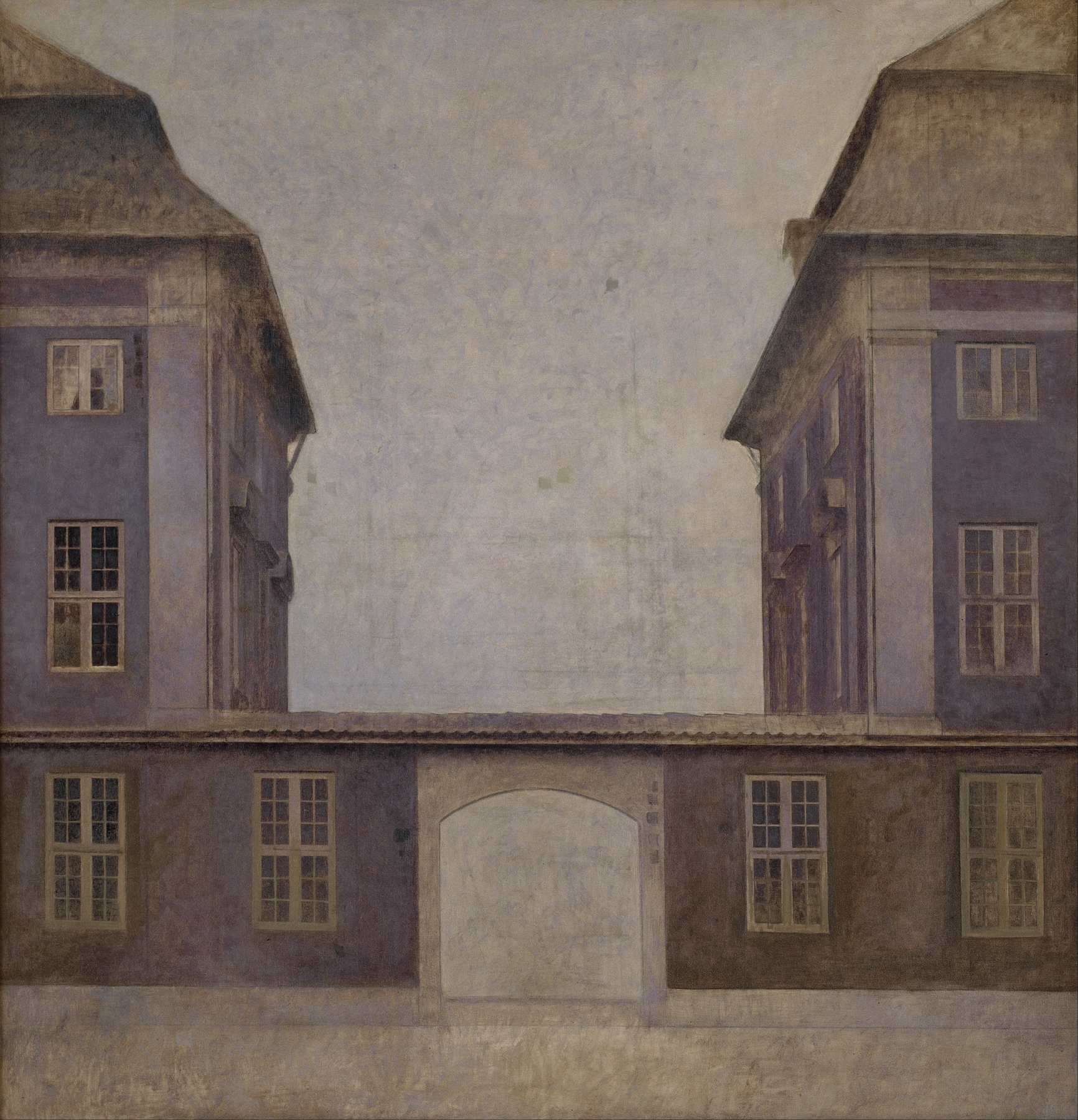
“The canvas doesn’t lie — it simply waits.” In the quiet spaces of artistry, revolution often brews, inviting contemplation and stillness. The allure of this painting beckons the viewer to ponder the subtle impact of a silent moment in time, where light and shadow play out the drama of existence. Focus first on the soft, diffused light that washes over the room in this piece, illuminating the white walls and creating a gentle glow. Notice how the light falls upon the wooden floorboards, casting long, delicate shadows that evoke a serene yet mysterious atmosphere. To the left, a solitary figure stands, almost ethereal in nature, enveloped in the contemplative calm that permeates the scene.
The muted palette of greys and creams enhances the sense of serenity, as if the viewer has stepped into a dreamlike reverie. Hidden beneath the tranquil surface lies a tension between isolation and connection. The figure, seemingly lost in thought, embodies the spirit of introspection, while the stillness of the environment suggests unspoken narratives. The minimalist composition amplifies the emotional weight; the absence of elaborate details invites deeper contemplation of what lies beyond the canvas.
Each brushstroke whispers stories of solitude, while the soft interplay of light suggests an awakening—a quiet revolution within one’s psyche. Created between 1900 and 1906, the artist captured this evocative scene during a transformative time in the world of art. Living in Copenhagen, Hammershøi’s work emerged alongside the rise of modernism, reflecting a departure from traditional narratives toward a more introspective and personal approach. It was a period marked by experimentation and a growing appreciation for the nuances of everyday life, as artists sought to portray the world in ways that resonated with the inner landscape of human experience.