Interior. The Music Room, Strandgade 30 — History & Analysis
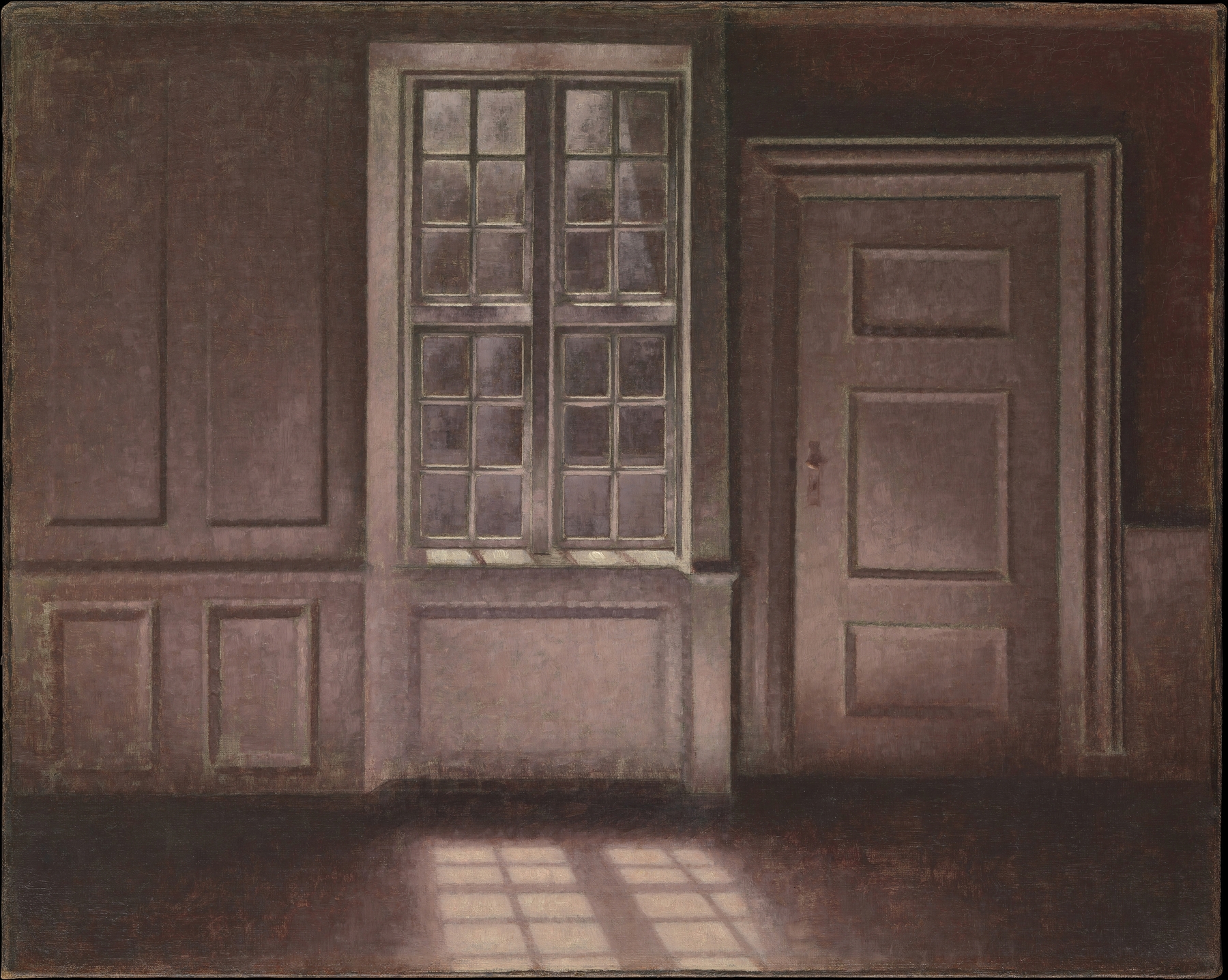
Could a single brushstroke hold eternity? In the silence of Interior. The Music Room, Strandgade 30, the weight of absence mingles with the delicate beauty of the mundane, creating an atmosphere heavy with unspoken grief. Look to the left at the tall, sunlit windows, their soft light cascading across the wooden floor, illuminating the scattered dust motes.
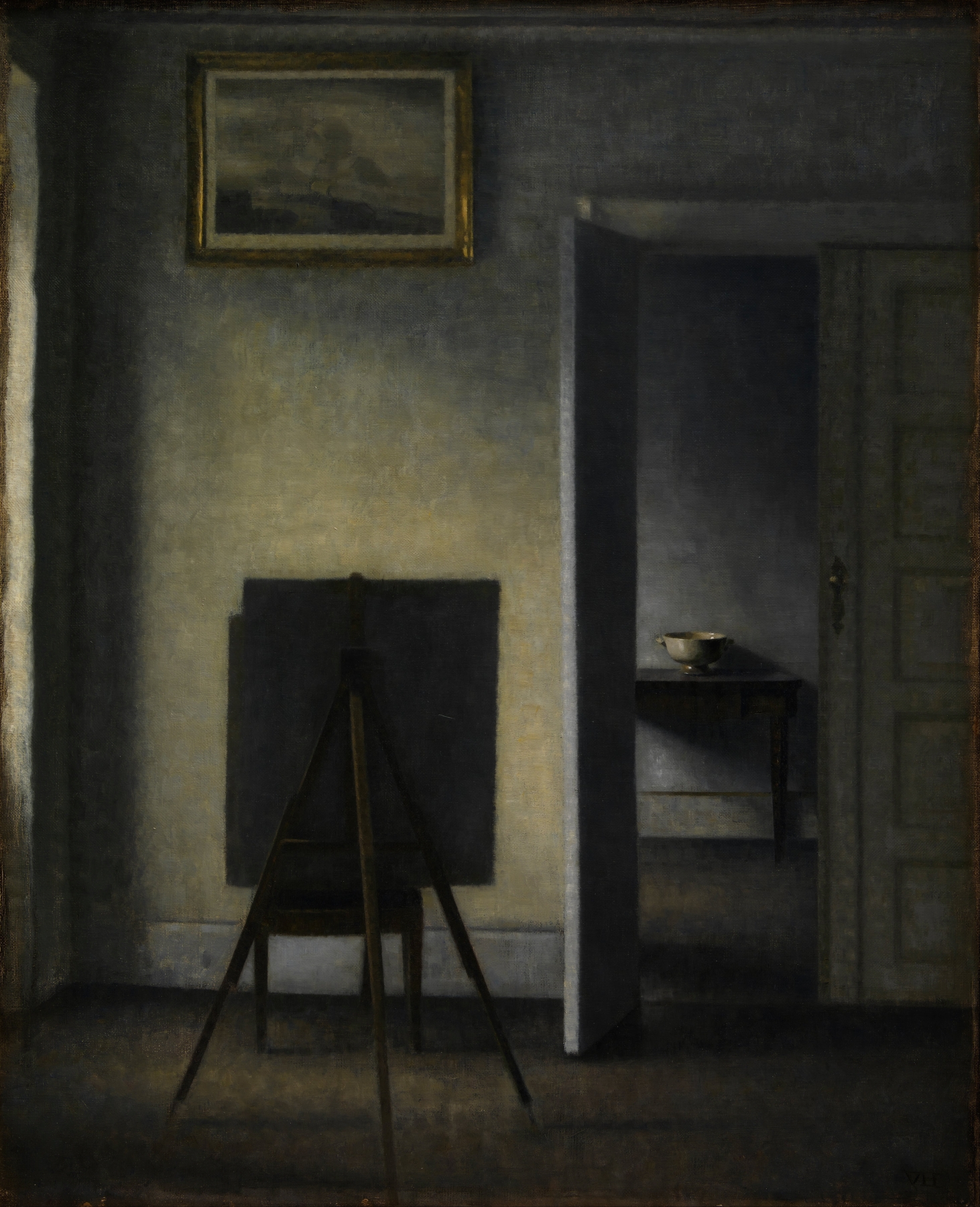
Notice how the muted palette of greys, whites, and earthy tones envelops the space, creating a sense of calmness tinged with melancholy. The sparse furnishings, from the grand piano to the lone chair, evoke a stillness that invites contemplation, as if the room holds memories of music that once filled the air but now lingers only in the shadows. In the subtle interplay of light and shadow, there lies an emotional tension that speaks to the artist's inner world. The empty space around the piano suggests not only solitude but also a lingering presence, perhaps of someone forever absent.
Each element, from the carefully chosen objects to the soft texture of the walls, hints at the complexities of nostalgia and loss, inviting the viewer to reflect on the profundity of what once was. Vilhelm Hammershøi painted this evocative piece in 1907 in his studio at Strandgade 30, located in Copenhagen. During this time, he was deeply influenced by Symbolism and the emerging modernist movements, striving to capture fleeting moments of beauty and introspection amid the changing art world. The quietude of his interiors contrasts sharply with the bustling life outside, mirroring his own contemplative nature and the personal grief he carried within.