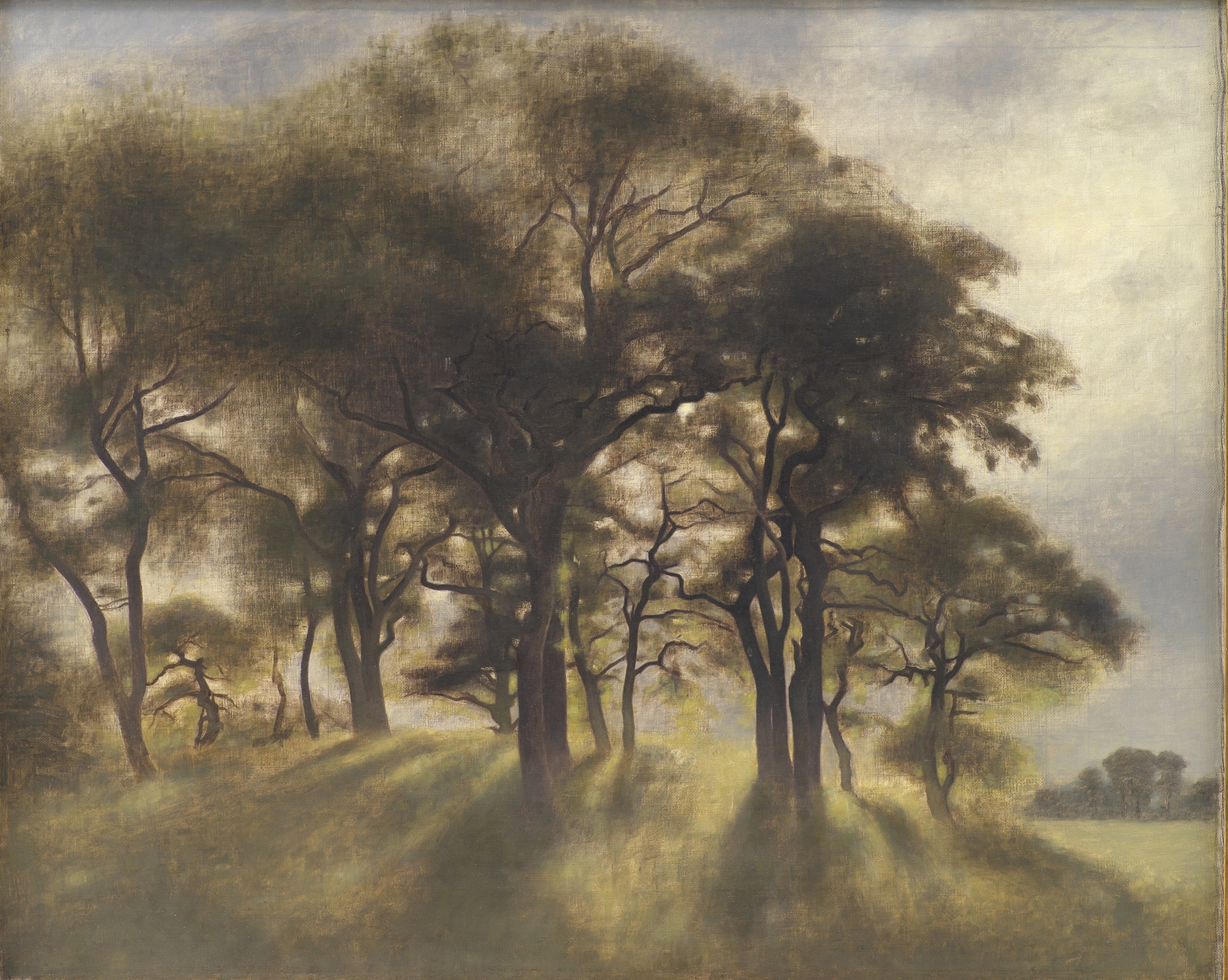
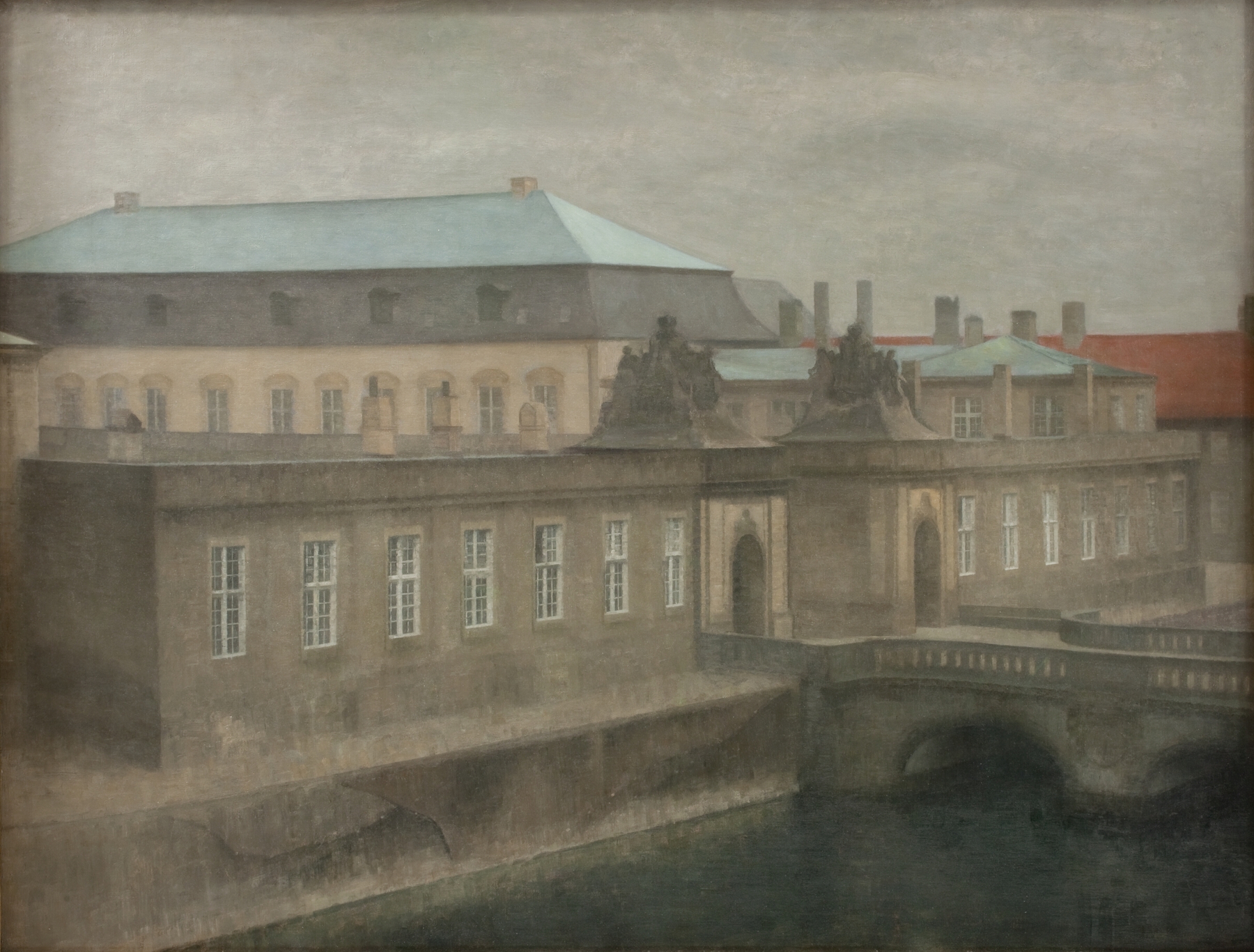
From Refsnæs — History & Analysis
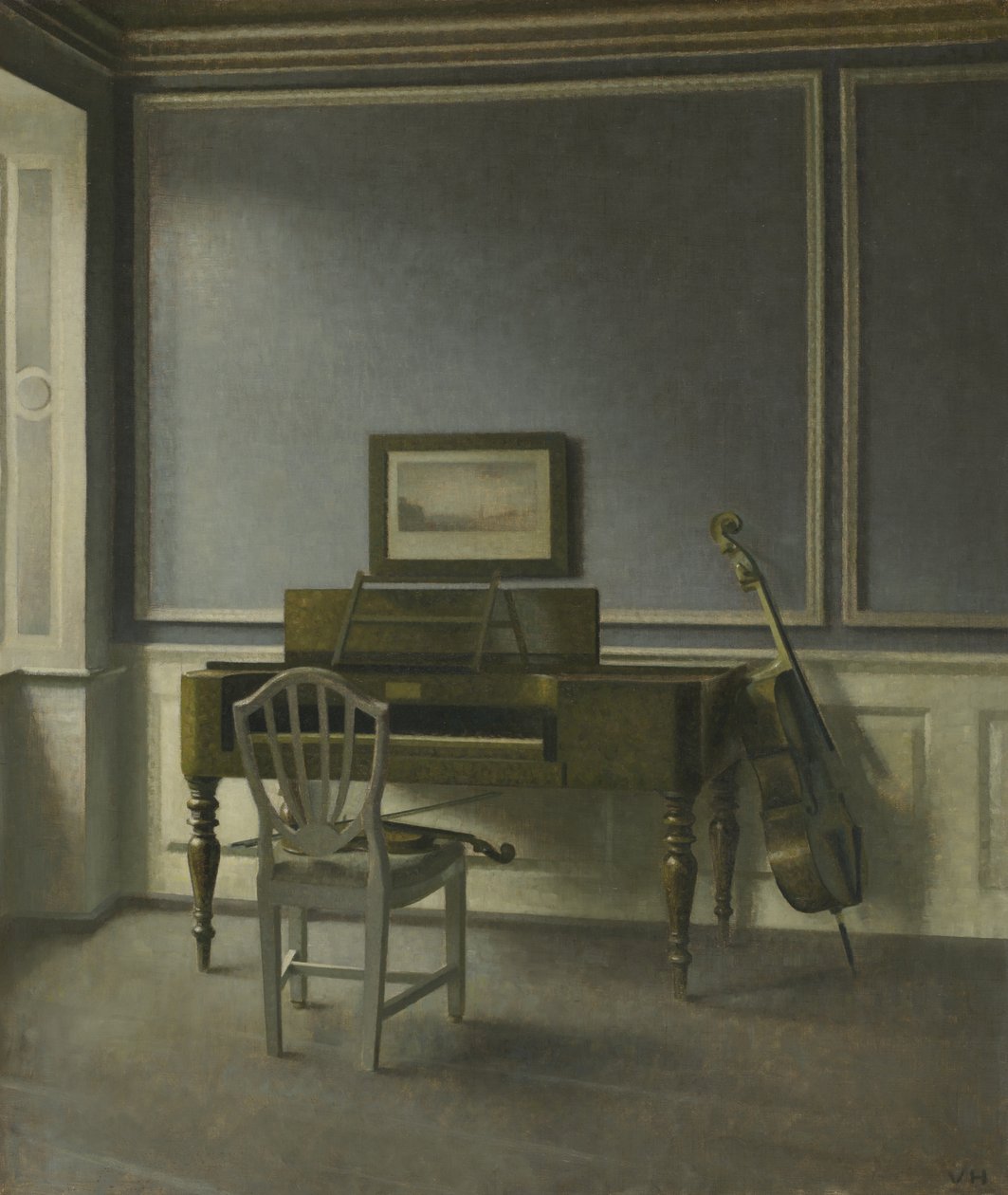
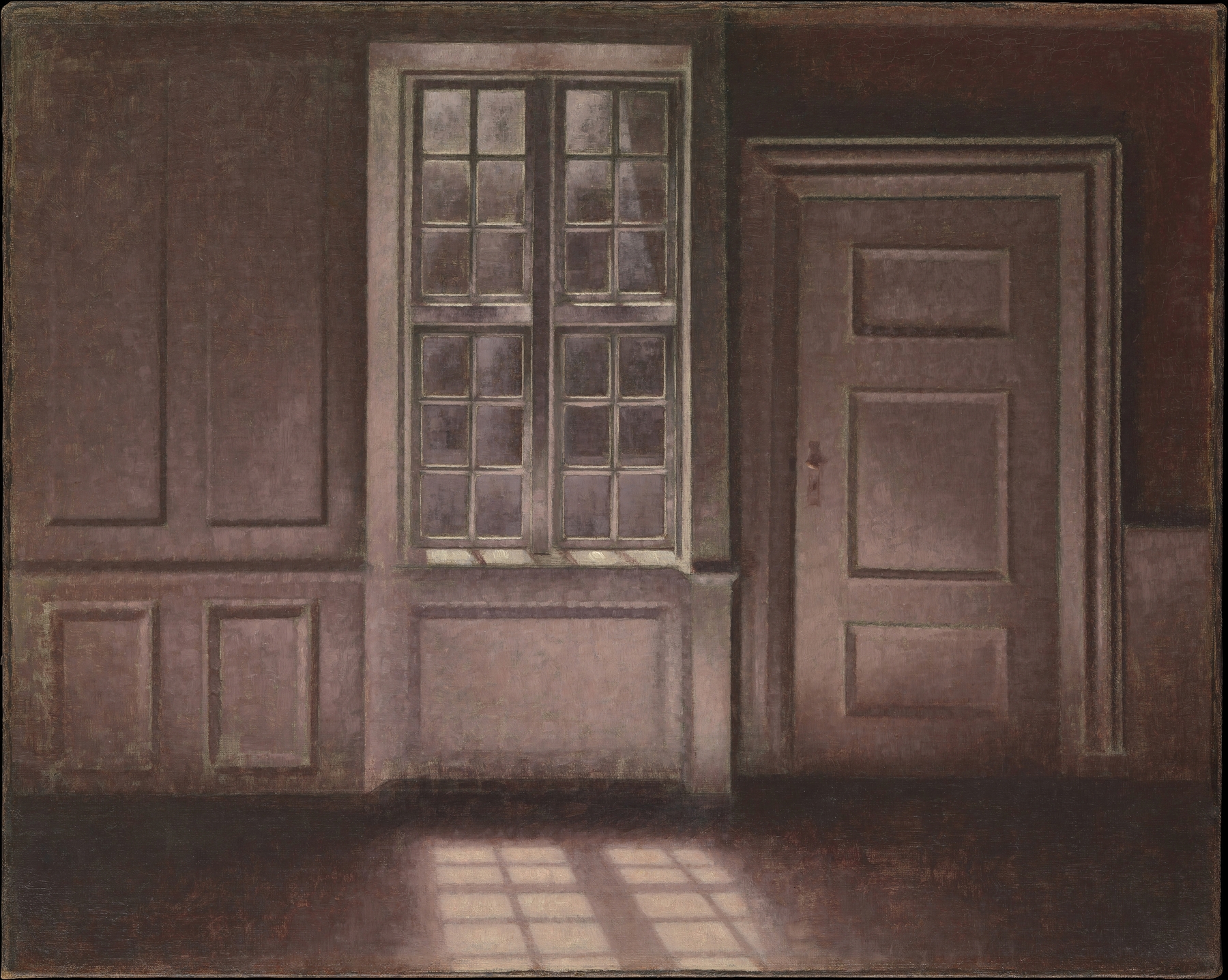
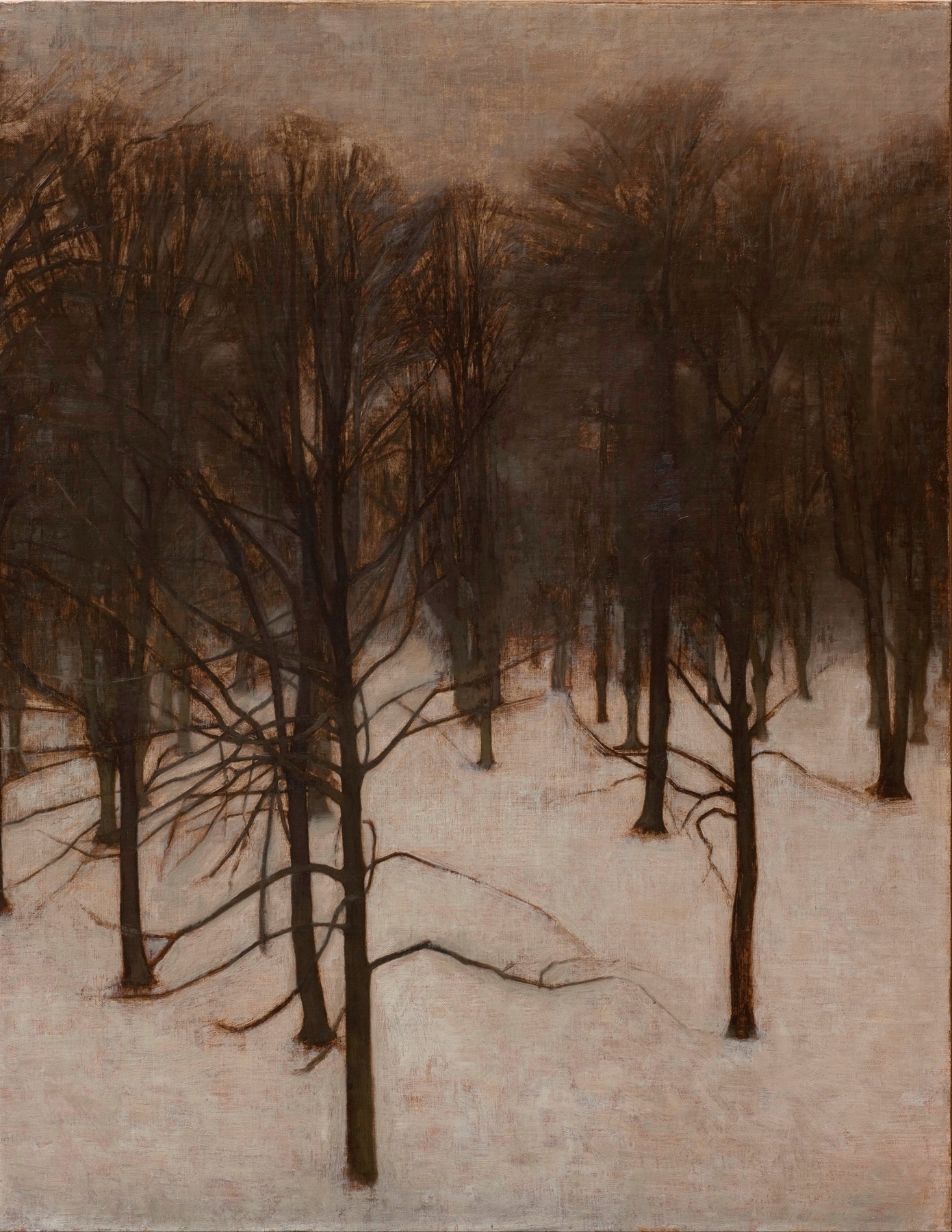
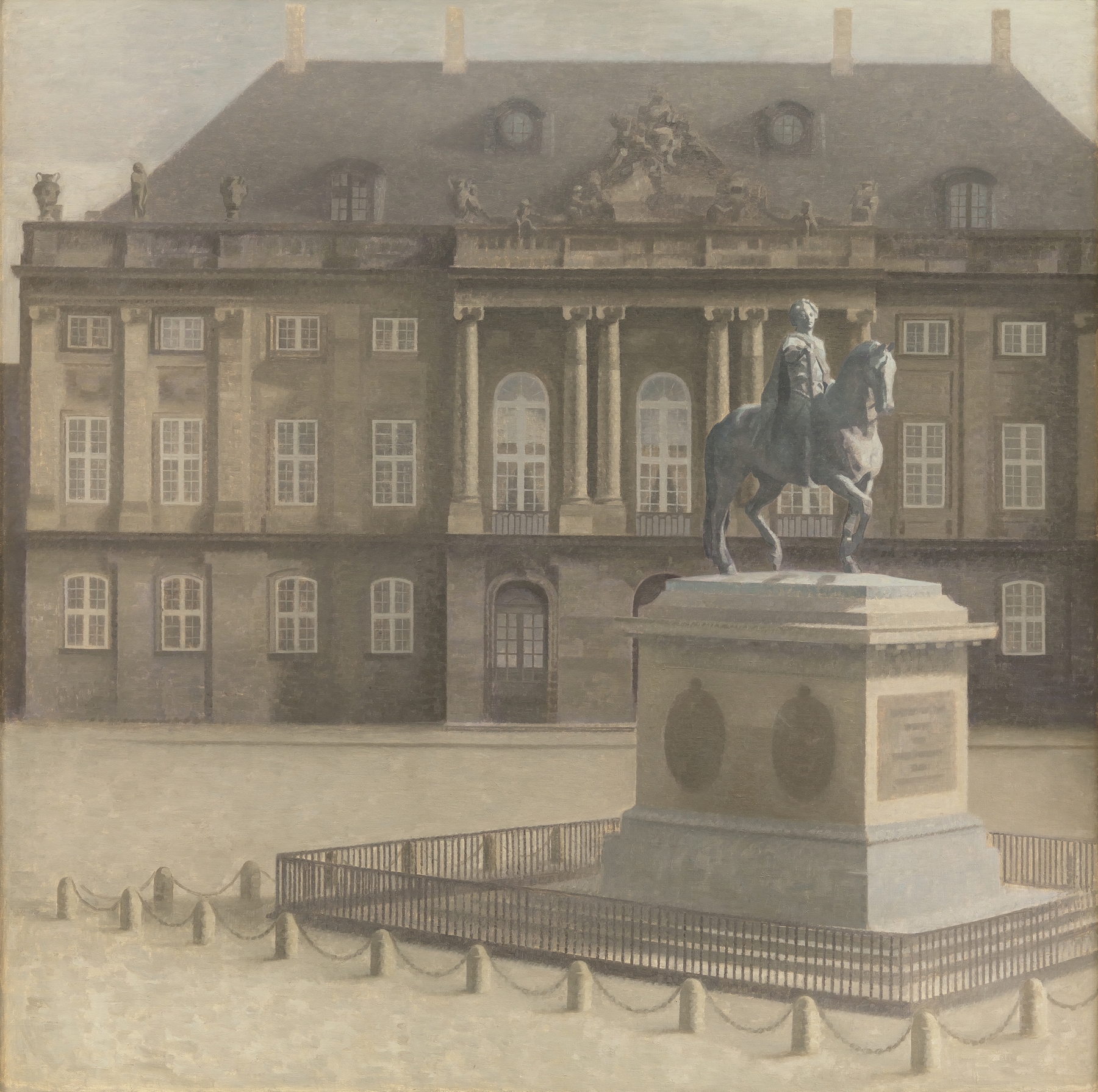
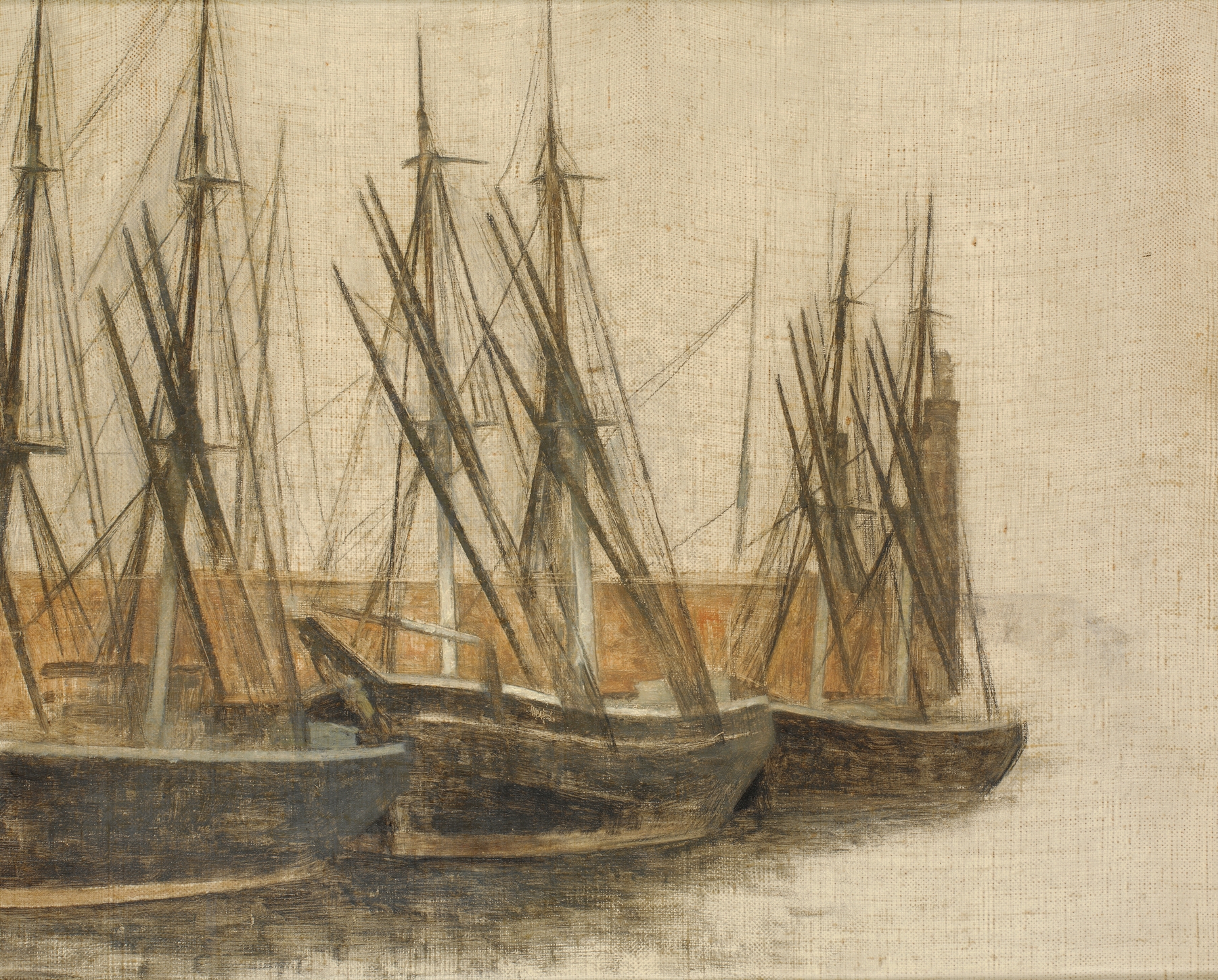
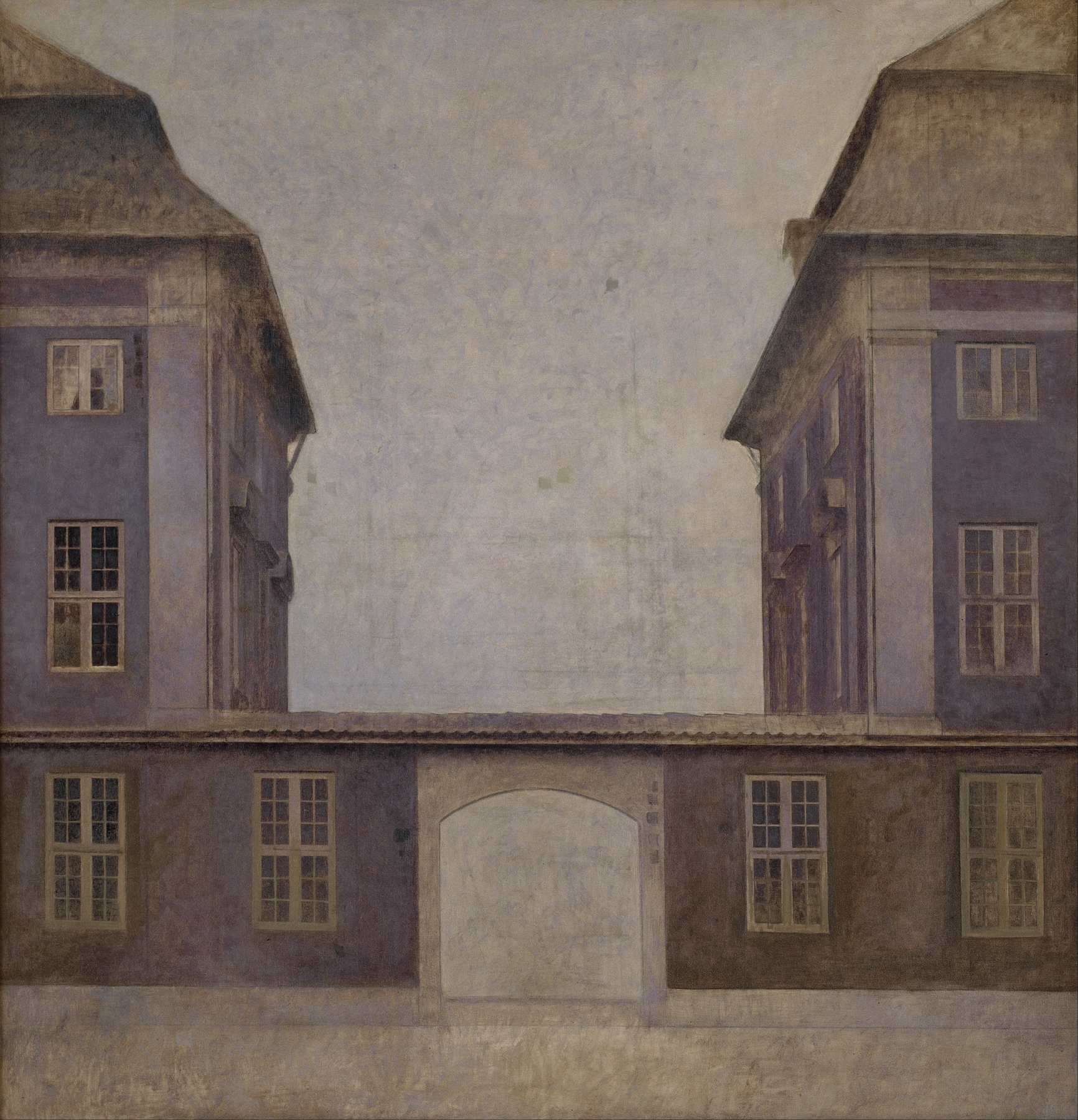
When did color learn to lie? In the dim hush of a sunlit room, a muted palette speaks profound truths, inviting viewers to ponder the unseen. Look to the left at the delicate interplay between light and shadow—the soft glow spilling through the window casts gentle patterns on the wooden floor. Notice how the walls, cloaked in a muted gray, seem to absorb the light, creating a serene yet enigmatic atmosphere that envelops the viewer.
The sparse furnishings—a solitary chair and a table—are rendered with meticulous detail, revealing the artist's keen eye for simplicity that resonates against the stillness. Hidden within this still life lies an emotional undercurrent, a tension between presence and absence. The empty spaces speak volumes, suggesting a narrative of solitude and introspection. The subtle variations in tone evoke a sense of longing, while the soft edges of the objects conjure feelings of nostalgia, reflecting both the beauty and sorrow of fleeting moments.
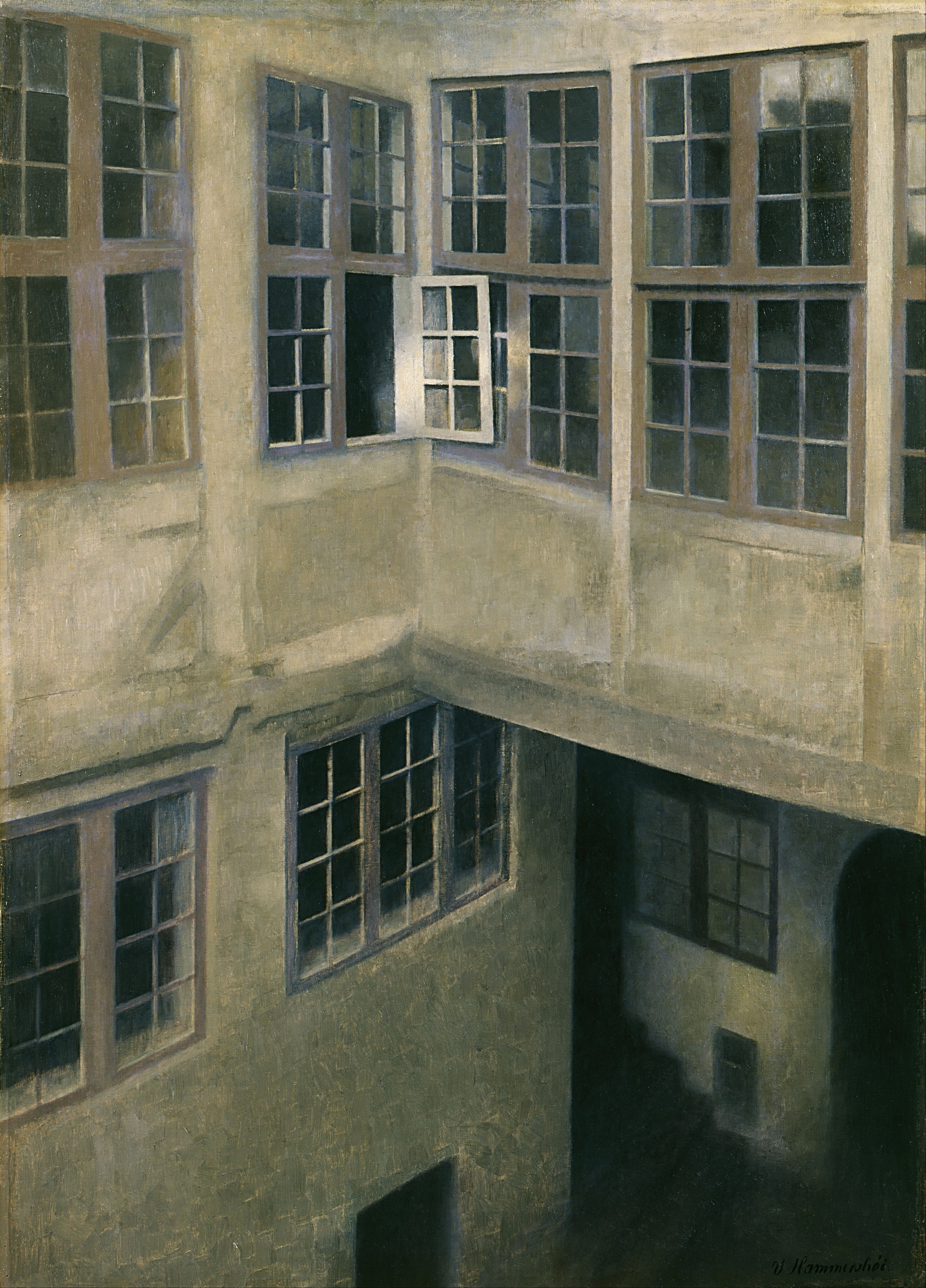
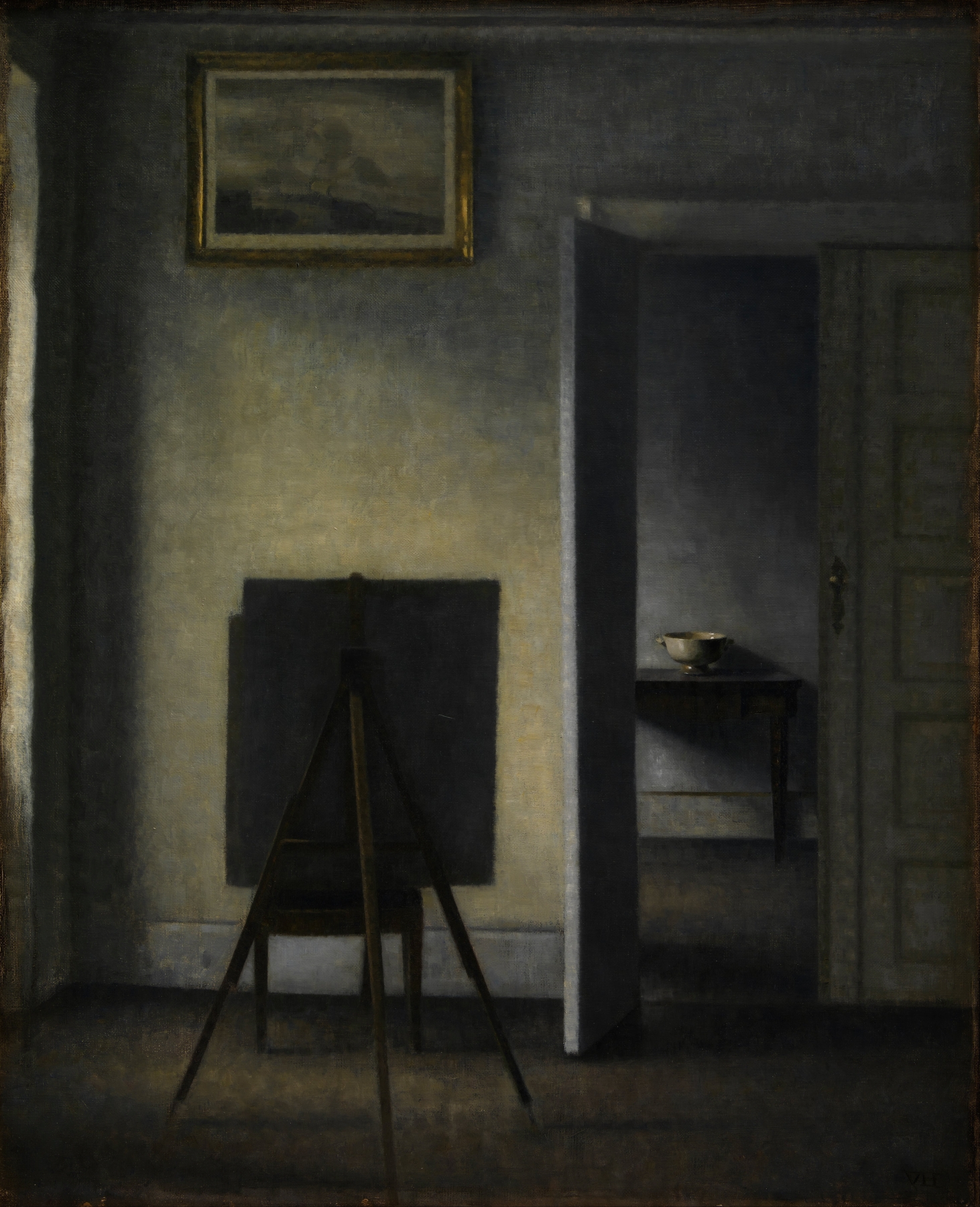
Each brushstroke feels deliberate, a testament to the artist's ability to capture the profound in the ordinary. Created in the late 19th century, this piece emerged during a transformative period for Vilhelm Hammershøi in Denmark, where he explored themes of introspection and quietude. As he painted, the world around him was experiencing shifts in artistic focus, moving towards modernism, yet he maintained a deep connection to the intimate and the personal. His works often reflect this duality, bridging a traditional aesthetic with a modern sensibility that continues to inspire awe today.