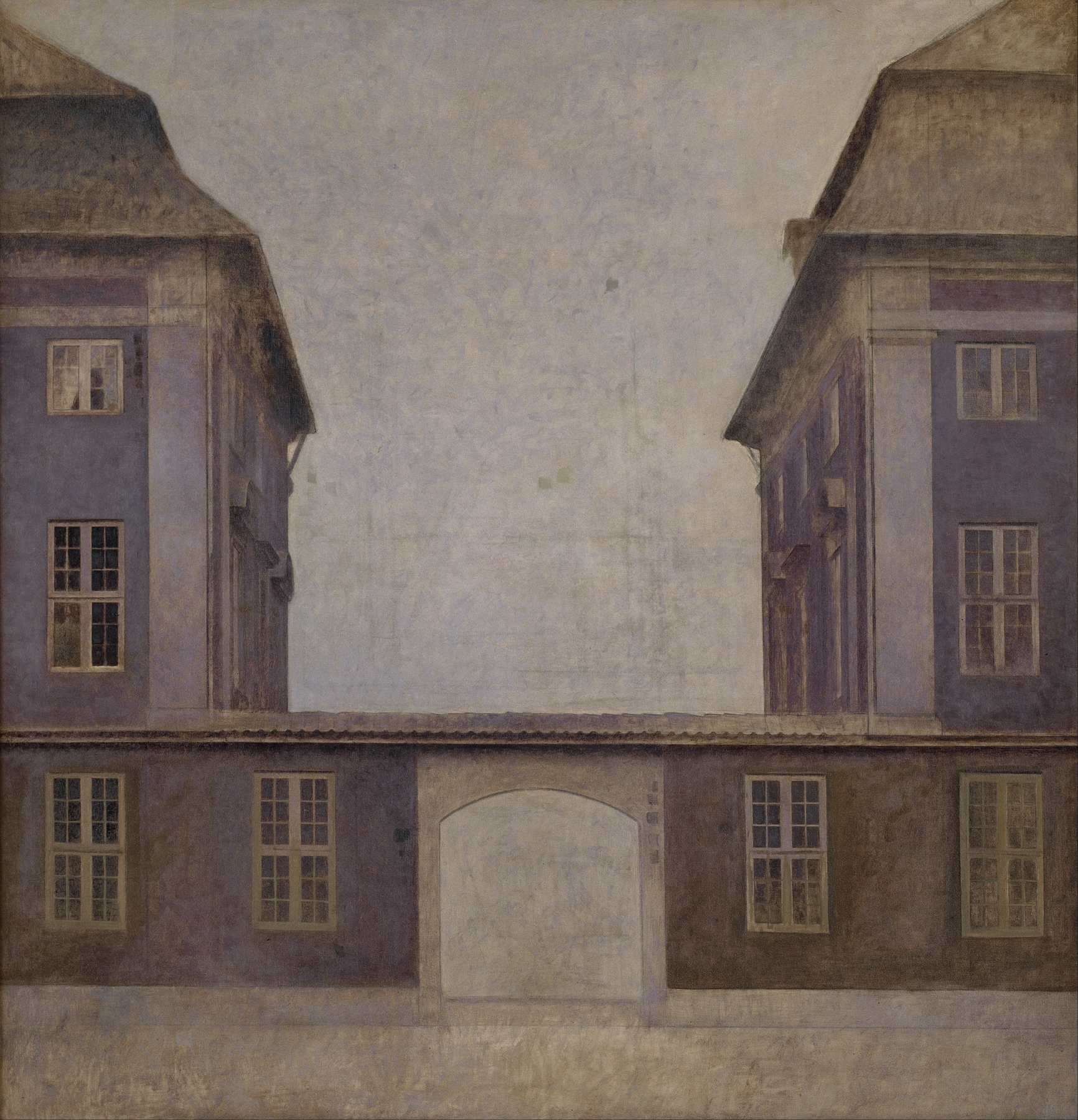
Interior of Courtyard, Strandgade 30 — History & Analysis
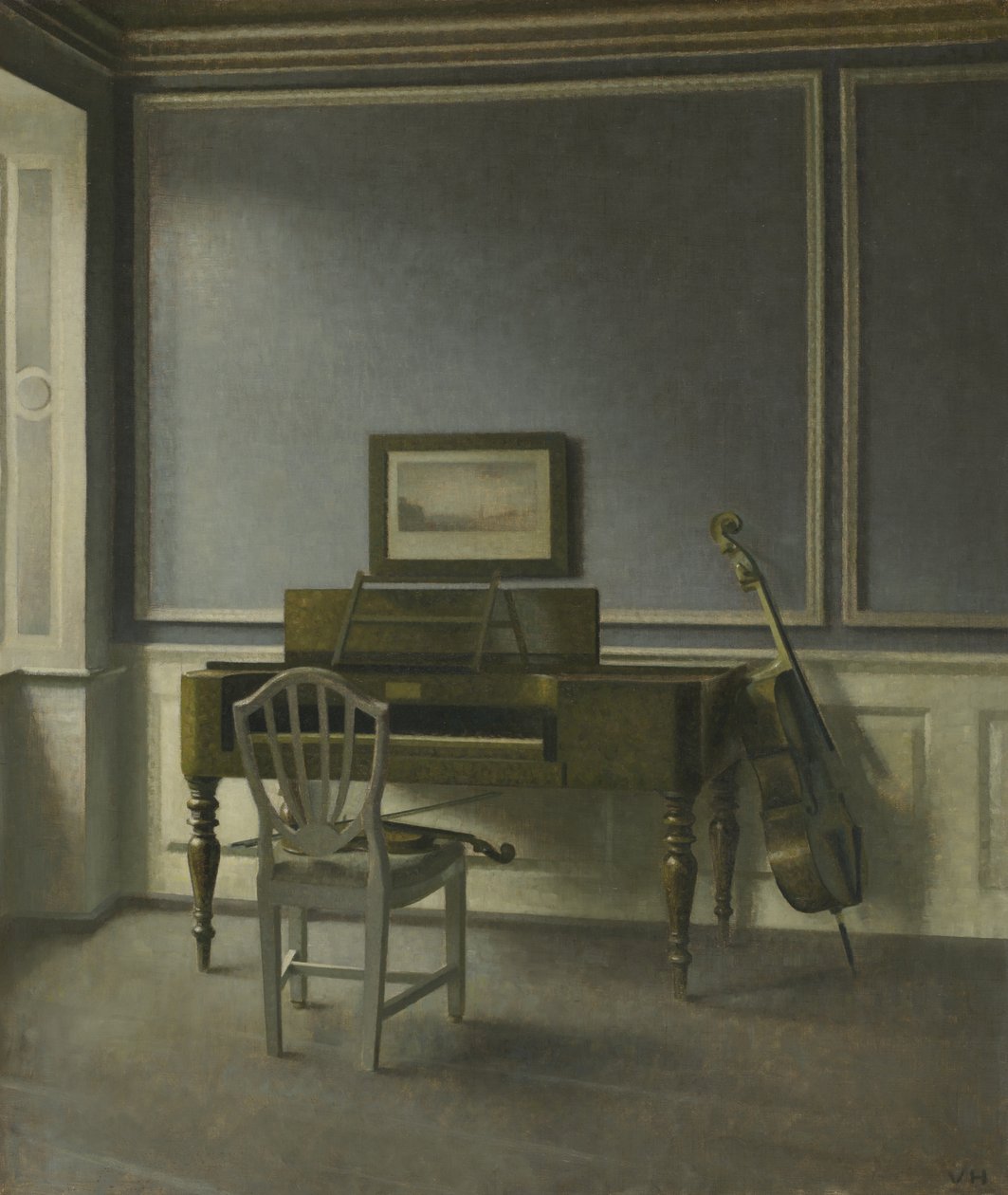
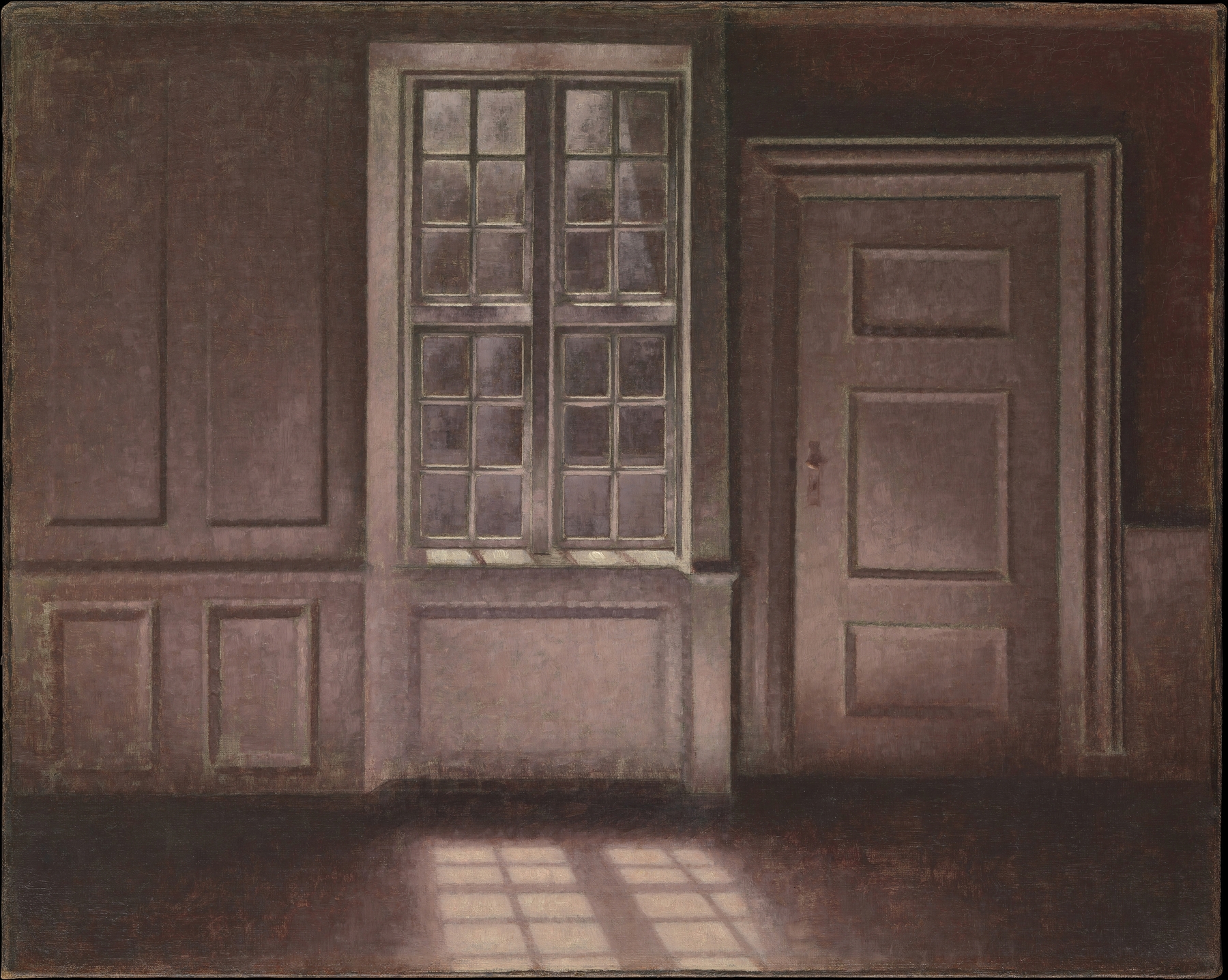
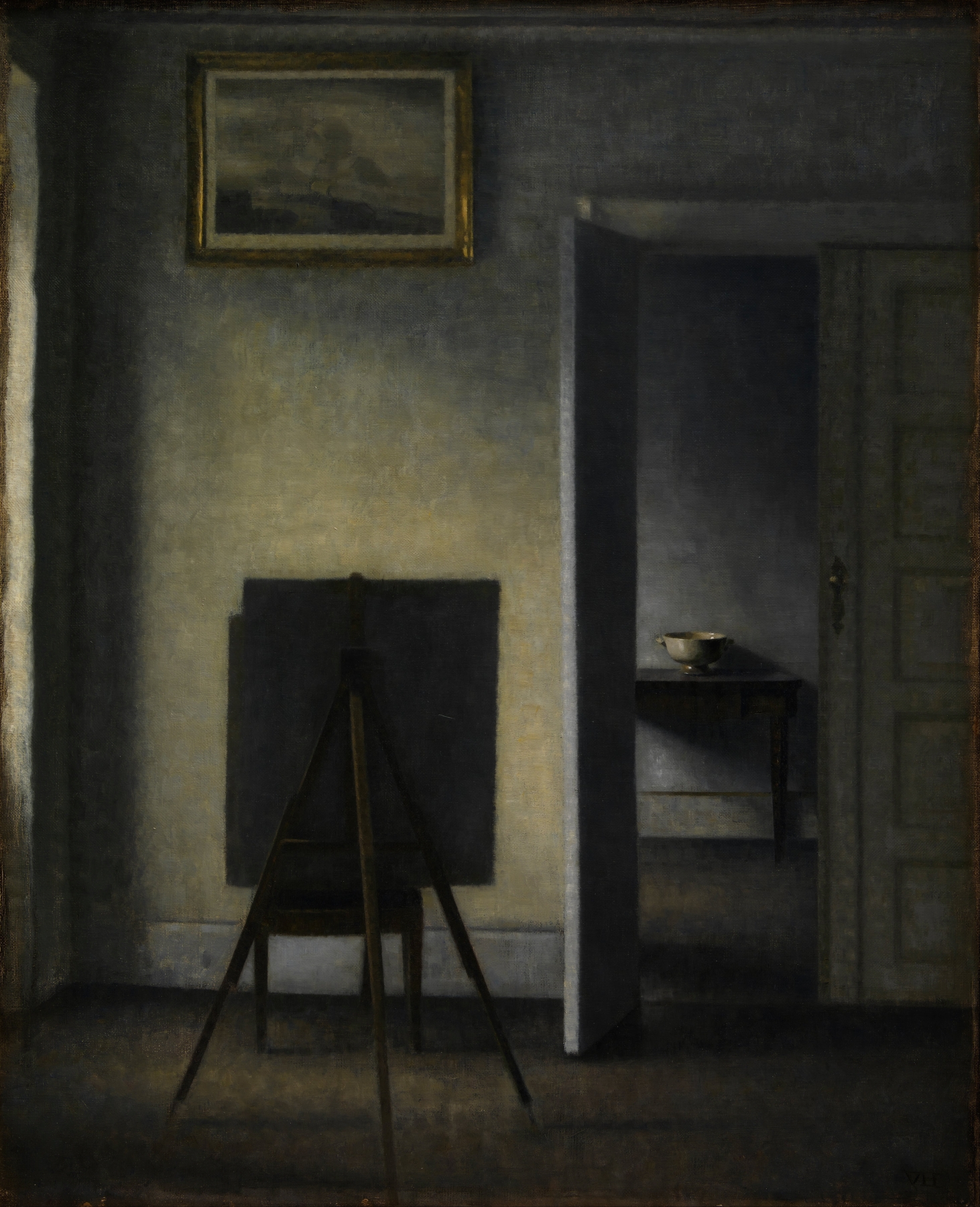
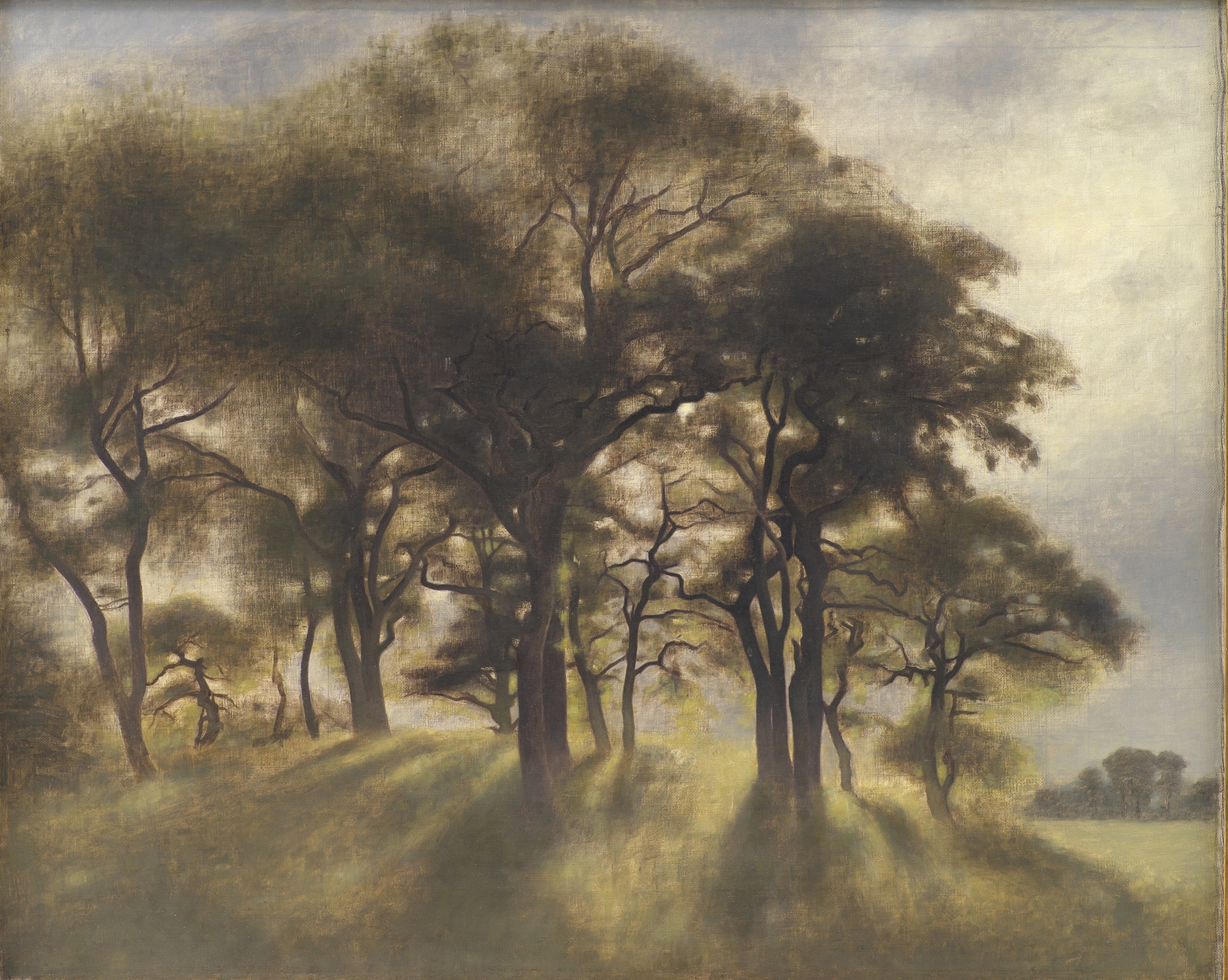
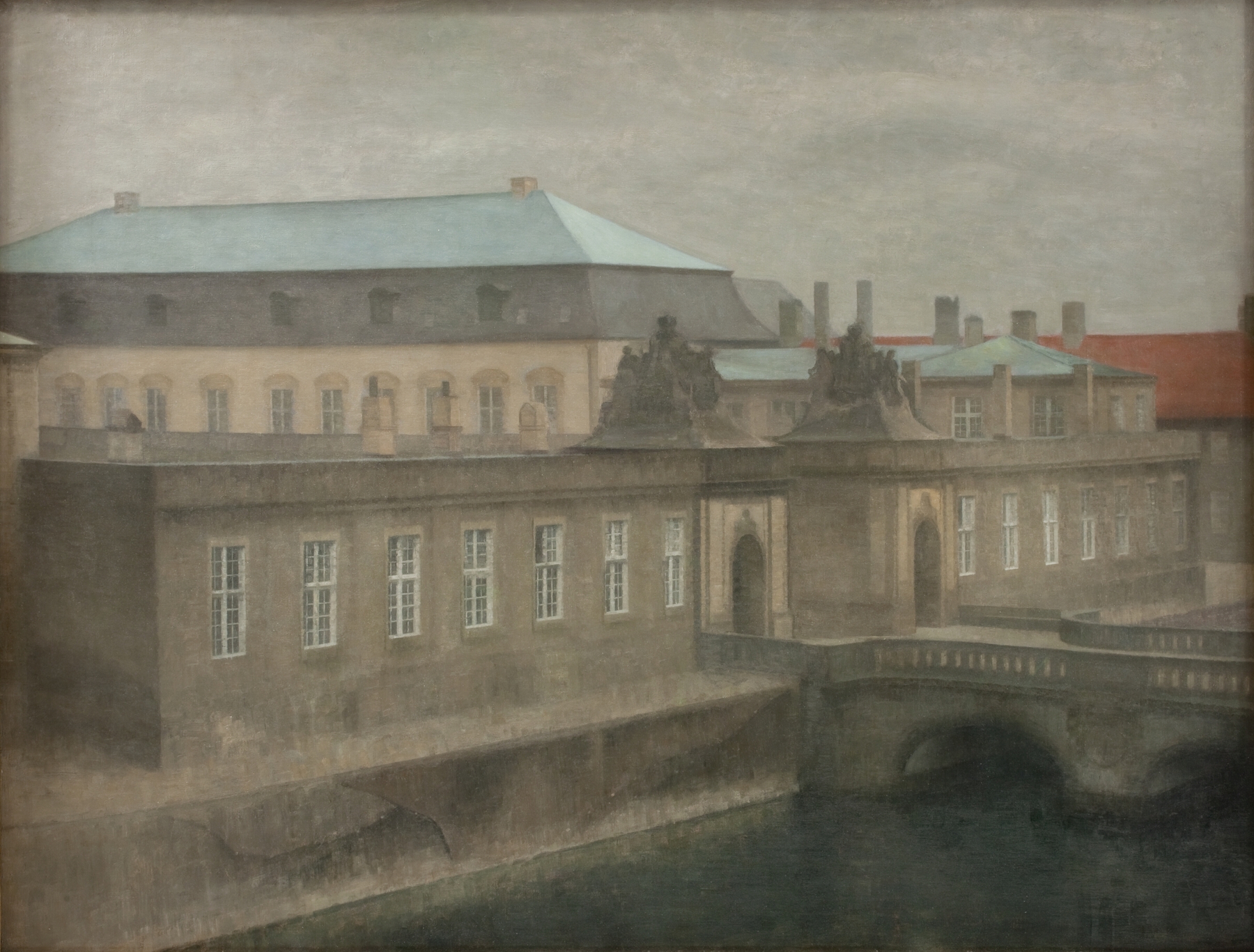
“Between color and silence, truth hides.” In the quietude of an interior space, the richness of the unseen beckons us to pause. Focus on the muted palette that envelops the scene; the soft, ashen walls lend a serene atmosphere, while the dim light filtering through the windows creates a tranquil interplay of shadow and quiet reflection. Look closely at the central doorway, framed by gentle curves, inviting the eye to wander beyond yet anchoring us in the moment. The simplicity of the furniture, rendered with meticulous detail, draws attention to the stillness that envelops the courtyard, amplifying the sense of solitude and introspection.
Hidden within the starkness is a profound emotional tension. Notice the solitary window, a portal to the outside world, yet it remains closed, suggesting both separation and observation—an invitation to explore the boundaries of isolation. The arrangement of objects conveys a meticulous order, contrasting with the chaotic thoughts that might dwell in the mind, hinting at the delicate balance between the external and internal experiences. Each element is a reflection of stillness, echoing the artist’s contemplation of life’s quiet moments.
Created during an indeterminate period in the late 19th century, this work emerged from the introspective phase of Vilhelm Hammershøi's career. Living in Copenhagen, he was deeply influenced by the symbolist movement, which emphasized emotion and atmosphere over direct representation. The world around him was marked by industrialization and change, yet his work remained a serene haven, focusing on the intimate and the personal, capturing the essence of solitude amidst a rapidly evolving society.