Garten in Soest — History & Analysis
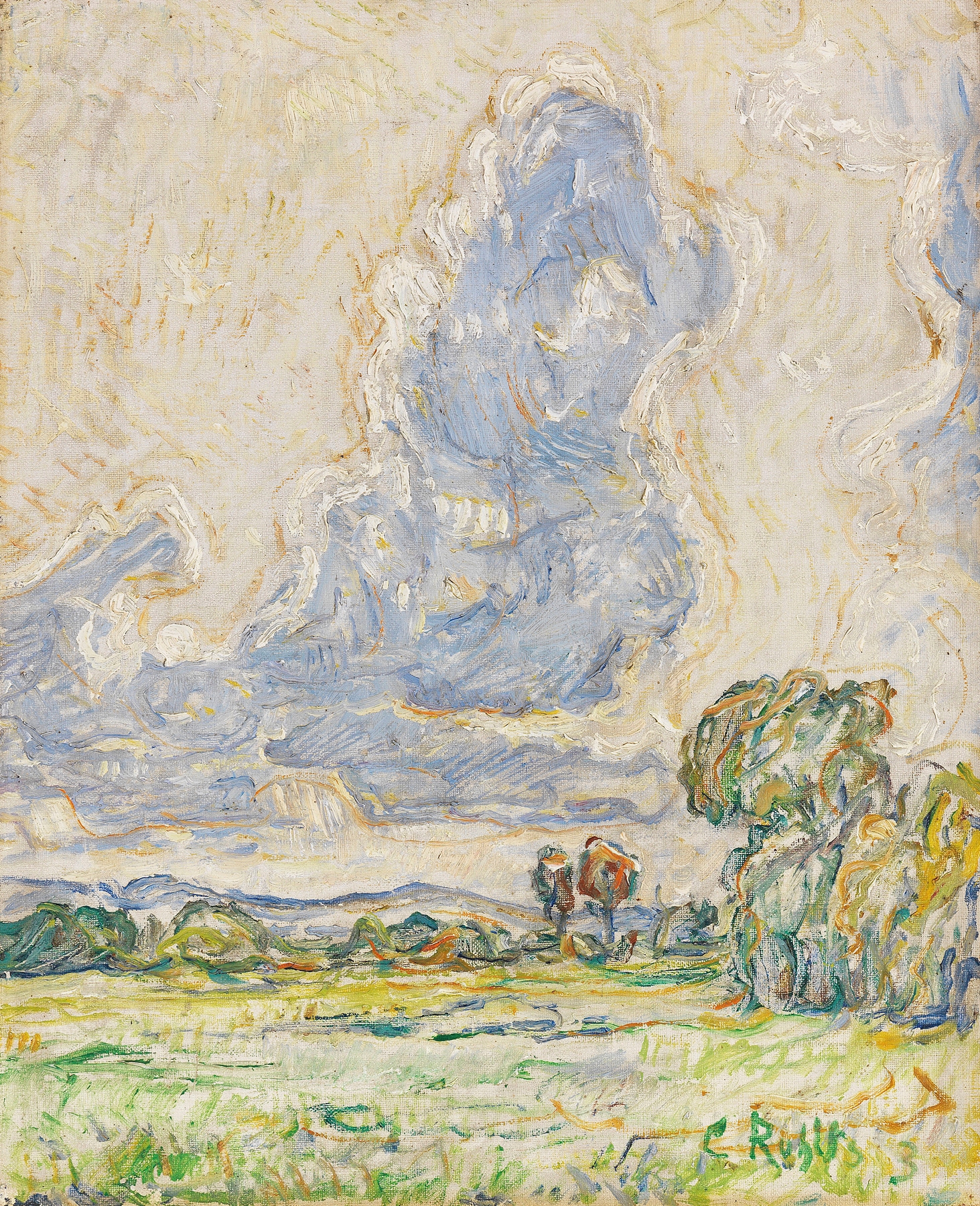
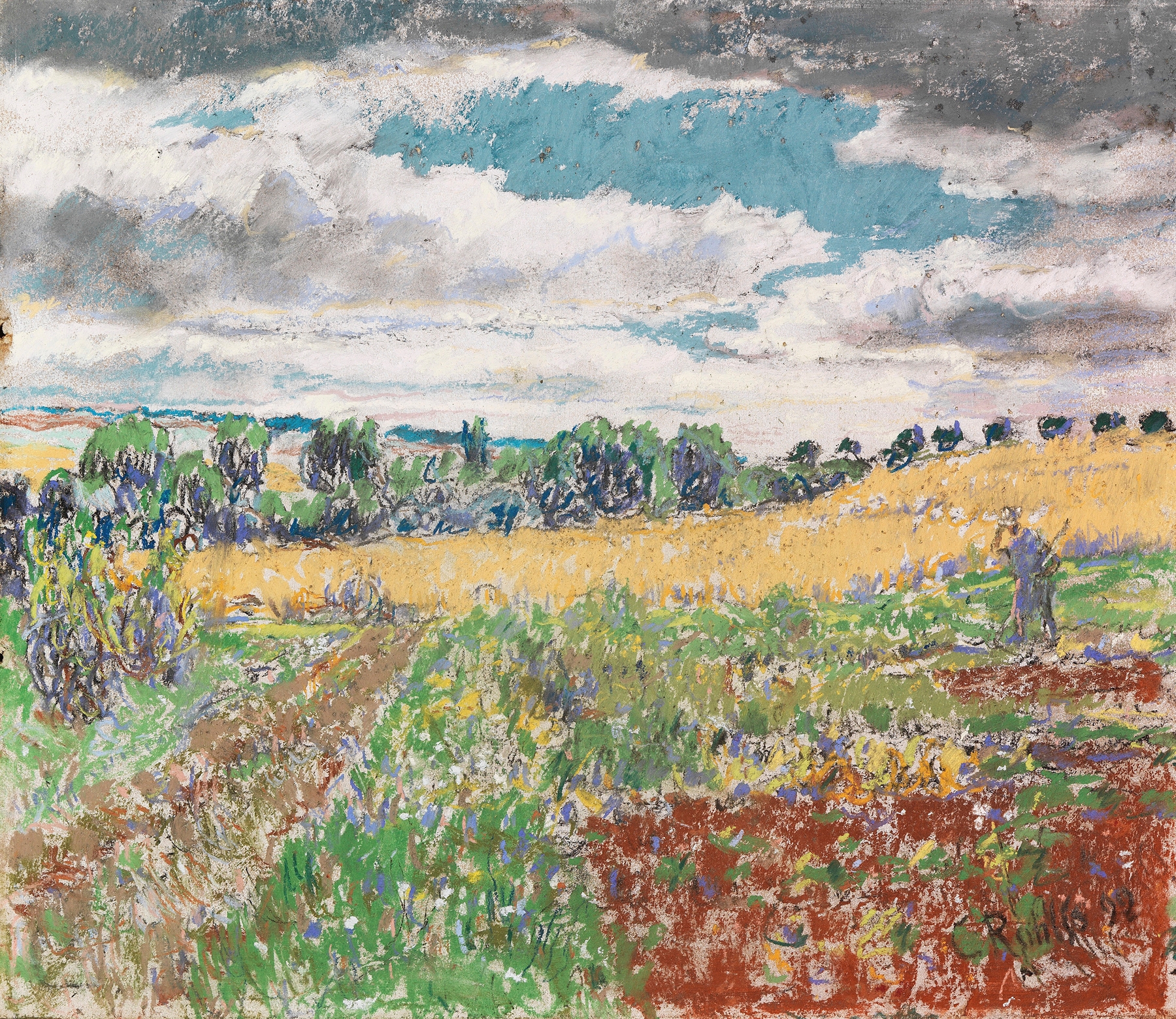
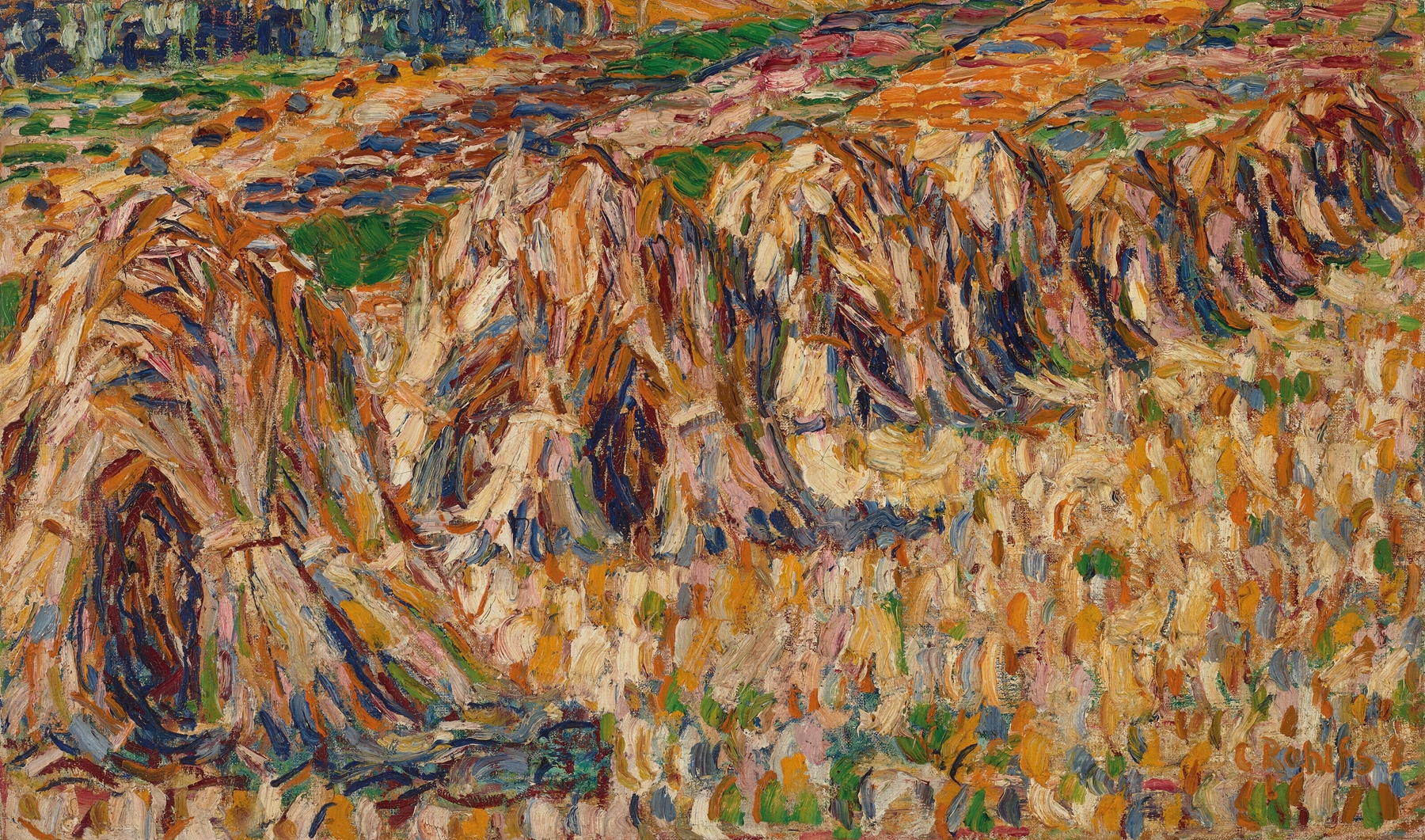
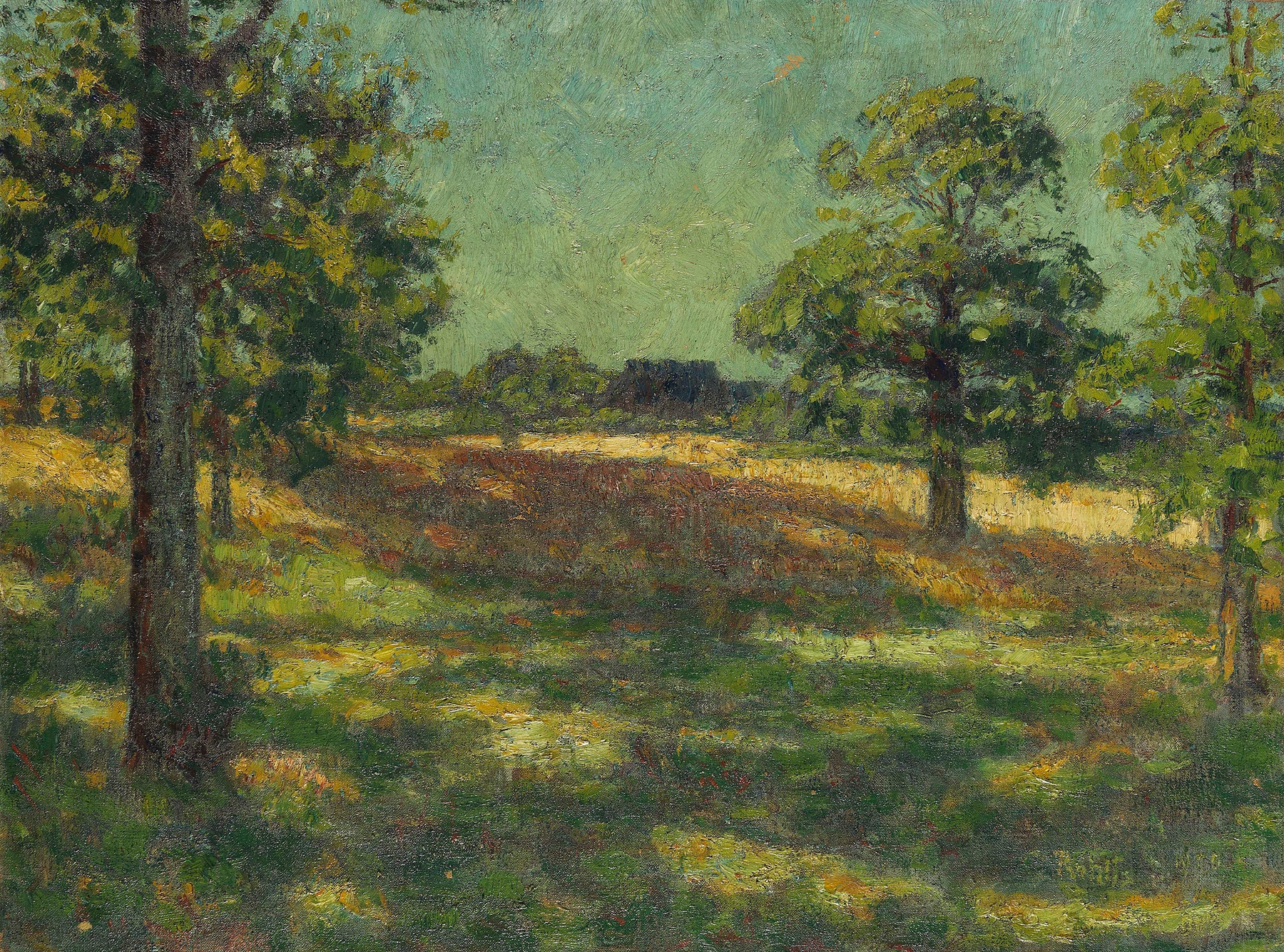
Where does light end, and longing begin? In Garten in Soest, the interplay of luminosity and shadow invites us into a world on the cusp of awakening, a moment suspended between the seen and the felt. Focus on the vibrant greens that dominate the canvas, drawing your eye across the lush foliage. Notice how the dappled sunlight filters through the leaves, creating a tapestry of light that dances on the ground.
The painter's expressive brushwork gives life to the flowers, with strokes so thick they seem to leap from the surface, imbuing each petal with vitality and emotion. This careful composition balances chaos and harmony, inviting a deeper contemplation of nature’s rhythms. As you linger on the details, consider the emotional tension in the contrasts—a soft lavender bloom against the deep emerald greens, warmth mingling with cool. It speaks to the fleeting nature of beauty and the longing inherent in every moment of stillness.
Rohlfs captures not just a garden, but a longing for connection, for renewal, reflected in the vibrant hues that pulse with life yet feel momentarily out of reach. Created in 1906, this piece marked a significant phase for the artist, who was deeply influenced by the German Expressionist movement. During this period, Rohlfs sought to convey emotional depth through color and form, moving away from Impressionism while still embracing its love for nature. His work reflects the burgeoning modernity around him, as the world was on the brink of profound change, much like the awakening captured in this garden scene.