Kornfeld — History & Analysis
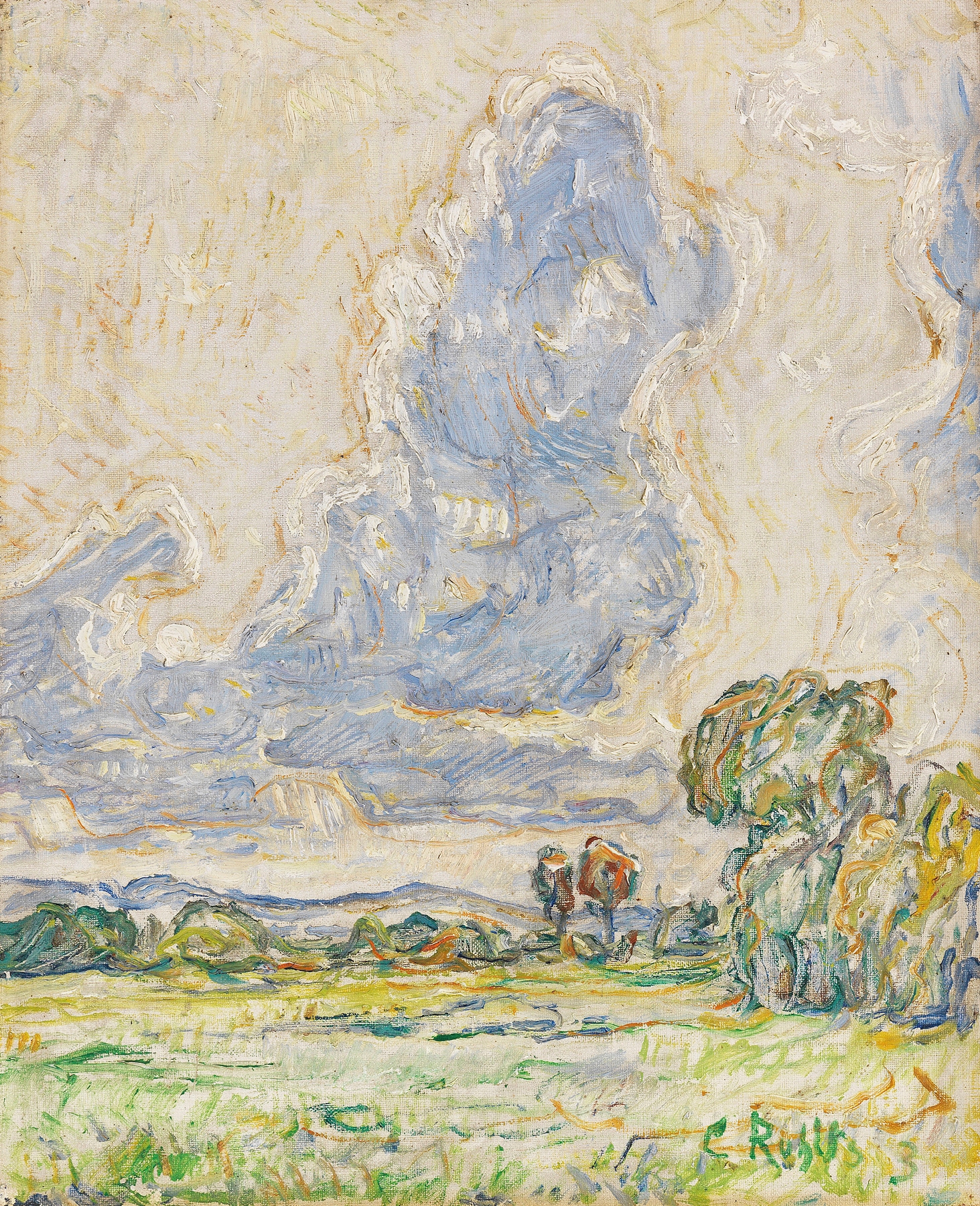
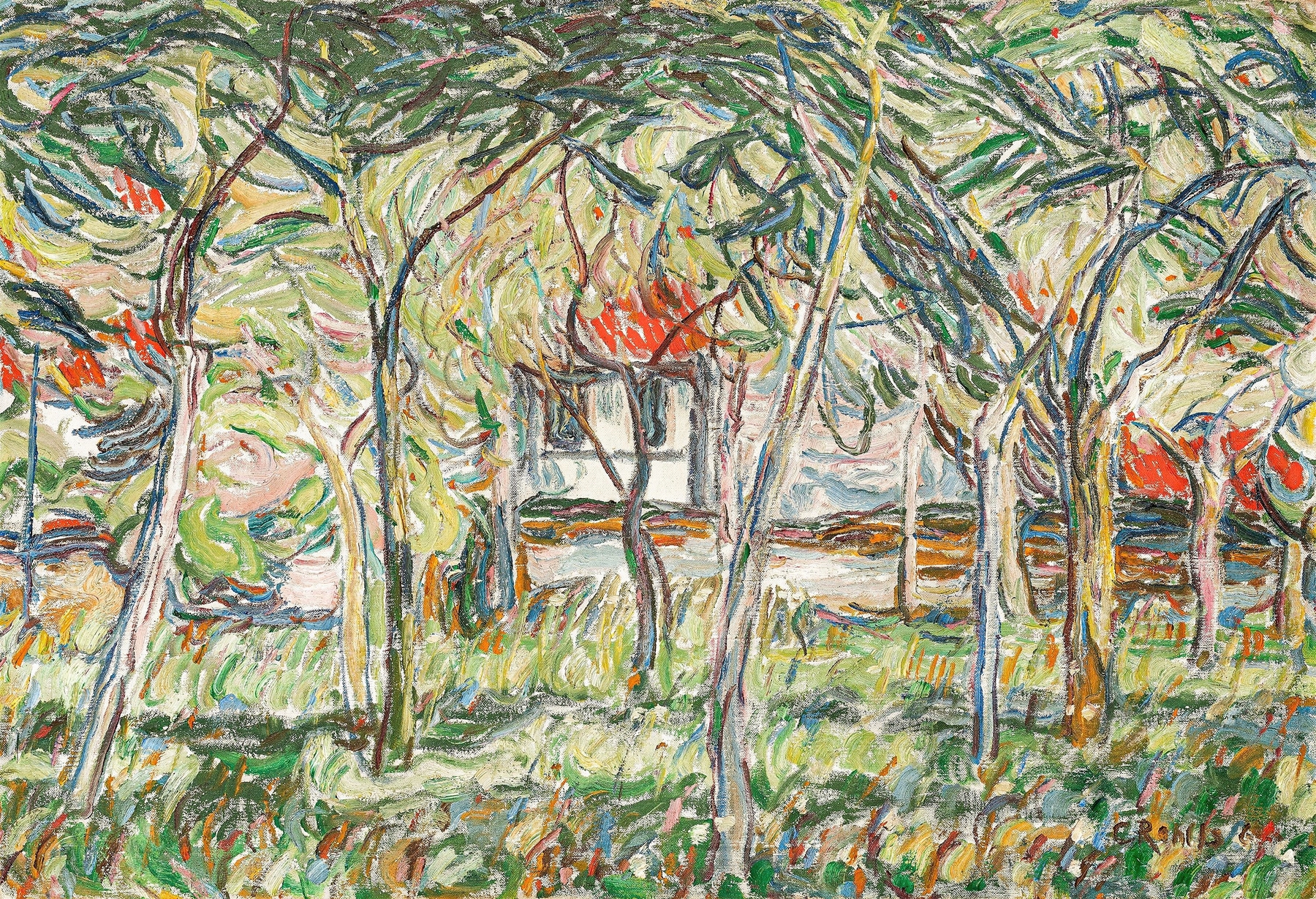
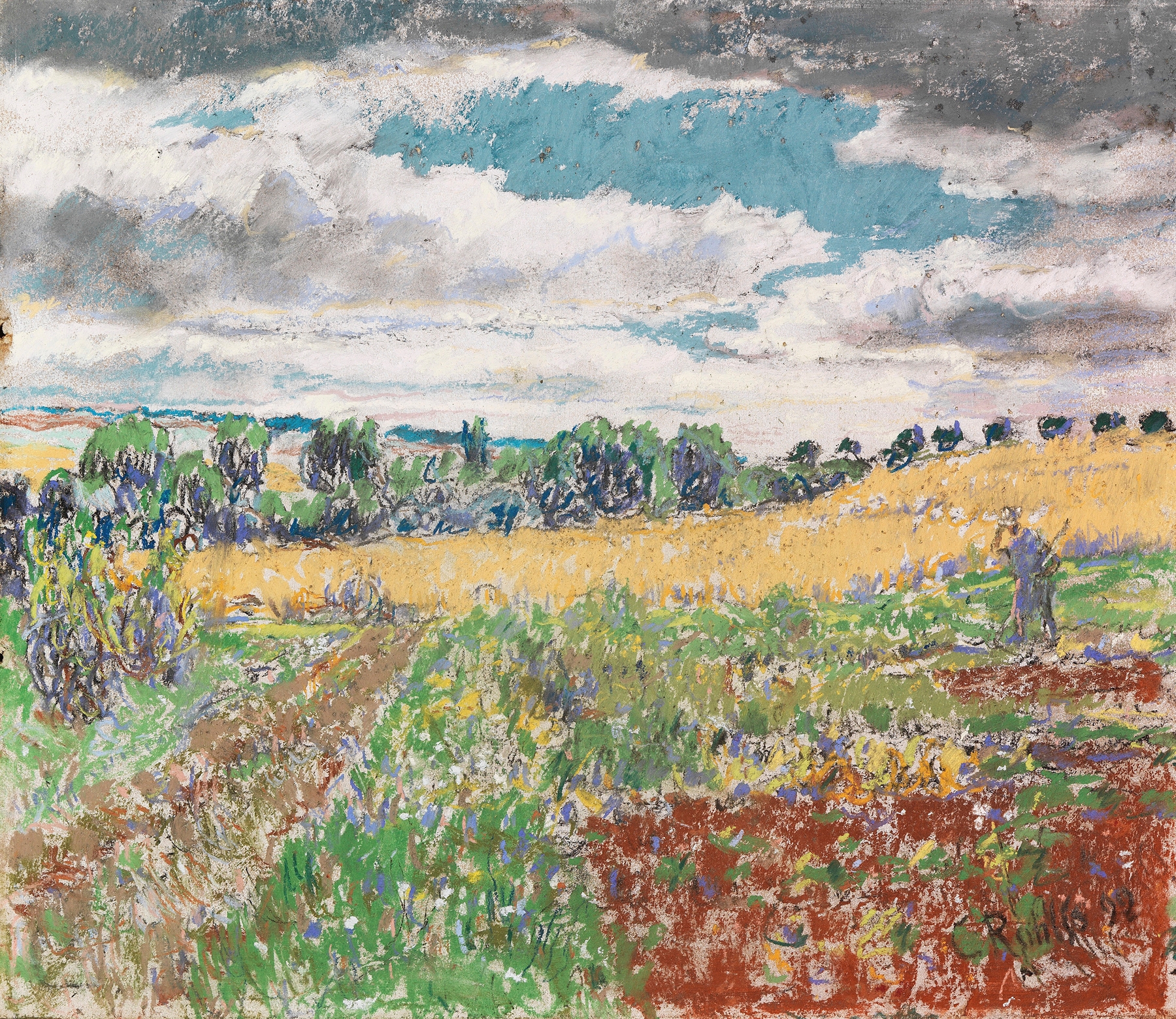
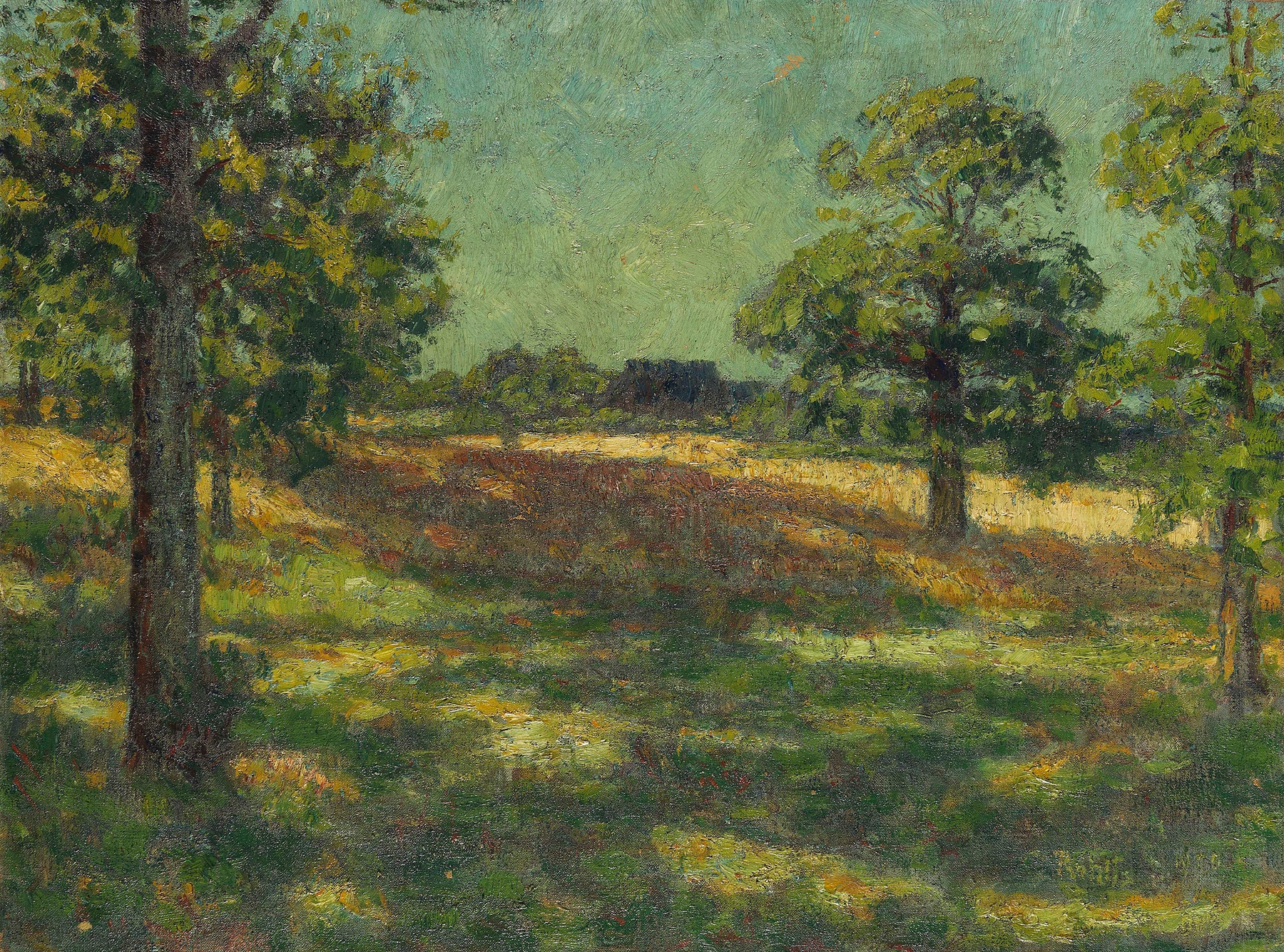
“Every silence here is a confession.” In a world where innocence can be both a refuge and a vulnerability, one must ponder how it shapes our very existence. Look to the center of the canvas where vibrant greens and gentle yellows intertwine, creating a lush tapestry that breathes life into an otherwise quiet scene. The brushstrokes are bold yet tender, inviting an exploration of the undulating hills that cradle a serene field. The subtle play of light dances across the surface, highlighting the textures of the foliage while casting deeper shadows that hint at untold stories beneath the surface.
Beneath the vibrant colors lies a tension between tranquility and the lurking uncertainty of what lies ahead. The innocent beauty of the landscape contrasts with the deep, almost melancholic shadows that seem to cradle it, suggesting a poignant fragility in this sanctuary. The viewer is drawn to the delicate balance of nature's bounty and the silent undercurrents of vulnerability woven throughout, as if each blade of grass holds the weight of unspoken confessions. In 1907, Christian Rohlfs painted this work during a period of intense personal evolution.
He was immersed in the Expressionist movement, grappling with the intersection of emotional depth and form. The world around him was shifting, with societal changes echoing in the art that sought to capture the essence of human experience. In this moment, Kornfeld emerges as a reflection of both innocence and the complexity of existence, a testament to the artist's evolving vision.