Landschaft — History & Analysis
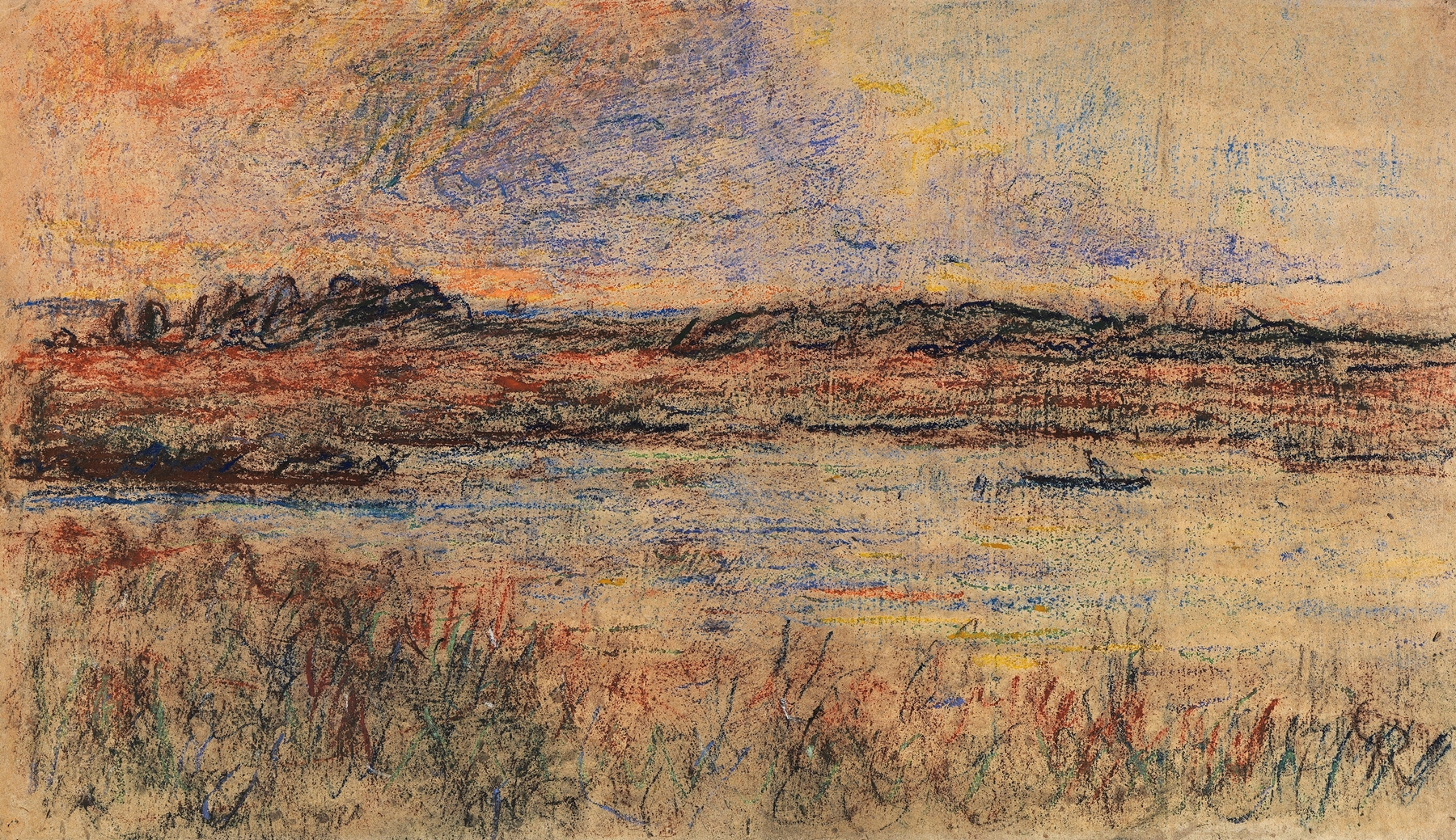
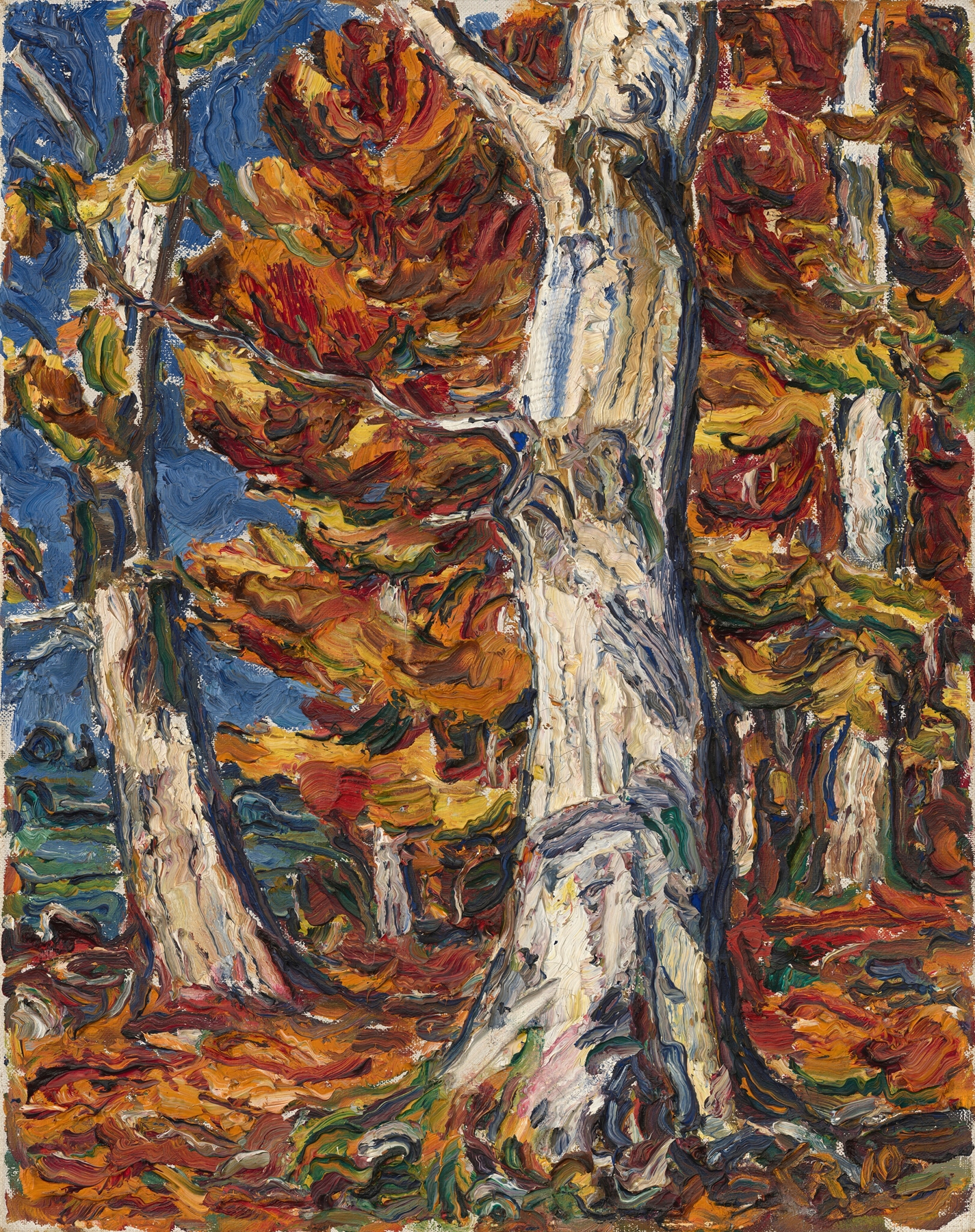
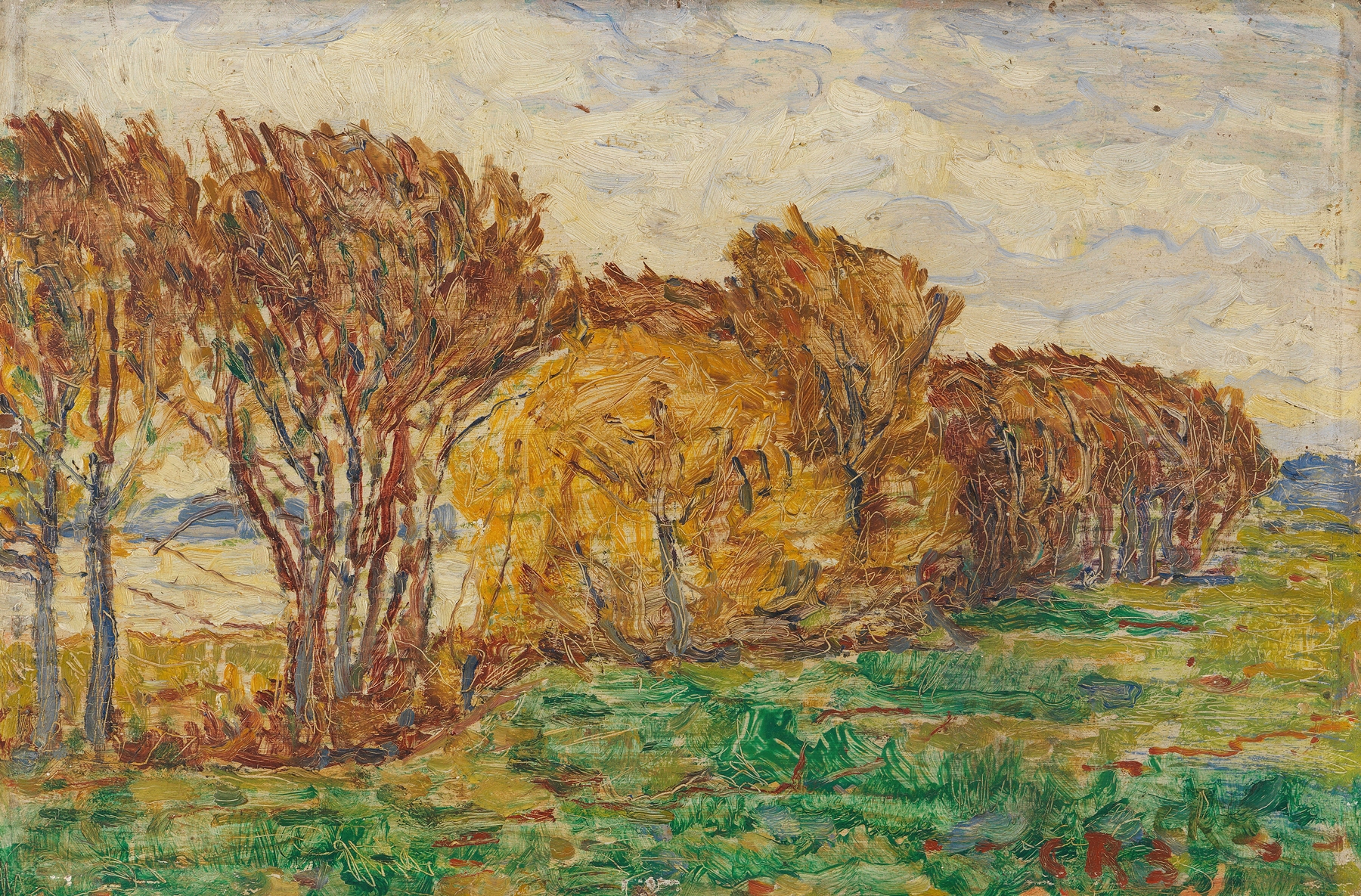
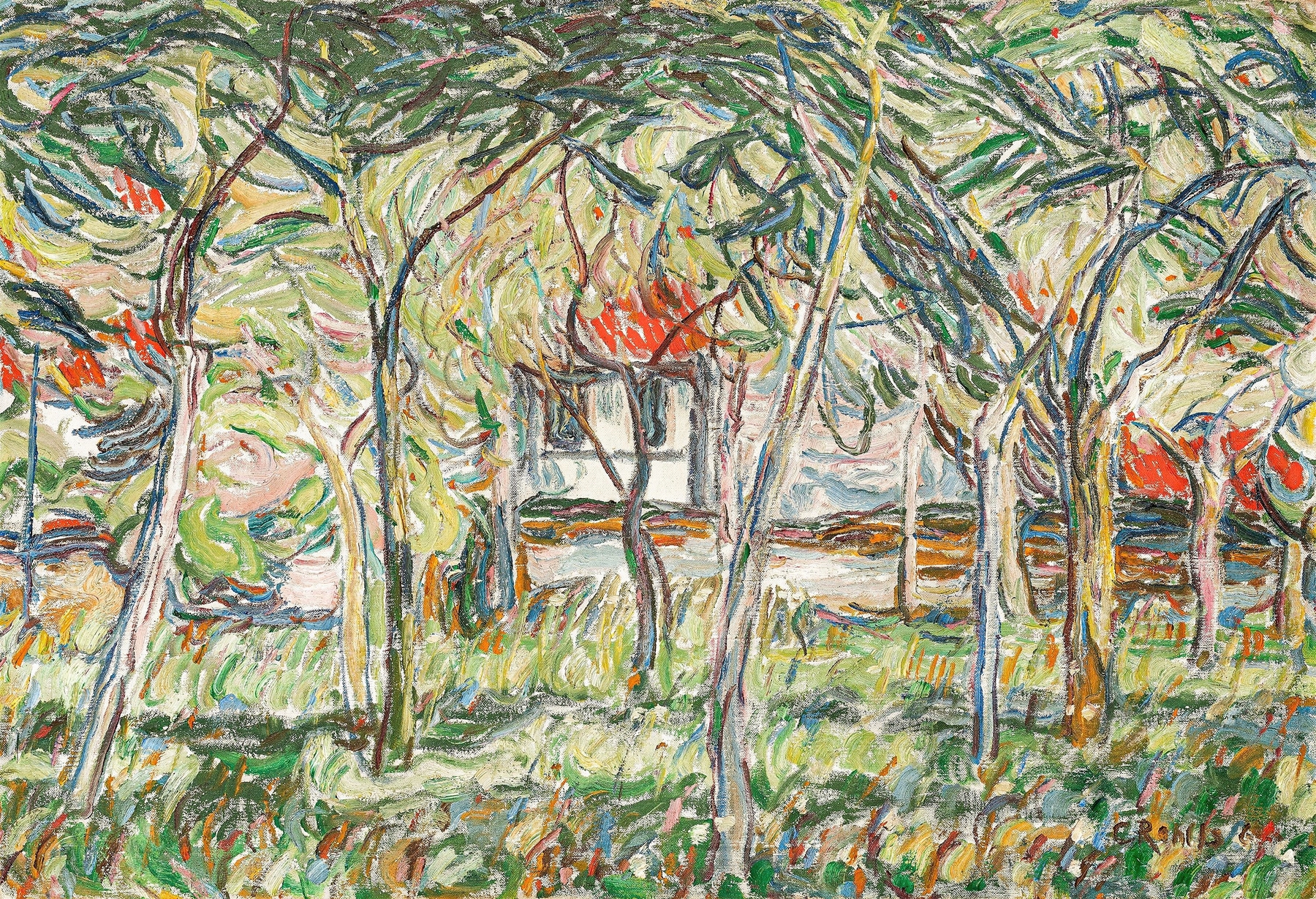
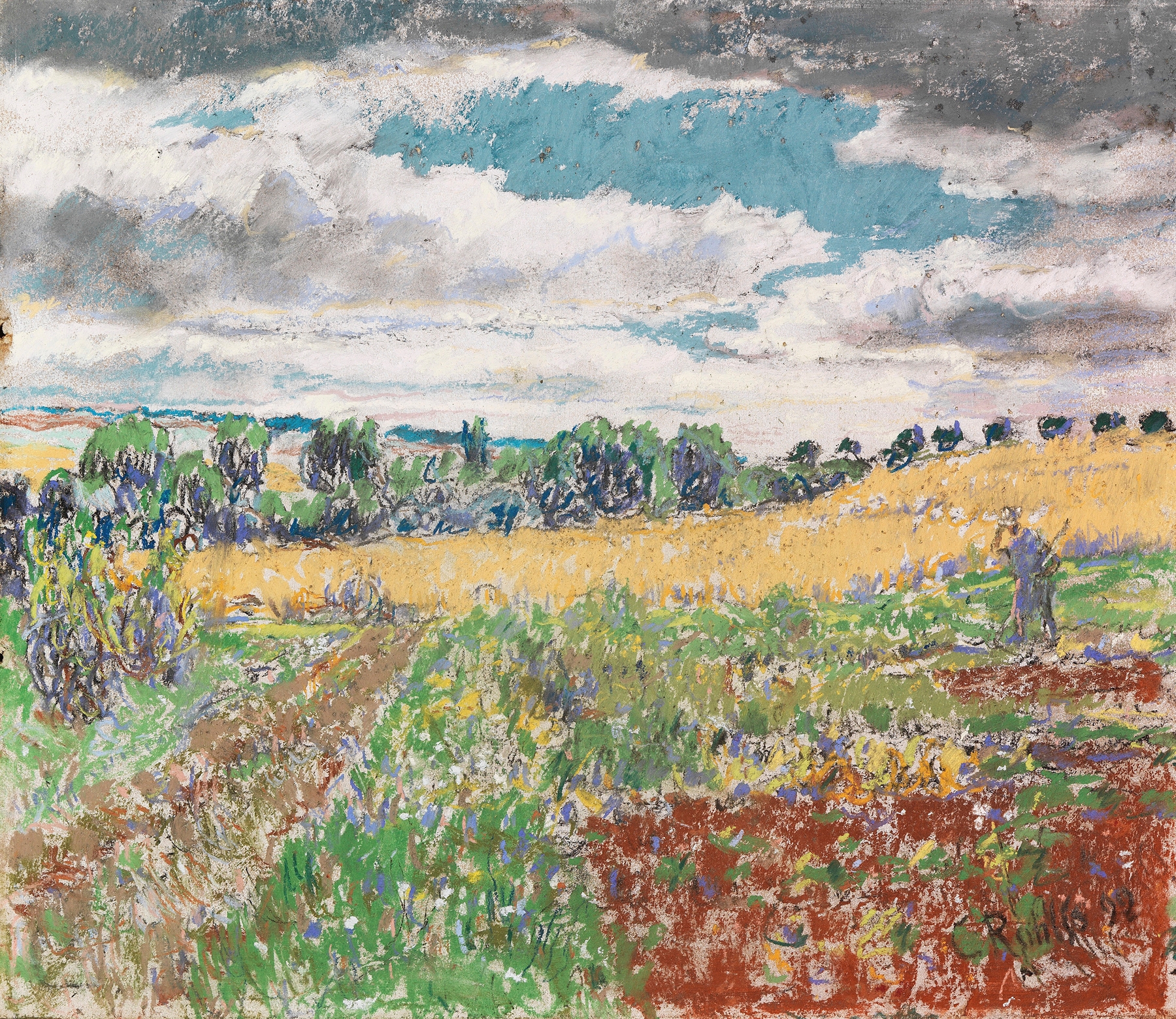
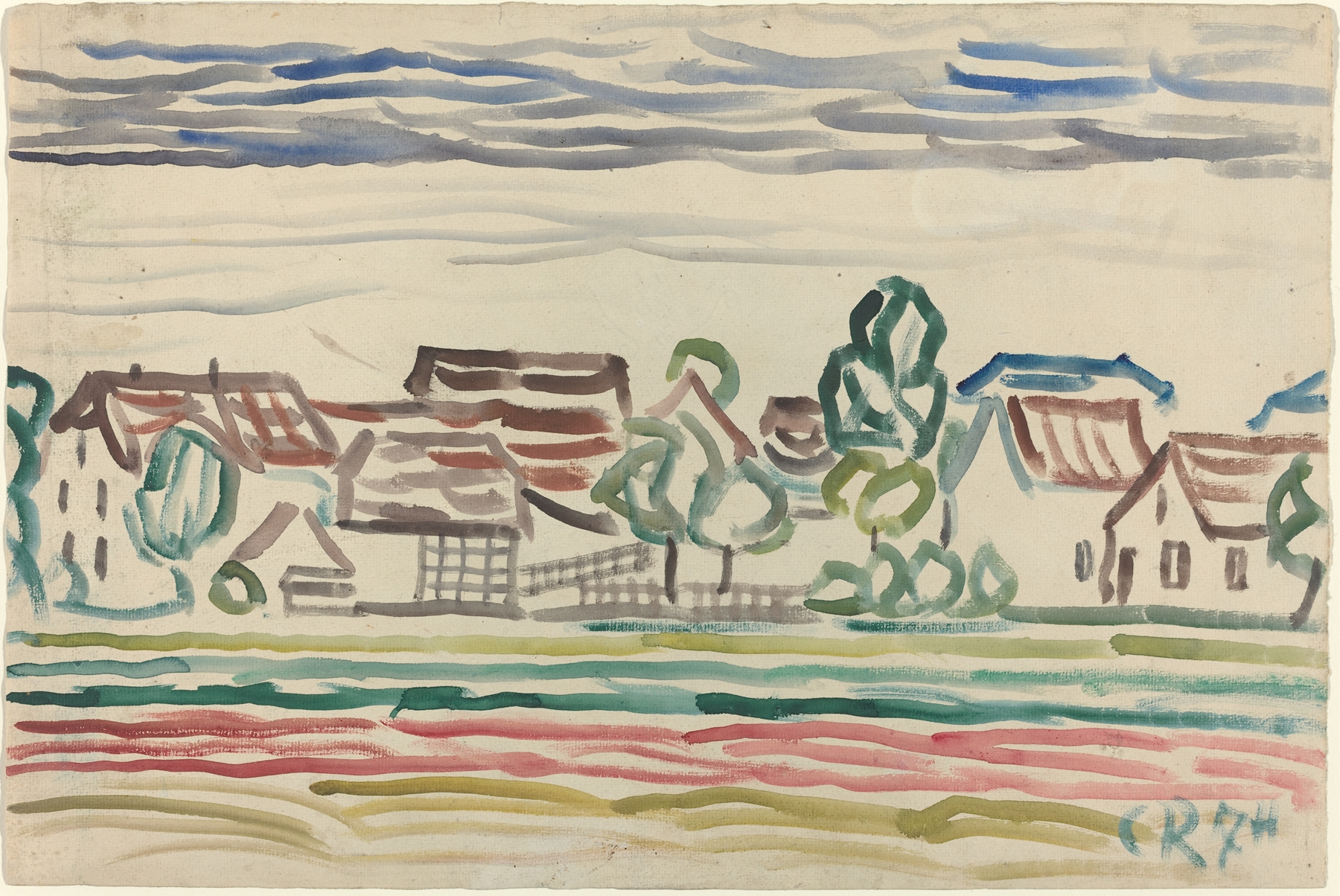
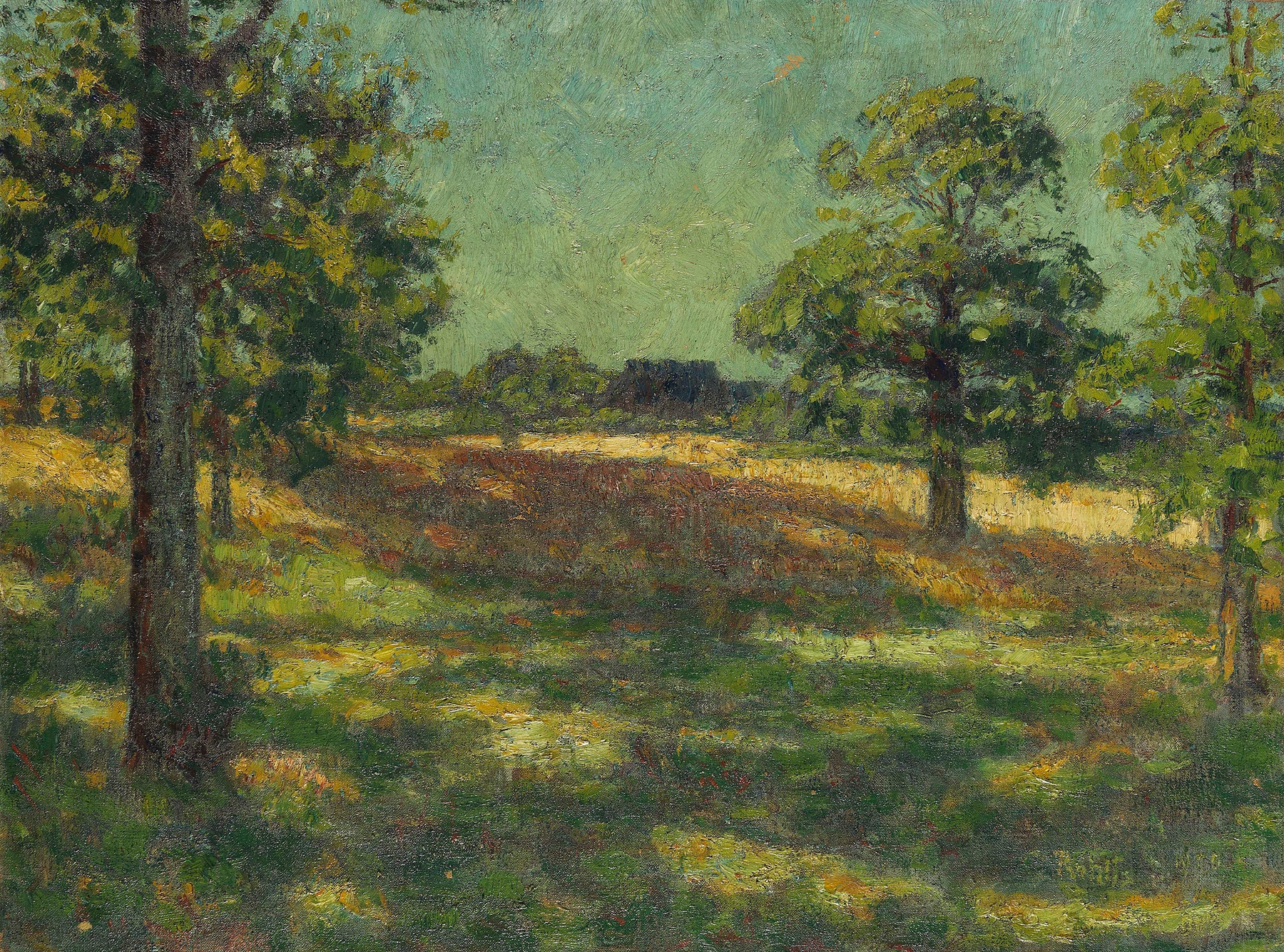
“Sometimes beauty is just pain, disguised in gold.” In Landschaft, the interplay of nature and emotion evokes the inevitability of destiny, whispering to viewers through its colors and forms. Look to the foreground, where rolling hills bathed in vibrant greens and earthy browns beckon. The sweeping brushstrokes create a textured landscape alive with movement, as if the very earth breathes. Notice how the dramatic sky, painted in hues of deep blue and soft violet, contrasts with the lively terrain below, illuminating the depth of emotion trapped within this idyllic scene.
Hidden within the tranquility lies a tension between chaos and serenity. The dynamic lines of the hills suggest an impending storm, hinting at nature's unpredictable power, while the softness of the colors evokes a sense of peace. Rohlfs captures the duality of existence—the beauty of the landscape intertwined with the underlying currents of life’s challenges. It speaks to the viewer's own journey, a reminder that beauty often coexists with struggle.
In 1903, Christian Rohlfs painted this piece during a period of personal and artistic exploration in Germany. Influenced by the burgeoning Expressionist movement, he sought to convey emotional truths through his landscapes. This was a time of significant change, not only in Rohlfs' life as he embraced new styles, but also in the greater art world, which was beginning to shift its focus towards the internal rather than the external.