Landscape — History & Analysis
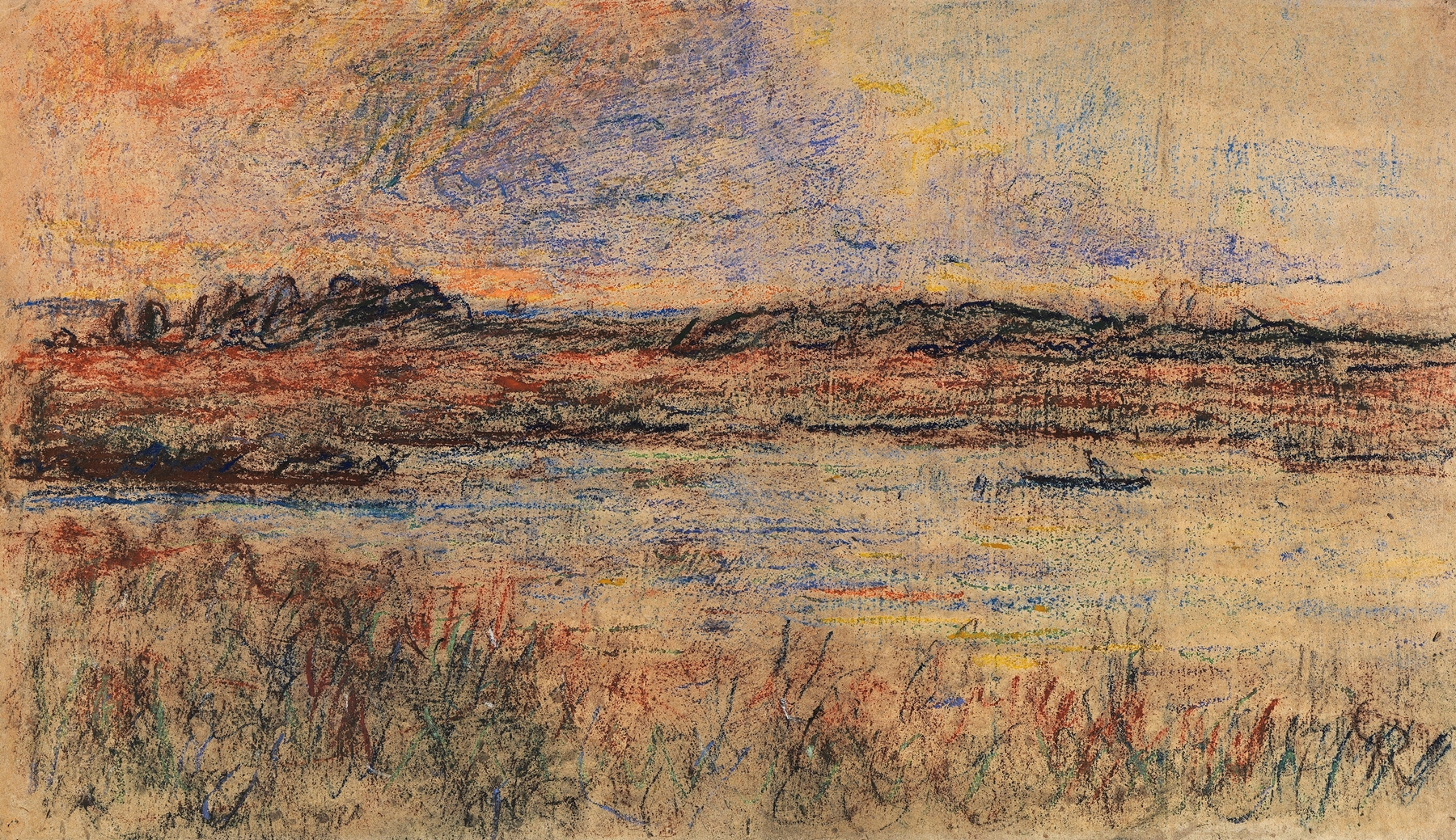
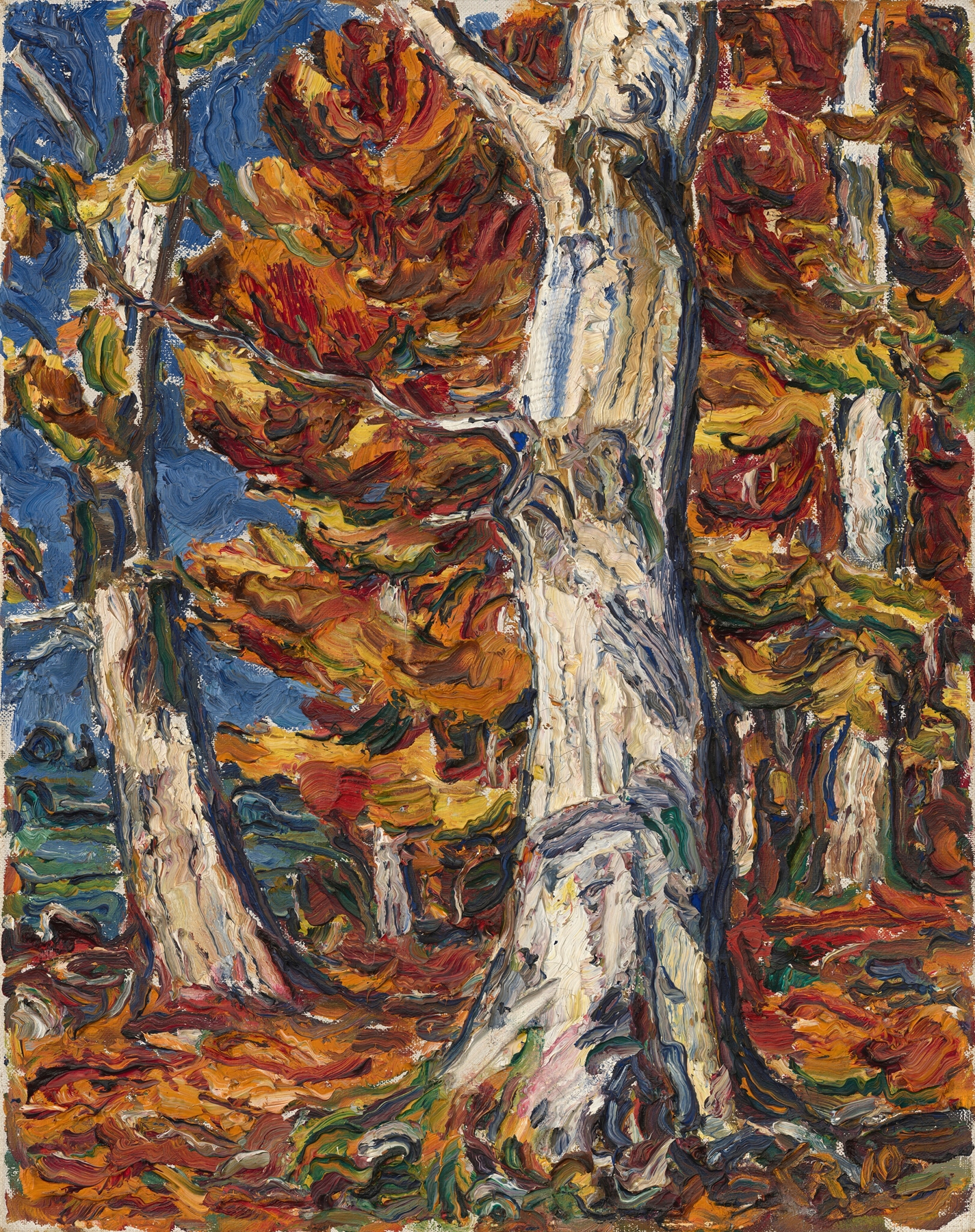
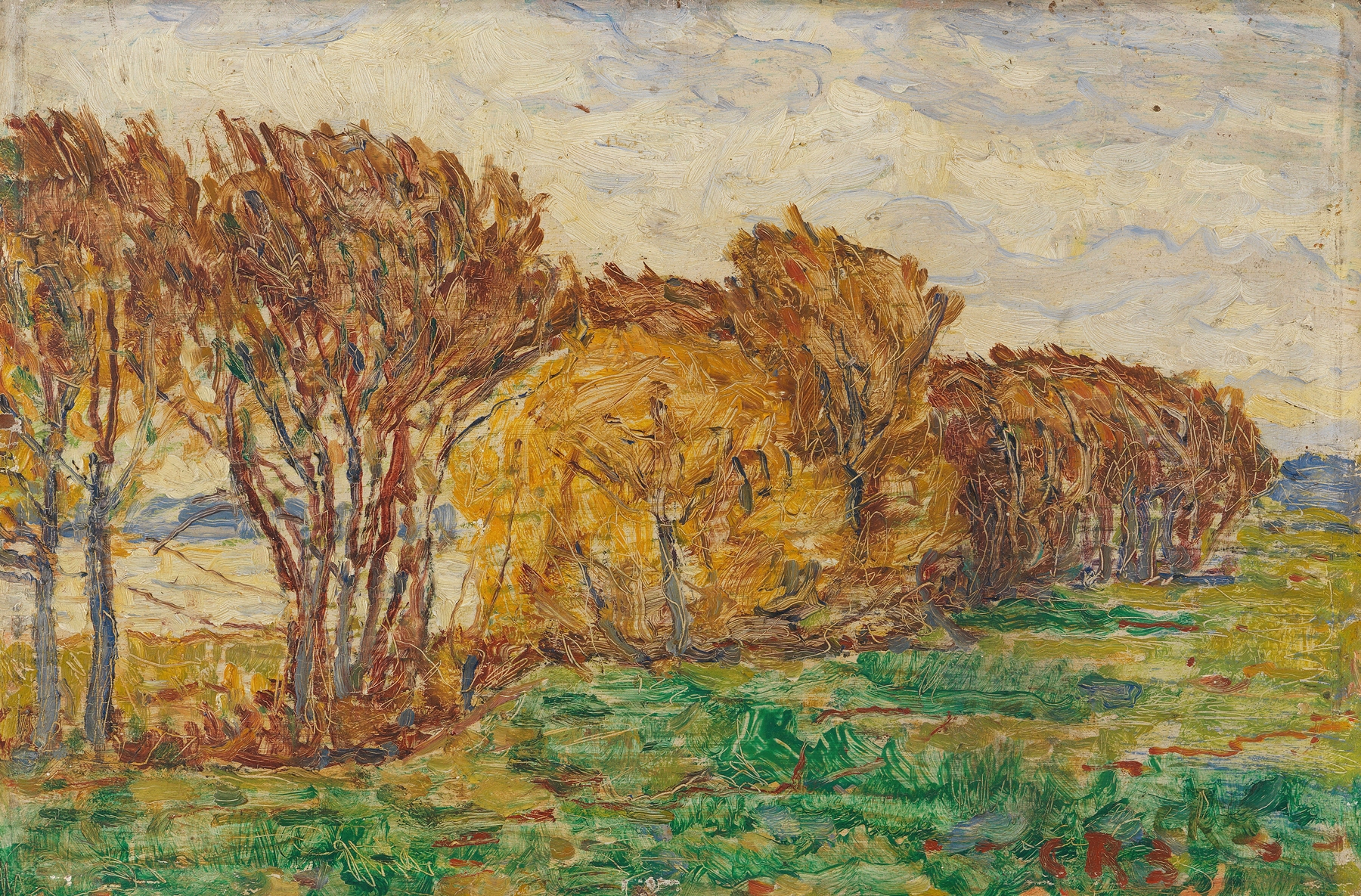
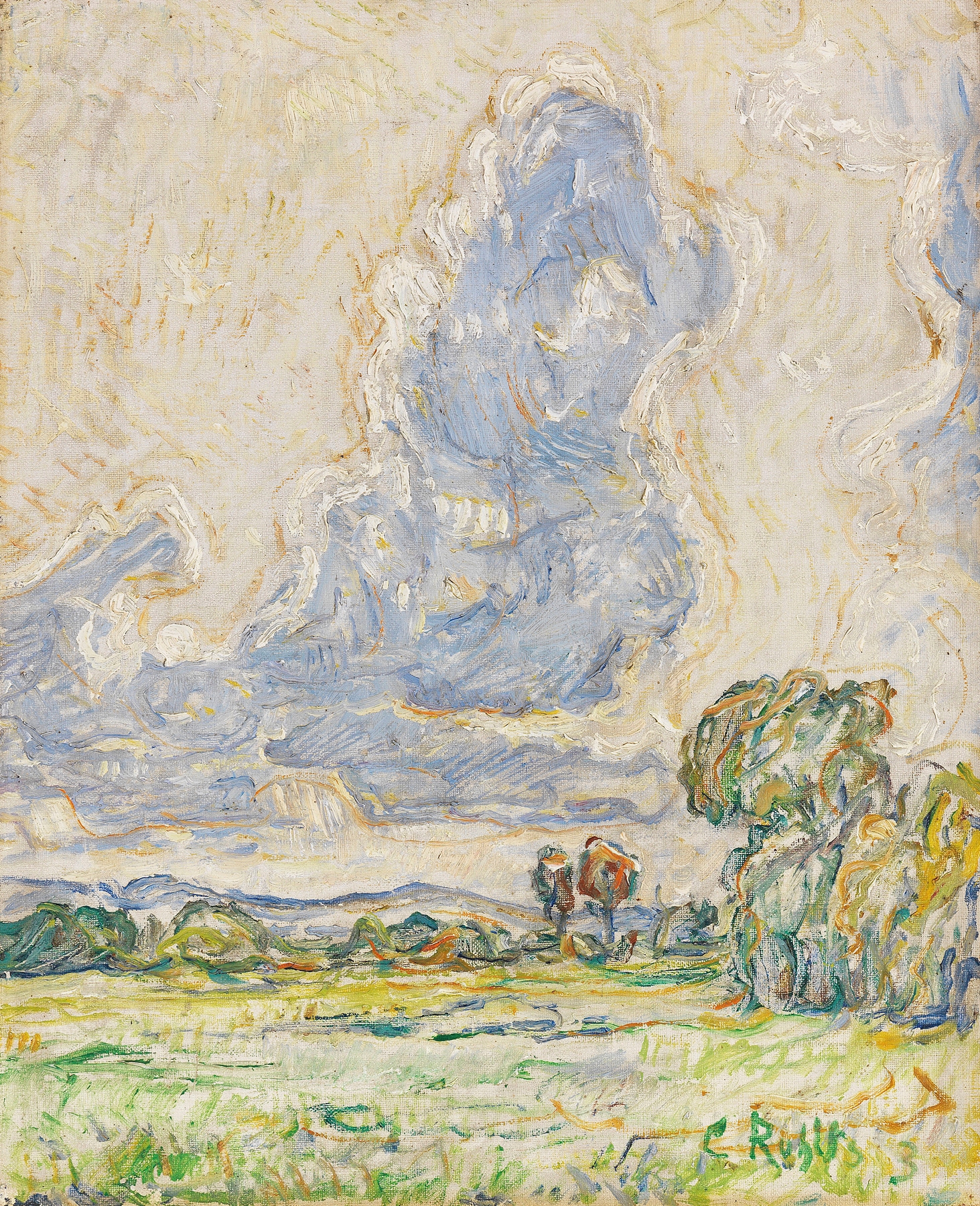
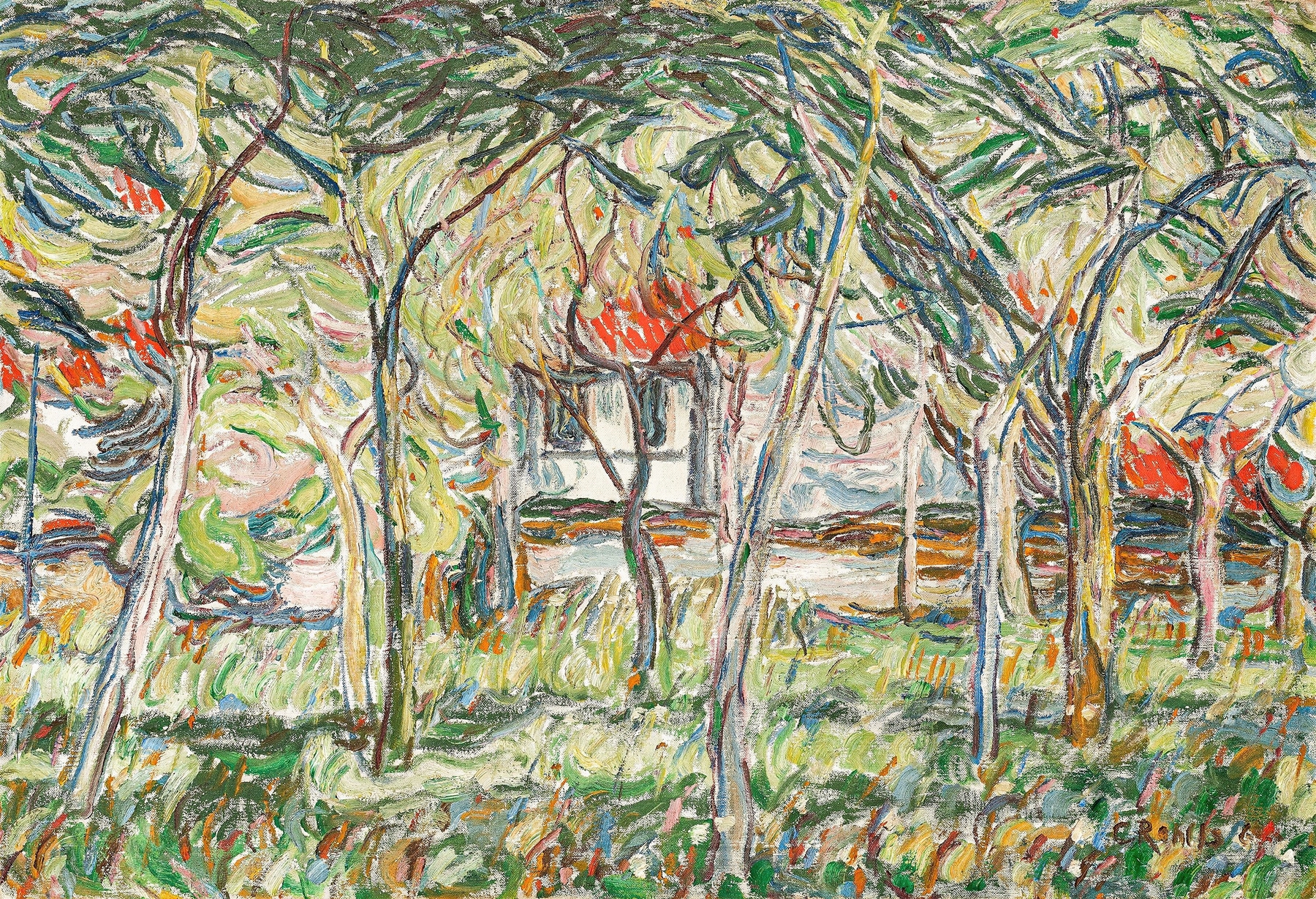
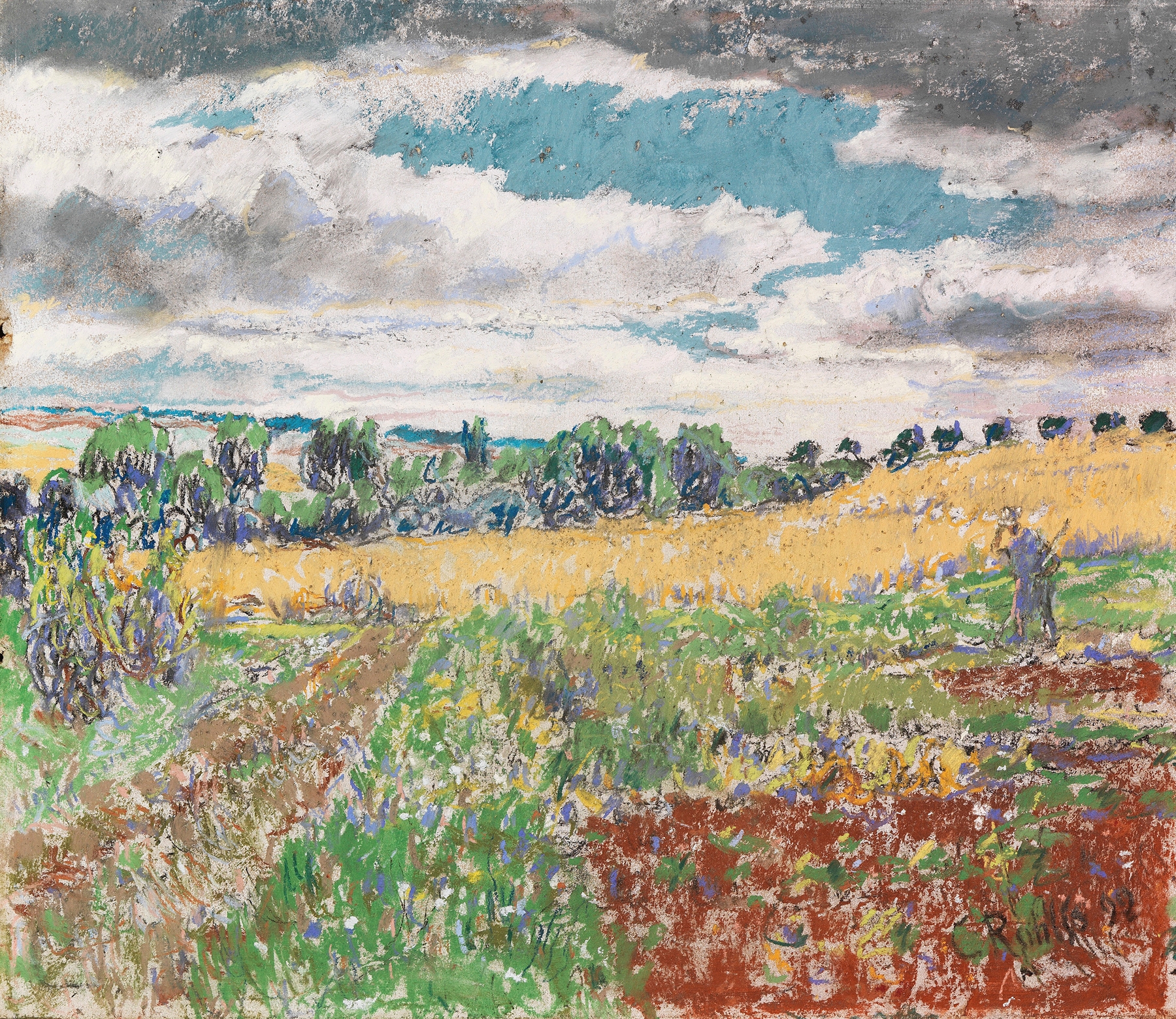
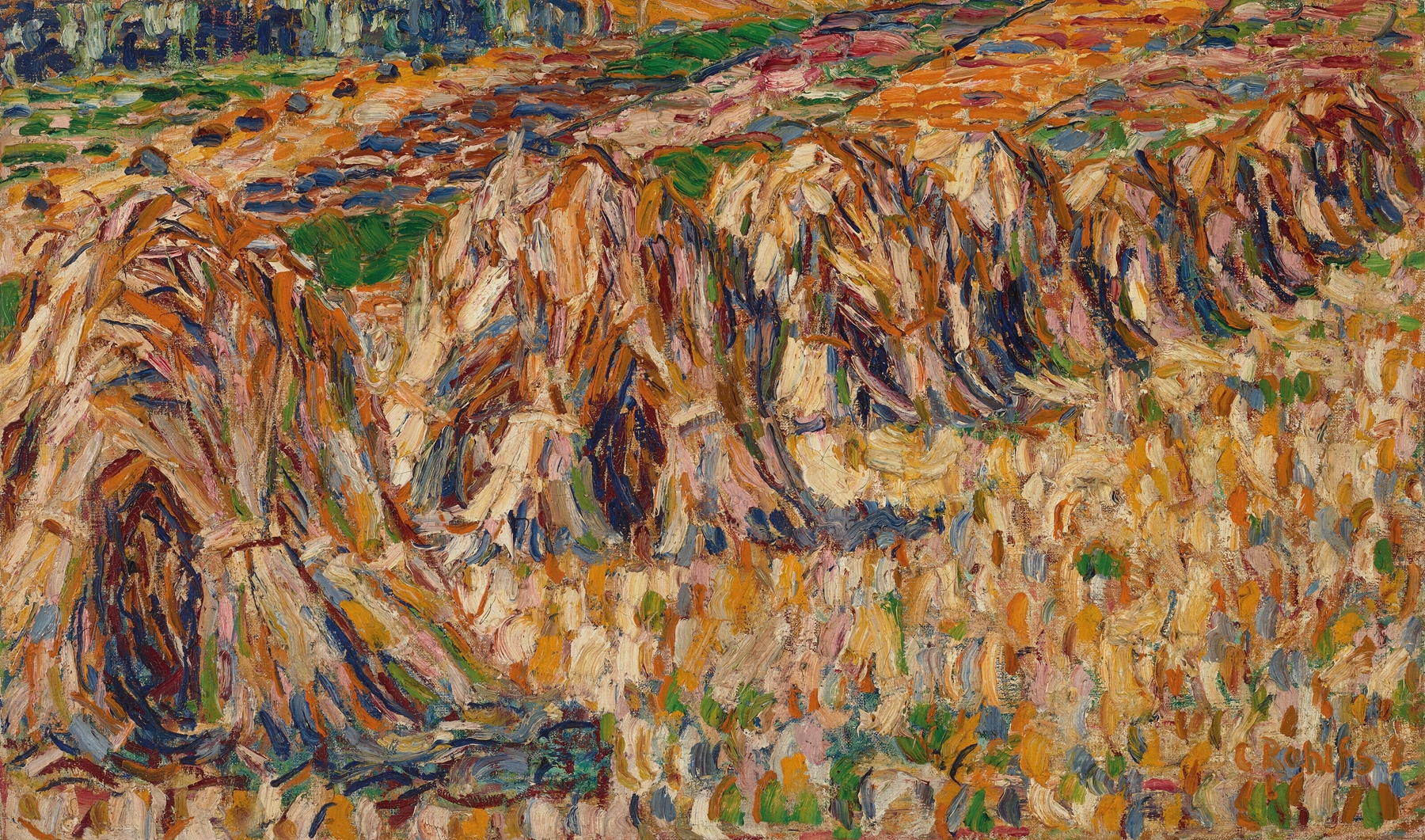
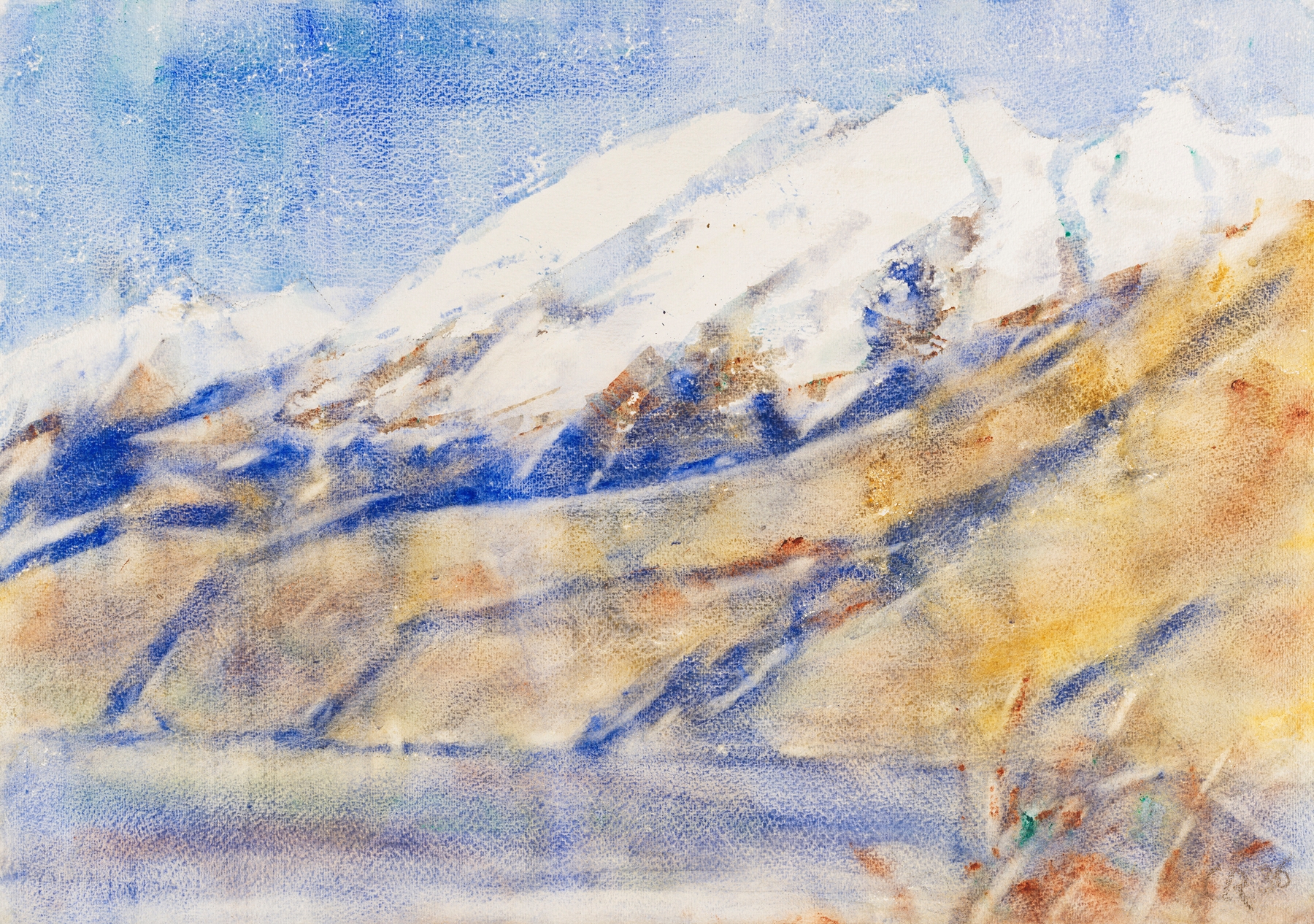
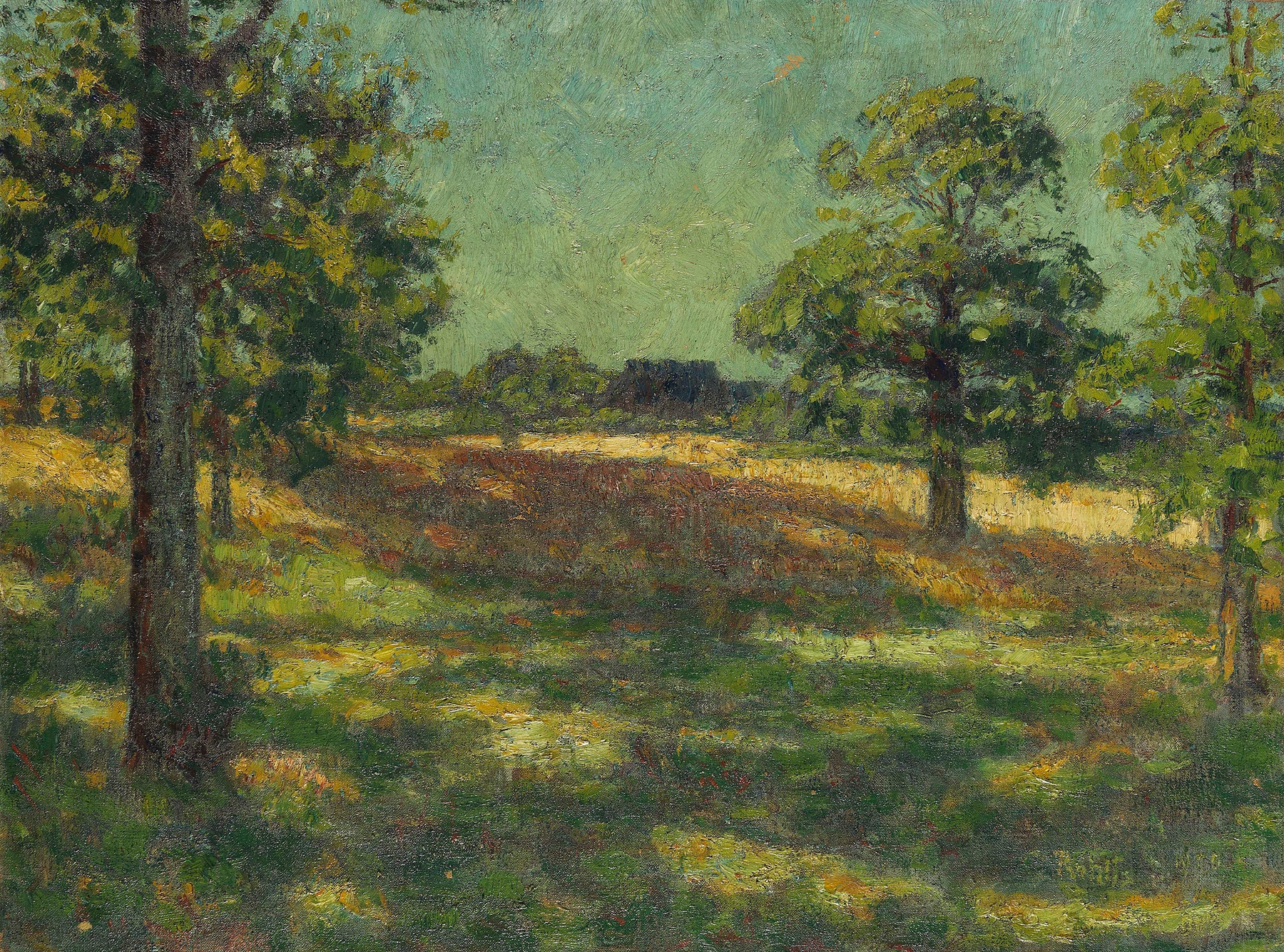
When did color learn to lie? Amidst the azure whispers of sky and earth, innocence intertwines with the raw truth of nature, softly reminding us of life’s simplicity and complexity. Focus on the lush strokes that shape the undulating hills and vibrant fields. Look to the center where gentle greens merge with warm yellows, evoking a sense of serenity. Notice how the artist uses bold, expressive brushwork to create movement, inviting viewers to wander through this pastoral retreat.
The light dances across the canvas, illuminating different hues and casting shadows that pulse with the rhythm of the landscape. Yet beneath this tranquil façade lies a tension that speaks to the ephemeral nature of innocence. The interplay of bright colors suggests joy, but the chaotic brushstrokes hint at an underlying tumult. The viewer may feel a longing for the simplicity captured, contrasted by the reminder that such beauty often masks deeper struggles.
Every texture and shade reveals a duality — the interplay of idealism and reality, evoking a bittersweet nostalgia. In the 1870s, during a period of artistic exploration in Germany, Christian Rohlfs delved into expressionism, striving to convey emotion through color and form. Immersed in a rapidly changing world, he sought to capture the essence of nature while confronting the complexities of human experience. This work reflects the artist's formative years, where the innocence of landscapes became a canvas for deeper contemplation.