See im Abendlicht — History & Analysis
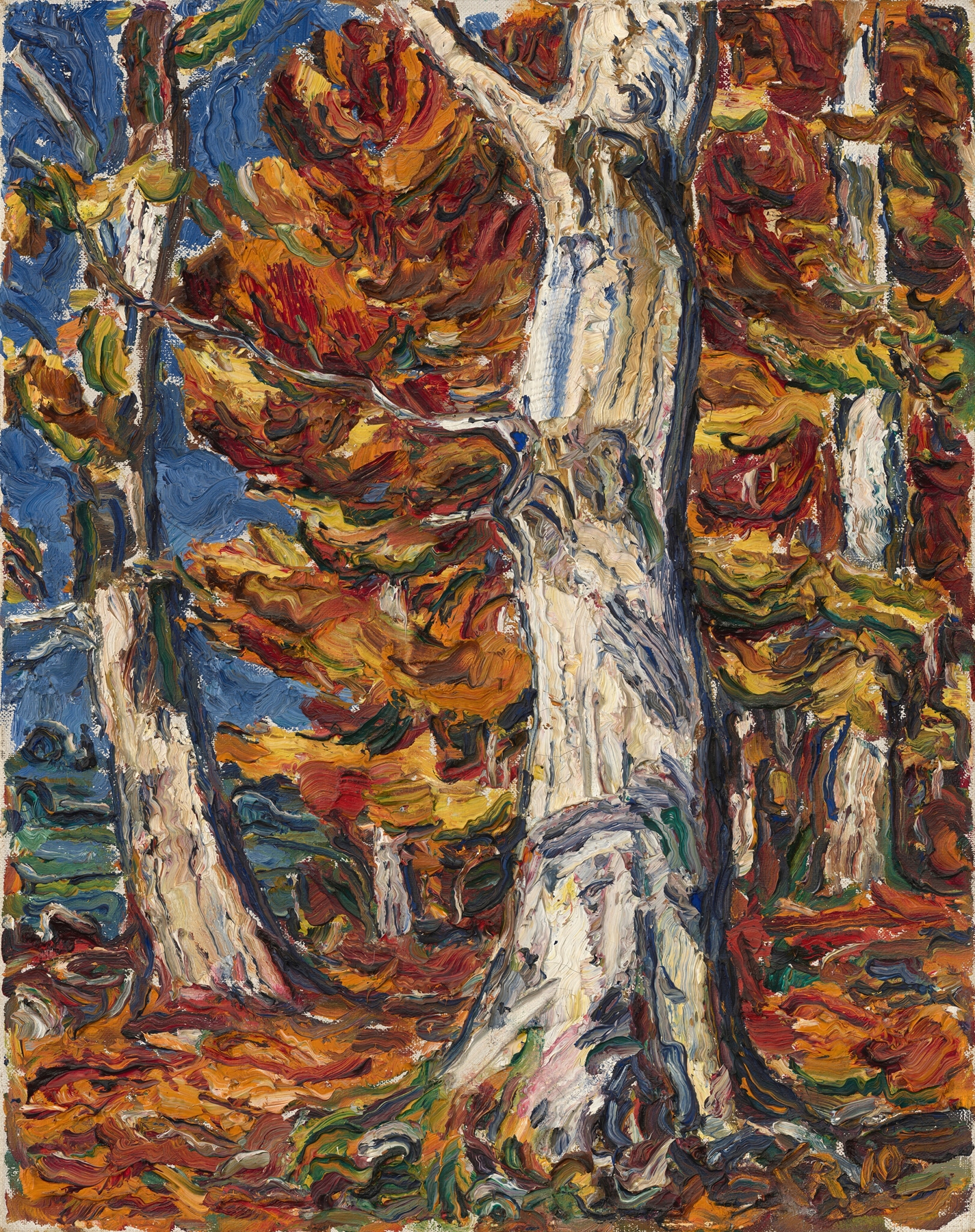
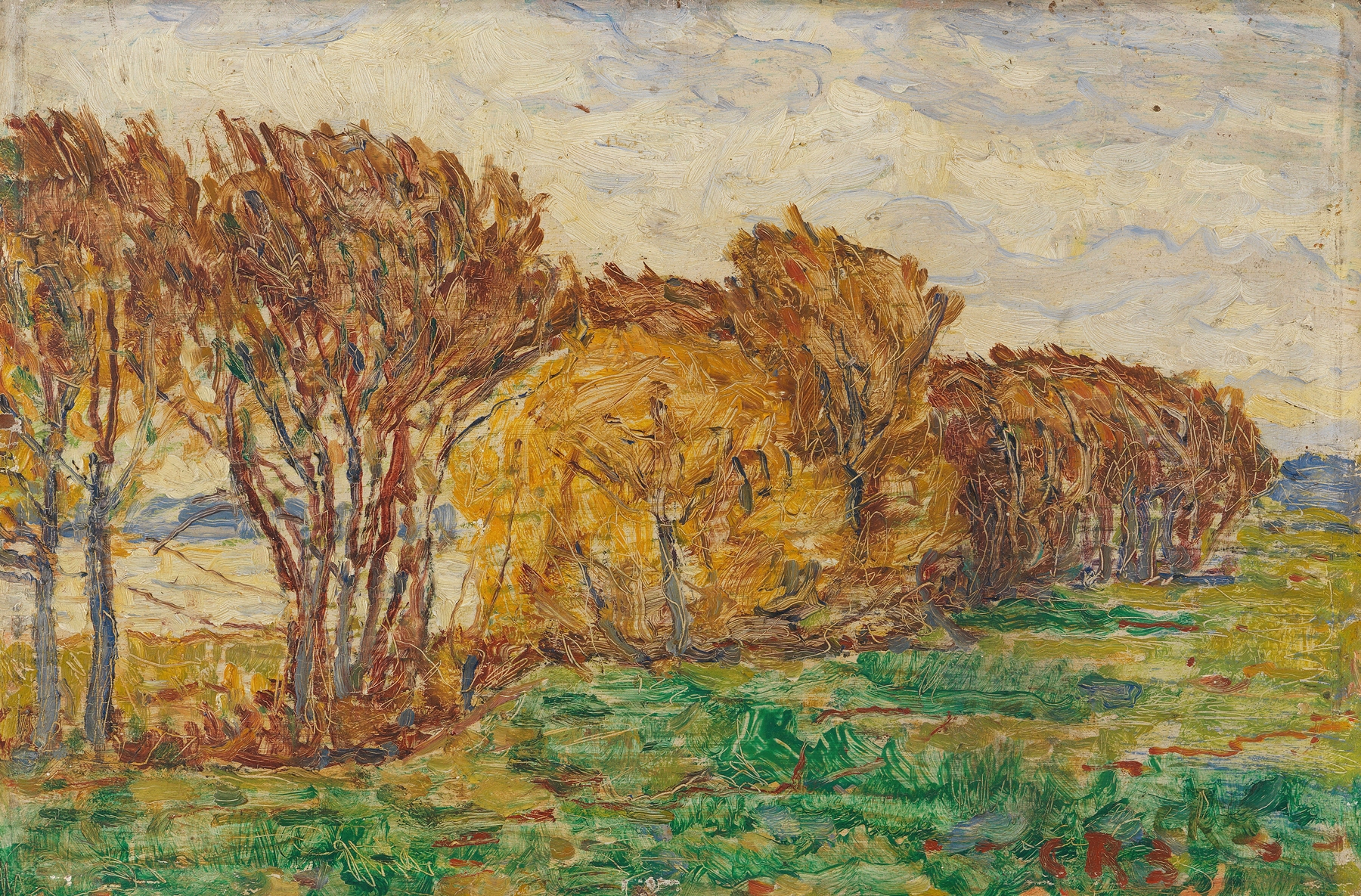
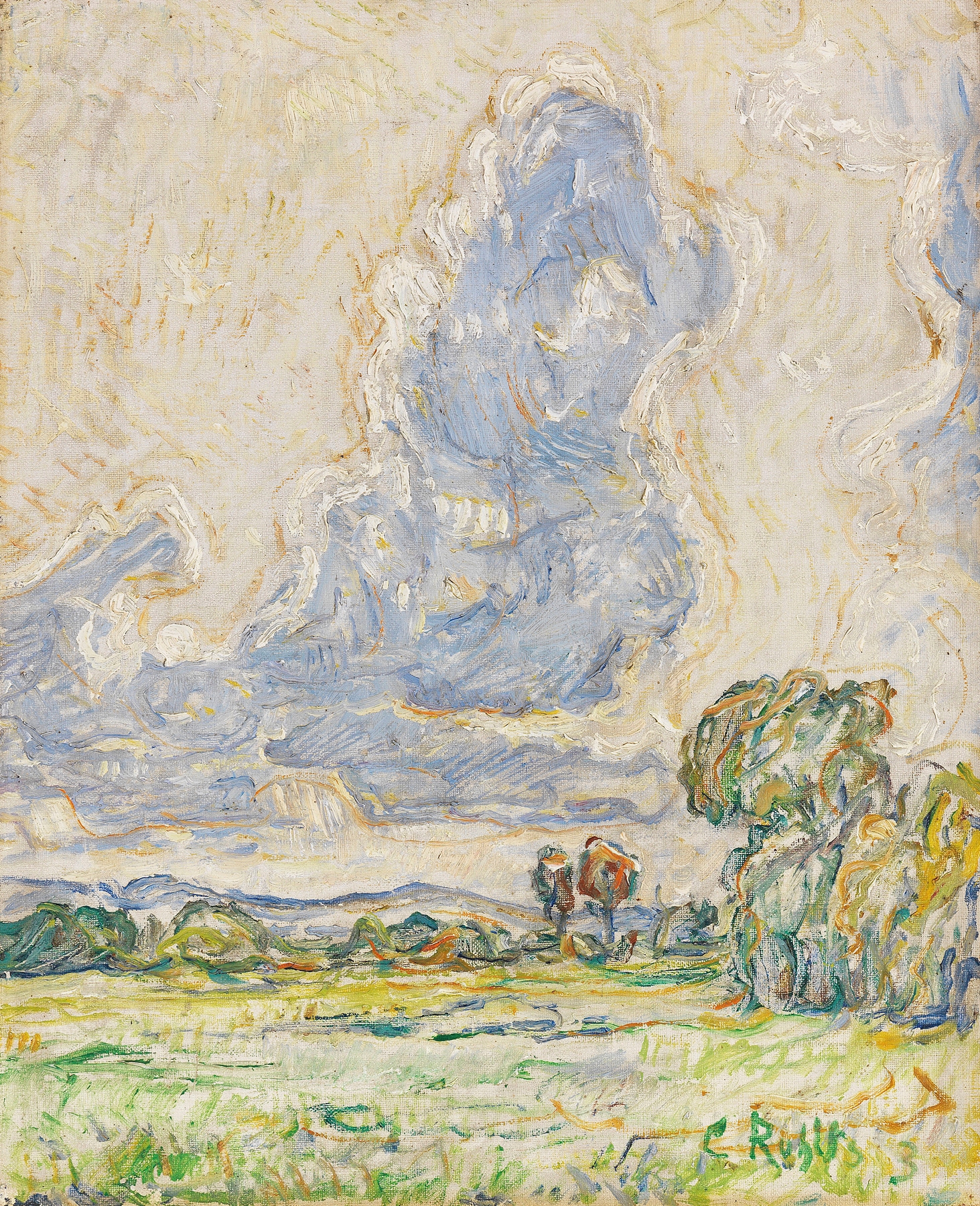
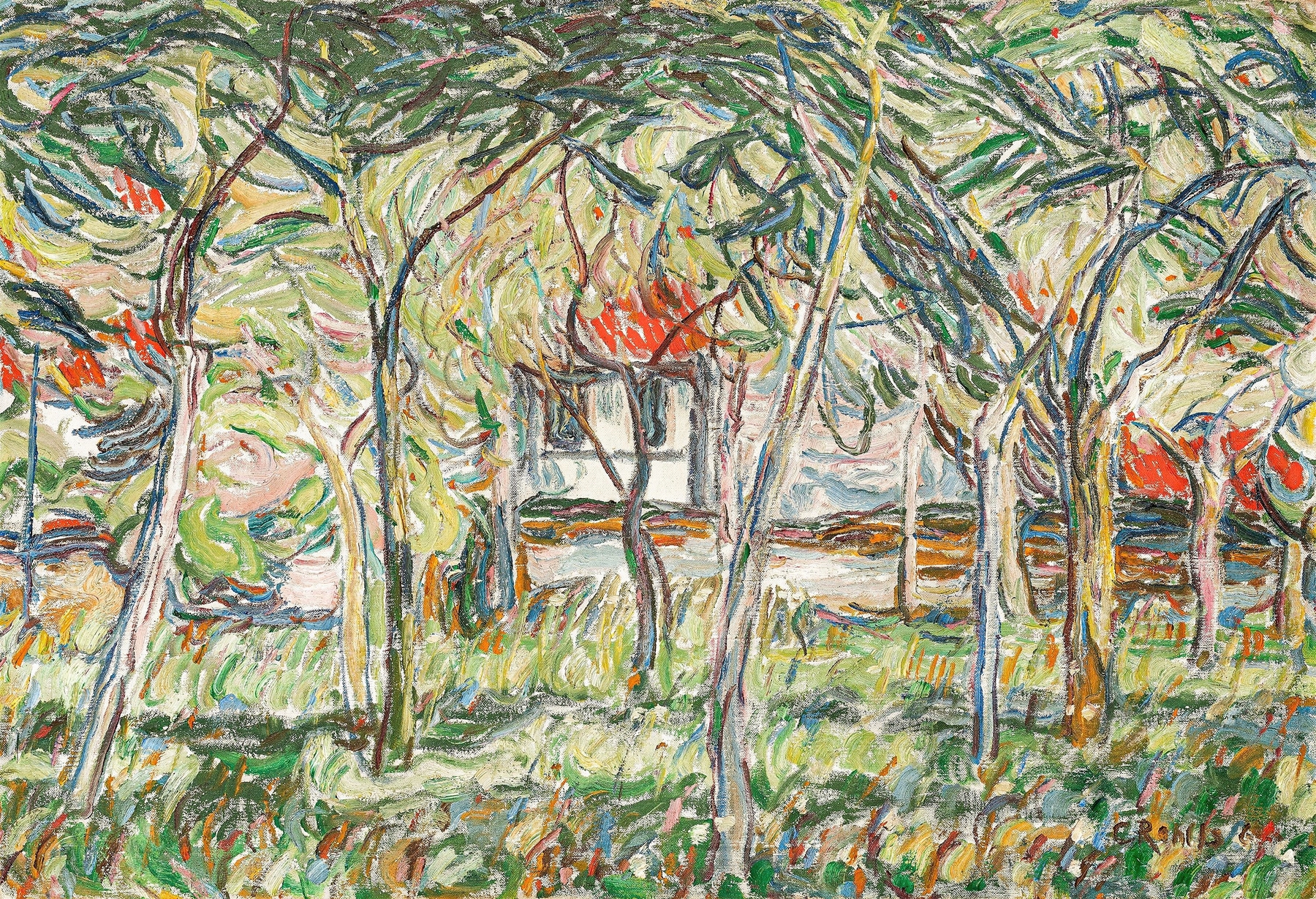
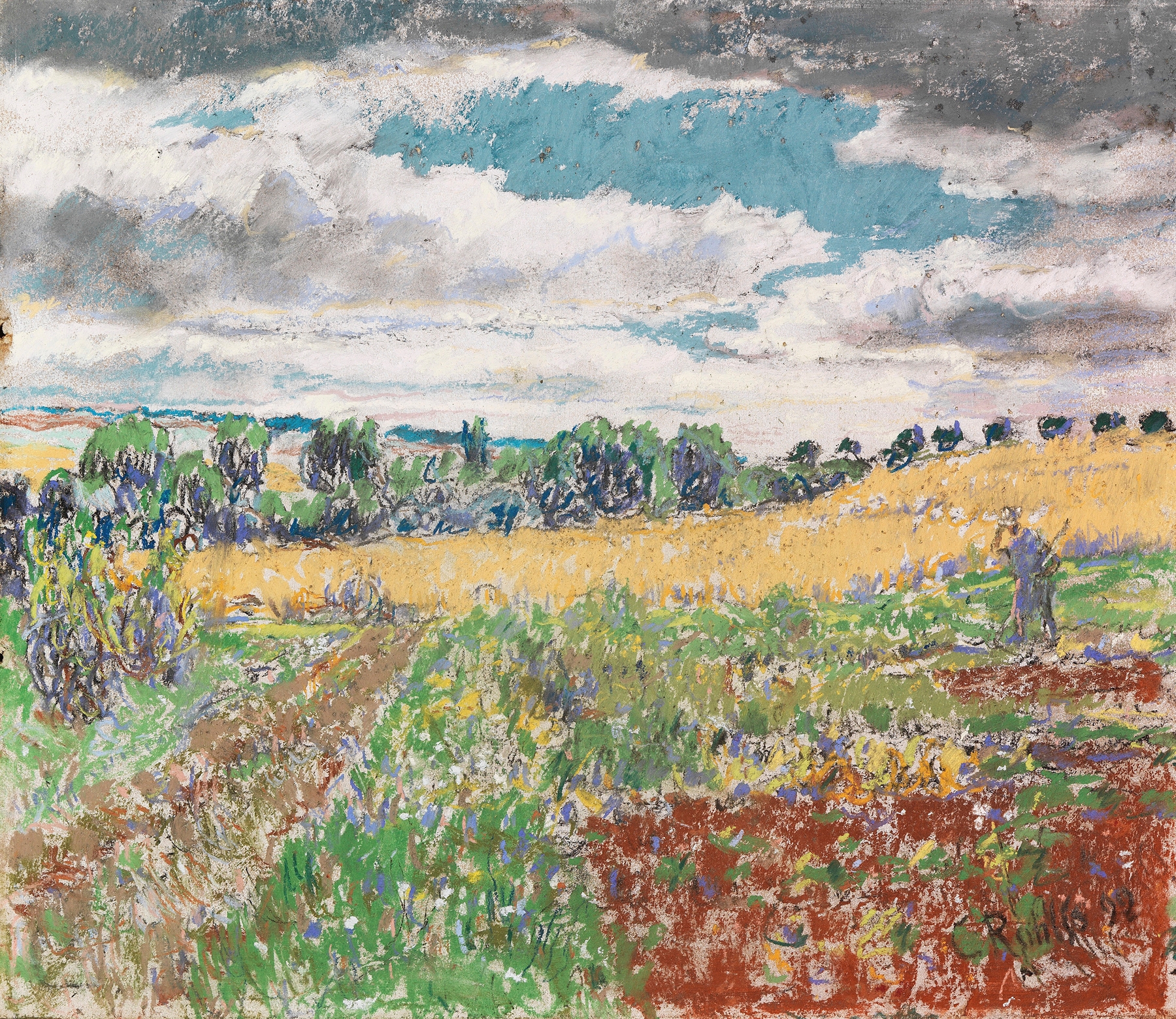
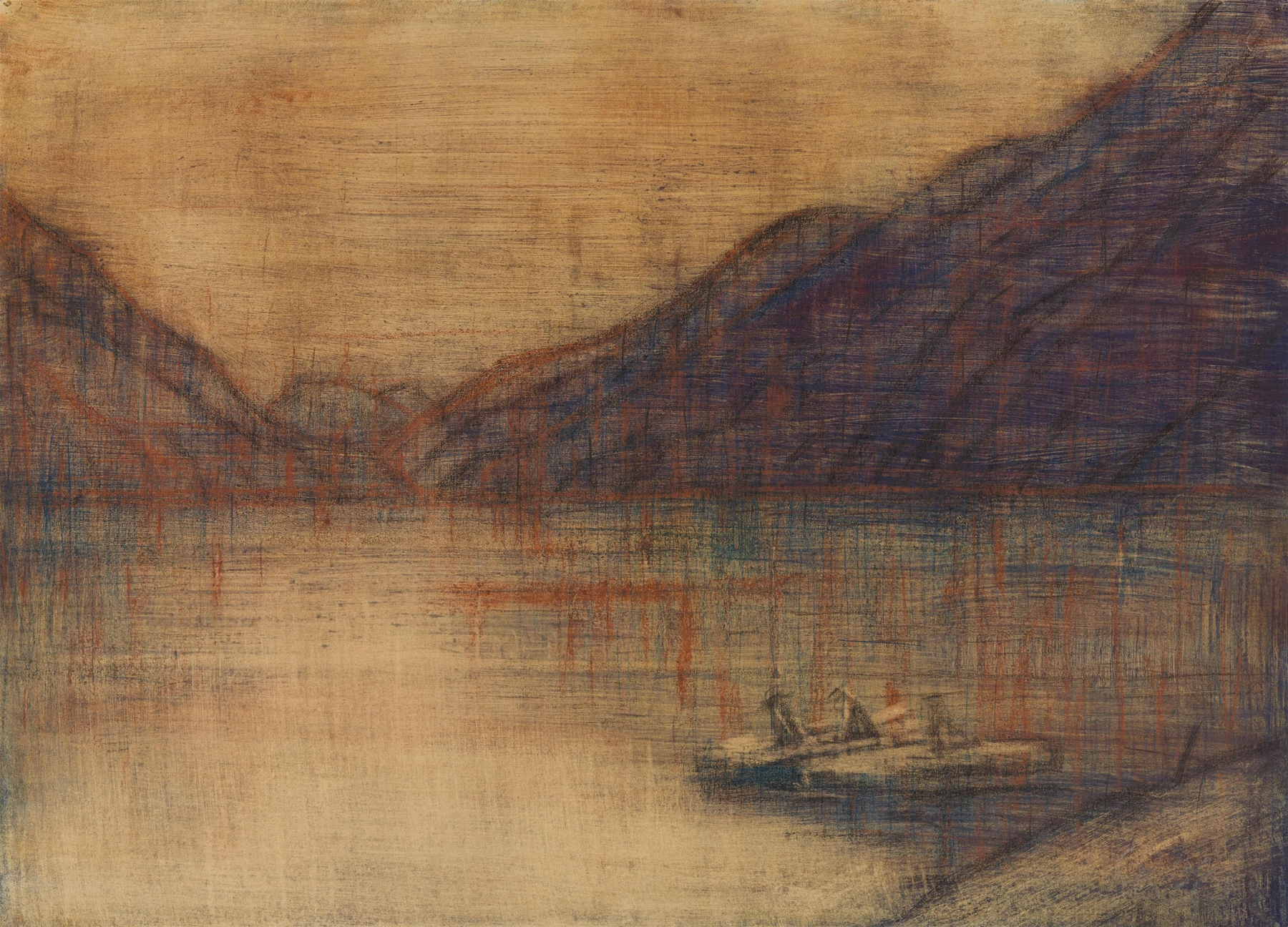
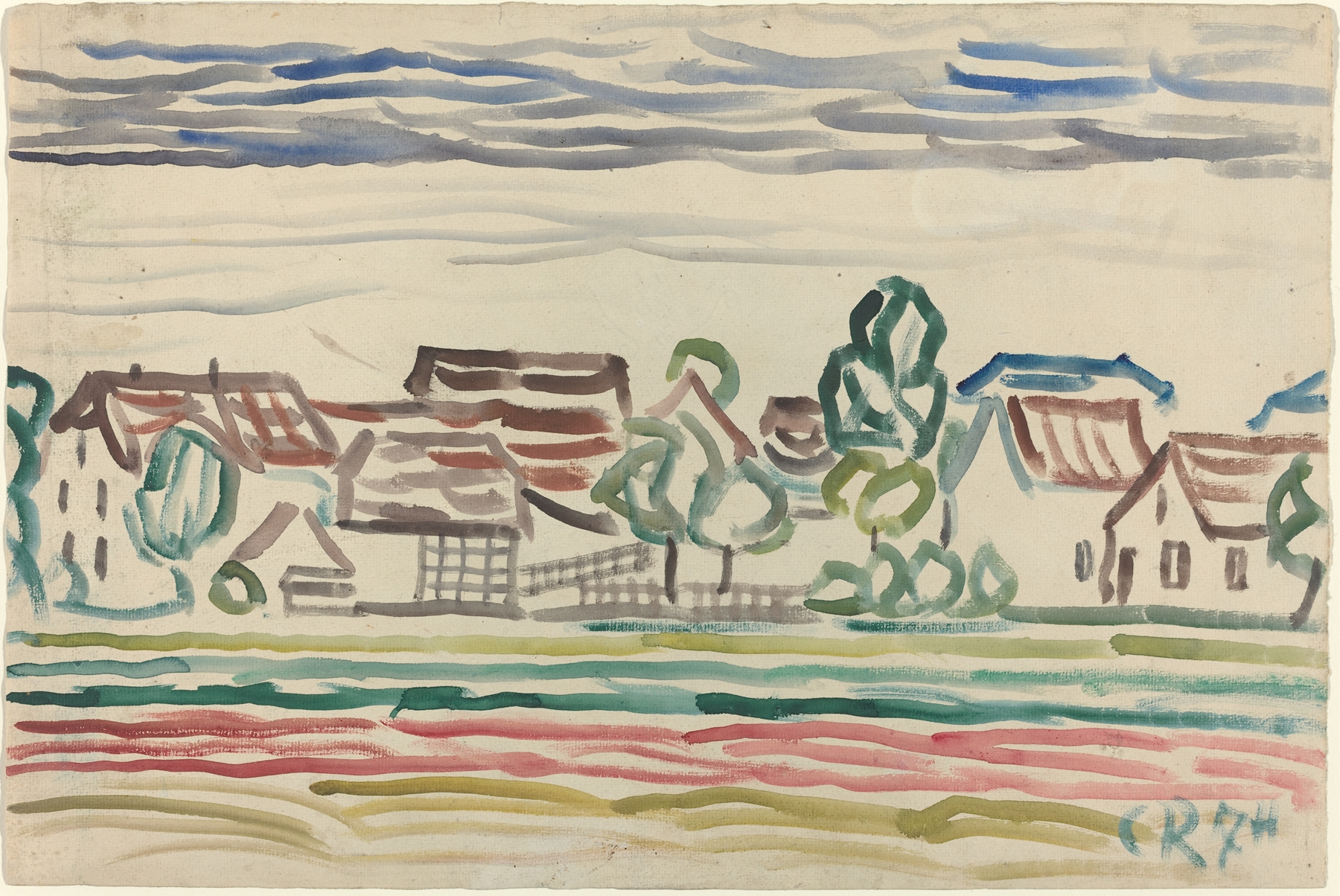
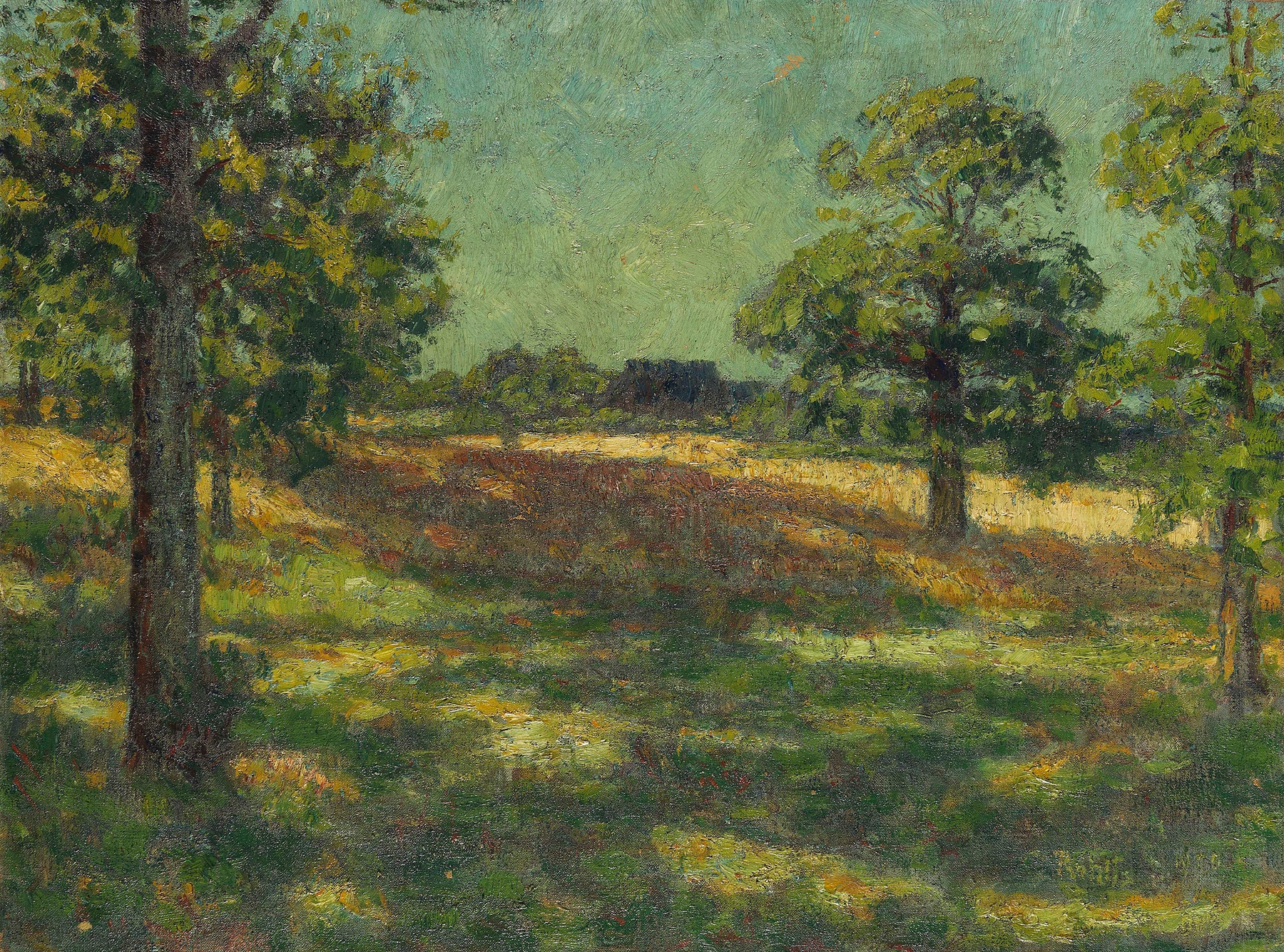
“Between color and silence, truth hides.” In the gentle embrace of twilight, silence becomes a canvas upon which vibrant hues whisper their stories. The interplay of light and shadow invites viewers to venture deeper, unraveling layers of meaning and emotion concealed within the artistry. Look to the center where a burst of warm oranges and soft reds converge, illuminating the landscape with an ethereal glow. The brushwork is expressive yet deliberate, imbuing the strokes with a sense of movement, as if the very air vibrates with the transition from day to night.
Notice how the trees, rendered with sweeping curves, reach upward, almost yearning for the last rays of the sun, while the ground beneath them remains in cool, muted tones, grounding the scene in reality. The contrast between the vibrant sky and the somber earth evokes a sense of duality—joy and melancholy entwined in the embrace of evening. Rohlfs captures a moment of reflection, urging viewers to ponder the passage of time and the truths that lie hidden in the folds of existence. The juxtaposition of the lively colors above and the stillness below prompts a contemplation of life's fleeting nature.
Painted in 1911, See im Abendlicht emerged during a transformative period for Rohlfs, as he navigated the changing tides of the German art scene. Influenced by expressionism, he sought to convey emotional depth through color and form, reflecting a broader societal shift towards individualism and introspection. This work encapsulates his artistic evolution, revealing not only personal truths but also resonating with a world grappling with its own complexities.