Herbstlandschaft — History & Analysis
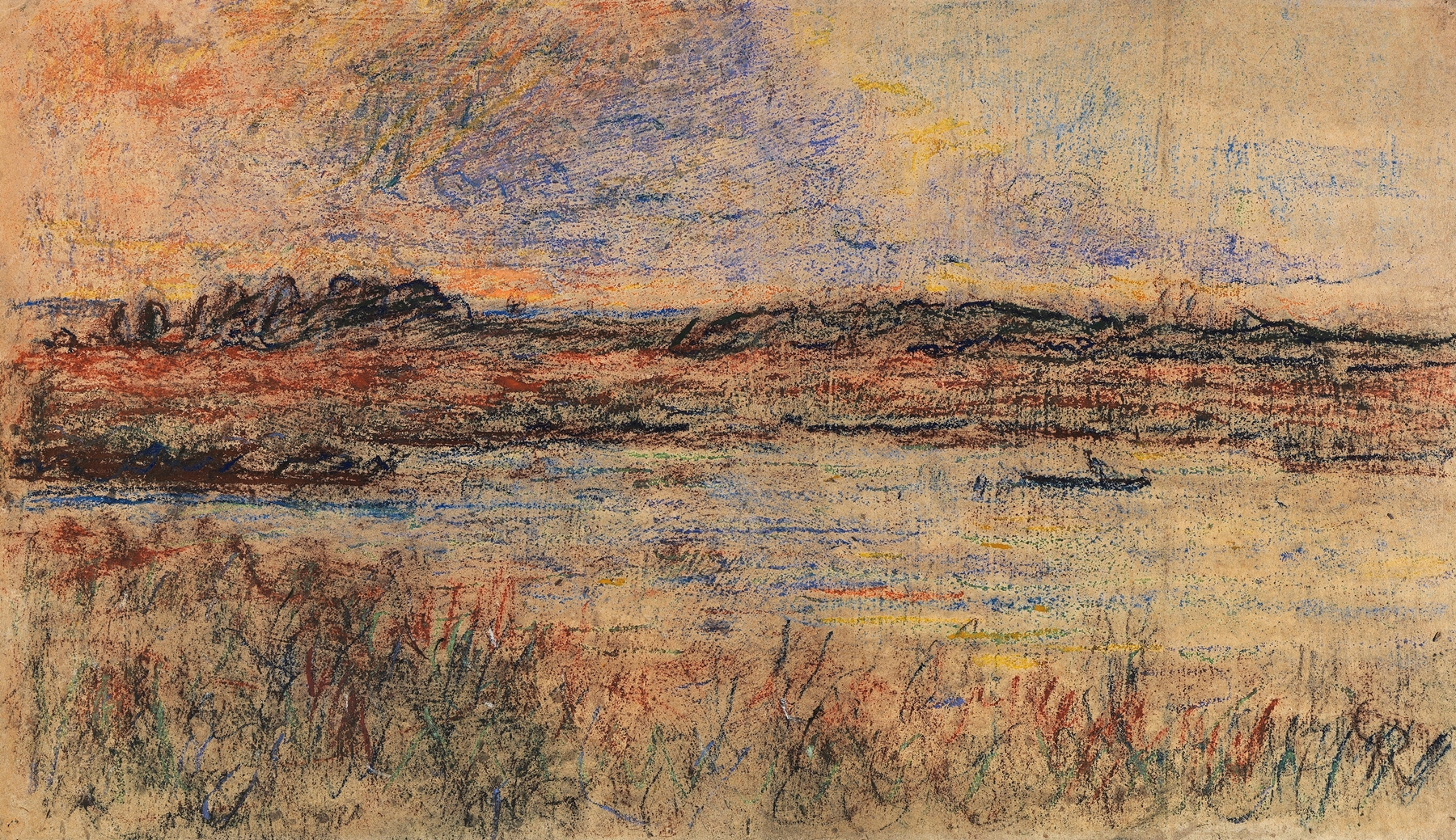
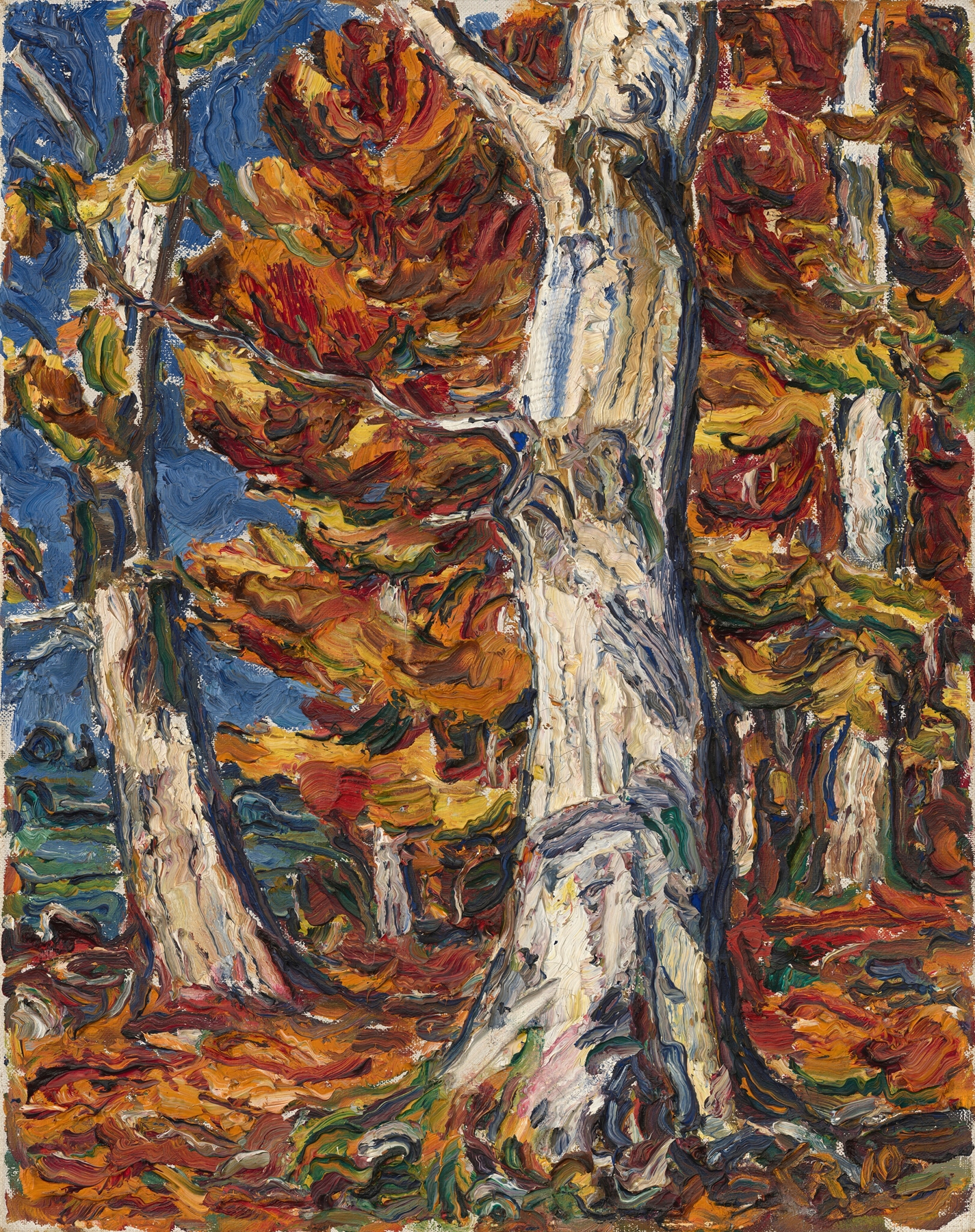
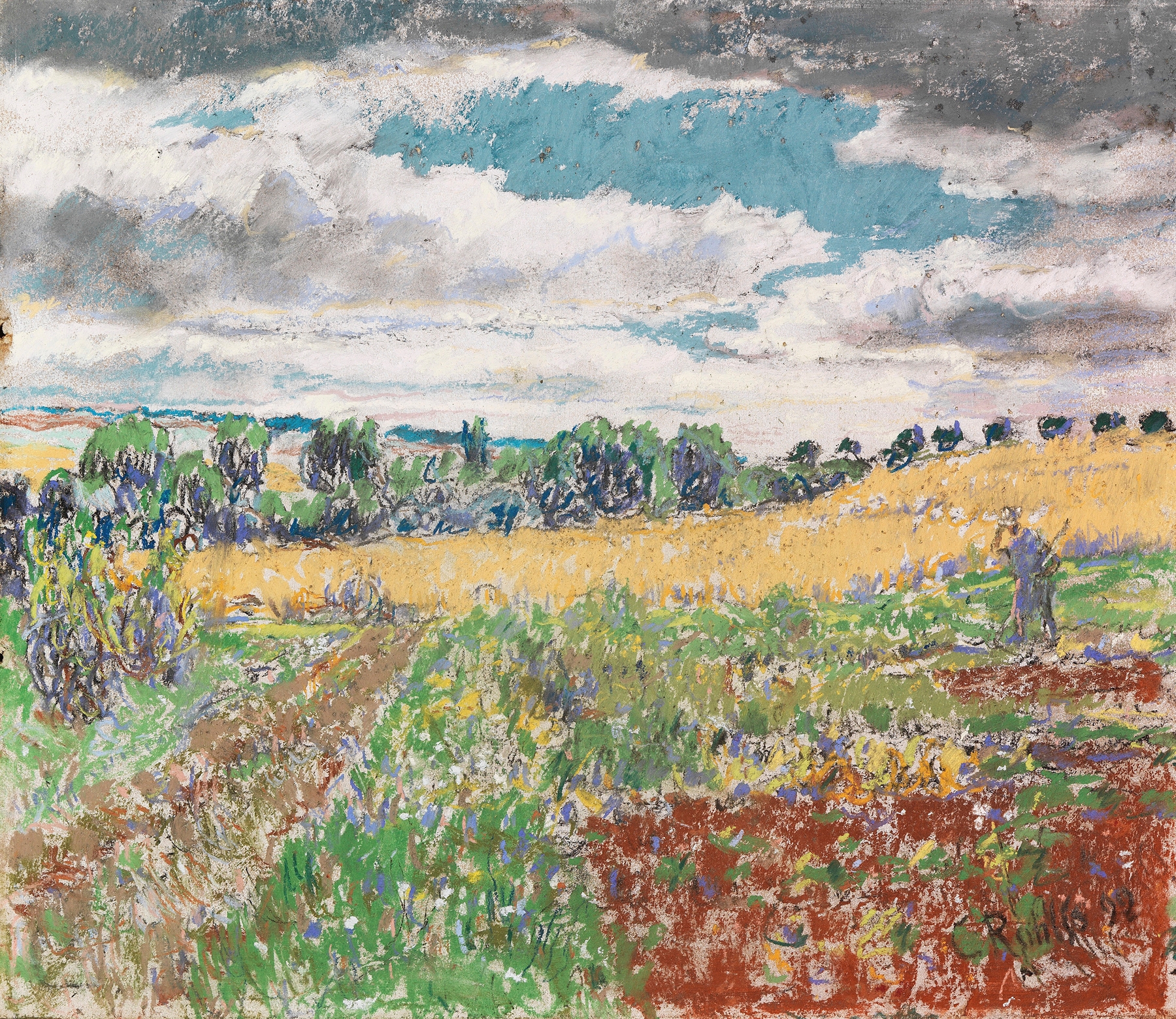
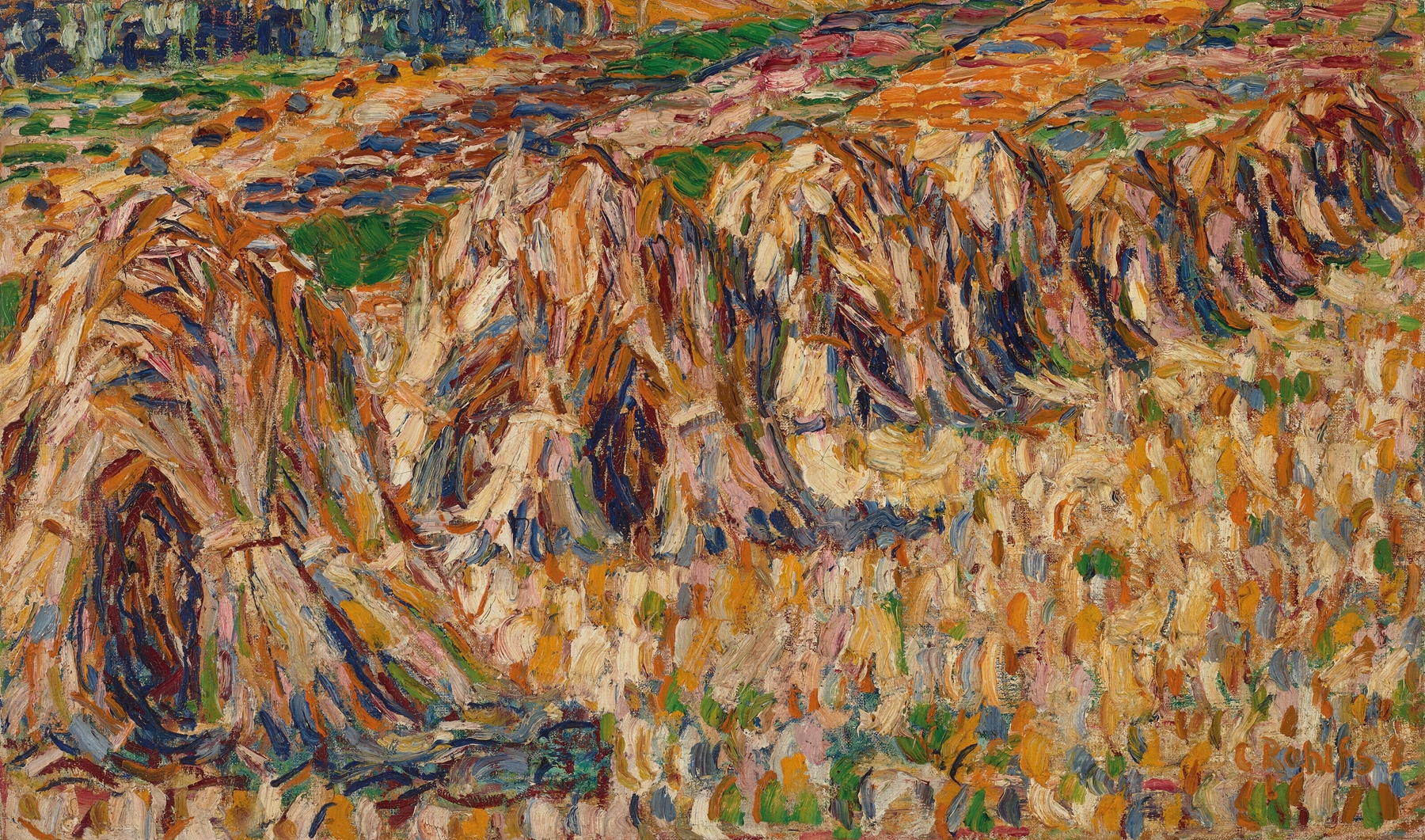
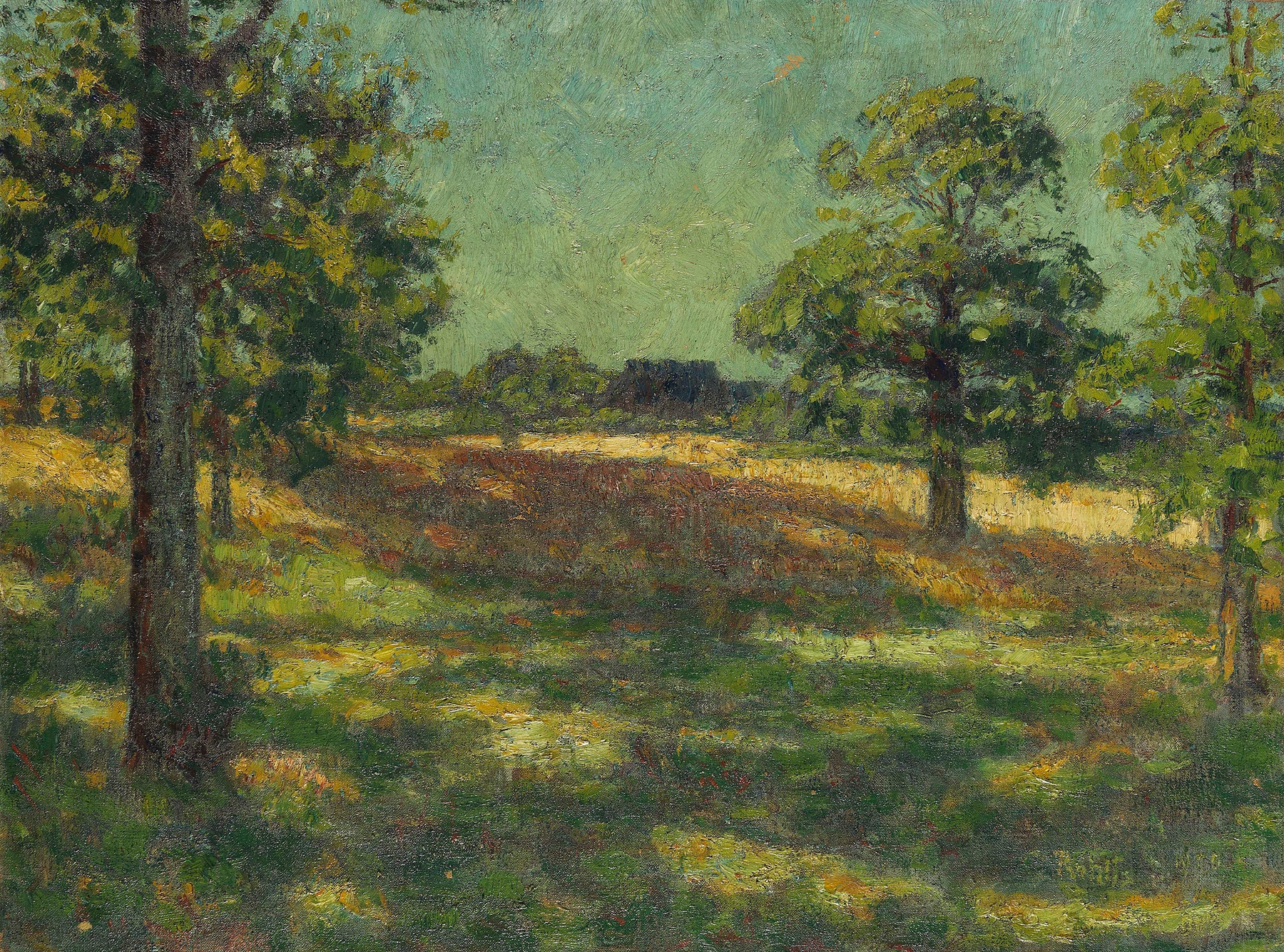
Did the painter know this moment would outlive them? The fleeting vibrancy of autumn echoes through Herbstlandschaft, capturing a world alive with motion. Each stroke reverberates with the energy of falling leaves, beckoning viewers to feel the season's transition and the beauty of decay. Look to the left at the rich, fiery hues of orange and red, where trees stand like sentinels, their leaves swirling in the gentle wind. Notice how the light filters through the branches, creating a dappled effect that dances across the ground, hinting at the dynamic nature of the landscape.
Rohlfs uses bold brushwork and a palette steeped in warmth to evoke a sense of urgency, contrasting the stillness of the earth with the vigorous movement of the foliage above. Yet beneath this vibrant surface lies a poignant reflection of change. The juxtaposition of lively color against the somber browns hints at the fleeting nature of life. The swirling forms suggest not only the movement of nature but also the passage of time, capturing an essence that reminds us how beauty and transience are intertwined.
The overall composition evokes feelings of nostalgia and longing, inviting viewers to contemplate their own experiences of impermanence. In 1903, Rohlfs created this work in Germany during a time of artistic experimentation. As a member of the Expressionist movement, he sought to express individual emotion through his depictions of nature, breaking away from traditional realism. This period saw a shift in the art world, as artists like him explored the interplay of color and form, ultimately influencing future generations with their innovative visions.