Boot auf dem Lago Maggiore — History & Analysis
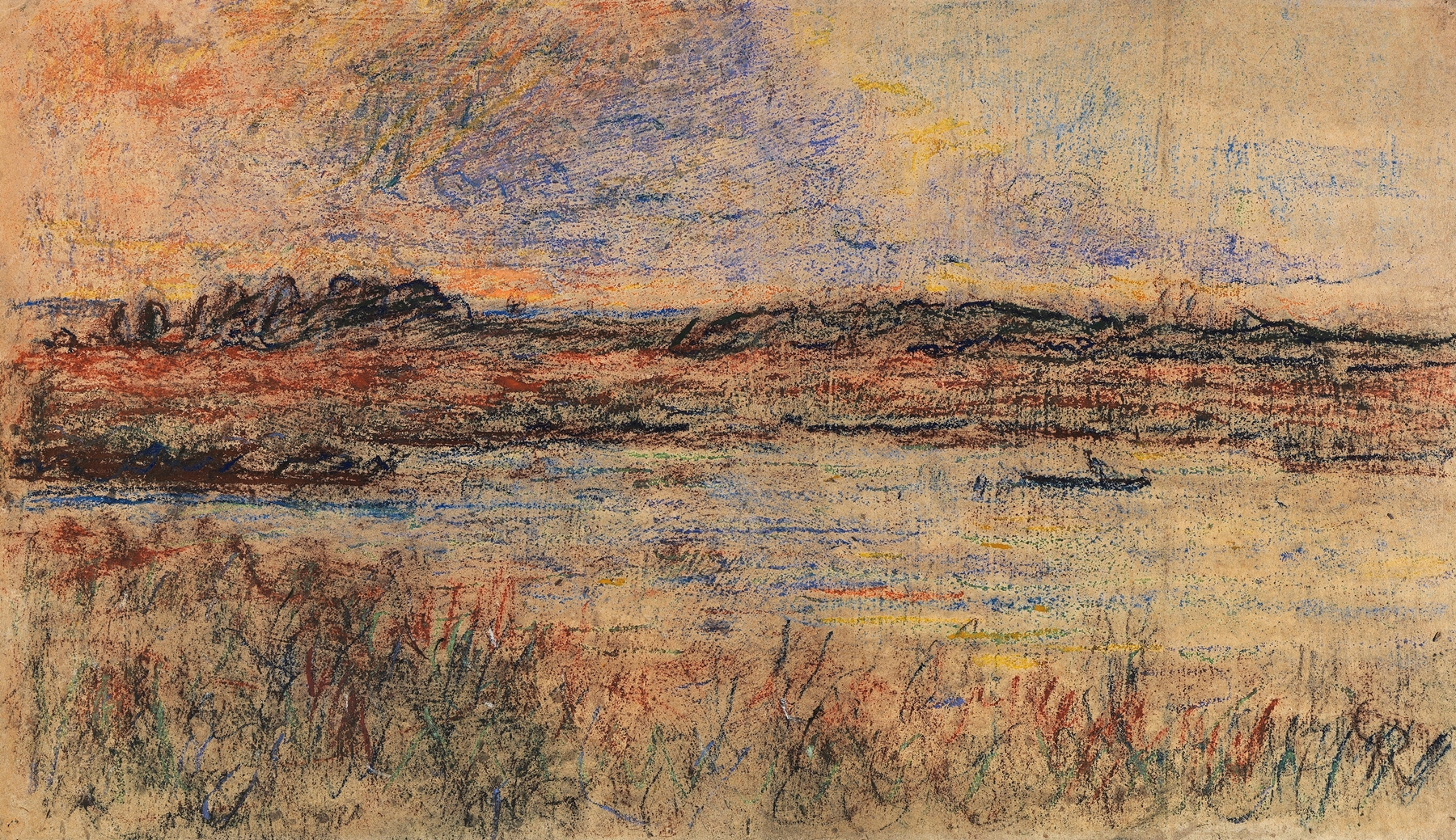
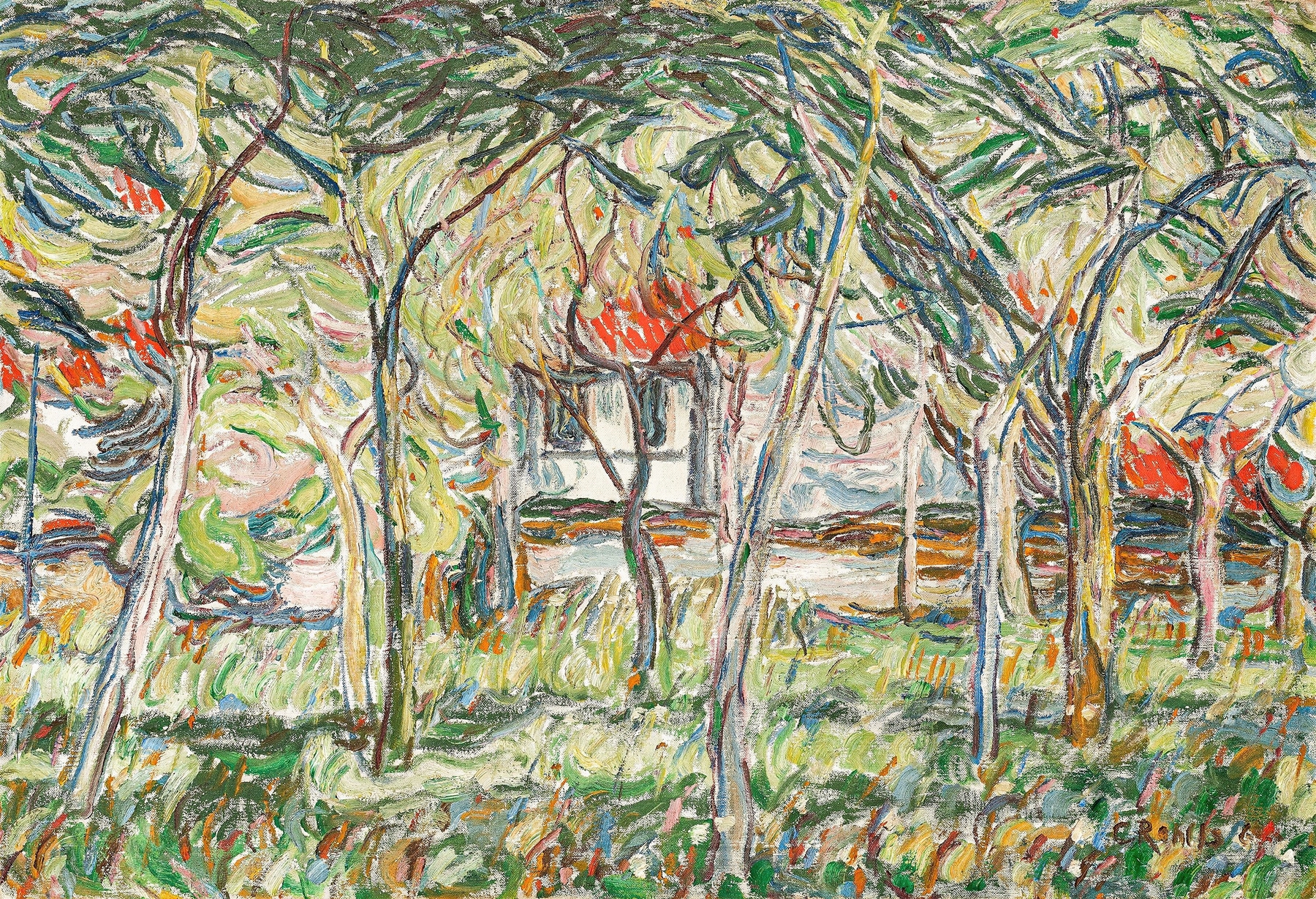
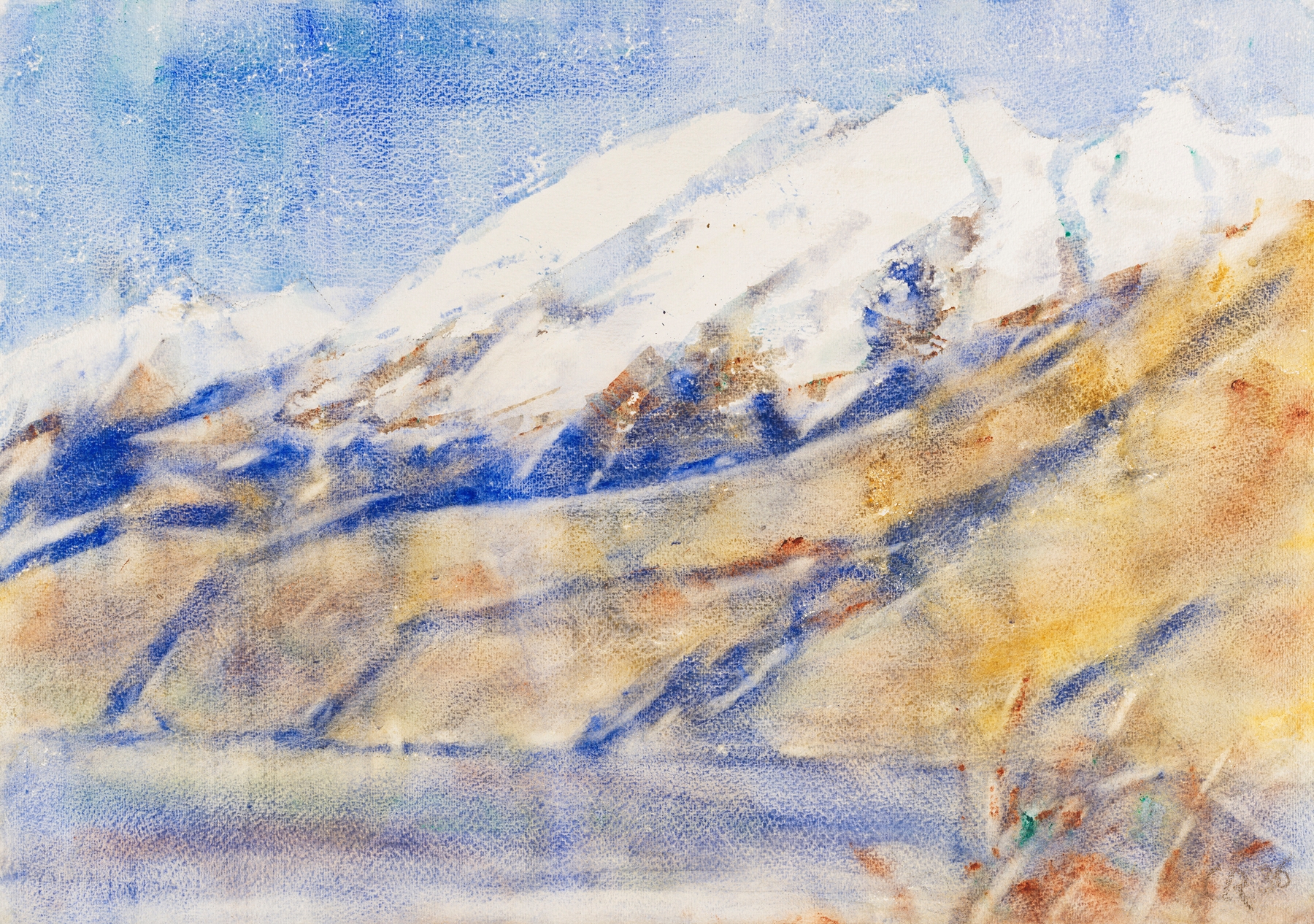
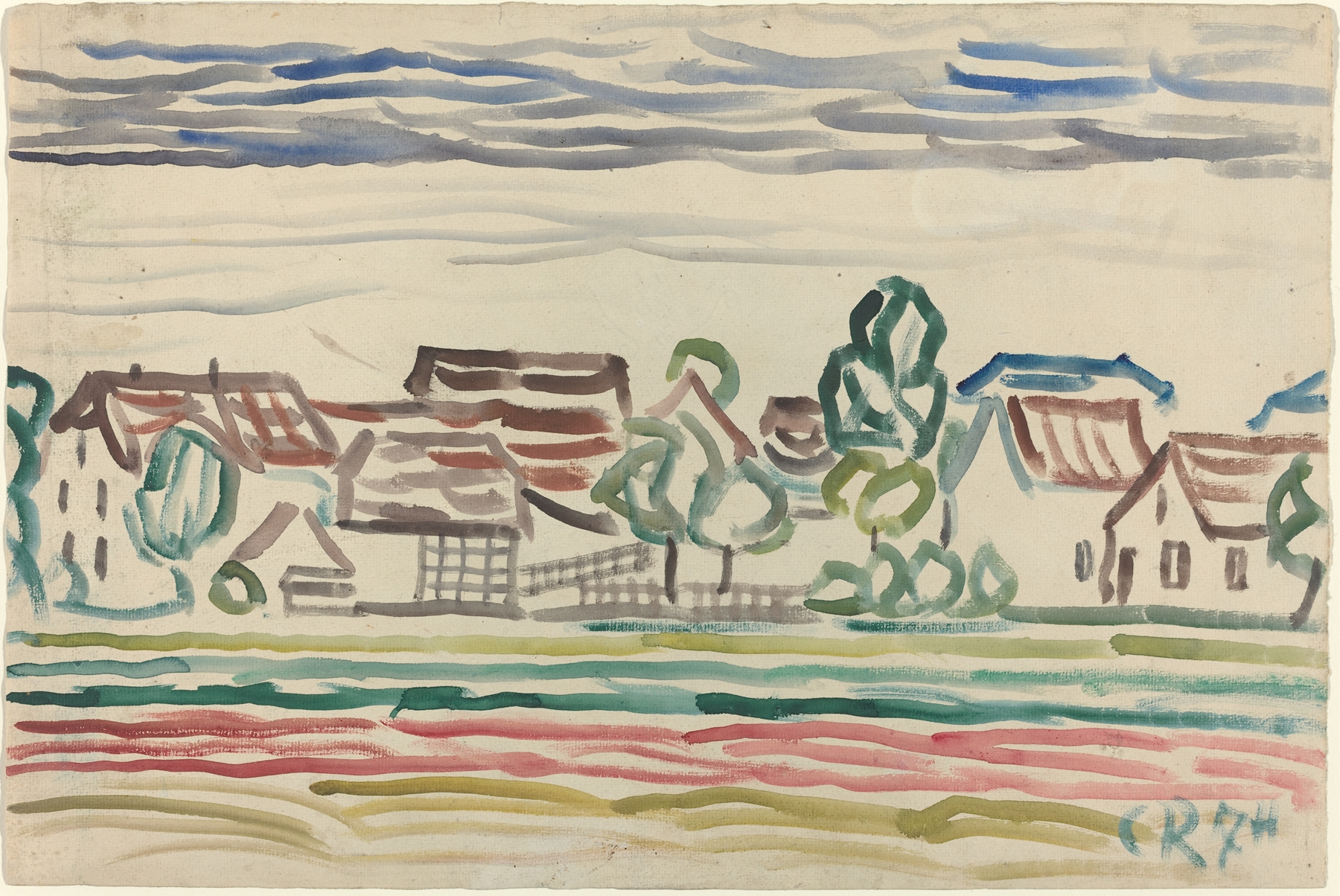
Who listens when art speaks of silence? In Boot auf dem Lago Maggiore, the essence of stillness is woven into the fabric of the canvas, inviting viewers to contemplate both the seen and the unseen. Focus on the vibrant hues that dance across the surface, particularly the deep blues and greens that swirl together to form the serene waters of Lago Maggiore. The solitary boat, caught in the midst of this tranquil expanse, draws the eye with its stark, almost angular shape. Notice how the artist's brushwork creates a sense of movement within the stillness, capturing the gentle ripples of water that seem to pulse with life.
The interplay of light and shadow accentuates the simplicity of the scene, evoking a haunting beauty that lingers long after one looks away. Beneath the calm exterior lies a tension between solitude and the chaotic world outside. The boat, while isolated, symbolizes a yearning for freedom and reflection amidst societal upheaval. The surroundings, far from being mere backdrop, hint at the turmoil brewing in Europe during the 1930s, contrasting the peaceful lake with a world on the brink of revolution.
This duality invites personal introspection, forcing the viewer to confront their own silence in times of unrest. Created in 1934, this piece emerged during a period of profound change for Christian Rohlfs. Living in Germany, he was navigating a complex cultural landscape marked by the rise of the Nazi regime and a shift in artistic expression. Rohlfs, a key figure in the German Expressionist movement, found himself balancing personal style with the evolving art world, capturing moments of quiet power even amidst the roar of change.