Gebel Sheikh Abu Fodde, 8-00 am, 4 March 1867 — History & Analysis
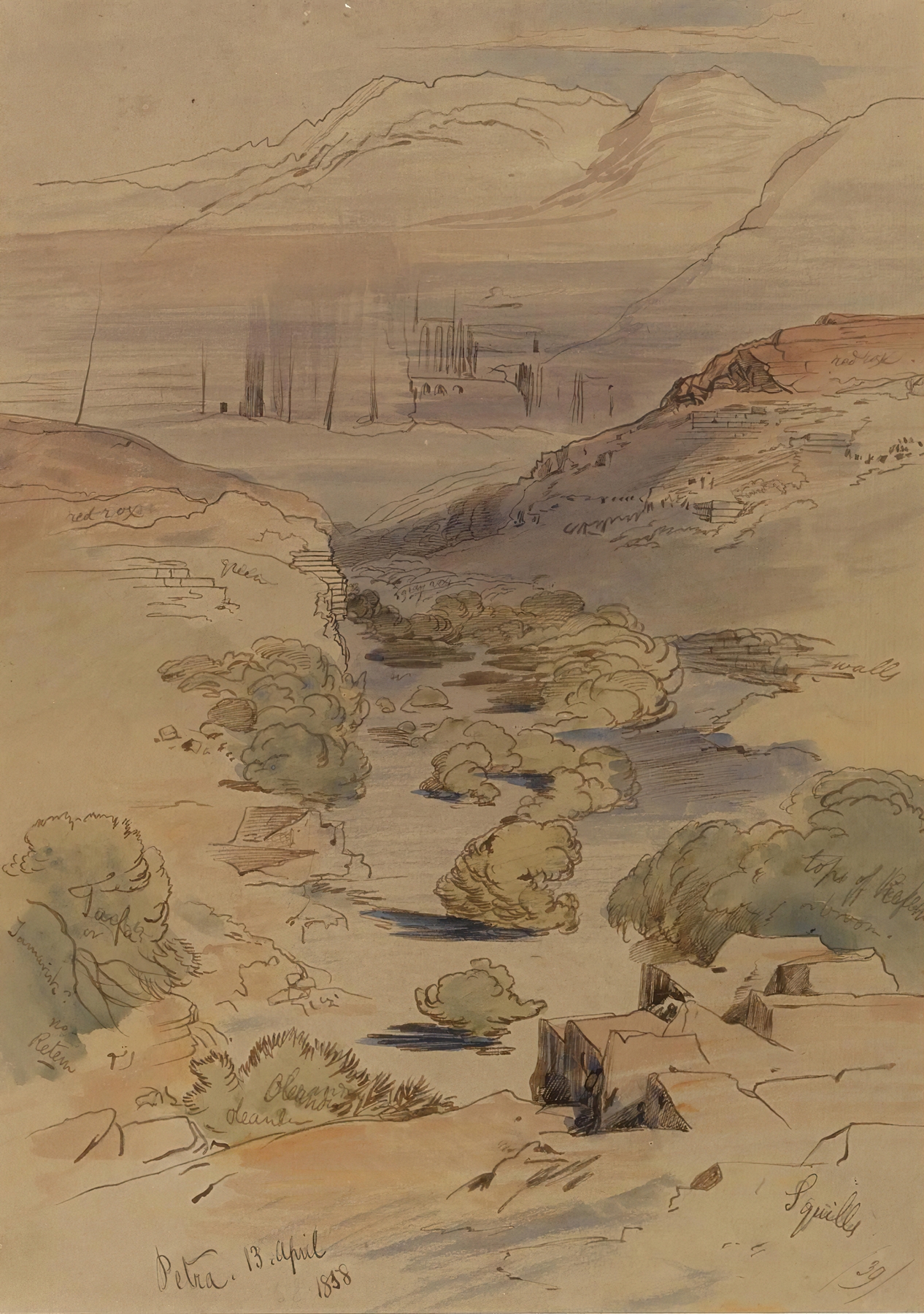
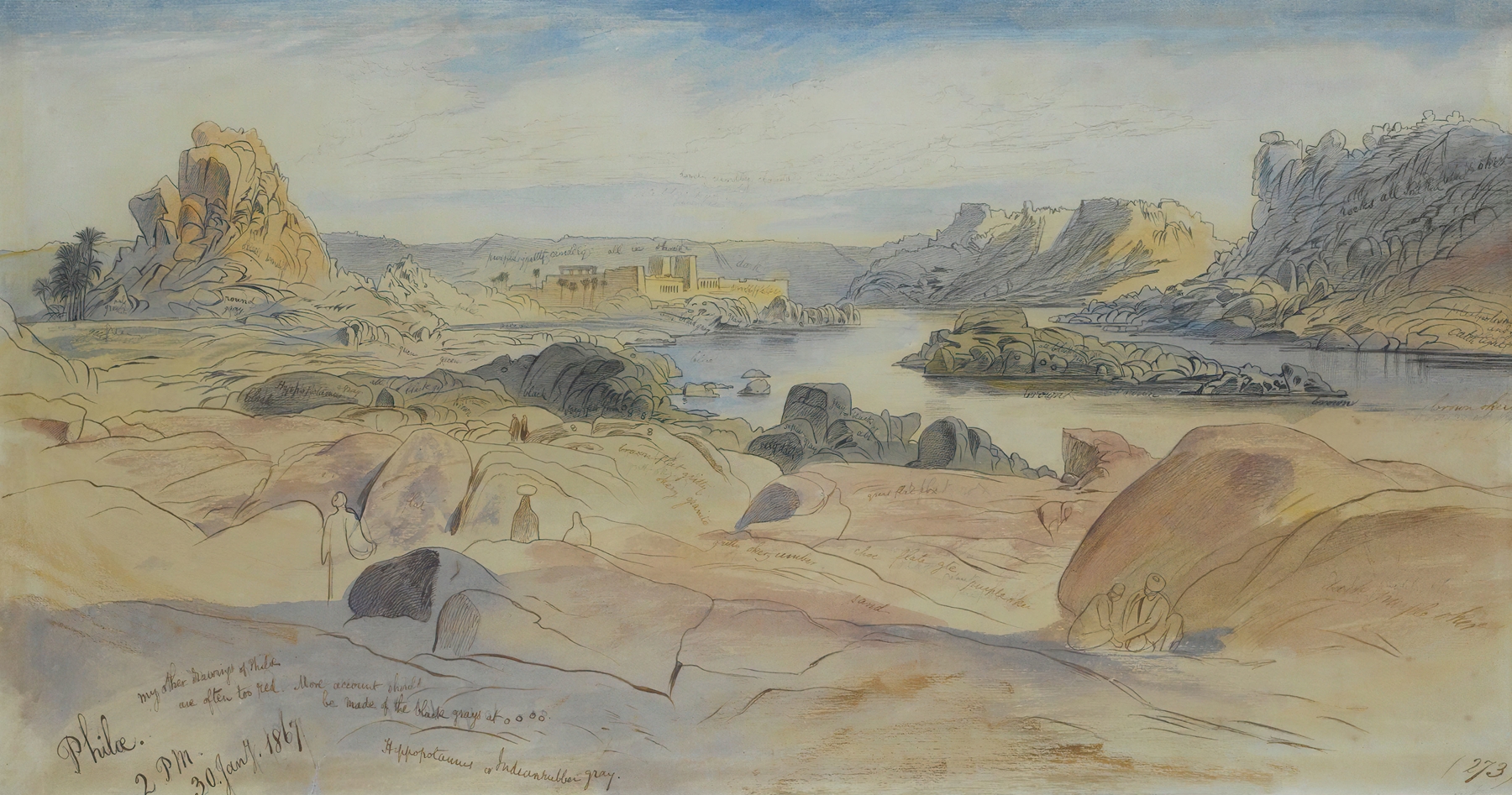
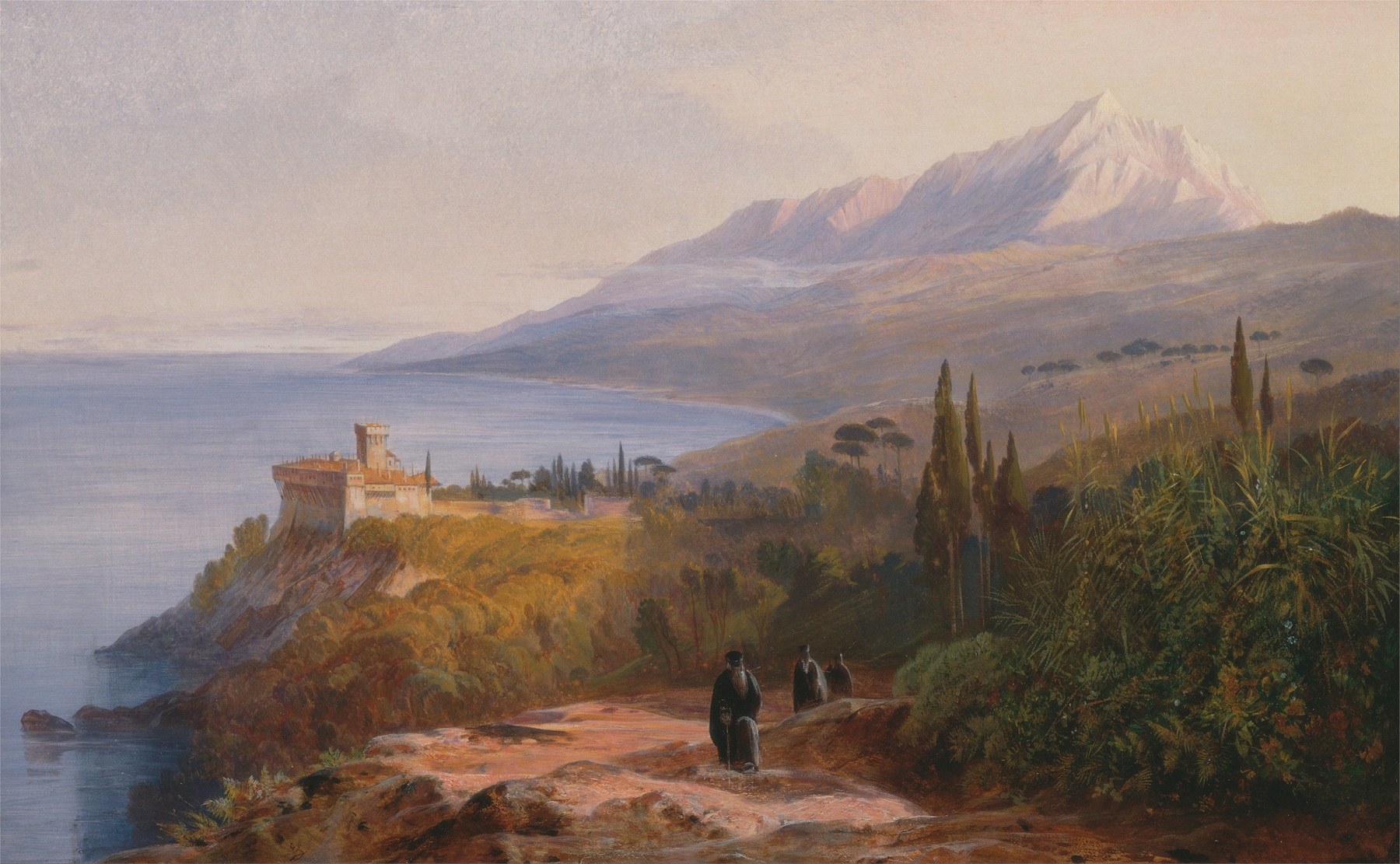
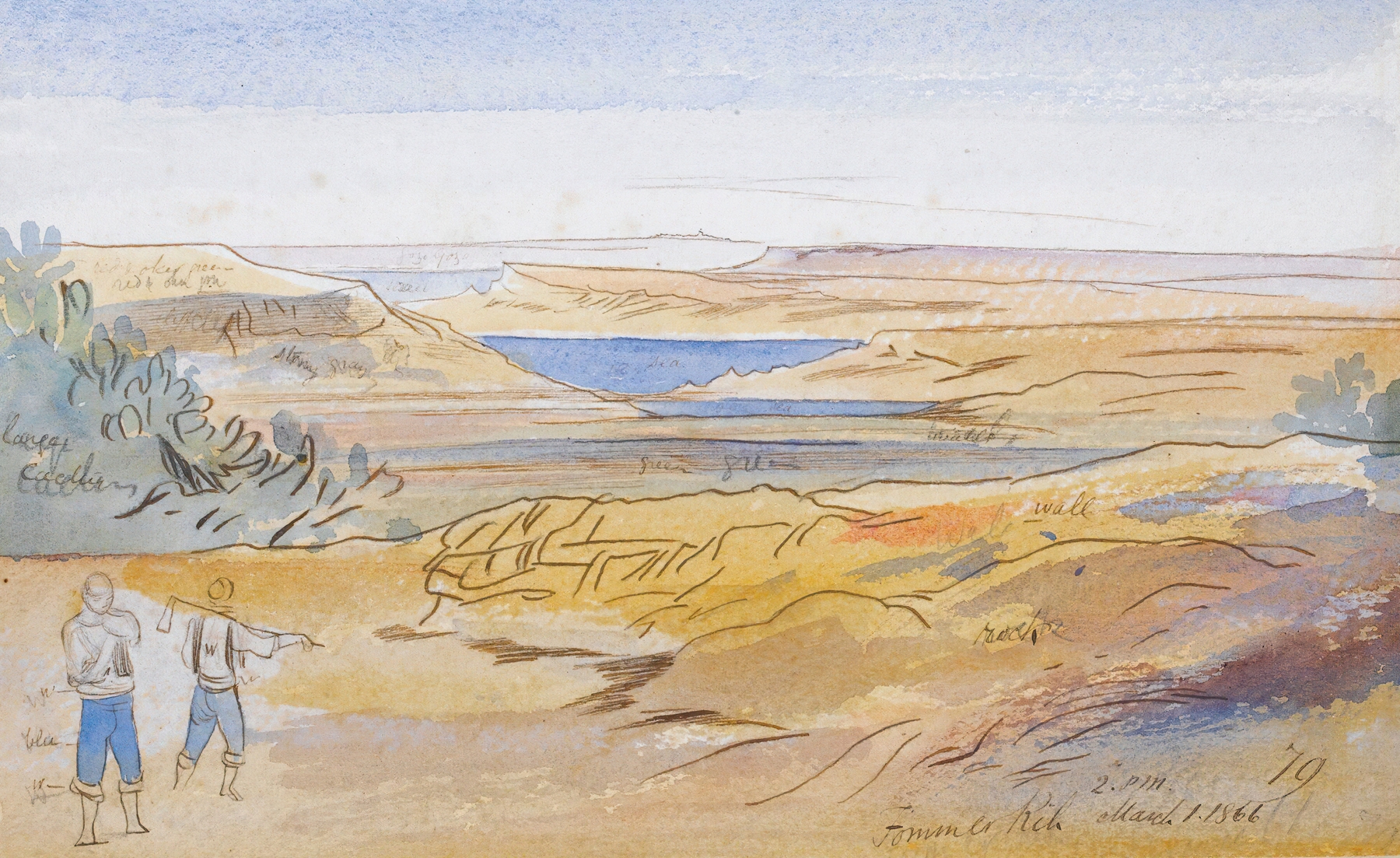
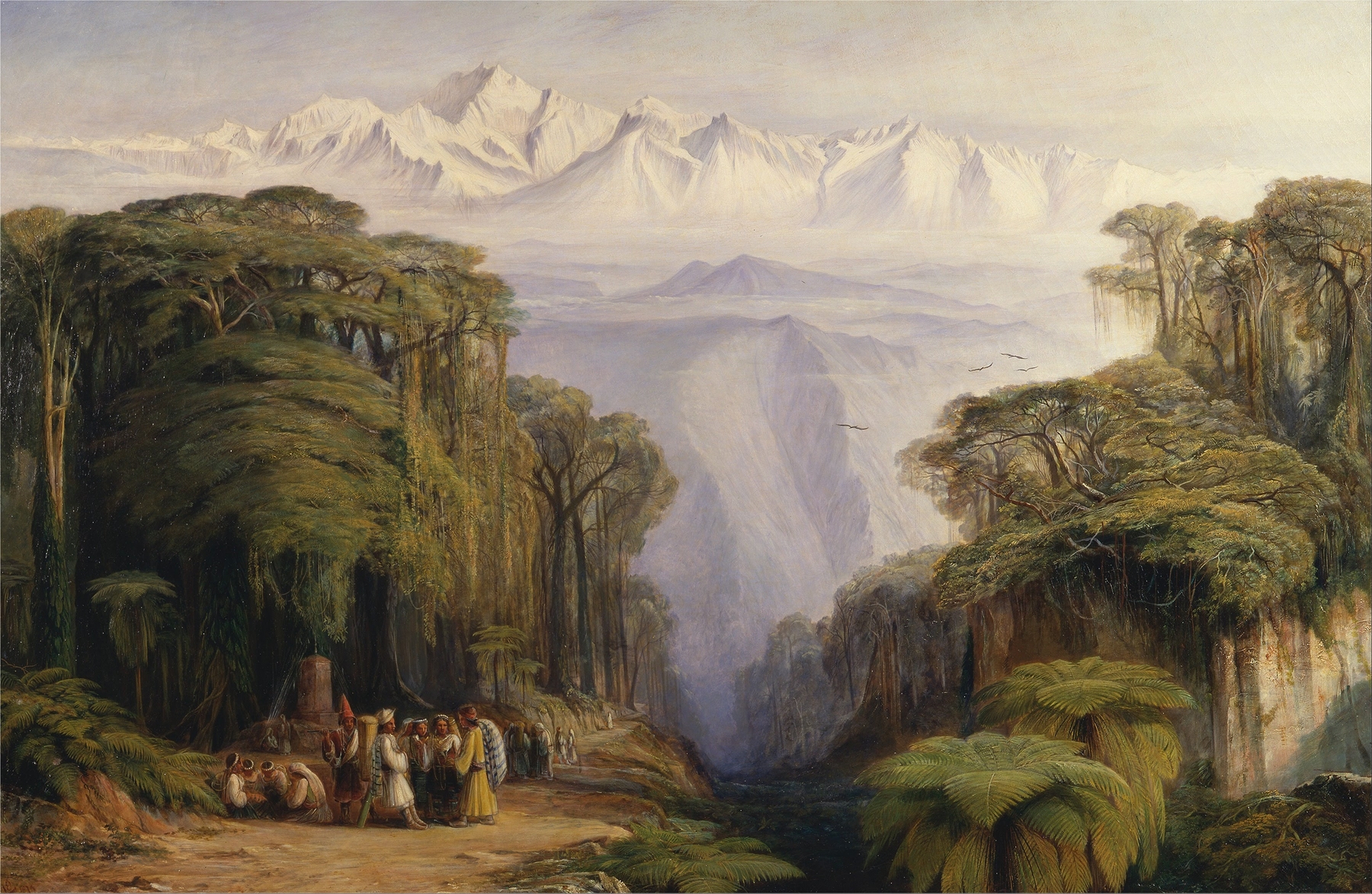
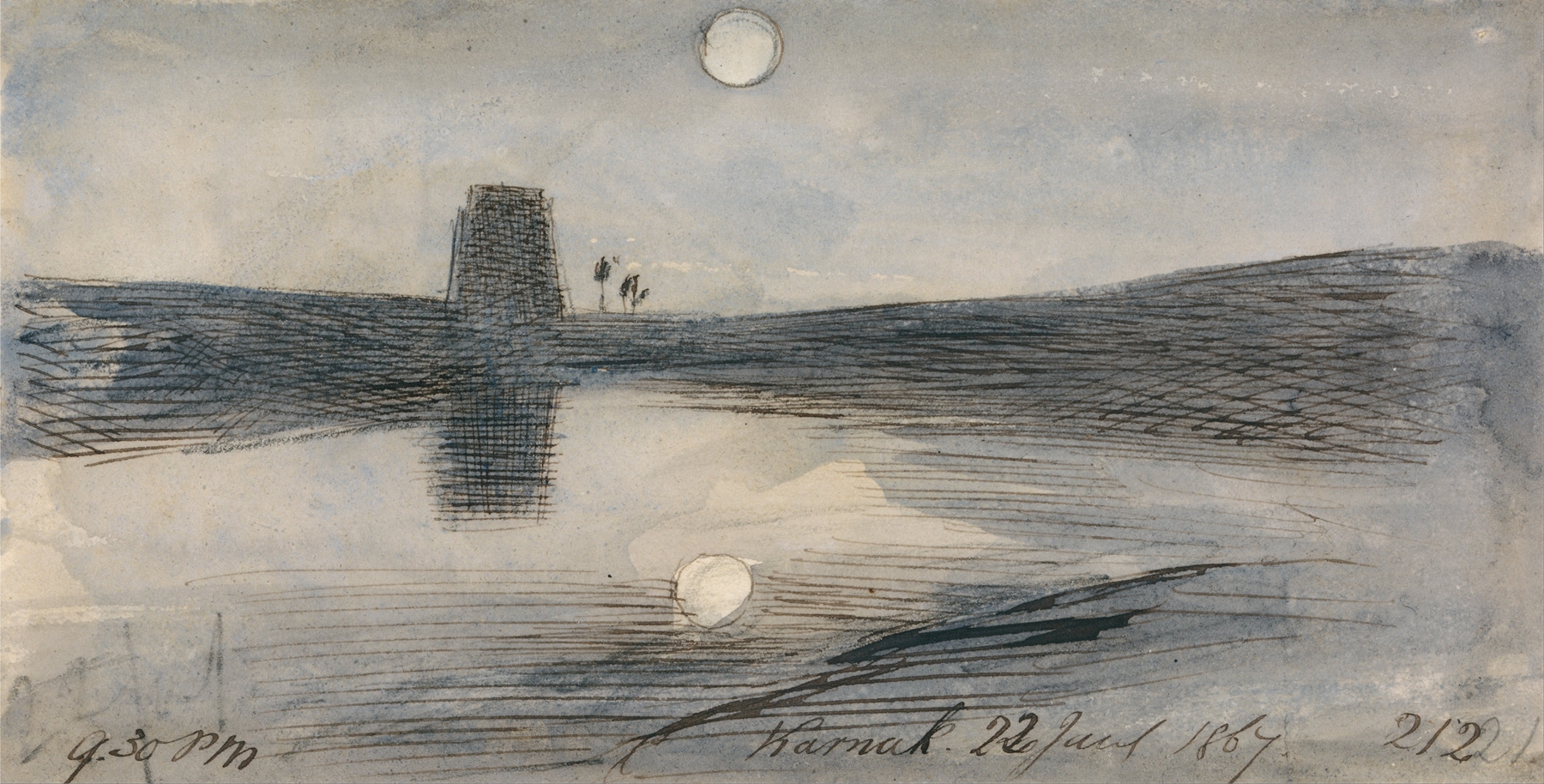
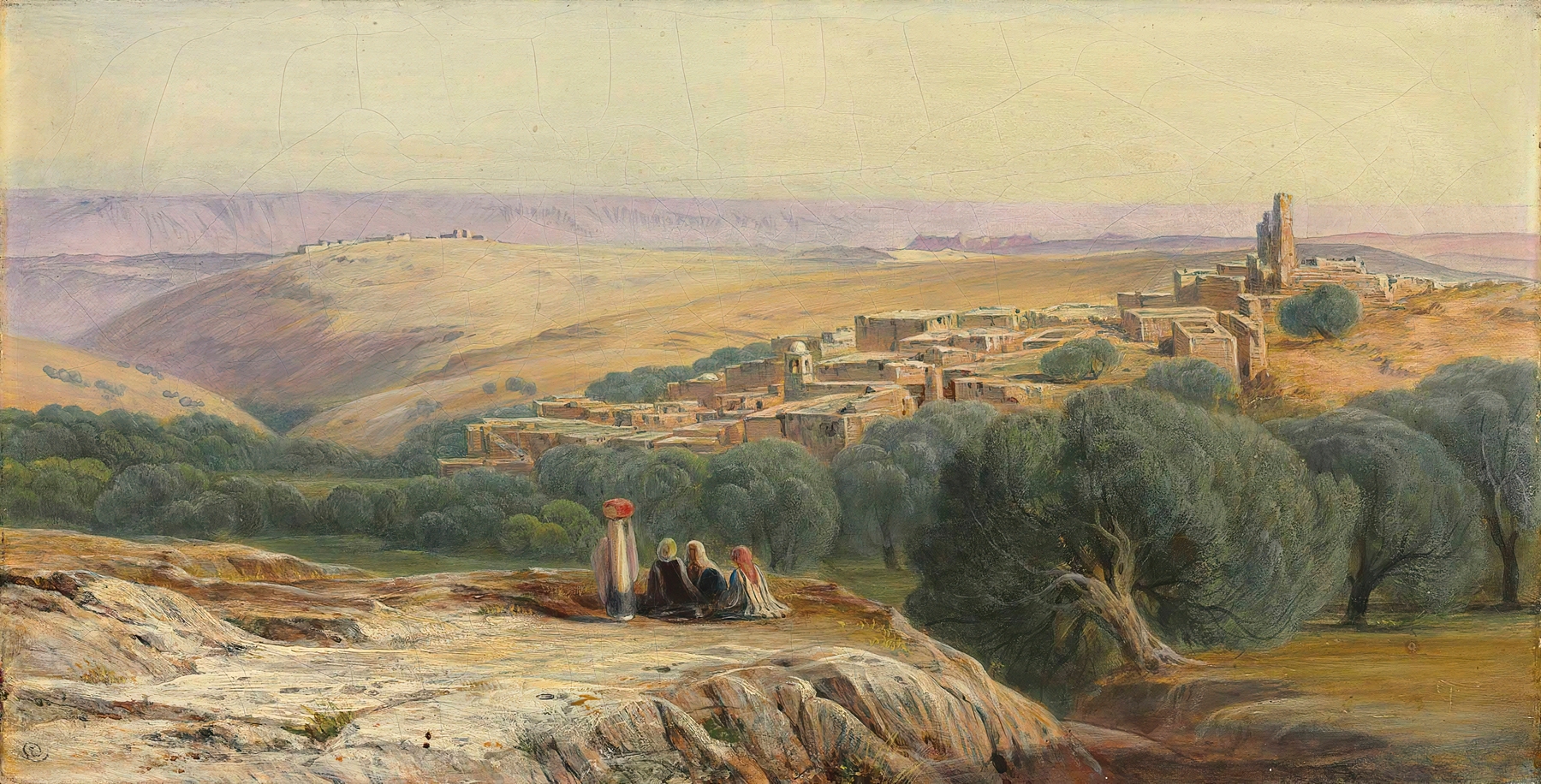
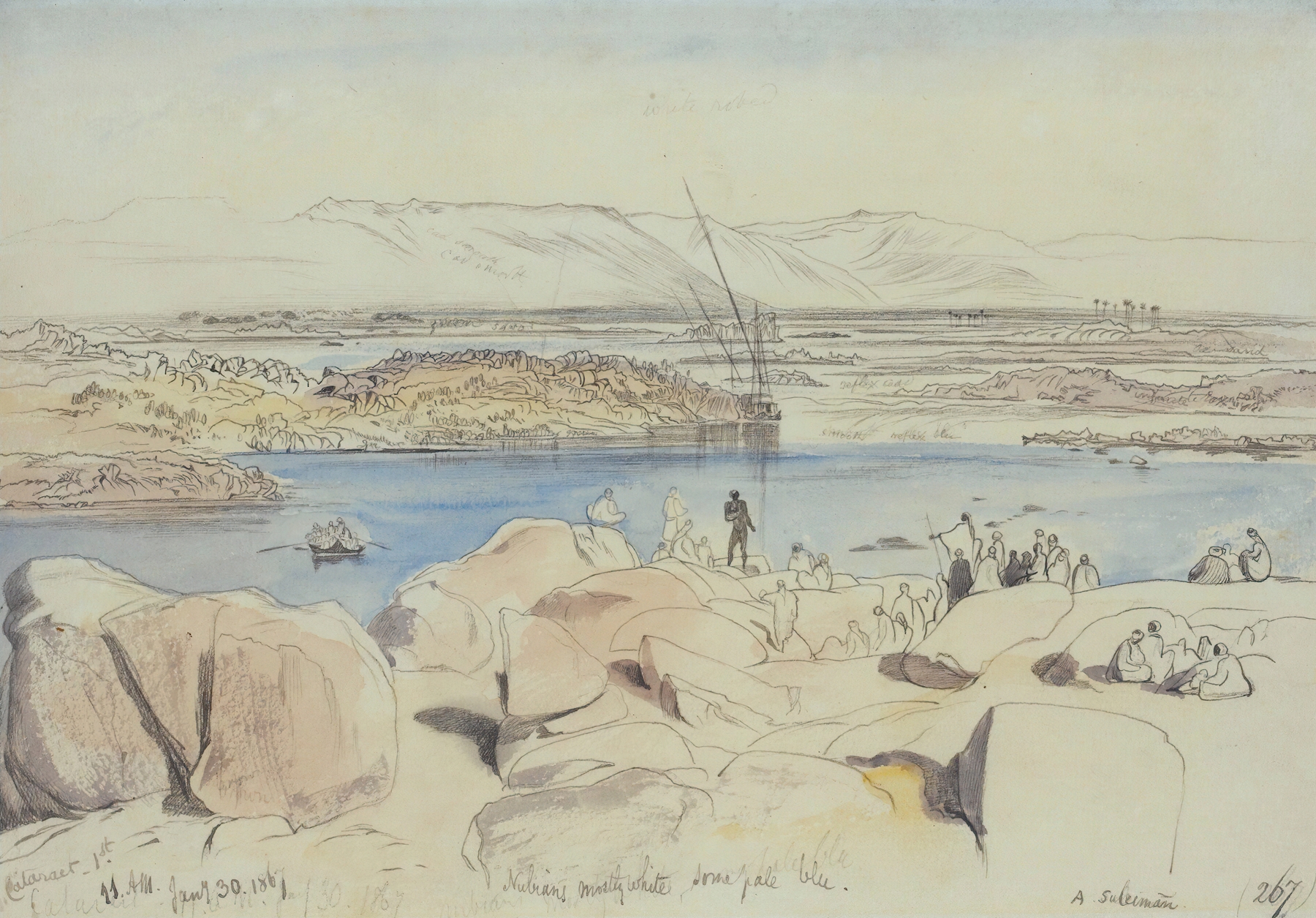
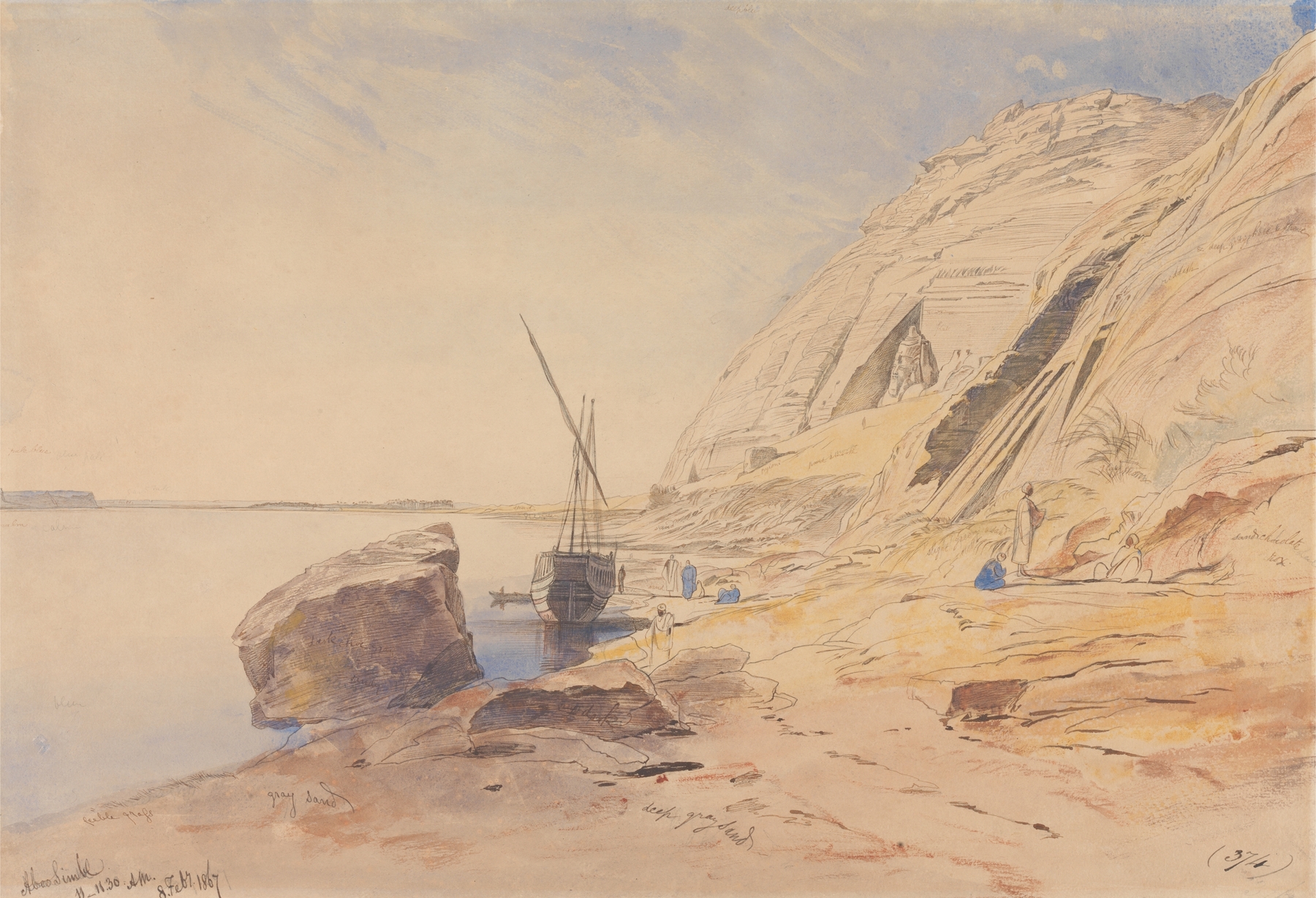
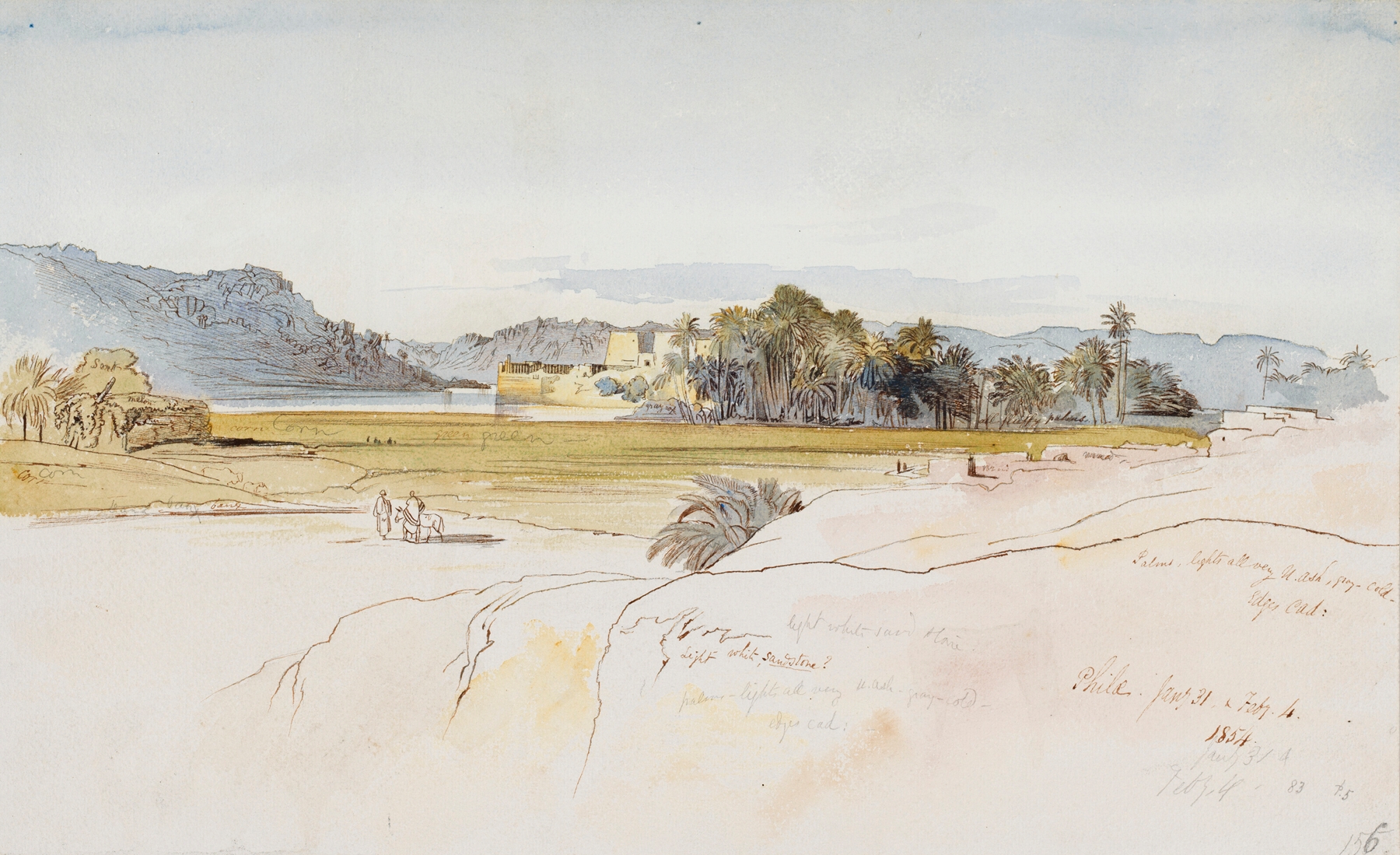
“Under the brush, chaos becomes grace.” In the world of art, the pursuit of truth often lies at the heart of every stroke. How does a moment caught in time reveal the essence of existence? Look to the center of the canvas, where rugged mountains rise majestically, their jagged forms softened by the delicate hues of dawn. The artist skillfully employs a palette of earth tones, blending ochres and muted greens, which breathe life into the landscape.
Notice how the light, a gentle embrace from the early morning sun, casts elongated shadows that dance across the terrain, creating a harmonious balance between light and darkness. Each brushstroke captures the rugged beauty of Gebel Sheikh Abu Fodde while inviting the viewer to explore the intricate details of the foreground. Delve deeper, and you will find the interplay of nature’s raw power and serene beauty, symbolizing the duality of existence. The mountain stands as a steadfast sentinel, embodying endurance, while the soft clouds above hint at a fleeting moment, urging contemplation of time’s passage.
This juxtaposition creates a sense of tranquility amidst the chaos of the natural world, inviting viewers to reflect on their place within it. In the late 1860s, Lear was navigating a complex artistic landscape, increasingly drawn to the beauty of remote locations. Painting Gebel Sheikh Abu Fodde during a journey through the Middle East, he sought not just to document but to capture the spirit of the land. This period saw him shifting from whimsical illustrations to a more profound exploration of landscapes, reflecting both personal evolution and the broader movements in art that valued authenticity and emotional depth.