Gebirgslandschaft, links hohe Tannen, rechts zwei Hütten — History & Analysis
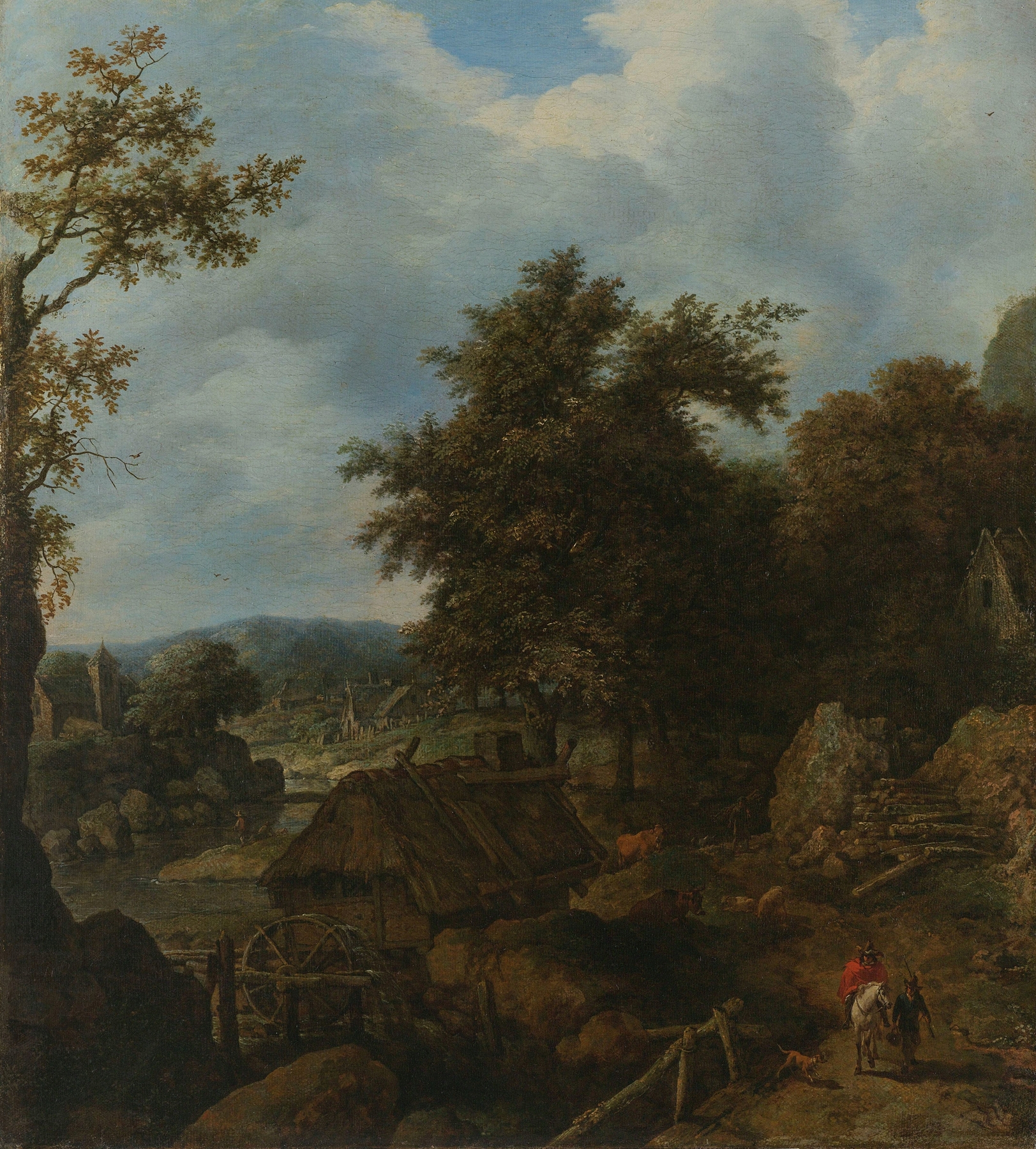
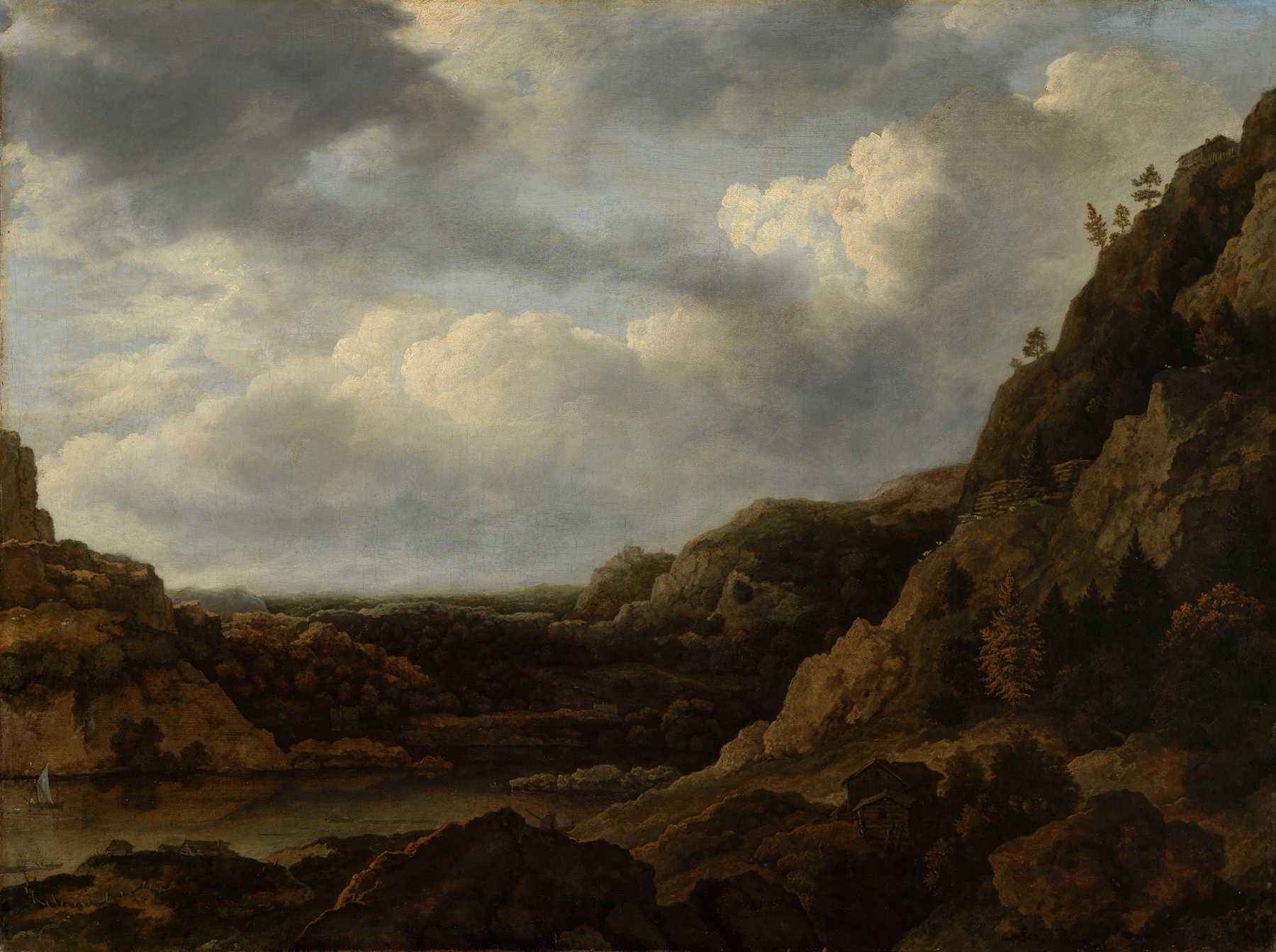
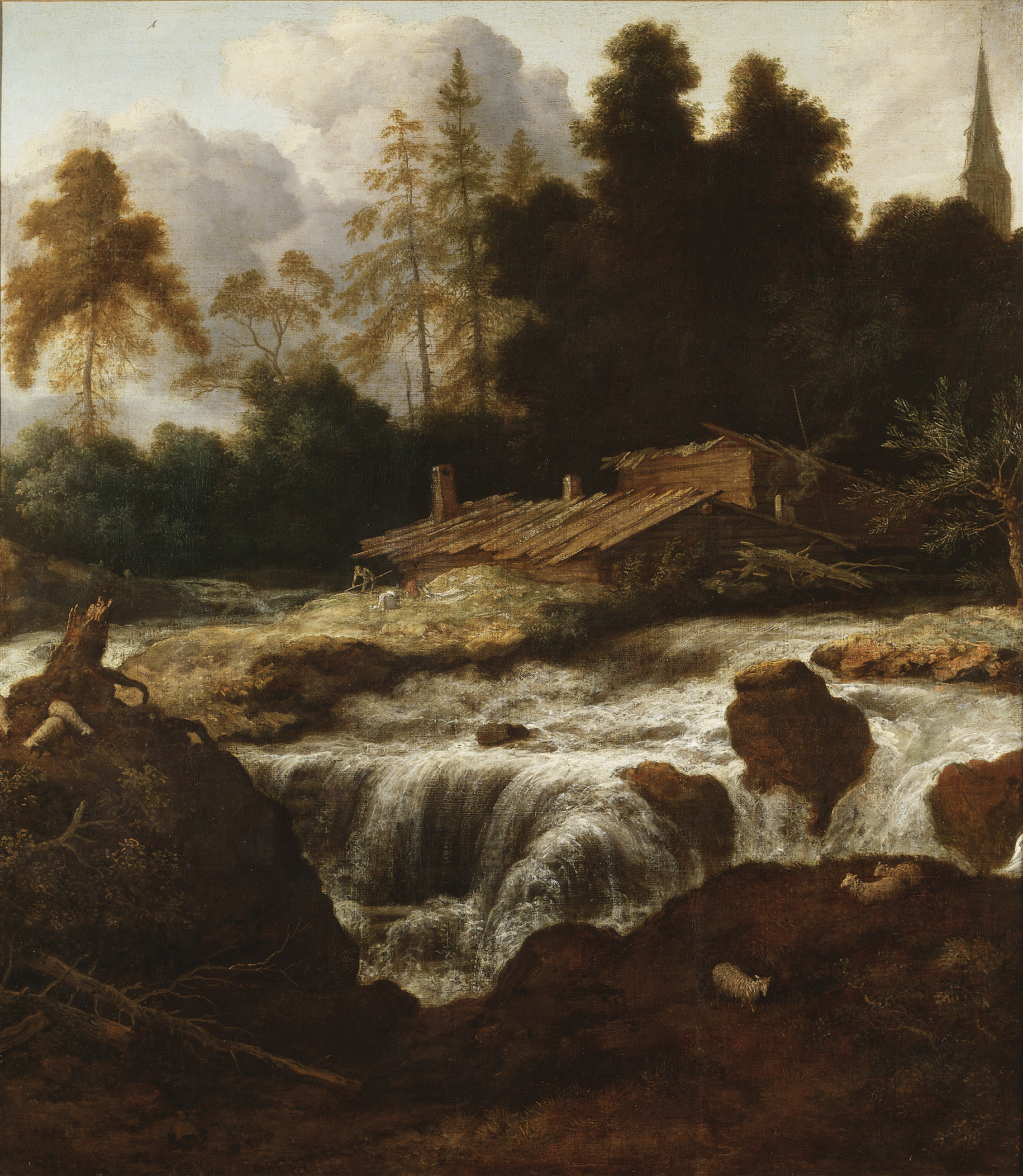
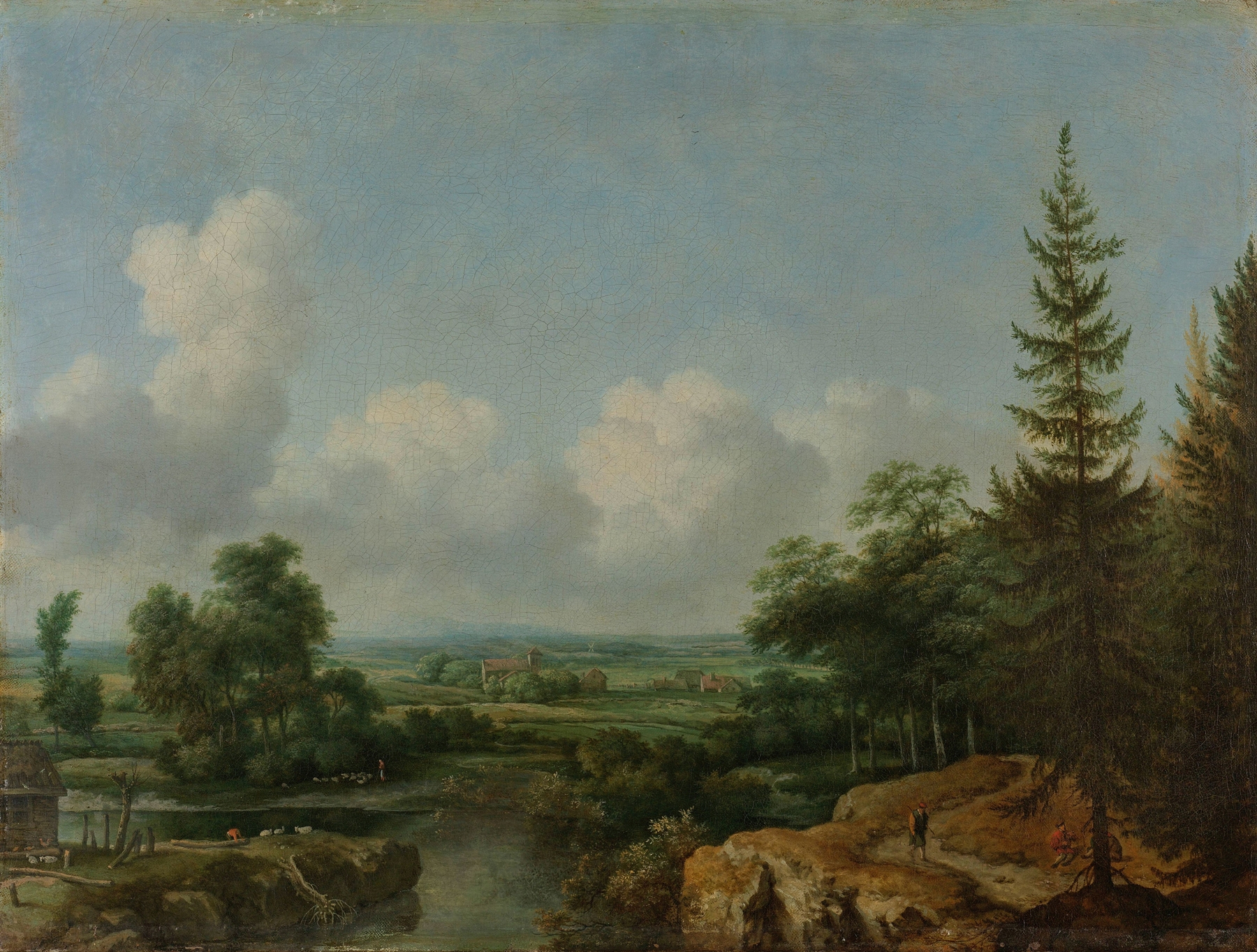
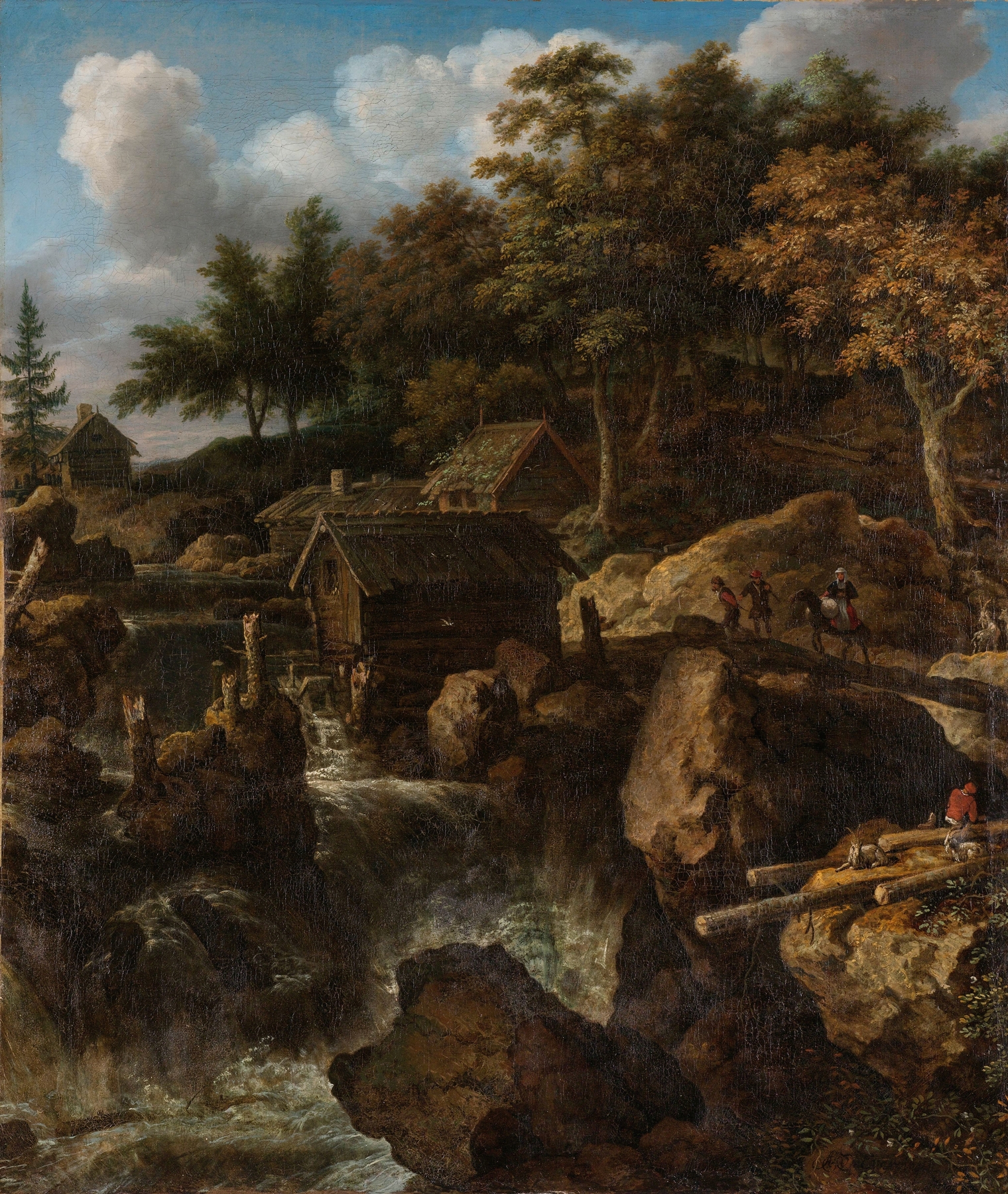
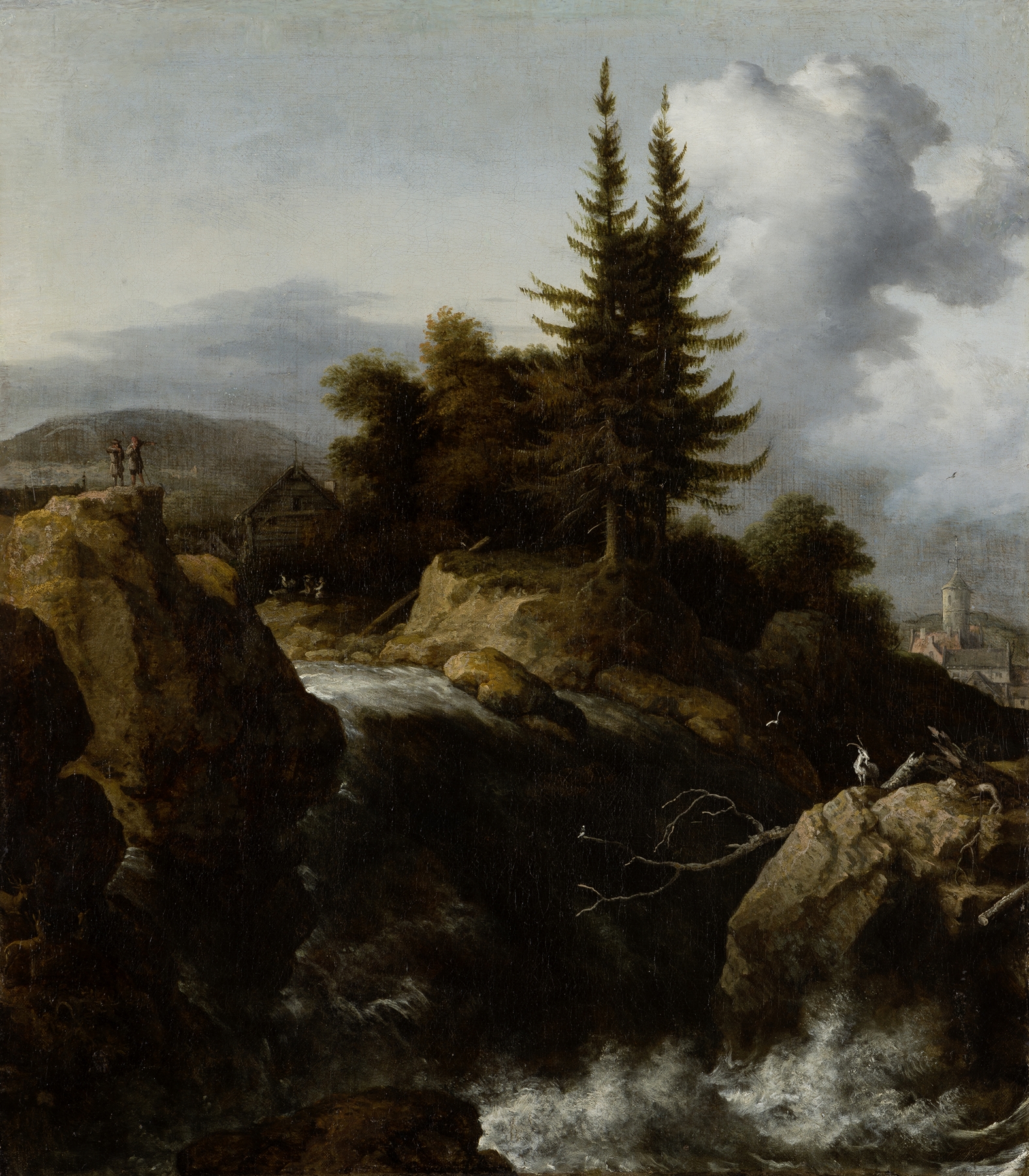
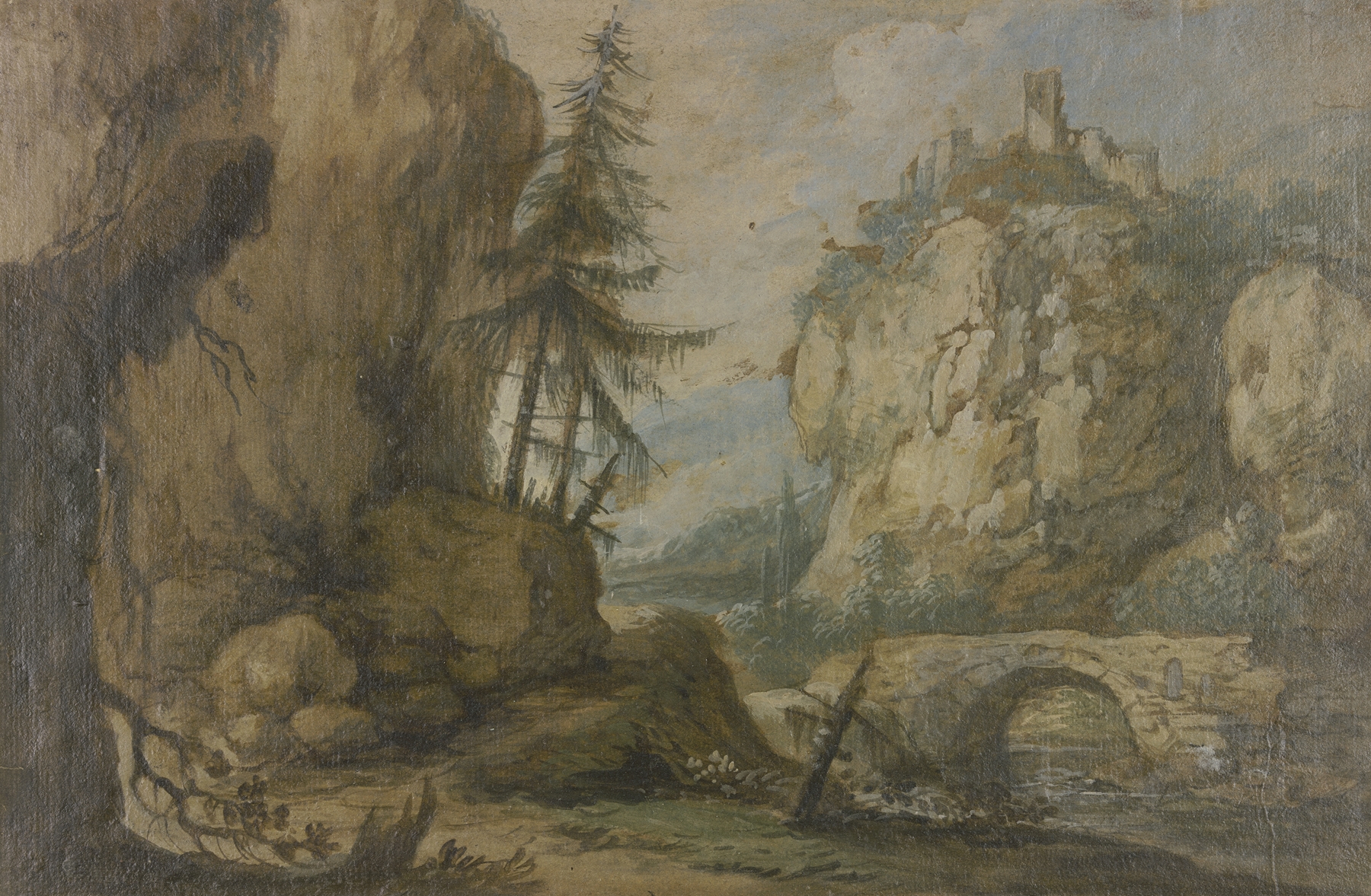
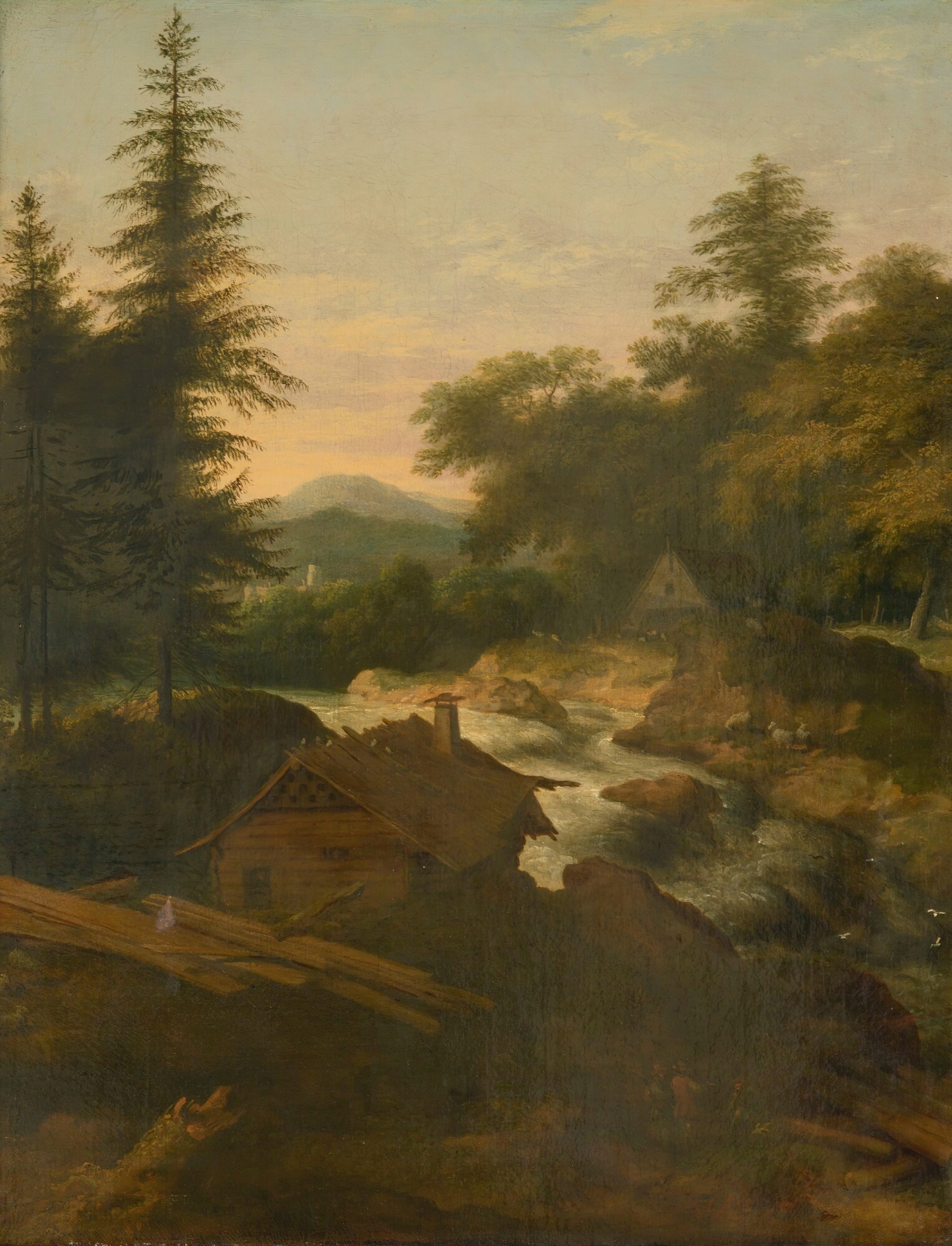
What if beauty was never meant to be finished? A fleeting glimpse of nature’s embrace, a whisper of melancholy lingers in the air, echoing the unfinished stories of the landscape. Look to the left at the towering firs, their dark silhouettes rising majestically against the soft gradient of the sky. Notice how the brushstrokes delicately convey the texture of the trees, capturing their rugged bark and the gentle sway of their branches. To the right, two quaint huts sit nestled among the trees, their rustic charm softened by a wash of muted earth tones.
The subtle interplay of light and shadow guides your gaze across the canvas, inviting you to explore its depths while revealing the artist's mastery of composition. Within this serene setting, contrasts emerge like whispers of distant memories. The towering trees symbolize endurance and resilience, while the humble huts evoke a sense of transience and human vulnerability. The serene landscape suggests a quiet invitation to reflect on the passage of time, where beauty becomes intertwined with a sense of longing.
Each element in the scene, from lush greenery to the stillness of the background, speaks of nature's permanence as a counterpoint to the fleeting essence of human life. Created during the 17th century, this work finds its roots in the Northern European tradition of landscape painting. At that time, the artist was exploring the intricacies of light and nature while navigating the burgeoning aesthetic movements of his era. Each brushstroke reveals his desire to capture the emotional depth of the world around him, positioning him as a significant figure in the transition towards a more evocative portrayal of landscapes.