Norwegian fjord — History & Analysis
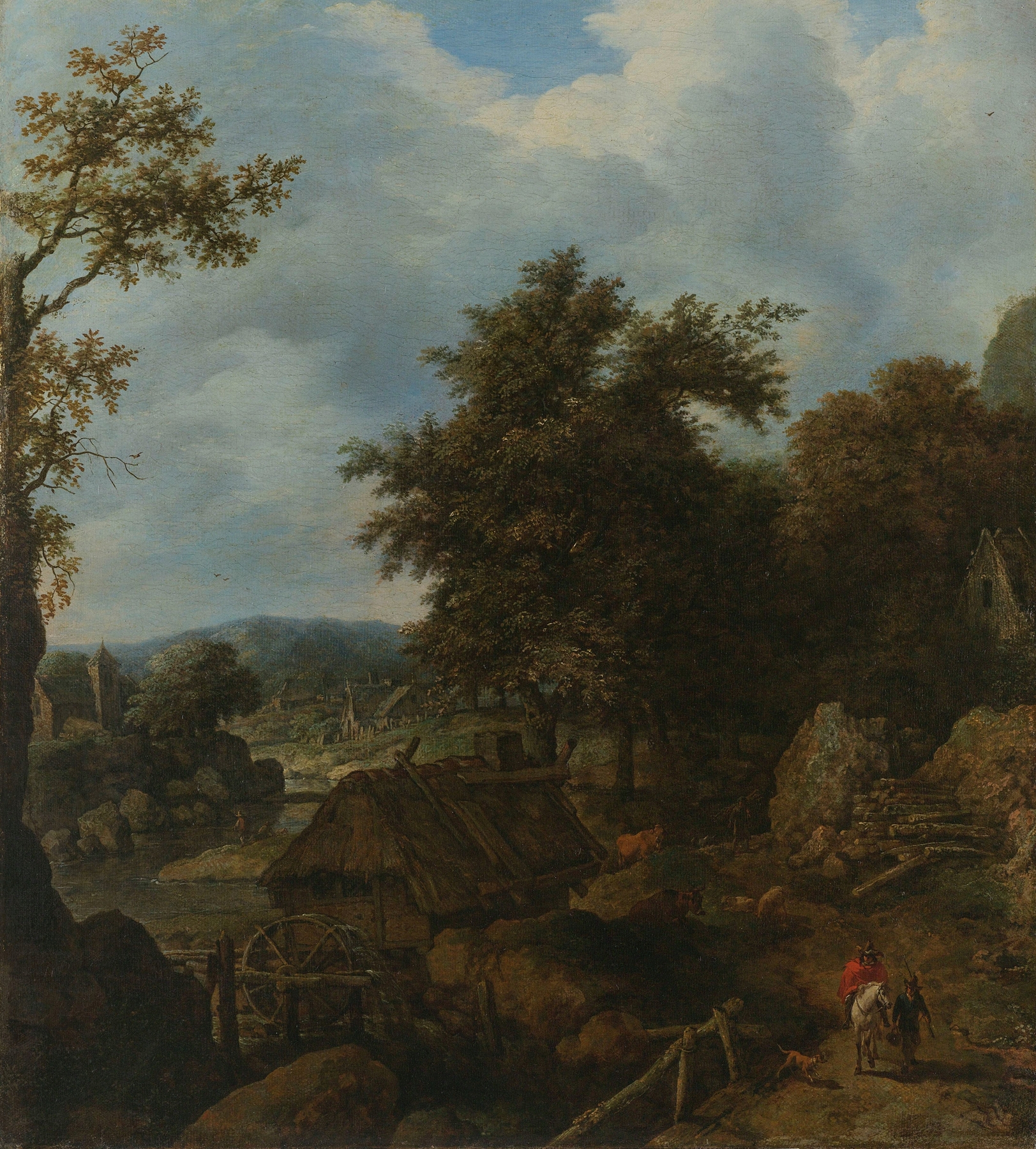
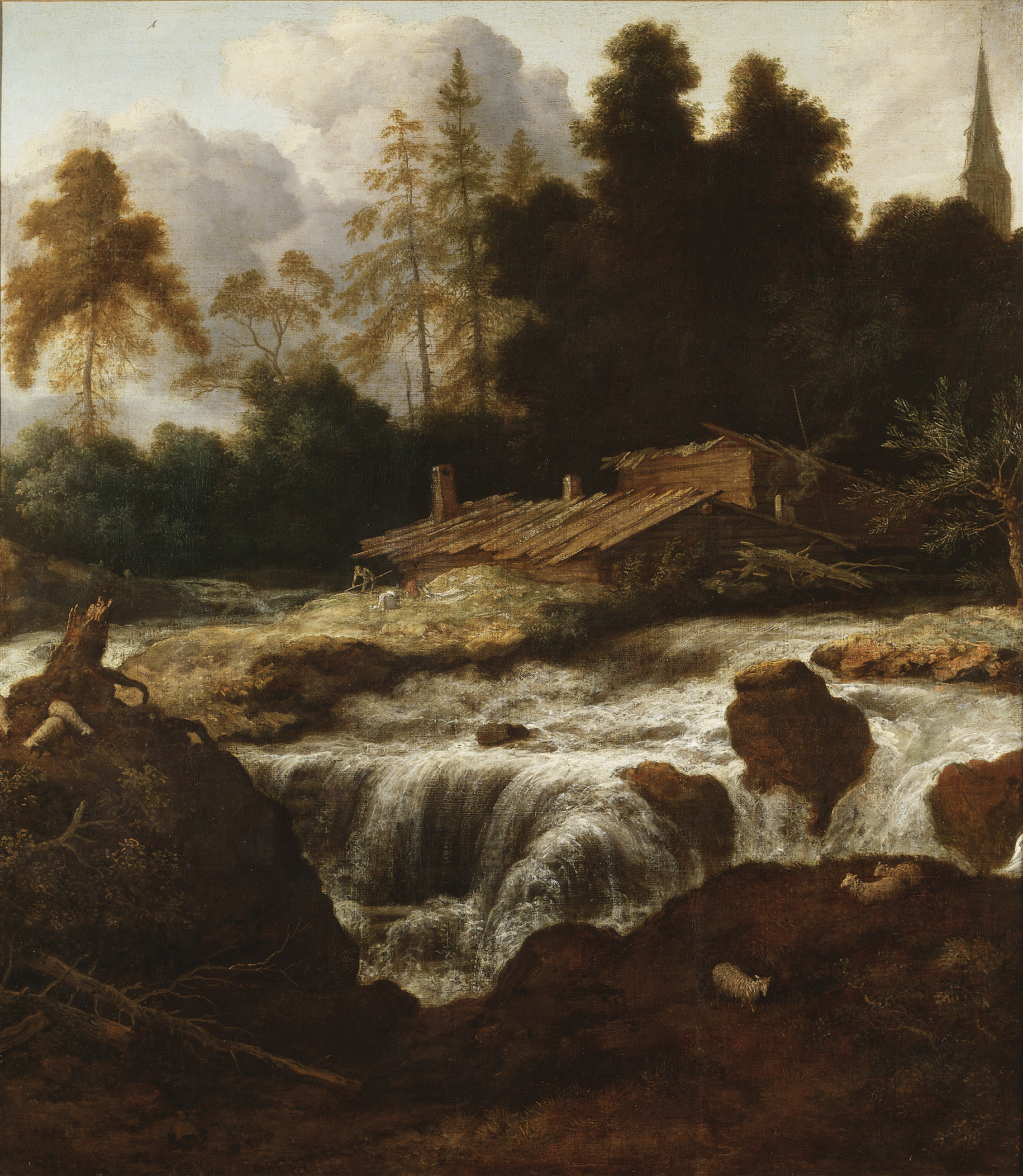
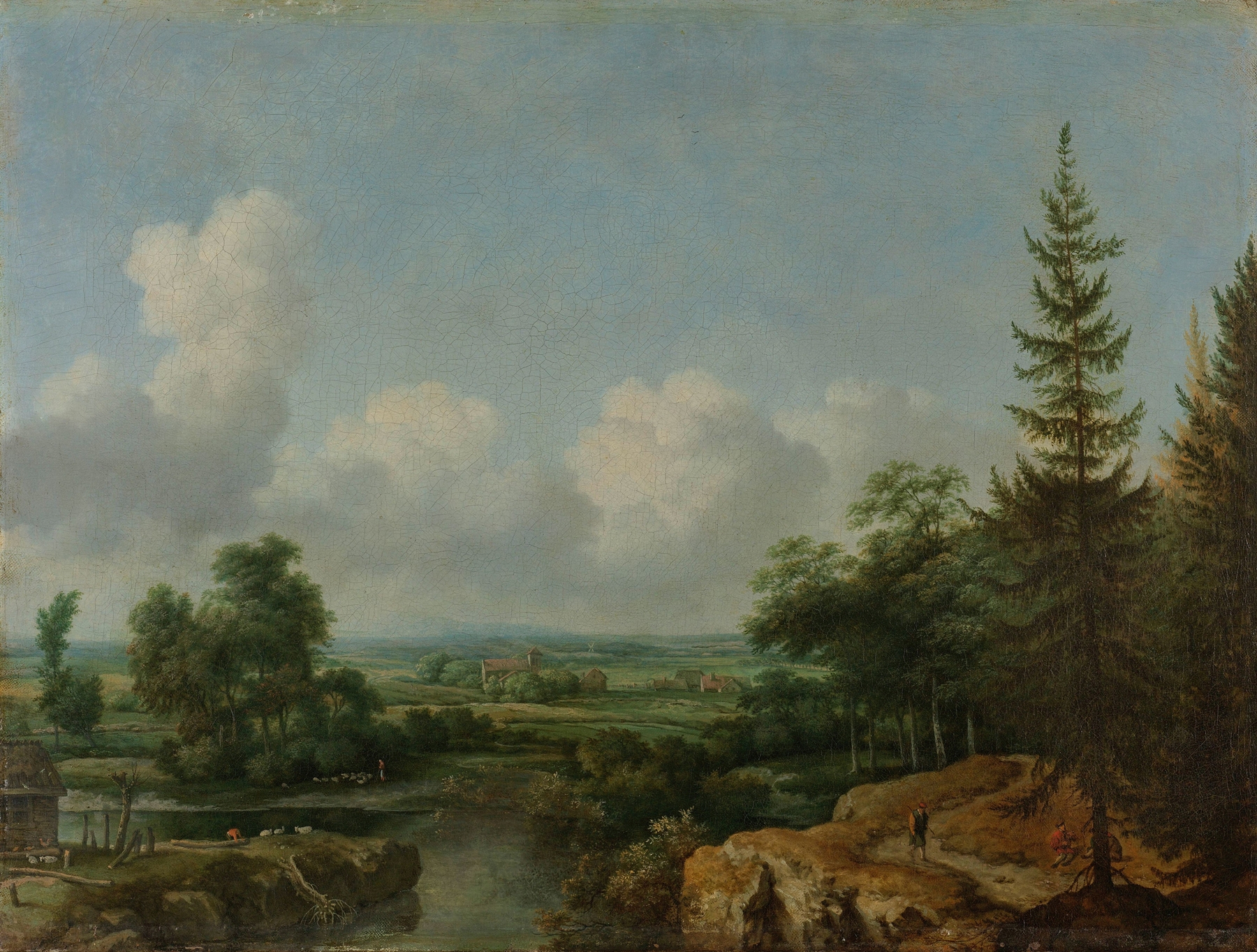
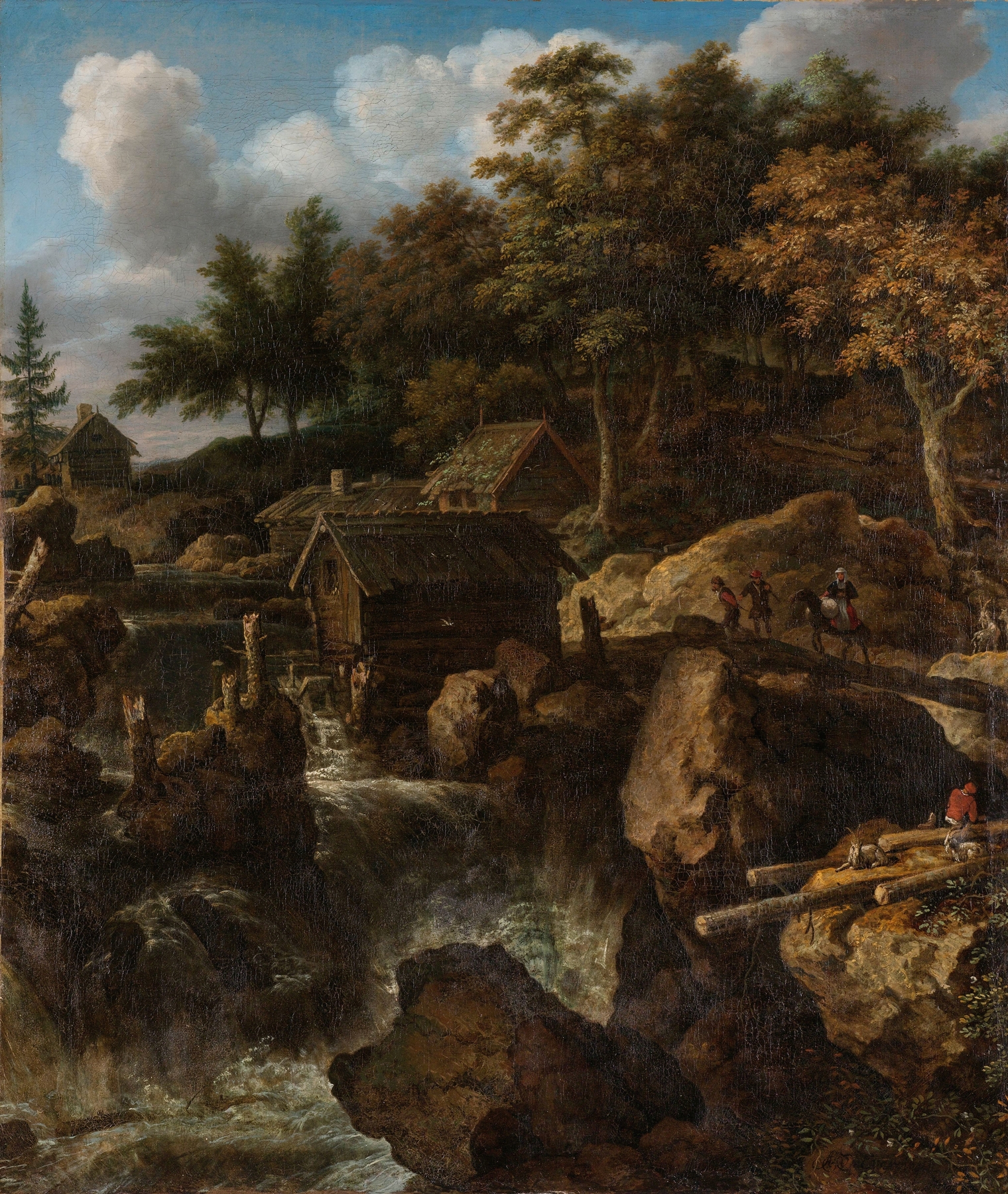
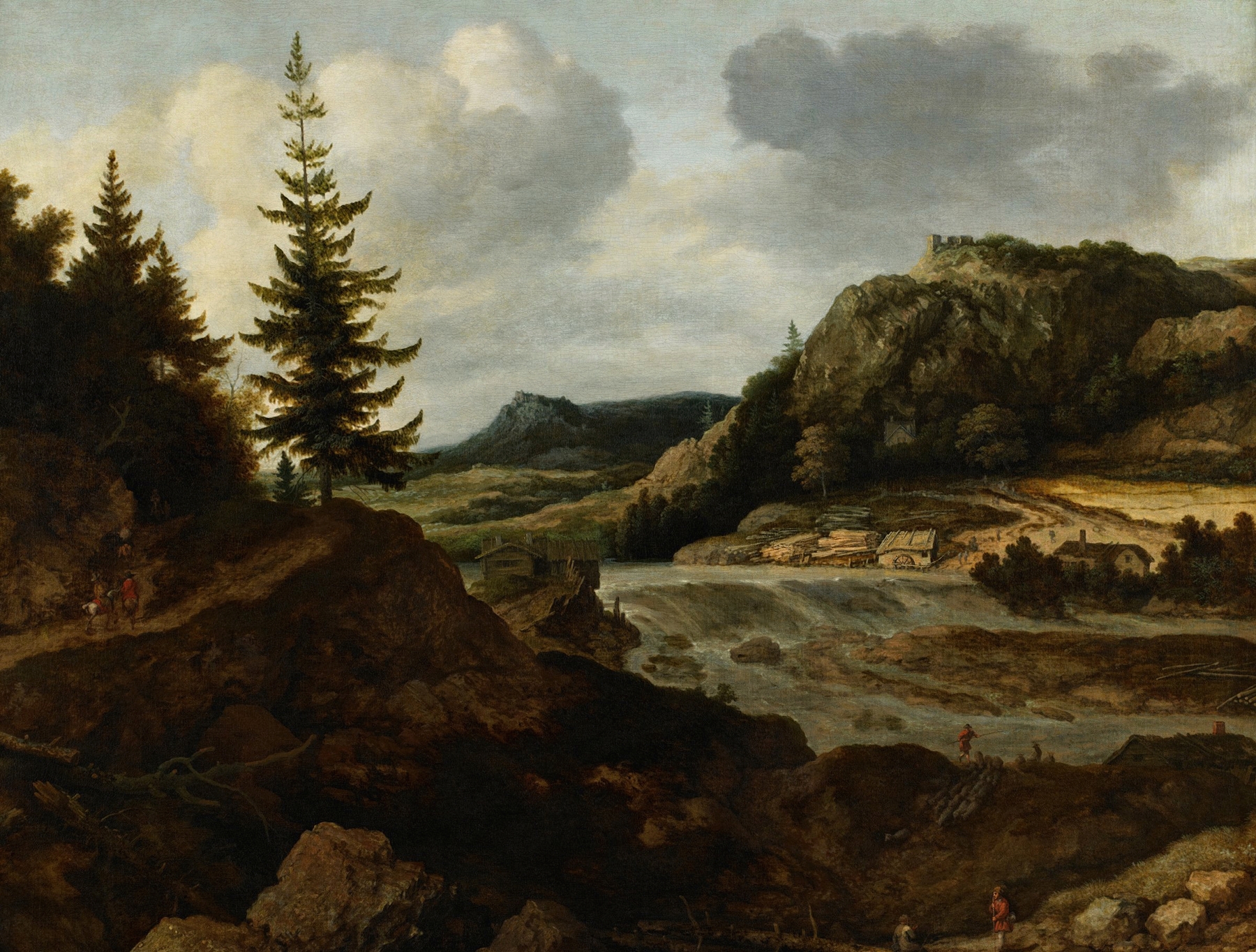
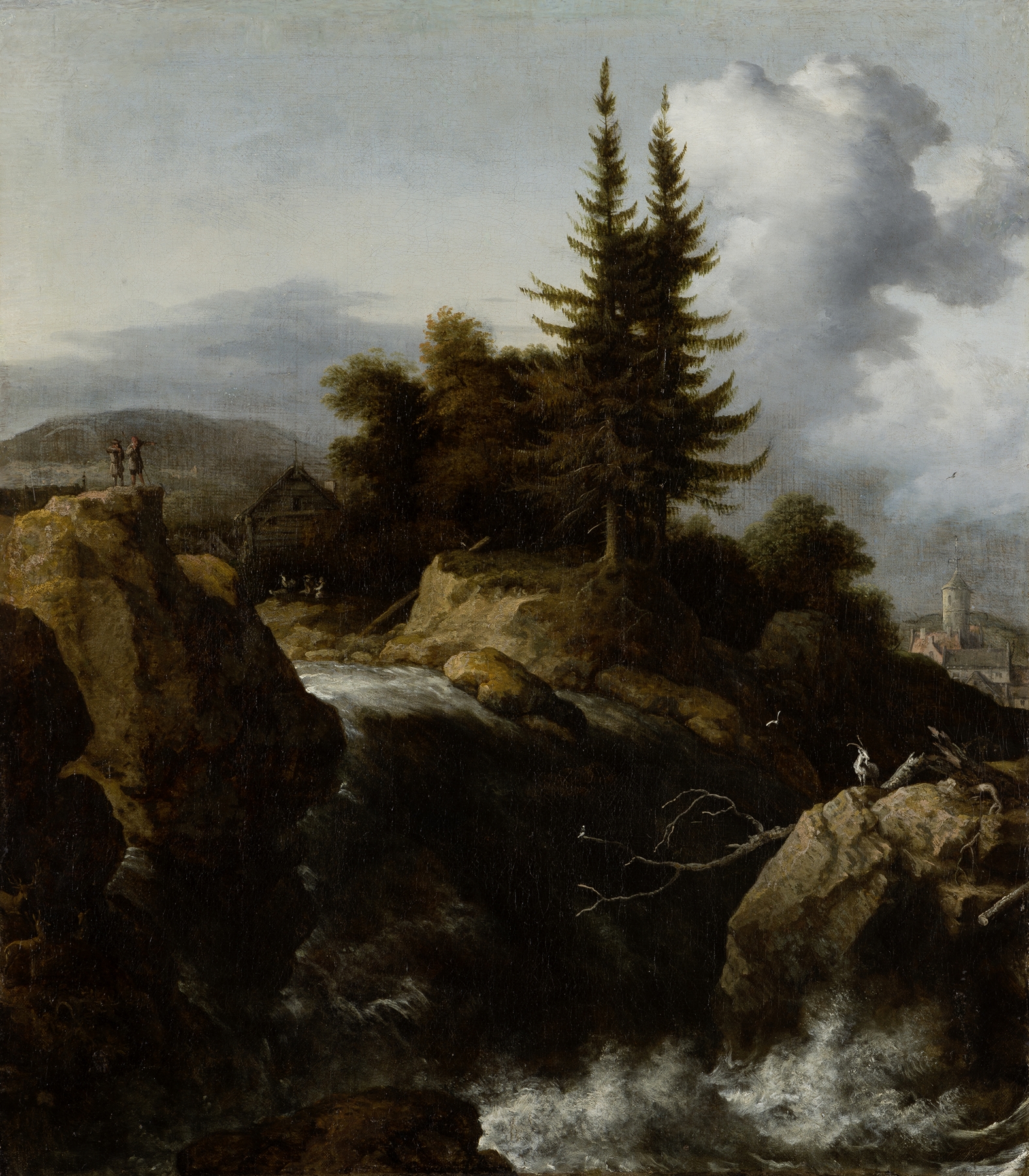
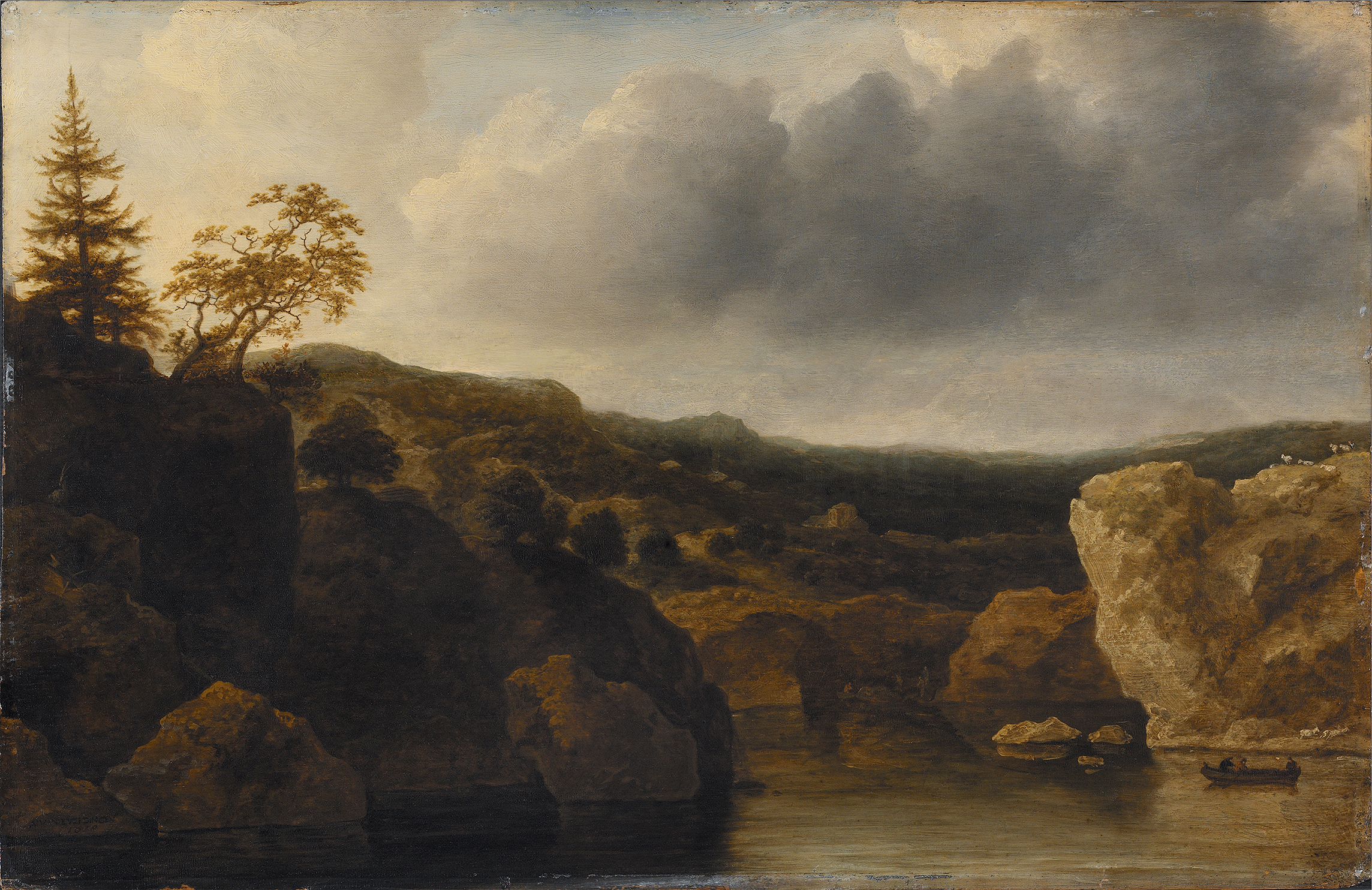
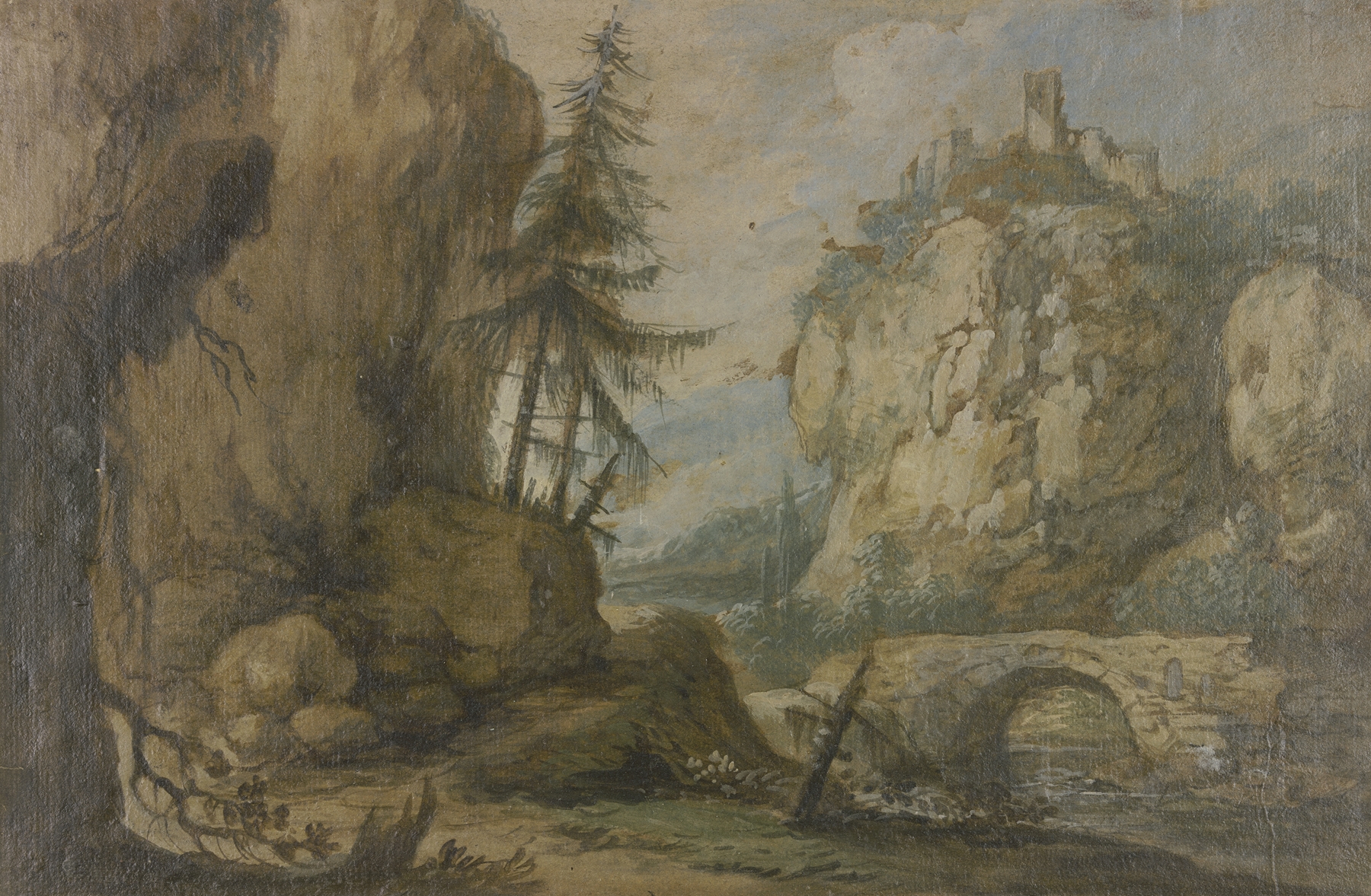
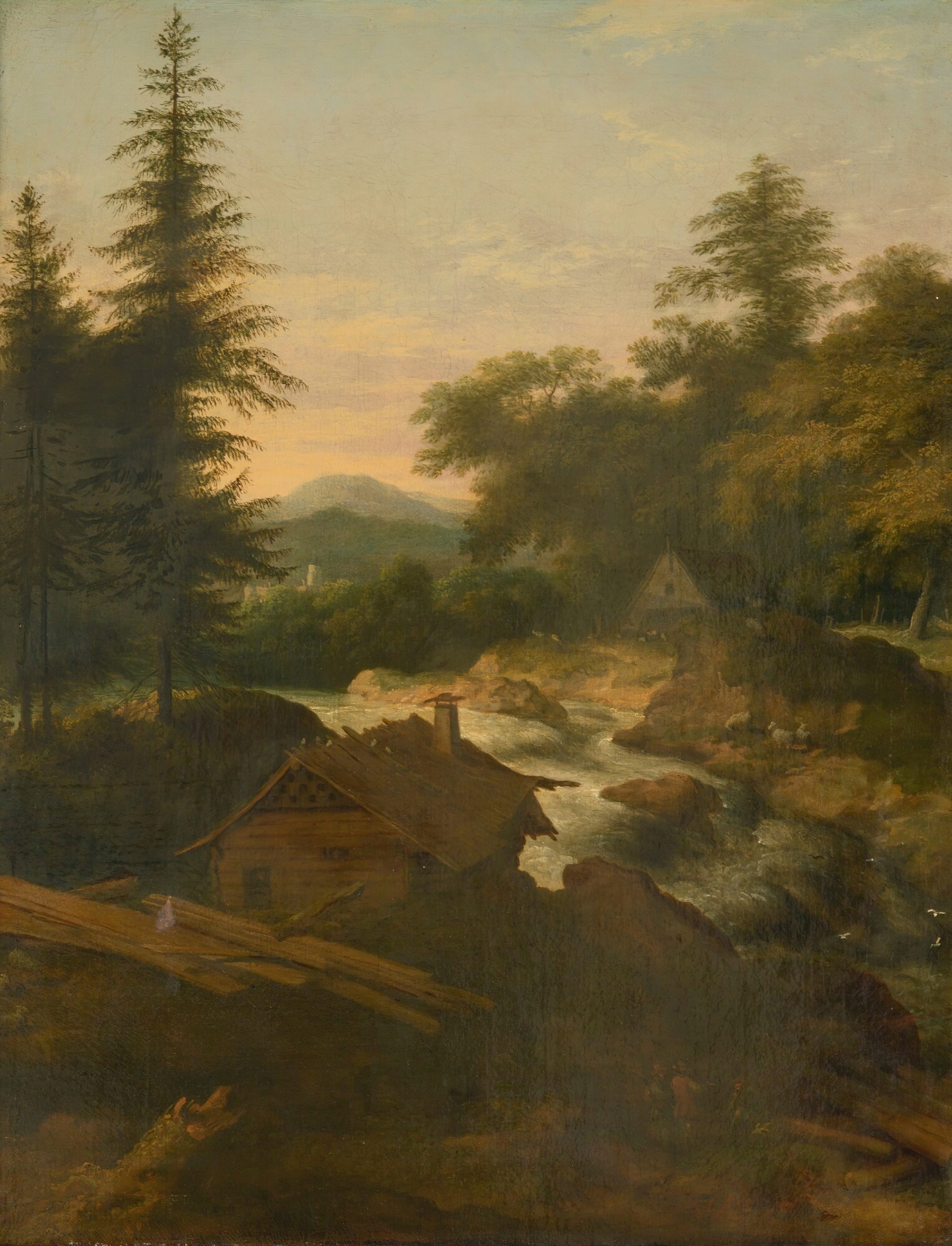
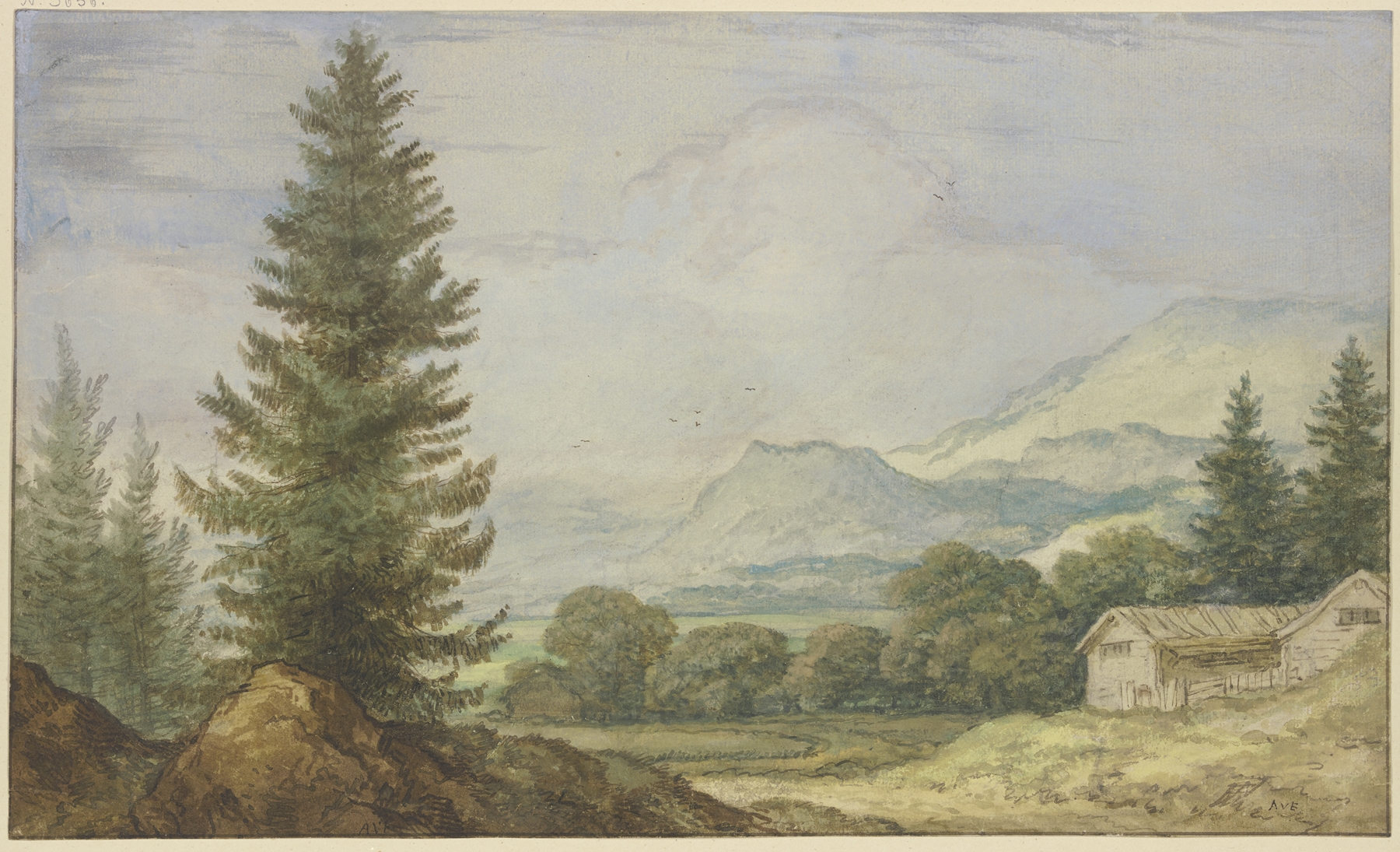
Could beauty survive in a century of chaos? In a world torn apart by conflict and uncertainty, the landscape remains a symbol of endurance and transformation. Look to the foreground where towering cliffs rise dramatically, their dark, jagged edges contrasting with the serene waters below. Notice how the light cascades softly over the fjord, creating shimmering reflections that dance across the surface.
The palette of deep blues and greens evokes a sense of tranquility, while the delicate strokes of white capture the mist rising from the water, inviting the viewer to breathe in the freshness of the scene. Within this tranquil setting lies a tension between the sublime and the foreboding. The vibrant, lush greenery suggests life and growth, yet the looming cliffs remind us of nature's raw power and the isolation one can feel amidst such grandeur. This duality symbolizes not just the beauty of the Norwegian landscape, but also the transformative potential that exists even in tumultuous times, echoing the struggles faced by humanity.
In 1648, Allaert van Everdingen painted this stunning landscape amidst the backdrop of the Thirty Years' War, a time when Europe was rife with turmoil. At this point in his life, he had traveled extensively through Norway, capturing its breathtaking vistas, and his works reflected a growing interest in landscape painting that was emerging in the Dutch Golden Age. This artwork encapsulates both the natural beauty and the complex emotional landscape of a world in flux.